

- 251 Views
- 15 Min Read
- (0) Comment
Booking a gorilla safari in Uganda can feel overwhelming, especially when you’re trying to manage a fixed $800 permit fee and complex ground logistics. Many international travelers struggle to find authentic discounts without falling into unauthorized booking traps or missing critical seasonal windows. This guide walks you through the exact steps to secure legitimate savings on your 2026 gorilla trek by choosing strategic timing, the right trekking sector, and reliable ground transport, so you can experience Uganda’s mountain gorillas without overpaying or risking your permit.
Table of Contents
- Cost Breakdown Of A Gorilla Safari In Uganda
- Timing And Seasonal Considerations For Discounts
- Ground Logistics: Customized 4×4 Vans And Skilled Drivers
- Choosing The Right Trekking Sector: Buhoma, Ruhija, Rushaga, Nkuringo
- Common Mistakes To Avoid When Booking Safari Permits And Logistics
- Insider Tips For Securing Discounts And Efficient Bookings
- Plan Your Discounted Uganda Gorilla Safari With PawMac Safaris
- How Much Does The 2026 Gorilla Permit Cost And Where Can I Purchase It?
- Which Trekking Sector In Uganda Is Best For Budget Travelers Looking For Discounts?
- What Are The Ground Transport Options And Typical Costs On A Gorilla Safari In Uganda?
Key takeaways
| Point | Details |
|---|---|
| Fixed permit price | The gorilla permit is fixed at $800 for 2026 by Uganda Wildlife Authority with official low-season rates of $600 for April, May, and November. |
| Seasonal discounts | Off-peak months April, May, and November offer $600 permits, saving you $200 per trek, but these discounted permits are non-reschedulable. |
| Transport essentials | Use customized 4×4 safari vans with pop-up roofs and skilled local drivers to handle muddy roads safely during rainy low-season months. |
| Sector selection | Choosing less crowded sectors like Rushaga over busy Buhoma can reduce overall costs and improve trekking experience quality. |
| Booking safety | Always purchase permits through Uganda Wildlife Authority or trusted local operators to avoid unauthorized sellers and permit loss. |
Cost breakdown of a gorilla safari in Uganda
Understanding the full cost structure helps you budget accurately and identify where you can save. Uganda safari prices and permit costs vary based on season and sector choice, but the permit remains the largest single expense.
The gorilla permit is fixed at $800 for 2026 as the standard rate set by Uganda Wildlife Authority. However, UWA offers official low-season rates of $600 for treks conducted in April, May, and November 2026, saving you $200 per permit. These discounted permits are strictly non-reschedulable under UWA regulations, so you must commit to your chosen date.
Beyond the permit, your safari budget must account for ground transport, park fees, guide fees, accommodation, and meals. Daily ground transport costs typically range from $70 to $120 when using customized 4×4 safari vans with pop-up roofs. Park entrance fees add another $40 per person per day, while local guide fees run about $30 to $50 depending on the sector.
Main cost components:
- Gorilla permit: $800 standard or $600 low-season (April, May, November)
- Ground transport: $70 to $120 per day via 4×4 safari van
- Park entrance: $40 per person daily
- Guide fees: $30 to $50 per trek
- Accommodation: $50 to $300 per night depending on lodge tier
- Meals: $15 to $40 per day
| Cost Item | Standard Rate | Low-Season Rate |
|---|---|---|
| Gorilla Permit | $800 | $600 (Apr, May, Nov) |
| Daily Transport | $70-$120 | $70-$120 |
| Park Entrance | $40 | $40 |
| Guide Fee | $30-$50 | $30-$50 |
When you add accommodation and meals, a three-day gorilla safari typically costs $1,500 to $2,200 per person during standard months and $1,300 to $2,000 during low-season months. Booking a package through a trusted operator like PawMac Safaris helps you control these costs by bundling transport, permits, and logistics at transparent prices.
Timing and seasonal considerations for discounts
Choosing the right travel window is your most powerful tool for reducing costs and improving permit availability. Off-peak seasons offer 15-20% savings on overall costs beyond just the permit discount, as lodges and operators lower rates to attract visitors during slower months.
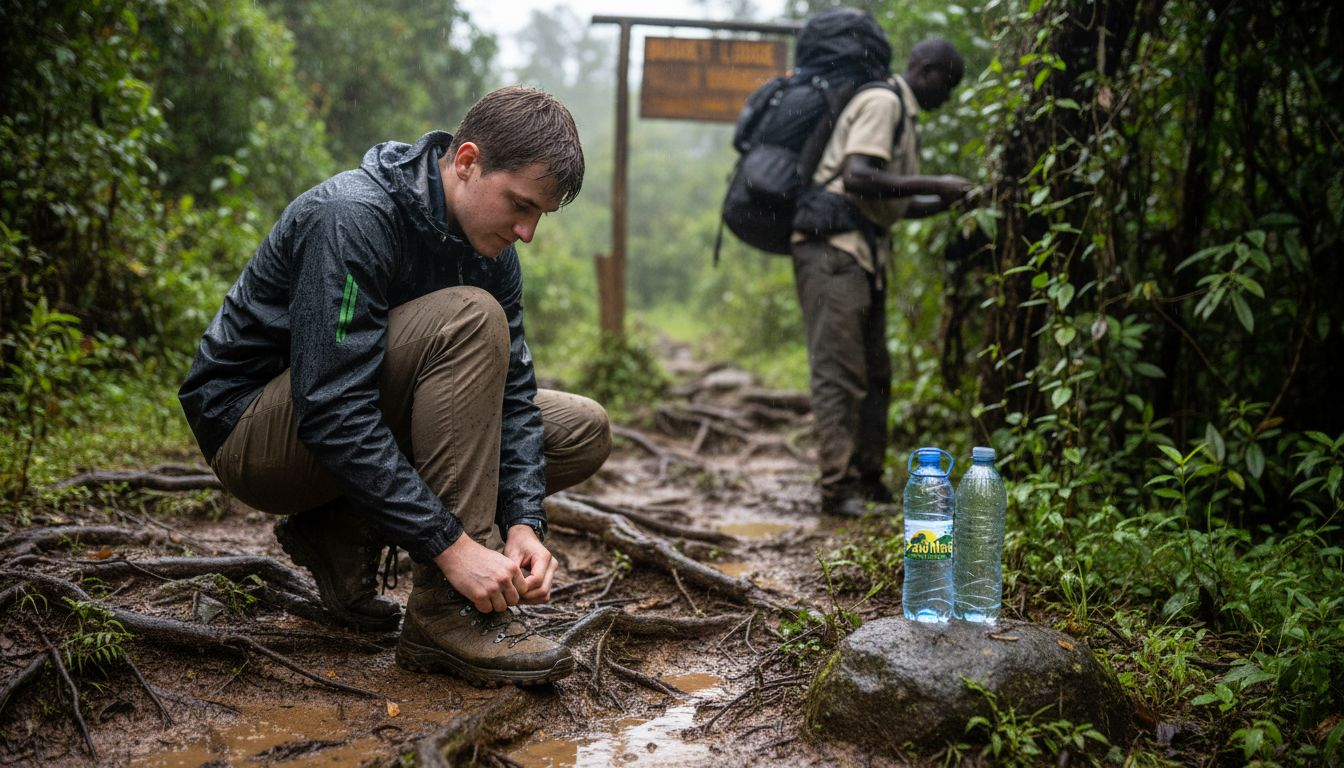
April, May, and November are officially designated low-season months by Uganda Wildlife Authority, offering $600 gorilla permits instead of the standard $800. These months coincide with Uganda’s rainy seasons, which means fewer crowds on the trails and easier permit availability, but also wetter, muddier trekking conditions. If you can handle rain gear and slippery paths, you’ll save $200 per permit and enjoy a more private gorilla encounter.
Weather patterns directly affect trekking difficulty and comfort. April and May bring heavy afternoon rains, while November sees lighter, more intermittent showers. Trails become slick, requiring sturdy waterproof boots and trekking poles. Plan for at least four hours for your trekking day, including the pre-trek briefing, transport to the trailhead, the actual trek, and return transport.
Best months for discounts:
- April: Heavy rain, $600 permits, fewest crowds
- May: Heavy rain, $600 permits, excellent availability
- November: Moderate rain, $600 permits, good balance
Avoiding peak months like June through September and December through February keeps costs lower and reduces competition for permits. During these busy periods, permits sell out months in advance and lodge prices jump 20% to 30%. If your schedule allows flexibility, targeting Uganda safari seasonal timing during low-season windows delivers the best financial and experiential value.
Plan Your Uganda Safari with Local Experts
 WhatsApp Us
Pro Tip: Book your low-season permit at least three months ahead even though availability is better, because the non-reschedulable rule means you can’t change dates if your plans shift.
Ground logistics: customized 4×4 vans and skilled drivers
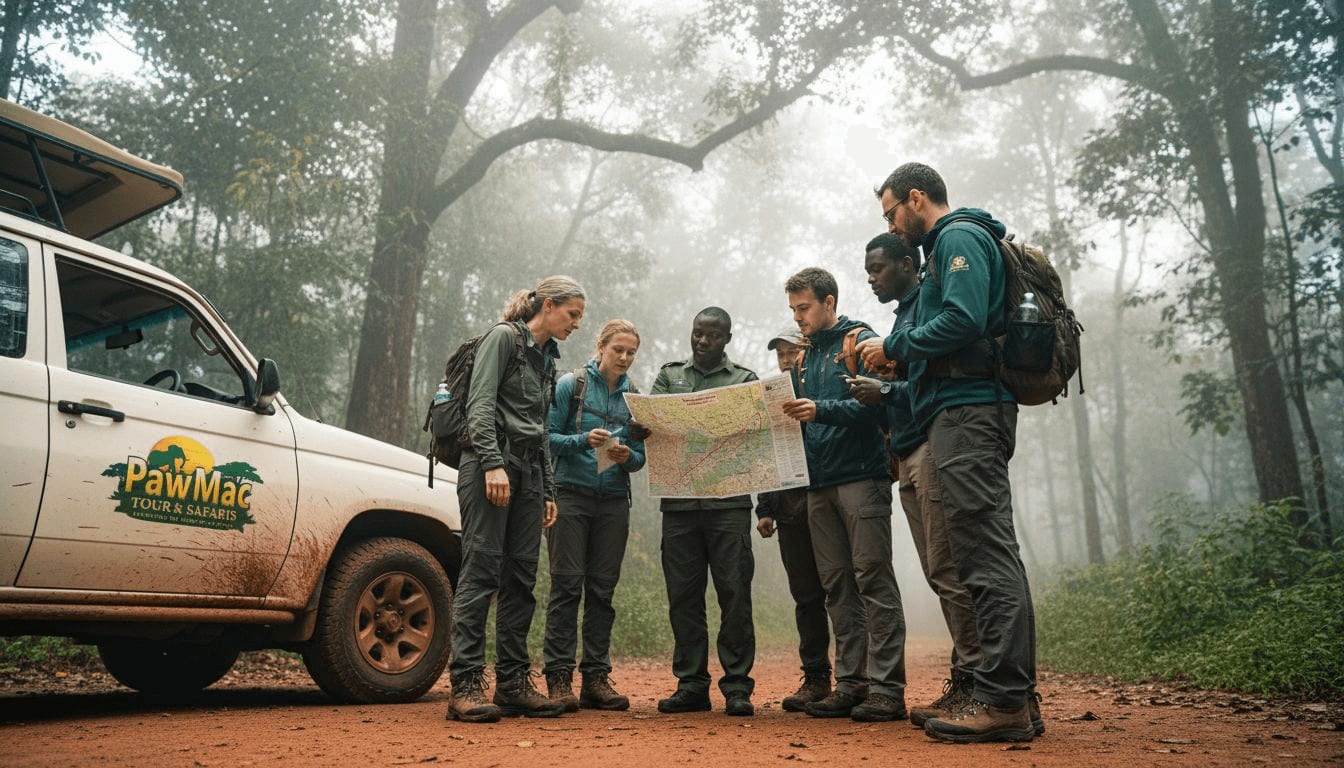
Getting to Bwindi Impenetrable National Park safely and comfortably requires specialized vehicles and experienced drivers, especially during rainy low-season months. Customized 4×4 safari vans with pop-up roofs and skilled local drivers are essential for safe transport on bumpy roads that can turn into muddy challenges after heavy rain.
Uganda’s rural roads leading to gorilla trekking sectors are unpaved, potholed, and steep in many sections. Locals jokingly call the bumpy ride the “African massage” because of constant jostling over rough terrain. During April, May, and November, these roads become even more treacherous with mud, requiring vehicles with high ground clearance, four-wheel drive, and pop-up roofs for wildlife viewing along the route.
PawMac Safaris uses only customized 4×4 safari vans, never standard Land Cruisers, because vans provide better stability, more interior space for gear, and pop-up roofs that allow you to stand and photograph wildlife during transit. Skilled local drivers know every curve, steep section, and seasonal road hazard, adjusting speed and route as needed to ensure safe arrival.
Why 4×4 safari vans matter:
- High ground clearance handles deep mud and rocks
- Four-wheel drive provides traction on slick slopes
- Pop-up roofs enable wildlife viewing and photography
- Spacious interiors accommodate trekking gear comfortably
- Experienced drivers navigate safely without delays
The drive from Kampala or Entebbe to Bwindi takes eight to ten hours depending on your chosen sector and road conditions. Choosing proper ground transport logistics in Uganda prevents breakdowns, accidents, and costly delays that can jeopardize your trekking schedule and non-reschedulable permit.
Pro Tip: Always confirm your operator uses customized 4×4 safari vans before booking, especially if trekking during low-season months when muddy roads demand superior vehicle capability.
Choosing the right trekking sector: Buhoma, Ruhija, Rushaga, Nkuringo
Bwindi Impenetrable National Park has four distinct trekking sectors, and your choice directly impacts cost, crowd levels, terrain difficulty, and overall experience quality. Each trekking sector has distinct terrain, visitor density, and cost profiles, so matching your selection to your budget and fitness level maximizes value.
Buhoma is the oldest and most developed sector, located in the northern part of Bwindi. It attracts the highest visitor numbers due to proximity to luxury lodges and easier access roads. If you want a more social trekking experience and don’t mind sharing the forest with other groups, Buhoma works well, but expect fewer discounts on lodges and transport during peak season.
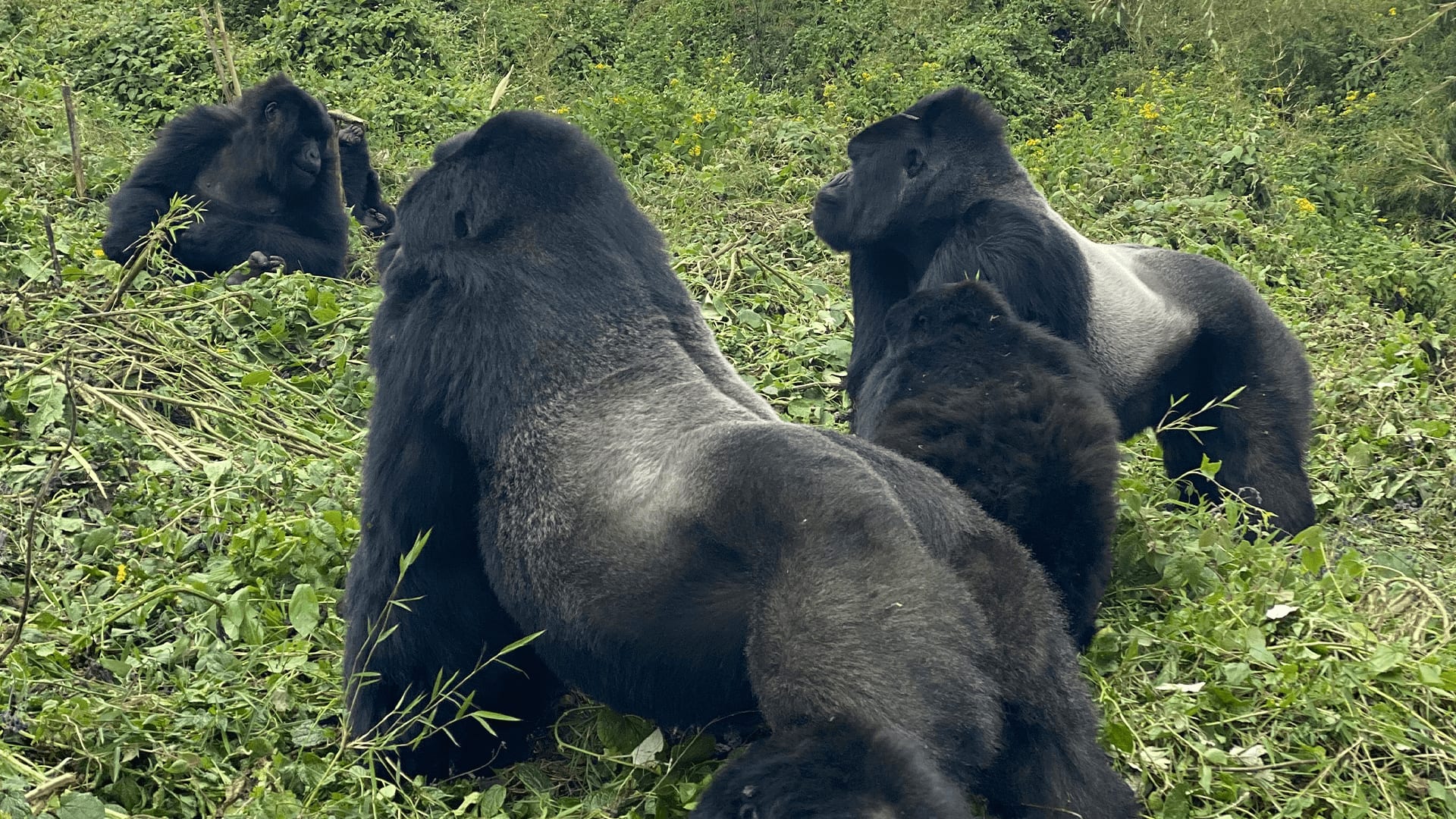
Rushaga, in the southern section of Bwindi, offers the best balance for budget travelers seeking discounts and fewer crowds. It has the most habituated gorilla families, so permit availability is better even during low-season months. Trekking sector comparisons show Rushaga lodges often reduce rates 15% to 20% compared to Buhoma equivalents, and trails feel less congested.
Nkuringo sits on a ridge with stunning views but involves the most physically demanding treks, often starting with a steep descent into the valley. This sector suits fit trekkers who want dramatic landscapes and are willing to handle challenging climbs. Ruhija, the highest-altitude sector, features cooler temperatures and terrain that can be muddy and slippery, requiring good boots and stamina.
| Sector | Visitor Density | Terrain Difficulty | Best For |
|---|---|---|---|
| Buhoma | High | Moderate | Social trekkers, luxury seekers |
| Rushaga | Low to Moderate | Moderate | Budget travelers, discounts |
| Nkuringo | Low | High (steep) | Fit trekkers, dramatic views |
| Ruhija | Low | Moderate to High | Cooler weather, solitude |
Sector selection tips:
- Choose Rushaga for the best combination of low crowds and cost savings
- Pick Buhoma if you prioritize lodge luxury and easier access
- Select Nkuringo or Ruhija for more challenging, remote experiences
- Match sector to your fitness level to avoid exhausting treks
Your sector choice also affects ground transport costs, as southern sectors like Rushaga require longer drives from Kampala but shorter drives from Kigali, Rwanda. Coordinate your sector decision with your overall safari route to minimize unnecessary driving hours and fuel costs.
Common mistakes to avoid when booking safari permits and logistics
Many travelers lose money or face permit problems by making avoidable errors during the booking process. Trying to negotiate the $800 permit fee or buying permits from unauthorized sources risks loss of permits because Uganda Wildlife Authority sets fixed prices and only recognizes official sales channels.
The $800 standard permit price and $600 low-season price are non-negotiable. If someone offers you a cheaper permit outside official UWA channels or trusted local operators, it’s a scam. You’ll lose your money and have no valid permit on trek day. Always verify your operator is authorized to book permits directly through UWA or works with a licensed agent who provides official confirmation.
Another frequent mistake is underestimating the “African massage” impact of bumpy, muddy roads, especially during low-season months. Travelers book tight schedules assuming smooth highway driving, then face delays when roads take twice as long as expected. Build buffer time into your itinerary and use operators with 4×4 safari vans that can handle rough conditions.
Top booking mistakes:
- Assuming you can negotiate the fixed $800 or $600 permit price
- Purchasing permits from unauthorized third-party sellers online
- Booking peak-season treks without securing permits three to six months early
- Underestimating road travel time and difficulty during rainy months
- Choosing a trekking sector without considering fitness level and terrain
Peak-season booking carries its own risk because permits sell out fast. If you wait until a month before your trip to book a June or December trek, you’ll likely find no permits available in your preferred sector. This forces you to either skip the trek entirely, choose a less desirable sector, or pay premium prices to operators who reserved permits in advance.
“The permit fee goes directly to Uganda Wildlife Authority for conservation and community programs. No legitimate operator can discount it, and trying to negotiate only exposes you to scams.” – PawMac Safaris Expert Advice
Plan for a minimum four-hour trekking day to avoid a rushed experience. This includes the 8 AM briefing at the park headquarters, 30 to 60 minutes transport to the trailhead, one to six hours of actual trekking depending on gorilla location, one hour with the gorilla family, and return time. Cutting this short leads to disappointment and wasted permit costs.
Permit booking mistakes to avoid extend beyond just the permit purchase to packing, fitness preparation, and realistic expectations about trekking difficulty.
Insider tips for securing discounts and efficient bookings
Maximizing savings while ensuring a smooth safari experience requires tapping into local knowledge and booking strategically. Early booking through trusted local operators ensures better sector and date choices and avoids international markups that foreign agencies often add to permit and package prices.
Book your gorilla permits and safari package at least three to four months in advance, even for low-season months. This gives you first pick of available trek dates, preferred sectors, and better lodge options before they fill up. Trusted local operators like PawMac Safaris secure permits directly through UWA at the official rate without adding hidden fees, while international booking platforms often charge 10% to 20% markups.
Leveraging local expertise helps you access authentic pricing and insider logistics knowledge that international operators lack. Local operators know which lodges offer genuine low-season discounts, which sectors have the best trail conditions each month, and how to combine permits and transport into cost-effective packages.
Strategies for securing discounts:
- Book low-season treks in April, May, or November for $600 permits
- Choose Rushaga or Ruhija sectors for lower lodge rates and fewer crowds
- Combine permits, transport, and accommodation in a single package
- Work with local operators who avoid international agency markups
- Confirm your operator uses 4×4 safari vans to prevent transport issues
Timing your booking also matters. If you wait until two months before your trip, lodge prices may have already increased and permit availability tightens. Booking four months out locks in lower rates and ensures you get your first-choice trek date and sector.

Check the full trekking day duration requirements with your operator to ensure the itinerary allows enough time for briefings, transport, the trek itself, and return travel. Operators who rush you through the experience to fit more activities into one day compromise your gorilla encounter quality and safety.
Pro Tip: Combine your gorilla trek with other Bwindi activities like forest walks or community visits to maximize the value of your ground transport costs, since the van and driver are already positioned at the park.
Expert booking tips for Uganda gorilla safaris emphasize working with operators who provide transparent pricing, official permit confirmation, and proven 4×4 transport rather than chasing unrealistic discount promises from unauthorized sellers.
Plan your discounted Uganda gorilla safari with PawMac Safaris
Securing authentic discounts and navigating Uganda’s gorilla trekking logistics requires working with a trusted local operator who knows the terrain, regulations, and seasonal opportunities. PawMac Safaris specializes in Uganda safari tours that combine official $600 low-season permits with customized 4×4 transport and expert sector planning to deliver cost-effective, seamless experiences.

We book permits directly through Uganda Wildlife Authority at the official $800 standard rate or $600 low-season rate for April, May, and November treks, with no hidden markups or unauthorized sources. Our customized 4×4 safari vans with pop-up roofs and skilled local drivers handle muddy low-season roads safely, ensuring you reach your trekking sector on time without vehicle breakdowns or delays.
Our team helps you choose the best sector based on your budget, fitness level, and crowd preferences, whether that’s the discounted, less-crowded trails of Rushaga or the developed infrastructure of Buhoma. We design packages that bundle permits, ground transport, accommodation, and park fees at transparent prices, so you know exactly what you’re paying and why. Explore our comprehensive Uganda safari guide for detailed planning resources, or contact us for a custom 2026 quote tailored to your low-season trek goals.
How much does the 2026 gorilla permit cost and where can I purchase it?
The 2026 gorilla permit costs $800 as the standard rate set by Uganda Wildlife Authority for foreign non-residents. However, UWA offers official low-season permits at $600 for treks conducted in April, May, and November 2026, saving you $200 per permit. These discounted permits are strictly non-reschedulable under UWA regulations, meaning once you book a specific date, you cannot change it without forfeiting the permit.
You must purchase permits through official Uganda Wildlife Authority channels or trusted local operators who book directly with UWA. Authorized operators provide official permit confirmation letters with UWA stamps and reference numbers you can verify. Buying from unauthorized online sellers, third-party brokers without UWA verification, or anyone offering prices below the official rates risks losing your money and having no valid permit on trek day.
Working with a trusted local operator like PawMac Safaris ensures you get authentic permits at the official rate without international agency markups. We handle the entire booking process, confirm your permit with UWA, and provide all documentation you need for park entry. This eliminates the risk of scams while streamlining the complex permit application process. Learn more about 2026 gorilla permit cost and purchase requirements and verification procedures.
Which trekking sector in Uganda is best for budget travelers looking for discounts?
Rushaga sector offers the best value for budget travelers seeking discounts on lodges, fewer crowds, and excellent permit availability. Located in the southern part of Bwindi Impenetrable National Park, Rushaga has the highest number of habituated gorilla families, which means permits remain available even during low-season months when other sectors may have limited options.
Lodges in Rushaga typically charge 15% to 20% less than equivalent accommodations in Buhoma, the most developed and crowded sector. This price difference adds up over a multi-day safari, especially when combined with the $600 low-season permit rate for April, May, and November treks. Rushaga trails also feel less congested because fewer international tour groups choose this sector, giving you a more intimate gorilla encounter.
Buhoma should be avoided if your primary goal is cost savings, as it attracts the highest visitor numbers and commands premium lodge rates due to its established reputation and easier road access. Nkuringo and Ruhija offer moderate pricing but require higher fitness levels due to steep or high-altitude terrain. Match your sector choice to both your budget and physical capability to maximize the value of your $600 or $800 permit investment. Explore detailed best trekking sectors for budget travelers comparisons to decide which sector fits your priorities.
What are the ground transport options and typical costs on a gorilla safari in Uganda?
Customized 4×4 safari vans with pop-up roofs are the standard ground transport option for gorilla safaris in Uganda. These vehicles provide the high ground clearance, four-wheel drive capability, and interior space needed to navigate unpaved, muddy roads safely, especially during low-season months when rain increases road difficulty. Daily transport costs typically range from $70 to $120 depending on the distance between your lodge and trekking sector.
Skilled local drivers are essential for handling Uganda’s rough terrain, steep grades, and seasonal road hazards. They know every route, adjust driving based on current conditions, and ensure you arrive at the park headquarters on time for the 8 AM briefing. The “African massage” nickname for bumpy roads is no exaggeration during rainy months, so proper vehicle choice directly affects your comfort, safety, and ability to stay on schedule.
Never accept standard sedans or vehicles without four-wheel drive for a gorilla safari, as they cannot handle the terrain and create risk of breakdowns or getting stuck. Pop-up roofs allow you to stand and photograph wildlife during transit, adding value to your transport investment beyond just getting from point A to point B. PawMac Safaris includes 4×4 safari vans in all packages to eliminate transport uncertainty and ensure reliable, comfortable travel. Review detailed ground transport options and costs to understand why vehicle quality matters for safari success.


