


- 379 Views
- 5 Min Read
- (0) Comment
Most travelers assume that booking a safari means everything is covered. The lodge, the guides, the game drives – it’s all part of the package, right? But here’s the thing that catches people off guard: safari travel insurance is almost never included. And showing up without it? That’s not just risky. It’s potentially catastrophic.
Safari Travel Insurance Is Required but Must Be Purchased Independently
Why PawMac Safaris Does Not Provide Travel Insurance
Safari operators like PawMac Safaris specialize in creating unforgettable wildlife experiences – not in selling insurance products. As stated on PawMac Safaris, the company does not sell or provide travel insurance. This isn’t an oversight. Insurance is a specialized financial product that requires licensing, regulatory compliance, and expertise that falls outside the scope of what safari companies do.
Think of it like this: a restaurant serves food but doesn’t provide health insurance to cover food allergies. Each business stays in its lane.
Why Every Safari Traveler Must Have Their Own Insurance
Travel insurance for safaris isn’t optional – it’s essential protection against the unpredictable. Medical emergencies can happen anywhere. Remote bush camps often sit hours from the nearest hospital. Evacuation by air ambulance from these locations can cost tens of thousands of dollars out of pocket.
Trip cancellation coverage protects your financial investment. A family emergency, illness, or work crisis can force you to cancel at the last minute. Without safari trip cancellation coverage, those non-refundable deposits and payments vanish. Emergency medical insurance for safari trips ensures you’re not left stranded when something goes wrong in the African wilderness.
Risks of Traveling Without Safari Travel Insurance
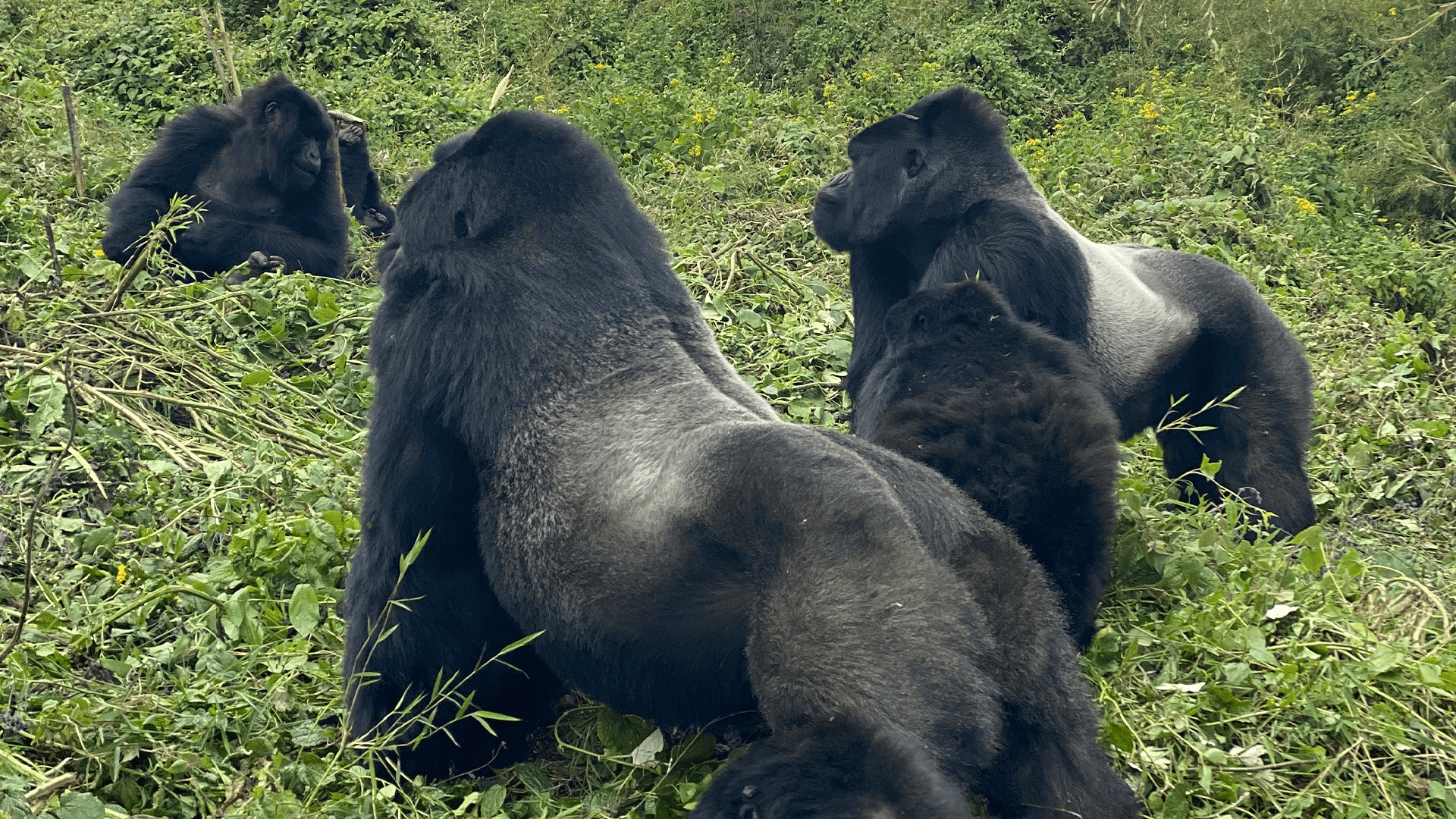
Many travelers underestimate the importance of travel insurance until an unexpected situation occurs. Uganda’s dense forests and wildlife encounters present inherent risks that standard domestic health coverage won’t touch. Travel delays, lost luggage, and medical emergencies rank among the most common claims. Without coverage, these become financial burdens that can derail your entire trip and your bank account.
What Your Policy Must Cover Before Coming to Uganda
Before departing, verify your policy includes:
Medical repatriation to your home country
Trip cancellation and interruption benefits
Coverage for adventurous activities like rafting and gorilla trekking
Protection for personal belongings including camera equipment
High evacuation limits suitable for remote destinations
Travel Insurance Disclaimer and Client Responsibility
PawMac Safaris Does Not Sell or Provide Travel Insurance
This point bears repeating. The company explicitly does not offer insurance products. PawMac Safaris focuses exclusively on providing safari experiences and does not offer insurance services.
Clients Must Purchase Insurance Independently
Safari agencies provide limited coverage options at best. The responsibility falls entirely on travelers to secure appropriate protection before arrival.
Insurance Is Mandatory Before Arrival
Comprehensive coverage should include safari medical evacuation insurance alongside adventure activity protection. PawMac Safaris strongly requires all clients to have valid travel insurance before arrival.
PawMac Safaris Is Not Liable for Uninsured Costs
As detailed on PawMac Safaris, the company is not liable for any uninsured costs incurred by clients. Medical emergencies, cancellations, lost gear – if you’re uninsured, those expenses will not be covered by PawMac Safaris.
Plan Your Uganda Safari with Local Experts
 WhatsApp Us
Where Clients Can Purchase Travel Insurance
Travel insurance can be purchased through a reputable insurance provider in your home country, an international travel insurance company, or a trusted insurance comparison platform. PawMac Safaris does not sell or recommend specific insurance providers. Clients are responsible for selecting and purchasing their own policy.
Essential Coverage Components and Cost Breakdown
Medical Emergency and Evacuation Coverage Requirements
Minimum $500,000 in emergency medical evacuation coverage is standard for African safari travel. Why so high? Air ambulance services from remote locations cost a fortune. Safari medical evacuation insurance covers transportation to hospitals and coordinating ongoing care.
Trip Cancellation and Interruption Protection
Trip cancellation compensates travelers for prepaid, non-refundable costs when covered reasons force cancellation. Many plans offer “cancel for any reason” options providing added flexibility. This matters when plans change unexpectedly.
Adventure Activity and Safari-Specific Coverage
Standard policies may exclude high-risk activities like white-water rafting or bungee jumping. Coverage options should include trip interruption, lost equipment protection, and emergency expenses specific to safari risks. Check for explicit inclusion of activities you’re planning.
Baggage and Equipment Protection
Lost cameras and damaged gear create significant financial headaches. Comprehensive policies include baggage protection with options for additional coverage on high-value items like photography equipment.
Understanding Policy Costs and Deductibles
Safari travel insurance cost typically runs 4% to 10% of total trip expenses, according to Squaremouth. Factors affecting price include trip duration, age, and risk levels involved. Understanding deductibles and exclusions before purchasing prevents unpleasant surprises during claims.
Making the Right Safari Travel Insurance Choice
Choosing a Reliable Insurance Provider in Your Home Country
Look for providers offering comprehensive medical, cancellation, and luggage protection. Choose a provider that offers comprehensive coverage for medical emergencies, evacuation, trip cancellation, and safari activities. Travel assistance services like pre-departure vaccination guidance enhance overall safety.
Minimum Insurance Requirements for Safari Travelers
Medical emergency coverage
Travel medical insurance must cover emergencies and evacuation for unexpected illnesses or injuries in remote areas.
Emergency evacuation coverage
Plans should cover transportation to medical facilities and services coordinating patient care. Some top providers include evacuation coverage up to $1 million.
Trip cancellation protection
Coverage should protect up to 100% of nonrefundable trip costs with optional upgrades for added flexibility.
Personal responsibility and insurance requirement
Insurance is your responsibility. Travel insurance is strongly required for safari travel due to the remote nature of destinations and potential emergency costs. Uninsured tourists face potential entry denial or financial liabilities for medical emergencies abroad.
Frequently Asked Questions
How much does safari travel insurance typically cost?
Expect to pay between 4% and 10% of your total trip cost depending on coverage levels and your specific circumstances.
When should I purchase safari travel insurance?
Purchase immediately after booking to maximize trip cancellation protection benefits.
Does standard travel insurance cover safari activities?
Not always. Verify your policy explicitly covers adventure activities like game drives, gorilla trekking, and any additional excursions.
What medical coverage amount is recommended for African safaris?
Minimum $500,000 for emergency medical evacuation is the standard recommendation.
Can I get coverage if I’m already traveling?
Some providers offer coverage after departure, though options and benefits are typically more limited.
Disclaimer: PawMac Safaris does not sell, provide, or arrange travel insurance. All clients are solely responsible for purchasing their own comprehensive travel insurance policy that covers medical emergencies, evacuation, trip cancellation, and personal belongings. By booking a safari with PawMac Safaris, clients acknowledge and accept this responsibility.


