- 19 Views
- 15 Min Read
- (0) Comment
Introduction
Imagine trekking through misty rainforests, your heart pounding with anticipation, only to come face-to-face with one of Earth’s most magnificent creatures—a mountain gorilla. This isn’t a fantasy; it’s a reality that thousands of adventurers experience each year in Uganda’s Bwindi Impenetrable National Park and Mgahinga Gorilla National Park.
The question “Is gorilla trekking in Uganda worth it?” deserves a nuanced answer. On the surface, the permit costs and physical demands might seem daunting. However, when you consider the transformative experience, the conservation impact, and the memories that will last a lifetime, the value becomes abundantly clear.
Uganda offers one of the world’s most accessible opportunities to encounter endangered mountain gorillas in their natural habitat. Unlike many wildlife experiences that involve observing animals from a distance, gorilla trekking places you within meters of these intelligent, social beings. This blog post will explore every dimension of this extraordinary adventure—from the emotional impact and practical costs to the conservation benefits and health advantages.
Whether you’re an experienced trekker or someone considering their first major adventure, understanding what gorilla trekking truly offers will help you make an informed decision. We’ll break down the investment, examine the experiences of past visitors, and help you determine whether this once-in-a-lifetime journey deserves a place on your bucket list.
The Unique Experience of Mountain Gorilla Encounters
is gorilla trekking in uganda worth it – The Unique Experience of Mountain Gorilla Encounters
Face-to-Face with Endangered Primates
There are fewer than 1,100 mountain gorillas remaining in the wild, making encounters with these creatures extraordinarily rare. When you trek in Uganda, you’re not just observing wildlife—you’re participating in a profound connection with one of humanity’s closest living relatives. The experience begins hours before you see your first gorilla, as you navigate dense vegetation, climb steep terrain, and listen to the sounds of the forest awakening around you.
“Seeing a mountain gorilla in its natural habitat is like looking into the eyes of our own evolutionary past. It’s humbling, powerful, and absolutely unforgettable.” – Wildlife conservationist
The habituation process, which takes years for rangers to accomplish with gorilla families, allows visitors to approach within safe distances. These gorillas have become accustomed to human presence through careful, regulated exposure, enabling you to observe their complex social behaviors and family dynamics in ways that would be impossible in captivity.
The Emotional Impact of Gorilla Trekking
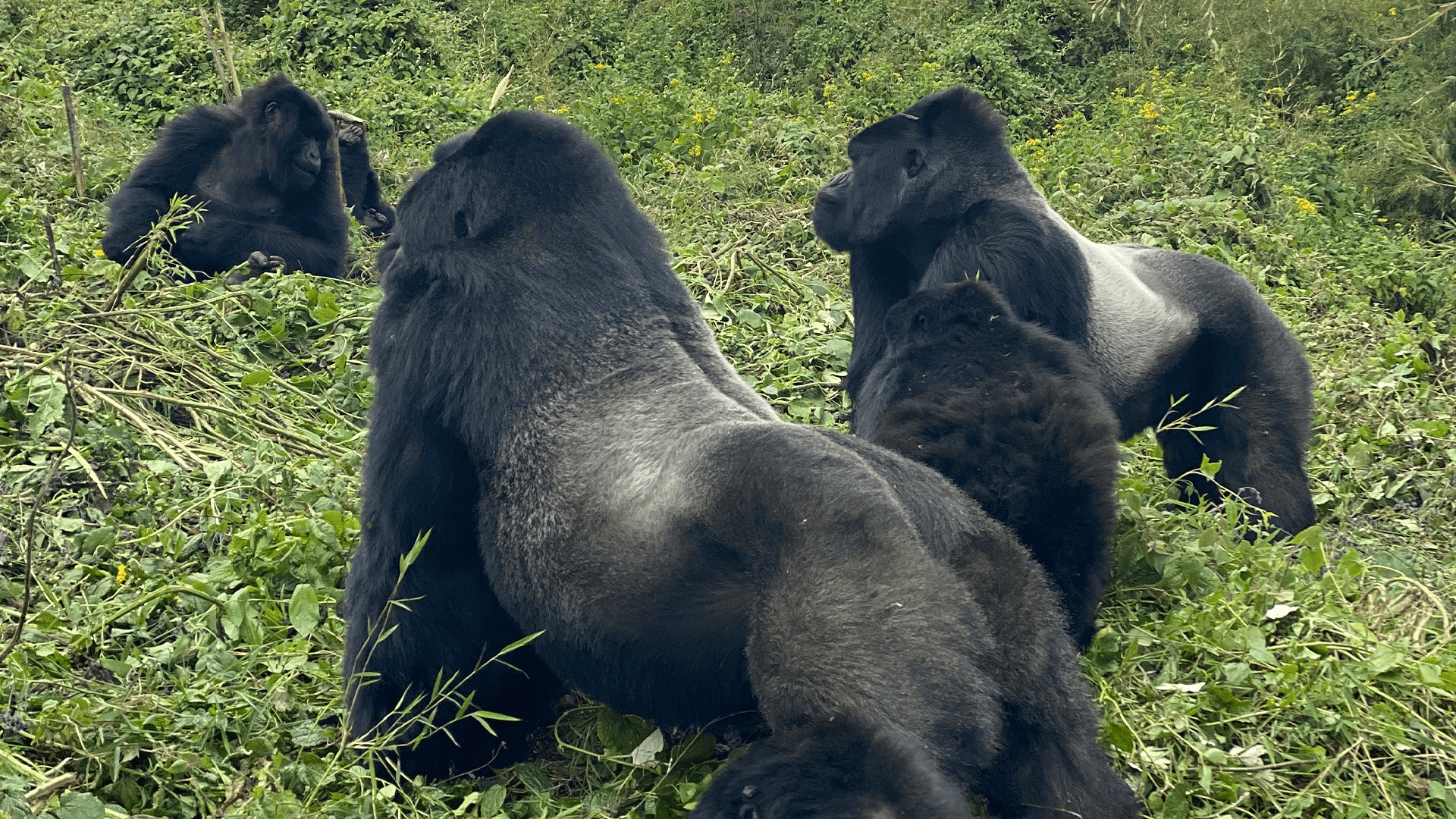
The moment you lock eyes with a silverback gorilla—the massive, intelligent leader of the family group—something shifts within you. Emotional responses during gorilla encounters are nearly universal among visitors. Many describe feeling a profound sense of awe, connection, and perspective. The sheer size and presence of these animals, combined with their gentle nature and evident intelligence, creates an experience that transcends typical wildlife tourism.
Visitors frequently report feeling small yet significant, humbled by nature’s grandeur, and deeply moved by the gorillas’ family bonds. Some experience tears of joy or overwhelming gratitude. This emotional transformation often extends beyond the trek itself, influencing how people view conservation and their relationship with the natural world for years to come.
Creating Lifelong Memories
Gorilla trekking memories are distinctly different from typical vacation experiences. The combination of physical challenge, natural beauty, and intimate wildlife encounter creates moments of genuine significance. You’ll remember the mist rising through the canopy, the silverback’s powerful presence, the playfulness of juvenile gorillas, and the rangers’ expert knowledge and passion.
These unforgettable moments become touchstones in your life—memories you revisit frequently and share with others for decades. Many trekkers describe the experience as life-changing, marking a clear “before and after” in their personal journeys.
Cost vs. Value: Breaking Down the Investment
Watch
Understanding Gorilla Trekking Permit Prices
The most significant expense for gorilla trekking is the permit fee, which grants you access to trek with a gorilla family for one hour. Uganda’s permit pricing structure is designed to support conservation while remaining more accessible than some alternatives. Here’s what you can expect:
| Expense Category | Cost (USD) | Notes |
|---|---|---|
| Gorilla Permit (Bwindi) | $800 | Per person for one trek |
| Gorilla Permit (Mgahinga) | $800 | Per person for one trek |
| Park Entry Fee | $50 | Daily fee for national park access |
| Ranger Guide Fee | $15-30 | Typically included in tour packages |
| Porter Services | $10-15 | Optional but recommended |
| Vehicle Transportation | $100-200 | Round-trip from nearest town |
Additional Expenses to Consider
- Accommodation – Budget $50-300+ per night depending on your chosen lodge or hotel near the national parks
- Meals and beverages – Plan $20-50 daily for food and drinks, varying by restaurant quality
- International flights – Typically $800-2,000+ from North America or Europe to Kampala
- Domestic transportation – $100-300 for flights or driving from Kampala to the park regions
- Travel insurance – $100-300 for comprehensive coverage including medical evacuation
- Visa fees – Uganda tourist visas cost $50 for most nationalities
- Tour operator markup – If booking through agencies, expect 20-40% additional cost for coordination and services
Is the Price Justified?
When you calculate the total investment—often $3,000-6,000 per person for a complete trip—the value proposition becomes clearer when weighed against what you receive. You’re paying for direct conservation funding, as permit revenues support ranger salaries, anti-poaching efforts, and habitat protection. You’re also investing in your own personal transformation and creating memories that will outlast nearly any other purchase you could make.
Consider this perspective: A luxury vacation might cost similar amounts but fade from memory within months. A gorilla trek becomes a defining life experience. The permit fee directly protects fewer than 1,100 remaining mountain gorillas and supports local communities. From both personal fulfillment and conservation impact standpoints, the investment proves remarkably worthwhile.
Conservation Impact and Your Contribution
is gorilla trekking in uganda worth it – Conservation Impact and Your Contribution
How Your Trek Supports Gorilla Protection
When you purchase a gorilla permit, you’re directly funding wildlife conservation efforts that have proven remarkably effective. Uganda’s gorilla population has grown from approximately 320 individuals in the 1980s to over 400 today—a testament to dedicated protection strategies. Your permit fee is distributed among critical initiatives: ranger salaries, anti-poaching patrols, veterinary care for sick gorillas, and habitat restoration projects.
“Every permit sold is a direct investment in gorilla survival. Without gorilla tourism revenue, these protection programs would simply not exist at the scale needed to ensure the species’ future.” – Uganda Wildlife Authority representative
The anti-poaching infrastructure maintained through tourism revenue has dramatically reduced illegal hunting. Rangers equipped with training, equipment, and motivation—funded by permit revenues—patrol the forests daily. This presence alone deters poachers and protects not just gorillas but entire ecosystems. Additionally, the veterinary programs provide medical care for injured or sick gorillas, extending individual lifespans and improving population health metrics.
Community Benefits in Uganda
Local communities surrounding Bwindi and Mgahinga receive substantial economic benefits from gorilla tourism. Revenue-sharing programs direct percentages of permit fees directly to villages, funding schools, healthcare facilities, and infrastructure projects. Families working as guides, porters, cooks, and lodge staff earn sustainable incomes that incentivize forest protection rather than exploitation.
Employment opportunities have transformed economic prospects for thousands of Ugandans. A skilled gorilla guide can earn $30-50 daily—substantially above regional averages—creating strong financial incentives for forest preservation. When communities prosper through conservation, they become the gorilla’s greatest protectors. Children attend better schools, healthcare improves, and forest communities develop economic stakes in protecting their natural heritage.
The Role of Ecotourism in Wildlife Preservation
Ecotourism revenue has fundamentally shifted how Uganda values its gorilla populations. Rather than viewing forests as resources to clear for agriculture or logging, communities recognize them as living assets generating continuous income. This economic reframing has prevented habitat destruction across thousands of hectares.
The sustainable tourism model creates a renewable resource cycle: protected forests attract visitors, visitor fees fund protection, protection maintains visitor experiences, and the cycle perpetuates. This contrasts sharply with extractive industries that destroy ecosystems permanently. Gorilla trekking demonstrates that living gorillas are worth far more economically than any alternative land use, making conservation economically rational for governments and communities alike.
Physical and Mental Health Benefits
Watch
The Wellness Advantages of Trekking
Gorilla trekking delivers substantial physical health benefits disguised as adventure. The trek itself—typically 4-8 hours of hiking through challenging terrain at elevation—provides cardiovascular conditioning, leg strengthening, and endurance building. You’ll navigate steep inclines, dense vegetation, and variable terrain, engaging muscles you might not use in daily life. The aerobic exertion at higher elevations (Bwindi reaches 2,600 meters) naturally builds respiratory capacity and cardiovascular resilience.
Beyond physical conditioning, the mental health advantages are equally compelling. Immersion in nature reduces cortisol levels, lowers blood pressure, and decreases anxiety. Forest environments provide what researchers call biophilic restoration—the psychological benefits of connecting with natural systems. Being present in pristine wilderness, disconnected from digital devices and daily stressors, creates measurable improvements in mental clarity, mood, and emotional regulation.
Personal Growth and Transformation
“I went to see gorillas. I came back transformed. It changed how I see myself, my priorities, and what matters in life.” – Gorilla trek participant
The physical challenge of trekking builds confidence and resilience. Pushing your body beyond comfortable limits, persisting through difficult terrain, and achieving a meaningful goal creates psychological benefits extending far beyond the trek itself. Many participants report increased self-efficacy and renewed confidence in their ability to overcome challenges.
Emotional and spiritual growth frequently accompanies gorilla encounters. The experience often catalyzes perspective shifts—visitors recognize the preciousness of life, the interconnectedness of all beings, and their own role in a larger ecosystem. This profound reframing frequently inspires lifestyle changes: increased environmental consciousness, career pivots toward meaningful work, strengthened relationships, and clearer life priorities. The trek becomes a transformative milestone that influences personal trajectories for years afterward.
Practical Considerations Before You Go
Watch
Best Time to Trek and Success Rates
Planning your gorilla trek requires understanding seasonal patterns and success rates. Uganda’s climate affects both trekking difficulty and gorilla encounter probabilities:
| Season | Months | Conditions | Gorilla Success Rate | Difficulty |
|---|---|---|---|---|
| Dry Season | June-August | Cool, less rain, misty mornings | 94-98% | Moderate |
| Dry Season | December-February | Warm, minimal rainfall, clear views | 95-99% | Moderate |
| Wet Season | March-May | Heavy rain, muddy trails, lush vegetation | 85-90% | High |
| Wet Season | September-November | Frequent rain, slippery terrain, humid | 80-88% | High |
The dry seasons (June-August and December-February) offer optimal trekking conditions with highest success rates. However, wet season treks are possible and offer advantages: fewer tourists, lower permit prices ($350 in some months), and spectacular lush scenery. Success rates remain respectable even during rains, though physical demands increase substantially.
Physical Fitness Requirements
Successful gorilla trekking requires reasonable fitness levels. You don’t need to be an elite athlete, but adequate preparation significantly enhances your experience:
- Cardiovascular endurance – Ability to sustain moderate hiking for 4-8 hours; equivalent to walking 8-12 kilometers with elevation changes
- Leg strength and stability – Capacity to navigate steep terrain, sometimes on muddy or slippery slopes without joint pain or excessive fatigue
- Altitude acclimatization – Comfort at 2,000-2,600 meter elevations; spending 1-2 days acclimatizing before trekking reduces altitude-related discomfort
- Mental resilience – Willingness to push through discomfort, persist when fatigued, and maintain focus despite challenging conditions
- Balance and coordination – Ability to walk carefully on uneven, sometimes muddy terrain without frequent stumbling or loss of footing
- Joint health – Knees and ankles should be pain-free or minimally symptomatic; prior injuries may require medical clearance
Choosing the Right Tour Operator
Selecting a reputable tour operator significantly impacts your experience quality and safety. Established operators like Volcanoes Safaris, Wilderness Travel, and local Ugandan companies like Gorilla Trekking Safaris have proven track records managing logistics, safety, and gorilla encounters.
Research operators thoroughly: verify permits are legitimate, check recent reviews on independent platforms, confirm they employ experienced guides, and ensure they follow strict gorilla interaction protocols.
Red flags include operators offering suspiciously cheap permits (they may be counterfeit), guaranteeing gorilla sightings (impossible due to animal behavior), or employing inexperienced guides. Legitimate operators provide pre-trek briefings, quality equipment, experienced rangers, and commitment to gorilla welfare guidelines. Investing in a reputable operator ensures your permit funds actual conservation rather than black-market operations.
Real Traveler Testimonials and Reviews
What Past Visitors Say About Their Experience
Traveler satisfaction rates for gorilla trekking in Uganda consistently exceed 95%, with most visitors rating it as the most meaningful experience of their lives.
Sarah Mitchell, a teacher from California, shared: “I’ve traveled to 40 countries, but nothing—absolutely nothing—compares to looking into a gorilla’s eyes. It was spiritual, humbling, and completely worth every penny and every blister.”
Real reviews from platforms like TripAdvisor and specialized adventure travel sites reveal consistent praise.
James and Patricia Chen, a retired couple from Toronto, described their trek: “We weren’t sure our aging knees could handle it, but the guides were incredibly supportive. When we finally saw the silverback, we both cried. It’s the most important thing we’ve ever done.”
Multiple visitors emphasize how guides’ expertise, patience, and passion enhance the experience significantly.
Professional testimonials from travel journalists and wildlife photographers consistently highlight Uganda’s advantages. National Geographic contributors have praised Bwindi’s habituation success and the intimacy of encounters compared to other gorilla destinations.
Photographers particularly appreciate the forest environment’s photographic opportunities and gorillas’ relatively calm demeanor around habituated groups.
Common Regrets and How to Avoid Them
Despite overwhelmingly positive experiences, some visitors express minor regrets—most easily preventable through proper preparation.
The most common regret involves insufficient physical conditioning. Visitors who underestimated the trek’s difficulty reported struggling with fatigue, joint pain, or altitude effects. Prevention is straightforward: begin cardio training 8-12 weeks before your trek, practice hiking with elevation changes, and consider altitude acclimatization days before trekking.
Second regret involves inadequate camera preparation. Visitors wished they’d brought better equipment or understood gorilla photography better. The forest’s low light and fast-moving subjects challenge casual cameras.
Solution: rent quality equipment locally, bring a telephoto lens if using DSLR, or accept that smartphone photos won’t capture the majesty—and focus instead on experiencing the moment fully.
Third regret centers on insufficient time allocation. Some visitors booked single-day treks from distant cities, leaving no buffer for permit allocation delays or weather impacts.
Best practice: allocate 3-4 days near the park, allowing flexibility for scheduling variations and recovery time. This also permits exploring secondary attractions like Bwindi’s other trails or nearby communities.
Alternative Gorilla Trekking Destinations
Uganda vs. Rwanda vs. Democratic Republic of Congo
While Uganda offers exceptional gorilla trekking, understanding alternatives helps confirm whether it’s your optimal choice.
Rwanda’s Volcanoes National Park provides the closest gorilla encounters to Uganda, with permits costing $1,500 per person—double Uganda’s price. Rwanda’s advantage lies in shorter trek durations (typically 2-4 hours versus Uganda’s 4-8 hours) and slightly higher habituation comfort levels among gorilla families.
The Democratic Republic of Congo (DRC) offers gorilla trekking in Virunga National Park at permit costs around $400—cheaper than Uganda. However, the DRC presents significant challenges: security concerns, less established infrastructure, limited accommodation options, and less predictable permit availability.
Uganda’s advantages become clear in comparison: permits cost $800 (less than Rwanda, more than DRC), trek success rates exceed 90% consistently, infrastructure is reliable and welcoming, and security is stable.
Uganda accommodates more daily permits than Rwanda, reducing booking pressure. The longer trek duration, while physically demanding, provides deeper forest immersion and more extensive gorilla observation time.
Uganda offers the optimal balance of affordability, accessibility, reliability, and experience quality—making it the most practical choice for most trekkers. Rwanda suits those prioritizing luxury and short treks; DRC appeals only to adventurous specialists.
Conclusion
Is gorilla trekking in Uganda worth it? The answer, based on comprehensive examination of experience, cost, conservation impact, and traveler testimonials, is unequivocally yes—for most people willing to invest the time and resources.
The financial investment, while significant at $3,000-6,000 total per person, delivers returns that extend far beyond typical vacations. Your permit fee directly protects fewer than 1,100 remaining mountain gorillas while supporting local communities and funding critical conservation infrastructure.
The personal transformation reported by virtually all trekkers justifies the physical challenge and expense. Encounters with mountain gorillas create life-altering perspective shifts, strengthen mental and physical health, and generate memories that define personal narratives for decades.
Uganda specifically emerges as the optimal destination—balancing accessibility, affordability, reliability, and experience quality better than Rwanda or DRC alternatives.
The only visitors for whom gorilla trekking might not be worthwhile are those with severe physical limitations preventing multi-hour hiking, extremely limited budgets precluding the full investment, or those seeking luxury-focused experiences better suited to Rwanda’s shorter treks.
For everyone else—adventurers, nature lovers, photographers, families seeking meaningful experiences, or anyone questioning life’s priorities—gorilla trekking in Uganda represents one of Earth’s most worthwhile investments.
Your future self will thank you for making this journey. The question isn’t whether gorilla trekking is worth it; it’s whether you can afford to miss it.
Frequently Asked Questions
Q: What is the success rate for seeing mountain gorillas in Uganda?
A: Uganda’s gorilla encounter success rate is exceptionally high, ranging from 85-99% depending on season. During dry seasons (June-August and December-February), success rates exceed 94%. Even during wet seasons, rates remain above 80%.
Q: Do I need special training or certifications to trek gorillas?
A: No certifications are required, but reasonable fitness levels are essential. You should be comfortable hiking 4-8 hours on challenging terrain at elevation.
Q: How close can you get to the gorillas, and is it safe?
A: Habituated gorilla families permit approach distances of 7-10 meters, regulated by strict protocols. Serious injuries are extremely rare.
Q: Can children trek to see gorillas, and what’s the minimum age?
A: Most operators recommend children aged 15 and above due to physical demands and trek duration.
Q: What happens if I don’t see gorillas despite purchasing a permit?
A: If your group doesn’t encounter gorillas due to uncontrollable circumstances, you receive a free return trek within a specified timeframe.
Q: Is gorilla trekking sustainable, or does tourism harm the gorillas?
A: Properly regulated gorilla tourism is demonstrably sustainable and beneficial. The gorilla population has grown from approximately 320 in the 1980s to over 400 today due to conservation funding from tourism.