Gorilla trekking trail in Uganda rainforest
  • 413 Views
  • 8 Min Read
  • (0) Comment

Introduction

Imagine trekking through misty rainforests, your heart pounding with anticipation, only to come face-to-face with one of Earth’s most magnificent creatures—a mountain gorilla. This isn’t a fantasy; it’s a reality that thousands of adventurers experience each year in Uganda’s Bwindi Impenetrable National Park and Mgahinga Gorilla National Park.

The question “Is gorilla trekking in Uganda worth it?” deserves a nuanced answer. On the surface, the permit costs and physical demands might seem daunting. However, when you consider the transformative experience, the conservation impact, and the memories that will last a lifetime, the value becomes abundantly clear.

Uganda offers one of the world’s most accessible opportunities to encounter endangered mountain gorillas in their natural habitat. Unlike many wildlife experiences that involve observing animals from a distance, gorilla trekking places you within meters of these intelligent, social beings.

Whether you’re an experienced trekker or someone considering their first major adventure, understanding what gorilla trekking truly offers will help you make an informed decision through our complete 2026 guide.


The Unique Experience of Mountain Gorilla Encounters

Face-to-Face with Endangered Primates

There are fewer than 1,100 mountain gorillas remaining in the wild, making encounters with these creatures extraordinarily rare. When you trek in Uganda, you’re not just observing wildlife—you’re participating in a profound connection with one of humanity’s closest living relatives.

“Seeing a mountain gorilla in its natural habitat is like looking into the eyes of our own evolutionary past. It’s humbling, powerful, and absolutely unforgettable.” – Wildlife conservationist

Through years of careful habituation by expert rangers, visitors are able to observe gorilla families from safe distances, witnessing complex social behaviors that cannot be replicated in captivity. If you are a photography enthusiast, this is the ultimate wildlife photography encounter.

Learn everything about gorilla trekking in Uganda in our complete guide

The Emotional Impact of Gorilla Trekking

The moment you lock eyes with a silverback gorilla, something shifts. Visitors commonly report feelings of awe, humility, and deep emotional connection. The intelligence, family bonds, and calm authority of these animals create an experience that transcends ordinary wildlife tourism.

Creating Lifelong Memories

The combination of physical challenge, pristine wilderness, and intimate wildlife encounters creates memories that remain vivid for decades. Many travelers describe gorilla trekking as a defining “before and after” moment in their lives, often ranking it as the highlight of their Uganda safari experience.


Cost vs. Value: Breaking Down the Investment

Watch a real gorilla trekking experience in Uganda:

Understanding Gorilla Trekking Permit Prices

The most significant expense is the gorilla trekking permit, which allows one hour with a habituated gorilla family under ranger supervision. You can find up-to-date pricing on our safari packages pricing page.
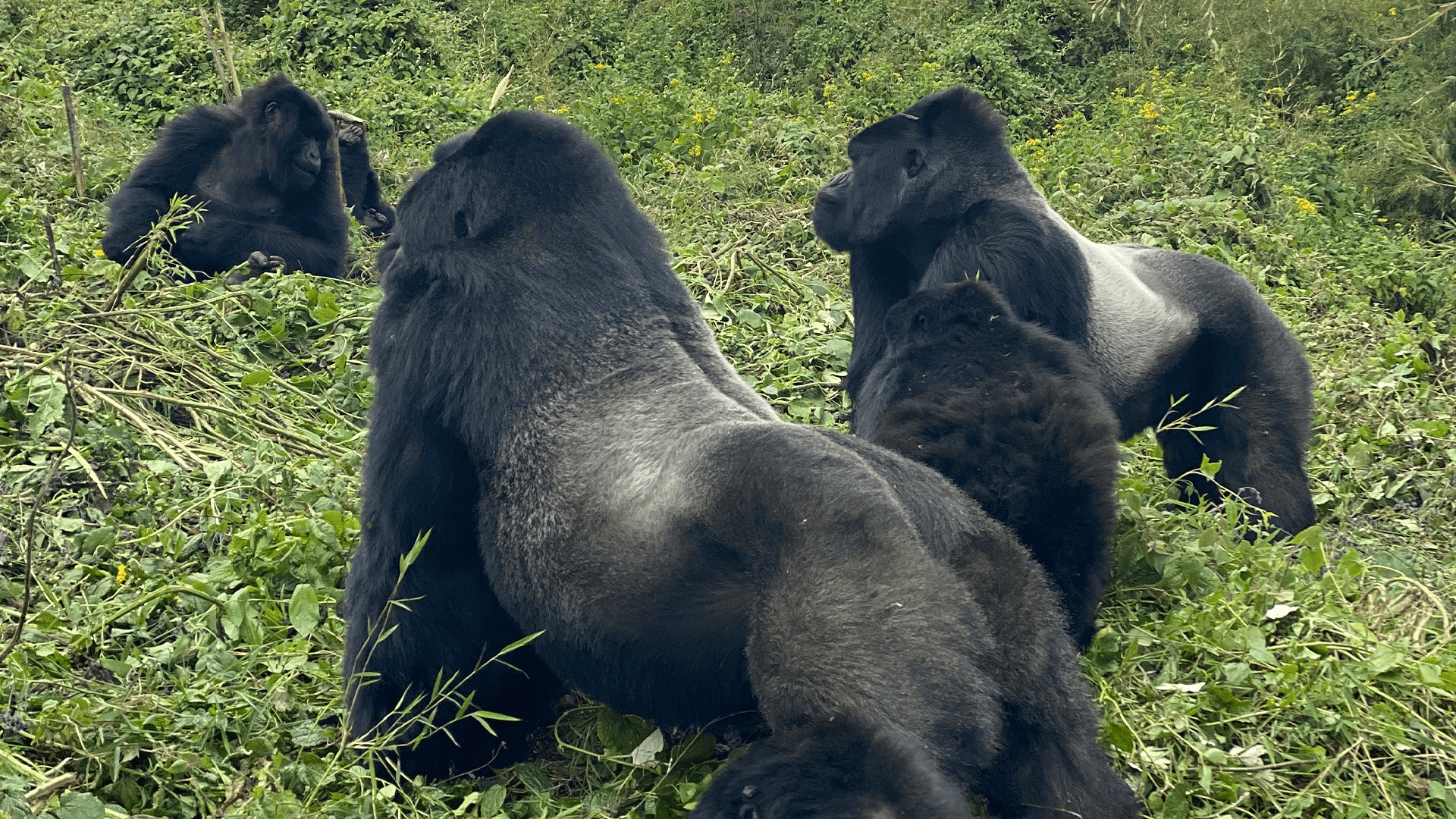
Mountain Gorilla in Uganda Bwindi Forest

Plan Your Uganda Safari with Local Experts

Expense CategoryCost (USD)Notes
Gorilla Permit (Bwindi)$800Per person
Gorilla Permit (Mgahinga)$800Per person
Park Entry Fee$50Per day
Porter Services$10–15Optional, recommended

Additional Expenses to Consider

  • Accommodation: $50–300+ per night
  • Meals: $20–50 per day
  • International flights: $800–2,000+
  • Domestic transport: $100–300
  • Travel insurance and visa fees

Is the Price Justified?

When you calculate the total investment—typically $3,000–6,000 per person depending on travel style—the value becomes clear. Permit fees directly fund conservation, ranger salaries, and veterinary care. As a trusted Uganda safari tour operator, we ensure these funds reach the right places.


Conservation Impact and Your Contribution

How Your Trek Supports Gorilla Protection

Permit revenue has helped grow Uganda’s mountain gorilla population from approximately 320 individuals in the 1980s to over 400 today. This is a key reason many choose to book direct with a local operator, maximizing the impact on local conservation efforts.

Community Benefits in Uganda

Gorilla tourism provides sustainable livelihoods for thousands of local families, funding schools and healthcare while creating strong incentives to protect forest habitats. This success story is part of what makes a comprehensive Uganda safari so rewarding.


Physical and Mental Health Benefits

Watch a close mountain gorilla encounter:

The Wellness Advantages of Trekking

Trekking 4–8 hours through mountainous rainforest builds endurance and mental resilience. For those looking for an even greater physical challenge, consider combining your trip with Rwenzori Mountains trekking.

Personal Growth and Transformation

“I went to see gorillas. I came back transformed.” – Gorilla trek participant

Many travelers report renewed perspective after their trek. If you’re ready for your own transformation, you can create your perfect Uganda safari with us today or contact our experts for more information.

Gorilla trekking trail in Bwindi

Practical Considerations Before You Go

Watch

Best Time to Trek and Success Rates

Planning your gorilla trek requires understanding seasonal patterns and success rates. Uganda’s climate affects both trekking difficulty and gorilla encounter probabilities:

SeasonMonthsConditionsGorilla Success RateDifficulty
Dry SeasonJune–AugustCool, less rain, misty mornings94–98%Moderate
Dry SeasonDecember–FebruaryWarm, minimal rainfall, clear views95–99%Moderate
Wet SeasonMarch–MayHeavy rain, muddy trails, lush vegetation85–90%High
Wet SeasonSeptember–NovemberFrequent rain, slippery terrain, humid80–88%High

The dry seasons (June–August and December–February) offer optimal trekking conditions with the highest success rates. However, wet season treks are possible and offer advantages such as fewer tourists and spectacular lush scenery. Success rates remain respectable even during rains, though physical demands increase substantially.

Physical Fitness Requirements

Successful gorilla trekking requires reasonable fitness levels. You don’t need to be an elite athlete, but adequate preparation significantly enhances your experience:

  • Cardiovascular endurance – Ability to sustain moderate hiking for 4–8 hours; equivalent to walking 8–12 kilometers with elevation changes
  • Leg strength and stability – Capacity to navigate steep terrain, sometimes on muddy or slippery slopes without joint pain or excessive fatigue
  • Altitude acclimatization – Comfort at 2,000–2,600 meter elevations; spending 1–2 days acclimatizing before trekking reduces altitude-related discomfort
  • Mental resilience – Willingness to push through discomfort, persist when fatigued, and maintain focus despite challenging conditions
  • Balance and coordination – Ability to walk carefully on uneven, sometimes muddy terrain without frequent stumbling or loss of footing
  • Joint health – Knees and ankles should be pain-free or minimally symptomatic; prior injuries may require medical clearance

Choosing the Right Tour Operator

Selecting the right tour operator significantly impacts the quality, safety, and overall success of your gorilla trekking experience. An experienced operator ensures legitimate permits, professional guides, reliable logistics, and strict adherence to gorilla conservation protocols.

When choosing an operator, look for a company with a strong local presence in Uganda, proven experience with gorilla trekking, transparent pricing, and consistently positive feedback from past travelers. Reputable operators work closely with the Uganda Wildlife Authority and employ licensed guides and rangers.

Red flags include operators offering suspiciously cheap permits, guaranteeing gorilla sightings (which is impossible due to wildlife behavior), or lacking clear communication and local expertise.

For travelers seeking a reliable, locally based, and fully licensed safari company, PawMac Safaris is a trusted choice. As a fully licensed Ugandan tour operator, PawMac Safaris specializes in gorilla trekking experiences that combine professional planning, knowledgeable local guides, and a strong commitment to conservation and community support.


Real Traveler Testimonials and Reviews

What Past Visitors Say About Their Experience

Traveler satisfaction rates for gorilla trekking in Uganda consistently exceed 95%, with most visitors describing it as one of the most meaningful experiences of their lives.

Sarah Mitchell, a teacher from California, shared: “I’ve traveled to over 40 countries, but nothing—absolutely nothing—compares to looking into a gorilla’s eyes. It was spiritual, humbling, and completely worth every penny and every blister.”

Real reviews from platforms such as TripAdvisor and specialized adventure travel sites reveal consistent praise for Uganda’s gorilla trekking experiences.

James and Patricia Chen, a retired couple from Toronto, described their trek: “We weren’t sure our aging knees could handle it, but the guides were incredibly supportive. When we finally saw the silverback, we both cried. It’s the most important thing we’ve ever done.”

Many visitors emphasize how professional guides, local knowledge, and careful planning significantly enhance the overall experience.


Common Regrets and How to Avoid Them

Despite overwhelmingly positive experiences, some visitors express minor regrets—most of which are easily preventable with proper preparation.

The most common regret involves insufficient physical conditioning. Travelers who underestimate the trek’s difficulty may struggle with fatigue, joint discomfort, or altitude effects. Preparing with regular cardio and hiking exercises 8–12 weeks before your trek greatly reduces these issues.

Another regret involves inadequate camera preparation. Dense forest conditions and low light can challenge basic cameras. Visitors are encouraged to bring appropriate equipment or simply focus on enjoying the moment rather than perfect photos.

A third regret is allocating too little time near the park. Planning 3–4 days in the region allows flexibility for weather conditions, recovery time, and additional cultural or nature experiences.


Alternative Gorilla Trekking Destinations

Uganda vs. Rwanda vs. Democratic Republic of Congo

While Uganda offers exceptional gorilla trekking, it is one of three countries where this experience is possible.

Rwanda’s Volcanoes National Park offers shorter trek durations and luxury-focused infrastructure, but permits cost $1,500 per person.

The Democratic Republic of Congo offers lower permit prices (around $400), but security concerns and limited infrastructure make it suitable only for highly experienced travelers.

Uganda provides the best balance of affordability, safety, and experience quality. With permits costing $800, high success rates, stable conditions, and well-established conservation programs, Uganda remains the most practical choice for most travelers.


Conclusion

Is gorilla trekking in Uganda worth it? Based on experience, conservation impact, traveler testimonials, and overall value, the answer is unequivocally yes.

The financial investment supports the protection of endangered mountain gorillas, local communities, and sustainable tourism initiatives. At the same time, the experience delivers lasting personal impact, unforgettable memories, and a deeper connection to the natural world.

For most travelers, gorilla trekking in Uganda represents one of the most rewarding wildlife experiences on Earth.

Your future self will thank you for making this journey. The real question isn’t whether gorilla trekking is worth it—it’s whether you can afford to miss it.


Frequently Asked Questions

Q: What is the success rate for seeing mountain gorillas in Uganda?
A: Success rates range from 85–99% depending on season, with the highest rates during the dry months.

Q: Do I need special training or certifications?
A: No formal training is required, but reasonable fitness levels are essential.

Q: How close can you get to the gorillas?
A: Visitors are typically allowed within 7–10 meters under strict ranger supervision.

Q: Can children participate in gorilla trekking?
A: Most operators recommend a minimum age of 15 due to physical demands and safety considerations.

Q: Is gorilla trekking sustainable?
A: Yes. Properly regulated tourism directly supports conservation, veterinary care, and long-term population growth.