
- 26 Views
- 9 Min Read
- (0) Comment
Most people planning wildlife photography tours in Africa spend far too much time thinking about cameras and not enough time thinking about conditions.
In reality, the difference between an average photo and an image that truly stands out has very little to do with equipment. It comes down to being in the right place, at the right time, with a guide who understands animal behavior, light, and patience.
As a Uganda-based safari operator, we see this every season. When guides slow down, position vehicles carefully, and allow wildlife to behave naturally, photographers consistently leave with stronger images — regardless of whether they are using professional or mid-range equipment. Wildlife photography tours in Africa are not just about taking pictures. They are about timing, awareness, and creating the right conditions in the field.
Top Wildlife Photography Destinations in Africa
Africa offers an incredible range of wildlife photography opportunities, but not every destination suits every photographer. The quality of encounters, the uniqueness of species, and how accessible wildlife is all make a difference.
1. Uganda – Mountain Gorillas, Tree-Climbing Lions & Primate Photography
Uganda has quietly become one of Africa’s most powerful destinations for intimate wildlife photography, especially for primates.
In Bwindi Impenetrable National Park, mountain gorilla encounters happen on foot, deep inside the forest. These are not distant sightings from vehicles. You may find yourself just a few meters away from a silverback or a family group, surrounded by dense vegetation and filtered light. The emotional impact of these encounters is unmatched anywhere in Africa. Many photographers ask, is gorilla trekking in Uganda worth it? For a photographer, the answer is a resounding yes.
Queen Elizabeth National Park adds another rare opportunity: tree-climbing lions in the Ishasha sector. This unusual behavior is seen in only a few places on the continent and offers photographers something genuinely distinctive. Kibale Forest completes the experience with chimpanzee tracking, adding fast-paced primate behavior to a photography-focused itinerary.
Forest environments require patience, slower pacing, and experienced local guides who know when to pause, when to move, and how to manage encounters without rushing.
2. Kenya’s Masai Mara – Big Cat Photography
The Masai Mara remains one of the best places in Kenya for photographing big cats. Lions, cheetahs, and leopards are encountered frequently, and the open grasslands provide clean backgrounds and flexible shooting angles.
During peak seasons, it is possible to witness predator behavior throughout the day, from early morning hunts to late afternoon activity. The Great Migration adds dramatic movement, dust, and large-scale action scenes that are hard to replicate elsewhere. The challenge in the Mara is managing crowds. Experienced guides make a significant difference by positioning vehicles carefully and avoiding congested sightings whenever possible.
3. Tanzania’s Serengeti and Ngorongoro Crater
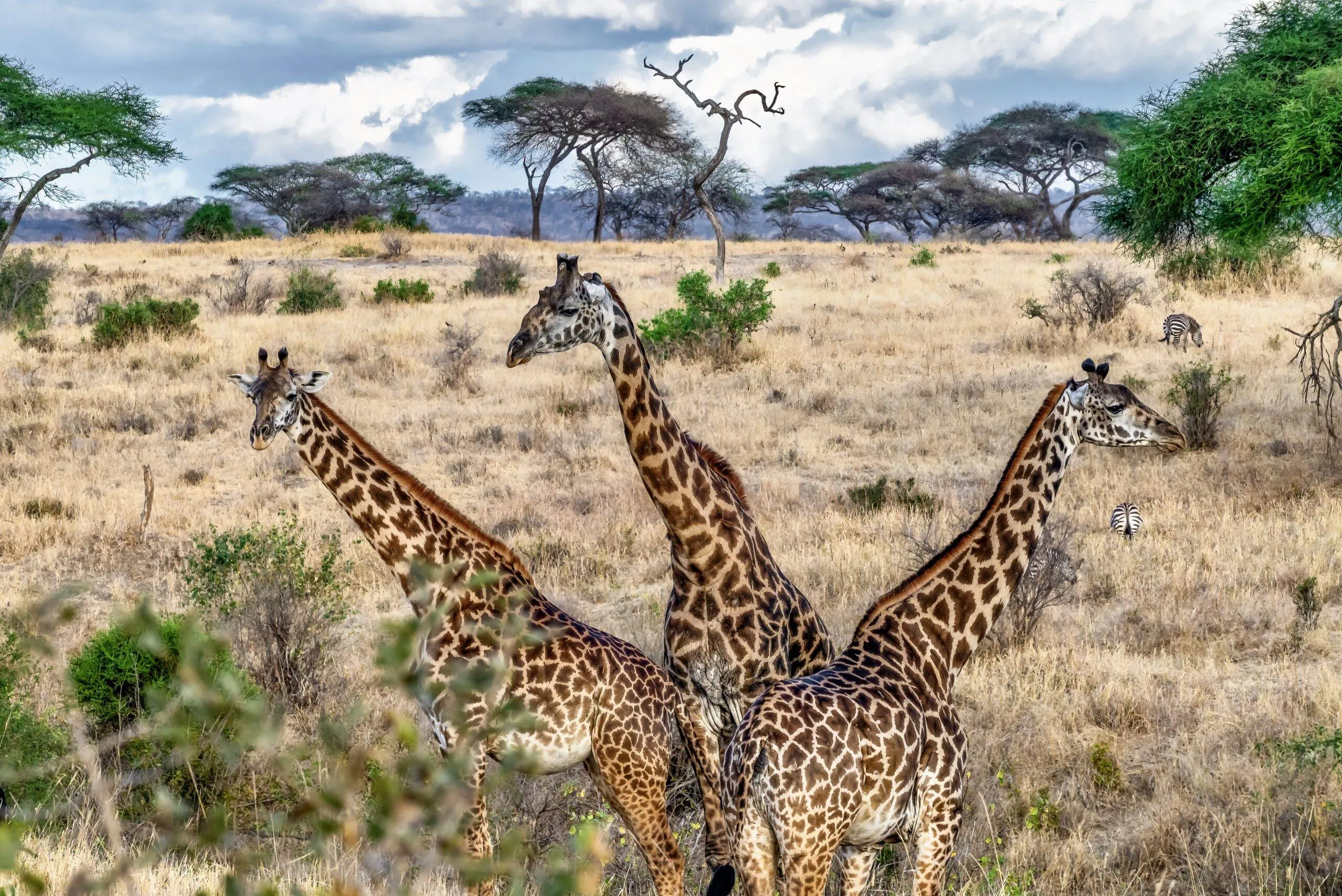
The Serengeti offers scale and space. Its vast plains allow wildlife to behave naturally, often far from other vehicles. This creates opportunities for images without distractions and with a strong sense of wilderness. Tanzania is a cornerstone of African wildlife photography.
Ngorongoro Crater is different. Wildlife is concentrated within a relatively small area, increasing sighting consistency, particularly for species like black rhinos. Timing is essential here. Early mornings and late afternoons help avoid crowds and harsh midday conditions. Together, these areas offer a balance between wide-open landscapes and concentrated wildlife encounters.
4. Botswana’s Okavango Delta and Chobe National Park
Botswana delivers a unique photographic environment shaped by water. Seasonal flooding in the Okavango Delta creates channels, islands, and reflective surfaces that dramatically change how wildlife is photographed.
Elephants wading through water, predators moving between islands, and birds interacting with wetland environments all create distinctive images. In Chobe National Park, large elephant herds gather along the river during the dry season, often producing striking silhouettes in late afternoon light. Botswana’s low-volume tourism model means fewer vehicles at sightings, which helps preserve natural behavior.
5. Namibia – Etosha and Desert Wildlife Photography
Namibia offers a completely different aesthetic. Etosha National Park’s pale salt pans and sparse vegetation create minimalist compositions with strong contrast.
Wildlife congregates around waterholes during dry periods, allowing photographers to work scenes with clean lines and uncluttered backgrounds. Beyond Etosha, desert-adapted wildlife and dramatic landscapes reward photographers who appreciate negative space and environmental context.
6. South Africa – Kruger and Private Reserves
South Africa is often the easiest entry point for first-time wildlife photographers. Kruger National Park has excellent infrastructure and reliable wildlife sightings. Private reserves bordering Kruger offer added flexibility, including off-road driving and night safaris. These permissions allow guides to position vehicles more precisely and extend encounters beyond daylight hours. The tradeoff is cost, but the photographic benefits are substantial.
Quick Comparison: African Photography Destinations
| Country / Region | Best Months for Photography | Key Wildlife Photography Highlights |
|---|---|---|
| Uganda | June – September, December – February | Mountain gorillas in Bwindi, tree-climbing lions in Queen Elizabeth National Park, chimpanzees in Kibale Forest, lush forest backdrops |
| Tanzania – Southern Serengeti | January – March | Calving season, newborn wildlife, intense predator activity, dramatic interactions |
| Tanzania – Western & Northern Serengeti | June – October | Grumeti and Mara River crossings, large herds, dust, movement, action scenes |
| Kenya – Masai Mara | July – October | Big cat encounters, Mara River crossings, open savanna and clean backgrounds |
| Botswana – Okavango Delta & Chobe | June – September | Elephants in water, floodplains, reflections, water-based wildlife photography |
| Namibia – Etosha National Park | May – October | Wildlife at waterholes, minimalist desert landscapes, strong contrast and negative space |
| South Africa – Kruger & Private Reserves | May – September | Big Five sightings, off-road positioning, night safaris, consistent encounters |
Best Times and Seasons for Wildlife Photography
Timing is one of the most important factors in wildlife photography tours. The same location can produce very different results depending on the season. Understanding the best time to visit Uganda for safari or the specific movements of the herds is essential for planning.
Dry Season (June–October)
During the dry season, wildlife concentrates around permanent water sources. This predictability makes planning easier and improves visibility as vegetation thins out. Dust in the air can soften light and add atmosphere, especially during early mornings and late afternoons. The downside is higher visitor numbers, as this is the most popular time to travel.
The Great Migration
The Great Migration moves through the Serengeti–Mara ecosystem in a continuous cycle. River crossings typically occur between July and October, but timing is never guaranteed. Herds may wait days before crossing, and patience is essential. When crossings happen, they offer some of the most dramatic wildlife scenes in Africa, combining movement, tension, and raw survival.
Calving Season (January–March)
Calving season in the southern Serengeti brings thousands of newborn wildebeest into the open plains each day. Predator activity increases, and the landscape is often lush and green. This period offers intense wildlife interactions and vibrant backgrounds, though rain and mud can affect access.
Green Season (November–April)
Green season is often overlooked but offers real advantages. Fewer visitors, dramatic skies, and seasonal birdlife create opportunities for more creative photography. Wildlife disperses during this time, but experienced guides can still deliver meaningful encounters while offering a quieter, more flexible experience. For more insights, refer to our Uganda safari guide.
What Safari Guides Do to Support Wildlife Photography
The quality of a wildlife photography tour depends heavily on the guide. Good guides find animals. Great guides think about light, background, and behavior before stopping the vehicle.
- Positioning for Clean Backgrounds: Small changes in vehicle position can remove visual clutter and improve compositions. Experienced guides consider what lies behind the subject, not just the subject itself.
- Allowing Time Instead of Rushing: Photography-focused safaris prioritize patience. Staying with one sighting for extended periods often produces better results than chasing multiple animals in quick succession. Natural behavior unfolds slowly. Yawns, interactions, movement — these moments require time.
- Understanding Animal Behavior: Guides who read body language and behavior patterns can anticipate action before it happens. This allows photographers to prepare calmly instead of reacting at the last second. This is especially true when tracking the Big Five mammals.
- Adjusting Plans Based on Conditions: Light and weather change constantly. Skilled guides adjust routes, timing, and even daily plans to take advantage of better conditions rather than forcing poor ones.
Why Choose a Guided Wildlife Photography Tour in Africa
Self-drive safaris offer independence, but guided wildlife photography tours provide advantages that are difficult to replicate alone. Local knowledge accumulates over years. Guides understand territories, seasonal patterns, and individual animal behavior. They also manage logistics, safety, and unexpected challenges, allowing photographers to focus fully on the experience.
Choosing to book with a local Uganda safari tour operator also provides education. Understanding ecosystems and behavior improves not only the current trip but every future safari.
How PawMac Safaris Designs Wildlife Photography Tours
Designing photography-focused safaris requires a different approach than standard wildlife tours. At PawMac Safaris, we specialize in Uganda safari tour packages tailored for photographers.
- Small Group Sizes: Limiting the number of guests per vehicle reduces competition for space and improves flexibility. Fewer people allow better positioning and smoother communication between guide and guests.
- Flexible Schedules Based on Light: Photography itineraries prioritize early starts and late finishes when conditions are best. Meals and breaks are planned around light rather than convenience.
- Photographer-Friendly Vehicles: Vehicle design and setup matter. Quiet approaches, stable shooting positions, and space to work comfortably all contribute to better wildlife encounters and more natural behavior.
Whether you are interested in a 3-day gorilla trekking encounter or a comprehensive 15-day safari, our focus is always on creating calm, respectful conditions that allow wildlife to behave naturally and photographers to work without pressure.
Frequently Asked Questions
Do I need professional photography experience for wildlife photography tours in Africa?
No. Enthusiastic beginners benefit greatly from guided tours, especially when basic camera knowledge is in place before arrival. For more common questions, visit our FAQs.
Are wildlife photography tours suitable for solo travelers?
Yes. Solo travelers are welcome on group departures, and private vehicle options are available for those who prefer them.
Which African country is best for first-time wildlife photographers?
Kenya and Tanzania offer consistent sightings and open landscapes. Uganda is ideal for photographers seeking the untamed beauty of Uganda, intimate primate encounters, and unique behavior.
Final note
Wildlife photography tours in Africa are not about owning the best equipment. They are about experience, patience, and working with people who understand the land and its wildlife.
That is where the real difference is made. Ready to capture the extraordinary? Contact PawMac Safaris today to start planning your photographic journey, or explore more in our travel blog.