


- 51 Views
- 14 Min Read
- (0) Comment
For many travelers, Uganda is the place where an African safari becomes more than a dream. In one journey, you can stand in a misty forest listening for mountain gorillas, watch elephants cross the savanna, cruise past hippos on the Nile, and meet communities whose traditions are deeply connected to the landscape.
If this is your first safari, the choices can feel overwhelming. Which park should you visit first? How many days do you need? Is gorilla trekking too difficult? What should you book before you arrive? This guide breaks down the best safari adventures in Uganda for first-time travelers, with practical planning advice to help you feel prepared, confident, and excited.

Why Uganda Is a Great Choice for a First African Safari
Uganda is often called the Pearl of Africa for good reason. It combines rainforest, savanna, wetlands, mountains, lakes, and the River Nile in a country that is compact enough for a well-planned 7 to 12 day trip. For first-time travelers, this variety is one of its biggest advantages.
Instead of choosing between primates and classic game drives, you can experience both. A typical Uganda safari can include gorilla trekking in Bwindi Impenetrable National Park, chimpanzee tracking in Kibale, a boat safari on the Kazinga Channel or Nile, and game drives in Queen Elizabeth or Murchison Falls National Park.
Uganda also suits travelers who want a more guided, personal experience. Many safari routes involve long drives, early starts, permit logistics, and park-specific rules, so traveling with expert local guides makes the journey smoother. Guides help interpret animal behavior, adjust the route when conditions change, and make sure you follow conservation rules set by the Uganda Wildlife Authority.
For first-timers, Uganda offers the right balance: wild enough to feel adventurous, but well-established enough for comfortable guided travel.
The Best Safari Adventures in Uganda for First-Time Travelers
A first Uganda safari does not need to include every park. In fact, the best beginner itineraries usually focus on a few high-impact experiences rather than rushing across the country. Here are the core adventures to consider.
Gorilla trekking in Bwindi or Mgahinga
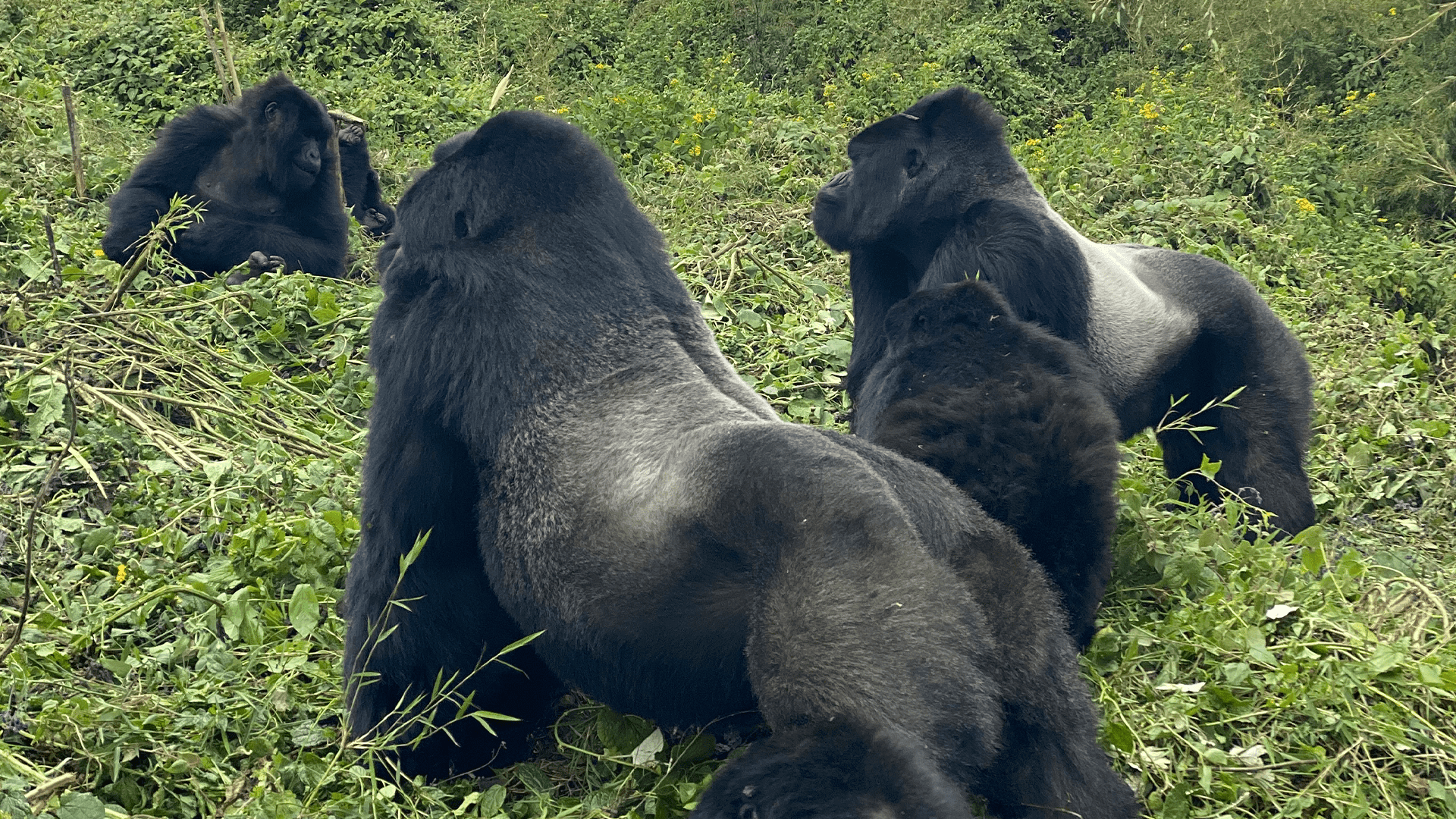
Gorilla trekking is the experience that draws many travelers to Uganda. Treks take place in Bwindi Impenetrable National Park and Mgahinga Gorilla National Park, the only two places in Uganda where visitors can track mountain gorillas.
Bwindi is especially significant because it is a UNESCO World Heritage Site and one of the most important habitats for mountain gorillas. You can learn more about its global conservation value through the UNESCO World Heritage listing for Bwindi.
For first-time travelers, the most important thing to understand is that gorilla trekking is not a zoo-like encounter. You hike with trained rangers through natural forest, sometimes on steep or muddy terrain. Trek durations vary depending on where the gorilla family is located that day. Once your group finds the gorillas, viewing time is limited to one hour to reduce stress on the animals.
Plan Your Uganda Safari with Local Experts
 WhatsApp Us
As of 2026, Uganda gorilla permits for foreign non-residents cost US$800 per person. Permits are limited, so they should be booked early, especially for June to August and December to February. For more details, read PawMac Safaris' Gorilla Trekking Permit Uganda guide.
Classic game drives in savanna parks
If your idea of safari includes lions, elephants, buffalo, giraffes, antelopes, and big open landscapes, Uganda delivers through several savanna parks. Murchison Falls National Park and Queen Elizabeth National Park are the most popular choices for first-time travelers because they combine wildlife viewing with strong supporting activities, such as boat safaris.
Murchison Falls is famous for the Nile forcing its way through a narrow rock gap before plunging into a powerful waterfall. Queen Elizabeth is known for varied habitats, the Kazinga Channel, crater landscapes, and the Ishasha sector, where lions are sometimes seen resting in fig trees.
Kidepo Valley National Park is one of Uganda's most dramatic wilderness areas, but it is remote. It can be excellent for travelers with more time or those looking for a less crowded safari. Lake Mburo National Park is smaller and often works well as a relaxed stop between western Uganda and Entebbe.
Boat safaris on the Nile and Kazinga Channel
Boat safaris are ideal for first-time travelers because they are easy, scenic, and rich in wildlife. You sit comfortably while your guide and boat crew position you for views of hippos, crocodiles, elephants, buffalo, waterbirds, and animals coming to drink.
Two of the best-known boat safari locations are the Nile in Murchison Falls National Park and the Kazinga Channel in Queen Elizabeth National Park. The experience is very different from a game drive because wildlife is often viewed at water level, which can be excellent for photography.
Chimpanzee tracking in Kibale
Chimpanzee tracking adds a completely different energy to a safari. Gorillas are usually calm and grounded, while chimpanzees are fast, vocal, social, and often high in the canopy. Kibale National Park is Uganda's premier chimpanzee tracking destination, with rich rainforest and a high diversity of primates.
For first-time visitors, chimp tracking is a great addition because it helps you understand how varied Uganda's primate experiences can be. The forest can be loud, humid, and exciting, and sightings may involve walking quickly as chimpanzees move through the trees.
Rhino tracking at Ziwa Rhino Sanctuary
Uganda's Big Five experience usually requires combining multiple destinations. Lions, leopards, elephants, and buffalo can be seen in national parks, while rhinos are tracked at Ziwa Rhino Sanctuary. This makes Ziwa a valuable stop for travelers who want to complete a Big Five route.
Rhino tracking is done with trained guides, and the experience is more controlled than a general game drive. It is a good introduction to Uganda's conservation story because rhinos were reintroduced after disappearing from the wild in Uganda.
Cultural and soft-adventure experiences
A Uganda safari is not only about wildlife. First-time travelers often remember the human connections just as strongly: meeting local guides, visiting community projects, learning about traditional livelihoods, or joining a respectful cultural encounter near national parks.
Adventure activities can also be added depending on your interests. Jinja is known for Nile River adventures, while the southwest offers crater lakes, forest walks, and scenic highland drives. The key is to choose add-ons that fit your pace rather than overloading the itinerary.
Quick Comparison of First-Time Safari Experiences
| Safari adventure | Best places | Why first-timers like it | Planning tip |
|---|---|---|---|
| Gorilla trekking | Bwindi, Mgahinga | Rare, emotional, conservation-focused | Book permits early and choose lodges near your assigned sector |
| Game drives | Murchison Falls, Queen Elizabeth, Kidepo, Lake Mburo | Classic safari wildlife and open landscapes | Go early morning or late afternoon for better activity |
| Boat safaris | Nile, Kazinga Channel | Relaxed wildlife viewing with strong photo opportunities | Bring sun protection and a dry bag for camera gear |
| Chimpanzee tracking | Kibale, Kyambura, Budongo | Active forest experience with vocal primates | Expect faster movement than gorilla trekking |
| Rhino tracking | Ziwa Rhino Sanctuary | Helps complete a Big Five safari route | Follow sanctuary guide instructions closely |
| Cultural visits | Communities near parks, Batwa experiences, local markets | Adds context and local connection | Choose respectful, community-benefiting experiences |
How Many Days Do You Need for a First Uganda Safari?
The right trip length depends on your budget, fitness, travel style, and how much road travel you are comfortable with. Uganda looks compact on a map, but drives between parks can be long because routes pass through towns, hills, and rural roads.
For a first safari, 7 to 10 days is often the sweet spot. It gives you time for gorilla trekking, one or two savanna parks, and at least one boat or chimpanzee experience without feeling constantly rushed.
| Trip length | Best for | What you can include |
|---|---|---|
| 3 to 4 days | Travelers with limited time | One focused experience, such as gorilla trekking or Murchison Falls |
| 5 to 7 days | First-timers on a tighter schedule | Gorillas plus Queen Elizabeth, or Murchison Falls plus Ziwa |
| 8 to 10 days | Best balance for most first safari travelers | Gorillas, chimpanzees, game drives, and a boat safari |
| 12 to 14 days | Deeper Uganda experience | Multiple parks, primates, Big Five route, cultural visits, and slower pacing |
A simple 8 day beginner route might begin in Entebbe, continue to Kibale for chimpanzees, move to Queen Elizabeth for game drives and a boat safari, then finish with gorilla trekking in Bwindi before returning through Lake Mburo or flying back from western Uganda.
If you want a broader overview of park options, PawMac Safaris has a useful guide to the Must-See National Parks in Uganda.
What a Typical Safari Day Feels Like
Safari days usually start early. On game drive days, you may leave the lodge around sunrise when temperatures are cooler and animals are more active. Your guide will scan tracks, listen for alarm calls, communicate with park teams where appropriate, and position the vehicle for respectful sightings.
Late morning and early afternoon are often slower. This is when you return for breakfast or lunch, rest at the lodge, charge camera batteries, or enjoy the view. A second activity may take place in the afternoon, such as a boat safari, evening game drive, community visit, or guided nature walk.
Gorilla and chimpanzee tracking days are different. You begin with a briefing from rangers, then enter the forest in a small group. You may walk for a short time or several hours. Once the primates are located, guides manage the encounter carefully so visitors remain safe and wildlife is protected.
First-time travelers should expect some unpredictability. Wildlife is not on a timetable. Weather can change quickly. A road transfer may take longer than expected. The best safaris leave enough flexibility for nature to lead the experience.
Best Time to Visit Uganda for Your First Safari
Uganda can be visited year-round, but the seasons affect comfort and logistics. The drier months, generally June to August and December to February, are often preferred by first-time safari travelers because forest trails may be less muddy and savanna wildlife can be easier to spot around water sources.
The wetter seasons, usually March to May and September to November, bring lush scenery, dramatic skies, and fewer travelers in some areas. They can be excellent for photography and birding, but roads and forest trails may be more challenging.
No season is completely dry. Uganda's climate is varied, and rain can fall even in popular travel months. This is why waterproof boots, a light rain jacket, and a flexible mindset matter on any first safari.
Safety, Health, and Comfort Basics
Uganda safaris are safest and smoothest when planned with realistic expectations and experienced local support. National parks have rules for good reason, especially around large mammals and primates. Always follow your guide, UWA rangers, and lodge staff.
Before traveling, check entry and health requirements. Uganda requires a Yellow Fever vaccination certificate, and many travelers speak with a travel health professional about malaria prevention and routine vaccinations. The CDC Uganda travel health page is a helpful starting point, but your own doctor or travel clinic should give personalized advice.
Travel insurance is also important. Choose a policy that covers medical emergencies, evacuation, cancellations, lost baggage, and the activities you plan to do. Safari regions can be remote, and medical evacuation coverage is especially valuable.
For comfort, pack for both vehicle-based safari and forest trekking. Neutral clothing, breathable layers, a warm fleece for early mornings, a rain jacket, insect repellent, sunscreen, binoculars, and a reusable water bottle are all useful. For gorilla trekking, prioritize waterproof hiking boots, long trousers, gardening-style gloves, and gaiters if trails are muddy. PawMac Safaris' Uganda Safari Packing Guide covers this in more detail.
Budgeting for Your First Safari Adventure
Uganda can work for budget, mid-range, and luxury travelers, but safari costs vary widely. The biggest cost drivers are permits, number of days, accommodation level, private versus group travel, vehicle and fuel costs, domestic flights, park fees, and season.
Gorilla trekking has a major impact on budget because the permit alone is a fixed conservation fee. However, many travelers find Uganda strong value compared with nearby gorilla trekking destinations, especially when combining gorillas with other wildlife experiences in one country.
When comparing safari quotes, do not look only at the final price. Ask what is included and excluded. A lower quote may not include permits, park entry, airport transfers, certain meals, bottled water, or activity fees. A clear quote should explain accommodation level, transport, guide services, permits, meals, and any optional activities.
| Cost factor | Why it matters for first-timers |
|---|---|
| Gorilla and chimp permits | Limited availability means early booking is essential |
| Accommodation style | Budget, mid-range, and luxury lodges change the total significantly |
| Private vehicle | More flexibility, privacy, and comfort, especially for families or photographers |
| Route design | Efficient routing reduces unnecessary long drives and fatigue |
| Domestic flights | Save time on some routes but increase the budget |
| Season | Peak months can have tighter lodge and permit availability |
Common First-Time Safari Mistakes to Avoid
The biggest beginner mistake is trying to see everything in too few days. Uganda rewards slower travel. A packed itinerary might look impressive on paper, but long transfers can reduce your energy for the activities you came to enjoy.
Another common mistake is booking gorilla accommodation without matching it to the correct trekking sector. Bwindi has different sectors, and staying far from your assigned sector can mean a very early start or difficult transfer. This is one reason local planning support is valuable.
First-time travelers also sometimes underestimate the physical side of forest activities. You do not need to be an athlete for most treks, but you should be comfortable walking on uneven ground. Hiring a porter is strongly recommended for gorilla trekking. It supports local livelihoods and makes the hike easier.
Finally, avoid expecting guaranteed sightings. Good guides know where to look and how to read wildlife signs, but animals move freely. The most rewarding safari mindset is patient, curious, and open to surprises.
Should You Book a Guided or Custom Safari?
For a first Uganda safari, a guided trip is usually the best choice. This is especially true if you are combining gorilla permits, chimp tracking, multiple parks, road transfers, and international arrival logistics. A guided safari reduces stress because one team coordinates the route, timing, activities, and local requirements.
A custom safari is even better if you have specific interests. Photographers may need longer game drives and flexible timing. Families may prefer shorter driving days and lodges with more downtime. Luxury travelers may want fly-in options and high-end lodges. Budget travelers may want shared departures, simpler accommodation, and efficient routing.
PawMac Safaris specializes in personalized Uganda safari adventures with expert local guides, comfortable 4×4 vehicles, gorilla trekking tours, chimpanzee tracking, Big Five safari routes, cultural tours, and flexible package options from budget to luxury. The goal is not just to sell you a route, but to help you choose a safari that fits your time, comfort level, and travel dreams.
Frequently Asked Questions
Is Uganda good for first-time safari travelers? Yes. Uganda is excellent for first-time travelers because it combines gorilla trekking, chimpanzees, game drives, boat safaris, cultural experiences, and beautiful scenery in one destination. A guided itinerary makes the logistics much easier.
How many days should I spend on my first Uganda safari? Most first-time travelers should plan 7 to 10 days if they want gorillas, chimpanzees, game drives, and a boat safari without rushing. A shorter 3 to 5 day trip can work if you focus on one main region or experience.
Can I see the Big Five in Uganda? Yes, but usually not in one national park. Lions, leopards, elephants, and buffalo can be seen in Uganda's savanna parks, while rhinos are tracked at Ziwa Rhino Sanctuary. Sightings are never guaranteed, but a well-planned route improves your chances.
Is gorilla trekking difficult for beginners? Gorilla trekking can be moderate to challenging depending on terrain, weather, and where the gorillas are located. Many first-timers complete it successfully with good boots, patience, a porter, and guidance from rangers.
When should I book gorilla permits? Book at least 3 to 6 months ahead for many travel periods, and earlier for peak seasons. Permits are limited, and your lodge location should match your trekking sector.
Is Uganda safe for solo travelers? Guided safaris are a practical option for solo travelers because local teams manage transport, park procedures, accommodation, and safety protocols. Solo travelers should still follow travel advisories, use reputable operators, and purchase comprehensive travel insurance.
What should I pack for my first Uganda safari? Pack neutral clothing, layers, a rain jacket, sun protection, insect repellent, binoculars, camera gear, comfortable walking shoes, and waterproof hiking boots if trekking gorillas or chimpanzees. Keep luggage practical and soft-sided if possible.
Start Your First Uganda Safari With Confidence
Your first safari should feel exciting, not confusing. With the right route, realistic pacing, expert guides, and early permit planning, Uganda can deliver one of the most memorable wildlife journeys in Africa.
If you are ready to plan gorilla trekking, chimpanzee tracking, Big Five wildlife viewing, cultural experiences, or a fully custom route, PawMac Safaris can help you design a guided Uganda safari that matches your budget, travel style, and sense of adventure.


