


- 4 Views
- 19 Min Read
- (0) Comment
Travelers searching for the best safari tours in Africa often compare big-name destinations first, then realize that Uganda offers something unusually complete. In one thoughtfully planned journey, you can trek to see mountain gorillas, track chimpanzees in a rainforest, watch elephants from a boat on the Nile, look for tree-climbing lions, visit the endangered rhinos of Ziwa Rhino Sanctuary, and still experience warm local hospitality at a pace that feels personal.
Uganda is not the largest safari destination on the continent, and that is part of its strength. Its top wildlife regions connect into logical circuits, especially across the western part of the country, making it possible to combine primates, savannah wildlife, lakes, culture, and scenic highlands without losing the intimacy that many premium travelers value.
For travelers choosing Uganda, the best safari tour is not simply the one with the longest itinerary or the most expensive lodge. It is the tour that matches your fitness, wildlife priorities, comfort expectations, budget, and available time. This guide breaks down the strongest Uganda safari tour styles, realistic 2026 cost ranges, best seasons, and planning details that make the difference between a good safari and an exceptional one.
Table of Contents
- Why Uganda Belongs Among the Best Safari Tours in Africa
- What Makes a Uganda Safari Tour Stand Out
- Gorilla Trekking Uganda’s Signature Safari Experience
- Chimpanzee Tracking and Primate Encounters
- Big Game Boat Safaris and Rhino Tracking
- Best Uganda Safari Tour Styles by Traveler Type
- Classic 8 to 10 Day Western Uganda Safari
- Luxury Fly-In or Premium Lodge Safari
- Family and Private Custom Safaris
- Budget Conscious Uganda Safari Tours
- How Much Should You Budget for a Uganda Safari in 2026
- Permit and Park Fee Benchmarks
- Sample Tour Budgets by Comfort Level
- Best Time to Take a Safari Tour in Uganda
- How to Choose the Right Uganda Safari Tour
- Practical Planning Details That Affect Safari Quality
- Frequently Asked Questions
- Plan Your Uganda Safari with PawMac Safaris
Why Uganda Belongs Among the Best Safari Tours in Africa
Uganda earns its place among Africa’s strongest safari destinations because it offers range, not repetition. Many safari itineraries elsewhere focus primarily on open savannah game drives. Uganda certainly delivers classic wildlife viewing, especially in Queen Elizabeth National Park, Murchison Falls National Park, Lake Mburo National Park, and Kidepo Valley National Park, but it adds a rare primate dimension that transforms the trip.
The country’s greatest advantage is the ability to combine mountain gorillas and chimpanzees with traditional big game. Bwindi Impenetrable National Park and Mgahinga Gorilla National Park are two of the world’s most important destinations for gorilla trekking. Kibale National Park is one of Africa’s most rewarding places for chimpanzee tracking. Murchison Falls and Queen Elizabeth add elephants, buffalo, hippos, crocodiles, lions, leopards, antelope, and outstanding boat safaris.
Uganda also suits travelers who want a safari with texture. The landscapes shift dramatically, from papyrus wetlands and crater lakes to rainforest, volcanic slopes, savannah plains, and the thunderous Nile squeezing through Murchison Falls. That variety matters because it keeps each day distinct. Instead of repeating the same game drive format, a strong Uganda itinerary can include forest walks, boat safaris, community visits, photography stops, cultural encounters, and guided nature experiences.
This is why Uganda is so compelling for travelers who do not want a standard safari checklist. It is especially strong for couples, families with older children, solo travelers who prefer private guiding, photographers, birders, and travelers who want their safari investment to feel rare and meaningful.
What Makes a Uganda Safari Tour Stand Out
A truly excellent Uganda safari tour balances wildlife ambition with practical pacing. The best itinerary is not the one that rushes through every park. It is the one that puts you in the right place at the right time, gives enough space for sightings to unfold, and protects your energy for high-value experiences such as gorilla trekking.
| Safari strength | Where Uganda excels | Why it matters for travelers |
|---|---|---|
| Mountain gorillas | Bwindi Impenetrable National Park and Mgahinga Gorilla National Park | One of the world’s most memorable wildlife encounters, with limited daily permits |
| Chimpanzees | Kibale National Park, plus selected forest reserves and gorges | Adds a dynamic rainforest tracking experience to a classic safari |
| Big game | Murchison Falls, Queen Elizabeth, Kidepo Valley, Lake Mburo | Delivers elephants, buffalo, lions, leopards, giraffes in selected parks, hippos, and plains game |
| Boat safaris | Nile River, Kazinga Channel, Lake Mburo | Excellent for close views of hippos, crocodiles, elephants, birds, and water-based wildlife behavior |
| Birdlife | Wetlands, forests, lakes, savannahs, and highlands | Uganda is exceptional for birders, with habitats packed into a compact country |
| Cultural depth | Communities around national parks and highland regions | Adds human connection and context when arranged respectfully |
For a deeper comparison of route logic and how to match parks to your travel priorities, PawMac Safaris has also created a practical guide on how to choose the right Uganda safari route.
Gorilla Trekking Uganda’s Signature Safari Experience
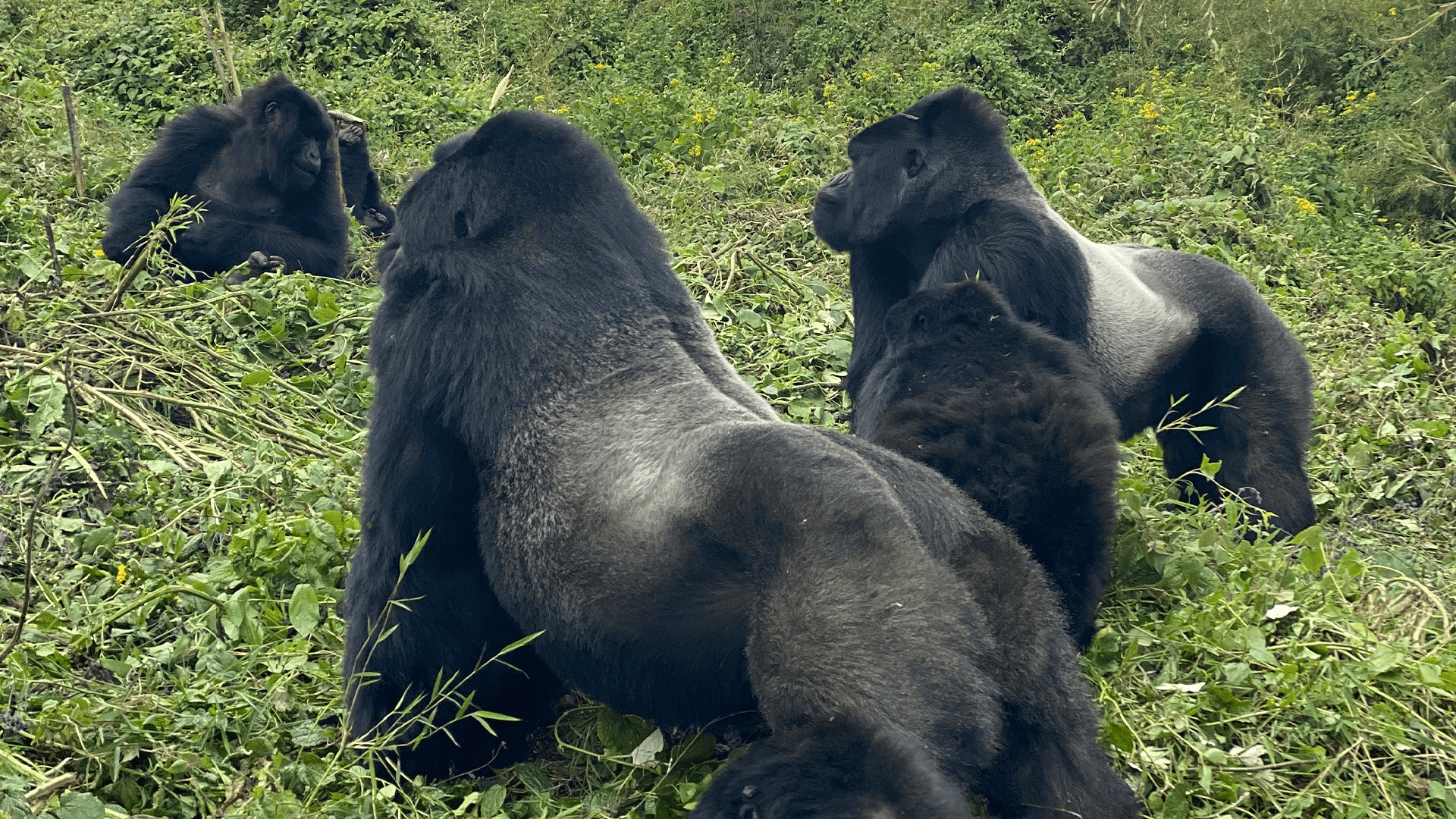
For many travelers, gorilla trekking is the reason Uganda becomes the final choice. The experience is tightly regulated, permit-based, and guided by trained ranger teams. Treks can be moderate or physically demanding depending on the gorilla family location, terrain, weather, and forest conditions on the day.
Bwindi is the most famous option, with multiple trekking sectors such as Buhoma, Ruhija, Rushaga, and Nkuringo. Each sector has different logistics, lodge access, and road connections. Mgahinga is smaller and beautifully scenic, set near the Virunga volcanoes, and can be excellent for travelers who want a quieter feel when permits and logistics align.
Plan Your Uganda Safari with Local Experts
 WhatsApp Us
The actual time with a gorilla family is limited, typically one hour once the group is located. That hour is the core of the experience, but the full day matters too. A good operator prepares you with the right clothing, realistic fitness expectations, porter guidance, and lodge positioning. Staying close to the correct trekking sector is important because early morning reporting times are strict, and road transfers before dawn can be tiring if your lodge is poorly matched to your permit location.
Chimpanzee Tracking and Primate Encounters
Chimpanzee tracking brings a different energy. Gorillas are often calm and deeply intimate to observe, while chimpanzees can be vocal, mobile, social, and unpredictable. Kibale National Park is Uganda’s flagship chimpanzee destination, and many travelers pair it with Bigodi Wetland Sanctuary for birds, monkeys, and community-based nature experiences.
Adding chimpanzees before or after gorillas creates a richer primate itinerary. It also helps travelers understand Uganda’s rainforest ecosystems beyond one headline species. For primate-focused travelers, a safari can be designed around Kibale, Bwindi, Mgahinga, and selected forest experiences, while still including savannah wildlife in Queen Elizabeth or Murchison Falls.
The key logistical point is pacing. Chimpanzee tracking and gorilla trekking both involve early starts, walking, humidity, and concentration. Placing them back to back without rest can be tiring, especially for travelers arriving from long-haul flights. A well-designed itinerary gives you recovery time, scenic transfer breaks, and enough lodge comfort to enjoy each major activity fully.
Big Game Boat Safaris and Rhino Tracking
Uganda is not only about primates. Murchison Falls National Park offers one of the country’s most complete big game experiences, with elephants, buffalo, giraffes, lions, antelope, hippos, crocodiles, and dramatic Nile scenery. The boat safari toward the base of Murchison Falls is a highlight because wildlife congregates along the riverbanks, making it especially rewarding for photography.
Queen Elizabeth National Park adds the Kazinga Channel, one of Uganda’s most productive boat safari routes. It is excellent for hippos, buffalo, elephants, crocodiles, waterbirds, and occasional predator activity near the shores. The Ishasha sector is known for tree-climbing lions, although sightings depend on conditions and can never be guaranteed.
For travelers interested in a Big Five-style Uganda safari, Ziwa Rhino Sanctuary is usually the missing link. Rhinos are not currently roaming freely in Uganda’s main national parks, so guided rhino tracking at Ziwa is commonly included on routes to or from Murchison Falls. When paired with lion, leopard, elephant, and buffalo sightings in the savannah parks, it creates a strong Big Five-focused itinerary through a Uganda lens.
Best Uganda Safari Tour Styles by Traveler Type
Uganda works best when the safari is designed around traveler intent. A honeymoon couple, a family with teenagers, a serious wildlife photographer, and a budget-conscious backpacker may all choose Uganda, but they should not follow the same schedule.
Classic 8 to 10 Day Western Uganda Safari
The classic western circuit is the best fit for travelers who want the strongest first-time Uganda safari without feeling rushed. A well-paced version often includes Kibale for chimpanzees, Queen Elizabeth for game drives and the Kazinga Channel, Bwindi or Mgahinga for gorilla trekking, and a scenic rest stop such as Lake Bunyonyi or a crater lake region depending on the route.
This style is ideal if you want Uganda’s signature contrast: forest primates plus savannah wildlife. It also makes sense for travelers who prefer road travel because the landscapes are part of the experience. Expect some long driving days, often 4 to 8 hours depending on road conditions, park combinations, and lodge locations. A comfortable 4×4 vehicle and an experienced local guide make a major difference.
For many travelers, 8 days is the minimum for a satisfying gorilla, chimpanzee, and savannah itinerary. Ten days gives more breathing room, better pacing, and a stronger chance to include scenic pauses and cultural experiences without compressing the wildlife schedule.
Luxury Fly-In or Premium Lodge Safari
A luxury Uganda safari is about more than higher-end rooms. It is about reducing fatigue, improving locations, elevating guiding, and creating a smoother rhythm. Fly-in sectors can reduce long road transfers, especially when connecting Entebbe with western Uganda airstrips near key safari regions. This can be valuable for honeymooners, older travelers, executives with limited time, or anyone who wants to preserve energy for trekking.
Premium lodges near Bwindi, Queen Elizabeth, Kibale, and Murchison Falls can vary widely in style and price. Some focus on dramatic views and privacy, while others prioritize proximity to the trekking briefing point or game drive access. In gorilla country, location is especially important. A beautiful lodge in the wrong sector can create unnecessary transfer stress.
High-end travelers should expect a significant portion of the budget to go toward lodge quality, domestic flights where used, private guiding, permits, and conservation fees. For a detailed accommodation planning angle, see PawMac Safaris’ guide to Uganda safari lodges for 2026.
Family and Private Custom Safaris
Families choosing Uganda should prioritize private safaris, sensible pacing, and age-appropriate activities. Gorilla trekking has a minimum age requirement of 15 years. Chimpanzee tracking also generally has age restrictions, so families with younger children need routes that emphasize boat safaris, wildlife drives, cultural visits, nature walks where permitted, and lodges with suitable room configurations.
Private custom safaris are also valuable for multi-generational groups. Grandparents may want shorter walking activities and more lodge comfort, while teenagers may enjoy primates, photography, boat rides, and cultural experiences. A private structure allows the guide to adjust timing, meal stops, and activity intensity without compromising the group experience.
This is where working with a Uganda-based team becomes important. PawMac Safaris designs personalized safari experiences using local knowledge, professional planning, and flexible route options, which is especially useful when travelers need a safari tailored to different ages, interests, budgets, or comfort levels. You can explore why tailored safari packages in Uganda often create better outcomes than fixed group departures.
Budget Conscious Uganda Safari Tours
Uganda can be more accessible than many travelers expect, but budget planning must be realistic. Gorilla and chimpanzee permits are fixed costs that cannot be negotiated like accommodation. Park fees, fuel, guide time, vehicle use, and long-distance logistics also add up.
The smartest way to reduce costs is not to cut corners on guiding or safety. Instead, choose fewer parks, travel in a small private group to share vehicle costs, use comfortable budget or mid-range lodges, and avoid unnecessary one-night stops. A 5 to 6 day gorilla-focused safari can be cost-efficient, while an 8 to 10 day route becomes better value when shared by two to four travelers.
Budget travelers should also understand the trade-offs. Lower-cost lodges may be farther from premium locations, road transfers may replace domestic flights, and the itinerary may include fewer exclusive activities. A transparent operator will explain these compromises clearly before you commit.

How Much Should You Budget for a Uganda Safari in 2026
Uganda safari pricing depends on travel season, group size, lodge category, park combination, permits, domestic flights, and how private or flexible the experience needs to be. The largest fixed costs are usually primate permits and park-related fees, while the biggest variable costs are accommodation and transport style.
As a planning principle, do not compare safari prices only by total trip cost. Compare what is included. A low quote may exclude permits, park fees, boat safaris, airport transfers, drinking water, meals, or key activities. A premium quote may include better lodge locations, private guiding, a stronger vehicle, and smoother logistics.
Permit and Park Fee Benchmarks
The following figures are useful planning benchmarks for many 2026 Uganda safari itineraries. Fees can change, so final costs should always be confirmed at the time of booking.
| Cost item | Typical 2026 planning benchmark | Notes for travelers |
|---|---|---|
| Gorilla trekking permit | About US$800 per foreign non-resident adult | Required for Bwindi or Mgahinga gorilla trekking, limited availability |
| Chimpanzee tracking permit in Kibale | About US$250 per foreign non-resident adult | Kibale is Uganda’s flagship chimpanzee destination |
| Golden monkey tracking permit | About US$100 per foreign non-resident adult | Often considered around Mgahinga when logistics allow |
| Savannah park entrance | Commonly around US$40 to US$45 per foreign non-resident adult per 24 hours | Varies by park category and official fee schedule |
| Guided boat safari | Often around US$30 to US$40 per person for standard scheduled options | Private boat options cost more where available |
| Porter for gorilla trekking | Often around US$20 plus optional tip | Strongly recommended, supports local livelihoods and helps on steep terrain |
| Domestic flight sector | Often around US$250 to US$450 per person per sector | Useful for reducing long road transfers on premium itineraries |
Permit availability is a serious planning issue, especially for gorilla trekking. During peak months, the preferred sector and date may sell out well in advance. If your travel dates are fixed, secure permits early and build the itinerary around them.
Sample Tour Budgets by Comfort Level
The following broad ranges are intended for planning, not as fixed package prices. They assume private or small-group guided travel in Uganda, with pricing influenced by group size and inclusions.
| Safari style | Typical trip length | Estimated budget per person | Best for |
|---|---|---|---|
| Short gorilla-focused safari | 3 to 5 days | US$1,400 to US$2,800 | Travelers with limited time who mainly want gorilla trekking |
| Mid-range primates and savannah safari | 7 to 10 days | US$3,200 to US$5,800 | First-time Uganda travelers wanting gorillas, chimps, and game drives |
| Premium private safari | 8 to 12 days | US$6,000 to US$10,000 plus | Couples, families, and comfort-focused travelers using better lodges |
| Luxury fly-in safari | 8 to 12 days | US$9,000 to US$15,000 plus | Travelers prioritizing time efficiency, top lodges, and reduced road fatigue |
| Extended specialist safari | 12 to 16 days | US$6,500 to US$14,000 plus | Photographers, birders, and travelers adding Kidepo or deeper park coverage |
Accommodation drives much of the difference. Budget lodges may range from roughly US$50 to US$150 per person per night, mid-range properties often sit around US$180 to US$350, and upscale or luxury lodges can run from US$400 to more than US$1,500 per person per night depending on location, season, exclusivity, and service level.
Tipping should also be included in your financial plan. Many travelers budget around US$10 to US$20 per traveler per day for a professional driver-guide, plus lodge staff tips, ranger tips, porter tips, and occasional community experience contributions. Tipping is discretionary, but planning for it avoids awkward last-minute cash shortages.
Best Time to Take a Safari Tour in Uganda
Uganda is a year-round safari destination, but the best timing depends on what you value most. The drier months from June to September and December to February are generally the most popular for gorilla trekking, chimpanzee tracking, and wildlife drives. Trails may be less muddy, road conditions are often easier, and vegetation can be more manageable for viewing.
The wetter months, often March to May and October to November, can still be rewarding. Forests are lush, birding can be excellent, landscapes are vivid, and some lodges may offer better value outside peak demand periods. The trade-off is that trekking trails may be slippery, some road sections can be slower, and rain may affect activity timing.
For gorilla trekking, the best month is not only about weather. Permit availability, lodge location, and your fitness matter just as much. A perfectly dry month with poor lodge placement is less comfortable than a slightly wetter month with the right sector, good guiding, and a sensible schedule.
For big game, drier periods can concentrate animals around water sources, but Uganda’s river systems and mixed habitats mean sightings remain possible across seasons. Birders may prefer certain months based on migratory patterns and breeding plumage. Photographers often enjoy green-season light and dramatic skies, provided their equipment is well protected.
How to Choose the Right Uganda Safari Tour
Choosing the right Uganda safari starts with one honest question: what would make the trip feel successful to you? If the answer is gorillas above all else, build around Bwindi or Mgahinga first. If you want Uganda’s most complete wildlife range, combine gorillas, chimpanzees, and one or two savannah parks. If you want comfort and limited road time, consider premium lodges and domestic flights. If you want value, keep the route focused and avoid trying to cover the whole country in too few days.
A strong tour plan should answer these questions clearly before you book:
- Which gorilla trekking sector is being used, and is the lodge located conveniently for that permit?
- Are gorilla and chimpanzee permits included in the quoted price?
- How many long driving days are included, and what are realistic drive times?
- Is the safari private or shared, and how many travelers will be in the vehicle?
- What vehicle type will be used, and is it suitable for park roads and luggage?
- Which meals, park fees, boat safaris, cultural visits, and airport transfers are included?
- What happens if weather, road conditions, or permit availability require an adjustment?
These details reveal the quality of planning behind the price. A Uganda safari is logistically layered, especially when primate permits, remote lodges, park gates, and long transfers are involved. The operator’s local experience matters because small planning decisions can affect comfort, wildlife timing, and overall value.
Practical Planning Details That Affect Safari Quality
The best safari tours in Africa are often defined by details travelers do not see until they matter. Uganda rewards preparation. A few practical decisions can dramatically improve comfort and confidence.
Pack for varied conditions, not just heat. Gorilla and chimpanzee trekking can involve mud, humidity, stinging plants, and sudden rain. Long trousers, a lightweight waterproof jacket, gardening-style gloves, broken-in hiking shoes, gaiters or long socks, and a small daypack are sensible choices. Neutral colors are best for wildlife activities. Avoid bright white clothing on dusty roads.
Take fitness seriously, but do not overestimate the difficulty for every trek. Gorilla trekking can range from relatively moderate to strenuous. The forest decides. Hiring a porter is one of the best decisions many travelers make, even if they are fit, because it supports local households and gives you practical help on steep or slippery sections.
Plan for road realities. Uganda’s safari roads can be scenic, bumpy, slow, and occasionally affected by rain or construction. A professional guide does more than drive. They manage timing, park entry procedures, wildlife interpretation, comfort stops, and route adjustments. Comfortable 4×4 vehicles are essential for serious safari routes.
Think about recovery, especially if your itinerary includes long-haul flights followed by trekking. Hydration, sleep, stretching, and pacing are simple but important. Travelers who are prone to heavy legs after flights or long drives may also wish to research home recovery tools such as compression and red light therapy devices and discuss appropriate options with a healthcare professional before travel.
Cash planning matters. Credit cards are accepted in some lodges and urban settings, but remote areas often require cash for tips, porters, small purchases, and community visits. Carry clean US dollar notes where appropriate, preferably newer series notes, and follow your operator’s guidance on local currency needs.
Finally, respect the rules around wildlife. Gorilla and chimpanzee viewing guidelines protect both visitors and animals. If you are unwell, especially with flu-like symptoms, report it honestly. Great ape tourism depends on strict health precautions. Keeping distance, listening to rangers, avoiding flash photography, and following time limits are part of responsible travel.
Frequently Asked Questions
Are Uganda safari tours among the best safari tours in Africa? Yes. Uganda is especially strong for travelers who want mountain gorillas, chimpanzees, boat safaris, and classic savannah wildlife in one country. Its combination of primates and big game makes it stand out from more conventional safari routes.
How many days do I need for a Uganda safari? A short gorilla-focused safari can be done in 3 to 5 days, but 8 to 10 days is better for combining gorillas, chimpanzees, Queen Elizabeth, and scenic stops. If you want Murchison Falls, Kidepo Valley, or a slower luxury pace, plan 10 to 14 days.
How much does gorilla trekking in Uganda cost in 2026? A Uganda gorilla trekking permit is commonly planned at about US$800 per foreign non-resident adult, subject to official fee changes. The full trekking experience also includes transport, lodge costs, guide services, meals, and park logistics.
Is Uganda good for Big Five safaris? Uganda can support a Big Five-style itinerary when Ziwa Rhino Sanctuary is included for rhino tracking, alongside parks where travelers may see lions, leopards, elephants, and buffalo. Wildlife sightings are natural experiences and cannot be guaranteed.
Is a private Uganda safari worth it? For many travelers, yes. Private safaris allow better pacing, flexible stops, personalized guiding, and smoother logistics, especially for gorilla trekking, families, photographers, honeymooners, and travelers using premium lodges.
What is the best month for gorilla trekking in Uganda? June to September and December to February are popular because conditions are often drier, but gorilla trekking is possible year-round. The best choice depends on permit availability, preferred trekking sector, lodge location, and your tolerance for rain or mud.
Plan Your Uganda Safari with PawMac Safaris
Uganda is one of the most rewarding choices for travelers who want a safari with depth: gorillas, chimpanzees, big game, boat safaris, culture, and dramatic landscapes in one expertly planned journey. The right itinerary should feel personal, well-paced, transparent, and grounded in real local knowledge.
PawMac Safaris specializes in expert-guided Uganda wildlife tours, gorilla trekking safaris, chimpanzee tracking, Big Five routes, cultural experiences, and custom safari planning across budget, mid-range, and luxury travel styles. If you are comparing the best safari tours in Africa and feel Uganda may be the right fit, start planning with PawMac Safaris and build a route around the experiences that matter most to you.


