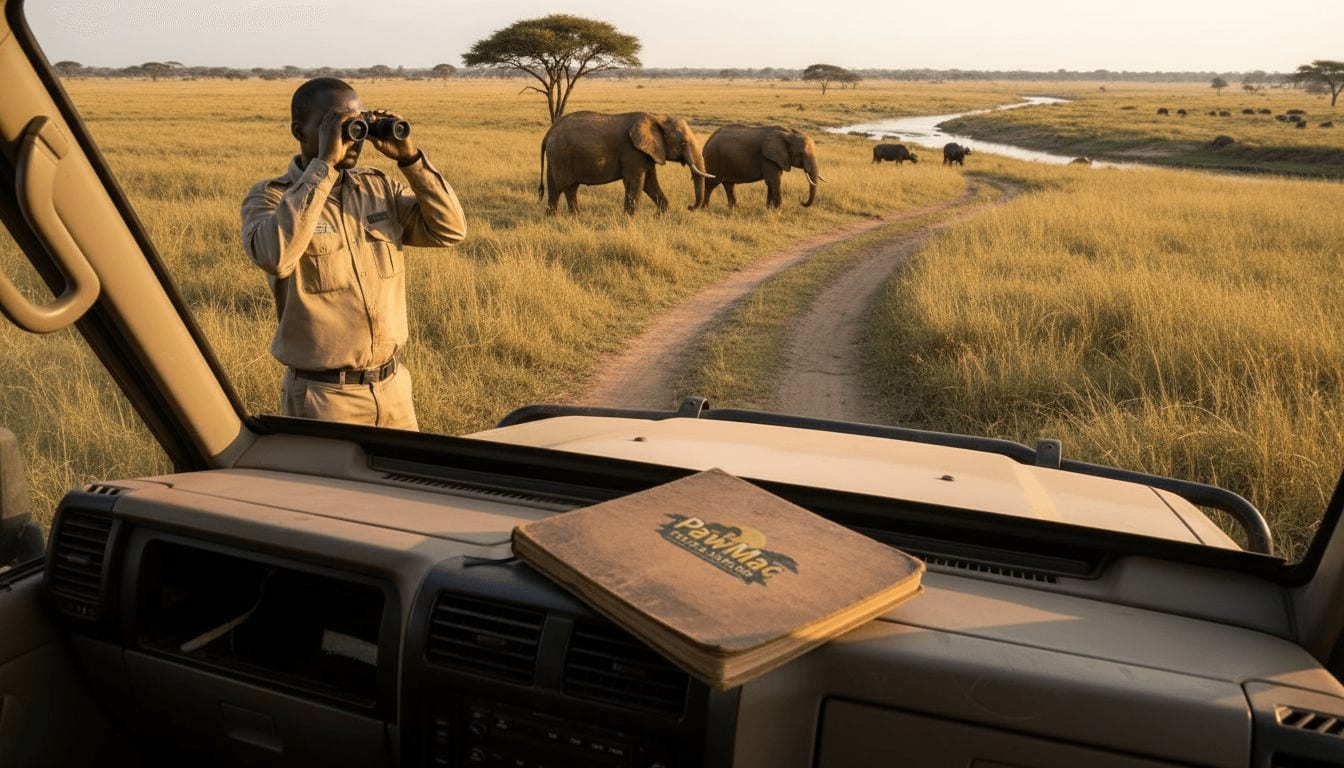
Planning a Big Five safari in Uganda overwhelms many travelers due to complex logistics around permit fees, sector accessibility, and timing. This guide clarifies the practical criteria needed to select optimal safari options focused on Uganda’s Big Five animals. You’ll learn sector-specific viewing opportunities, transport logistics, permit booking processes, and seasonal timing to plan efficient, cost-effective safaris.
Table of Contents
- Selection Criteria For Choosing Big Five Animal Safaris In Uganda
- Overview Of The Big Five Animals In Uganda
- Sector-Specific Viewing Opportunities For Each Big Five Animal
- Permit Costs And Booking Logistics For Big Five Animals
- Ground Transport Logistics For Efficient Big Five Safaris
- Best Timing For Big Five Viewing In Uganda
- Insider Tips For Maximizing Big Five Safari Experience
- Summary Comparison Of Uganda Big Five Safaris
- Plan Your Ultimate Uganda Big Five Safari With PawMac Safaris
- Frequently Asked Questions About Uganda Big Five Safaris
Key Takeaways
| Point | Details |
|---|---|
| Permit fees vary by animal and sector | Costs range from park entry fees to specialized permits, impacting budget planning |
| 4×4 vans with pop-up roofs recommended | Best for Uganda’s rough terrain and wildlife visibility |
| Dry seasons offer optimal viewing | December-February and June-September provide clearer sightings |
| Combined permits save 15-20% | Strategic bundling reduces overall safari costs |
| Long socks prevent ant bites | Wear over trousers to avoid painful red ant encounters |
Selection Criteria for Choosing Big Five Animal Safaris in Uganda
Selecting the right Big Five safari in Uganda requires evaluating five practical factors that directly impact your experience and budget. Permit costs vary significantly by animal and sector, ranging from standard park entry fees to specialized permits for rhino viewing at Ziwa Rhino Sanctuary. Terrain and accessibility differ drastically between parks, with Queen Elizabeth National Park offering relatively smooth roads while Bwindi sectors present challenging forest trails.
Dry season windows from December to February and June to September improve visibility and animal activity. During these months, sparse vegetation and water scarcity concentrate wildlife around predictable water sources. Specialized 4×4 safari vans with pop-up roofs suit Uganda’s rugged roads best, providing elevated viewing platforms and shock absorption for the notorious “African massage” of bumpy terrain.
Combining permits strategically can reduce overall costs by 15-20% while maximizing sightings across multiple parks. Consider these factors when planning:
- Budget allocation for permits, transport, and accommodation
- Physical fitness requirements for different terrain types
- Available travel dates aligned with dry seasons
- Group size affecting transport and permit booking
- Priority animals determining sector selection
Pro Tip: Book permits at least three months ahead during dry season peaks to secure availability, especially for popular sectors like Ishasha.
Explore structured itineraries through our 3-Day Big Five Safari Uganda package designed around these selection criteria.
Overview of the Big Five Animals in Uganda
Uganda’s Big Five animals occupy distinct ecosystems requiring sector-specific planning. African elephants concentrate mainly in Murchison Falls National Park and Queen Elizabeth National Park, with herds of 20 to 50 individuals commonly spotted during dry seasons. These elephants adapt to both savannah and woodland habitats, displaying different behaviors based on vegetation density.
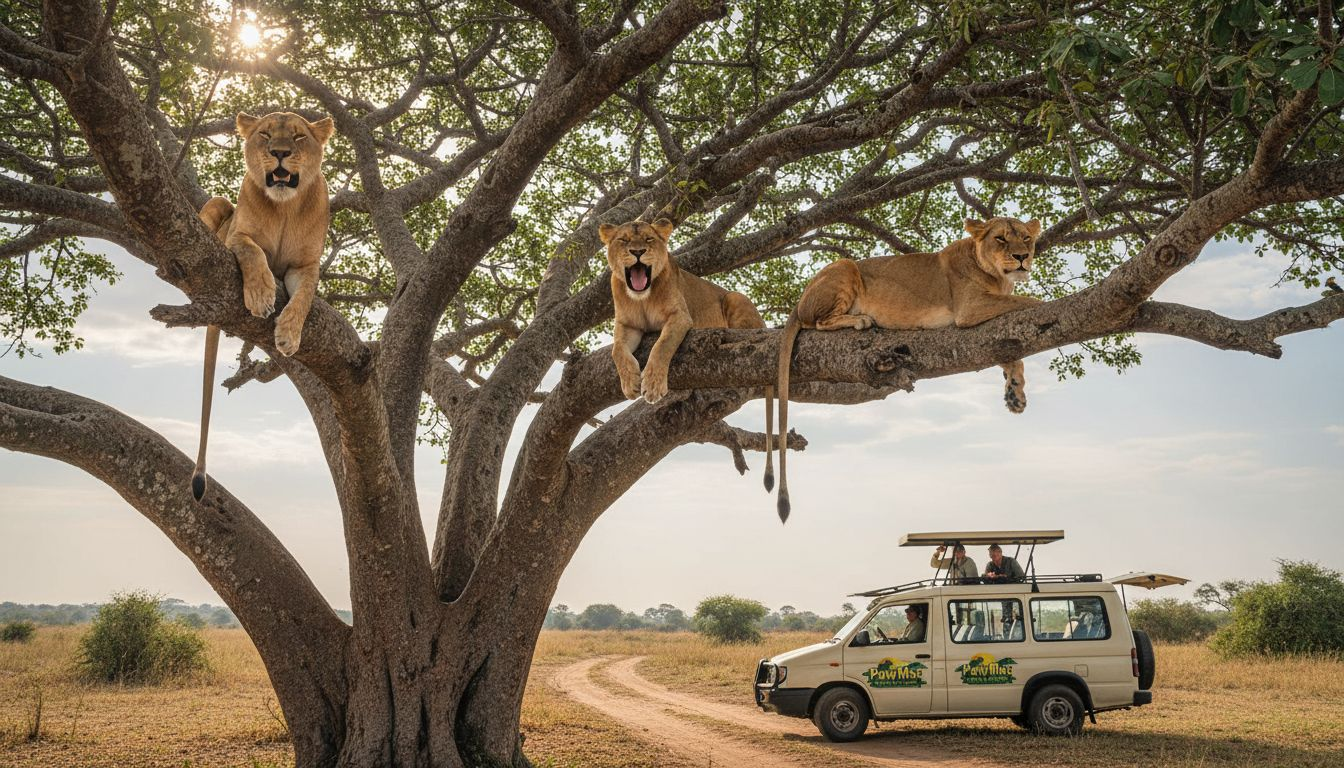
African buffalo roam abundantly in Queen Elizabeth and Murchison Falls sectors, often forming herds exceeding 100 animals near water sources. Lions notably inhabit Queen Elizabeth’s Ishasha sector, famous for tree-climbing lions that lounge in fig trees during midday heat. This unique behavior sets Ishasha apart from typical lion viewing experiences.
Leopards remain the most elusive Big Five member, found in Ishasha and Bwindi sectors including Buhoma and Ruhija. These solitary predators prefer dense forest cover and rocky outcrops, requiring patience and expert tracking. Eastern black rhinoceros exist exclusively at Ziwa Rhino Sanctuary, Uganda’s sole rhino conservation area housing approximately 40 individuals under 24-hour protection.
Each animal requires different viewing strategies:
- Elephants: Early morning game drives near water points
- Buffalo: Afternoon drives along riverbanks and grasslands
- Lions: Midday searches in Ishasha’s fig tree zones
- Leopards: Dawn and dusk tracking with experienced guides
- Rhinos: Guided walking safaris at Ziwa with armed rangers
Understand Uganda’s Big Five mammals before selecting your primary viewing targets.
Sector-Specific Viewing Opportunities for Each Big Five Animal
Queen Elizabeth National Park’s Ishasha sector offers the best opportunities for lions and leopards, with tree-climbing lions providing unique photographic moments against acacia backdrops. The sector’s rolling plains and scattered woodland create ideal hunting grounds, supporting approximately 50 lions across family prides. Leopards utilize rocky kopjes and dense thickets, requiring at least two full days for reliable sightings.

Murchison Falls National Park provides optimal viewing for elephants and buffalo with accessible terrain suitable for all fitness levels. Elephant viewing concentrates around the park’s northern sector, where herds gather at the Victoria Nile. Buffalo populations exceed 10,000 individuals, making sightings nearly guaranteed during morning drives.
Bwindi sectors including Buhoma and Ruhija offer elusive leopard encounters in dense montane forest. These high-altitude sectors require 4×4 vehicles and experienced drivers navigating steep, muddy tracks. Ziwa Rhino Sanctuary remains the exclusive site for eastern black rhinoceros viewing, located conveniently between Kampala and Murchison Falls on the main northern route.
| Animal | Primary Sector | Terrain Difficulty | Average Sighting Rate | Best Season |
|---|---|---|---|---|
| Lion | Ishasha (QENP) | Moderate | 70% | June-September |
| Elephant | Murchison Falls NP | Easy | 90% | December-February |
| Buffalo | QENP & Murchison | Easy | 95% | Year-round |
| Leopard | Ishasha, Bwindi | Difficult | 30% | Dry seasons |
| Rhino | Ziwa Sanctuary | Easy | 100% | Year-round |
Plan routes connecting big five animal sectors in Uganda efficiently to maximize sightings within limited timeframes.
Permit Costs and Booking Logistics for Big Five Animals
Permit fees in 2026 vary by park and animal type, with standard park entry permits covering most Big Five viewing. Foreign non-residents pay $40 for Queen Elizabeth National Park and Murchison Falls National Park entry, valid for 24 hours. Ziwa Rhino Sanctuary charges $50 per person for guided rhino tracking, bundled with ranger fees and sanctuary conservation contributions.
Booking through Uganda Wildlife Authority requires advance planning, particularly during dry season peaks when permits sell out. Strategic permit combinations reduce total fees by bundling multiple park entries within single itineraries. For example, combining Murchison Falls and Ziwa visits saves transport costs and time compared to separate trips.
Follow these booking steps:
- Contact Uganda Wildlife Authority or authorized operators 90 days before travel
- Confirm availability for specific sectors and dates
- Submit payment through official channels only
- Receive confirmation vouchers via email
- Present printed vouchers at park gates with valid passport
Pro Tip: Book Ishasha sector permits separately from general Queen Elizabeth entries, as sector quotas differ from main park capacity limits.
Understand detailed processes through our Uganda Wildlife Authority permit booking guide covering all park permit types.
Ground Transport Logistics for Efficient Big Five Safaris
Customized 4×4 safari vans with pop-up roofs provide optimal visibility and comfort across Uganda’s challenging road networks. These vehicles feature reinforced suspension systems designed for the “African massage” of potholed murram roads connecting parks and sectors. Pop-up roofs allow 360-degree wildlife viewing while maintaining weather protection and dust reduction.
4×4 capability proves essential when navigating marshy areas near water sources during wet seasons. Vans accommodate groups of four to seven passengers cost-effectively, splitting transport expenses while maintaining personal space. Expert local drivers possess intimate knowledge of animal movement patterns, seasonal route conditions, and optimal viewing times.
Advantages over alternative transport include:
- Elevated seating positions for photography and spotting
- Roof hatches enabling standing views without leaving vehicle
- Ample storage for gear, water, and provisions
- Radio communication with other guides for wildlife updates
- Reliability on remote tracks far from mechanical assistance
Pro Tip: Request vehicles equipped with charging ports for camera batteries and devices, as game drives often extend 6 to 8 hours without return to lodges.
Learn vehicle specifications and driver expertise through our ground transport for Uganda safaris overview.
Best Timing for Big Five Viewing in Uganda
Dry seasons from December through February and June through September provide optimal visibility and wildlife concentration. Sparse vegetation during these months enhances animal spotting, particularly for elephants and buffalo gathering at permanent water sources. Wet seasons from March to May and October to November create dense undergrowth that conceals animals and complicates tracking.
Animals exhibit predictable behavioral changes during dry periods. Elephants follow established routes between water points and feeding grounds, making interception straightforward. Lions become more active during cooler dry season mornings, increasing sighting probability. Leopards maintain nocturnal patterns year-round but emerge earlier in dry season evenings when temperatures drop rapidly.
Seasonal movement patterns affect where to find specific animals:
- Elephants migrate toward permanent rivers during peak dry months
- Buffalo concentrate in valley bottoms near reliable water
- Lions follow prey movements into open grasslands
- Leopards remain territorial but increase daytime visibility
- Rhinos at Ziwa maintain stable ranges regardless of season
Plan safari dates aligned with these windows to maximize photographic opportunities and reduce time spent searching. Early dry season offers the best balance between animal visibility and manageable tourist numbers.
Coordinate travel timing using our best timing for Uganda Big Five viewing seasonal breakdown.
Insider Tips for Maximizing Big Five Safari Experience
Wear long socks pulled over trouser cuffs to create a barrier against red ants that inflict painful, burning bites lasting hours. These aggressive ants inhabit grasslands and woodland floors, particularly active during morning drives when dew settles. Carry at least three liters of water per person for full-day game drives, as the “African massage” of bumpy roads causes dehydration faster than smooth highway travel.
Hire expert local guides familiar with individual animal territories and recent sighting patterns. These guides communicate via radio networks, sharing real-time wildlife locations across sectors. Their tracking skills transform random searching into strategic approaches, particularly crucial for elusive leopards requiring knowledge of specific trees and rocky outcrops.
Layer clothing to adapt to variable temperatures, starting with cool pre-dawn departures around 15°C warming to midday peaks of 28°C. Mornings demand fleece or light jackets, while afternoons require sun protection and breathable fabrics. Patience proves essential for leopard viewing, often requiring multiple drives across several days.
Additional practical tips:
- Bring binoculars rated at least 8×42 for distant animal identification
- Use silent camera shutters to avoid startling nearby wildlife
- Keep voices low during sightings to prevent animal flight responses
- Position yourself on the side opposite the sun for better photography
- Respect guide instructions regarding safe viewing distances
Pro Tip: Schedule at least one rest day between intensive game drives to process photos and recover from early morning starts.
Access comprehensive preparation advice through our insider packing and safari tips covering gear and clothing specifics.
Summary Comparison of Uganda Big Five Safaris
This comparison synthesizes permit costs, terrain challenges, transport requirements, and seasonal factors to guide final safari planning decisions. Understanding these variables side by side clarifies which combinations suit different budgets, fitness levels, and wildlife priorities.
| Factor | Lion (Ishasha) | Elephant (Murchison) | Buffalo (QENP) | Leopard (Bwindi) | Rhino (Ziwa) |
|---|---|---|---|---|---|
| Permit Cost | $40 park entry | $40 park entry | $40 park entry | $40 park entry | $50 tracking fee |
| Terrain Type | Rolling plains | Flat savannah | Mixed grassland | Steep forest | Flat grassland |
| 4×4 Required | Yes | Yes | Yes | Essential | Optional |
| Avg. Travel Time | 6 hours from Kampala | 5 hours from Kampala | 6 hours from Kampala | 8 hours from Kampala | 3 hours from Kampala |
| Ideal Duration | 2-3 days | 2 days | 2 days | 2-3 days | Half day |
| Physical Demand | Low | Low | Low | Moderate | Low |
| Best Months | Jun-Sep | Dec-Feb | Year-round | Jun-Sep | Year-round |
| Recommended For | Photographers | Guaranteed sightings | Budget travelers | Patient trackers | Route stopover |
Strategic itinerary planning combines high-probability animals like buffalo and elephants with challenging leopard tracking. Budget-conscious travelers maximize value by focusing on Murchison Falls and Queen Elizabeth parks offering multiple Big Five species within single entry permits.
Review complete package options through our 3-day Big Five safari package designed around these comparison factors.
Plan Your Ultimate Uganda Big Five Safari with PawMac Safaris
Now that you understand the logistics, permits, and timing for Uganda’s Big Five animals, turn planning into reality with expert safari operators who handle complex details. PawMac Safaris specializes in customized Big Five itineraries combining optimal sectors, strategic permit booking, and reliable 4×4 transport with experienced local guides.

Our packages include Uganda Wildlife Authority permit coordination, sector-specific route planning, and drivers trained in wildlife behavior and photography stops. We eliminate the stress of navigating permit systems, coordinating transport between distant parks, and timing game drives for peak animal activity.
Whether you prioritize guaranteed elephant sightings at Murchison Falls or challenge yourself tracking elusive Ishasha leopards, our team crafts itineraries matching your wildlife goals and budget constraints. Explore pre-designed options or request fully customized safaris through our 3-Day Big Five Safari Uganda package. Learn how professional safari operator logistics expertise transforms complex planning into seamless experiences. Ready to lock in permits and vehicle bookings? Contact PawMac Safaris for 2026 availability and customized quotes.
Frequently Asked Questions About Uganda Big Five Safaris
What is the best way to book Big Five permits in Uganda?
Book permits directly through Uganda Wildlife Authority’s online portal or through registered safari operators who handle submissions on your behalf. Start the process 90 days before travel for dry season dates when demand peaks. Operators like PawMac Safaris streamline applications and confirm availability faster than individual bookings.
Are there combined permits available to save cost?
Yes, purchasing multiple park entry permits within coordinated itineraries reduces per-park costs by eliminating duplicate transport expenses. Combining Murchison Falls and Queen Elizabeth entries with Ziwa Rhino tracking creates efficient northern circuit routes. Strategic bundling saves 15-20% compared to separate, disconnected trips.
How many days should I plan for a complete Big Five safari?
Allocate minimum five to seven days to cover all Big Five animals across Uganda’s key sectors. This duration includes two days at Murchison Falls for elephants and buffalo, two days in Ishasha for lions and leopards, half-day at Ziwa for rhinos, and travel time between locations. Adding buffer days improves elusive leopard sighting chances.
What should I pack specifically for Big Five safaris in Uganda?
Prioritize neutral-colored clothing in khaki or olive to blend with environments, long socks to prevent ant bites, and layered outerwear for temperature changes. Bring quality binoculars, extra camera batteries with charging solutions, wide-brimmed hats, and minimum SPF 50 sunscreen. Pack three liters of water capacity per person for full-day drives. Access detailed lists through our safari packing tips covering gear specifics.
Is it necessary to hire a local guide for Big Five safaris?
Absolutely essential. Local guides possess intimate knowledge of animal territories, recent sighting patterns, and safe viewing protocols that self-drive visitors lack. Their radio networks provide real-time wildlife location updates across sectors. Guides also navigate complex park regulations, interpret animal behavior, and enhance safety during close encounters. Attempting Big Five safaris without expert guides significantly reduces sighting success and increases risk.
Recommended
- The Big Five Mammals in Uganda | Safari Guide
- Uganda Safari Packing Guide for Gorilla Treks and Big Five
- 15 Days Ultimate Uganda Safari | PawMac Safaris
- 3-Day Big Five Safari Uganda | PawMac Safaris