


- 47 Views
- 11 Min Read
- (0) Comment
TL;DR:
- Most travelers mistakenly believe the Nile’s source is a single, identifiable spot, but it involves centuries of exploration and layered significance. The recognized cultural and tourist source in Jinja marks where Lake Victoria flows into the Nile, despite hydrological origins extending to Burundi and Rwanda. The tour includes a boat cruise, storytelling, and adventure activities, all arranged seamlessly by Pawmacsafaris, emphasizing responsible tourism and local engagement.
Most travelers arrive in Jinja with one assumption: that the source of the Nile is a single, definitive spot. The truth is far more interesting. A source of the Nile tour reveals not just a celebrated geographic landmark but centuries of exploration, spiritual meaning, and raw adventure layered into one destination. Hydrologically, the most distant source traces back through the Kagera River system to Burundi and Rwanda, yet Jinja remains the iconic starting point recognized by history and honored by visitors from around the world.
Table of Contents
- Key takeaways
- The source of the Nile tour: history you can stand on
- What the actual tour experience looks like
- Adventure and culture beyond the source
- Planning your visit with Pawmacsafaris
- My perspective on visiting the Nile’s source
- Plan your Nile source tour with Pawmacsafaris
- FAQ
Key takeaways
| Point | Details |
|---|---|
| Jinja is the cultural source | The celebrated tourist and historical source of the Nile sits where Lake Victoria flows into the river at Jinja, Uganda. |
| Ripon Falls is submerged | The original falls identified by explorer Speke were flooded by the Owen Falls Dam in 1954, but the site remains deeply significant. |
| The tour blends history and adventure | A Nile source visit combines a scenic boat cruise with cultural storytelling and access to world-class rapids nearby. |
| Pawmacsafaris handles logistics | Transport by 4×4 safari vans, accommodations, and permits are included in Pawmacsafaris tour packages. |
| Booking requires a deposit | A 10% hotel deposit secures your tour, with the full balance payable on arrival or electronically. |
The source of the Nile tour: history you can stand on
No geographic quest gripped the Victorian age quite like the search for where the world’s longest river begins. The Nile, stretching approximately 6,650 km from source to the Mediterranean Sea, drains eleven countries and fed civilizations that shaped human history. For European explorers in the 19th century, finding its origin was the ultimate prize.
British explorer John Hanning Speke reached the northern shore of Lake Victoria in 1858 and declared it the source of the Nile. In 1862, he confirmed this claim when he stood at the point where the lake’s waters spilled northward over Ripon Falls. It was a moment that electrified the world. Speke’s discovery set Jinja on the map permanently, making it the symbolic heart of all tours to the Nile that followed.
What happened next is a detail many visitors overlook. The construction of Owen Falls Dam in 1954, inaugurated to provide Uganda with hydroelectric power, submerged Ripon Falls beneath the rising reservoir. The thundering cascades Speke witnessed are gone. Yet their disappearance tells its own story about the tension between ecological heritage and modern energy needs, a tension Uganda still navigates today.
“The submerged Ripon Falls remains historically significant despite no longer being visible, symbolizing human interaction with nature and progress.” — allAfrica.com
Today, the celebrated source point sits just below the Owen Falls Dam, marked clearly for visitors. A few key facts put the location in perspective:
- The Nile exits Lake Victoria at Jinja and flows north for roughly 500 km before entering Lake Kyoga
- The wider Nile river system, including the Kagera tributary, originates far south in Burundi
- Jinja’s position as the tourist and cultural source is recognized by Uganda Tourism and the local community
- The site features well-kept gardens, pathways, and interpretive signage for every type of visitor
- Local guides share stories connecting the Nile to ancient civilizations, trade routes, and Ugandan identity
Understanding this history transforms a simple boat ride into something far more meaningful. When you stand at the source, you stand at the intersection of geography, empire, and a river that watered pharaohs.
What the actual tour experience looks like
The source of the Nile tour begins on the water. You board a boat near Jinja town and cruise across a stretch of Lake Victoria before reaching the point where the Nile officially begins its long journey north. The surrounding scenery is lush, calm, and unexpectedly intimate. Papyrus reeds frame the shoreline. Fish eagles circle overhead. The scale of the river feels both enormous and personal.
The boat ride itself takes roughly 30 to 45 minutes round trip, with stops that allow you to take in the surroundings and listen to your guide. This is where the cultural storytelling really shines. Guides describe the Nile’s spiritual importance to Ugandan communities, its role in shaping regional trade, and the lasting impact of Speke’s discovery on the country’s identity.
Visiting the source has been described as a “moving and wondrous experience” that connects travelers with ancient civilizations downstream. That feeling is hard to manufacture. It arrives naturally when you realize the water lapping at your boat will eventually pass through Sudan and Egypt before reaching the sea, carrying history the entire way.
Here is what a typical source of the Nile tour itinerary includes:
Plan Your Uganda Safari with Local Experts
 WhatsApp Us
- Morning departure from your Jinja accommodation in a 4×4 safari van
- Briefing at the Source of the Nile site with your experienced guide
- Boat cruise from Lake Victoria to the official source point
- Stop at the memorial monument and garden for photos and interpretation
- Optional sunset cruise extension for golden-hour photography and birdwatching
- Return to accommodation or transfer to your next destination
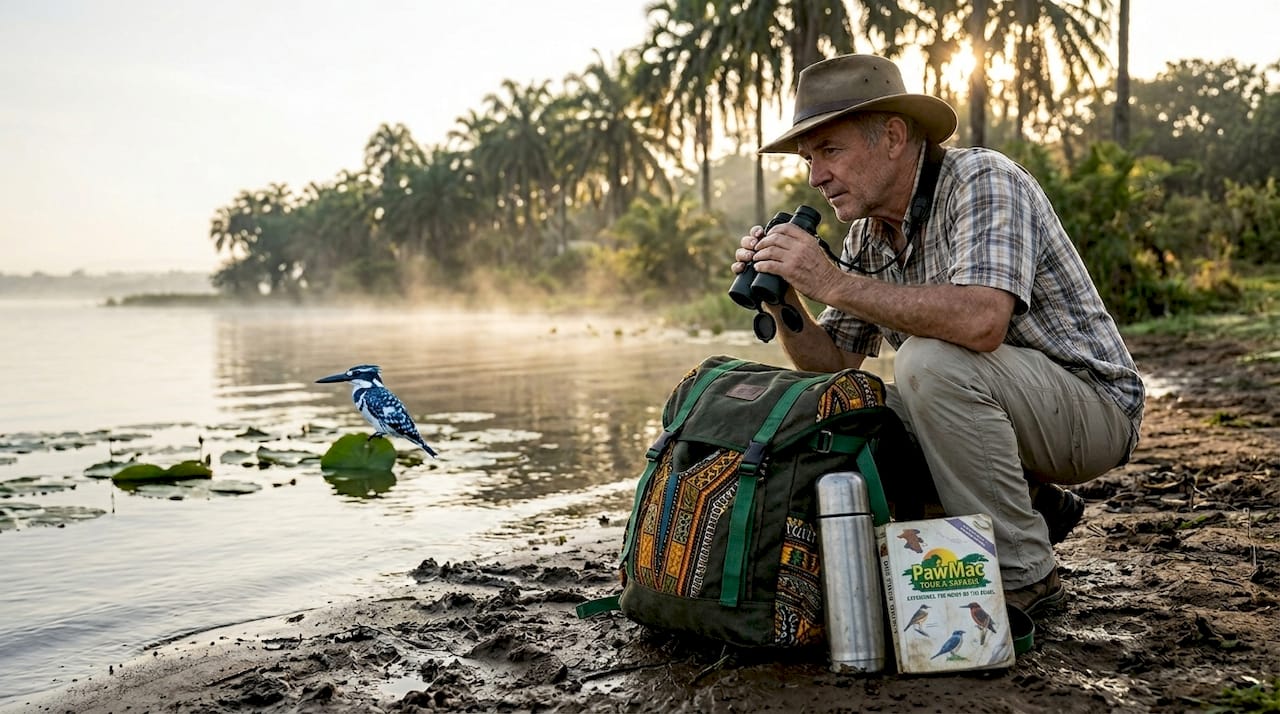
Birdwatchers will find the area particularly rewarding. African fish eagles, pied kingfishers, grey-crowned cranes, and dozens of waterbird species frequent the shoreline. Bring binoculars.
Pro Tip: Visit between 6:30 a.m. and 8:30 a.m. for the best light and the highest bird activity. The morning mist over the water creates a dramatic atmosphere, and you will share the site with far fewer visitors than midday tours attract.
Adventure and culture beyond the source
Jinja’s reputation as an adventure hub extends well beyond the iconic boat ride. Once you have stood at the source and absorbed the history, the surrounding area delivers some of East Africa’s most thrilling outdoor experiences. These activities connect travelers directly to the communities and ecosystems that depend on the Nile daily.
White-water rafting on the Nile’s rapids near Jinja is world-class. The river churns through Grade 4 and Grade 5 rapids that challenge even experienced paddlers, and half-day rafting trips are available for beginners with guides providing full safety instruction. Kayaking and tubing offer calmer alternatives for those who prefer to float rather than fight the current.
Adventure seekers looking for more will find these options at or near the Jinja source area:
- Bungee jumping above the Nile from a 44-meter platform overlooking the river
- Quad biking through rural trails and agricultural land on the Nile’s banks
- Cycling tours through local villages where residents have lived alongside the river for generations
- Horseback riding along the Nile’s shoreline at sunrise or sunset
- Village visits that connect you to the fishing communities whose livelihoods depend on Lake Victoria and the river
Jinja is recognized as East Africa’s hub for adrenaline-fueled adventure sports, and its growing tourism infrastructure means safety standards are high and options are abundant. That said, sustainable tourism choices matter here. Pawmacsafaris emphasizes community-conscious travel, supporting locally owned businesses and minimizing environmental impact at every stop.
Pro Tip: Combine your source of the Nile tour with a village cycling excursion. Riding through Jinja’s surrounding communities gives you a ground-level view of how the river shapes daily life, from irrigation to transport to cultural ritual. It is the kind of context a boat ride alone cannot provide.
Planning your visit with Pawmacsafaris
Getting a Nile Valley excursion right requires more than booking a boat. Transport, accommodation, timing, and local expertise all shape the quality of your experience. Pawmacsafaris handles each of these elements through a structured, seven-step booking process that removes the guesswork from planning.
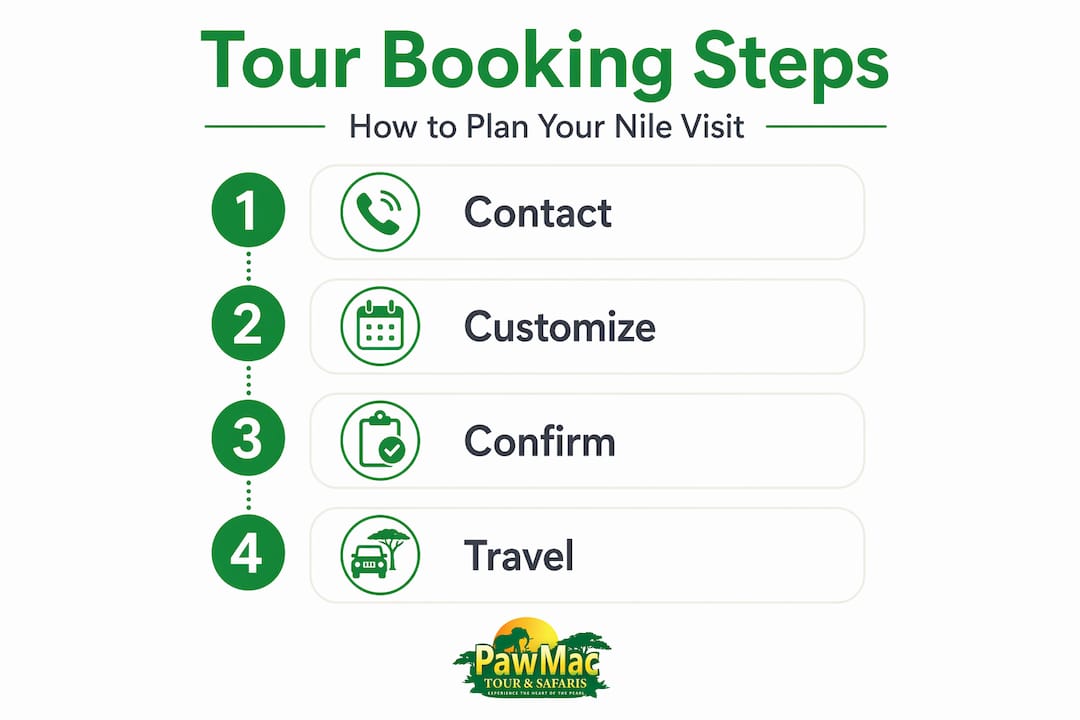
| Step | What happens |
|---|---|
| 1. Initial contact via WhatsApp or website | Share your travel dates and tour interests |
| 2. Pawmacsafaris confirms availability | Dates and inclusions are verified |
| 3. Deposit payment | 10% hotel deposit (or 100% for gorilla permits) |
| 4. Accommodation and permits secured | Pawmacsafaris locks in your bookings |
| 5. Final itinerary shared via WhatsApp | Full trip details confirmed |
| 6. Balance payment | Cash in USD on arrival or electronic transfer |
| 7. Departure and tour | Your guide meets you and the experience begins |
The booking process is designed to be straightforward and transparent. Transport is provided exclusively by 4×4 safari vans that handle Uganda’s varied road conditions comfortably. Hotel accommodations and applicable permits are included in your package, so there are no hidden costs to track.
What to pack for your source of the Nile tour:
- Lightweight, breathable clothing in neutral colors
- Rain jacket or poncho (the Jinja area receives rain year-round)
- Waterproof bag for electronics on the boat
- Binoculars for birdwatching
- USD cash for incidentals, tips, and souvenirs
- Sunscreen and insect repellent rated for tropical climates
- A hat with a brim for sun protection on the open water
Pawmacsafaris’ team brings deep local expertise that benefits first-time visitors and seasoned Africa travelers alike. Guides share not just geography but the cultural context that makes exploring Nile sources meaningful. You are not simply ticking a landmark off a list. You are being introduced to Uganda’s relationship with its most defining natural feature.
My perspective on visiting the Nile’s source
I have guided travelers through many of Uganda’s most celebrated destinations, from the gorilla families of Bwindi to the spray of Murchison Falls. But the source of the Nile holds a particular kind of gravity that surprises people, including those who have seen a lot.
Most visitors come expecting a dramatic landscape and leave with something unexpected: a quiet sense of connection. Standing where a river begins, knowing it will flow for thousands of kilometers before it reaches the sea, produces a kind of humility that no wildlife sighting quite replicates. The Nile is not just a river. It is time, made liquid.
What I find travelers often overlook is the cultural layer. Too many people treat the boat ride as a photo opportunity and move on to the rapids. In my experience, those who stay curious, who ask their guide a second question, who walk through the gardens and read the interpretive panels, leave with far more than a selfie. The Nile’s significance as a cultural symbol for Ugandans is real and layered, and it deserves your attention.
My honest advice: slow down at the source. Let the boat drift a moment. Let the guide finish the story. The rapids will still be there in the afternoon, and you will enjoy them more for having understood what flows through them.
— Paweł
Plan your Nile source tour with Pawmacsafaris
Pawmacsafaris designs Uganda safari experiences that go well beyond a single landmark. Whether you are spending a focused day at the Nile’s source or combining your visit with gorilla trekking in Bwindi or a wildlife safari at Murchison Falls, the team builds itineraries that honor your curiosity and your time.

Every tour includes transport by 4×4 safari van, experienced Ugandan guides, and accommodations. Deposits are flexible, the booking process is clear, and the guides know Uganda’s stories the way only locals can. You can explore the full range of Uganda wildlife tours to see what fits your 2026 travel calendar. For those drawn to the drama of the Nile further north, the Murchison Falls safari pairs beautifully with a Jinja source visit. Ready to start planning? Reach out directly via the Pawmacsafaris website or WhatsApp to confirm your 2026 dates and secure your deposit.
FAQ
What is included in a source of the Nile tour?
A standard source of the Nile tour includes a guided boat cruise from Lake Victoria to the Nile’s starting point, interpretive storytelling from a local guide, and access to the on-site gardens and monument. Pawmacsafaris packages also include 4×4 safari van transport and hotel accommodations.
Where exactly is the source of the Nile in Uganda?
The celebrated tourist source sits at Jinja, Uganda, where Lake Victoria’s waters flow north to begin the Nile River. The original Ripon Falls that marked this point was submerged in 1954 when the Owen Falls Dam was constructed.
Is the Jinja source the true hydrological source of the Nile?
No. Hydrologically, the most distant source of the Nile is the Kagera River system, which traces back to Burundi and Rwanda. Jinja is the recognized cultural and tourist source, celebrated since John Hanning Speke’s 1862 expedition.
What adventure activities can I combine with a Nile source visit?
Jinja offers white-water rafting, kayaking, bungee jumping, quad biking, and cycling tours through local villages alongside the source boat cruise. Most activities are bookable as half-day add-ons to your Nile excursion.
How do I book a source of the Nile tour with Pawmacsafaris?
Contact Pawmacsafaris via WhatsApp or the website with your travel dates, confirm availability, and secure your booking with a 10% hotel deposit. The balance is payable in USD cash on arrival or by electronic transfer before your tour begins.
Recommended
- Jinja, Uganda: Your ultimate guide to Nile adventure
- Uganda Nile Boat Safari: Plan Your Ultimate River Adventure
- Best Uganda safari lodges 2026: wildlife adventures guide
- African Safari Destinations | PawMac Safaris


