


- 761 Views
- 4 Min Read
- (0) Comment
If you are planning a safari or gorilla trekking trip to Uganda, timing plays a major role in the quality of your experience.
Weather conditions affect wildlife movement, road accessibility, trekking difficulty, and gorilla permit availability.
This guide explains Uganda’s dry and rainy seasons, compares the best months for safari and gorilla trekking,
and helps you decide when to visit Uganda based on your travel priorities.
Uganda’s Climate and Safari Seasons
Uganda has an equatorial climate with relatively stable temperatures throughout the year.
For travel planning, seasons are defined mainly by rainfall rather than temperature.
- Dry seasons: December–February and June–September
- Rainy seasons: March–May (long rains) and October–November (short rains)
Each season offers advantages depending on whether your focus is gorilla trekking, wildlife safaris, or budget travel.
See our complete gorilla trekking in Uganda guide for full planning details
Best Time to Visit Uganda for Gorilla Trekking
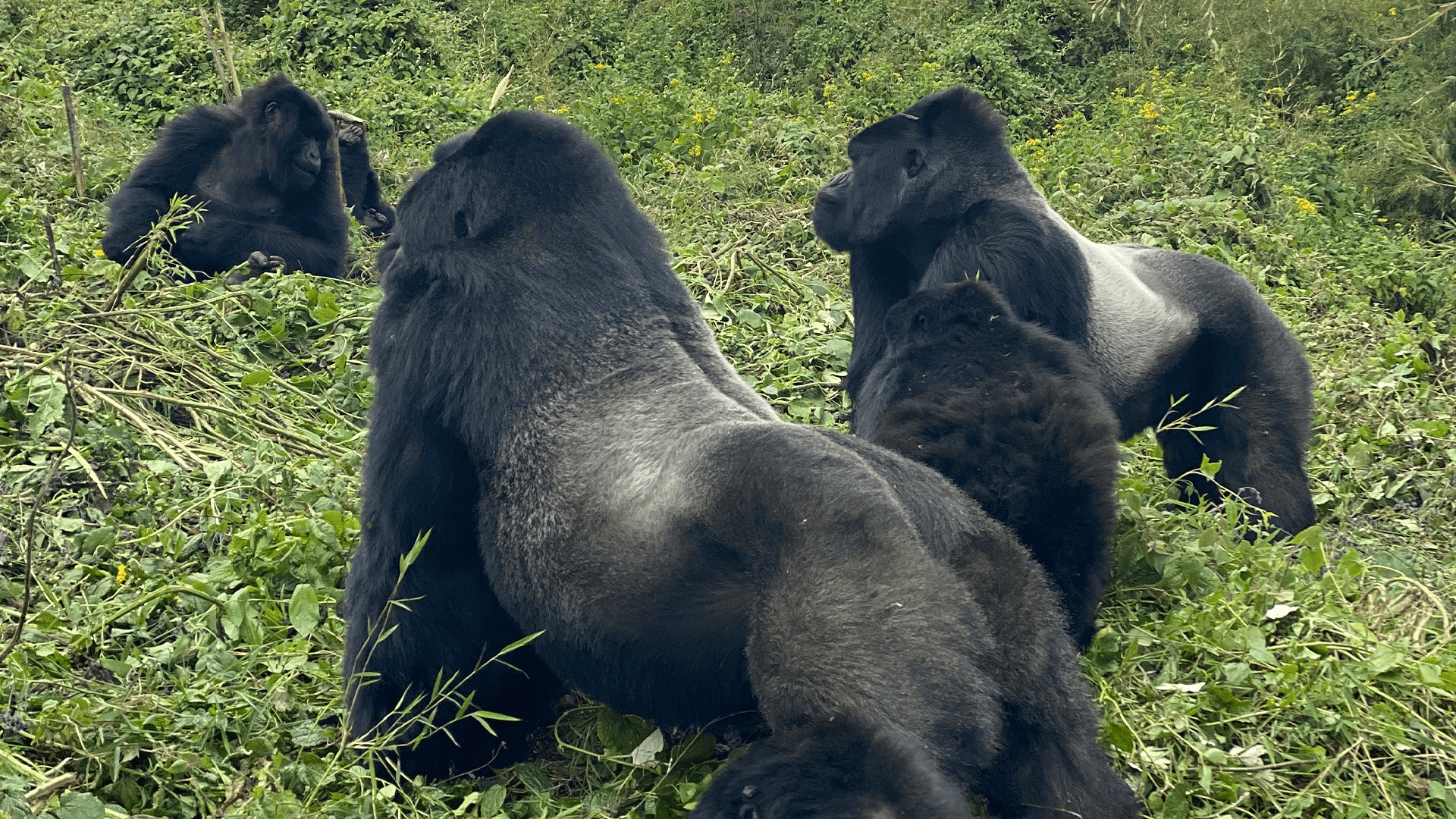
Gorilla trekking in Uganda is available year-round, but trail conditions, visitor numbers,
and permit demand vary significantly by season.
Dry Season (December–February, June–September)
- Drier and firmer forest trails
- Easier hiking conditions
- High demand for gorilla trekking permits
These months are ideal for travelers who prefer less physically demanding treks
and predictable travel logistics.
Short itineraries such as a
5-day gorilla and wildlife safari
are especially popular during peak season.
Rainy Season (March–May, October–November)
- Lush forest scenery
- Fewer visitors on trekking routes
- Muddy and more physically challenging trails
Rainy months suit travelers who are flexible, physically fit,
and looking for a quieter trekking experience.
They can also be a good time for
relaxed Uganda safari itineraries
focused on scenery and slower travel.
Gorilla trekking permits are issued by the
Uganda Wildlife Authority
and are strictly limited.
- Peak season: book permits 6–12 months in advance
- Shoulder season: book permits 3–4 months in advance
For trekking locations and park details, see our guide to
where to see gorillas in Uganda
.
Best Time to Visit Uganda for Safari (Game Viewing)
Wildlife safaris in Uganda are most productive during the dry seasons,
when vegetation is thinner and animals gather near water sources.
Plan Your Uganda Safari with Local Experts
 WhatsApp Us
- Improved visibility during game drives
- Better road conditions between national parks
- More reliable schedules for multi-park itineraries
This period is ideal for classic wildlife routes such as an
8-day Best of Uganda safari
.
Best Months to Visit Uganda – Month-by-Month Overview
- January–February: Excellent for safari and gorilla trekking
- March: Start of long rains, fewer visitors
- April–May: Wettest months, lower prices
- June–August: Peak season with ideal conditions
- September: Still dry, fewer crowds
- October–November: Short rains, good value
- December: Dry season returns
Dry Season vs Rainy Season
- Dry season: easier trekking, classic safaris, smooth logistics
- Rainy season: fewer crowds, greener landscapes, lower costs
When Should You Book Your Uganda Safari?
- Gorilla permits: 6–12 months ahead for peak season
- Safari itineraries: 4–9 months in advance
- Lodges and domestic flights: after permit confirmation
Plan Your Uganda Safari with Confidence
The best time to visit Uganda depends on your priorities.
Dry seasons offer easier travel and reliable wildlife viewing,
while rainy seasons reward flexible travelers with quieter experiences and better value.
Contact our local safari experts in Uganda
for honest advice on timing and permit availability.


