


- 579 Views
- 3 Min Read
- (0) Comment
Gorilla trekking in Uganda is one of the most unforgettable wildlife experiences in Africa. Before heading into the dense rainforests of Bwindi or Mgahinga in search of mountain gorillas, proper preparation is essential. This guide covers everything you need to know — from fitness and permits to packing tips and expert advice — to make your 2026 gorilla trekking adventure safe, comfortable, and truly memorable.
Understand the Gorilla Trekking Experience
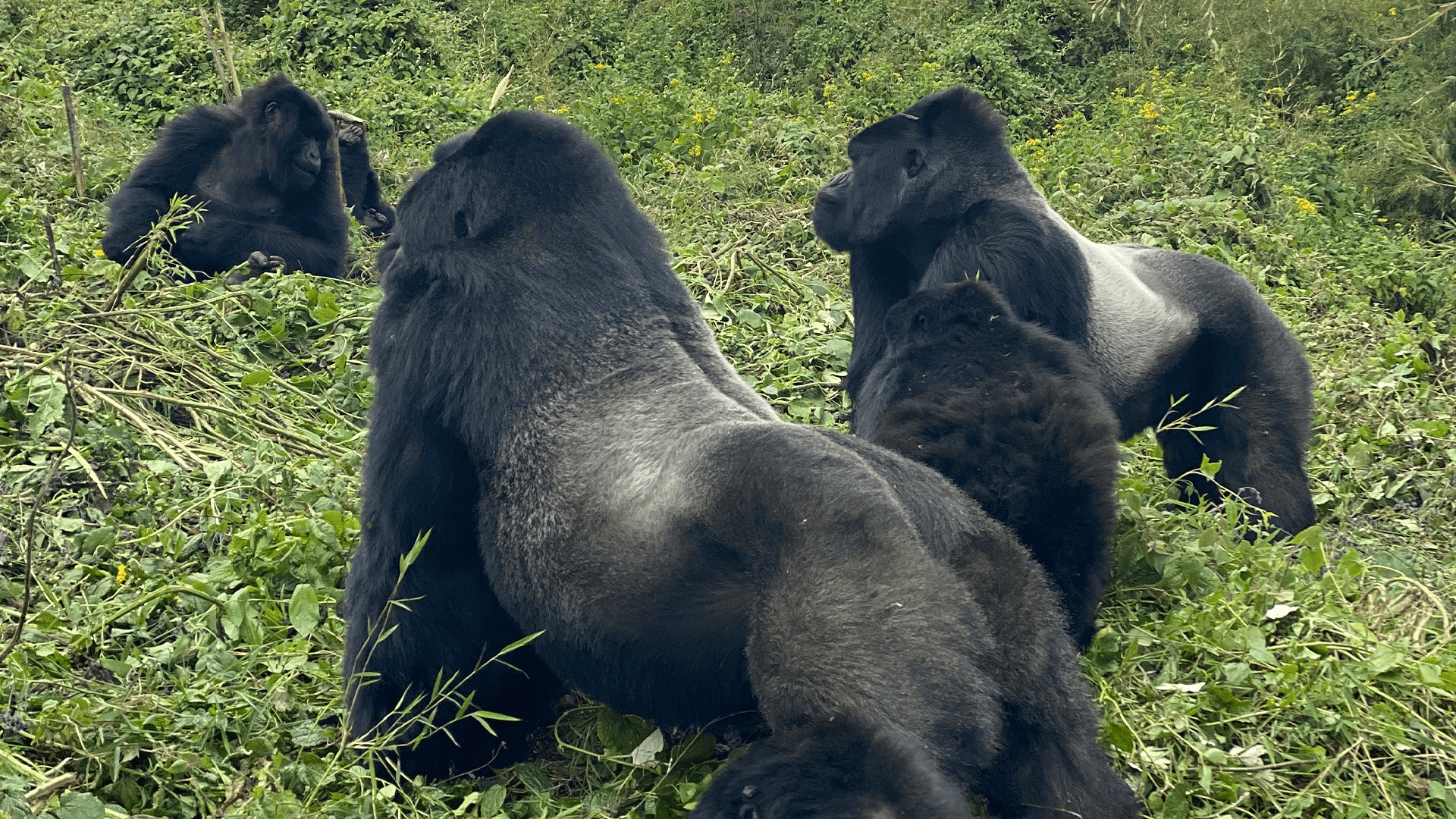
Gorilla trekking in Uganda takes place mainly in Bwindi Impenetrable Forest National Park and Mgahinga Gorilla National Park. These protected areas are home to several habituated mountain gorilla families that visitors can track on guided forest hikes.
If this is your first time planning a trek, we highly recommend reading our gorilla trekking in Uganda – complete guide for a full overview of permits, seasons, parks, and tour options.
Book Your Gorilla Trekking Permit Early
A valid gorilla trekking permit is required to participate in any trek in Uganda. Permits are issued by the Uganda Wildlife Authority and strictly limited each day to protect the gorillas and their habitat.
- Book early: Reserve your permit at least 3–6 months in advance, especially during peak seasons.
- What’s included: Park entry, professional guides, rangers, and one hour with the gorillas.
- Permit cost: Currently USD 800 per person for foreign non-residents.
Physical Fitness & Trekking Expectations
Trekking conditions vary depending on the gorilla family’s location. Walks may last anywhere from 2 to 8 hours through steep, muddy, and densely forested terrain.
- Start light hiking or cardio training several weeks before your trip.
- Use hiking poles for balance on slippery trails.
- Good ankle-support hiking boots are essential.
What to Pack for Gorilla Trekking
A proper packing list makes a huge difference during your trek:
- Sturdy hiking boots
- Long-sleeved shirts and trousers
- Rain jacket or poncho
- Insect repellent and sunscreen
- Camera and spare batteries
- Reusable water bottle
- Small backpack and basic first-aid kit
Health & Safety Guidelines
Mountain gorillas share much of their DNA with humans, which makes health precautions extremely important. Rangers will brief you before the trek and explain the rules, including keeping a safe distance and avoiding trekking when sick.
Logistics: Getting There & Where to Stay
Most treks start early in the morning at park headquarters. Staying near your trekking sector reduces travel time and fatigue on trekking day.
Many visitors choose fully organized safari packages such as the 3 Days Gorilla Trekking in Bwindi , which include permits, transport, guides, meals, and accommodation.
Expert Tips for a Successful Gorilla Trek
- Wear neutral-colored clothing to blend into the forest.
- Carry gloves to protect your hands when holding vegetation.
- Hire a porter if you want help with your backpack.
- Follow ranger instructions at all times.
Frequently Asked Questions
Do I need a permit to trek gorillas in Uganda?
Yes. A gorilla trekking permit is mandatory and must be booked in advance.
How difficult is gorilla trekking?
The trek can be moderate to challenging depending on terrain and gorilla location, but most reasonably fit travelers can complete it.
Plan Your Uganda Safari with Local Experts
 WhatsApp Us
When is the best time for gorilla trekking?
Gorilla trekking in Uganda is possible all year round. Dry seasons from June to August and December to February offer easier hiking conditions, while the rainy seasons provide lush scenery, fewer crowds, and excellent gorilla sightings.
With good preparation, gorilla trekking in Uganda becomes a once-in-a-lifetime wildlife experience you will never forget.


