


- 92 Views
- 10 Min Read
- (0) Comment
TL;DR:
- Preparation, ethical practices, and proper gear are crucial for successful wildlife photography in Uganda.
- Optimal camera settings vary by environment, with attention to lighting, subject movement, and safety.
- Patience, adaptability, and local knowledge lead to authentic, compelling images of Uganda’s diverse wildlife.
Uganda is one of Africa’s most rewarding destinations for wildlife photographers, yet many arrive underprepared and leave with missed opportunities. The country’s ecosystems range from open savanna in Queen Elizabeth National Park to the mist-shrouded rainforests of Bwindi Impenetrable Forest, each demanding a different approach. Gorilla trekking, big-cat sightings, and over 1,000 bird species all wait within a single country. But gear failures, poor timing, and ethical missteps can cost you the shot of a lifetime. This checklist-driven guide walks you through everything you need, from pre-departure planning to field composition, so you return home with images that do Uganda’s wildlife full justice.
Table of Contents
- Preparing for your Uganda wildlife photography safari
- Essential equipment and camera settings
- Timing, ethical practices, and safari etiquette
- Composition and expert checklist for the field
- A seasoned photographer’s take: What most guides miss about Ugandan safaris
- Your next step: Curated wildlife safaris in Uganda
- Frequently asked questions
Key Takeaways
| Point | Details |
|---|---|
| Research and preparation | Careful planning and understanding your target species are key to successful wildlife photography in Uganda. |
| Optimal equipment and settings | Flexible gear and tailored camera settings help you adapt to Uganda’s varied environments and lighting. |
| Ethics and timing matter | Following respectful distances and shooting during active hours ensures both animal welfare and stunning images. |
| Professional composition | Using proven composition techniques and a field checklist can elevate your Uganda safari photography. |
| Expert perspectives | Seasoned photographers value adaptability and animal connection far more than mere equipment choices. |
Preparing for your Uganda wildlife photography safari
Great wildlife photography starts long before you board the plane. Research is your first and most powerful tool. Study the species you expect to encounter: mountain gorillas in Bwindi, tree-climbing lions and hippos in Queen Elizabeth, shoebill storks in Murchison Falls. Each animal behaves differently, moves at different times of day, and occupies different terrain. Knowing what to expect lets you anticipate moments rather than react to them.
Fieldcraft is equally important. Observing animal behavior before raising your camera, practicing patience, and reading body language are skills that separate strong wildlife images from average ones. Study footage and photography from Uganda specifically, not just generic African safari content.
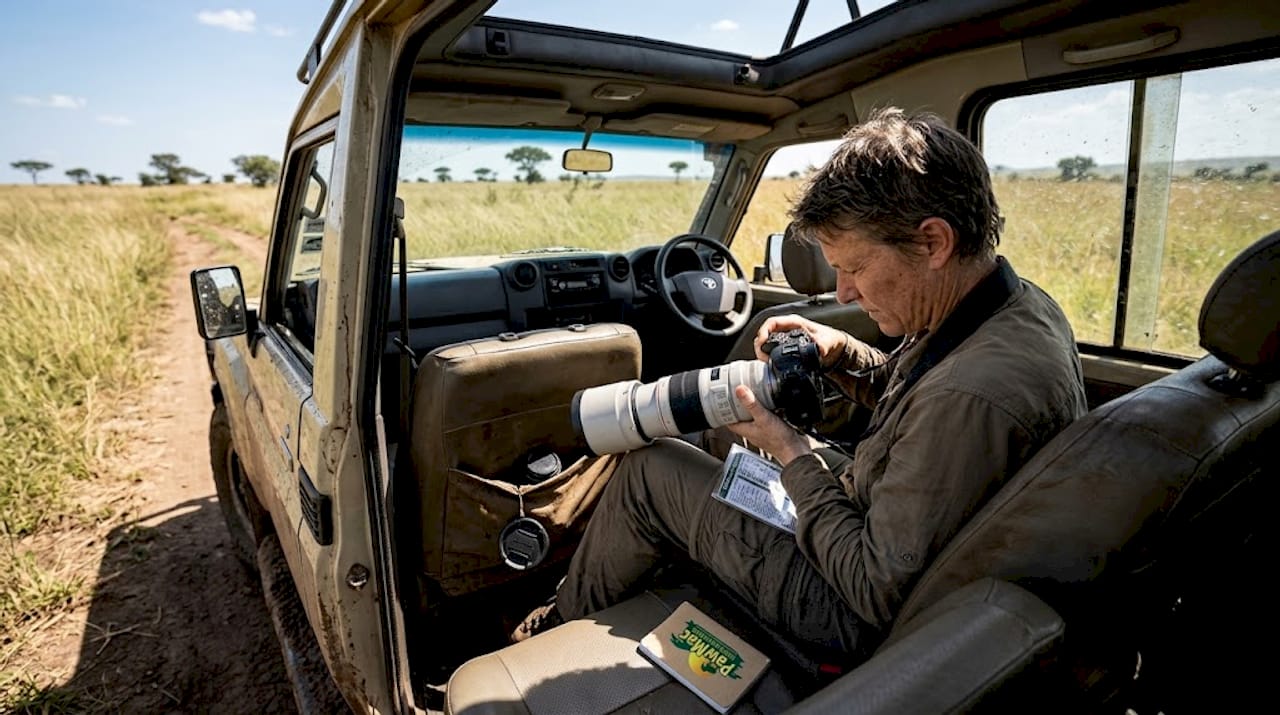
For gear preparation, packing two camera bodies is a practical rule for Uganda. Dust and humidity are constant factors, and switching lenses in the field risks contaminating your sensor. Two bodies, each fitted with a different lens, keep you ready without the risk. Review the Uganda photography gear guide for a detailed breakdown of what to pack.
Uganda’s weather is unpredictable. Rain can arrive fast, even in the dry season. Weather-sealed bodies and lenses are not optional here; they are essential. Pack rain covers for your camera bag and individual lens pouches.
Before departure, also review your gorilla trekking checklist and your Uganda safari planning tips to align your photography goals with your itinerary.
Key preparation steps include:
- Research species and habitats for each park you will visit
- Practice fieldcraft: observe behavior, move slowly, stay quiet
- Pack two camera bodies to avoid dust-related lens swaps
- Use weather-sealed gear rated for tropical conditions
- Carry extra batteries, memory cards, and a portable backup drive
Pro Tip: Charge all batteries the night before each game drive and back up images every evening. A card failure mid-trek can mean losing irreplaceable gorilla shots.
Essential equipment and camera settings
Your gear choices directly affect the quality of images you bring home. Uganda’s environments are diverse, so flexibility matters more than owning the most expensive equipment.
Here is a recommended equipment list:
Plan Your Uganda Safari with Local Experts
 WhatsApp Us
- Full-frame camera body for low-light performance in rainforest environments
- Crop-sensor body as a backup and for extended reach on telephoto lenses
- Long telephoto lens (300mm to 600mm) for savanna wildlife and birds
- Wide-angle lens (16mm to 35mm) for environmental portraits and landscapes
- Beanbag or window mount for vehicle-based shooting stability
- Rain covers for both bodies and lenses
- Lens cleaning kit including a blower, microfiber cloths, and sensor swabs
Camera settings vary significantly between Uganda’s environments. Recommended settings for action include a shutter speed of 1/1000s or faster, aperture between f/5.6 and f/8, and ISO adjusted to available light. In rainforest conditions, push ISO to 3200 or even 6400 to compensate for the dense canopy blocking light. Enable continuous autofocus and burst mode for moving subjects. Refer to the African safari photography guide for environment-specific advice.
For golden hour shooting, lower your ISO slightly and use the warm light to your advantage by positioning yourself with the sun at your back.
| Environment | Shutter speed | Aperture | ISO range |
|---|---|---|---|
| Open savanna | 1/1000s+ | f/5.6 to f/8 | 400 to 800 |
| Rainforest (gorillas) | 1/500s to 1/1000s | f/4 to f/5.6 | 3200 to 6400 |
| Birding (fast species) | 1/2000s+ | f/5.6 to f/7.1 | 800 to 1600 |
| Overcast/cloudy | 1/800s | f/5.6 | 1600 to 3200 |
Pro Tip: During gorilla trekking, switch your camera to silent electronic shutter mode and disable flash entirely. Gorillas are sensitive to noise and sudden light. A calm, quiet presence improves both your safety and the authenticity of your images.
Timing, ethical practices, and safari etiquette
Timing your shoots around animal activity and light quality is one of the most impactful decisions you can make. Uganda’s wildlife follows predictable rhythms, and aligning your schedule with those rhythms pays off.
Optimal shooting windows include:
- Golden hour at sunrise: Animals are active, temperatures are cool, and light is soft and directional. This is the best window for savanna photography in Queen Elizabeth and Murchison Falls.
- Late afternoon: A second golden hour window with warm, low-angle light. Predators often become active again after resting through midday heat.
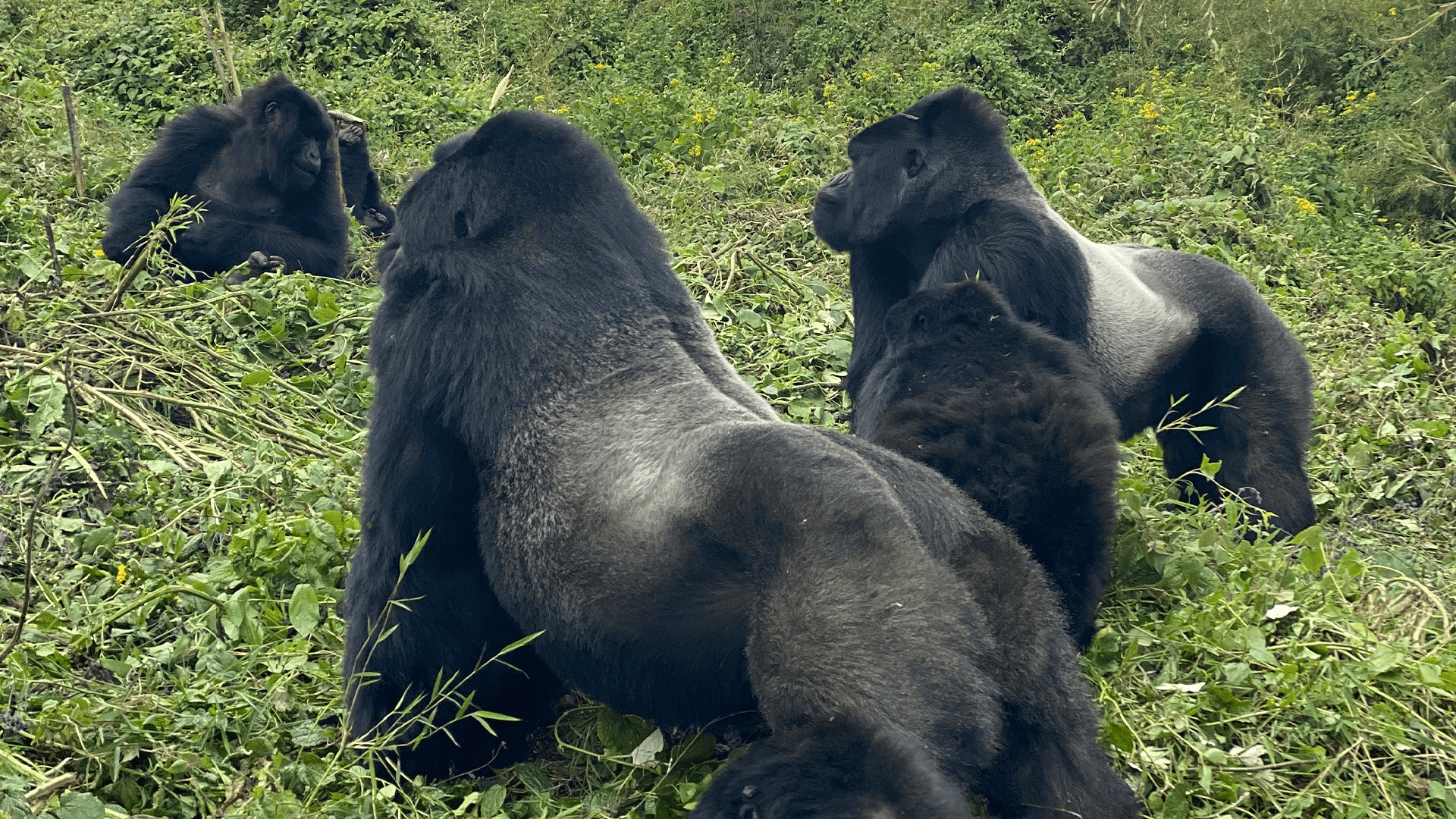
- Overcast conditions in the forest: Diffused light reduces harsh shadows and is ideal for gorilla and chimpanzee photography in Bwindi and Kibale.
- Midday: Generally avoid for savanna shooting due to flat, harsh light, but usable in forest environments where canopy already softens light.
For best timing across Uganda’s parks, plan game drives to begin at or just before sunrise.
| Time of day | Animal activity | Light quality | Best for |
|---|---|---|---|
| 6:00 to 9:00 AM | High | Soft golden | Savanna, birds |
| 9:00 AM to 12:00 PM | Moderate | Bright, harsh | Forest treks |
| 12:00 to 3:00 PM | Low | Flat, unflattering | Rest, editing |
| 3:00 to 6:30 PM | High | Warm golden | Big cats, hippos |
Ethical photography is not optional in Uganda. Maintain 7 meters distance from gorillas and other primates at all times, avoid flash photography, and never make sudden movements or loud noises near sensitive species. Uganda Wildlife Authority rangers enforce these rules strictly, and for good reason.
Expert note: Maintaining respectful distance and a calm demeanor reduces animal stress and encourages natural behavior, which consistently produces more authentic and compelling images than close-range forced encounters.
Review the gorilla trekking ethical checklist and the best time for gorilla trekking before your trek date.
Composition and expert checklist for the field
Technical settings get you a sharp, well-exposed image. Composition turns that image into a story. Uganda’s wildlife offers extraordinary subjects, but strong composition is what separates a snapshot from a portfolio piece.
Core composition principles for Uganda wildlife photography:
- Rule of thirds: Place the animal’s eye at one of the four intersection points of a thirds grid, not centered in the frame
- Eye-level shots: Get low whenever possible. Eye-level perspective creates intimacy and connection with the subject
- Clean backgrounds: Reposition or wait for the animal to move in front of uncluttered backgrounds like open sky or water
- Negative space: Allow open space in the direction the animal is facing or moving to create visual tension
- Environmental portraits: Pull back with a wider lens to show the animal within its habitat, telling a richer story
Anticipating behavior is a skill that comes with practice. Watch for pre-movement cues: a lion lifting its head, a gorilla shifting weight, a bird spreading wings. These signals give you a split second to prepare.
For specific environments, the essential Uganda safari guide offers detailed composition advice. The permit checklist for safaris ensures you have the right access for each location.
Field action checklist:
- Before the shoot: Check camera settings for the environment, confirm battery levels, format memory cards, review the day’s species targets
- During the shoot: Shoot in bursts for moving animals, adjust ISO as light changes, use silent shutter for gorillas, switch lenses only in dust-free conditions
- After the shoot: Back up all images immediately, review compositions and settings for improvement, clean lenses and sensor if needed
For birding, use a minimum shutter speed of 1/2000s to freeze wing movement. For advanced animal behavior tips specific to Uganda’s species, study each park’s key wildlife before arrival.
Pro Tip: Capture at least one environmental portrait per session. A gorilla framed within the green cathedral of Bwindi’s forest tells a far more powerful story than a tight face shot alone.
A seasoned photographer’s take: What most guides miss about Ugandan safaris
Most photography guides focus on gear and settings. What they rarely address is the mindset shift required to photograph Uganda’s wildlife well. The forest does not cooperate with rigid plans. A gorilla family moves unpredictably. Rain arrives without warning. The shoebill you waited two hours to find turns its back the moment you raise your camera.
The photographers who return with the most compelling images are not those with the best equipment. They are the ones who adapt to conditions with patience and curiosity rather than frustration. They understand that a missed shot is often replaced by a better one if you stay present.
Ethical guidelines are not just rules to follow. They are the foundation of authentic wildlife photography. When animals are calm and unstressed, their behavior is natural, and natural behavior makes for extraordinary images. The expert gorilla trek checklist and pro safari tips reinforce this philosophy at every step.
“Connect first, capture second. The best photos tell a story that respects both you and the wildlife.”
Local knowledge amplifies everything else. A guide who knows where a leopard rested last night, or which tree the grey crowned crane returns to at dusk, is worth more than any piece of gear.
Your next step: Curated wildlife safaris in Uganda
You now have the checklist, the settings, the ethics, and the composition principles to photograph Uganda’s wildlife with confidence. The next step is putting it all into practice with expert support on the ground.

PawMac Safaris designs Uganda wildlife tour packages specifically for photographers who want ethical, immersive access to Uganda’s most iconic species. From gorilla trekking experiences in Bwindi Impenetrable Forest to dedicated bird watching safaris across Uganda’s most prolific birding zones, every itinerary is led by experienced local guides who understand both wildlife behavior and photography needs. Contact PawMac Safaris to build a customized itinerary that matches your photography goals, timeline, and budget.
Frequently asked questions
What is the best time for wildlife photography in Uganda?
Sunrise and sunset offer the best light and highest animal activity for wildlife photography in Uganda, making golden hour the most productive window for savanna and open-habitat shooting.
What camera settings should I use for photographing gorillas in Uganda?
Use silent shutter mode, no flash, a shutter speed of at least 1/500s, and ISO between 3200 and 6400 to handle the low light inside Bwindi’s dense forest canopy.
How can I practice ethical wildlife photography during a Uganda safari?
Maintain 7 meters distance from gorillas and other primates, avoid flash and sudden noise, and follow all Uganda Wildlife Authority guidelines to prioritize animal welfare over the shot.
What gear is essential for wildlife photography in Uganda’s rainy environments?
Weather-sealed camera bodies and lenses, individual rain covers, and a portable backup drive are non-negotiable for Uganda’s unpredictable tropical weather conditions.
Recommended
- Essential wildlife photography tips for safaris in Uganda
- Wildlife Photography Safaris: The Essential Uganda Guide
- African wildlife photography tour guide Uganda safaris 2026
- Wildlife photography tours Uganda 2026: permits & gear guide


