

- 258 Views
- 11 Min Read
- (0) Comment
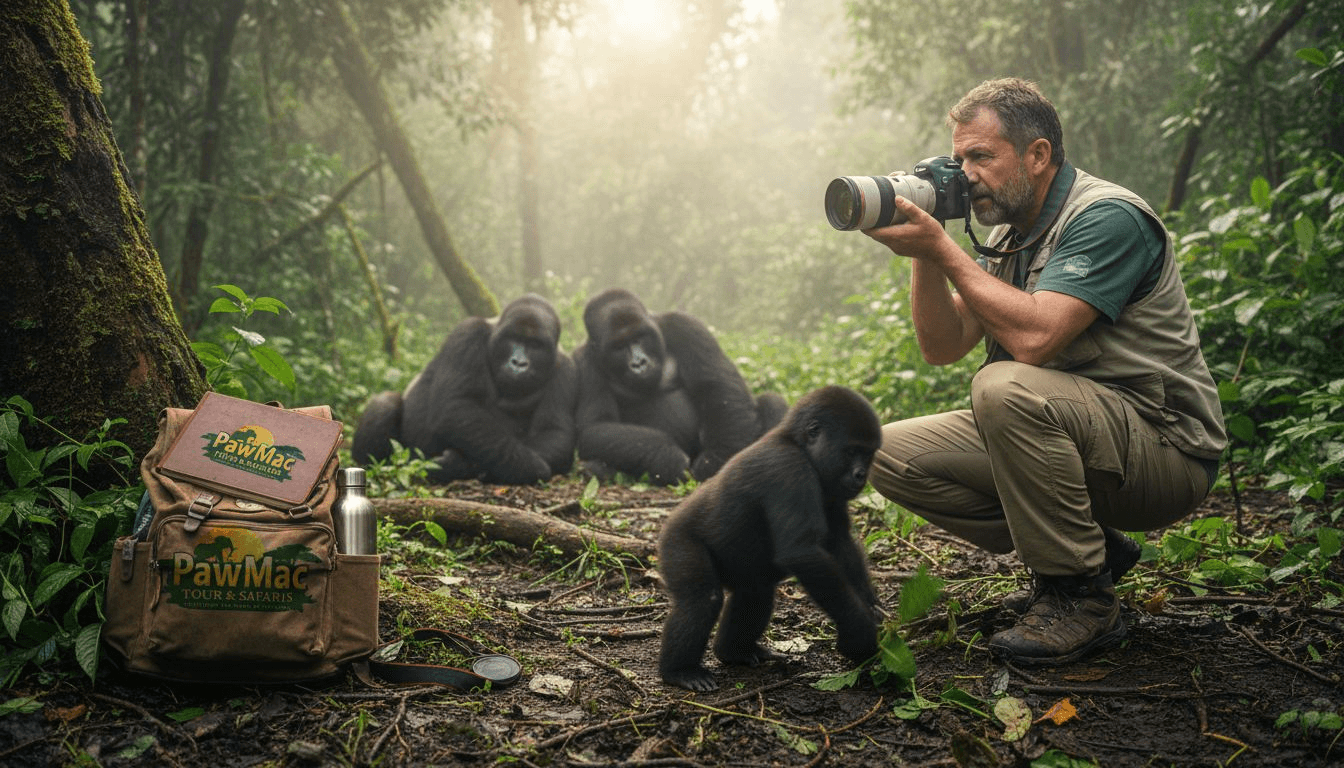
Uganda offers wildlife photographers unmatched access to rare primates, Big Five animals, and over 1,000 bird species across diverse ecosystems from dense rainforests to open savannahs. Capturing compelling images in these environments requires strategic preparation covering permits, specialized gear, and understanding animal behavior in challenging low-light forest conditions and remote wilderness settings.
Table of Contents
- Understanding Uganda’s Unique Wildlife Photography Opportunities
- Preparing For Your Uganda Wildlife Photography Tour
- Executing Your Wildlife Photography Tour: Techniques For Capturing Uganda’s Primates And Big Game
- Verifying Your Results And Maximizing The Impact Of Your Wildlife Photos
- Explore Uganda Wildlife Photography Tours With PawMac Safaris
- FAQ
Key takeaways
| Point | Details |
|---|---|
| Diverse photographic subjects | Uganda provides access to gorillas, chimpanzees, tree-climbing lions, elephants, and exceptional bird diversity across varied habitats. |
| Essential advance planning | Gorilla permits ($800 in 2026) and chimpanzee permits require early booking, alongside specialized photography gear for forest conditions. |
| Technique adaptation critical | Dense forest photography demands fast lenses, high ISO capabilities, and behavioral awareness to capture compelling primate images. |
| Operator expertise matters | Safari operators experienced in photography tours optimize positioning, timing, and logistics for superior wildlife access. |
| Storytelling enriches impact | Emotional narrative in wildlife images resonates more powerfully than technical perfection alone. |
Understanding Uganda’s unique wildlife photography opportunities
Uganda hosts 10 national parks and numerous wildlife reserves, providing varied habitats for wildlife photography. The country stands out because Uganda hosts over 1,000 bird species, 13 primate species, and significant populations of elephants, lions, and other iconic African wildlife.
Three primary ecosystems define Uganda’s photographic landscape:
- Savannah plains in Queen Elizabeth National Park and Murchison Falls National Park deliver classic Big Five photography with open sightlines and golden-hour lighting
- Dense rainforests in Bwindi Impenetrable Forest and Kibale National Park present technical challenges but reward photographers with intimate primate encounters
- Wetland environments around Lake Mburo and the Nile corridor attract massive concentrations of waterbirds and waders
Kibale National Park serves as the Primate Capital of the World with 1,500+ chimpanzees and 13 primate species total. This concentration creates reliable photographic opportunities impossible to match elsewhere in Africa. Queen Elizabeth National Park features the rare tree-climbing lions of Ishasha, a behavior documented in only two African populations.
Bird photographers find Uganda particularly rewarding. The country’s position at the intersection of East and Central African ecosystems produces exceptional diversity, with species ranging from massive shoebill storks in wetlands to tiny sunbirds in forest canopies. Bird watching safaris can target 300+ species in a single two-week tour.
Pro Tip: Schedule photography sessions during early morning and late afternoon when animal activity peaks and lighting conditions provide warm, directional illumination that adds dimension to wildlife portraits.
Preparing for your Uganda wildlife photography tour
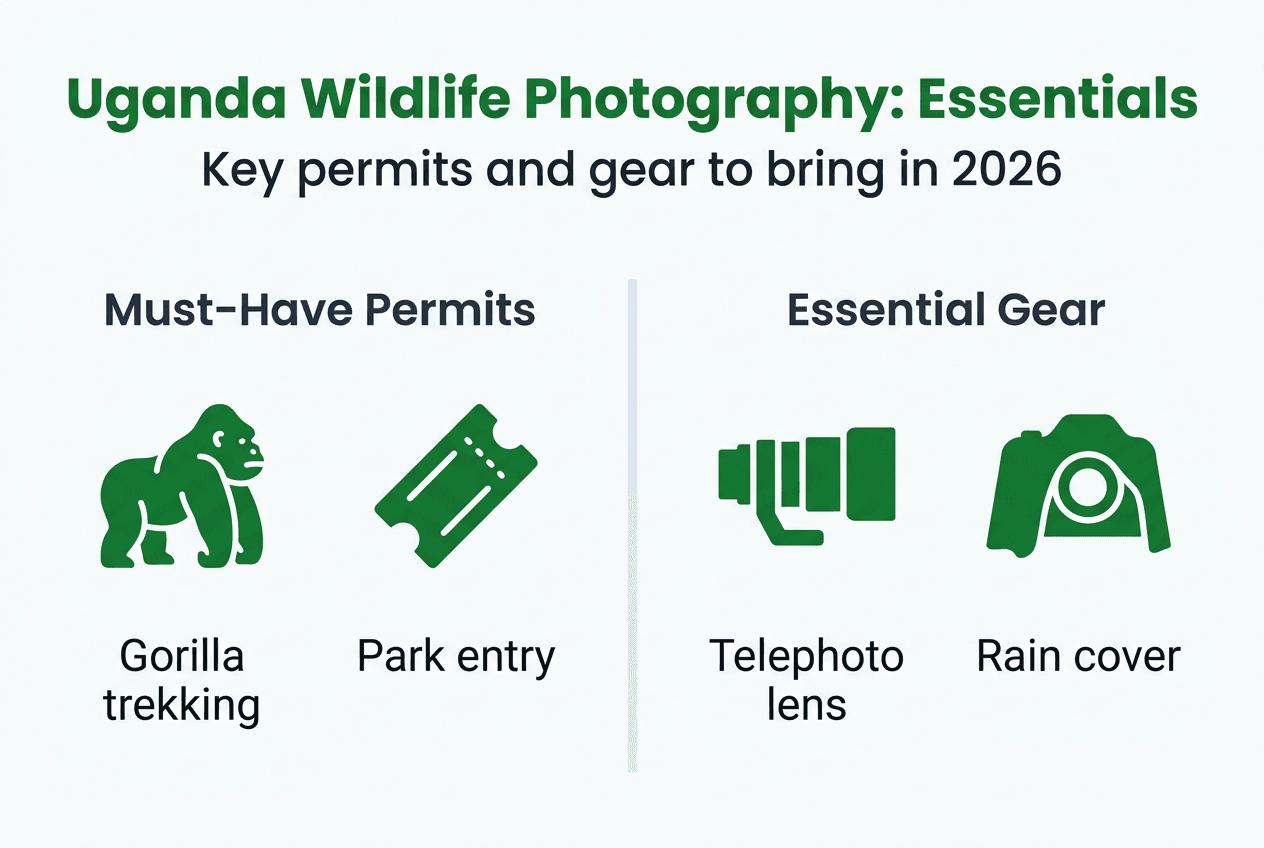
Successful wildlife photography in Uganda starts with securing permits months before departure. Gorilla trekking permits in Bwindi Impenetrable Forest and Mgahinga Gorilla National Park are essential and must be booked in advance. In 2026, gorilla permits cost exactly $800 per person for foreign non-residents. Chimpanzee tracking permits run $250 per person and also require advance reservation, particularly during peak dry seasons.
Permit availability fluctuates based on sector and season:
| Sector | Best For | Permit Availability |
|---|---|---|
| Buhoma | First-time trekkers, shorter hikes | Highest demand, book 4-6 months ahead |
| Ruhija | Serious photographers, longer treks | Moderate availability, book 3-4 months ahead |
| Rushaga | Multiple gorilla family options | Good availability, book 2-3 months ahead |
| Nkuringo | Challenging terrain, experienced hikers | Better availability, book 2 months ahead |
Photography gear for Uganda’s environments requires specific capabilities. Fast telephoto lenses with f/2.8 or f/4 maximum apertures handle low forest light. Image stabilization becomes critical when shooting handheld during primate treks where tripods prove impractical. Camera bodies capable of clean images at ISO 3200-6400 compensate for dense canopy shade. Weather-sealing protects equipment during sudden tropical downpours common in rainforest zones.
Plan Your Uganda Safari with Local Experts
 WhatsApp Us
Essential gear checklist:
- 70-200mm f/2.8 or 100-400mm telephoto for primates and general wildlife
- 24-70mm f/2.8 for environmental portraits and landscape context
- Extra batteries and memory cards (charging infrastructure varies)
- Weatherproof camera bag and rain covers
- Lens cleaning supplies for humid forest conditions
Transport logistics center on customized 4×4 Safari Vans with pop-up roofs for unobstructed photography angles. Professional suspension systems handle remote tracks to photography locations. Skilled drivers familiar with animal behavior position vehicles for optimal angles and lighting.
Accommodation options span luxury lodges near park boundaries to budget-friendly camps, but location matters more than amenities for photographers. Choosing the right safari operator is crucial for a successful photography tour. Operators experienced in photography understand positioning needs, timing requirements, and how to maximize limited permit windows. Review operator track records specifically with photographer clients, not just general safari experience.
Pro Tip: Pack silica gel packets in your camera bag to combat moisture buildup in forest environments where humidity regularly exceeds 80%.
For comprehensive permit logistics and sector selection guidance, consult the Uganda safari guide 2026 gorilla permits logistics resource.
Executing your wildlife photography tour: techniques for capturing Uganda’s primates and big game
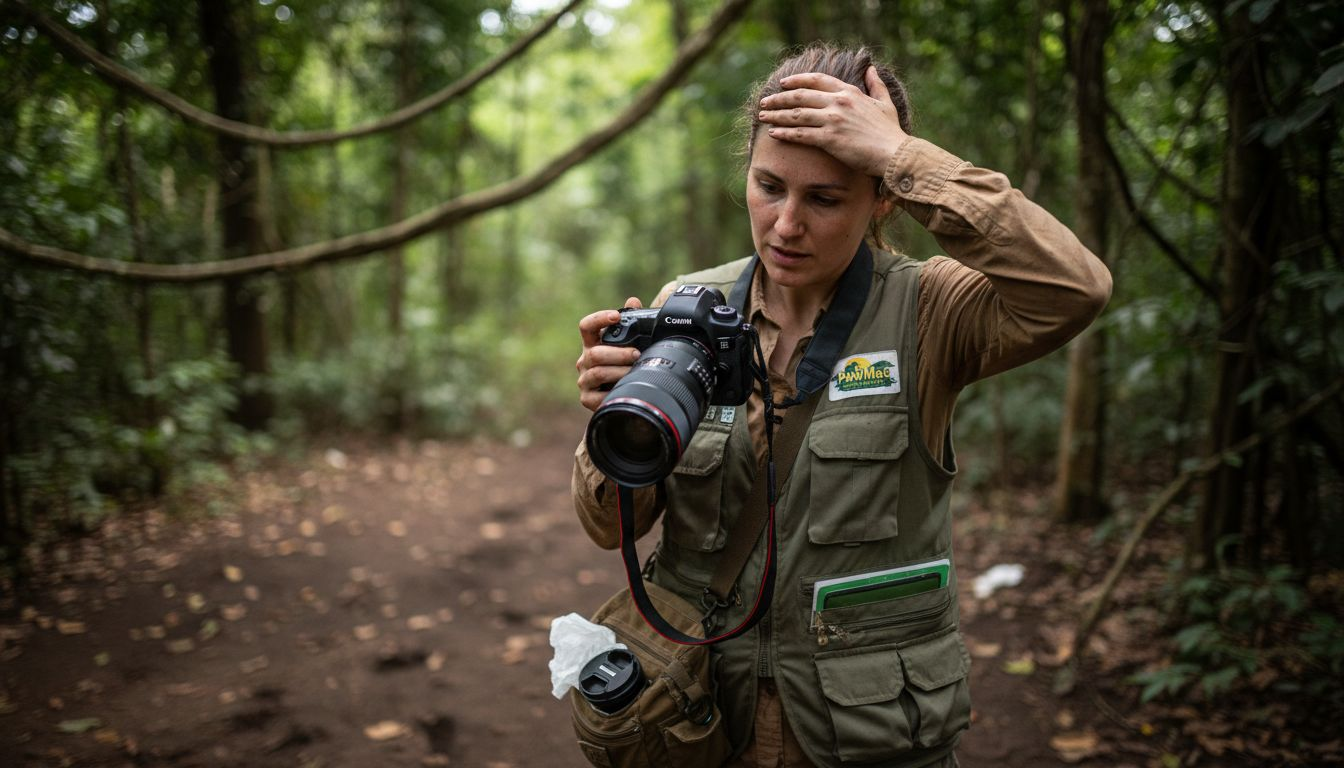
Forest photography demands technical adaptation from standard safari shooting. Dense forests require adapting your approach due to low light, fast movements, and thick vegetation. Shutter speeds must balance freezing primate motion against acceptable ISO noise levels. Start at 1/500 second minimum for active chimps, pushing ISO to 3200 or higher rather than accepting motion blur.
Understanding subject behavior transforms technical captures into storytelling images. Chimpanzees in Uganda exhibit behaviors strikingly similar to humans, including joy, grief, curiosity, and playfulness. Watch for interaction moments between individuals, facial expressions during feeding or grooming, and playful behavior in younger chimps. These behavioral elements create emotional resonance beyond documentary record shots.
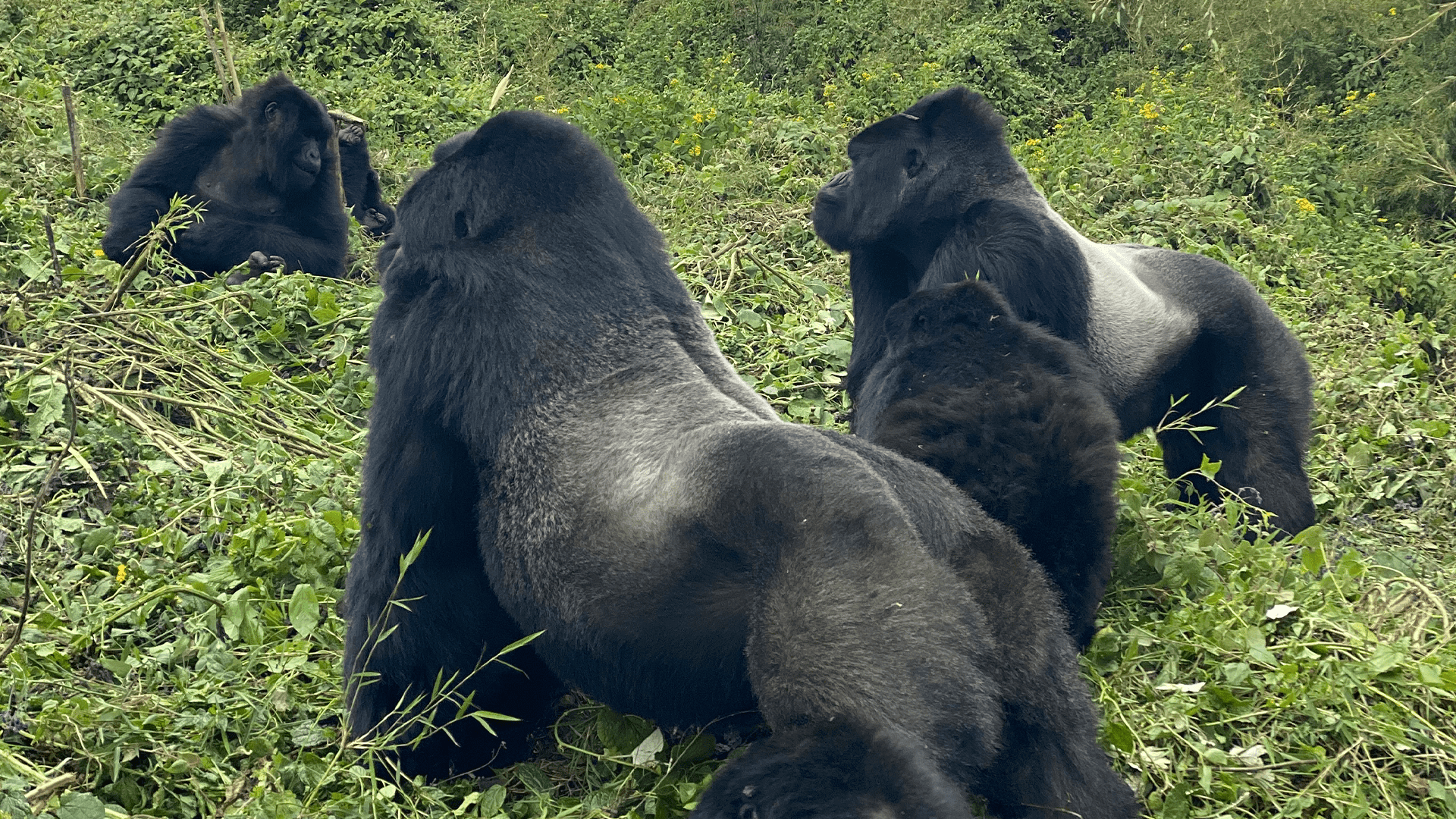
Gorilla photography presents different challenges than chimpanzee work. Gorillas move more deliberately but in denser vegetation. Family group dynamics offer narrative opportunities as silverbacks interact with infants or mothers nurse young. Minimum focusing distance becomes critical when a curious juvenile approaches within meters of your position.
Composition techniques for forest primates:
- Fill the frame with your subject to minimize distracting backgrounds
- Focus precisely on eyes, accepting shallow depth of field on other features
- Shoot in bursts during active moments to capture peak expressions
- Use negative space intentionally when environmental context adds story
- Position yourself at subject eye level when terrain allows
Savannah photography for Big Five subjects allows more traditional techniques but still requires behavioral awareness. Elephants feeding in golden hour light, lions on termite mounds at sunrise, and buffalo herds moving through grasslands all demand anticipation of animal movement patterns.
Patience balances with readiness. Wildlife photography involves long periods of waiting punctuated by seconds of action. Keep camera settings adjusted for current light conditions, autofocus activated on your primary subject, and composition framed before the decisive moment arrives. The difference between a good image and an exceptional one often comes down to being ready when behavior peaks.
Pro Tip: Switch to back-button focus to separate focus acquisition from shutter release, allowing you to maintain focus lock on moving subjects while recomposing for better framing.
Chimpanzee tracking experiences in Kibale National Park provide reliable opportunities to practice these forest techniques. Many photographers find that combining technical skill development through both artistic practice and field experience accelerates their ability to capture compelling wildlife narratives.
Verifying your results and maximizing the impact of your wildlife photos
Assessing photographic results requires looking beyond technical metrics. Prioritize storytelling over technical perfection in wildlife photography. An image with slight noise or imperfect sharpness but genuine emotional content outperforms a technically flawless but lifeless portrait.
Evaluation framework for wildlife images:
- Emotional impact – Does the image convey feeling, behavior, or relationship between subjects?
- Story clarity – Can viewers understand what’s happening without explanation?
- Technical execution – Are focus, exposure, and composition sufficient to support the story?
- Unique perspective – Does the image show something viewers haven’t seen before?
- Portfolio fit – Does this image strengthen your overall body of work?
Selection for sharing and portfolio building focuses on images that achieve multiple criteria simultaneously. A gorilla portrait might display perfect technical execution but lack the narrative punch of a slightly softer image showing maternal interaction. Trust your instinctive response to images while also analyzing what makes certain frames more compelling.
Captions and context multiply photographic impact. Explain the behavior captured, the conservation significance of the species, or the challenge of the environment. Context transforms a beautiful image into an educational tool and advocacy platform.
Comparing approaches reveals different philosophies:
| Approach | Strengths | Limitations |
|---|---|---|
| Technical perfection focus | Sharp, well-exposed images suitable for large prints | May lack emotional resonance or unique perspective |
| Storytelling priority | Emotionally engaging, memorable images with narrative | May compromise on technical metrics in challenging conditions |
| Balanced methodology | Strong technical foundation supporting compelling stories | Requires more selective shooting and advanced skills |
Continuous improvement comes from reviewing both successful and unsuccessful images. Analyze what worked in your best shots and what prevented near-misses from succeeding. Each Uganda safari combining gorillas and chimpanzees builds on previous experience, refining your ability to anticipate moments and execute under pressure.
Pro Tip: Create a contact sheet of your strongest 20 images from each trip, then revisit it three months later to see which images still resonate emotionally versus those that relied on the excitement of the moment.
Explore Uganda wildlife photography tours with PawMac Safaris
PawMac Safaris specializes in Uganda wildlife photography tours designed specifically for photographers seeking optimal positioning, timing, and access to rare species. Our ground expertise in Uganda’s national parks, combined with customized 4×4 Safari Vans equipped for photography, ensures you maximize limited permit windows and challenging field conditions.

We handle all logistics from gorilla trekking permits to sector selection, accommodations near prime photography locations, and experienced drivers who understand the difference between general wildlife viewing and serious photography requirements. Our tailor-made Uganda safaris combine multiple ecosystems in efficient itineraries that prioritize photographic opportunities during optimal light.
Whether you’re focused on chimpanzee tracking in Kibale, Big Five photography in savannah parks, or comprehensive multi-species tours, our local expertise eliminates logistical barriers between you and exceptional images. Contact us to design a photography-focused itinerary matching your specific subjects, timeframe, and skill development goals.
FAQ
What permits are required for wildlife photography tours in Uganda?
Gorilla trekking permits in Bwindi Impenetrable Forest and Mgahinga Gorilla National Park are essential and must be booked in advance. In 2026, these permits cost $800 per person for foreign non-residents. Chimpanzee tracking permits run $250 per person and also require advance reservation. Standard park entry fees apply for general wildlife photography in all national parks, but permits specifically regulate access to habituated primate groups. Book gorilla permits 4-6 months ahead for popular sectors like Buhoma, with earlier booking recommended during peak dry seasons. Detailed permit logistics and sector selection guidance helps optimize your photography tour planning.
When is the best time to photograph wildlife in Uganda?
Dry seasons from June through September and December through February offer superior wildlife visibility and easier vehicle access on remote tracks. Animals concentrate around permanent water sources during dry periods, improving predictability for photography. However, forest species like gorillas and chimpanzees remain accessible year-round since they don’t migrate based on rainfall. Consider specific behaviors when timing your visit, such as bird breeding plumage displays during wet seasons or predator hunting activity during dry season prey concentrations. Wet season photography can produce dramatic skies and lush vegetation backgrounds, though muddy conditions challenge equipment protection and vehicle mobility.
How should I prepare my gear for photographing primates in dense forests?
Use fast lenses with maximum apertures of f/2.8 or f/4 to capture sufficient light in forest canopy shade. Dense forests require adapting your approach due to low light, fast movements, and thick vegetation. Camera bodies capable of clean images at ISO 3200-6400 become essential. Image stabilization compensates for handheld shooting since tripods prove impractical during primate treks. Weather-sealing protects against humidity and sudden tropical downpours. Pack extra batteries as cold-sensitive lithium cells drain faster in humid conditions, and bring lens cleaning supplies to manage condensation. Silica gel packets in your camera bag combat moisture buildup between shooting sessions.
What makes Uganda a unique destination for wildlife photography tours?
Uganda combines rare primate access with classic African wildlife across exceptionally diverse habitats from dense rainforest to open savannah. Kibale National Park hosts 1,500+ chimps and 13 primate species, known as the Primate Capital of the World. Nowhere else offers mountain gorillas, chimpanzees, tree-climbing lions, and over 1,000 bird species within compact distances allowing multi-ecosystem coverage in single trips. Habituated primate groups permit close-range photography impossible in most wildlife settings. Queen Elizabeth National Park’s tree-climbing lions represent behavior found in only two African locations. This combination of rare subjects, habitat diversity, and reliable access makes Uganda exceptional for wildlife photographers seeking images beyond typical safari captures. Explore focused chimpanzee tracking opportunities to experience this unique concentration firsthand.
Recommended
- Uganda Safari Guide 2026: Gorilla Permits & Logistics
- Gorilla Trekking Permit Uganda: Cost & Booking (2026)
- Gorilla Trekking in Uganda: Cost, Permits & Tours 2026
- Why Uganda is the best gorilla trekking destination 2026


