


- 60 Views
- 17 Min Read
- (0) Comment
For many first-time travelers, a Mgahinga gorilla trek feels both exciting and slightly intimidating. You are not just going on a scenic forest walk. You are entering the high-altitude bamboo and montane forest of Mgahinga Gorilla National Park, one of Uganda’s most distinctive protected areas and home to the famous Nyakagezi gorilla family.
Mgahinga is smaller and quieter than Bwindi, but that is exactly why some travelers love it. The park sits in Kisoro District in southwestern Uganda, on the Ugandan slopes of the Virunga volcanoes. The scenery is dramatic, the visitor numbers are limited, and the trekking experience can feel deeply personal when permits are available.
This guide explains Mgahinga gorilla treks from a first-time traveler’s perspective: how permits work, how difficult the hike is, what the day looks like, what to pack, how much to budget, and when to book. It is written for travelers who want clear logistics before committing to a Uganda gorilla safari.
Why choose Mgahinga for gorilla trekking in Uganda?
Mgahinga Gorilla National Park is Uganda’s smallest national park, but it delivers one of the country’s most memorable primate experiences. Its full name is Mgahinga Gorilla National Park for a reason: the park protects part of the mountain gorilla habitat on Uganda’s volcanic borderlands.
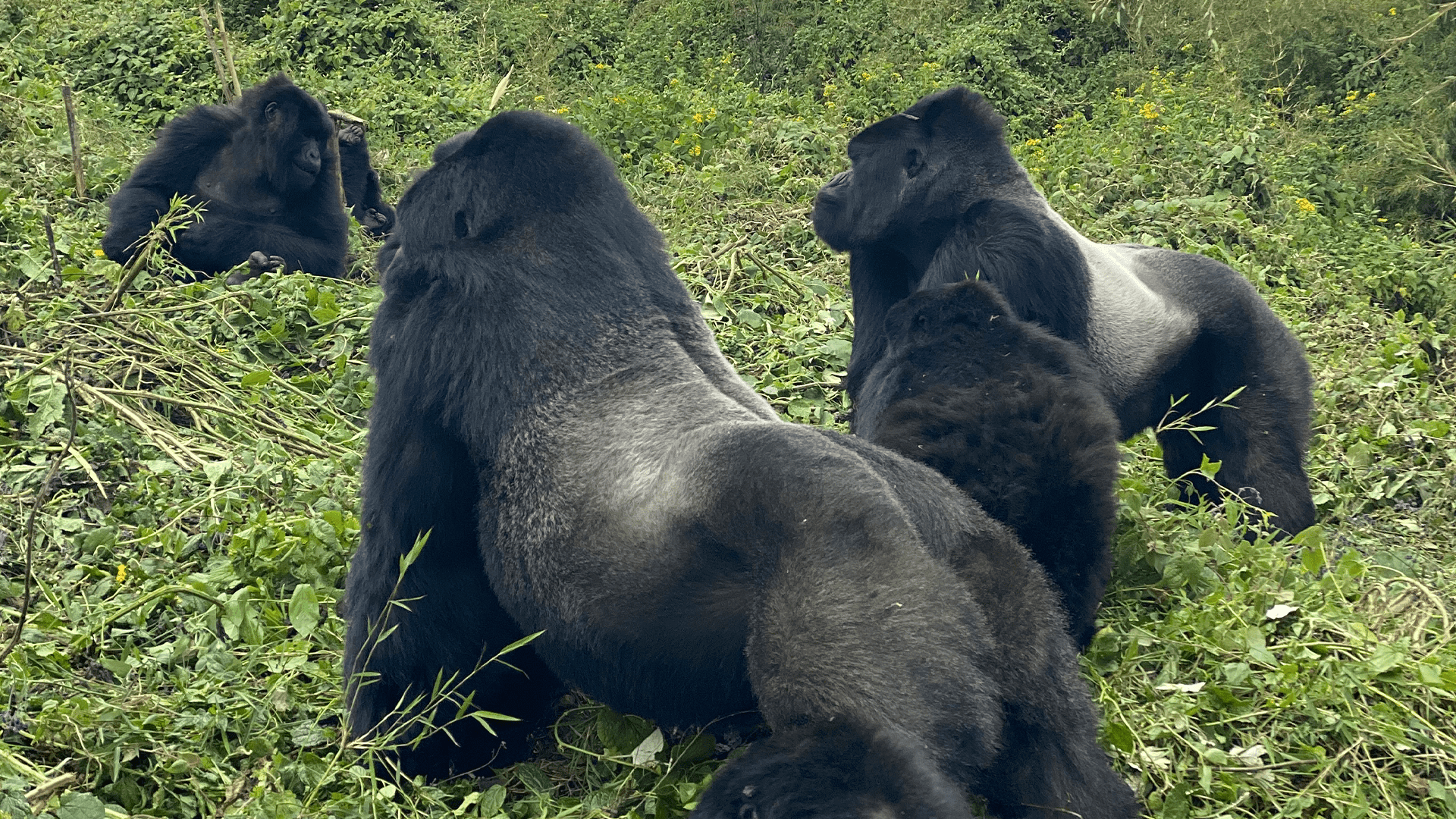
The main draw is the Nyakagezi gorilla family, the habituated group most commonly tracked by visitors in Mgahinga. Because gorilla trekking is limited to a small number of visitors per gorilla group per day, Mgahinga permits are more limited than in Bwindi. That scarcity is part of the appeal. You do not come here for high-volume tourism. You come for a quieter Uganda gorilla trek in a striking volcanic landscape.
Mgahinga is also the only place in Uganda where travelers can combine mountain gorilla trekking and golden monkey tracking in the same national park. For primate-focused travelers, that makes it especially efficient. A well-designed itinerary can include one day with gorillas, another day tracking golden monkeys, and time for community or cultural experiences around Kisoro.

Mgahinga vs Bwindi: which is better for first-time travelers?
Most first-time visitors compare Mgahinga with Bwindi Impenetrable National Park. Both are excellent Uganda gorilla trekking destinations, but they offer different styles of experience.
Bwindi has more gorilla families, more trekking sectors, and more permit availability. Mgahinga has fewer permits, a more open volcanic landscape in places, and an intimate feel. If you are flexible with your dates and want a quieter trek, Mgahinga can be a superb choice. If your travel dates are fixed and you need more permit options, Bwindi may be easier to secure.
| Factor | Mgahinga Gorilla National Park | Bwindi Impenetrable National Park |
|---|---|---|
| Main trekking base | Ntebeko Visitor Centre | Buhoma, Ruhija, Rushaga, and Nkuringo sectors |
| Permit availability | Very limited due to fewer habituated gorilla groups | Higher availability across multiple sectors |
| Landscape | Volcanic slopes, bamboo zones, montane forest | Dense rainforest, ridges, valleys, and steep forest trails |
| Best for | Travelers seeking a quieter, scenic, less crowded trek | Travelers needing more date flexibility and lodge choice |
| Add-on primates | Golden monkeys in the same park | Gorilla habituation is available in selected Bwindi areas |
For a deeper comparison of Uganda’s gorilla destinations, PawMac Safaris also offers a practical guide on where to see gorillas in Uganda.
How Mgahinga gorilla permits work in 2026
A gorilla permit is mandatory for trekking in Mgahinga. It is issued through Uganda Wildlife Authority channels and confirms your right to join a ranger-led trek on a specific date. The permit does not give private access to the gorillas. It allows you to join the official trekking group for that day, following strict conservation rules.
Plan Your Uganda Safari with Local Experts
 WhatsApp Us
As of 2026, the standard Uganda gorilla permit for foreign non-residents is typically budgeted at USD 800 per person. Foreign residents and regional categories may have different rates. Travelers sometimes hear about discounted low-season rates, often around USD 600 for foreign non-residents when official promotions apply, but these should never be assumed. The safest planning figure for most international visitors is USD 800 unless your operator confirms a valid promotion before payment.
Because 2026 tariff periods and promotions may change after June, serious travelers should confirm the latest permit price before paying deposits. PawMac Safaris can check live availability and current permit rules during the planning process.
| Cost item | Typical 2026 planning range | Notes for first-time travelers |
|---|---|---|
| Gorilla permit, foreign non-resident | USD 800 | Required for one standard trek and one hour with the gorillas once found |
| Possible low-season promotional permit | Around USD 600 when available | Must be confirmed before budgeting, not guaranteed year-round |
| Porter support | USD 15 to USD 25 plus optional tip | Strongly recommended, especially on wet or steep trails |
| Trekking tips | USD 10 to USD 30+ | Optional, usually shared among rangers, trackers, porters, or lodge staff |
| Golden monkey permit add-on | Often lower than gorilla permits | Useful if staying an extra night in Kisoro or Mgahinga area |
Permit availability is the main reason to plan early. Since Mgahinga has very limited gorilla trekking spaces per day, peak-season dates can sell out months ahead. For June to September and December to February travel, booking 6 to 12 months ahead is wise. For April, May, and November, you may find more flexibility, but you still need confirmation before booking flights.
What happens on the day of a Mgahinga gorilla trek?
A Mgahinga gorilla trek starts early. Most travelers wake before sunrise, eat breakfast at the lodge, and transfer to the Ntebeko Visitor Centre. Your driver-guide will usually aim to arrive before the official briefing so there is enough time for registration, passport checks, permit verification, and bathroom use.
The briefing normally covers gorilla behavior, health rules, safety instructions, photography etiquette, and what to do if a gorilla comes close. UWA rangers then lead the group into the forest, often supported by trackers who monitor gorilla movements from earlier signs such as nests, feeding remains, dung, and vocalizations.
The total hiking time varies. Some Mgahinga treks may be relatively manageable if the gorillas are close to the lower slopes. Others can take several hours if the family has moved deeper into the forest or higher along the volcanic terrain. A realistic expectation is 2 to 6 hours total, though conditions can make a trek shorter or longer.
Once the gorillas are found, you are allowed one hour with them. This is the heart of the experience. You may watch a silverback resting, juveniles playing, females feeding, or the group moving slowly through bamboo and vegetation. The pace is not theatrical. It is quiet, controlled, and deeply moving.
How difficult is the Mgahinga gorilla trek?
For most active travelers, Mgahinga is moderate to strenuous rather than extreme. You do not need to be a mountaineer, but you should be comfortable walking uphill on uneven ground. Mgahinga’s elevation and volcanic slopes make the trek feel different from a normal countryside walk.
The Ntebeko area sits at high altitude, and the park rises dramatically toward Mount Gahinga, Mount Sabyinyo, and Mount Muhavura. Even if your trek does not climb high, the combination of altitude, mud, roots, vegetation, and humidity can make the hike physically demanding.
First-time travelers should prepare with regular walking, stairs, light hiking, or cardio training before arrival. If you can comfortably walk for several hours with breaks, you are likely in a good starting position. The key is not speed. Rangers manage the pace, and the group stops when needed.
Hiring a porter is one of the smartest decisions you can make. A porter carries your daypack, helps on muddy sections, and gives steady support on slopes. Porter fees also provide direct community income around Mgahinga, which strengthens the local value of conservation tourism.
Essential rules during the gorilla encounter
Gorilla trekking in Uganda is highly regulated because mountain gorillas are vulnerable to stress and human-borne illness. These rules are not formalities. They are conservation measures that protect the gorillas and keep travelers safe.
Key rules include:
- Keep the required distance from gorillas as instructed by the rangers, commonly at least 7 meters where possible.
- Do not trek if you are sick with flu, fever, stomach illness, or respiratory symptoms.
- Wear a mask if instructed during close gorilla viewing.
- Do not use flash photography.
- Keep your voice low and avoid sudden movements.
- Do not eat, drink, smoke, or litter near the gorillas.
- Follow ranger instructions immediately if a gorilla approaches or displays.
The minimum age for gorilla trekking in Uganda is 15 years. Families traveling with younger children can still enjoy other Uganda safari activities, but children under 15 cannot join the gorilla trek.
Best time for Mgahinga gorilla trekking
Mgahinga can be visited year-round, but the experience changes with the seasons. Uganda’s drier periods, typically June to September and December to February, are popular because trails are often more manageable and travel logistics are smoother. These months also bring higher demand for permits and lodges.
The wetter months, especially March to May and October to November, can bring slippery trails and heavier vegetation. However, the forest is beautifully green, visitor numbers are often lower, and lodge availability may improve. Rain does not automatically mean a poor trek. In a mountain environment like Mgahinga, showers can happen even in the dry season, so good rain gear is essential at any time of year.
| Travel period | Trekking conditions | Planning advice |
|---|---|---|
| June to September | Generally drier, popular, better trail conditions | Book permits and lodges very early |
| December to February | Good trekking window, strong holiday demand | Confirm availability before international flights |
| March to May | Wetter, greener, fewer visitors | Good for flexible travelers with proper gear |
| October to November | Short rains, lush forest, lower crowds | Expect mud and build flexibility into the itinerary |
If Mgahinga is your priority, choose dates around permit availability first, then match lodges and transport. This is especially important because moving from one gorilla destination to another at the last minute can be expensive and logistically difficult.
What to pack for a first Mgahinga gorilla trek
Packing correctly can make the difference between a comfortable trek and a frustrating one. Mgahinga’s weather changes quickly, and the forest environment can be wet, cool, muddy, and humid on the same day.
Your clothing should be practical, neutral-colored, and protective. Avoid shorts, bright colors, and heavy cotton. Long sleeves and long trousers protect you from nettles, scratches, insects, and sun exposure. Waterproof hiking boots with good ankle support are much better than casual trainers.
A sensible Mgahinga gorilla trekking kit includes:
- Waterproof hiking boots already broken in before travel.
- Long lightweight trousers and a long-sleeved trekking shirt.
- Waterproof rain jacket or poncho.
- Warm fleece or light insulating layer for cool mornings.
- Gardening or trekking gloves for gripping vegetation.
- Gaiters or long socks to reduce mud and insect exposure.
- Small daypack with rain cover.
- Two liters of water and a packed snack or lunch.
- Camera with spare battery, but no flash use near gorillas.
- Passport copy, permit confirmation, and travel insurance details.
If you are upgrading technical layers, gloves, rain shells, or sports accessories before departure, a specialist sportswear retailer such as Fabbrica Ski Sises can be useful for comparing durable outdoor options before your Uganda trip.
For a broader trip checklist that also covers game drives and other Uganda safari activities, see PawMac Safaris’ Uganda safari packing guide.
How much should you budget for a Mgahinga gorilla safari?
The gorilla permit is the largest fixed cost, but it is not the whole safari cost. A complete Mgahinga trip also includes transport, fuel, driver-guide services, accommodation, meals, park transfers, porter support, tips, and sometimes domestic flights.
For first-time travelers, the biggest pricing factor is not only accommodation level. It is routing. Mgahinga is in far southwestern Uganda, so a rushed 3-day round trip from Entebbe or Kampala is possible but tiring. A 4-day or 5-day itinerary is usually more comfortable, especially if you want to arrive rested before trekking.
Typical 2026 private safari estimates for Mgahinga, including the gorilla permit, may look like this:
| Safari style | Estimated cost per person sharing | What usually drives the price |
|---|---|---|
| Budget private or shared-style trip | USD 1,250 to USD 1,800 | Simple lodges, road transfers, limited add-ons |
| Mid-range guided safari | USD 1,800 to USD 2,700 | Better lodges, private 4×4, smoother pacing |
| Luxury Mgahinga extension | USD 3,000 to USD 5,500+ | Premium lodges, private guiding, possible domestic flights |
| Fly-in or charter-supported trip | Custom quote | Flight schedules, airstrip transfers, luggage limits, lodge tier |
Solo travelers should expect higher per-person costs because vehicle, fuel, and guide costs are not shared. Couples and small groups usually get better value per person. Peak-season lodge rates can also increase, while shoulder and wet-season travel may offer more flexibility.
PawMac Safaris builds quotes around real permit availability, preferred travel dates, group size, lodge category, and route comfort. This is more reliable than choosing a headline price that does not include the USD 800 permit or realistic transport costs.
How to get to Mgahinga Gorilla National Park
Most international travelers arrive through Entebbe International Airport. From Entebbe or Kampala, the road journey to Kisoro and Mgahinga is long, usually around 9 to 11 hours depending on traffic, weather, and stops. Because of this, many itineraries break the journey with a night near Lake Mburo, Kabale, Lake Bunyonyi, or another suitable stop.
A private 4×4 safari vehicle with an experienced Uganda driver-guide is strongly recommended. Roads in southwestern Uganda can be winding, and access roads near forested or mountainous areas may become muddy in wet months. A professional guide also coordinates timing so you do not miss the early Ntebeko briefing.
Domestic flights can reduce road time when schedules and budgets allow. Flights to southwestern Uganda are weather-sensitive and schedule-dependent, so they should be arranged carefully with ground transfers already confirmed. Luxury travelers often appreciate this option, especially if combining Mgahinga with Queen Elizabeth National Park, Kibale Forest, or Murchison Falls.
Best Mgahinga itinerary options for first-time travelers
A first-time Mgahinga gorilla trek should not feel rushed. The goal is to arrive rested, trek safely, and leave space for weather or road delays. Here are practical route styles to discuss with PawMac Safaris.
3-day Mgahinga gorilla trek
A 3-day trip is the shortest practical option by road, but it is intense. Day one is a long transfer from Entebbe or Kampala to Kisoro. Day two is the gorilla trek. Day three is the return journey. This works best for travelers with limited time, strong stamina, and realistic expectations about road hours.
4-day first-time traveler route
A 4-day itinerary is more comfortable. You can break the journey on the way to southwestern Uganda, continue to Kisoro the next day, trek on day three, and return or continue onward on day four. This gives better recovery time and lowers the risk of arriving exhausted before the gorilla experience.
5 to 6-day Mgahinga and primates itinerary
With 5 or 6 days, you can combine gorilla trekking with golden monkey tracking, Lake Bunyonyi, cultural experiences, or a relaxed scenic stop. This is a strong choice for travelers who want Mgahinga to be more than a single trekking day.
7 days or more with wildlife parks
If this is your first Uganda safari, consider combining Mgahinga with Queen Elizabeth National Park, Kibale Forest, Lake Mburo, or Murchison Falls depending on your interests. Uganda is at its best when rainforest primates, savanna wildlife, boat safaris, and culture are woven into one thoughtful route.
For broader planning, PawMac Safaris’ main gorilla trekking in Uganda guide explains how gorilla treks fit into longer Uganda safari circuits.
What else can you do around Mgahinga?
Mgahinga is not only about gorillas. The park and surrounding Kisoro region offer excellent add-ons, especially if you have more than one night in the area.
Golden monkey tracking is the most natural pairing. These energetic primates live in bamboo zones and offer a very different experience from gorillas. The tracking can still be active, but it is usually lighter in emotional intensity and cost than gorilla trekking.
Cultural experiences with Batwa communities can also add meaning, provided they are arranged respectfully and benefit local people. The Batwa are Indigenous forest people with deep historical ties to the region. A good visit should be educational, community-led where possible, and never treated as a performance detached from real history.
Active travelers may also consider volcano hikes, though these require more time, fitness, and weather planning. Mount Sabyinyo, Mount Gahinga, and Mount Muhavura are serious hikes, not casual add-ons after a strenuous gorilla trek.
Common first-time mistakes to avoid
The most common Mgahinga mistake is waiting too long to book. Because permit availability is limited, travelers who request Mgahinga at the last minute may be shifted to Bwindi or asked to change dates. That is not a failure of planning by the operator. It is a direct result of limited daily gorilla access.
Another mistake is underestimating the drive. Mgahinga is worth the journey, but it is not a quick side trip from Entebbe. If you want comfort, add a buffer night or choose a fly-in plan where appropriate.
Travelers also make the mistake of packing for a normal holiday instead of a mountain forest. Light sneakers, jeans, bright shirts, and no rain jacket can quickly turn into discomfort. Trekking gear does not need to be expensive, but it must be functional.
Finally, do not treat the gorilla encounter like a guaranteed photo shoot. The forest is real, the animals are wild, and rangers prioritize safety and conservation. The best approach is patience, respect, and readiness for the unexpected.
Is Mgahinga safe for gorilla trekking?
Mgahinga gorilla trekking is conducted under professional ranger supervision. Treks are guided by trained Uganda Wildlife Authority personnel, and visitors receive a safety briefing before entering the forest. The experience is structured, controlled, and designed to protect both gorillas and travelers.
As with any remote wildlife activity, safety depends on following instructions. Stay with the group, keep the required distance, avoid sudden movement, and listen when a ranger tells you to stop, crouch, or move. Mountain gorillas are powerful wild animals, but habituated groups are accustomed to controlled human presence when rules are followed.
Health safety is equally important. Gorillas can be vulnerable to human respiratory illness. If you are sick, you should not trek. This can be disappointing, but it is part of responsible gorilla tourism in Uganda.
Frequently Asked Questions
Is Mgahinga good for first-time gorilla trekkers? Yes, Mgahinga can be excellent for first-time travelers who want a quieter Uganda gorilla experience and are comfortable with limited permit availability. The trek can still be physically demanding, so basic fitness and proper gear are important.
How much does a Mgahinga gorilla permit cost in 2026? Foreign non-resident travelers should generally budget USD 800 for a Uganda gorilla permit in 2026. Promotional low-season rates may sometimes apply, but they must be confirmed before you build your budget around them.
How many people can trek gorillas in Mgahinga each day? Gorilla trekking is limited to a small group per habituated gorilla family, commonly up to 8 visitors per day per group. Since Mgahinga has very limited gorilla permit availability, early booking is essential.
How hard is the Mgahinga gorilla trek? The trek is usually moderate to strenuous, depending on where the gorillas are, trail conditions, rainfall, and your fitness level. The high-altitude volcanic terrain can make even a shorter hike feel challenging.
Can I combine Mgahinga gorillas with golden monkey tracking? Yes. Mgahinga is the best place in Uganda to combine mountain gorillas and golden monkeys within the same national park. Adding an extra night in the area makes this much easier.
What happens if it rains during the trek? Treks usually continue in rain unless rangers decide conditions are unsafe. Rain is common in mountain forests, so waterproof boots, a rain jacket, a daypack cover, and quick-dry clothing are essential.
Should I choose Mgahinga or Bwindi if permits are available for both? Choose Mgahinga if you want a quieter volcanic setting and limited crowds. Choose Bwindi if you need more permit flexibility, more lodge options, or are considering the Gorilla Habituation Experience in Uganda.
Plan your Mgahinga gorilla trek with PawMac Safaris
A Mgahinga gorilla trek rewards travelers who plan carefully. The permit is limited, the drive is long, the terrain is real, and the experience is unforgettable when the logistics are handled well.
PawMac Safaris helps first-time travelers secure gorilla permits, align lodges with trekking locations, arrange comfortable 4×4 transport, and build customized Uganda itineraries around real travel conditions. Whether you want a focused Mgahinga gorilla trek, a primate safari with golden monkeys and chimpanzees, or a longer Uganda wildlife journey, local planning makes the difference.
If Mgahinga is on your 2026 Uganda safari wish list, start with permit availability. From there, PawMac Safaris can shape the route, budget, accommodation level, and pacing into a trip that feels smooth, responsible, and genuinely personal.


