


- 104 Views
- 18 Min Read
- (0) Comment
When travelers search for Africa safari packages, they often find broad comparisons built around famous savanna scenes, luxury lodges, and big-name parks. That is useful, but it can also hide one of the most important questions: which destination gives you the most meaningful wildlife variety for your time and budget?
A Uganda lens changes the comparison. Instead of looking only at vehicle-based game drives, Uganda adds ranger-led gorilla trekking, chimpanzee tracking, Nile boat safaris, rhino tracking, tree-climbing lions, volcanic landscapes, rainforest hikes, and deeply rooted cultural experiences. For travelers who want a safari that feels active, personal, and conservation-connected, Uganda deserves to be measured differently.
This guide compares safari package types through Uganda’s strongest advantages, with practical cost ranges, itinerary logic, and decision points to help you choose the right experience for 2026.
What changes when you compare safari packages through Uganda
Many safari packages across the continent are built around a familiar formula: arrive, transfer to a reserve, do morning and evening game drives, move to the next lodge, repeat. Uganda can certainly deliver classic game drives, especially in Murchison Falls, Queen Elizabeth, Kidepo Valley, and Lake Mburo. But Uganda’s strongest packages are not just drive-and-view itineraries.
A well-designed Uganda safari is often built around three different wildlife styles in one trip. First, there are savanna game drives for elephants, lions, buffalo, leopards, giraffes, antelopes, and other open-country wildlife. Second, there are forest primate experiences, especially gorilla trekking in Bwindi Impenetrable National Park or Mgahinga Gorilla National Park and chimpanzee tracking in Kibale Forest. Third, there are boat-based safaris on the Victoria Nile, the Kazinga Channel, and other waterways where hippos, crocodiles, elephants, waterbirds, and dramatic landscapes become part of the experience.
That diversity matters because it affects value. A package that looks more expensive on paper may include a USD 800 gorilla trekking permit, a major conservation fee, specialized ranger support, and access to one of the rarest wildlife encounters on earth. A lower-priced package may exclude key permits or compress routes so tightly that the traveler spends too much time on the road and too little time in the field.
The best Uganda safari packages are judged not only by price, but by how intelligently they connect permits, parks, lodges, vehicles, guides, and realistic transfer times.
The main criteria for comparing Africa safari packages
If you are comparing safari options for 2026, avoid choosing only by the number of days or the lowest headline price. A proper comparison should consider what is included, how the route works, and whether the package protects your most important experiences.
Signature wildlife experience
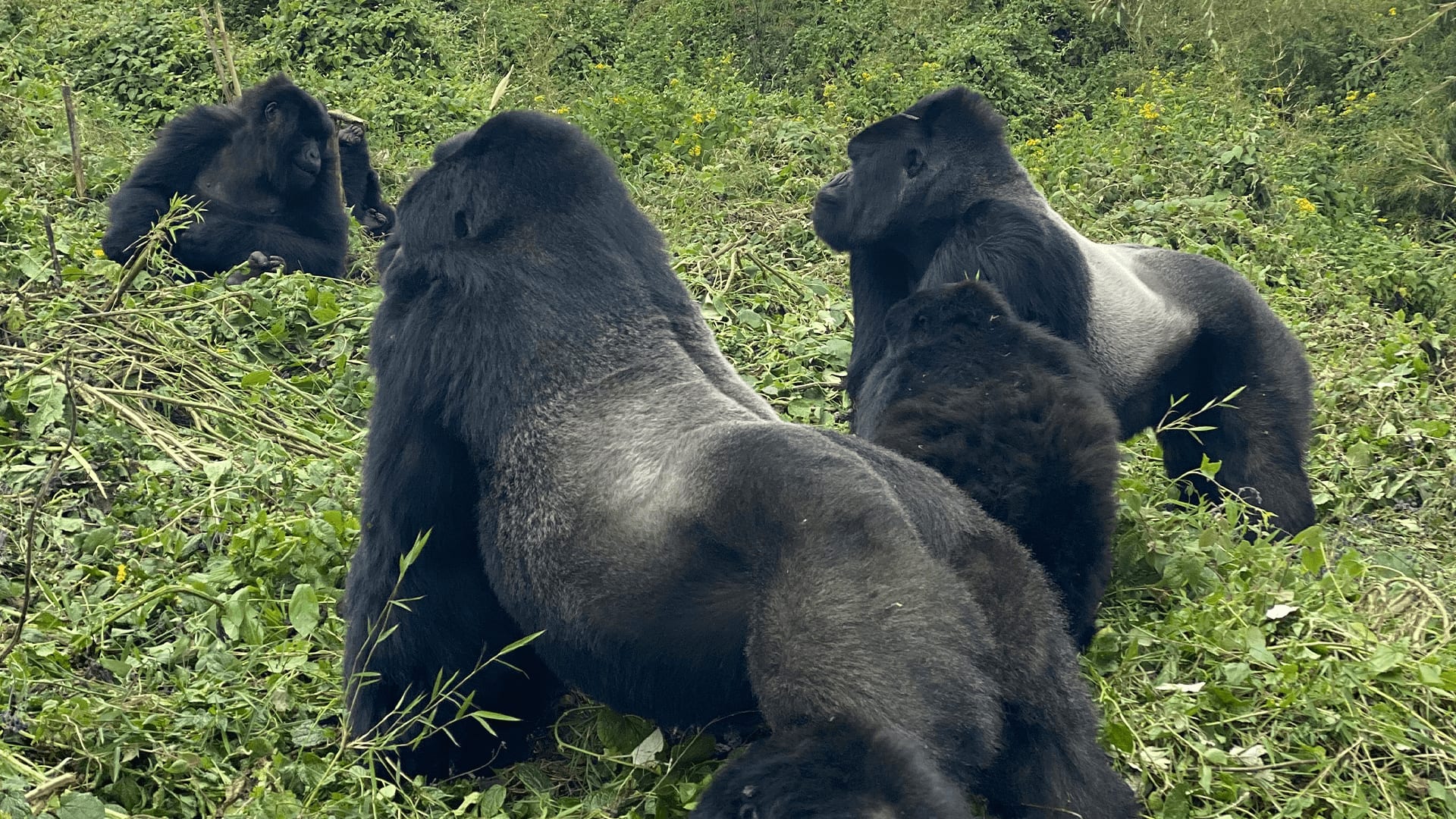
Every strong safari package needs an anchor experience. In Uganda, the leading anchor is usually gorilla trekking. This is not a quick wildlife stop. It requires a specific permit, a minimum age of 15 years, good health, an early briefing, ranger allocation, and enough itinerary space to reach the correct trekking sector.
Other Uganda anchors include chimpanzee tracking in Kibale, rhino tracking at Ziwa Rhino Sanctuary, game drives in Murchison Falls, tree-climbing lions in Ishasha, and boat safaris on the Kazinga Channel or Victoria Nile. A package becomes stronger when it combines these experiences without forcing unrealistic travel days.
For travelers comparing options, ask this simple question: what is the package really built around? If the answer is vague, the itinerary may be generic.
Plan Your Uganda Safari with Local Experts
 WhatsApp Us
Price transparency
A safari quote should clearly separate permits, accommodation, transport, guide services, park fees, meals, and optional activities. Uganda’s permit-based experiences make this especially important because gorilla and chimpanzee permits are substantial costs and are often paid in advance.
The same principle applies in any high-value service: clear scope, honest diagnosis, and upfront pricing are easier to trust than vague promises. For example, homeowners evaluating professional services often look for licensed experts with upfront pricing because transparency reduces uncertainty. Safari planning is different in setting, but the decision logic is similar. You want to know what you are paying for, what is excluded, and what happens if logistics change.
With PawMac Safaris, custom Uganda safari planning is built around matching your budget and travel style to the right route, rather than forcing every traveler into the same template.
Logistics quality
Uganda’s geography rewards good planning. It also punishes rushed planning. Entebbe to Murchison Falls can work well as a first major safari leg, especially with Ziwa Rhino Sanctuary en route. Kibale connects naturally with Queen Elizabeth National Park. Queen Elizabeth links well to Bwindi if the gorilla permit sector is correctly matched to the lodge and route.
A weak package may put a traveler in the wrong Bwindi sector, underestimate transfer times, or schedule a long road transfer immediately before a physically demanding gorilla trek. A strong package uses comfortable 4×4 vehicles, practical rest stops, well-timed activities, and sector-specific accommodation.
Conservation value
Uganda’s best wildlife experiences are regulated for a reason. Gorilla trekking permits help fund conservation management, ranger operations, habitat protection, and community benefit mechanisms around Bwindi and Mgahinga. Chimpanzee and park fees also support protected area management.
A cheaper package is not automatically better if it avoids regulated experiences, cuts local guiding quality, or treats conservation rules as optional. Ethical safari value comes from responsible access, not from getting as close as possible at any cost.
Uganda safari package types at a glance
The table below gives practical 2026 planning ranges for common Uganda-focused safari packages. Prices vary by group size, season, accommodation level, vehicle type, domestic flights, and permit availability. Use these as planning estimates, not fixed quotes.
| Uganda package style | Typical length | Best for | Key experiences | Estimated 2026 budget per person |
|---|---|---|---|---|
| Short gorilla trek | 3 days | Time-limited travelers | Bwindi or Mgahinga gorilla trekking | USD 1,200 to 3,500 |
| Gorilla plus scenic extension | 4 to 5 days | First-time visitors wanting a softer pace | Gorilla trekking, Lake Bunyonyi or cultural visit | USD 1,600 to 4,200 |
| Primate-focused safari | 5 to 7 days | Gorilla and chimpanzee travelers | Bwindi or Mgahinga, Kibale chimp tracking | USD 2,100 to 5,500 |
| Wildlife and gorilla circuit | 7 to 10 days | Balanced safari travelers | Gorillas, Queen Elizabeth, boat safari, optional Kibale | USD 2,800 to 7,500 |
| Big Five plus gorillas | 9 to 12 days | Wildlife checklist travelers | Ziwa rhinos, Murchison Falls, Queen Elizabeth, Bwindi | USD 3,800 to 9,500 |
| Pearl of Africa route | 12 to 14 days | Immersive travelers | Gorillas, chimps, Big Five route, boats, culture, landscapes | USD 4,800 to 12,000+ |
| Luxury fly-in safari | 6 to 10 days | Premium travelers with limited time | Domestic flights, high-end lodges, private guiding, primates | USD 7,500 to 18,000+ |
| Family safari package | 6 to 10 days | Families with mixed ages | Game drives, boat safaris, culture, age-appropriate activities | USD 2,500 to 8,000+ |
The biggest difference between these packages is not just the number of days. It is how much high-value wildlife access is included. A 3-day gorilla trek may cost more than a longer non-primate trip because the gorilla permit alone is a major cost. A 10-day itinerary may offer better value per day because transport, guide time, and route planning are spread across more experiences.
Key Uganda safari costs to understand before comparing quotes
Uganda safari pricing is easier to understand when you break it into major cost drivers. The most important are permits, accommodation, transport, park fees, guiding, meals, and optional activities.
Permit and activity costs
Gorilla trekking is the most significant single activity cost for many Uganda safari packages. For 2026 planning, foreign non-resident gorilla trekking permits are commonly budgeted at USD 800 per person. The Gorilla Habituation Experience, where available, is a premium option and is typically much more expensive than a standard trek.
Chimpanzee tracking in Kibale is another important permit cost, commonly budgeted around USD 250 per foreign non-resident for standard tracking. Other chimpanzee locations and activities may differ, so the exact cost should always be confirmed when your itinerary is built.
| Cost item | Why it matters | Planning note |
|---|---|---|
| Gorilla trekking permit | Major cost and limited availability | Book early, especially for June to September and December to February |
| Chimpanzee tracking permit | Key primate experience, especially in Kibale | Match timing with the rest of the western Uganda route |
| Park entry fees | Apply to protected area visits | Budget per park and per day where applicable |
| Boat safaris | Essential in Murchison Falls and Queen Elizabeth | Often scheduled for afternoon wildlife viewing or birding |
| Rhino tracking | Required for a complete Uganda Big Five route | Usually planned en route to or from Murchison Falls |
| Porter support | Highly recommended for gorilla trekking | Helps trekkers and supports local income |
A quote that includes permits will naturally look higher than one that excludes them. Always compare like for like. If one package includes gorilla and chimpanzee permits and another excludes them, the cheaper quote may not be cheaper at all.
Accommodation tiers
Uganda has a wide range of safari accommodation, from simple guesthouses and community lodges to boutique mid-range properties and premium lodges near key wildlife areas. The best choice depends on comfort expectations, route, and the specific experience you are prioritizing.
Budget travelers may use simpler lodges near park gates, often focusing on clean rooms, good food, and practical access. Mid-range travelers usually choose better locations, improved comfort, and stronger service standards. Luxury travelers may prioritize views, privacy, fine dining, spa-style comfort, private decks, and seamless lodge-to-activity logistics.
As a practical 2026 guide, budget accommodations may fall around USD 40 to 120 per person per night, mid-range lodges often range from USD 150 to 350, and luxury safari lodges can range from USD 450 to 1,500+ per person per night depending on location and season.

Transport and vehicle standards
Transport is one of the most underestimated cost factors in Uganda. Distances are manageable, but roads vary by region and season. A well-maintained 4×4 safari vehicle with an experienced local driver-guide is not just a comfort feature. It protects your timing, safety, luggage, photography access, and ability to reach remote lodges or trailheads.
Private 4×4 safari vehicle costs can vary widely depending on fuel, route, vehicle type, and guide requirements. For multi-day guided safaris, vehicle and guide costs are usually built into the package, which makes direct comparison difficult unless the operator gives a clear inclusion list.
PawMac Safaris uses comfortable 4×4 vehicles and expert local guides to support Uganda routes that involve national parks, forest trailheads, rural roads, and time-sensitive permit activities.
How to choose the right Uganda safari package by travel goal
The best package is the one that matches your primary reason for visiting Uganda. If you try to do everything in too few days, you risk turning a premium safari into a rushed road trip.
| Your main goal | Best Uganda package focus | Recommended length | Why this works |
|---|---|---|---|
| See mountain gorillas | Bwindi or Mgahinga gorilla trek | 3 to 5 days | Keeps the itinerary focused and protects the trekking day |
| Combine gorillas and chimps | Bwindi or Mgahinga plus Kibale | 5 to 7 days | Connects Uganda’s two strongest primate experiences |
| See the Big Five | Ziwa, Murchison Falls, Queen Elizabeth | 7 to 10 days | Builds a realistic route for rhinos, lions, elephants, buffalo, and leopards |
| Add gorillas to classic wildlife | Queen Elizabeth or Murchison plus Bwindi | 7 to 10 days | Balances savanna and rainforest without overloading the route |
| Travel in premium comfort | Fly-in or high-end lodge itinerary | 6 to 10 days | Reduces road time and increases lodge comfort |
| Travel with children | Game drives, boats, culture, gentle pacing | 6 to 10 days | Avoids overly strenuous days and respects age limits for primates |
| Photograph wildlife | Primates, boats, savanna, specialist pacing | 8 to 12 days | Allows better light, repeat drives, and slower field time |
For many travelers, the most rewarding choice is a 7 to 10 day Uganda safari combining gorilla trekking, chimpanzee tracking, Queen Elizabeth National Park, and a boat safari. Those with 12 to 14 days can add Murchison Falls, Ziwa Rhino Sanctuary, Lake Mburo, Kidepo Valley, Jinja, or cultural extensions depending on budget and interests.
For deeper route planning, see PawMac Safaris’ guide to Uganda safari itineraries, options, costs, and experiences.
Short Uganda packages: when 3 to 5 days make sense
Short packages work best when the goal is clear. A 3-day gorilla trekking safari is ideal for travelers who mainly want to see mountain gorillas and have limited time. The itinerary is usually tight, with long road transfers unless domestic flights are added. It can still be excellent, but it should not be marketed as a complete Uganda safari.
A 4 or 5-day package gives more breathing room. It may add Lake Bunyonyi, a cultural encounter, a second night near the forest, or a gentler transfer rhythm. This improves comfort and reduces the risk of fatigue before or after the trek.
Short packages are less suitable for travelers who want Big Five wildlife, chimpanzees, boat safaris, and gorillas in one journey. Trying to fit all of that into 5 days often creates poor value because the traveler pays for constant movement rather than quality time in each destination.
To understand the gorilla component in detail, explore PawMac Safaris’ complete Uganda gorilla trekking guide.
Mid-length packages: the strongest value for most travelers
For many first-time Uganda visitors, 7 to 10 days is the sweet spot. This length allows a proper western Uganda circuit, commonly including Kibale Forest, Queen Elizabeth National Park, and Bwindi or Mgahinga. It can also include Lake Bunyonyi or cultural visits depending on pace.
This type of package gives you Uganda’s signature contrast. One day you may be walking through rainforest listening for chimpanzee calls. Another day you may be watching elephants from a boat on the Kazinga Channel. Later in the trip, you may be trekking through Bwindi’s steep vegetation for a one-hour encounter with mountain gorillas.
Mid-length packages also give guides more room to adapt. Weather, wildlife movement, road conditions, and guest energy levels all affect safari flow. A slightly longer itinerary lets the guide protect the core experiences without making every day feel pressured.
Longer packages: when 10 to 14 days deliver premium depth
Longer Uganda safari packages are ideal for travelers who want depth rather than a quick highlight reel. With 10 to 14 days, you can build a route that includes Ziwa Rhino Sanctuary, Murchison Falls, Kibale, Queen Elizabeth, Bwindi, Lake Mburo, and optional cultural or adventure stops.
This is where Uganda becomes especially compelling compared with generic Africa safari packages. You can track rhinos on foot, cruise the Nile near Murchison Falls, search for lions and leopards on game drives, follow chimpanzees in Kibale, stand near the source region of the Nile, and trek to mountain gorillas in the same country.
For premium travelers, a longer itinerary also improves lodge selection. Instead of choosing lodges only because they fit a rushed route, you can select properties for views, guiding access, cuisine, privacy, and recovery time between major activities.
Seasonality: why timing affects both experience and cost
Uganda is a year-round safari destination, but seasons influence trekking conditions, game viewing, road comfort, and lodge availability. The drier months of December to February and June to September are popular because forest trails are generally more manageable and savanna wildlife viewing can be easier around water sources.
The wetter months, especially March to May and October to November, can bring lush landscapes, dramatic skies, stronger birding opportunities, and sometimes better value. However, trails can be muddy, roads may require more flexibility, and travelers should pack carefully for rain.
Peak season usually requires earlier planning, especially for gorilla permits and high-demand lodges. If you are traveling during June, July, August, September, December, or early January, start planning 6 to 12 months ahead when possible. Shoulder and low-season travel can work well for flexible travelers, photographers, and those looking for stronger value.
For a month-by-month breakdown, see PawMac Safaris’ guide to the best time to visit Uganda for safari and gorilla trekking.
Red flags when comparing safari package quotes
A safari package can look attractive online and still fail in the details. Before confirming any Uganda itinerary, check for signs that the quote may be incomplete or poorly planned.
- The package does not clearly state whether gorilla or chimpanzee permits are included.
- The Bwindi trekking sector is not matched to the lodge location.
- Transfer times sound unrealistically short for Uganda road conditions.
- The itinerary includes too many parks in too few days.
- The vehicle type and guide arrangement are unclear.
- Park fees, boat safaris, and activity charges are listed vaguely.
- The operator cannot explain what happens if permits are unavailable for your preferred date.
- The quote focuses on luxury language but gives little detail about route logic.
Good safari planning is specific. You should know where you sleep, why that location was chosen, which activities are confirmed, how long transfers are likely to take, and what costs remain outside the package.
Budget, mid-range, and luxury: which level is right?
Budget Uganda safari packages are best for travelers who value wildlife access over lodge luxury. They can be excellent when planned carefully, especially for gorilla trekking, where the permit cost is the same regardless of whether you sleep in a simple guesthouse or a premium lodge. The main trade-offs are room comfort, food variety, views, and sometimes driving distances to activity starting points.
Mid-range packages are often the best balance. They typically improve lodge location, meal quality, room comfort, and pacing without pushing the trip into high-end pricing. Many couples, solo travelers, photographers, and small groups find mid-range safaris ideal for Uganda because funds can be directed toward permits and key activities.
Luxury Uganda safari packages are about comfort, privacy, time efficiency, and premium guiding. They may include high-end lodges, private vehicles, domestic flights, upgraded rooms, exclusive experiences, and more flexible pacing. Luxury is especially valuable for honeymooners, senior travelers, families seeking comfort, and guests who want to reduce long road transfers.
The right choice depends less on labels and more on priorities. If gorillas are the dream, protect the permit and sector logistics first. If comfort matters most, invest in lodge location and pacing. If photography matters, spend on guide quality, extra nights, and better timing rather than only on lodge aesthetics.
Why Uganda can be the smarter safari package choice
Uganda is not simply an alternative to a classic safari. It is a destination with its own logic. It is especially strong for travelers who want a safari that feels varied, active, and personal.
A Uganda package can deliver rainforest and savanna in one itinerary. It can combine rare primates with Big Five mammals. It can include boat safaris, cultural visits, crater lakes, mountain views, and remote wilderness. It also offers a strong conservation connection because high-value permits directly support regulated wildlife protection and community-linked tourism systems.
For travelers comparing Africa safari packages, Uganda often stands out in four areas: primate access, itinerary diversity, lower crowd pressure in many areas, and the ability to build a custom route around specific interests. Instead of choosing a one-style safari, you can build a multi-layered journey.
How PawMac Safaris helps you compare and customize
PawMac Safaris specializes in Uganda safari planning with expert local knowledge, professional guiding, comfortable 4×4 vehicles, and flexible package design. The goal is not to sell every traveler the same route. It is to match your available time, budget, fitness level, accommodation preference, and wildlife priorities to the right Uganda itinerary.
That may mean a short gorilla trekking package, a 7-day primate and wildlife circuit, a Big Five route through Ziwa and Murchison Falls, a luxury fly-in safari, a family-friendly itinerary, or a longer Pearl of Africa journey with culture and adventure built in.
Local planning matters because Uganda safaris depend on details: permit timing, sector selection, lodge placement, road conditions, activity sequencing, and guide judgment in the field. When these pieces are coordinated well, the safari feels smooth, personal, and far more rewarding.
Frequently Asked Questions
Are Uganda safari packages cheaper than other Africa safari packages? Uganda can offer strong value, especially because it combines gorilla trekking, chimpanzee tracking, Big Five routes, boat safaris, and cultural experiences in one country. However, gorilla permits add a major cost, so the best comparison is based on included experiences rather than headline price alone.
How much should I budget for a Uganda safari in 2026? A short gorilla trek may start around USD 1,200 to 3,500 per person depending on comfort level. A balanced 7 to 10 day safari often ranges from about USD 2,800 to 7,500 per person. Luxury and fly-in safaris can exceed USD 10,000 per person.
Is the USD 800 gorilla permit included in safari packages? It depends on the operator and quote. Many well-structured packages include the gorilla permit, but some quotes exclude it to look cheaper. Always confirm whether permits are included before comparing prices.
What is the best Uganda safari package for first-time visitors? Most first-time travelers do well with a 7 to 10 day itinerary combining gorilla trekking, chimpanzee tracking, Queen Elizabeth National Park, and a boat safari. If time allows, adding Murchison Falls and Ziwa Rhino Sanctuary creates a stronger Big Five and Nile experience.
Can Uganda deliver a Big Five safari? Yes, but rhinos are typically tracked at Ziwa Rhino Sanctuary rather than inside Uganda’s main national parks. A strong Big Five route usually combines Ziwa, Murchison Falls, Queen Elizabeth, and sometimes Kidepo Valley depending on time and budget.
When should I book a Uganda safari for peak season? For June to September and December to February, it is wise to begin planning 6 to 12 months ahead, especially if gorilla trekking is included. Permits and well-located lodges can sell out early.
Plan your Uganda safari with local experts
Comparing Africa safari packages becomes much clearer when you view the options through Uganda’s strengths: gorilla trekking, chimpanzees, Big Five routes, Nile boat safaris, cultural depth, and flexible private planning.
If you want a package that fits your dates, budget, comfort level, and wildlife priorities, PawMac Safaris can help design a tailored Uganda safari with expert local guides, coordinated permits, comfortable 4×4 vehicles, and practical route planning from arrival to departure.
Start with your dream experience, then let PawMac Safaris build the Uganda itinerary around it.


