


- 90 Views
- 12 Min Read
- (0) Comment
TL;DR:
- Uganda offers flexible, value-rich safaris that are 40-60% cheaper than Rwanda, with diverse experiences for all travelers. A well-planned itinerary includes key components like destination sequence, activities, accommodations, transport, and permits to maximize wildlife and cultural encounters. Customizable safaris blending wildlife, gorilla trekking, and community visits provide meaningful, memorable adventures tailored to individual interests.
Planning a Uganda safari can feel overwhelming, especially when you assume every itinerary is locked into a rigid, expensive structure. That assumption stops many travelers before they even start researching. The truth? Uganda offers remarkable flexibility and value, with safaris 40-60% cheaper than comparable Rwanda experiences. From mist-shrouded rainforests where mountain gorillas roam to the roaring waters of Murchison Falls, Uganda’s Pearl of Africa has something for every style of traveler. This guide breaks down exactly what a safari itinerary is, what it costs, and how to shape one that fits your goals perfectly.
Table of Contents
- What is a safari itinerary?
- Types of Uganda safari itineraries
- Decoding safari costs and permits in Uganda
- Building your perfect safari: Customization and cultural immersion
- Why most travelers underestimate Uganda safari versatility
- Ready to plan your Uganda safari?
- Frequently asked questions
Key Takeaways
| Point | Details |
|---|---|
| Safari itinerary defined | A safari itinerary is a structured plan covering destinations, activities, timing, and logistics for your adventure. |
| Uganda’s cost advantage | Safari experiences in Uganda are up to 60% cheaper than Rwanda and offer excellent value for permits and tours. |
| Variety of options | You can choose wildlife safaris, gorilla trekking, cultural immersions, or combine them for a richer experience. |
| Customization potential | Travelers can tailor their Uganda safari itinerary to match their unique interests and maximize immersion. |
| Permits and planning | Permits are key cost drivers, so plan ahead for both wildlife and gorilla activities to get the best value. |
What is a safari itinerary?
A safari itinerary is essentially your detailed travel blueprint. It maps out every day of your trip, from the moment you arrive at Entebbe International Airport to your final game drive or gorilla trek. It is not just a list of places to visit. A well-built itinerary includes specific activities scheduled at optimal times, accommodation options at each destination, transport logistics, permit bookings, and meal plans.
Think of it this way: you would not road-trip across a new country without directions. A safari itinerary serves the same purpose, only it also accounts for wildlife migration patterns, park regulations, trekking group sizes, and weather windows. Uganda’s diverse terrain makes this planning especially important.
Key components of a Uganda safari itinerary typically include:
- Destination sequence: The order in which you visit parks such as Bwindi Impenetrable Forest, Queen Elizabeth National Park, Murchison Falls, and Mgahinga Gorilla National Park
- Activity schedule: Gorilla trekking, game drives, chimpanzee habituation, boat cruises, and bird watching, each booked at specific times
- Accommodation type: Budget campsites, midrange lodges, or luxury eco-resorts, selected to match your budget and comfort level
- Transport arrangements: 4WD safari vehicles, domestic flights, or a combination of both
- Permit details: Booking confirmation numbers and dates for gorilla trekking permits or chimpanzee permits
- Buffer days: Strategic rest days or flexible slots built in to account for delays or spontaneous side trips
Uganda offers diverse safari options that range from gorilla trekking to full Big Five wildlife experiences. Considering how varied the experiences are across African safari destinations, having a structured itinerary ensures you do not miss prime opportunities due to poor timing or logistics gaps.
Pro Tip: Always book gorilla trekking permits at least three to six months in advance. Permits are the single biggest scheduling constraint in any Uganda safari itinerary, and availability fills fast during peak seasons from June to September and December to February.
Types of Uganda safari itineraries
Uganda offers several distinct itinerary styles, each shaped by a traveler’s primary interests, budget, and available time. Understanding these categories helps you make smarter choices before committing to any package.
Classic wildlife safari
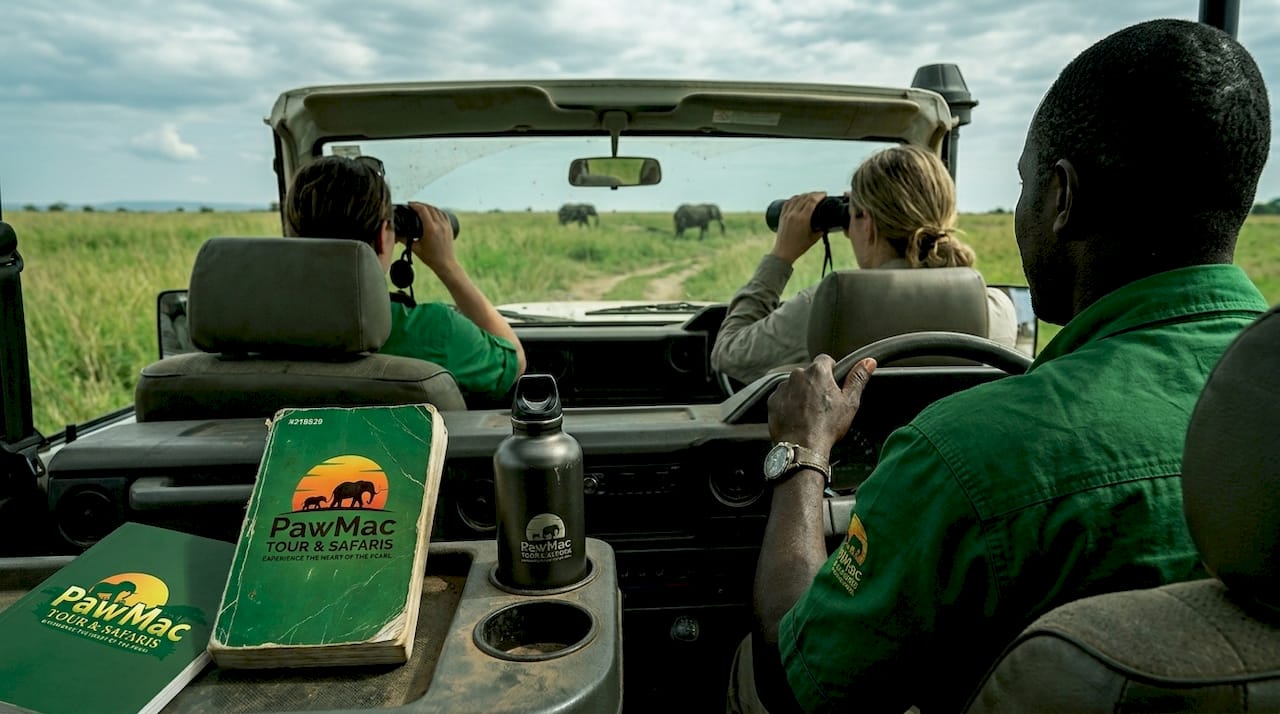
This itinerary centers on Uganda’s national parks and focuses on game drives, boat safaris, and bird watching. Queen Elizabeth National Park is the crown jewel here, home to lions, leopards, elephants, hippos, and the famous tree-climbing lions of the Ishasha sector. Murchison Falls National Park adds the drama of the Nile and big game sightings to the mix. A classic wildlife safari typically runs five to ten days.
Gorilla trekking experience
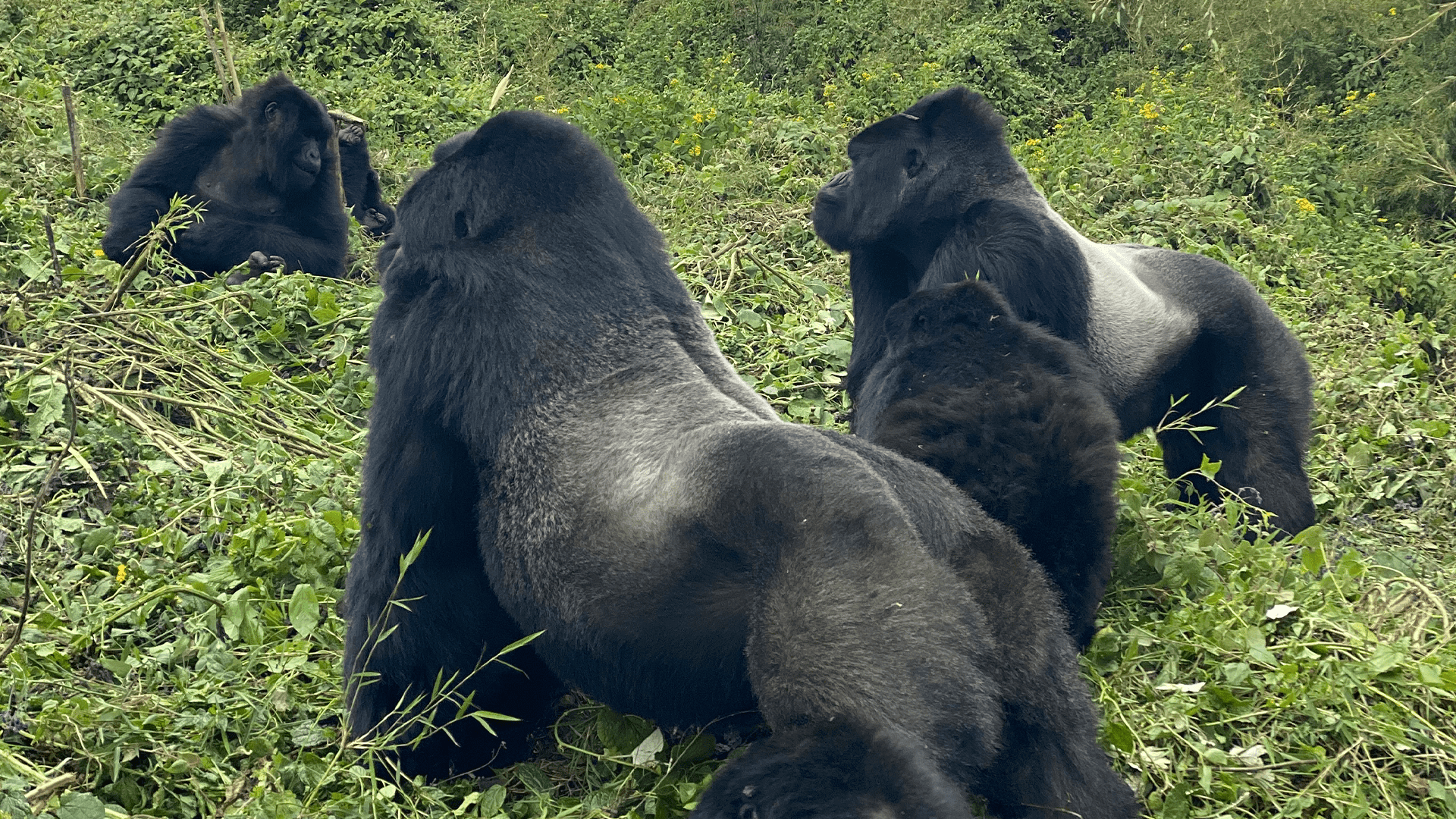
Gorilla trekking is Uganda’s flagship attraction, and many itineraries are built entirely around a single trek into Bwindi Impenetrable Forest or Mgahinga. Trekking requires a valid permit, physical readiness for steep jungle terrain, and ideally a full day of recovery time before or after. A focused gorilla trekking experiences itinerary can be as short as three days from Kampala, though five to seven days allows for a more relaxed journey.
Plan Your Uganda Safari with Local Experts
 WhatsApp Us
Combined wildlife and gorilla itinerary
This is the most popular choice for international travelers. It pairs a gorilla trek at Bwindi with game drives through Queen Elizabeth or Murchison Falls, often including a chimp trek at Kibale Forest. This style gives travelers the best of both worlds and typically spans seven to twelve days.
Cultural immersion safari
Uganda’s cultural richness is often overshadowed by its wildlife. Itineraries that prioritize community visits, traditional dances, village walks, and Batwa pygmy cultural experiences offer a depth that many travelers find profoundly moving. These trips often pair with wildlife or gorilla experiences and work well for travelers seeking more than just animal sightings.
Itinerary comparison at a glance:
| Itinerary Type | Typical Duration | Key Highlight | Best For |
|---|---|---|---|
| Classic wildlife safari | 5-10 days | Game drives, Murchison Falls | Wildlife photographers |
| Gorilla trekking focus | 3-5 days | Mountain gorilla encounter | First-time Uganda visitors |
| Combined wildlife and gorilla | 7-12 days | Gorillas plus Big Five | International travelers |
| Cultural immersion safari | 4-8 days | Village visits, Batwa culture | Experience-focused travelers |
| Full Uganda experience | 10-14 days | All of the above | Return visitors, luxury travelers |
Cost varies significantly by type. A budget 3-day gorilla safari runs $1,050 to $1,950 per person, midrange options sit around $450 or more per person per day, and luxury packages exceed $3,000 for a short trip. Reviewing Uganda safari costs in detail helps you set a realistic budget before choosing your style. For those watching their spending, the budget safari planning guide is a strong starting point.
Decoding safari costs and permits in Uganda
Cost confusion is one of the biggest barriers for first-time Uganda safari planners. Many travelers either overestimate the total spend or underestimate specific line items like permits and transport. Breaking costs down into clear categories removes the guesswork.
Typical cost structure for a Uganda safari:
| Cost Category | Budget Range (USD) | Notes |
|---|---|---|
| Gorilla trekking permit | $800 | Per person, per trek |
| Chimpanzee permit | $150-$200 | Per person at Kibale |
| Daily accommodation | $50-$500+ | Depends on lodge tier |
| Safari vehicle and driver | $120-$200/day | Group cost, usually shared |
| Park entry fees | $40-$60/day | Per person per park |
| Meals and beverages | $30-$100/day | Varies by lodging type |
| Domestic flights | $100-$250 one way | Saves 6-8 hours of road travel |
Midrange total costs for Uganda safari sit at $450 or more per person per day when permits, accommodation, transport, and meals are combined. That figure sounds high at a glance, but it covers a lot.
Here are four practical strategies to optimize your safari investment:
- Travel in the low season. April, May, and November offer lower lodge rates and less competition for permits, though trails can be muddier.
- Book permits early. Last-minute permits are rarely available. Booking six months ahead locks in your date and often secures better lodge rates.
- Choose shared group departures. Joining a small group safari reduces per-person vehicle and guide costs significantly.
- Bundle parks into a single trip. Driving between Bwindi, Queen Elizabeth, and Kibale in one continuous loop cuts costs versus separate trips.
Reviewing detailed Uganda safari pricing by park and activity helps you allocate your budget smarter. Those who want full control over their spend can work directly with experts to create a custom Uganda safari tailored to their budget. For wildlife-focused travelers, the Big Five safari cost guide offers specific park-by-park breakdowns.
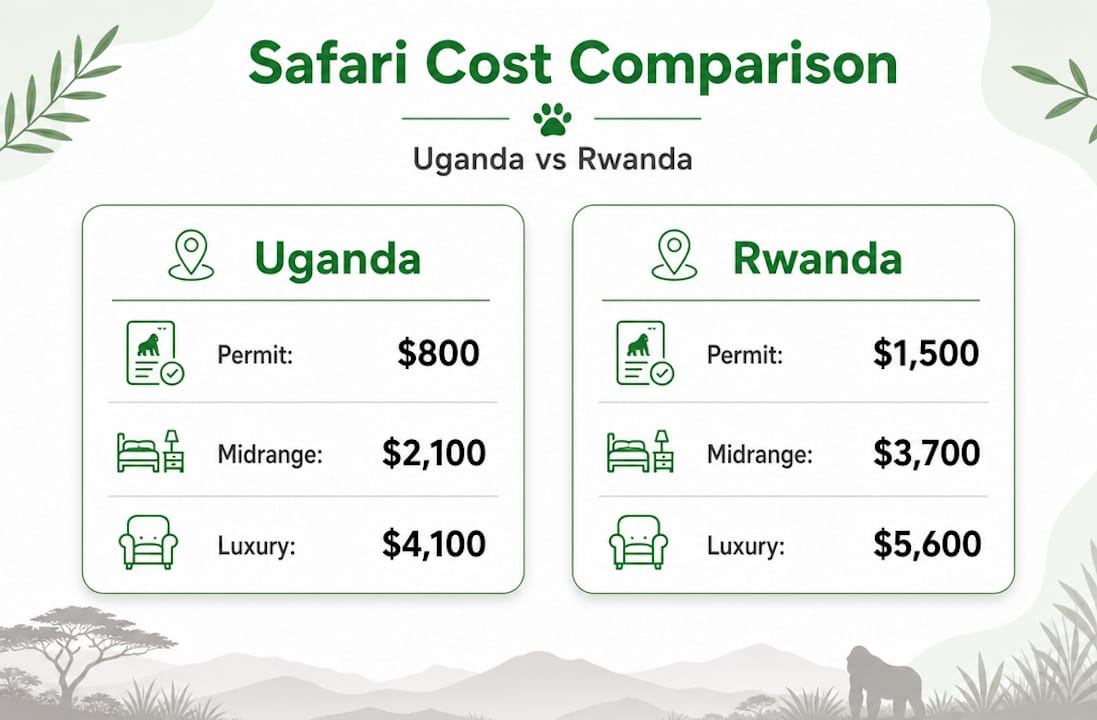
Pro Tip: Uganda’s gorilla permit at $800 is significantly more affordable than Rwanda’s $1,500 fee. If budget is a priority but a gorilla encounter is non-negotiable, Uganda is the logical choice without compromising the quality of the experience.
Uganda’s value advantage is real and meaningful. When you factor in the permit cost difference, lower accommodation rates, and competitive guide fees, a full 10-day Uganda safari can deliver more diverse experiences for less total spend than a shorter trip elsewhere in East Africa.
Building your perfect safari: Customization and cultural immersion
Cost and structure are only part of the picture. The most memorable safaris are shaped by thoughtful personalization, local insight, and a willingness to step beyond the standard wildlife checklist. Uganda makes this easy because of how much variety exists within relatively short distances.
It is genuinely possible to customize itineraries to blend wildlife viewing, gorilla trekking, and cultural activities in ways that reflect your specific travel style. A family traveling with teenagers might prioritize shorter treks and boat safaris. A solo traveler passionate about primatology might want to combine gorilla trekking with a chimpanzee habituation experience in Kibale Forest, which spans six hours deep inside the forest alongside researchers and a habituated chimp community.
Options for personalizing your Uganda safari:
- Add a Batwa cultural experience near Bwindi or Mgahinga to learn about the indigenous Batwa people’s deep historical connection to the forest
- Visit local fishing communities on Lake Bunyonyi or Lake Edward for authentic lakeside culture and traditional boat rides
- Include a Nile source tour at Jinja, where white-water rafting and kayaking add an adventure element for active travelers
- Schedule birding-specific early mornings in Bwindi or Queen Elizabeth, both of which are among Africa’s top birding destinations with over 600 species recorded
- Arrange community homestays near Fort Portal to experience daily Ugandan rural life, cooking, and storytelling
“The best Uganda safari is not the one with the longest animal list. It is the one where you come home having understood something new about people, land, and connection.” This mindset is what separates a great itinerary from a truly transformative one.
Understanding Uganda safari terminology helps travelers communicate clearly with their guides and operators. When you speak the same language as your guide, you ask better questions and get more out of every experience. Detailed guidance on how to book gorilla trekking walks you through the permit process step by step, which is essential for any itinerary that includes Bwindi or Mgahinga. Working with a tailor-made Uganda safari specialist means your route, timing, and cultural touchpoints are shaped around your actual interests, not a one-size-fits-all template.
Why most travelers underestimate Uganda safari versatility
Most travel guides present Uganda safaris in one of two ways: as a gorilla trekking trip or as a traditional game drive experience. That framing does travelers a real disservice. Uganda is genuinely one of the most multi-layered safari destinations in Africa, and reducing it to a single category misses the point entirely.
From our own experience working with travelers across dozens of different itineraries, the most consistent feedback we receive is surprise. Travelers arrive expecting a focused wildlife trip and leave having experienced dense tropical forests, open savanna, crater lakes, Nile landscapes, and mountain scenery all within one journey. That range is rare on any continent.
There is also a persistent misconception that Uganda safaris are rigid. In practice, Uganda’s road network, park proximity, and the range of habituated gorilla families across multiple sectors in Bwindi mean itineraries can be adapted even during a trip. Rain changes plans. A family might lose a permit date to illness. Operators with genuine local knowledge can often pivot quickly and still deliver an exceptional experience.
The travelers who get the most from Uganda are the ones who blend activities intentionally. Pairing gorilla trekking with a community walk, or a game drive with a night at a lakeside camp, creates the kind of travel story that is genuinely hard to replicate. The African safari variety available across East Africa is impressive, but Uganda’s combination of primates, big game, waterways, and culture in a compact geography is unique.
Safari planning should not feel like choosing between wildlife and culture. In Uganda, those two things are inseparable. The forest communities, the park rangers, the local guides, the village cooks, all of them are part of the experience. The itinerary that recognizes this distinction will always deliver more than the one that treats Uganda as a backdrop for animal photographs.
Ready to plan your Uganda safari?
Whether you are drawn to mist-shrouded gorilla forests or the sweeping savannas of Murchison Falls, Uganda has an itinerary that fits your vision and your budget. PawMac Safaris specializes in turning that vision into a detailed, expertly guided journey across the Pearl of Africa.

Explore the full range of Uganda wildlife tours and discover how each park and activity can be woven into your ideal trip. Whether you are chasing your first gorilla encounter or planning a return journey with deeper cultural immersion, the gorilla trekking packages and customizable options available through PawMac Safaris deliver local expertise and personalized service at every step. Start exploring your Uganda safari tours today and let Uganda’s extraordinary landscapes do the rest.
Frequently asked questions
What is typically included in a Uganda safari itinerary?
A Uganda safari itinerary usually covers wildlife viewing, gorilla trekking permits and activities, guided tours, meals, and accommodations, with specific inclusions varying by operator and package tier.
How much does a safari itinerary in Uganda cost compared to Rwanda?
Uganda itineraries are 40-60% cheaper than Rwanda, with gorilla permits priced at $800 in Uganda compared to $1,500 in Rwanda, making it the stronger value choice for budget-conscious travelers.
Can I customize my safari itinerary to include both wildlife and cultural experiences?
Yes, most reputable operators offer customizable Uganda safaris that combine wildlife, gorilla trekking, and cultural encounters, all adjusted to match your route preferences and travel schedule.
How many days should I plan for a complete Uganda safari experience?
A gorilla-only trip needs as few as three days, but a 10-day midrange safari is recommended to comfortably include gorillas, big game, chimpanzees, and cultural experiences without rushing.
Recommended
- Uganda Safari Prices – Costs, Permits & Best Safari Packages
- Uganda Safari Guide: Gorilla Trekking, Wildlife & Planning
- Uganda vs Kenya safari: choosing the best wildlife destination
- 6 Days Uganda Safari & Lake Relax Experience | PawMac Safaris


