


- 123 Views
- 16 Min Read
- (0) Comment
Planning an Africa safari trip can feel overwhelming because the continent offers so many iconic wildlife experiences. The smartest way to simplify the decision is to start with Uganda, then build outward only if your time, budget, and travel style genuinely require it.
Uganda gives you an unusually complete safari foundation in one country: mountain gorilla trekking in Bwindi or Mgahinga, chimpanzee tracking in Kibale, Big Five wildlife routes through Ziwa Rhino Sanctuary, Murchison Falls, and Queen Elizabeth National Park, Nile boat safaris, rare tree-climbing lions, rich birdlife, and meaningful cultural encounters. For many travelers, Uganda is not just the beginning of an Africa safari trip. It becomes the main event.
This guide explains how to plan a Uganda-first safari with realistic 2026 logistics, permit costs, route design, seasonal advice, and budgeting insight so you can avoid rushed itineraries and expensive planning mistakes.
Why Start an Africa Safari Trip With Uganda?
Uganda is ideal as a starting point because it combines rainforest, savanna, wetlands, mountains, and major rivers within a relatively compact safari circuit. You do not have to choose between primates and classic wildlife. With the right route, you can track mountain gorillas, spend time with chimpanzees, look for lions and leopards on game drives, cruise past hippos and crocodiles, and visit communities that add human context to the landscapes you are exploring.
For first-time safari travelers, Uganda also offers a more intimate rhythm than heavily congested safari circuits elsewhere. Game drives in Murchison Falls, Queen Elizabeth, Lake Mburo, and Kidepo Valley can feel spacious and personal, especially when planned with experienced local guides who understand wildlife movement, road conditions, and park timing.
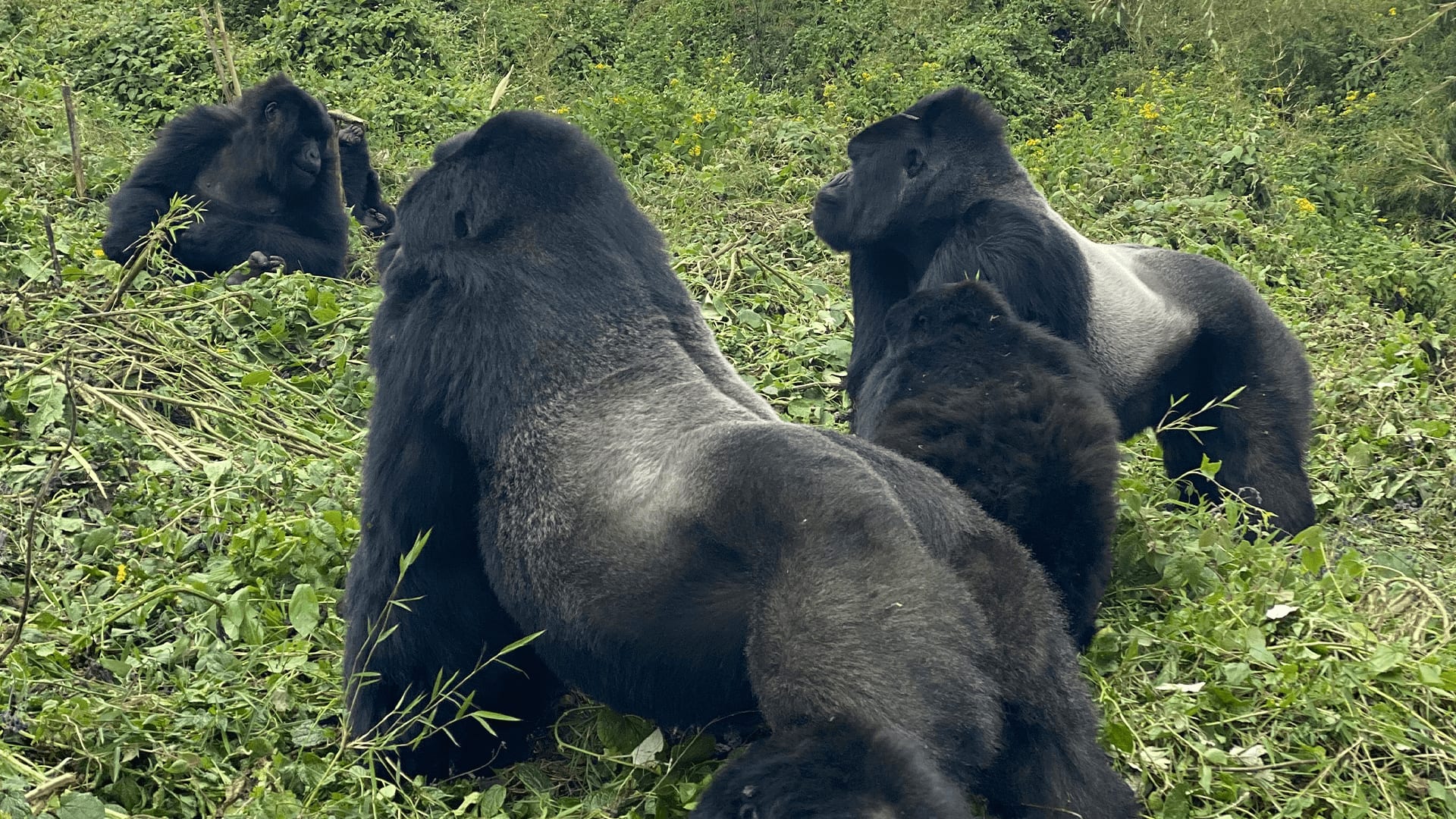
Uganda is especially strong if your dream safari includes gorillas. A 2026 Uganda gorilla trekking permit for foreign non-residents is generally budgeted at USD 800 per person, and permits are limited by sector and date. That permit cost becomes the anchor around which the rest of your itinerary should be built. If you are serious about gorilla trekking, start there, then add wildlife, chimpanzees, boats, culture, and adventure around it.
For deeper details on the gorilla experience itself, see PawMac Safaris’ guide to gorilla trekking in Uganda.
Step 1: Decide What Kind of Uganda Safari You Want
Before choosing parks, decide what success looks like for your trip. A traveler dreaming of mountain gorillas needs a different route from someone focused on photography, Big Five wildlife, family comfort, or luxury lodges.
Use the table below as a starting framework:
| Traveler priority | Best Uganda starting route | Recommended duration | Typical 2026 budget style |
|---|---|---|---|
| Gorilla trekking first | Entebbe, Bwindi or Mgahinga, Lake Bunyonyi or Lake Mburo | 4 to 6 days | From about USD 1,400 to USD 4,500+ per person |
| Primates and wildlife | Entebbe, Kibale, Queen Elizabeth, Bwindi | 7 to 10 days | About USD 2,800 to USD 7,000+ per person |
| Big Five and Nile safari | Entebbe, Ziwa, Murchison Falls, Queen Elizabeth | 6 to 9 days | About USD 2,200 to USD 6,500+ per person |
| Premium Uganda circuit | Murchison Falls, Kibale, Queen Elizabeth, Bwindi, optional Kidepo | 10 to 14 days | About USD 5,500 to USD 12,000+ per person |
| Family safari | Entebbe, Murchison Falls, Queen Elizabeth, Lake Mburo, optional Bwindi for adults or teens | 7 to 12 days | Varies widely by lodge type and room configuration |
| Photographer-focused safari | Murchison Falls, Kibale, Queen Elizabeth, Ishasha, Bwindi | 10 to 14 days | Higher budget due to private vehicle time and flexible pacing |
These ranges are broad because safari prices depend heavily on group size, season, accommodation level, vehicle type, domestic flights, and permit inclusions. A solo traveler in a private vehicle pays more per person than two or four guests sharing transport. A luxury lodge near Bwindi can cost several times more than a comfortable mid-range property.
The planning principle is simple: choose your non-negotiable experience first, then build a realistic route around it.
Plan Your Uganda Safari with Local Experts
 WhatsApp Us
Step 2: Choose Your Anchor Safari Experiences
A strong Uganda itinerary usually has one or two anchor experiences. Everything else should support them, not compete with them.
Gorilla trekking in Bwindi or Mgahinga
Gorilla trekking is Uganda’s signature safari experience. Treks take place in Bwindi Impenetrable National Park and Mgahinga Gorilla National Park, with Bwindi offering multiple trekking sectors such as Buhoma, Ruhija, Rushaga, and Nkuringo.
The most important planning detail is sector alignment. Your gorilla permit is tied to a specific date and sector, so your lodge and transport plan must match that sector. Staying near the wrong side of Bwindi can mean hours of rough pre-dawn driving, missed briefing times, or unnecessary fatigue before a physically demanding trek.
Plan to book gorilla permits 6 to 12 months ahead for peak travel periods, especially June to September and December to February. Last-minute permits can sometimes be available, but relying on luck is risky if gorilla trekking is the reason you are traveling.
Chimpanzee tracking in Kibale Forest
Kibale Forest is Uganda’s premier chimpanzee tracking destination and fits naturally between Murchison Falls or Queen Elizabeth National Park. For 2026 planning, foreign non-resident travelers commonly budget about USD 250 per person for Kibale chimpanzee tracking, subject to official tariff confirmation.
Chimpanzee tracking is different from gorilla trekking. It can be more vocal, fast-moving, and dynamic. You may hear chimps before you see them, then follow ranger instructions as the group moves through the forest. If you love primates, a Uganda itinerary that combines Kibale and Bwindi delivers one of the most complete primate safari experiences available anywhere.
Big Five wildlife routes
Uganda’s Big Five route requires smart sequencing. Rhinos are tracked at Ziwa Rhino Sanctuary, while lions, leopards, elephants, and buffalo are found in national parks such as Murchison Falls, Queen Elizabeth, and Kidepo Valley.
Murchison Falls is particularly strong for first-time visitors because it combines game drives, giraffes, elephants, buffalo, lions, and the powerful Nile boat cruise to the base of the falls. Queen Elizabeth adds the Kazinga Channel, varied landscapes, and the possibility of seeing tree-climbing lions in Ishasha.
If seeing all Big Five animals matters to you, do not skip Ziwa. It is the key stop that completes the rhino element of a Uganda Big Five safari.
Boat safaris and water-based wildlife
Uganda’s boat safaris are not filler activities. They are core wildlife experiences. The Nile boat cruise in Murchison Falls often brings you close to hippos, crocodiles, elephants, buffalo, and waterbirds. The Kazinga Channel cruise in Queen Elizabeth is one of Uganda’s best relaxed wildlife-viewing experiences, especially for photographers and families.
Boat safaris also give you a welcome change of pace after long drives and early game drives. A well-paced Uganda safari alternates active trekking days with boat cruises, scenic drives, and lodge downtime.
Step 3: Build the Route Around Uganda’s Geography
One of the biggest mistakes travelers make is planning a safari by looking at a map without understanding road conditions. Uganda is rewarding, but drive times can be long. A professional 4×4 safari vehicle and an experienced driver-guide make a major difference to comfort, timing, and safety.
Common route segments include:
| Route segment | Approximate road time | Planning note |
|---|---|---|
| Entebbe to Murchison Falls via Ziwa | 6 to 8 hours with stops | Good first wildlife route and rhino tracking opportunity |
| Murchison Falls to Kibale | 7 to 8+ hours | Best broken with an early start and realistic expectations |
| Kibale to Queen Elizabeth | 2 to 4 hours | One of the easier western Uganda transfers |
| Queen Elizabeth to Bwindi | 4 to 7 hours | Time depends heavily on sector and road conditions |
| Bwindi to Entebbe | 8 to 10+ hours | Consider Lake Bunyonyi, Lake Mburo, or a domestic flight to soften the return |
| Entebbe to Kidepo Valley by road | 10 to 12+ hours over multiple stages | Best for longer trips or travelers seeking remote wilderness |
If your international flight lands in Entebbe late in the day, do not schedule a long transfer immediately. Spend the night near Entebbe or Kampala, then begin your safari rested the next morning. For arrival logistics, PawMac Safaris has a practical Entebbe Airport transfers guide.
A classic 10-day Uganda-first route might look like this:
| Day | Route | Main experience |
|---|---|---|
| 1 | Arrive Entebbe | Rest, briefing, prepare documents |
| 2 | Entebbe to Ziwa and Murchison Falls | Rhino tracking and scenic transfer |
| 3 | Murchison Falls | Morning game drive and Nile boat safari |
| 4 | Murchison Falls to Kibale | Long transfer through western Uganda |
| 5 | Kibale | Chimpanzee tracking and Bigodi Wetland option |
| 6 | Kibale to Queen Elizabeth | Crater lakes, game drive, or Kazinga Channel |
| 7 | Queen Elizabeth to Ishasha and Bwindi | Tree-climbing lion search and forest approach |
| 8 | Bwindi | Gorilla trekking day |
| 9 | Bwindi to Lake Bunyonyi or Lake Mburo | Recovery, scenery, light activities |
| 10 | Return to Entebbe | Departure or extension |
This route works because it respects geography. It gives you primates, savanna wildlife, rhinos, river experiences, and scenic variety without trying to force too many distant parks into too few days.

Step 4: Choose the Best Season for Your Priorities
Uganda is a year-round safari destination, but seasons affect comfort, photography, trekking difficulty, road conditions, and pricing.
| Season | What to expect | Best for | Planning consideration |
|---|---|---|---|
| June to September | Drier trails, popular travel window, strong wildlife visibility | Gorilla trekking, families, classic wildlife | Book permits and lodges early |
| December to February | Warm, relatively dry, good wildlife viewing | Holiday travel, primates, photography | Premium lodges fill quickly |
| March to May | Greener landscapes, more rain, fewer crowds | Birding, value-focused travelers, lush photography | Some roads and forest trails can be muddy |
| October to November | Short rains, good birding, lower visitor pressure | Flexible travelers and photographers | Confirm road conditions and any permit promotions |
Dry seasons are usually the easiest for first-time safari travelers, but they are not automatically the best for everyone. Photographers may enjoy the green-season atmosphere, dramatic skies, and fewer vehicles. Budget-conscious travelers may find better lodge availability outside peak months.
If you are trying to save money, ask PawMac Safaris to confirm whether any valid low-season gorilla permit offers or lodge specials apply to your dates before you build the trip around a discount. Permit policies and promotional windows can change, so treat any reduced-rate permit information as something to verify before paying deposits.
For a more detailed seasonal breakdown, read PawMac Safaris’ guide to the best time to visit Uganda for safari and gorilla trekking.
Step 5: Budget for the Real Cost Drivers
The headline price of a safari can be misleading if you do not understand what is included. In Uganda, permits, private transport, fuel, lodge category, and routing have the biggest impact on cost.
For 2026 planning, use these estimates as a practical reference:
| Cost item | Typical planning range | Notes |
|---|---|---|
| Gorilla trekking permit | USD 800 per foreign non-resident | Required for each trek, limited availability |
| Gorilla Habituation Experience | About USD 1,500 per foreign non-resident | Longer, more immersive experience where available |
| Kibale chimpanzee tracking permit | About USD 250 per foreign non-resident | Confirm official tariff before booking |
| Golden monkey tracking in Mgahinga | Often around USD 100 per foreign non-resident | Useful add-on near Mgahinga |
| Rhino tracking at Ziwa | Often around USD 50 to USD 60 per person | Important for Big Five routes |
| Mid-range lodge | About USD 150 to USD 350 per person per night | Depends on location, season, and meal plan |
| Luxury lodge | About USD 400 to USD 1,200+ per person per night | Top gorilla lodges can exceed this in peak season |
| Private guided 4×4 vehicle | Often USD 180 to USD 300+ per vehicle per day when priced separately | Fuel, route length, and vehicle type matter |
| Domestic flights | About USD 250 to USD 450+ per leg | Useful for reducing long road transfers |
| Porter for gorilla trekking | Often USD 15 to USD 25+ before tip | Highly recommended, supports local livelihoods |
| Tips | Varies | Budget for guides, rangers, lodge staff, and porters |
A short 3-day gorilla trekking safari can start around USD 1,200 to USD 2,800 per person depending on accommodation and group size, with luxury versions costing more. A 7-day gorilla, chimpanzee, and wildlife safari often falls around USD 2,500 to USD 6,500 per person. A premium 10 to 14-day Uganda safari with high-end lodges, private guiding, and possible domestic flights can reach USD 5,500 to USD 12,000+ per person.
The least useful question is, “What is the cheapest safari?” The better question is, “What is included, and does the route protect the experiences I care about?” A low quote that ignores sector logistics, uses poor lodge placement, or underestimates transfer times can become expensive in stress, lost time, and missed opportunities.
For a more detailed cost breakdown, see the PawMac Safaris guide to Uganda safari prices.
Step 6: Book in the Right Order
A Uganda safari should not be booked randomly. The order matters because permits and lodge locations are connected.
Start with your travel dates and your anchor experience. If that anchor is gorilla trekking, check permit availability by sector before confirming lodges. Once your gorilla sector is secured, build the nights before and after around reasonable driving distances. Then add chimpanzee permits, park activities, boat cruises, cultural visits, and optional domestic flights.
A reliable 2026 booking timeline looks like this:
| Timeline before travel | What to secure |
|---|---|
| 9 to 12 months | Peak-season gorilla permits, luxury lodges, family rooms, photography-focused private vehicles |
| 6 to 9 months | Main safari route, chimpanzee permits, key lodges, domestic flights if needed |
| 3 to 6 months | Visa preparation, travel insurance, vaccinations, packing plan, special dietary requests |
| 1 to 2 months | Final balance, emergency contacts, cash for tips, printed and digital documents |
| Final week | Weather check, luggage review, medication, camera batteries, arrival instructions |
For entry planning, most travelers need a valid passport, Uganda e-visa approval, Yellow Fever vaccination certificate, travel insurance, and proof of onward or return travel. Requirements can change, so confirm them before departure.
Health planning matters as much as paperwork. Uganda is a malaria-risk destination, so speak with a travel health professional about prophylaxis and insect-bite prevention. For gorilla and chimpanzee trekking, respiratory symptoms are taken seriously because primates are vulnerable to human illness. If you are visibly sick on trek day, you may not be allowed to participate.
Step 7: Pack for Rainforest, Savanna, and Long Transfers
Uganda packing is different from packing for a dry-only savanna safari. You need clothing and gear that works for humid forests, cool highland mornings, dusty game drives, boat cruises, and occasional rain.
Bring lightweight long-sleeved shirts, long trousers, neutral colors, a waterproof jacket, sturdy hiking boots, gaiters or long socks for forest trails, gardening-style gloves for grabbing vegetation during gorilla treks, sunscreen, insect repellent, binoculars, and a comfortable daypack. Avoid bright colors, strong fragrances, sandals on trekking days, and heavy cotton clothing that stays wet.
If you are carrying professional camera equipment, medical supplies, or expedition gear, keep essential items in your carry-on and check airline rules carefully. Travelers shipping specialized equipment ahead should use reputable freight forwarding and logistics providers and confirm customs documentation well before departure.
Domestic safari flights may have stricter luggage limits than international flights, often requiring soft-sided bags. Even if your route is entirely by road, soft luggage is easier to load into a 4×4 vehicle than hard-shell suitcases.
Step 8: Avoid the Most Common Uganda Safari Planning Mistakes
The most expensive safari mistakes usually happen before arrival. They are rarely dramatic. They come from small assumptions that create pressure later.
Common mistakes include booking a gorilla permit without checking the correct Bwindi sector, choosing a lodge too far from the trekking briefing point, trying to combine Murchison Falls, Kibale, Queen Elizabeth, Bwindi, and Kidepo in a short itinerary, underestimating wet-season road conditions, or selecting a package only because it is the cheapest.
Another common mistake is skipping rest time. A safari is exciting, but early starts, bumpy roads, altitude changes, and forest trekking can be tiring. A good itinerary should feel full, not frantic. The best Uganda safaris usually include a mix of high-intensity days and slower experiences such as boat cruises, community visits, scenic lakes, or relaxed lodge afternoons.
Also budget for cash needs. Porters, guide tips, local crafts, drinks not included in your lodge plan, and small community contributions are easier to manage when you carry clean small-denomination US dollars and some Ugandan shillings.
Should Uganda Be the Whole Trip or the Starting Point?
For many travelers, Uganda is enough. A well-designed 10 to 14-day Uganda safari can include gorillas, chimpanzees, rhinos, lions, elephants, giraffes, buffalo, hippos, crocodiles, rare birds, crater lakes, the Nile, cultural visits, and dramatic landscapes. That is a complete safari by any serious standard.
If you have three weeks or more, Uganda can also be the first chapter of a broader Africa safari trip. The key is not to rush Uganda just to add another stamp to your passport. Finish the Uganda core properly first. Once gorilla permits, chimpanzee tracking, and your main wildlife route are secure, you can consider whether an additional destination genuinely adds value.
A strong Uganda-first strategy is especially useful for premium travelers. It allows you to spend your budget on the rare experiences that cannot be replicated elsewhere, such as gorilla trekking in Bwindi, chimpanzees in Kibale, and the Nile at Murchison Falls, before deciding whether to extend.
Why Plan With PawMac Safaris?
A Uganda safari is logistically detailed. Permits, sectors, lodge locations, vehicle routing, park activities, arrival timing, road conditions, and guest comfort all need to work together. PawMac Safaris specializes in expert-guided Uganda wildlife and gorilla trekking tours, with personalized safari planning, local knowledge, professional guides, comfortable 4×4 vehicles, cultural experiences, adventure activities, and flexible options from budget-conscious to luxury travel.
The advantage of working with a Uganda-focused local team is practical. Your itinerary is not built from a distance using generic park names. It is planned around real road times, permit availability, guide experience, seasonal conditions, and the specific kind of safari you want.
Whether you are planning a first Africa safari trip, a premium gorilla trekking journey, a family wildlife holiday, or a private photography-focused itinerary, Uganda rewards travelers who plan carefully.
Frequently Asked Questions
Is Uganda a good place to start an Africa safari trip? Yes. Uganda is one of the best starting points because it combines mountain gorillas, chimpanzees, Big Five wildlife routes, Nile boat safaris, birding, culture, and varied landscapes in one country.
How many days do I need for a Uganda safari? Plan at least 4 to 6 days for a gorilla-focused trip, 7 to 10 days for gorillas plus chimpanzees and wildlife, and 10 to 14 days for a deeper Uganda safari that includes multiple parks at a comfortable pace.
How much should I budget for a Uganda safari in 2026? A short gorilla safari may start around USD 1,200 to USD 2,800 per person, while a 7-day primate and wildlife safari often ranges from USD 2,500 to USD 6,500. Premium 10 to 14-day safaris can exceed USD 5,500 to USD 12,000 per person depending on lodges, flights, and routing.
What is the most important cost to plan for? The gorilla trekking permit is usually the major fixed cost for primate-focused itineraries. For 2026 planning, foreign non-residents generally budget USD 800 per person for a standard Uganda gorilla trekking permit.
Can I see the Big Five in Uganda? Yes, but you need the right route. Rhinos are tracked at Ziwa Rhino Sanctuary, while lions, leopards, elephants, and buffalo are found in national parks such as Murchison Falls, Queen Elizabeth, and Kidepo Valley.
When should I book gorilla permits? For peak months, book 6 to 12 months ahead if possible. Permits are limited by date and trekking sector, and the sector affects your lodge choice and transfer plan.
Is a guided safari better than self-drive in Uganda? For most first-time and premium travelers, yes. Guided safaris improve logistics, wildlife interpretation, safety, timing, and permit coordination, especially when combining gorilla trekking, chimpanzee tracking, and multiple national parks.
Start Your Uganda Safari Plan With Local Expertise
If Uganda is the foundation of your Africa safari trip, plan it with the level of care it deserves. PawMac Safaris can help you match gorilla permits, lodges, routes, guides, vehicles, and activities into a smooth, personalized itinerary built around your travel dates and budget.
Start with your dream experience, gorillas, Big Five wildlife, chimpanzees, photography, culture, luxury, or family travel, and let PawMac Safaris shape the Uganda route around it. Visit PawMac Safaris to begin planning your 2026 Uganda safari with a local team that knows the parks, permits, roads, and guest experience from the ground up.


