


- 6 Views
- 18 Min Read
- (0) Comment
A traveler searching for the best safari in Africa for both primates and big game is usually looking for one rare combination: intimate forest encounters with great apes, plus the drama of classic savannah wildlife. Uganda delivers that combination with unusual depth. In one well-planned journey, you can trek mountain gorillas in misty rainforest, follow wild chimpanzees through Kibale, track rhinos on foot, cruise the Nile below Murchison Falls, and search for lions, elephants, buffalo, leopard, giraffes, hippos, crocodiles, and exceptional birdlife.
What makes Uganda so compelling is not only the species list. It is the way the journey feels. The route moves through crater lakes, escarpments, papyrus wetlands, tropical forest, open savannah, and remote valleys, with each region adding a different wildlife experience. For travelers planning a premium 2026 safari with PawMac Safaris, the strongest Uganda itinerary is one that treats primates and big game as equal priorities, then builds the route, lodges, permits, and pace around that goal.
Table of Contents
- Why Uganda Is the Best Safari in Africa for Primates and Big Game
- Gorilla trekking is the defining primate encounter
- Chimpanzee tracking adds movement, sound, and forest energy
- Uganda also offers a serious Big Five safari route
- Best Uganda Safari Route for Primates and Big Game
- A compact 8-day safari for travelers with limited time
- The balanced 10- to 12-day route for the strongest experience
- When to add a fly-in upgrade or a slower luxury pace
- Cost and Permit Planning for a 2026 Uganda Safari
- Key permit and activity costs to expect
- Accommodation and safari package budget ranges
- Park-by-Park Highlights for Primates and Big Game
- Bwindi and Mgahinga for mountain gorillas
- Kibale for chimpanzees and forest biodiversity
- Murchison Falls for Nile scenery and northern savannah wildlife
- Queen Elizabeth for tree-climbing lions, elephants, and boat safaris
- Ziwa Rhino Sanctuary for completing the Big Five theme
- Best Time to Book the Best Safari in Africa for Primates
- Dry season advantages
- Green season advantages
- How to Choose the Right Uganda Safari Style
- Guiding quality matters more than checklist tourism
- Comfort level, vehicle setup, and travel rhythm
- Responsible Primate and Big Game Safari Practices
- Primate etiquette protects rare wildlife
- Health, comfort, and travel readiness
- Frequently Asked Questions
- Plan Your Uganda Safari with PawMac Safaris
Why Uganda Is the Best Safari in Africa for Primates and Big Game
Uganda stands apart because it does not force travelers to choose between great apes and classic wildlife. Many destinations are known mainly for open plains and big cats. Uganda adds something rarer: world-class primate trekking in the same country as strong savannah game drives, river safaris, rhino tracking, and rich cultural experiences.
This is why Uganda can credibly compete for travelers seeking the best safari in Africa with a primate focus. The country is home to mountain gorillas, chimpanzees, golden monkeys, black-and-white colobus monkeys, red-tailed monkeys, LHoest monkeys, olive baboons, and many other primates. At the same time, its national parks support elephants, buffalo, lions, leopards, Rothschild giraffes, zebras, hyenas, hippos, crocodiles, antelopes, and a bird list that makes every drive more rewarding.
Gorilla trekking is the defining primate encounter
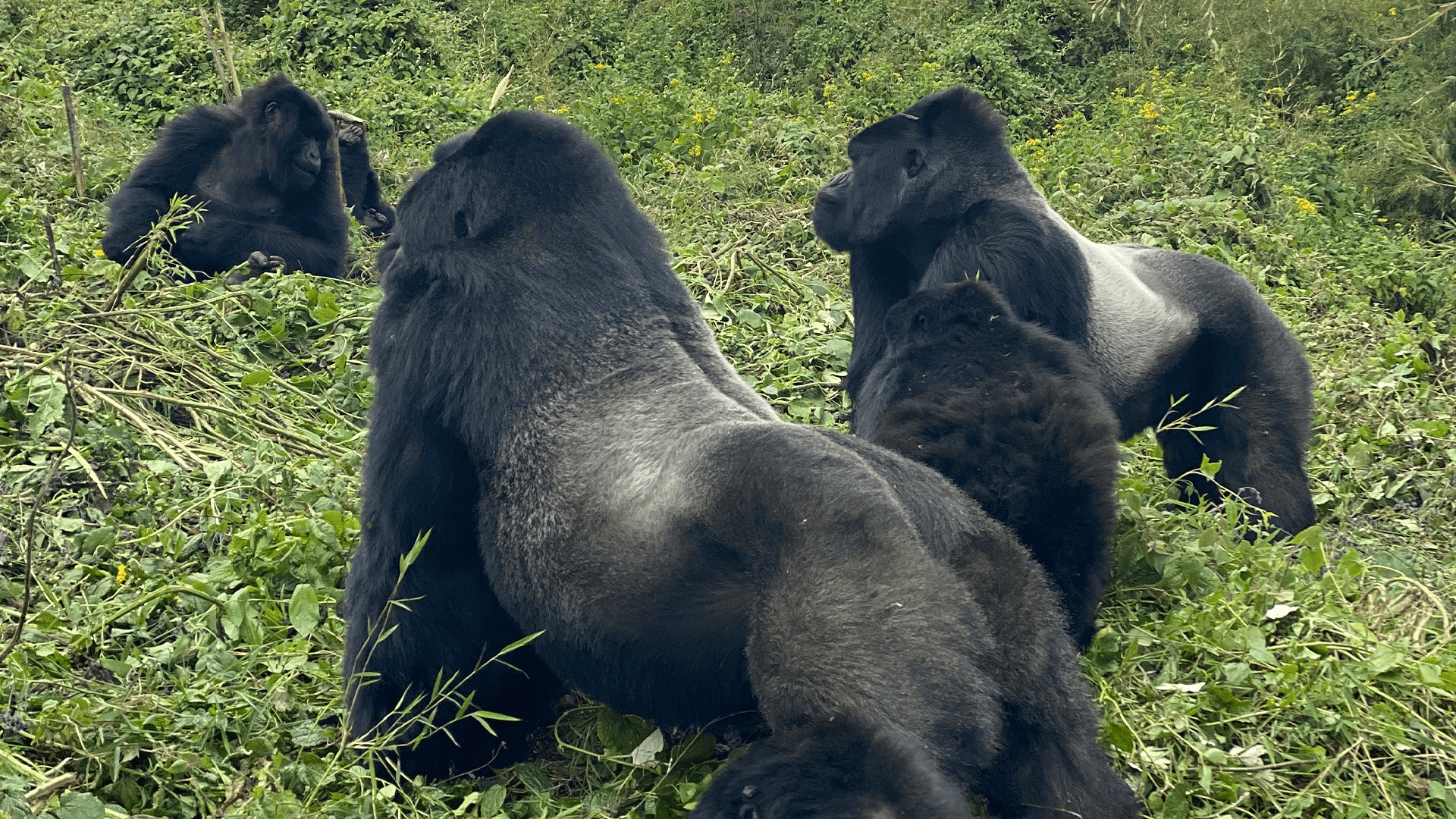
Gorilla trekking is the experience that elevates Uganda above a standard wildlife itinerary. In Bwindi Impenetrable National Park and Mgahinga Gorilla National Park, travelers hike with specialist ranger guides to reach habituated mountain gorilla families. The terrain can be steep, humid, and muddy, but the reward is extraordinary: a carefully managed hour with one of the rarest great apes on Earth.
Gorilla trekking is limited by permit availability, minimum age requirements, and strict viewing rules. Only a small number of guests visit each habituated family per day, which keeps the experience intimate and supports conservation. This is one of the reasons early planning matters, especially for June, July, August, September, and the December festive period.
Chimpanzee tracking adds movement, sound, and forest energy
If gorillas are calm, powerful, and contemplative, chimpanzees are fast, vocal, and socially electric. Kibale National Park is Uganda’s premier chimpanzee tracking destination, with high-quality forest guiding and a strong reputation for sightings. The experience often begins with distant calls echoing through the canopy, followed by tracking through forest paths as rangers interpret movement, feeding behavior, and vocalizations.
Chimpanzee tracking pairs beautifully with gorilla trekking because the two encounters feel very different. Together, they create a fuller primate safari, one that is not limited to a single highlight. Many travelers also add Bigodi Wetland Sanctuary near Kibale for community-based birding, monkeys, and local cultural context.
Uganda also offers a serious Big Five safari route
Uganda’s Big Five experience requires smart routing rather than expecting all five species in one park. Lions, elephants, buffalo, and leopards can be seen in key savannah parks, while rhino tracking is usually added at Ziwa Rhino Sanctuary. This makes the Big Five route more active and varied, with game drives, boat safaris, and guided walking experiences.
Murchison Falls National Park is especially strong for elephants, giraffes, buffalo, hippos, crocodiles, and lions, with the Nile adding a spectacular scenic dimension. Queen Elizabeth National Park brings the Kazinga Channel, large elephant and buffalo herds, leopard possibilities, and the famous tree-climbing lions of the Ishasha sector. For a deeper species-focused guide, PawMac Safaris has also published a useful overview of the Big Five mammals in Uganda.
Best Uganda Safari Route for Primates and Big Game
The best Uganda route depends on your available time, budget, and comfort expectations. A rushed itinerary can technically include gorillas, chimpanzees, and big game, but premium travelers usually benefit from a slightly slower pace. Uganda is compact compared with many safari countries, yet road transfers still take time because the best parks are spread across different landscapes.
Plan Your Uganda Safari with Local Experts
 WhatsApp Us
A compact 8-day safari for travelers with limited time
An 8-day Uganda safari is possible if the goal is to include the essential pillars: rhino tracking, Murchison Falls, Kibale chimpanzees, Queen Elizabeth, and Bwindi gorillas. This works best for travelers who are comfortable with long drives and do not require multiple nights in every location.
| Day range | Main focus | Typical experience | Trade-off |
|---|---|---|---|
| Days 1-2 | Entebbe to Ziwa and Murchison Falls | Rhino tracking, Nile scenery, first game drive | Long road transfer from Entebbe |
| Days 3-4 | Murchison Falls to Kibale | Game drive, boat safari, transfer to forest zone | Limited downtime |
| Days 5-6 | Kibale and Queen Elizabeth | Chimpanzee tracking, crater scenery, Kazinga Channel | Sightings depend on route timing |
| Days 7-8 | Bwindi and departure route | Gorilla trekking, scenic highland travel | Return journey may feel demanding |
This compact style is excellent for determined travelers, but it leaves less space for weather delays, relaxed lodge time, photography, or a second chance in a park. PawMac Safaris can help decide whether this pace matches your travel style.
The balanced 10- to 12-day route for the strongest experience
For many guests, 10 to 12 days is the sweet spot. It provides enough time to experience Uganda’s strongest wildlife regions without turning the journey into a race between parks. A balanced route usually starts in Entebbe, adds Ziwa Rhino Sanctuary, continues to Murchison Falls, moves south toward Kibale, links with Queen Elizabeth, then finishes in Bwindi or Mgahinga for gorilla trekking.
This route works especially well because each stop has a clear purpose. Ziwa completes the rhino element. Murchison Falls brings large mammals and the Nile. Kibale delivers chimpanzees. Queen Elizabeth adds boat safari diversity and big cat potential. Bwindi or Mgahinga provides the emotional peak of gorilla trekking.
Travelers comparing trip lengths can also review PawMac Safaris’ guide to best African safari packages for gorilla and Big Five to understand how itinerary design changes by budget, route, and travel style.
When to add a fly-in upgrade or a slower luxury pace
A fly-in upgrade can be valuable when time is limited or when travelers want to reduce long road transfers. Domestic flights are especially useful between Entebbe and the far southwest, where Bwindi and Mgahinga are located. They can also help high-end travelers preserve energy before a gorilla trek.
A slower luxury pace is ideal for honeymooners, photographers, older travelers, and families with adult children. Extra nights allow more time for private meals, spa treatments where available, community visits, birding walks, and unhurried sundowners. In Uganda, luxury is not only about the lodge category. It is also about intelligent pacing, reliable guiding, and minimizing unnecessary fatigue.
Cost and Permit Planning for a 2026 Uganda Safari
Uganda safari pricing is shaped by four major factors: permits, accommodation level, vehicle and guide arrangements, and route length. Gorilla and chimpanzee permits are fixed conservation costs, so even a budget safari with great ape trekking carries a meaningful baseline price. The more remote and premium the lodges, the higher the total cost.
Prices below are realistic planning estimates for 2026, but official tariffs and lodge rates can change. PawMac Safaris confirms current costs during proposal preparation so travelers understand what is included before committing.
Key permit and activity costs to expect
| Cost item | Typical 2026 planning estimate | Notes |
|---|---|---|
| Gorilla trekking permit | US$800 per foreign non-resident | Required for one standard gorilla trek, subject to availability |
| Gorilla habituation experience | About US$1,500 per foreign non-resident | Longer, more limited experience in select areas |
| Kibale chimpanzee tracking permit | About US$250 per foreign non-resident | Usually offered as morning or afternoon tracking |
| Rhino tracking at Ziwa | About US$50 per foreign non-resident | Often added between Entebbe and Murchison Falls |
| Major park entrance fees | Around US$40 to US$45 per adult per 24 hours | Varies by park, residency, and tariff period |
| Boat safari activities | Often around US$30 to US$40 per person | Common on the Nile and Kazinga Channel |
The gorilla permit is usually the single biggest activity cost, but it is also the centerpiece of the journey. Chimpanzee permits, park fees, boat cruises, and rhino tracking then build the wider safari value around that anchor.
Accommodation and safari package budget ranges
The following ranges are broad estimates per person sharing, excluding international flights, travel insurance, visas, premium drinks, and discretionary tips. Final pricing depends on travel month, lodge category, private versus shared arrangements, number of travelers, and whether domestic flights are included.
| Safari style | 8-day planning range | 10- to 12-day planning range | Best for |
|---|---|---|---|
| Comfortable budget | US$2,800 to US$4,200 | US$4,500 to US$6,500 | Active travelers prioritizing wildlife over lodge luxury |
| Midrange private | US$4,200 to US$6,000 | US$6,000 to US$8,500 | Couples, families, and first-time safari travelers |
| Luxury lodge | US$7,500 to US$11,000 | US$10,000 to US$16,000 plus | Premium travelers wanting top locations, comfort, and pacing |
| Fly-in luxury | Usually quoted custom | Often US$12,000 to US$20,000 plus | Guests minimizing road time and maximizing comfort |
Seasonality has a noticeable effect. High-demand months can raise lodge rates and reduce permit flexibility. Booking early is the best way to secure the right gorilla sector, preferred lodges, and sensible routing.

Park-by-Park Highlights for Primates and Big Game
A strong Uganda itinerary is built around complementary parks. No single location provides everything. The best safari in Africa for primates and big game is created by combining the right ecosystems in the right order.
Bwindi and Mgahinga for mountain gorillas
Bwindi Impenetrable National Park is Uganda’s most famous gorilla trekking destination, with multiple trekking sectors and a dramatic rainforest setting. The choice of sector matters because it affects lodge selection, road transfers, and how the route connects with Queen Elizabeth or Lake Bunyonyi. A well-planned itinerary avoids unnecessary backtracking and matches the traveler’s fitness level with realistic expectations.
Mgahinga Gorilla National Park is smaller but highly rewarding, with volcanic scenery and the added possibility of golden monkey tracking. For some travelers, Mgahinga feels more intimate and visually open, while Bwindi offers more sector variety and lodge choice. PawMac Safaris can recommend the best fit based on permit availability and route design.
Kibale for chimpanzees and forest biodiversity
Kibale is the leading chimpanzee forest in Uganda and one of the most important primate destinations on the continent. The forest is alive with sound, movement, and layered vegetation. Chimpanzee sightings are never treated as a mechanical guarantee, but Kibale has a strong reputation and an excellent guiding structure.
The area also pairs well with crater lake scenery and Bigodi Wetland Sanctuary. This gives travelers a softer cultural and ecological experience between the more intense safari drives and the physical demands of gorilla trekking.
Murchison Falls for Nile scenery and northern savannah wildlife
Murchison Falls National Park brings scale. The Nile squeezes through a narrow rock gap at the falls, then opens into a broad wildlife corridor filled with hippos, crocodiles, waterbirds, and riverbank mammals. Game drives on the northern side of the park can produce sightings of elephants, giraffes, buffalo, antelopes, lions, and occasionally leopards.
The boat safari toward the base of the falls is one of Uganda’s signature experiences. It is not just a scenic cruise. It is often one of the best ways to see wildlife behavior at water level, especially during warmer hours when animals gather along the river.
Queen Elizabeth for tree-climbing lions, elephants, and boat safaris
Queen Elizabeth National Park adds variety through open plains, crater landscapes, wetlands, forest edges, and the Kazinga Channel. The channel boat safari is a reliable highlight for hippos, crocodiles, buffalo, elephants, and waterbirds. The park is also famous for the Ishasha sector, where lions are known for resting in fig trees.
Wildlife viewing in Queen Elizabeth can vary by sector and season, so guiding skill matters. An experienced local guide understands when to prioritize Kasenyi plains, when to plan the Kazinga Channel cruise, and how to position Ishasha within the journey to Bwindi.
Ziwa Rhino Sanctuary for completing the Big Five theme
Ziwa Rhino Sanctuary is the usual place to add rhino tracking to a Uganda safari. It fits naturally between Entebbe or Kampala and Murchison Falls National Park. The experience is guided on foot, which gives it a different rhythm from a vehicle-based game drive.
For travelers focused on a Big Five theme, Ziwa is strategically important. It allows the route to include rhino without taking attention away from the primate experience. The result is a more complete Uganda safari story.
Best Time to Book the Best Safari in Africa for Primates
Uganda is a year-round safari destination, but each season changes the experience. Because gorilla and chimpanzee trekking happen in forest environments, rain is always possible. The best approach is not to avoid weather entirely, but to choose the season that matches your priorities.
Dry season advantages
June to September and December to February are generally the most popular months for Uganda safaris. Trails can be easier to manage, wildlife may be more concentrated around water sources, and road conditions are often more predictable. These months are excellent for travelers who want a smoother trekking experience and a classic high-season safari feel.
The trade-off is demand. Gorilla permits and premium lodges can sell out well in advance, especially around July, August, and late December. For a premium 2026 itinerary, planning 6 to 12 months ahead is sensible, and even earlier can be helpful for private groups or specific lodge requests.
Green season advantages
March to May and October to November can bring more rain, but they also offer lush scenery, fewer crowds in some areas, and strong photographic atmosphere. Birding can be outstanding, and the forests feel especially alive. Some lodges may offer better value outside peak months, although permit costs usually remain a major fixed component.
Green season travel requires flexibility. A good 4×4 vehicle, an experienced guide, proper trekking gear, and realistic timing become even more important. For travelers who enjoy atmosphere and do not mind mud on the boots, Uganda’s green months can be deeply rewarding.
How to Choose the Right Uganda Safari Style
The best safari in Africa is not always the longest or most expensive safari. It is the one designed around your priorities. In Uganda, the most important questions are practical: how much trekking do you want, how much time do you have, what level of comfort do you expect, and how much road travel are you willing to accept?
Guiding quality matters more than checklist tourism
Primates and big game require different guiding skills. Gorilla and chimpanzee trekking rely on ranger teams, but your safari guide still shapes the entire experience by managing timing, preparing you for each activity, choosing the right game drive windows, and interpreting landscapes between destinations.
A high-quality guide does more than identify animals. They help travelers understand behavior, conservation context, local communities, seasonal movement, and the difference between a lucky sighting and a well-earned wildlife encounter. This is why PawMac Safaris emphasizes expert local guiding and professional planning throughout its Uganda itineraries. Travelers exploring options can compare ideas in PawMac Safaris’ guide to best guided trips in Uganda for wildlife and primates.
Comfort level, vehicle setup, and travel rhythm
Uganda safaris often involve long but scenic drives. A comfortable 4×4 vehicle, a guide who understands pacing, and well-chosen lodges can make the difference between an exhausting route and a memorable adventure. Premium travelers should pay close attention to road transfer times, laundry availability, meal timing, and whether the lodge location supports the next day’s activity.
Budget travelers can still have an excellent safari if expectations are clear. The key is to protect the major wildlife experiences rather than overloading the itinerary with too many stops. Midrange travelers often find the best value by choosing comfortable lodges in strong locations and investing in private guiding. Luxury travelers should consider domestic flights, upgraded rooms, and extra nights before or after gorilla trekking.
Responsible Primate and Big Game Safari Practices
Uganda’s most powerful wildlife encounters depend on careful conservation. Responsible behavior is not a formality. It protects gorillas, chimpanzees, big cats, rhinos, elephants, and the communities living near protected areas.
Primate etiquette protects rare wildlife
Gorillas and chimpanzees are vulnerable to human illness, stress, and poor visitor behavior. Travelers should not trek when sick, even with mild cold or flu symptoms. During the encounter, follow ranger instructions, maintain the required viewing distance, avoid flash photography, keep voices low, and never attempt to touch or feed wildlife.
The minimum age for gorilla trekking is 15 years. Chimpanzee tracking rules may vary by site, but age restrictions and ranger instructions should always be respected. These limits are part of the reason Uganda’s primate tourism remains carefully managed and conservation-focused.
Health, comfort, and travel readiness
Preparing well improves the safari experience. Pack broken-in hiking boots, lightweight rain gear, long trousers, gaiters or long socks for forest trails, insect repellent, sunscreen, a soft daypack, and any personal medication. For gorilla and chimpanzee trekking, physical readiness helps, but you do not need to be an athlete. Porters are available in many trekking areas and are strongly recommended, both for comfort and local community support.
Long-haul travel, early starts, altitude changes, and full safari days also make personal wellness routines important. If your home routine includes calming herbal rituals before departure, warm-air herbal wellness can be part of a pre-trip decompression plan, while any items you pack for travel should always comply with airline, border, and local regulations.
Frequently Asked Questions
Is Uganda really the best safari in Africa for primates and big game? For travelers who want both great ape trekking and classic wildlife, Uganda is one of the strongest choices in Africa. It combines mountain gorillas, chimpanzees, rhino tracking, Nile boat safaris, lions, elephants, buffalo, leopard possibilities, giraffes, hippos, and exceptional birds within one country.
How many days do I need for gorillas, chimpanzees, and Big Five wildlife in Uganda? Eight days can work for a compact route, but 10 to 12 days is better for most travelers. This allows time for Ziwa Rhino Sanctuary, Murchison Falls, Kibale, Queen Elizabeth, and Bwindi or Mgahinga without excessive rushing.
How much should I budget for a Uganda safari with gorilla trekking? A realistic 2026 budget often starts around US$2,800 to US$4,200 per person for a compact comfortable budget safari, while midrange private safaris often fall between US$6,000 and US$8,500 for 10 to 12 days. Luxury itineraries can range from about US$10,000 to US$16,000 plus per person, especially with premium lodges or flights.
Are gorilla permits included in safari package prices? They often are included in full safari quotes, but you should always confirm. Gorilla permits are a major fixed cost, currently planned around US$800 per foreign non-resident for standard tracking, subject to official tariff updates and availability.
Can I see all of the Big Five in Uganda? Yes, a well-planned Uganda route can include all Big Five species, but rhinos are usually tracked at Ziwa Rhino Sanctuary rather than inside the main savannah parks. Leopards are present but elusive, so sightings depend on timing, guiding, and luck.
Is gorilla trekking physically difficult? Difficulty varies by gorilla family location, weather, trail conditions, and personal fitness. Some treks are short, while others involve several hours of steep or muddy hiking. A porter, good boots, and honest communication with your guide improve the experience.
Plan Your Uganda Safari with PawMac Safaris
The best safari in Africa for primates and big game is not built by accident. It requires the right gorilla sector, realistic driving days, well-timed chimpanzee permits, strong park sequencing, suitable lodges, and local guiding that understands Uganda beyond the obvious highlights.
PawMac Safaris creates personalized Uganda safari experiences for travelers who want expert planning, professional guiding, comfortable 4×4 vehicles, flexible budget options, and a route that gives primates and big game the attention they deserve. Whether you are planning a luxury 2026 journey, a midrange private safari, or a carefully budgeted wildlife adventure, PawMac Safaris can help shape the itinerary around your time, comfort level, and must-see species.
Start with your ideal travel month, number of days, preferred comfort level, and whether gorillas, chimpanzees, or Big Five wildlife matter most. From there, PawMac Safaris can design a Uganda route that feels seamless, responsible, and unforgettable.


