


- 95 Views
- 19 Min Read
- (0) Comment
Uganda safari packages can look similar at first glance, yet the experience behind them can be very different. A three-day gorilla trekking trip, a ten-day primate and Big Five journey, a family-friendly private safari, and a premium fly-in itinerary all fall under the same broad label, but they do not serve the same traveler.
The best package is not simply the cheapest or the longest. It is the one that matches your travel style, fitness level, budget, preferred comfort standard, wildlife priorities, and tolerance for long road transfers. In Uganda, those decisions matter because the country combines dense rainforest, savannah plains, crater lakes, Nile waterways, mountain ranges, and culturally rich communities within one destination.
For 2026 planning, the most important question is this: what do you want your Uganda safari to feel like? Quiet and luxurious? Active and adventurous? Family-focused? Photography-driven? Built around gorilla trekking? Once that is clear, the right package becomes much easier to choose.
What Uganda safari packages usually include
A well-designed Uganda safari package is more than a list of hotels and activities. It is a coordinated travel plan that connects permits, routing, accommodation, park logistics, guide expertise, vehicle quality, meal planning, and timing.
Most professionally arranged Uganda safari packages include airport transfers, accommodation, meals as specified in the itinerary, a trained driver-guide, ground transport in a safari-ready 4×4 vehicle, fuel, park entrance fees, scheduled game drives, selected boat safaris, and activity permits if clearly stated in the quote. For gorilla trekking or chimpanzee tracking, permit handling is one of the most valuable parts of the service because availability is limited and dates must align with the rest of the route.
Common exclusions include international flights, Uganda visa fees, travel insurance, premium drinks, laundry, tips, personal purchases, optional activities not listed in the itinerary, and sometimes domestic flights if the package is primarily road-based. A transparent quote should make these inclusions and exclusions clear before you pay a deposit.
The biggest difference between packages is often not the activity list, but the level of planning behind the route. Uganda rewards smart logistics. Driving from Entebbe to Murchison Falls, Kibale, Queen Elizabeth, Bwindi, Lake Mburo, or Kidepo Valley involves real distances, changing road conditions, and carefully timed activity slots. A good safari operator designs the itinerary so the journey feels adventurous without becoming exhausting.
If you are still comparing trip lengths, pacing, and route combinations, PawMac Safaris has a detailed guide to Uganda safari itineraries, options, costs, and experiences that pairs well with this package overview.
The main travel styles for Uganda safari packages
Different travelers value different things. Some want every major wildlife highlight in one trip. Others prefer a slower, more private experience with beautiful lodges and fewer early starts. The package should reflect that.
Luxury Uganda safari packages
Luxury safari packages in Uganda are ideal for travelers who want exceptional comfort while staying close to the country’s best wildlife areas. These itineraries usually feature high-end lodges, spacious rooms or private cottages, premium locations near park gates or gorilla trailheads, strong food and beverage programs, attentive service, and sometimes charter or scheduled domestic flights to reduce road time.
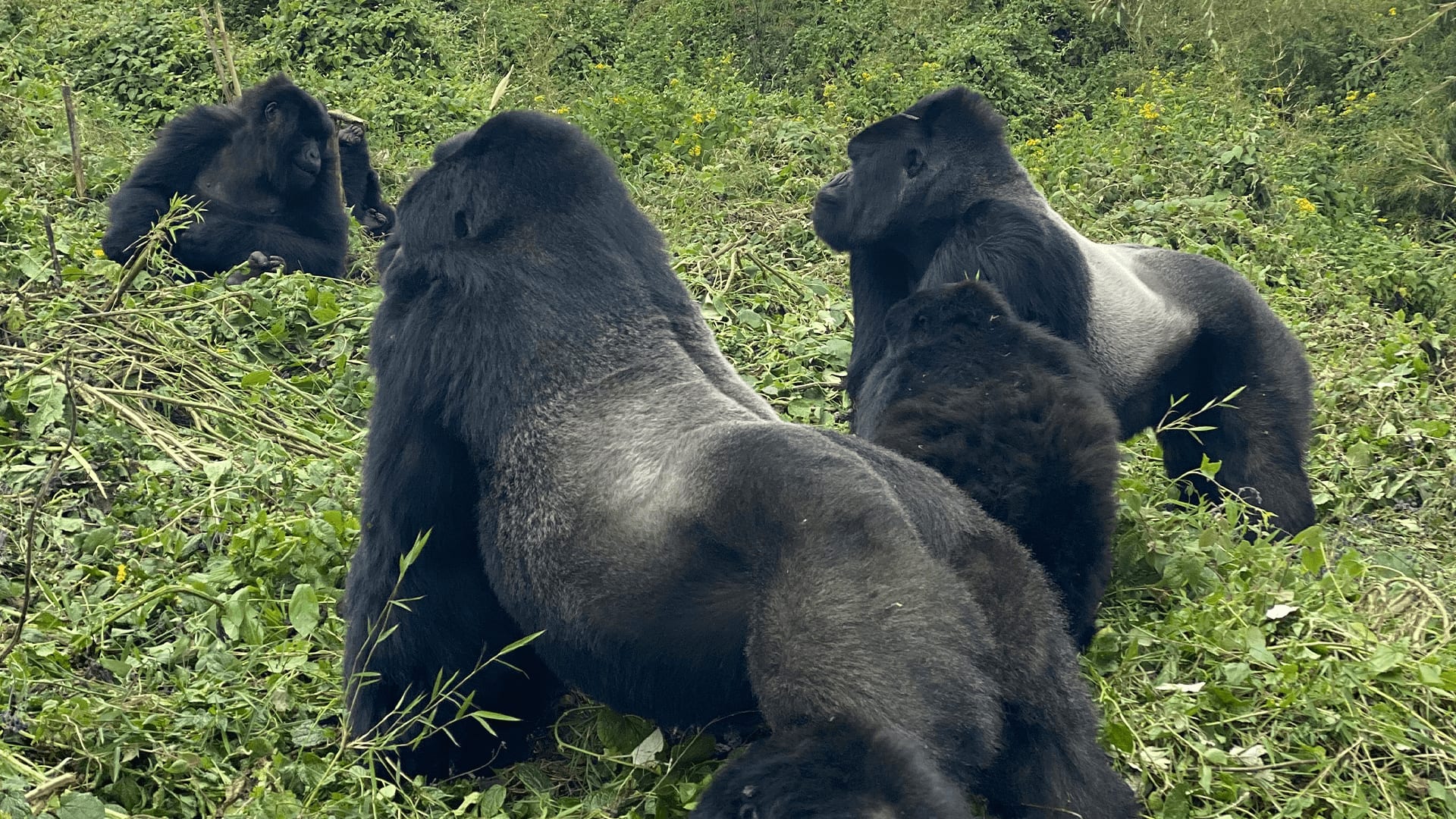
A luxury Uganda safari often includes Bwindi Impenetrable National Park for gorilla trekking, Kibale National Park for chimpanzees, Queen Elizabeth National Park for savannah wildlife and the Kazinga Channel, and Murchison Falls National Park for big game and Nile scenery. For a longer, more exclusive journey, Kidepo Valley National Park can be added for remote wilderness and dramatic landscapes.
Plan Your Uganda Safari with Local Experts
 WhatsApp Us
For 2026, a luxury private Uganda safari commonly starts from around USD 6,000 to USD 9,500 per person sharing for 8 to 10 days, excluding international flights. High-end itineraries with top lodges, domestic flights, exclusive experiences, and longer stays can reach USD 12,000 to USD 18,000 or more per person.
The value of luxury in Uganda is not only about beautiful rooms. It is also about lodge location. Being close to a gorilla trekking sector in Bwindi can reduce the pre-trek drive. Staying inside or near a national park can improve access to early morning wildlife activity. Choosing the right lodge can make the entire safari smoother.
Mid-range Uganda safari packages
Mid-range packages are often the best fit for travelers who want comfort, reliability, and strong wildlife experiences without paying for the most exclusive lodges. This is one of the most popular categories because Uganda’s mid-range safari lodges can offer warm hospitality, scenic settings, en-suite rooms, good meals, and convenient access to key parks.
A typical 8 to 10-day mid-range package may combine Murchison Falls, Kibale, Queen Elizabeth, Bwindi, and Lake Mburo. This route gives travelers a balanced Uganda experience: game drives, a Nile boat safari, chimpanzee tracking, crater scenery, the Kazinga Channel, gorilla trekking, and a final wildlife stop near Entebbe.
For 2026, many mid-range private Uganda safari packages fall between USD 3,500 and USD 6,500 per person sharing for 8 to 10 days, depending on lodge choice, permit inclusions, season, vehicle type, and the number of travelers. A private safari for two people costs more per person than a private safari for four or six because transport and guide costs are shared across fewer guests.
Mid-range does not mean basic. It usually means prioritizing the core wildlife experience and comfortable stays over ultra-premium lodge extras.
Budget Uganda safari packages
Budget safari packages suit travelers who want to experience Uganda’s headline wildlife while keeping costs controlled. These trips often use simpler lodges, guesthouses, or budget-friendly safari camps. Transport is usually road-based, and itineraries may be shorter or more focused.
A budget gorilla trekking package may be as short as 3 to 4 days, usually concentrating on Bwindi Impenetrable National Park or Mgahinga Gorilla National Park. A more complete budget safari might run 6 to 8 days and include Queen Elizabeth, Bwindi, and Lake Mburo, with Kibale added if the traveler also wants chimpanzee tracking.
For 2026, a short budget gorilla trekking safari can often range from around USD 1,400 to USD 2,200 per person sharing, depending heavily on whether the gorilla permit is included and how many people share the vehicle. A longer budget safari with multiple parks may range from USD 2,500 to USD 4,200 per person sharing.
The key with budget packages is knowing where not to cut corners. A safe 4×4 vehicle, an experienced guide, a valid gorilla permit, and realistic routing are essential. Saving money by choosing very distant accommodation from a trekking sector or by squeezing too much into too few days can make the trip stressful.
Family Uganda safari packages
Family safari packages in Uganda need a different rhythm. Children may not enjoy very long driving days, repeated pre-dawn starts, or lodges with limited flexibility. A good family itinerary balances wildlife viewing with downtime, swimming pools where available, short nature walks, cultural encounters, boat safaris, and comfortable family rooms.
Uganda is particularly rewarding for families because many activities feel varied. A child may see elephants and giraffes in Murchison Falls, hippos along the Kazinga Channel, zebras in Lake Mburo, and local community life around a lodge or village visit. However, gorilla trekking has a minimum age requirement of 15 years, so families with younger children need alternative plans for that day.
Family packages vary widely in cost because room configuration matters. Interconnecting rooms, family cottages, private vehicles, and child meal planning all influence the quote. In 2026, a private mid-range family safari of 8 to 10 days may range from approximately USD 3,200 to USD 6,500 per adult, with child rates depending on age, room sharing, and activity eligibility.
Adventure-focused Uganda safari packages
Adventure travelers often want more than classic game drives. Uganda is excellent for this style because a safari can include gorilla trekking, chimpanzee tracking, Nile rafting in Jinja, hiking around crater lakes, walking safaris in Lake Mburo, mountain scenery near the Rwenzori region, and challenging terrain in the southwest.
Adventure packages should be designed honestly around fitness. Gorilla trekking can take anywhere from a relatively short hike to several hours through steep, muddy forest. Chimpanzee tracking can also involve quick walking as the chimps move. Rain, altitude, humidity, and uneven trails all affect the experience.
A 10 to 14-day adventure Uganda safari can range from around USD 4,000 to USD 8,500 per person sharing in mid-range comfort, depending on the number of activities and accommodation choices. Specialist hikes, rafting, domestic flights, and premium lodges increase the budget.
Photography and private-guide safari packages
Photography-focused travelers need time, patience, and flexibility. Standard itineraries can work, but a private safari is usually better because the guide can adjust game drive pacing, wait for better light, and prioritize sightings rather than simply moving from one activity to the next.
In Uganda, photography packages often focus on tree-climbing lions in the Ishasha sector, elephants and giraffes in Murchison Falls, birds across wetlands and forests, primates in Kibale and Bwindi, and dramatic landscapes around crater lakes, the Nile, and southwestern highlands.
Photographers should consider private vehicles, extra nights in key locations, lodges with strong views, and luggage space for equipment. The cost is generally similar to mid-range or luxury private safaris, with added expense if the itinerary includes specialist guiding, extra permits, or remote destinations.
2026 Uganda safari cost guide by travel style
The table below gives realistic planning ranges for international travelers. These estimates are per person sharing, exclude international flights, and assume professionally guided safari arrangements. Final pricing depends on travel dates, group size, lodge availability, permit status, and itinerary design.
| Travel style | Typical duration | 2026 estimated budget per person | Best for | Main cost drivers |
|---|---|---|---|---|
| Short gorilla trekking safari | 3 to 4 days | USD 1,400 to USD 2,500 | Travelers focused mainly on gorillas | Gorilla permit, Bwindi sector, vehicle sharing |
| Budget multi-park safari | 6 to 8 days | USD 2,500 to USD 4,200 | Cost-conscious wildlife travelers | Road routing, simple lodges, permit inclusions |
| Mid-range classic safari | 8 to 10 days | USD 3,500 to USD 6,500 | First-time Uganda visitors | Lodge category, gorilla and chimp permits, private vehicle |
| Luxury Uganda safari | 8 to 12 days | USD 6,000 to USD 12,000+ | Comfort-focused travelers | Premium lodges, domestic flights, exclusive locations |
| Premium fly-in safari | 10 to 14 days | USD 9,500 to USD 18,000+ | Travelers minimizing road time | Scheduled or charter flights, top lodges, longer stays |
| Family private safari | 8 to 12 days | USD 3,200 to USD 7,500+ per adult | Families needing flexibility | Room setup, child ages, private vehicle, activity mix |
These ranges should be treated as planning guidance, not fixed package prices. Gorilla and chimpanzee permits create a high baseline cost, while lodge selection and group size create the largest variation above that baseline.
Permit fees and fixed costs that shape your package
Uganda safari pricing is strongly affected by permits. Unlike accommodation rates, permit fees are not usually flexible and can sell out for popular dates.
For foreign non-residents, Uganda gorilla trekking permits are commonly budgeted at USD 800 per person. Gorilla habituation experiences, where available, are significantly higher and commonly budgeted around USD 1,500 per person. Kibale chimpanzee tracking permits are commonly budgeted around USD 250 per person for foreign non-residents, while other chimpanzee tracking sites may cost less.
Park entry fees, boat safari fees, ranger-guided activities, and community experiences also add to the total. These may look small individually, but across multiple parks and several days, they become meaningful.
A good Uganda safari quote should show whether permits are included. If a quote looks unusually low, check this first. A package that excludes an USD 800 gorilla permit may appear cheaper than one that includes it, but the traveler still has to pay that cost.
Permit availability also affects route design. Bwindi has multiple trekking sectors, including Buhoma, Ruhija, Rushaga, and Nkuringo. The available permit sector should match the lodge location. A mismatch can create long early morning transfers on the day of trekking, which is exactly when travelers need to be rested and on time.
Matching routes to your travel style
Uganda is compact enough to combine different ecosystems in one journey, but not so compact that routing can be ignored. The best packages build a logical flow from Entebbe or Kampala into the national parks and back again.
A gorilla-first package is usually best for travelers with limited time. In 3 to 5 days, the itinerary focuses on Bwindi or Mgahinga, with possible stops at Lake Mburo or the equator depending on routing. This is efficient, but it does not show the full range of Uganda’s wildlife.
A classic first-time safari route often runs for 8 to 10 days and includes Murchison Falls, Kibale, Queen Elizabeth, Bwindi, and Lake Mburo. This is one of the strongest all-round routes because it combines savannah wildlife, primates, boat safaris, landscapes, and manageable variety.
A Big Five-focused Uganda package may include Murchison Falls National Park, where lions, elephants, buffalo, leopards, and giraffes may be seen, plus a rhino tracking experience at Ziwa Rhino Sanctuary. Queen Elizabeth or Kidepo Valley can add further big game diversity, while Bwindi adds the gorilla experience that makes Uganda so distinctive.
A remote wilderness package should consider Kidepo Valley National Park. Kidepo is farther away and usually requires more time or a flight-supported itinerary, but it rewards travelers with dramatic scenery, fewer vehicles, and a powerful sense of isolation.
A slow luxury package might spend two or three nights in each major location instead of moving every day. This reduces fatigue, improves wildlife opportunities, and gives travelers more time to enjoy lodge settings.

Accommodation levels: what you are really paying for
Lodge choice is one of the clearest differences between Uganda safari packages. A budget lodge may provide clean rooms, simple meals, and a practical location. A mid-range lodge may add better views, stronger service, more comfortable rooms, and a more atmospheric setting. A luxury lodge may offer exceptional design, fine dining, spa treatments, private decks, fireplaces, plunge pools, premium guiding support, or highly convenient park access.
In gorilla trekking areas, location is especially important. A lodge close to your assigned trekking sector can reduce stress on trekking morning. In savannah parks, a lodge inside or near the park can improve access to early morning and late afternoon game drives. Around Kibale, staying near the chimpanzee tracking briefing point helps avoid unnecessary transfers.
Travelers often ask whether luxury lodges are worth it in Uganda. The answer depends on the trip style. If you are doing a short, activity-heavy safari, you may spend less time at the lodge. If you are planning a honeymoon, anniversary, premium family safari, or slower private itinerary, the lodge experience becomes a major part of the journey.
For travelers comparing comfort levels, locations, and 2026 lodge planning, PawMac Safaris has a useful guide to the best Uganda safari lodges for 2026.
Private, small-group, and custom safari packages
Most premium travelers choose private Uganda safari packages because they provide flexibility. A private safari allows you to travel at your own pace, stop for photography, adjust breaks, and avoid being tied to the preferences of unrelated travelers. It is especially valuable for families, honeymooners, older travelers, photographers, and guests combining several specialist interests.
Small-group packages can reduce the per-person cost by sharing vehicle, guide, and fuel expenses. They work best when travelers have similar expectations around comfort, timing, and activity level. The trade-off is less flexibility.
Custom safari packages are often the best choice when your trip has a clear priority. For example, a birder may need different pacing from a honeymoon couple. A family with teenagers may want gorillas, rafting, and cultural experiences. A luxury traveler may prefer domestic flights and fewer road transfers. A returning visitor may skip the classic circuit and focus on Kidepo, Mgahinga, or deeper cultural encounters.
PawMac Safaris specializes in personalized Uganda safari planning, and travelers who want a deeper explanation of this approach can read more about why tailored safari packages in Uganda can outperform standard group tours.
Seasonal pricing and the best time to book
Uganda is a year-round safari destination, but seasons affect comfort, availability, and sometimes cost. The drier months from June to September and December to February are popular for gorilla trekking, game drives, and general travel conditions. Trails can still be muddy in rainforest areas, but these months are often easier for movement and visibility.
The wetter periods, especially March to May and parts of October to November, bring greener landscapes, fewer visitors in some areas, and excellent photographic atmosphere. Rain does not usually mean every day is lost, but it can affect road conditions and trekking difficulty.
High-demand months require earlier booking, especially for gorilla permits and top lodges. For a 2026 Uganda safari involving gorilla trekking, booking 6 to 12 months ahead is wise if you have fixed dates, a preferred lodge, or a specific trekking sector. Last-minute trips are possible, but choice may be limited.
Seasonal lodge pricing can also affect the final budget. Some properties adjust rates between peak, shoulder, and low seasons. Domestic flight availability and holiday periods can influence cost as well. Gorilla permits, however, should be budgeted as a fixed major cost unless an official tariff change applies.
Payment, deposits, and booking confidence
A safari package involves multiple moving parts, and many of them require advance commitment. Operators may need to secure permits, lodge rooms, vehicles, domestic flights, and specialist activities before arrival. That is why deposits are standard in safari planning.
Before paying, travelers should receive a clear itinerary, itemized inclusions and exclusions, cancellation terms, payment schedule, and confirmation of which permits are included. For premium trips, it is also reasonable to ask how lodge availability and permit availability will be handled if one component changes.
Secure payment processes matter for both travelers and professional tourism businesses. Behind the scenes, travel agencies increasingly rely on specialized systems such as tourism-focused payment management platforms to streamline transactions, strengthen reconciliation, and support safer financial operations. For the traveler, the practical takeaway is simple: work with a safari company that communicates clearly, documents payments properly, and confirms critical trip components in writing.
How to choose the right Uganda safari package
The best way to choose is to start with your non-negotiables. If gorilla trekking is the main reason for travel, build the package around permit availability first. If comfort is the priority, start with lodge category and route pacing. If budget is fixed, decide whether you would rather take a shorter high-quality safari or a longer itinerary with simpler accommodation.
A strong planning conversation should cover your travel dates, number of travelers, age range, fitness level, preferred room setup, dietary needs, wildlife priorities, interest in culture or adventure, tolerance for road transfers, and preferred budget range. With that information, PawMac Safaris can recommend a realistic route rather than forcing every traveler into the same template.
Here are key questions to ask before confirming any Uganda safari package:
- Is the gorilla permit included in the quoted price?
- Which Bwindi or Mgahinga trekking sector is planned?
- How far is the lodge from the trekking briefing point?
- Is the vehicle private or shared?
- Are park fees, boat safaris, and chimpanzee permits included?
- What meals are included each day?
- What happens if a preferred lodge is unavailable?
- How many long driving days are in the itinerary?
- Are there optional activities that could increase the final cost?
- What deposit, balance, and cancellation terms apply?
A package that answers these questions clearly is usually more reliable than one that only provides a low headline price.
Sample package recommendations by traveler type
For first-time visitors, an 8 to 10-day mid-range or luxury safari is usually the best balance. It allows enough time for Murchison Falls or Queen Elizabeth, Kibale chimpanzees, Bwindi gorillas, and a softer final stop such as Lake Mburo.
For honeymooners, a 9 to 12-day luxury package with slower pacing works beautifully. Consider premium lodges, scenic locations, gorilla trekking, a private vehicle, and perhaps domestic flights to reduce long transfers.
For families, an 8 to 11-day private safari is usually better than a group departure. Prioritize manageable drives, flexible meal times, lodges with family-friendly rooming, and activities that suit each child’s age.
For budget travelers, choose fewer parks and protect the essentials. A 4-day gorilla trek or a 6 to 7-day southwest Uganda itinerary can be more satisfying than an overpacked low-cost circuit.
For wildlife enthusiasts, a 10 to 14-day package gives the best depth. Combine Murchison Falls, Kibale, Queen Elizabeth, Bwindi, Lake Mburo, and, if time allows, Kidepo Valley for a more complete Uganda safari.
For culture-focused travelers, add community visits, local markets, heritage experiences, and time around villages near the parks. Uganda’s wildlife is extraordinary, but its people and traditions add meaning to the journey.
Frequently Asked Questions
What is the best Uganda safari package for a first-time traveler? A classic 8 to 10-day package combining Murchison Falls, Kibale, Queen Elizabeth, Bwindi, and Lake Mburo is one of the best choices. It offers game drives, boat safaris, chimpanzee tracking, gorilla trekking, and varied scenery without needing a very long trip.
How much should I budget for a Uganda safari in 2026? Budget travelers may spend around USD 1,400 to USD 2,500 for a short gorilla trekking safari, while mid-range 8 to 10-day safaris often range from USD 3,500 to USD 6,500 per person sharing. Luxury packages commonly start around USD 6,000 and can exceed USD 12,000 per person depending on lodges and flights.
Do Uganda safari packages include gorilla permits? Some do and some do not. Always check the inclusions carefully. A gorilla trekking permit is a major cost, commonly budgeted at USD 800 per person for foreign non-residents, so excluding it can make a quote look much cheaper than it really is.
Is a private Uganda safari worth the extra cost? For many travelers, yes. A private safari gives more flexibility with pacing, photography stops, comfort breaks, lodge choice, and family needs. It is especially valuable for honeymooners, families, photographers, older travelers, and guests with specific interests.
When is the best time to book Uganda safari packages for 2026? If gorilla trekking is included, booking 6 to 12 months ahead is recommended for peak travel months. This improves your chance of securing the right permit date, preferred trekking sector, and suitable lodge.
Can Uganda safari packages be customized? Yes. Customization is one of the best ways to improve the quality of a Uganda safari. The route can be adjusted around your budget, travel dates, comfort level, activity preferences, fitness, and preferred pace.
Plan your Uganda safari package with PawMac Safaris
The right Uganda safari package should feel personal, well-paced, transparent, and expertly managed from the first planning conversation to the final airport transfer. Whether your dream is gorilla trekking in Bwindi, chimpanzee tracking in Kibale, Big Five wildlife in Murchison Falls, a family safari, or a luxury journey through Uganda’s most beautiful parks, PawMac Safaris can help shape the experience around your travel style.
Share your dates, group size, budget range, and must-see experiences with PawMac Safaris, and the team can recommend a Uganda safari package that fits your expectations without unnecessary guesswork.


