


- 31 Views
- 19 Min Read
- (0) Comment
Classic game drives are a powerful part of any Uganda safari. They put you close to lions, elephants, buffalo, giraffes, antelopes, and sweeping savannah landscapes in places such as Murchison Falls, Queen Elizabeth, Kidepo Valley, and Lake Mburo. If you are still weighing how much vehicle-based safari time to include, PawMac Safaris has a dedicated guide to game drives in Uganda that explains the Big Five experience in more detail.
But Uganda is not a destination to experience only through a vehicle window. The country is at its best when you step into the forest with a ranger, drift along a wildlife-rich channel by boat, track rhinos on foot, listen for chimpanzees in the canopy, or paddle through papyrus in search of the shoebill. These are the wildlife adventures that make Uganda feel intimate, active, and deeply personal.
For 2026 safari planning, the smartest itineraries usually combine game drives with two or three non-vehicle experiences. That balance gives you the classic savannah safari, plus the rare encounters that Uganda does better than almost anywhere else: mountain gorillas, chimpanzees, boat safaris, walking safaris, wetland birding, and adventure activities linked to the Nile and the mountains.
Why Uganda is ideal for wildlife adventures beyond the vehicle
Uganda compresses remarkable biodiversity into a relatively compact safari circuit. Within one well-planned itinerary, you can move from papyrus wetlands to tropical rainforest, from crater lakes to open savannah, from the Nile to high mountain trails. That habitat variety is the reason Uganda supports more than 1,060 bird species, exceptional primate diversity, and a wide range of large mammals.
The other advantage is access. Many of Uganda's best wildlife experiences are ranger-led, permit-controlled, and designed to place you inside the habitat rather than beside it. Gorilla trekking in Bwindi Impenetrable National Park and Mgahinga Gorilla National Park is done on foot. Chimpanzee tracking in Kibale Forest is guided by calls, movement, and forest knowledge. Boat safaris in Murchison Falls and on the Kazinga Channel offer water-level views of hippos, crocodiles, elephants, buffalo, and birds.
This makes Uganda especially rewarding for travelers who want more than sightings. You do not just see animals. You learn how guides read tracks, interpret alarm calls, judge wind direction, and protect fragile ecosystems. For photographers, families with older children, active couples, and premium travelers who value exclusive-feeling experiences, these adventures often become the emotional highlight of the trip.
Quick planner: top wildlife adventures in Uganda beyond game drives
The costs below are indicative for 2026 planning and should be reconfirmed before booking, as permit fees, park tariffs, and supplier rates can change. Amounts are typically per person and do not include international flights, visas, travel insurance, tips, or every transport cost.
| Wildlife adventure | Best places in Uganda | Best for | Indicative 2026 cost context |
|---|---|---|---|
| Gorilla trekking | Bwindi, Mgahinga | Once-in-a-lifetime primate encounter | Gorilla permit about $800 for foreign non-residents |
| Gorilla habituation experience | Bwindi | Longer time with gorillas and deeper ranger interpretation | Permit about $1,500 for foreign non-residents |
| Chimpanzee tracking | Kibale, Budongo, Kyambura, Kalinzu | Forest walking and primate behavior | Kibale permit about $250 for foreign non-residents, other sites often lower |
| Boat safari | Murchison Falls, Kazinga Channel, Lake Mburo | Photography, families, relaxed wildlife viewing | Shared scheduled boats often around $30 to $50, private options cost more |
| Rhino tracking | Ziwa Rhino Sanctuary | On-foot Big Five context and conservation learning | Often around $50 to $60, subject to local tariff changes |
| Walking safari | Lake Mburo, selected park and conservation areas | Tracks, plants, smaller wildlife, active travelers | Ranger and activity fees often around $20 to $40 or more |
| Shoebill canoe experience | Mabamba Bay wetlands | Birders and photographers | Often around $70 to $120 depending on boat, guide, transfers, and group size |
| Nile rafting or kayaking | Jinja | Adventure travelers and active safari extensions | Full-day rafting often around $130 to $180 |
| Rwenzori or Mount Elgon trekking | Rwenzori Mountains, Mount Elgon | Mountain landscapes, endemic species, serious hiking | Short treks may start from several hundred dollars, longer expeditions can exceed $1,500 |
A custom safari with PawMac Safaris can combine several of these experiences while keeping the route realistic. That matters because Uganda rewards good logistics. A beautiful itinerary on paper can become tiring if drive times, permit schedules, lodge locations, and weather are not planned carefully.
Gorilla trekking: Uganda's signature foot safari
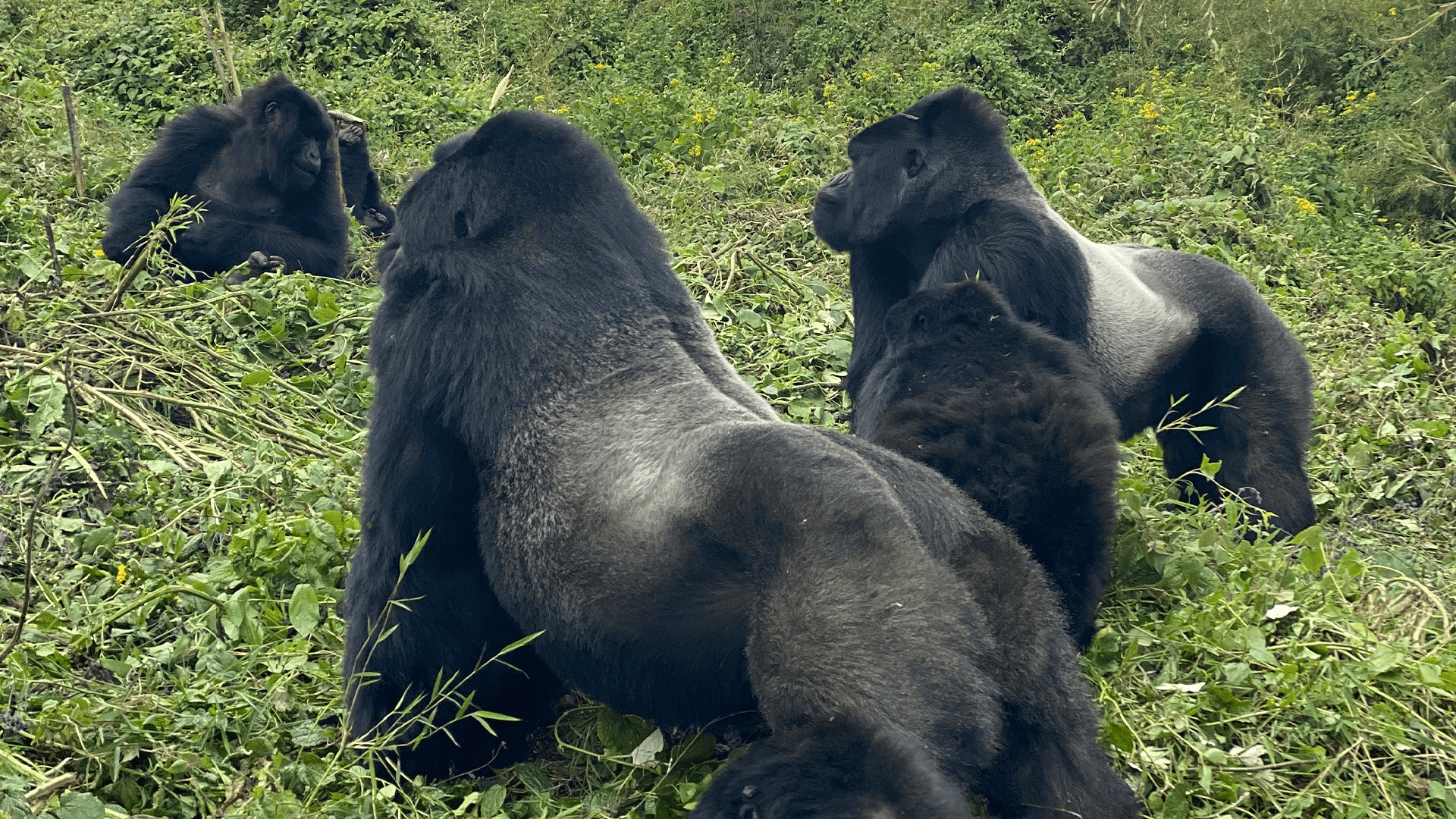
Gorilla trekking is the most famous wildlife adventure in Uganda for good reason. In Bwindi Impenetrable National Park and Mgahinga Gorilla National Park, visitors enter montane forest with Uganda Wildlife Authority rangers and trackers, then hike in search of a habituated mountain gorilla family. Once the group is found, visitors usually spend up to one hour in their presence.
The experience feels completely different from a game drive. You are not watching from a road. You are walking through dense forest, listening to branches snap, following trackers who understand the previous day's gorilla movements, and adjusting your pace to terrain that can be muddy, steep, or surprisingly gentle depending on the assigned family and current location.
For 2026 budgeting, the gorilla trekking permit for foreign non-residents is generally around $800 per person. This permit is the foundation of the cost, but it is not the whole safari price. You also need accommodation near the correct sector, private or shared transport, a professional driver-guide, meals, park transfers, and often porter support. Porters are strongly recommended, not only for comfort on the trail but also because hiring them directly supports local livelihoods around the park.
Plan Your Uganda Safari with Local Experts
 WhatsApp Us
Travelers who want a deeper primate experience can consider the gorilla habituation experience in Bwindi. It is more expensive, with permits typically around $1,500 for foreign non-residents, but it allows a longer, more research-oriented encounter with a gorilla group undergoing habituation. It is best suited to serious wildlife enthusiasts, photographers, and travelers comfortable with a potentially longer forest day.
Premium planning tip: book the gorilla permit before finalizing lodges. Bwindi has different trekking sectors, and staying in the wrong area can create a long, difficult pre-dawn transfer. PawMac Safaris helps match permits, lodges, and routing so that the experience feels smooth rather than rushed.
Chimpanzee tracking: the energy of Uganda's forests
If gorillas are calm and grounding, chimpanzees are fast, vocal, and electric. Chimpanzee tracking in Uganda places you inside a forest soundscape filled with pant-hoots, drumming on buttress roots, rustling leaves, and sudden movement overhead. Kibale National Park is the flagship destination, often considered one of the best places in Africa for chimpanzee encounters, but Budongo Forest, Kyambura Gorge, and Kalinzu Forest can also fit specific itineraries.
Kibale is especially strong for travelers who want a reliable primate focus and a polished safari route. It combines well with Queen Elizabeth National Park, the Kazinga Channel, and onward travel to Bwindi. The standard chimpanzee tracking permit in Kibale is generally around $250 for foreign non-residents. The chimpanzee habituation experience, where available, costs more and involves a longer time in the forest with researchers and rangers.
The physical demand varies. Some treks are relatively short, while others involve several hours of walking. Chimpanzees move quickly, and sightings can shift from quiet observation to rapid repositioning. Good footwear, lightweight rain gear, insect repellent, and a willingness to follow ranger instructions are essential.
For many travelers, the ideal Uganda primate combination is chimpanzee tracking in Kibale followed by gorilla trekking in Bwindi or Mgahinga. The contrast is remarkable. Chimpanzees reveal social energy, hierarchy, and forest drama. Gorillas offer stillness, intimacy, and a powerful sense of kinship.
Boat safaris: wildlife at water level
Boat safaris are among the most underrated wildlife adventures in Uganda. They are less physically demanding than trekking, excellent for photography, and often very productive for sightings. Because animals come to drink, cool off, hunt, nest, or cross channels, the water gives you a different angle on the ecosystem.
In Murchison Falls National Park, the Nile boat safari toward the base of the falls is one of Uganda's classic experiences. Expect hippos, crocodiles, waterbirds, and often elephants or buffalo along the riverbanks. The drama builds as the river narrows and surges toward the powerful waterfall. A delta boat trip, when included, can be particularly rewarding for birders and photographers.
In Queen Elizabeth National Park, the Kazinga Channel connects Lake Edward and Lake George. It is one of the best places in Uganda for close, relaxed wildlife viewing by boat. Hippos crowd the water, buffalo rest near the banks, elephants may come down to drink, and birds are abundant. For travelers who want high photographic yield without a strenuous activity, Kazinga is hard to beat.
Lake Mburo offers a quieter, more compact boat safari. It is good for hippos, crocodiles, fish eagles, kingfishers, and lakeside scenery. Because Lake Mburo is often used as a final stop between southwestern Uganda and Entebbe, it can add a soft, rewarding finish after gorilla trekking.
Shared boat safaris are often priced around $30 to $50 per person, depending on the park and operator. Private boats cost more, but they can be worthwhile for photographers, families, or premium travelers who want flexible positioning and less crowding.
Rhino tracking and walking safaris: reading the bush on foot
Uganda's rhino tracking experience is a meaningful conservation story as much as a wildlife activity. Rhinos once disappeared from Uganda's wild landscapes, and tracking them at Ziwa Rhino Sanctuary helps visitors understand the long process of protection, breeding, and eventual reintroduction ambitions. The experience is typically done on foot with trained ranger guides.
This is not a casual stroll toward an animal. Guides manage distance, wind, behavior, and safety. Visitors learn how rhinos feed, rest, communicate, and use habitat. For travelers building a Big Five themed safari in Uganda, rhino tracking can complement lion, leopard, buffalo, and elephant sightings in the national parks.
Walking safaris in places such as Lake Mburo National Park reveal a different scale of wildlife. Without the sound and height of a vehicle, you notice hoof marks, dung, bird calls, termite mounds, medicinal plants, and the movements of smaller creatures. Lake Mburo is especially suitable because it has strong plains wildlife and fewer large predator concerns than some other savannah parks.
Walking activities are usually guided and may require ranger fees or activity permits, often in the range of $20 to $40 or more depending on location and tariff updates. The value is not measured only in major sightings. It is in the interpretation. A strong guide can turn a footprint, broken branch, or alarm call into a story about the landscape.

Shoebill and birding adventures: Uganda's quiet obsession
Uganda is a dream destination for birders, but even non-birders often become fascinated once they experience the country's wetlands and forests. The shoebill is the star for many visitors. This prehistoric-looking bird is most famously searched for in the Mabamba Bay wetlands near Entebbe, where local canoe trips move slowly through papyrus channels.
Mabamba works well at the beginning or end of a safari because it is accessible from Entebbe. Early morning is often best, when the light is softer and bird activity is higher. A shoebill outing may cost roughly $70 to $120 per person depending on transfers, boat arrangements, guide quality, and group size. Serious photographers may prefer private arrangements to allow better patience and positioning.
Birding can also be woven through a broader safari. Bwindi offers forest species and Albertine Rift endemics. Queen Elizabeth has savannah, wetland, and crater habitats. Murchison Falls combines riverine birds with open country species. Semuliki, Mabira, Kibale, and Lake Mburo can add depth for travelers with specific target lists.
What makes birding in Uganda especially satisfying is that it does not have to be isolated from other wildlife. A boat safari can include elephants and fish eagles in the same frame. A forest walk can combine monkeys, butterflies, and turacos. A wetland canoe can become a slow, meditative contrast to the intensity of gorilla trekking.
Lake Mburo by foot, boat, bicycle, or horseback
Lake Mburo National Park is one of Uganda's best destinations for active wildlife adventures beyond game drives. Its landscapes are open, scenic, and accessible, with zebras, impalas, elands, topis, buffalo, hippos, crocodiles, and rich birdlife. It is also conveniently located on the route between Entebbe and the gorilla trekking regions of southwestern Uganda.
The park is particularly appealing because it offers multiple ways to experience wildlife. Guided walking safaris reveal tracks and smaller details. Boat trips explore the lake edge. Cycling experiences may be available in surrounding areas, depending on current local arrangements. Horseback safaris, offered through specialist local providers near the park, can create a quiet and memorable way to move through wildlife habitat.
Costs vary by activity, duration, and provider. Short guided walks or park activities may be relatively modest compared with primate permits, while horseback experiences can range from roughly $40 to $120 or more depending on length. The important planning point is timing. Lake Mburo is often treated as a one-night stop, but active travelers may prefer two nights to enjoy the park without rushing.
Rwenzori and Mount Elgon trekking for wildlife-minded hikers
Not every wildlife adventure in Uganda is about large mammals. The Rwenzori Mountains and Mount Elgon offer a different kind of natural immersion, where the reward is alpine vegetation, waterfalls, montane forest, endemic birds, chameleons, monkeys, and extraordinary landscapes.
The Rwenzori Mountains are best for serious hikers and travelers who want a demanding extension. Shorter treks can introduce the foothills and forest zones, while longer expeditions toward higher elevations require more time, fitness, equipment planning, and budget. Multi-day Rwenzori treks can range from several hundred dollars for short routes to well over $1,500 for longer expeditions, depending on route, support crew, park fees, accommodation style, and inclusions.
Mount Elgon, in eastern Uganda, can be a softer alternative for travelers interested in waterfalls, caves, forest, and mountain scenery without the same level of technical intensity. It is especially rewarding for hikers who enjoy quieter trails and landscapes that feel far removed from busy safari circuits.
These mountain experiences are not replacements for Uganda's classic wildlife parks. They are extensions for travelers who want to understand the country's full ecological range. If your ideal safari includes both wildlife and physical challenge, PawMac Safaris can help determine whether a mountain component belongs in your route or whether your time is better spent in primate and savannah regions.
Nile adventures in Jinja: water, adrenaline, and scenery
Jinja adds a different rhythm to a Uganda safari. Located near the source of the Nile, it is known for rafting, kayaking, river cruises, quad biking in nearby areas, and relaxed post-safari stays. While Jinja is not a traditional wildlife destination in the same way as Bwindi or Murchison Falls, it fits travelers who want adventure, river scenery, and an active finish before flying home.
White-water rafting is the headline activity. Full-day rafting commonly falls around $130 to $180 per person, depending on the operator, inclusions, water levels, and transfer arrangements. Kayaking and gentler river activities may suit travelers who want the Nile experience without the full adrenaline level.
Safety should guide every decision. Adventure tourism should include clear briefings, appropriate equipment, honest assessment of conditions, and guides who know when to proceed and when to adjust. The same disciplined safety mindset seen in specialist fields such as technical diving and instructor training in Thailand is a useful reminder for any high-adventure environment: professional instruction, conservative judgment, and respect for conditions matter.
Jinja works best as a one or two-night extension, not as a rushed add-on after a long drive. It can be especially appealing for honeymooners, families with older children, and travelers who want to pair wildlife with a sense of movement and fun.
How to choose the right beyond-game-drive experiences
The best mix depends on your fitness, budget, travel style, and tolerance for early mornings. Gorilla trekking is the top choice if you want the defining Uganda wildlife moment. Chimpanzee tracking is ideal if you are fascinated by behavior, sound, and forest movement. Boat safaris suit photographers, families, and travelers who want high comfort with strong sightings. Walking safaris and rhino tracking appeal to people who want interpretation and a deeper connection to habitat.
For first-time visitors with 8 to 10 days, a strong route might include Murchison Falls for the Nile and savannah, Kibale for chimpanzees, Queen Elizabeth for the Kazinga Channel, Bwindi for gorillas, and Lake Mburo for a walking or boat-based finale. This kind of itinerary keeps the focus on Uganda's top wildlife zones while adding variety beyond the vehicle.
For travelers who want a more active pace, it may make sense to include Jinja, Rwenzori foothills, Mount Elgon, or extended walking activities. The PawMac Safaris guide to adventure tours in Uganda is a useful companion if you are deciding how far to push the active side of your safari.
Luxury travelers should think carefully about exclusivity, not just lodge category. A private boat, well-located gorilla lodge, experienced private driver-guide, and slower routing can be more valuable than simply choosing the most expensive room. Premium safari design is about reducing friction: fewer rushed transfers, better permit matching, smarter activity sequencing, and more time where the wildlife is.
Budgeting for Uganda wildlife adventures in 2026
Uganda can be planned at several comfort levels, but the most important costs are permits, transport, accommodation, and guiding. Gorilla permits are the biggest fixed cost for most itineraries. Chimpanzee permits, park entries, boat trips, ranger-led walks, and optional adventure activities add to the total.
Accommodation prices vary widely. Budget lodges and guesthouses can keep costs controlled, while strong midrange safari lodges often sit in a broad range around $180 to $450 per night or per person depending on location, meal plan, and season. In prime gorilla and safari areas, high-end luxury lodges can reach roughly $700 to $1,500 or more per room or suite per night, especially in peak periods.
Transport also matters. A private 4×4 with an expert driver-guide is one of the best investments on a Uganda safari because road journeys are part of the experience and conditions vary. Fly-in options can reduce travel time and increase comfort, but they raise the budget significantly and still require ground transfers at each end.
| Safari style | Typical duration | Indicative per-person budget, excluding international flights | Best fit |
|---|---|---|---|
| Budget-conscious primate safari | 4 to 6 days | About $1,700 to $3,000 | Travelers focused mainly on gorillas with simple accommodation |
| Midrange primate and wildlife safari | 7 to 10 days | About $3,500 to $6,000 | Most first-time visitors wanting gorillas, chimps, boat safari, and savannah |
| Premium road safari | 8 to 12 days | About $6,000 to $10,000 | Travelers wanting better lodges, private guiding, and slower pacing |
| Luxury fly-in or hybrid safari | 8 to 12 days | About $8,000 to $14,000+ | High-comfort travelers minimizing long road transfers |
Season affects both cost and availability. June to September and December to February are popular because conditions are often drier and trekking trails can be more manageable. March to May and October to November can bring rain, greener landscapes, better birding, and sometimes stronger value at selected lodges. Gorilla and chimpanzee permits, however, should still be booked early because availability is limited.
For broader route planning, PawMac Safaris also outlines practical combinations in its guide to wildlife tours in Uganda worth adding to your itinerary, which can help you decide how to balance primates, boats, walking activities, and classic safari time.
Practical planning tips before you book
Start with your non-negotiable experience. If gorilla trekking is the reason you are coming to Uganda, secure the permit and sector first, then build the itinerary around it. If photography is the priority, consider private boats, slower pacing, and lodges that reduce transfer fatigue. If fitness is a concern, choose activities carefully and discuss trekking expectations honestly before permits are purchased.
Pack for mixed conditions. Uganda's best wildlife adventures often move between warm savannah, cool forest, wet trails, and open water. Lightweight long sleeves, neutral colors, waterproof hiking shoes, a compact rain jacket, insect repellent, sun protection, and binoculars are all useful. For gorilla and chimpanzee trekking, gardening-style gloves can help when holding vegetation on steep or muddy sections.
Respect age limits and health rules. Gorilla trekking has a minimum age of 15. Chimpanzee tracking age limits vary by site and should be reconfirmed when booking. Visitors who are ill may not be allowed to trek primates, as respiratory infections can threaten great apes. This is not inconvenience. It is conservation.
Finally, do not overload the itinerary. Uganda looks small on a map, but roads, weather, ferry crossings, park gates, and mountain terrain all affect timing. A well-designed safari should leave space for early starts, rest, and unplanned wildlife moments.
Frequently Asked Questions
What is the best wildlife adventure in Uganda besides a game drive? Gorilla trekking is the most iconic choice, but chimpanzee tracking, boat safaris on the Nile or Kazinga Channel, rhino tracking, and shoebill canoe trips are also outstanding. The best option depends on your fitness, budget, and main wildlife interests.
How much does gorilla trekking cost in Uganda in 2026? The gorilla trekking permit is generally about $800 for foreign non-residents. Your full trip cost will also include accommodation, transport, guiding, meals, park logistics, and optional porter support.
Can I enjoy Uganda wildlife adventures if I am not very fit? Yes, but choose carefully. Boat safaris, Mabamba shoebill trips, Lake Mburo boat activities, and some shorter walks are less demanding. Gorilla and chimpanzee treks vary in difficulty, so it is important to discuss your fitness level before booking permits.
How many days do I need for wildlife adventures beyond game drives? A 7 to 10-day itinerary is ideal for combining gorillas, chimpanzees, a boat safari, and at least one walking or wetland experience. With 12 days or more, you can add Jinja, Kidepo, Rwenzori foothills, or a slower luxury pace.
Are walking safaris and rhino tracking safe in Uganda? They are designed to be safe when conducted with authorized ranger guides and proper instructions. Always follow distance rules, stay with your guide, avoid sudden movements, and listen carefully during the safety briefing.
Plan your Uganda safari beyond the ordinary
The best wildlife adventures in Uganda are not limited to game drives. They happen in rainforest, wetlands, rivers, mountains, and open savannah, often with expert guides who understand the land in detail.
PawMac Safaris designs personalized Uganda safari itineraries with local knowledge, professional planning, comfortable 4×4 vehicles, and flexible options from budget-conscious to luxury travel. If you want gorilla trekking, chimpanzee tracking, boat safaris, walking experiences, cultural encounters, and smart 2026 cost guidance in one seamless route, PawMac Safaris can help you build a journey that goes far beyond the expected.


