


- 5 Views
- 19 Min Read
- (0) Comment
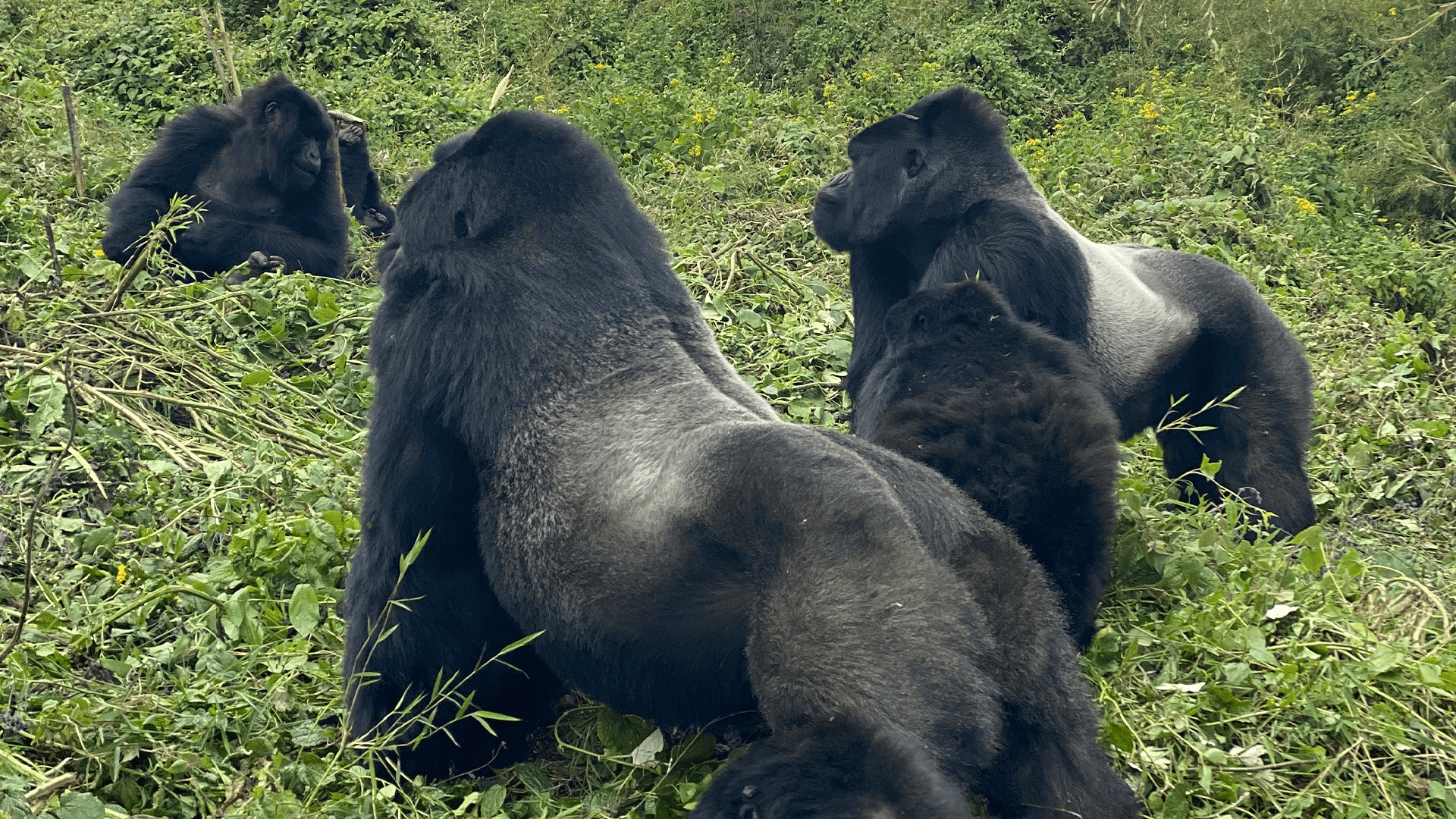
For many travelers, Uganda begins with one dream: standing quietly in Bwindi Impenetrable Forest as a mountain gorilla family feeds, plays, and rests only a few meters away. It is one of Africa’s most powerful wildlife encounters, and it deserves its reputation. But if your planning question is “Uganda what to see beyond gorilla trekking,” the answer is far richer than a single permit or one forest experience.
Uganda is a compact but remarkably diverse safari destination. In one well-planned journey, you can track chimpanzees in Kibale, watch elephants gather along the Nile, cruise past hippos on the Kazinga Channel, search for tree-climbing lions in Ishasha, walk through rhino habitat at Ziwa, listen to shoebill guides in Mabamba Swamp, and finish the day at a lodge overlooking crater lakes, savannah, or misty highlands. The key is knowing which places are worth adding, how they fit together logistically, and what they do to your safari budget.
Table of Contents
- Why Uganda is more than gorilla trekking
- Savannah wildlife parks to see beyond Bwindi
- Murchison Falls National Park
- Queen Elizabeth National Park
- Kidepo Valley National Park
- Lake Mburo National Park and Ziwa Rhino Sanctuary
- Primate encounters beyond mountain gorillas
- Kibale chimpanzee tracking
- Golden monkeys and forest walks in Mgahinga
- Boat safaris rivers and lakes
- Birding highlights including the shoebill
- Scenic landscapes hiking and adventure stops
- Cultural experiences that add meaning to your safari
- How to build a balanced Uganda safari itinerary
- Budget planning for what to see beyond gorilla trekking
- Practical planning tips for 2026 safari travel
- Frequently Asked Questions
- Plan your Uganda safari with PawMac Safaris
Why Uganda is more than gorilla trekking
Gorilla trekking is the headline, but Uganda’s safari strength is variety. The country combines dense equatorial forest, open savannah, papyrus wetlands, volcanic highlands, crater lakes, the Nile, and remote semi-arid wilderness. That variety gives travelers more than one style of safari in a single itinerary.
Uganda has 10 national parks and an outstanding concentration of wildlife experiences for its size. It is one of the few destinations where primate tracking and traditional game viewing work naturally together. You can spend one morning listening to chimpanzees calling through Kibale Forest and the next afternoon watching buffalo, elephants, and lions in Queen Elizabeth National Park.
This matters because a gorilla-only trip can feel too short for travelers flying long-haul. Gorilla trekking itself is usually a half-day activity, though the emotional impact lasts much longer. A richer Uganda safari adds texture before and after the trek: river journeys, night sounds at savannah lodges, forest walks, birding, community visits, and scenic highland drives.
For travelers comparing options, PawMac Safaris often recommends thinking of Uganda in safari “layers” rather than single attractions. The gorillas are the anchor. Chimpanzees, savannah parks, boat safaris, birding, and cultural encounters create the complete journey.
| Safari layer | Best places in Uganda | Why it adds value |
|---|---|---|
| Big game viewing | Murchison Falls, Queen Elizabeth, Kidepo, Lake Mburo | Adds lions, elephants, buffalo, giraffes, zebras, antelopes, and classic game drives |
| Primate tracking | Kibale, Budongo, Kyambura, Kalinzu, Mgahinga | Complements gorilla trekking with chimpanzees, golden monkeys, and forest biodiversity |
| Water safaris | Nile at Murchison, Kazinga Channel, Lake Bunyonyi, Mabamba Swamp | Offers close wildlife viewing from a boat and excellent photography angles |
| Birding | Mabamba, Queen Elizabeth, Semuliki, Murchison, Bigodi | Uganda has more than 1,000 recorded bird species, including the shoebill |
| Culture and scenery | Bigodi, Batwa experiences, Sipi Falls, Karamoja, crater lakes | Adds human context, landscapes, and slower travel moments |
Savannah wildlife parks to see beyond Bwindi
Bwindi and Mgahinga are forest destinations. If you want open landscapes, game drives, big skies, and the feeling of a classic African safari within Uganda, you need to add at least one savannah park. The best choice depends on your route, available days, and appetite for remote travel.
Murchison Falls National Park
Murchison Falls National Park is one of Uganda’s strongest answers to the question of what to see beyond gorilla trekking. The park combines powerful scenery with reliable wildlife viewing, especially in the northern savannah sector. Expect elephants, buffalo, giraffes, Uganda kob, Jackson’s hartebeest, warthogs, hippos, crocodiles, and frequent lion sightings when conditions are favorable.
The park’s defining feature is the waterfall itself. The Nile is forced through a narrow rocky gap before dropping with tremendous force into the river below. A boat safari to the base of the falls is one of Uganda’s signature experiences, especially for photographers who want hippos, crocodiles, elephants, and waterbirds in the same frame.
Murchison also works well logistically at the beginning of a safari. Many itineraries travel from Entebbe or Kampala through Ziwa Rhino Sanctuary, continue to Murchison for two or three nights, then move toward Kibale or return to Entebbe. Road transfers can be long, but the route is rewarding when planned properly with rest stops and lodge timing.
For travelers seeking Big Five context in Uganda, Murchison plus Ziwa is important. Rhinos are not currently seen on standard game drives in Uganda’s national parks, so Ziwa Rhino Sanctuary is the usual way to include rhino tracking in a broader Big Five safari.
Plan Your Uganda Safari with Local Experts
 WhatsApp Us
Queen Elizabeth National Park
Queen Elizabeth National Park is one of Uganda’s most varied safari landscapes. It offers crater lakes, open plains, wetlands, escarpments, and the famous Kazinga Channel. The park is also conveniently positioned between Kibale and Bwindi, which makes it a natural bridge for travelers combining chimpanzees, big game, and gorillas.
The northern Kasenyi plains are known for lions, Uganda kob, buffalo, elephants, hyenas, and many bird species. The Kazinga Channel boat cruise is often the highlight, with dense concentrations of hippos, crocodiles, buffalo, elephants, pelicans, kingfishers, and fish eagles along the shoreline.
In the southern Ishasha sector, travelers look for tree-climbing lions resting in fig trees. Sightings are never guaranteed, but Ishasha adds a distinctive safari angle and can be worked into routes between Queen Elizabeth and Bwindi. If your schedule allows, one night in or near Ishasha can reduce transfer fatigue and improve your chances of seeing the area properly.
Queen Elizabeth is especially valuable for travelers who want diversity without adding too many flight sectors or very remote road transfers. It is also a strong choice for families, photographers, and first-time Uganda visitors who want a balanced mix of scenery and wildlife.
Kidepo Valley National Park
Kidepo Valley National Park is Uganda’s remote wilderness prize. Located in the far northeast, it feels very different from the country’s southwestern gorilla and chimpanzee routes. The landscapes are wide, rugged, and dramatic, with mountains framing open plains and seasonal riverbeds.
Wildlife may include large buffalo herds, elephants, lions, giraffes, zebras, hartebeest, eland, ostriches, and, with luck, cheetah. Kidepo is not the easiest park to reach, which is part of its appeal. Travelers who make the journey are rewarded with a sense of space and exclusivity that is difficult to match on more conventional routes.
For most visitors, Kidepo is best suited to a longer Uganda itinerary of 12 to 14 days or a fly-in safari. Road access is possible, but transfer times are significant, and the journey needs to be treated as part of the experience rather than a simple commute. For premium travelers, scheduled or charter flights can make Kidepo much more comfortable.
Lake Mburo National Park and Ziwa Rhino Sanctuary
Lake Mburo National Park is smaller than Murchison or Queen Elizabeth, but it plays an important role in many Uganda itineraries. It lies along the southwestern circuit and is often used as a scenic stop between Bwindi, Lake Bunyonyi, and Entebbe. The park is known for zebras, impalas, elands, topis, waterbucks, hippos, and excellent birdlife.
Unlike many larger parks, Lake Mburo offers guided walking safaris and cycling experiences in selected areas, which creates a more active, intimate way to experience wildlife. It is also a good option for travelers who prefer shorter drives and varied activities rather than repeated vehicle-based game drives.
Ziwa Rhino Sanctuary is different. It is not a national park in the same sense, but it is the key stop for travelers who want to see rhinos in Uganda. Rhino tracking is usually done on foot with trained guides, and it pairs especially well with a Murchison Falls route.
If you are planning a broader wildlife-focused route, PawMac Safaris’ guide to wildlife tours in Uganda worth adding to your itinerary is a useful next step for comparing how these parks fit together.
Primate encounters beyond mountain gorillas
Uganda’s primate experiences do not end with gorillas. In fact, one of the best ways to deepen a safari is to compare the calm, ground-level intimacy of gorilla trekking with the louder, more energetic atmosphere of chimpanzee tracking. The two experiences feel completely different.
Kibale chimpanzee tracking
Kibale National Park is widely regarded as Uganda’s premier chimpanzee tracking destination. The forest is rich, alive, and layered with sound. Chimpanzees move quickly, call loudly, and often create a sense of excitement as guides follow vocalizations and fresh signs through the forest.
A standard chimpanzee tracking experience usually lasts several hours, with a limited viewing period once the chimpanzees are located. For more serious primate enthusiasts, habituation-style experiences may be available on selected dates and under specific regulations, allowing a longer time in the forest. Availability and rules should always be confirmed well in advance.
Kibale also pairs beautifully with Bigodi Wetland Sanctuary, a community-linked wetland walk known for birds, monkeys, butterflies, and village life. Many travelers underestimate Bigodi, but it is one of the best soft-adventure add-ons in western Uganda, especially for guests who enjoy nature at a slower pace.
For 2026 planning, budget around US$250 per foreign non-resident for a Kibale chimpanzee permit, but confirm current Uganda Wildlife Authority tariffs before booking. Permit prices can change, and availability is limited during peak travel months.
Golden monkeys and forest walks in Mgahinga
Mgahinga Gorilla National Park is often associated with gorillas, but it is also Uganda’s key destination for golden monkey tracking. Golden monkeys are active, photogenic, and often found in bamboo zones. The experience is lighter physically than many gorilla treks, though conditions vary with weather and troop movement.
Mgahinga also offers scenic forest and volcano experiences, including views toward the Virunga range. For travelers staying near Kisoro or combining Mgahinga with southern Bwindi sectors, golden monkey tracking can add variety without requiring a major route change.
Boat safaris rivers and lakes
Boat safaris are one of Uganda’s greatest advantages. They slow the safari down, reduce the dust and movement of game drives, and bring you close to wildlife that gathers near water. For photographers, boats also offer lower angles and cleaner backgrounds than many vehicle sightings.
The three most important water-based safari experiences are the Nile boat cruise in Murchison Falls National Park, the Kazinga Channel boat cruise in Queen Elizabeth National Park, and the Mabamba Swamp canoe excursion for shoebill tracking near Entebbe. Lake Bunyonyi is different, more scenic and relaxing than wildlife-heavy, but it is a beautiful decompression stop after gorilla trekking.
A Murchison boat cruise emphasizes drama: the Nile, the falls, crocodiles, hippos, elephants, and cliffside birds. A Kazinga Channel cruise emphasizes density: hippos in large numbers, buffalo on the banks, elephants coming to drink, and constant bird activity. Mabamba emphasizes patience, silence, and the thrill of searching papyrus channels for one of Africa’s most unusual birds.
Public boat cruises in national parks are often budget-friendly compared with private activities, commonly falling in the approximate US$30 to US$50 per person range, depending on the park, operator, and current tariff. Private boat options cost more but can be worthwhile for photographers, families, or travelers who want flexible timing.

Birding highlights including the shoebill
Even travelers who do not consider themselves birders often become bird-aware in Uganda. The country’s birdlife is constant, colorful, and unusually accessible. With more than 1,000 recorded bird species, Uganda rewards both specialist birders and casual safari guests who simply enjoy beautiful sightings between mammals.
The shoebill is the bird many travelers most want to see. Mabamba Swamp, near Entebbe, is one of the most practical places to search for it, especially at the beginning or end of a safari. The excursion is typically done by canoe or small boat with local guides who understand the papyrus channels and feeding areas.
Queen Elizabeth National Park is also excellent for birding, especially around the Kazinga Channel and wetlands. Murchison offers savannah, riverine, and delta birding. Bigodi Wetland near Kibale is strong for forest-edge and wetland species, while Semuliki attracts birders interested in species with Central African affinities.
Uganda’s national bird, the grey crowned crane, is another highlight. It appears in wetlands, grasslands, and agricultural landscapes, and its elegance makes it memorable even for first-time visitors.
Scenic landscapes hiking and adventure stops
Uganda is not only about wildlife sightings. Some of the most memorable safari moments come from scenery: the blue-green crater lakes near Fort Portal, the terraced hills around Kabale and Kisoro, the mist over Bwindi, the open valleys of Kidepo, and the volcanic slopes of the far southwest.
Hiking can be added in different levels of intensity. Sipi Falls on the slopes of Mount Elgon offers waterfall hikes, coffee experiences, and cooler highland air. The Rwenzori Mountains offer serious trekking for well-prepared hikers, from shorter foothill walks to multi-day alpine routes. Around Mgahinga, volcano hikes can be demanding but highly rewarding for active travelers.
Lake Bunyonyi is one of Uganda’s best places to pause after gorilla trekking. It is scenic, calm, and ideal for canoeing, lodge relaxation, and gentle exploration. It does not offer the big game drama of Murchison or Queen Elizabeth, but it gives many travelers the breathing space they need after long drives and early trekking mornings.
If hiking and scenery are important to your trip, PawMac Safaris has a dedicated guide to the best hiking trips in Uganda for safari and scenic views that can help you decide how active your itinerary should be.
Cultural experiences that add meaning to your safari
A well-designed Uganda safari should not treat culture as an afterthought. Community visits, heritage stops, and locally guided walks can add depth when they are handled respectfully and not rushed. The best cultural experiences create context rather than performance.
Near Bwindi and Mgahinga, Batwa cultural experiences can help travelers understand the deep relationship between forest communities and the landscapes now protected for conservation. Around Kibale, Bigodi community walks connect wetland conservation with local livelihoods. In the northeast, Karamoja experiences can add a powerful cultural dimension to a Kidepo itinerary.
Kampala and Entebbe can also be used meaningfully rather than only as arrival and departure points. Depending on timing, guests may include craft markets, historical sites, local food experiences, or a relaxed Lake Victoria sunset before heading into the parks.
The most important principle is quality over quantity. One well-guided cultural experience with proper time for conversation is better than several brief stops that feel transactional. For a deeper look at respectful and rewarding options, see PawMac Safaris’ guide to cultural tours in Uganda that add meaning to your safari.
How to build a balanced Uganda safari itinerary
The best Uganda safari itineraries are not built by adding every possible attraction. They are built around smart sequencing. Roads can be long, weather can affect trekking, and early morning starts are common. A good route balances ambition with comfort.
For a first-time visitor, 8 to 10 days is often the minimum for a rounded safari that includes gorillas plus at least two major non-gorilla experiences. With 12 to 14 days, Uganda becomes much more expansive, allowing Murchison, Kibale, Queen Elizabeth, Bwindi, Lake Bunyonyi, and possibly Lake Mburo or Kidepo depending on travel style.
| Available time | Best safari focus | Practical route idea |
|---|---|---|
| 5 to 6 days | Gorilla trekking plus one scenic or wildlife add-on | Entebbe, Bwindi or Mgahinga, Lake Bunyonyi or Lake Mburo, Entebbe |
| 7 to 8 days | Gorillas, chimpanzees, and Queen Elizabeth | Entebbe, Kibale, Queen Elizabeth, Bwindi, Entebbe |
| 10 to 12 days | Full western Uganda safari | Entebbe, Ziwa, Murchison, Kibale, Queen Elizabeth, Bwindi, Lake Bunyonyi or Lake Mburo |
| 12 to 14 days | Remote wilderness and premium variety | Add Kidepo by flight or a carefully paced northern route |
Road planning matters. Entebbe to Murchison can take around 5 to 7 hours depending on stops and the lodge location. Murchison to Kibale can be a long travel day. Kibale to Queen Elizabeth is much shorter, often around 2.5 to 4 hours depending on the specific lodges. Queen Elizabeth to Bwindi can take around 4 to 7 hours depending on whether you route through Ishasha and which Bwindi sector you are using.
Domestic flights can reduce fatigue on premium itineraries, especially for Kidepo, Bwindi, or Murchison combinations. They increase cost, but they can save full days on the road and make the safari feel more polished.
Budget planning for what to see beyond gorilla trekking
Cost transparency is essential when planning Uganda. Gorilla permits are a major cost, but they are not the only budget driver. Chimpanzee permits, park entries, lodge categories, domestic flights, private vehicles, boat cruises, and route design all affect the final price.
For 2026 planning, treat the following as realistic planning ranges rather than fixed quotes. Permit fees and park tariffs should always be reconfirmed before booking, especially for late 2026 travel and beyond.
| Safari cost item | Realistic planning range | Notes |
|---|---|---|
| Gorilla trekking permit | Around US$800 per foreign non-resident | A major fixed cost, usually paid in advance and subject to availability |
| Kibale chimpanzee permit | Around US$250 per foreign non-resident | Kibale is usually the premium chimpanzee tracking choice |
| National park entry | Often around US$40 to US$45 per adult per day | Varies by park, residency, and current tariffs |
| Scheduled boat cruise | Often around US$30 to US$50 per person | Private boats and specialist photography boats cost more |
| Rhino tracking at Ziwa | Commonly budget around US$50 per person | Confirm current rates at booking |
| Mid-range lodge | Around US$180 to US$450 per person per night | Depends heavily on location, season, meal plan, and room type |
| Luxury lodge | Around US$600 to US$1,500+ per person per night | High-end gorilla and wilderness lodges can exceed this in peak season |
| Domestic flight sector | Often around US$300 to US$500+ per person | Varies by route, baggage, season, and aircraft schedule |
A mid-range 8 to 10 day Uganda safari including gorillas, chimpanzees, Queen Elizabeth, private guiding, lodges, meals, park entries, and transfers may commonly fall in the broad range of US$3,800 to US$6,000 per person sharing. A luxury version can rise from around US$7,000 to well over US$12,000 per person, especially with premium lodges and domestic flights. A shorter savannah-focused safari without gorilla trekking may cost less, but it will not deliver Uganda’s signature primate highlight.
Season affects pricing and availability. June to September and December to February are popular because conditions are generally drier and trekking trails can be more manageable. March to May and parts of November can bring heavier rain, greener scenery, stronger birding interest, and sometimes better lodge value. However, rain should not be seen as a reason to avoid Uganda entirely. Forest and equatorial weather are part of the country’s character, and experienced guides know how to adjust timing.
Practical planning tips for 2026 safari travel
Book key permits early. Gorilla and chimpanzee permits can sell out for preferred dates, especially when travelers want specific sectors of Bwindi or a particular lodge standard. For peak months, planning 6 to 12 months ahead is wise, especially for premium lodges and private guiding.
Choose your Bwindi sector carefully. Bwindi has different trekking sectors, and the sector affects lodge choice, road routing, and onward transfers. A beautiful lodge in the wrong sector can create unnecessary driving if permits are issued elsewhere.
Pack for both forest and savannah. Uganda can be warm at midday, cool in the highlands, wet in the forest, and dusty on game drives. Neutral clothing, a light rain jacket, broken-in walking shoes, insect repellent, sunscreen, binoculars, and a soft-sided bag are all practical choices.
Plan logistics with the same seriousness as the wildlife. Long drives, luggage limits on small aircraft, camera equipment, medical supplies, and arrival timing can all shape the comfort of the trip. For UK-based travelers or groups coordinating equipment before departure, professional support such as 3PL logistics services, order fulfilment and warehousing can be useful when supplies, branded materials, or specialist gear need to move reliably before a larger journey.
Work with local expertise. Uganda rewards detailed, on-the-ground planning. The difference between a rushed safari and a smooth one often comes down to route sequencing, lodge location, permit timing, and guide experience. PawMac Safaris designs custom Uganda safari itineraries around these details, using local knowledge to match each traveler’s budget, comfort level, and wildlife priorities.
Frequently Asked Questions
What should I see in Uganda besides gorillas? The best additions are chimpanzee tracking in Kibale, game drives in Murchison Falls or Queen Elizabeth, a Kazinga Channel or Nile boat safari, shoebill tracking at Mabamba, Lake Bunyonyi, Ziwa Rhino Sanctuary, and cultural experiences around Bwindi, Kibale, or Karamoja.
How many days do I need for a Uganda safari beyond gorilla trekking? Plan at least 7 to 8 days if you want gorillas, chimpanzees, and one savannah park. For a richer route including Murchison Falls, Kibale, Queen Elizabeth, Bwindi, and Lake Mburo or Lake Bunyonyi, 10 to 12 days is more comfortable.
Is Queen Elizabeth or Murchison Falls better for a first Uganda safari? Queen Elizabeth fits very well with Kibale and Bwindi, making it efficient for a western circuit. Murchison Falls offers stronger Nile scenery, giraffes, excellent boat safaris, and a natural pairing with Ziwa Rhino Sanctuary. The better choice depends on your route and time.
Can I see the Big Five in Uganda? Yes, but not all in one national park. Lions, elephants, buffalo, and leopards can be seen in Uganda’s savannah parks, while rhinos are usually tracked at Ziwa Rhino Sanctuary. Sightings are never guaranteed, but a well-designed route improves your chances.
Is Uganda good for luxury safaris? Yes. Uganda has high-end lodges in key areas such as Bwindi, Queen Elizabeth, Murchison Falls, Kibale, and Kidepo. Luxury travelers should budget for premium lodges, private guiding, carefully paced transfers, and possible domestic flights.
When is the best time to visit Uganda for safari? June to September and December to February are generally popular for drier conditions. March to May and November can be wetter, but they offer lush scenery, strong birding, and possible value advantages at some lodges.
Plan your Uganda safari with PawMac Safaris
Uganda is far more than a single trek. Gorilla trekking may be the moment that brings you here, but the full safari is built from everything around it: chimpanzee calls in Kibale, elephants on the Nile, lions in the savannah, shoebills in papyrus wetlands, crater lake views, community stories, and quiet evenings at carefully chosen lodges.
PawMac Safaris helps travelers turn those possibilities into a practical, well-paced journey. Whether you want a premium gorilla and wildlife safari, a family-friendly route, a photography-focused itinerary, or a cost-conscious custom plan, our local team can align permits, parks, lodges, vehicles, and guiding around the way you want to experience Uganda.
Start with the gorillas, but do not stop there. The Pearl of Africa has much more to show you.


