


- 5 Views
- 18 Min Read
- (0) Comment
A memorable Uganda safari is never assembled from a generic checklist. It is built around timing, terrain, permits, wildlife behavior, comfort, and the specific reason a traveler has chosen Uganda in the first place. For PawMac Safaris, that means every itinerary starts with the country itself: the forests of Bwindi and Kibale, the Nile at Murchison Falls, the open plains of Queen Elizabeth National Park, the remote drama of Kidepo Valley, and the cultural warmth that makes Uganda feel personal long after the trip ends.
When we talk about our trips, we are talking about carefully planned Uganda journeys that balance rare wildlife encounters with practical logistics. A gorilla trekking day must be protected from rushed transfers. A photography safari needs the right light, not just the right park. A family itinerary should preserve energy and comfort. A luxury trip should feel seamless without losing the authenticity of the destination. This is how PawMac Safaris builds safari experiences around Uganda, not around a template.
Table of Contents
- Why “Around Uganda” Comes First
- The Planning Principles Behind Every PawMac Safaris Itinerary
- Principle: Start With the Traveler, Then Shape the Route
- Principle: Protect the Prime Wildlife Moments
- Principle: Build in Realistic Drive Times and Recovery Time
- How Uganda’s Regions Shape Our Trips
- Bwindi and Mgahinga for Gorilla Trekking
- Kibale and Queen Elizabeth for Primates, Big Cats, and Waterways
- Murchison Falls, Ziwa, and Kidepo for Big Game and Open Space
- The Budget Architecture Behind Our Trips
- Permit Costs and Park Fees
- Lodging, Transport, and Guiding Choices
- Sample Uganda Trip Blueprints We Build From
- Comfort, Safety, and Local Expertise in the Field
- What We Customize Before You Confirm
- Frequently Asked Questions
- Plan a Uganda Safari Built Around You
Why “Around Uganda” Comes First
Uganda rewards travelers who plan with precision. Distances may look modest on a map, but road conditions, mountain terrain, ferry schedules, park gates, flight timings, and permit availability all shape the real experience. A well-built Uganda safari does not simply connect famous names. It makes the journey between them comfortable, meaningful, and timed around the best possible moments in each place.
This is especially important because Uganda’s safari appeal is unusually diverse. In one country, travelers can trek mountain gorillas in high-altitude rainforest, track chimpanzees in Kibale, cruise the Nile below Murchison Falls, search for lions and elephants on open savanna, visit rhino sanctuaries, explore volcanic landscapes, and meet communities whose traditions are closely tied to the land.
PawMac Safaris builds itineraries with this diversity in mind. Some travelers come for a single life-changing gorilla trek. Others want a complete primate and wildlife circuit. Some want premium lodges, private pacing, and domestic flights. Others want a smart midrange route that delivers the strongest wildlife value for the budget. The destination stays the same, but the design changes according to traveler goals, season, comfort level, and budget.
For travelers still comparing what Uganda can offer in 2026, our broader PawMac Safaris Uganda wildlife guide is a useful companion to this behind-the-scenes look at itinerary design.
The Planning Principles Behind Every PawMac Safaris Itinerary
A good safari feels effortless to the guest, but behind that ease is a chain of important planning decisions. PawMac Safaris considers permit timing, lodge location, route direction, road conditions, park activity schedules, luggage needs, dietary requirements, fitness levels, and the rhythm of each day before an itinerary is proposed.
Principle: Start With the Traveler, Then Shape the Route
The first question is not “Which parks should we include?” The first question is “What should this trip feel like?” A honeymoon couple, a wildlife photographer, a family with teenagers, a senior traveler, and a solo adventurer may all want Uganda, but they do not need the same itinerary.
We clarify the travel purpose early. If gorilla trekking is the centerpiece, the route must protect that day with a good lodge location, sensible arrival timing, and a relaxed evening before the trek. If photography is the priority, dawn and late-afternoon game drives matter more than squeezing in extra stops. If comfort is essential, long drives may be reduced with domestic flights or extra nights in key locations.
This approach also helps prevent the most common itinerary mistake: trying to include too much. Uganda is rich enough that travelers often want every forest, lake, savanna, and cultural experience in one trip. PawMac Safaris helps prioritize so the final journey feels deep, not overloaded.
Principle: Protect the Prime Wildlife Moments
Wildlife experiences depend heavily on timing. Gorilla trekking begins with morning briefing and sector allocation. Chimpanzee tracking has fixed activity windows and requires punctual arrival. Game drives are most productive in the cooler hours, especially early morning and late afternoon. Boat safaris on the Kazinga Channel or the Nile need to be coordinated with transfers and lodge check-in times.
Plan Your Uganda Safari with Local Experts
 WhatsApp Us
For PawMac Safaris, protecting these moments is central to how our trips are built. We avoid placing major activities immediately after exhausting transfers where possible. We consider whether guests should arrive near Bwindi a day before trekking. We also design routes so that a late arrival does not compromise the next morning’s activity.
This is one reason permit planning is so important. Gorilla trekking permits are linked not only to a date, but also to a trekking region within Bwindi or Mgahinga. Choosing the wrong sector for the rest of the route can add unnecessary hours on mountain roads. Choosing the right one can make the entire safari smoother.
Principle: Build in Realistic Drive Times and Recovery Time
Uganda road journeys are part of the experience. They reveal tea plantations, crater lakes, roadside markets, papyrus wetlands, rolling highlands, and rural life that travelers would miss from the air. But they must be planned honestly.
Typical drive times vary by weather, road works, traffic, and exact lodge location, but useful planning ranges include:
| Route Segment | Typical Planning Time | Why It Matters |
|---|---|---|
| Entebbe or Kampala to Murchison Falls area | 5 to 7 hours | Often combined with rhino tracking at Ziwa if the day starts early |
| Murchison Falls to Kibale region | 7 to 9 hours | A long transfer that may require careful pacing or an overnight break |
| Kibale to Queen Elizabeth National Park | 2.5 to 4 hours | Allows a flexible day with crater lakes, community visits, or an afternoon activity |
| Queen Elizabeth to Bwindi | 4 to 7 hours | Depends heavily on the Bwindi sector and whether Ishasha is included |
| Bwindi to Entebbe by road | 8 to 10 hours or more | Often better split or replaced with a domestic flight for premium trips |
These are not promises. They are planning realities. PawMac Safaris uses them to decide whether a day should include an activity, a scenic stop, or simply a comfortable transfer with time to rest.
How Uganda’s Regions Shape Our Trips
Uganda does not have one safari personality. Each region changes the tone of the journey. Some days are active and physical. Others are slow, scenic, and restorative. Some parks deliver big mammals and wide horizons. Others offer intimate forest encounters that require patience and quiet.
Bwindi and Mgahinga for Gorilla Trekking
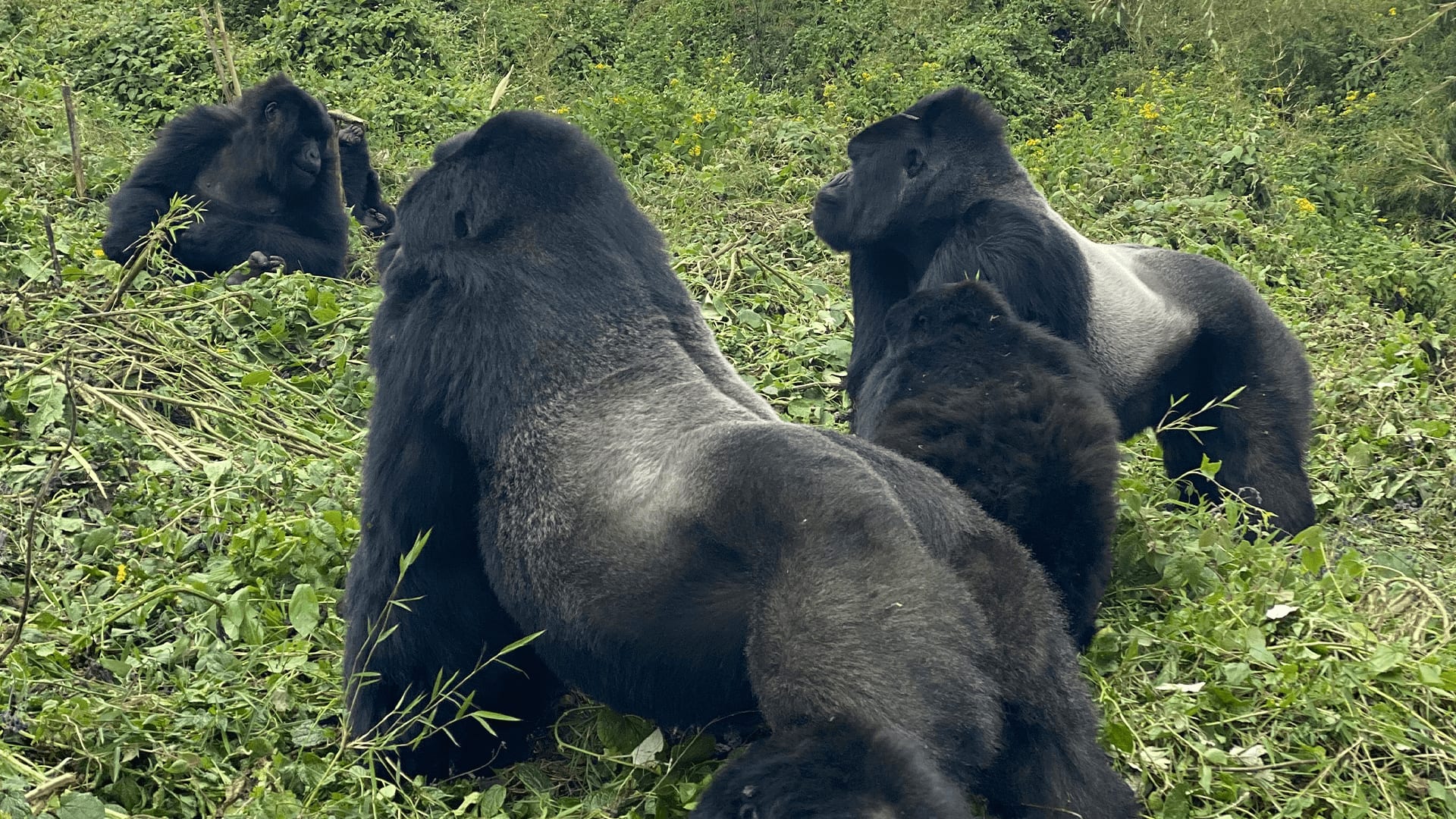
Bwindi Impenetrable National Park is one of Uganda’s defining safari destinations, and gorilla trekking is often the emotional peak of a journey. But planning Bwindi well requires more than securing a permit.
Bwindi has multiple trekking sectors, including Buhoma, Ruhija, Rushaga, and Nkuringo. Each sector affects lodge choice, road access, trekking logistics, and how the safari connects with Queen Elizabeth National Park, Lake Bunyonyi, Mgahinga, or a domestic flight route. A traveler focused on luxury may need different lodge positioning than a traveler prioritizing value. A traveler concerned about strenuous hiking may need a different discussion around terrain, porter support, and pacing.
Mgahinga Gorilla National Park offers another powerful option, with gorilla trekking in a striking volcanic setting and the possibility of golden monkey tracking. For certain itineraries, especially those focused on southwestern Uganda, Mgahinga can add a distinctive sense of place.
PawMac Safaris evaluates gorilla trekking from three angles: permit availability, traveler comfort, and route logic. This helps guests experience the forest with confidence rather than arriving tired, rushed, or poorly positioned.
Kibale and Queen Elizabeth for Primates, Big Cats, and Waterways
Kibale National Park is Uganda’s best-known chimpanzee tracking destination. The forest experience is very different from gorilla trekking. Chimpanzees move quickly, vocalize loudly, and create a sense of energy that is thrilling in a different way. For many travelers, combining Kibale and Bwindi creates a complete primate-focused safari.
Queen Elizabeth National Park adds contrast. The park’s varied landscapes include open plains, crater scenery, wetlands, and the famous Kazinga Channel, where boat safaris often produce excellent sightings of hippos, crocodiles, buffalo, elephants, and abundant birdlife. In the Ishasha sector, travelers may also search for the area’s well-known tree-climbing lions, although sightings remain wild and never guaranteed.
The Kibale and Queen Elizabeth combination works well because the routing is efficient and the experiences complement each other. A typical design may include chimpanzee tracking, a wetland or community walk, game drives, a boat cruise, and then a continuation toward Bwindi.

Murchison Falls, Ziwa, and Kidepo for Big Game and Open Space
Murchison Falls National Park brings Uganda’s safari drama into focus. The Nile squeezes through a narrow rock gap, creating one of the country’s most powerful natural scenes. Game drives on the northern bank can offer sightings of giraffes, elephants, buffalo, lions, antelopes, and rich birdlife, while Nile boat cruises add a completely different perspective.
Ziwa Rhino Sanctuary often fits naturally into routes between Entebbe or Kampala and Murchison Falls. For travelers hoping to see the Big Five within Uganda, rhino tracking at Ziwa is an important planning element because wild rhinos are not found in Uganda’s national parks in the same way as lions, leopards, elephants, and buffalo.
Kidepo Valley National Park is different again. Remote, spacious, and visually striking, Kidepo is best suited to travelers who have more time, a higher budget, or a strong desire to see a less-traveled part of Uganda. It can involve longer overland transfers or domestic flight planning, but the reward is a sense of wilderness that feels expansive and deeply memorable.
The Budget Architecture Behind Our Trips
Transparent budgeting is essential. Uganda safaris can be designed across budget, midrange, luxury, and ultra-premium styles, but certain costs are fixed or semi-fixed. Gorilla permits, chimpanzee permits, park fees, vehicle logistics, fuel, guiding, and lodge location all affect the final quote.
PawMac Safaris does not treat price as an afterthought. We use budget discussions to protect trip quality. A lower budget may still produce an excellent safari if the route is efficient and expectations are clear. A premium budget should not simply add expensive lodges. It should improve pacing, privacy, comfort, guiding depth, and access to the most suitable experiences.
Permit Costs and Park Fees
For 2026 planning, travelers should understand the major Uganda safari costs before comparing itineraries. Permit prices are set by the relevant authorities and can change, so PawMac Safaris confirms current rates during the quotation process.
| Cost Item | Typical 2026 Planning Estimate | Planning Note |
|---|---|---|
| Gorilla trekking permit for foreign non-residents | About USD 800 per person | Required for Bwindi or Mgahinga gorilla trekking |
| Gorilla habituation experience, where available | About USD 1,500 per person | Longer and more specialized than standard trekking |
| Kibale chimpanzee tracking permit for foreign non-residents | About USD 250 per person | Morning or afternoon activity slots may apply |
| Savannah park entry fees | Often about USD 40 to 45 per person per 24 hours | Varies by park category and traveler residency status |
| Boat safaris, ranger activities, community visits | Commonly USD 20 to 60+ per activity | Depends on location, activity type, and operator arrangements |
These figures are not package prices. They are building blocks. A 10-day Uganda safari with one gorilla trek, one chimpanzee track, multiple park entries, private guiding, fuel, accommodations, meals, and activities will cost significantly more than the permits alone.
Lodging, Transport, and Guiding Choices
Accommodation is one of the largest variables in the final budget. In Uganda, lodge location can be just as important as lodge style. A beautiful lodge that is poorly positioned for a gorilla sector may create unnecessary early starts. A well-located midrange lodge may deliver better overall value than a higher-priced property in the wrong place.
The following ranges are broad planning estimates for per-person, per-night sharing costs in safari areas. Actual prices vary by season, room category, meal plan, availability, and exchange rates.
| Safari Style | Typical Lodge Budget Range | Best Fit |
|---|---|---|
| Budget comfort | USD 80 to 160 per person/night | Travelers prioritizing wildlife and permits over premium facilities |
| Midrange | USD 180 to 350 per person/night | Most private safari guests seeking comfort and strong value |
| Luxury | USD 450 to 900+ per person/night | Honeymoons, special occasions, and travelers wanting refined comfort |
| High-end private or exclusive | USD 1,000 to 2,000+ per person/night | Fly-in safaris, top lodges, private pacing, and premium hospitality |
Transport is another major factor. A private 4×4 with an experienced local guide gives flexibility, privacy, and continuity throughout the journey. Domestic flights can reduce long drives, especially between Entebbe and southwestern Uganda or remote regions, but they add cost and require careful baggage planning. For luxury travelers, the right combination of road transfers and flights can transform the flow of the trip.
Travelers exploring the premium end of the market can see how high-comfort routing, private gorilla trekking logistics, and lodge selection come together in our article on Uganda luxury safaris.
Sample Uganda Trip Blueprints We Build From
No two PawMac Safaris itineraries are identical, but certain structures work well because they respect Uganda’s geography. We use these as starting frameworks, then refine them according to season, permit availability, preferred accommodation, pace, and budget.
| Trip Length | Core Route Idea | Best For | Indicative Budget Range Excluding International Flights |
|---|---|---|---|
| 5 to 6 days | Entebbe, Bwindi or Mgahinga, optional Lake Bunyonyi, Entebbe | Travelers focused on gorilla trekking with limited time | USD 2,200 to 5,500+ per person sharing |
| 8 to 10 days | Entebbe, Kibale, Queen Elizabeth, Bwindi, Entebbe | Primates, savanna wildlife, and strong first-time Uganda variety | USD 3,800 to 8,500+ per person sharing |
| 10 to 12 days | Entebbe, Murchison Falls, Kibale, Queen Elizabeth, Bwindi | Gorilla trekking plus Big Five focused wildlife planning | USD 4,800 to 11,000+ per person sharing |
| 12 to 14 days | Entebbe, Murchison Falls, Kibale, Queen Elizabeth, Bwindi, Mgahinga or Lake Bunyonyi | A deeper Uganda circuit with better pacing | USD 5,500 to 12,000+ per person sharing |
| 12 to 14+ days luxury or fly-in | Select parks with premium lodges and reduced road time | Honeymoons, milestone travel, private comfort | USD 15,000 to 25,000+ per person sharing |
These ranges are deliberately transparent but not final quotes. Group size, season, lodge tier, domestic flights, number of permits, vehicle requirements, and private guiding preferences can shift the total. Tips, travel insurance, visas, premium drinks, laundry, and personal spending are usually handled separately unless clearly stated in the proposal.
A smart itinerary is not always the longest one. Sometimes the best trip is an 8-day route that protects the gorilla and chimpanzee experiences beautifully. Sometimes the right answer is a 14-day journey that gives Murchison Falls, Kibale, Queen Elizabeth, Bwindi, and Kidepo enough room to breathe. PawMac Safaris helps travelers choose the version that makes sense rather than simply adding more stops.
Comfort, Safety, and Local Expertise in the Field
A safari is planned on paper, but it succeeds in the field. This is where local guiding, vehicle quality, communication, and flexible decision-making matter most.
PawMac Safaris uses expert local knowledge to adjust each day around real conditions. If a road section is slower than expected, the guide helps manage timing. If wildlife activity is strong in a particular area, the day’s plan can be adapted where park rules and logistics allow. If a guest needs a slower morning, an experienced guide understands how to preserve the overall experience without creating unnecessary pressure.
Comfortable 4×4 vehicles are especially important in Uganda because routes often combine highways, gravel roads, park tracks, and mountain access roads. Good vehicles support visibility, luggage handling, and long-day comfort. They also allow travelers to enjoy the journey rather than simply endure the transfer.
Safety planning includes more than driving. Gorilla and chimpanzee activities require official briefings and respect for wildlife rules. Bwindi’s terrain can be steep and muddy, so trekking poles, waterproof hiking boots, gloves, gaiters, and porter support can make a significant difference. Travelers should also consider malaria prevention, yellow fever certificate requirements, comprehensive travel insurance, and medical evacuation coverage, especially for remote itineraries.
Families, senior travelers, and guests with specific comfort needs benefit from additional customization. Gorilla trekking has a minimum age requirement, and other primate activities may have age or conduct rules that need to be confirmed before booking. Families may need shorter transfer days, lodges with suitable room configurations, and activities that keep younger travelers engaged between major wildlife experiences. For more detail on planning with children, PawMac Safaris has a dedicated guide to family safaris in Uganda.
What We Customize Before You Confirm
Before a Uganda safari is confirmed, PawMac Safaris reviews the details that make the difference between a good itinerary and a truly personal one. Travel dates are checked against permit availability, lodge space, seasonal conditions, and preferred pacing. Rooming needs are clarified. Dietary requirements are noted. Special occasions are built into the flow of the trip where possible. Fitness and mobility considerations are discussed before gorilla or chimpanzee activities are finalized.
Season also matters. June to September and December to February are popular for relatively drier conditions and strong trekking demand, so permits and premium lodges should be arranged early. March to May and October to November can bring greener landscapes, fewer crowds in some areas, and possible value opportunities, but travelers should be ready for rain, muddy trails, and occasional road delays.
For peak dates, premium lodges, or gorilla permits in preferred sectors, planning 6 to 12 months ahead is wise. Last-minute safaris are sometimes possible, especially with flexible dates and accommodation style, but they require faster decision-making.
Documentation is another part of responsible travel planning. Passport details are required for many permit processes. Visa rules, yellow fever requirements, travel insurance, and emergency contacts should be reviewed before departure. The same disciplined approach applies to any major international decision. Travelers who are also researching longer overseas moves may find the clarity-first structure of practical relocation guidance for moving to Poland from the UK useful as a reminder that good planning starts with honest timelines, costs, and documents before committing.
Once these details are clear, PawMac Safaris can refine the proposal. That may mean changing a gorilla sector, upgrading a lodge for one key night, adding a domestic flight after trekking, inserting a rest day, or removing a stop that would make the trip feel too rushed. Customization is not decoration. It is the work that makes a Uganda safari feel natural from arrival to departure.
Frequently Asked Questions
How far in advance should I book a Uganda safari with PawMac Safaris? For peak seasons, gorilla trekking dates, and luxury lodges, 6 to 12 months ahead is ideal. More flexible travelers can sometimes book closer to departure, but permit availability and lodge choice may be limited.
How much should I budget for a Uganda gorilla safari in 2026? A shorter private gorilla-focused safari often starts around USD 2,200 to 5,500+ per person sharing, excluding international flights. Longer primate and wildlife circuits commonly range from about USD 3,800 to 12,000+ per person, while luxury fly-in safaris can exceed USD 15,000 per person.
What is the biggest fixed cost in a gorilla trekking itinerary? The gorilla permit is one of the largest fixed costs. For foreign non-residents, a standard Uganda gorilla trekking permit is commonly budgeted at about USD 800 per person for 2026 planning, subject to official tariff updates.
Can PawMac Safaris build both luxury and budget Uganda trips? Yes. PawMac Safaris offers flexible pricing options, from budget-conscious routes to luxury private safaris. The key is matching the route, lodge tier, activities, and transport style to the traveler’s priorities.
Is gorilla trekking in Uganda physically difficult? It can be. Trek duration and terrain vary by gorilla family location, weather, and forest conditions. Some treks are moderate, while others are steep, muddy, or longer. PawMac Safaris discusses fitness, porter support, packing, and sector choice before confirming the plan.
What makes a PawMac Safaris itinerary different from a generic Uganda safari package? PawMac Safaris builds around Uganda’s real geography, permit logistics, wildlife timing, local conditions, and guest preferences. The result is a personalized trip rather than a fixed route with the same pace and stops for everyone.
Plan a Uganda Safari Built Around You
Uganda is not a destination to rush. It deserves thoughtful planning, honest budgeting, and a route that gives each experience the time it needs. Whether you are dreaming of gorilla trekking in Bwindi, chimpanzee tracking in Kibale, a Big Five focused journey through Murchison Falls and Ziwa, or a luxury private safari with seamless pacing, PawMac Safaris builds the trip around your goals and Uganda’s strongest highlights.
If you are ready to turn ideas into a clear route, start planning your Uganda safari with PawMac Safaris. Share your travel dates, preferred comfort level, budget range, and must-see experiences, and our team will help shape a personalized itinerary rooted in local expertise.


