


- 4 Views
- 21 Min Read
- (0) Comment
When travelers search for an African safari tour operator, Uganda deserves a different level of scrutiny than a standard wildlife destination. This is a country where a single itinerary can combine gorilla trekking in Bwindi Impenetrable National Park, chimpanzee tracking in Kibale Forest, Nile boat safaris in Murchison Falls, tree-climbing lion country in Queen Elizabeth National Park, and remote wilderness in Kidepo Valley. That variety is Uganda’s strength, but it also makes operator choice critical.
The right safari partner does more than book lodges. They secure date-sensitive permits, design realistic routes, match you with the right trekking sector, understand road conditions, build in recovery time, and protect the value of a once-in-a-lifetime journey. The wrong partner may offer an attractive price, but leave you with exhausting drives, vague inclusions, poorly located accommodation, or missed wildlife opportunities.
This guide explains how to choose an African safari tour operator specifically for Uganda, with practical checks, cost ranges, permit insights, and red flags to help you book with confidence.
Table of Contents
- Why the operator matters more in Uganda than most safari destinations
- Uganda safari planning is permit-led
- Road timing is part of the experience
- Start with Uganda specialization, not a generic Africa portfolio
- Check who actually operates the safari on the ground
- Verify legal standing, safety systems, and financial professionalism
- Evaluate gorilla and chimpanzee permit handling
- Gorilla permits require sector-level planning
- Chimpanzee tracking needs realistic timing
- Judge the itinerary, not just the price
- Match parks to your real safari goals
- Understand Uganda safari costs before comparing quotes
- Typical 2026 planning budgets
- What a transparent quote should show
- Assess guides, vehicles, and on-the-road comfort
- Review lodges, locations, and seasonal trade-offs
- Look for conservation, community, and cultural sensitivity
- Read reviews like a safari planner
- Red flags when choosing an African safari tour operator for Uganda
- Questions to ask before paying a deposit
- Where PawMac Safaris fits
- Frequently Asked Questions
- Plan your Uganda safari with PawMac Safaris
Why the operator matters more in Uganda than most safari destinations
Uganda is not difficult to enjoy, but it is easy to plan poorly. Its major safari highlights are spread across varied landscapes, from the Albertine Rift and tropical forests to savannah plains, crater lakes, papyrus wetlands, and the Nile. A good operator understands how these pieces connect without turning your holiday into a race across the country.
Unlike a simple two-lodge safari, a strong Uganda itinerary may involve several protected areas, permit-based primate experiences, long but scenic road transfers, boat schedules, domestic flight options, and lodge availability in very specific locations. The operator’s knowledge directly affects how rested you feel, how much time you spend in the field, and whether your trip flows naturally.
Uganda safari planning is permit-led
For many travelers, gorilla trekking is the anchor of the trip. That means your route should often be built around gorilla permit availability first, then chimpanzee tracking, lodge selection, and wider wildlife viewing. A serious operator will not treat permits as a small add-on. They will explain dates, trekking sectors, payment timelines, cancellation rules, and how your accommodation location fits the permit issued.
This matters because Bwindi has several trekking sectors, including Buhoma, Ruhija, Rushaga, and Nkuringo. A permit for one sector should be matched with accommodation in or near that sector. Choosing a lodge in the wrong area can mean unnecessary early starts, difficult road transfers, or even a risk of arriving late for your briefing.
Road timing is part of the experience
Uganda’s distances can look manageable on a map, but actual drive times depend on road surfaces, weather, park gates, ferry schedules, mountain roads, and stops along the way. Entebbe to Kibale can take around 5 to 6 hours. Kibale to Queen Elizabeth National Park is usually much easier at around 2.5 to 3.5 hours. Queen Elizabeth to Bwindi can range from about 4 to 7 hours depending on the gorilla sector and road conditions. Kidepo Valley is extraordinary, but it requires careful routing or a domestic flight for travelers who want comfort and efficiency.
An experienced Uganda operator does not simply connect famous park names. They design a rhythm, balancing high-value safari time with realistic travel days.
Start with Uganda specialization, not a generic Africa portfolio
A glossy website listing many countries is not proof of deep Uganda expertise. If your priority is Uganda, look for an operator who can answer detailed questions without generic language. They should understand the differences between Bwindi and Mgahinga, the best ways to combine Kibale with Queen Elizabeth, the practical value of Ziwa Rhino Sanctuary on a Big Five-focused route, and when Murchison Falls or Kidepo Valley makes sense for your schedule.
A Uganda specialist should also be able to explain trade-offs. For example, a 7-day safari with gorillas, chimps, Queen Elizabeth, and Lake Mburo can work well if designed efficiently. Adding Murchison Falls to that same timeframe may make the trip feel rushed unless you use domestic flights or accept longer road days. A 10 to 14-day itinerary gives you more breathing room and a stronger chance to experience Uganda’s diversity without fatigue.
Plan Your Uganda Safari with Local Experts
 WhatsApp Us
If you are comparing several quotes, use a consistent framework rather than choosing the lowest price. PawMac Safaris has a helpful guide on how to compare safari operators for a Uganda trip by looking at route design, permit handling, guides, accommodation, and pricing transparency.
Check who actually operates the safari on the ground
Some international companies sell Uganda trips but subcontract the actual guiding, vehicles, and daily logistics to a local company. This is not automatically bad, but you should know who is responsible once you land at Entebbe International Airport.
Ask whether the company quoting you will directly manage the vehicle, guide, accommodation reconfirmations, permit collection, and emergency response. If a sales office overseas is separated from the Uganda team on the ground, communication can become slower when quick decisions matter.
A reliable operator should clearly explain who meets you at arrival, who your main contact is during the trip, and how support works if plans change due to weather, road conditions, flight delays, or illness.
Verify legal standing, safety systems, and financial professionalism
Before paying a deposit, confirm that the operator is a legitimate business with a professional presence in Uganda. This includes company registration, clear contact details, traceable payment channels, written invoices, and transparent booking terms. Membership in professional tourism associations can add reassurance, but it should not replace direct due diligence.
Good operators are comfortable answering practical questions. They should explain how they manage client funds, how quickly they purchase permits after deposit, what happens if a lodge category is unavailable, and how cancellations are handled. Be cautious if you are pressured to send money to a personal account without documentation, or if a quote includes vague wording such as “all activities” without naming the exact permits and park experiences.
Safety is equally important. Uganda safaris often include early starts, rural roads, forest hikes, boat trips, and wildlife viewing in remote areas. Your operator should have clear procedures for vehicle maintenance, first aid, communication, guide conduct, and emergency escalation.
A professional pre-departure process also matters. Before arrival, your operator should help you prepare for visa requirements, travel insurance, yellow fever certificate expectations, malaria-prevention discussions with your travel clinic, trekking gear, luggage limits, and tipping customs. For personal care, pack practical items that can handle flights, dust, humidity, and post-trek showers. Travelers who prefer organic products may include compact, eco-certified options such as marine-inspired skincare and body care in their wash bag, while keeping liquids within airline limits.
Evaluate gorilla and chimpanzee permit handling
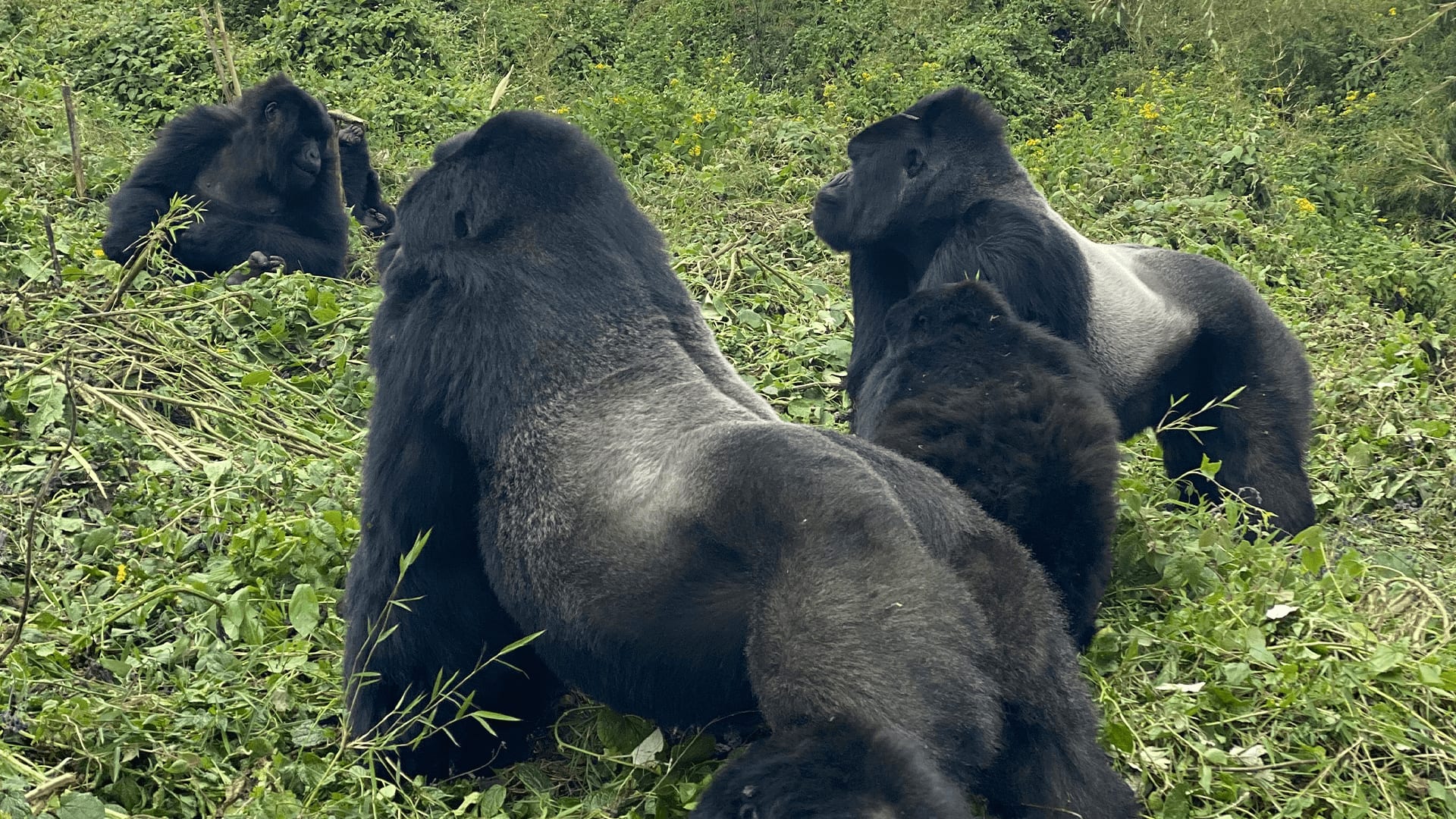
Uganda’s primate experiences are among the strongest reasons to choose the country, but they require precise handling. A serious operator should not simply say “gorilla permits included.” They should explain where you will trek, when permits should be purchased, what the permit covers, what is excluded, and how your physical comfort will be considered.
For travelers planning in 2026, these are useful permit cost benchmarks for foreign non-resident visitors. Fees can change, and resident or regional rates may differ, so always confirm the current tariff at the time of booking.
| Experience | 2026 planning estimate for foreign non-residents | Planning notes |
|---|---|---|
| Gorilla trekking in Bwindi or Mgahinga | US$800 per person | Date-specific and limited. Sector choice affects lodge location and route design. |
| Gorilla habituation experience in Bwindi | US$1,500 per person | Longer and more exclusive than standard trekking, with limited availability. |
| Chimpanzee tracking in Kibale Forest | US$250 per person | Morning and afternoon slots are common. Availability should match your route. |
| Chimpanzee habituation in Kibale Forest | Around US$300 per person | A longer forest experience that requires early planning and strong timing. |
These permits represent a major portion of your safari cost. If a quote looks dramatically cheaper than others, check whether it includes gorilla and chimpanzee permits, or whether those will be added later.
Gorilla permits require sector-level planning
The best gorilla trekking planning starts with your travel date, fitness level, preferred lodge standard, and overall route. Bwindi’s sectors are not interchangeable in practice. Buhoma often pairs well with Queen Elizabeth’s Ishasha area. Rushaga and Nkuringo can work well for routes involving Lake Bunyonyi or Mgahinga. Ruhija may be practical for certain connections between Kabale, Buhoma, and Queen Elizabeth, depending on road conditions.
Your operator should also prepare you for the trek itself. Gorilla trekking can take from a few hours to most of the day. Terrain may be muddy, steep, or slippery. Porters are highly recommended, both for comfort and for community support. The trekking day includes a briefing, ranger-led forest walk, and a strictly managed time with the gorillas once located.
If gorillas are the centerpiece of your journey, this dedicated guide on how to choose the best gorilla trekking operator in Uganda is a useful companion to this broader operator checklist.
Chimpanzee tracking needs realistic timing
Kibale Forest is Uganda’s premier chimpanzee tracking destination, and it pairs naturally with Queen Elizabeth National Park and the crater lakes region. A good operator will time your arrival so you are not rushing into a forest activity after an exhausting transfer. They will also explain the difference between standard chimpanzee tracking and longer habituation-style experiences.
Other chimpanzee experiences may be available in areas such as Budongo Forest or Kyambura Gorge, depending on your route. The best choice is not always the cheapest or closest option. It depends on your expectations, the rest of your itinerary, and how much time you want in the forest.
Judge the itinerary, not just the price
Two operators can quote the same number of days and the same headline destinations, yet deliver very different safaris. One itinerary might allow unhurried game drives, proper rest, and well-timed boat safaris. Another may rely on late arrivals, rushed check-ins, and long drives followed by early starts.
Look at the order of destinations, not only the list. A well-designed Uganda safari usually follows a logical geographical flow. For example, a western Uganda route may move from Entebbe to Kibale, then Queen Elizabeth, then Bwindi or Mgahinga, then Lake Mburo, and back to Entebbe. Murchison Falls may be placed at the beginning or built into a longer northern circuit. Kidepo usually deserves extra days or a flight because of its remoteness.
An operator should give honest advice if your wish list does not fit your timeframe. This is where expertise shows. A weak operator says yes to everything. A strong operator protects the quality of the trip.
Match parks to your real safari goals
Uganda is not one single safari style. Each major area contributes something different.
| Safari goal | Strong Uganda choices | What your operator should explain |
|---|---|---|
| Gorilla trekking | Bwindi, Mgahinga | Permit sector, lodge location, trek difficulty, porter support, driving time. |
| Chimpanzees and forest wildlife | Kibale, Budongo, Kyambura | Permit type, success expectations, forest timing, route fit. |
| Big Five-style itinerary | Murchison Falls, Queen Elizabeth, Ziwa Rhino Sanctuary, Lake Mburo | Rhinos are tracked at Ziwa, while lions, elephants, buffalo, leopards, and other wildlife depend on park choice. |
| Boat safaris | Murchison Falls, Kazinga Channel, Lake Mburo | Boat timing, wildlife expectations, photography conditions. |
| Remote wilderness | Kidepo Valley | Longer road access or domestic flight planning, lodge availability, budget impact. |
| Short add-on near Entebbe | Lake Mburo, Jinja, Mabamba Swamp | Best use of limited time before or after a primate safari. |
If you are still deciding which route matches your time and priorities, this guide to choosing the right Uganda safari route can help you refine the structure before requesting final quotes.
Understand Uganda safari costs before comparing quotes
Uganda offers a wider price range than many travelers expect. You can travel comfortably on a mid-range private safari, choose premium lodges with carefully paced routing, or build a luxury itinerary with fly-in sectors and exclusive properties. The key is understanding what drives the cost.
The biggest cost factors are gorilla and chimpanzee permits, lodge category, vehicle and fuel, guide quality, park entry fees, activity fees, domestic flights, route length, and whether you are traveling privately or joining a small group. In Uganda, road distance also affects price because fuel, driver-guide time, and vehicle wear are significant.
Typical 2026 planning budgets
The following ranges are realistic planning estimates for private Uganda safaris, per person sharing, excluding international flights. Exact pricing depends on travel dates, lodge choices, number of travelers, permit availability, and whether domestic flights are included.
| Safari style | 7-8 day Uganda safari with gorillas and chimps | 10-12 day fuller Uganda safari | What usually defines the category |
|---|---|---|---|
| Budget comfort | US$2,500-US$3,800 | US$3,800-US$5,500 | Simple lodges, private 4×4 or small group options, essential permits included. |
| Mid-range | US$3,800-US$5,800 | US$5,500-US$8,500 | Comfortable lodges, private guide, better locations, balanced pacing. |
| Luxury | US$6,000-US$10,000+ | US$9,000-US$16,000+ | High-end lodges, premium rooms, stronger locations, possible domestic flights. |
| Ultra-luxury or highly customized | US$10,000+ | US$16,000+ | Top-tier lodges, fly-in logistics, exclusive experiences, private specialist guiding where available. |
A lower quote is not automatically suspicious. A higher quote is not automatically better. The question is whether the itinerary, inclusions, lodge standard, guide quality, and permit handling justify the price.
What a transparent quote should show
A professional Uganda safari quote should make it easy to compare value. It should specify the number of nights, exact lodges or lodge category, meal plan, vehicle type, guide arrangement, park fees, included activities, excluded activities, permit fees, airport transfers, drinking water, and payment terms.
Pay special attention to language around permits. “Gorilla trekking available” is not the same as “gorilla permit included.” “Primate experience” is not the same as “Kibale chimpanzee tracking permit included.” If you are planning a premium trip, ask for clarity before deposit, not after arrival.

Assess guides, vehicles, and on-the-road comfort
Your guide is one of the most important parts of a Uganda safari. They interpret behavior, manage timing, coordinate with lodges and rangers, handle long drives, and adjust the daily pace to your interests. A good guide knows when to leave early, when to wait at a sighting, when to change a route, and how to keep the journey relaxed without losing safari value.
For gorilla and chimpanzee experiences, official ranger guides lead the forest activity, but your safari guide still plays a major role. They prepare you before the trek, get you to the briefing point on time, coordinate packed lunches, help with porter arrangements, and manage the rest of the day after the activity.
Vehicle quality matters because Uganda involves real travel between parks. A comfortable 4×4 with good visibility, seatbelts, proper maintenance, working windows or air conditioning where applicable, sufficient luggage space, spare tires, and charging options can make a major difference. Pop-up roof safari vehicles are common for game viewing, while some routes may use extended Land Cruisers or other suitable 4×4 configurations.
Ask how many travelers will share the vehicle, whether everyone gets a window seat, and whether the same guide stays with you throughout. For private safaris, this should be clearly stated.
Review lodges, locations, and seasonal trade-offs
Lodge choice is not only about room style. In Uganda, location can influence the entire day. A lodge near your gorilla trekking sector is more valuable than a prettier lodge far away. In Queen Elizabeth, staying near the area you plan to explore can reduce unnecessary driving. In Murchison Falls, north-bank and south-bank choices affect access to game drives, boat schedules, and ferry logistics.
Ask your operator why each lodge was chosen. A knowledgeable answer may include proximity to a trekking briefing point, access to a boat departure, road condition advantages, views, food quality, service standards, or suitability for your budget.
Seasonality also matters. Uganda is a year-round safari destination, but June to September and December to February are often popular for drier trekking and strong wildlife viewing. March to May and parts of October to November may bring heavier rains, greener landscapes, possible lower lodge rates, and more demanding road or trekking conditions. A good operator will not scare you away from green-season travel, but they will explain what changes.
Premium travelers should also ask how lodge availability affects price. The best properties near key trekking sectors can sell out early, especially for peak months. If your dates are fixed, early planning protects both quality and value.
Look for conservation, community, and cultural sensitivity
Responsible tourism in Uganda should be practical, not decorative. Gorilla and chimpanzee tourism depends on conservation rules, ranger systems, veterinary monitoring, habitat protection, and community cooperation around protected areas. Your operator should brief you on distance rules, illness reporting, mask or hygiene expectations when applicable, voice levels, photography etiquette, and why the one-hour gorilla viewing limit matters.
Community sensitivity is equally important. Uganda’s cultural experiences can be deeply rewarding when handled respectfully. Whether you visit a Batwa cultural experience near Bwindi, a local community project, a market, a coffee experience, or a village walk, the interaction should feel consent-based, fairly arranged, and never exploitative.
Ask how your operator chooses community activities. The answer should show respect for local hosts, not just a desire to add a quick stop to fill the day.
Read reviews like a safari planner
Reviews are useful, but only if you read them for specifics. Five-star ratings are reassuring, yet the best evidence is in detailed comments. Look for repeated praise around communication, guide professionalism, punctuality, problem-solving, vehicle comfort, lodge selection, and permit handling.
A review saying “amazing trip” is pleasant, but a review saying “our guide adjusted the schedule after heavy rain, kept us on time for the Bwindi briefing, and helped us change a boat safari without stress” tells you much more. Also look for how the operator responds to questions or criticism. Professional responses show maturity and accountability.
Recent reviews are especially important because lodge standards, road conditions, staff teams, and park logistics can change. For a 2026 safari, prioritize feedback from the last 12 to 24 months where possible.
Red flags when choosing an African safari tour operator for Uganda
The easiest way to avoid disappointment is to identify weak planning before you pay. These warning signs do not always mean fraud, but they do mean you should ask more questions.
| Red flag | Why it matters | What to ask instead |
|---|---|---|
| Quote is far cheaper than all others | Permits, park fees, lodge quality, or private vehicle costs may be missing. | “Please show the exact included permits, lodges, activities, and exclusions.” |
| No clear gorilla trekking sector | Accommodation may not match the permit location. | “Which Bwindi or Mgahinga sector is planned, and where is the lodge in relation to briefing?” |
| Unrealistic route with too many parks | You may spend most of the trip in transit. | “What are the expected drive times each day, including stops?” |
| Pressure to pay quickly to a personal account | Weak financial controls increase risk. | “Can you provide a company invoice, booking terms, and official payment details?” |
| Vague accommodation wording | You may be downgraded or placed far from key activities. | “Which exact lodge is booked, or what confirmed alternatives are equivalent?” |
| No discussion of fitness or trekking preparation | Gorilla trekking can be physically demanding. | “How do you match trek planning and lodge choice to guest comfort?” |
| Slow or generic communication | This may continue during the trip. | “Who is my contact before arrival and during the safari?” |
A trustworthy operator will welcome detailed questions. Serious travelers are not being difficult when they ask for clarity. They are protecting the quality of a major journey.
Questions to ask before paying a deposit
Before committing, use a short but precise question set. The answers will quickly reveal whether the operator understands Uganda at the level your trip deserves.
| Question | What a strong answer should include |
|---|---|
| Who will operate the safari inside Uganda? | The company, guide arrangement, vehicle plan, and contact person on the ground. |
| Are gorilla and chimpanzee permits included? | Exact permit type, destination, date assumptions, and purchase process after deposit. |
| Which trekking sector is planned? | Sector name, lodge location, transfer time to briefing, and fallback options if unavailable. |
| What are the longest drive days? | Realistic hour estimates, road condition caveats, and options to break up the route. |
| What vehicle will we use? | 4×4 suitability, seating, window access, luggage space, and whether the safari is private. |
| Which lodges are included? | Named lodges or clearly equivalent alternatives with category and meal plan. |
| What is excluded from the price? | Visas, international flights, premium drinks, tips, optional activities, laundry, travel insurance, and any non-included meals. |
| What happens if plans change? | Clear policy for delays, illness, weather disruptions, permit rules, and lodge changes. |
Listen not only to the content of the answer, but also to the confidence and specificity. Uganda safari planning rewards detail.
Where PawMac Safaris fits
PawMac Safaris focuses on expert-guided Uganda safari experiences, with local knowledge at the center of the planning process. For travelers who want gorilla trekking, chimpanzee tracking, Big Five-focused routes, cultural encounters, adventure activities, and custom private safari design, the value lies in having a Uganda-based team that understands both the highlights and the practical logistics behind them.
A well-planned journey with PawMac Safaris can be built around your priorities, whether that means a premium gorilla-focused itinerary, a balanced mid-range wildlife route, a family-friendly safari pace, or a longer Uganda adventure combining forests, savannahs, boat safaris, and community experiences. The goal is not to force every traveler into the same route. The goal is to match your time, comfort expectations, budget, and wildlife ambitions with the right Uganda itinerary.
This is especially important for travelers who want transparent guidance. Permit fees, lodge categories, travel times, and seasonal conditions should be discussed openly so you understand what you are paying for and why.
Frequently Asked Questions
How early should I book a Uganda safari operator? For peak travel months, 6 to 12 months ahead is wise, especially if gorilla trekking is essential. Permits and the best lodges near key trekking sectors can sell out. Last-minute trips are sometimes possible, but flexibility with dates, sectors, and accommodation becomes more important.
Is it better to choose a local Uganda safari operator? A strong local operator can offer direct ground knowledge, faster logistics, and clearer Uganda-specific guidance. The key is not location alone, but professionalism, permit handling, guide quality, transparent pricing, and reliable communication.
What should a Uganda safari quote include? A complete quote should state the itinerary, accommodation, meals, vehicle type, guide arrangement, airport transfers, park fees, included permits, activities, exclusions, payment terms, and cancellation conditions. Gorilla and chimpanzee permits should be named clearly if included.
How much does gorilla trekking add to the safari cost? For many foreign non-resident travelers planning Uganda in 2026, a standard gorilla trekking permit is about US$800 per person. This is separate from lodge, vehicle, guide, park access, and other safari costs, so it significantly affects the total budget.
Can I combine gorillas, chimpanzees, and Big Five wildlife in one Uganda trip? Yes. A well-designed route can combine Bwindi or Mgahinga for gorillas, Kibale for chimpanzees, Queen Elizabeth or Murchison Falls for big game, and Ziwa Rhino Sanctuary for rhino tracking. The best timeframe is usually 8 to 12 days or more, depending on pace and comfort level.
What is the biggest mistake travelers make when choosing an African safari tour operator for Uganda? The biggest mistake is choosing by price alone without checking permits, route logic, lodge location, vehicle standards, and guide quality. In Uganda, a small planning error can create long transfers, missed activities, or unnecessary stress.
Plan your Uganda safari with PawMac Safaris
Choosing the right safari operator is the first major step toward a successful Uganda journey. Look for local expertise, transparent pricing, realistic routing, strong permit handling, professional guides, comfortable 4×4 vehicles, and a planning style that respects both your budget and your expectations.
If you are ready to turn your Uganda safari idea into a clear, well-paced itinerary, PawMac Safaris can help you plan a personalized journey through the Pearl of Africa, from gorilla trekking and chimpanzee tracking to savannah wildlife, boat safaris, cultural experiences, and custom adventure routes.


