


- 8 Views
- 17 Min Read
- (0) Comment
African trips can vary dramatically in price, pace, wildlife quality, comfort, and authenticity. For travelers comparing destinations in 2026, Uganda stands out because its value is not limited to one famous experience. A well-planned Uganda safari can combine mountain gorillas, chimpanzees, classic savannah game drives, boat safaris, the Big Five, cultural encounters, and striking scenery in one focused itinerary.
That is what makes Uganda different. The country rewards travelers who want depth rather than a checklist. When your budget is invested in official permits, expert local guiding, efficient routing, and lodges positioned close to the right wildlife areas, each travel day carries more weight. This guide explains where that value comes from, what realistic 2026 costs look like, and how to plan an Uganda trip that feels exceptional rather than overloaded.
Table of Contents
- Why Uganda Gives African Trips More Value
- Value Is the Number of Signature Experiences in One Itinerary
- Uganda Rewards Travelers Who Want More Than a Single Safari Scene
- The Experiences That Make Uganda Worth the Journey
- Gorilla Trekking in Bwindi or Mgahinga
- Chimpanzee Tracking in Kibale Forest
- Big Game Safaris, Boat Cruises, and the Big Five
- Cultural Encounters That Add Depth
- What a High-Value Uganda Trip Can Cost in 2026
- Key Permit and Activity Costs to Plan Around
- Sample Safari Budget Ranges
- Where Paying More Usually Adds Real Value
- How to Build a Uganda Itinerary With Better Value
- The 7-Day Essential Uganda Trip
- The 10-Day Classic Uganda Safari
- The 12 to 14-Day Premium Uganda Journey
- Best Time to Choose Uganda for Value
- Peak Season Benefits
- Shoulder Season Advantages
- Practical Ways to Protect Your Safari Investment
- Book Permits Early
- Pack for Forest, Savannah, and Road Travel
- Choose Local Expertise Instead of Guesswork
- Uganda Value Compared With Common African Trip Expectations
- Frequently Asked Questions
- Plan a Better-Value Uganda Safari With PawMac Safaris
Why Uganda Gives African Trips More Value
Value in safari travel is often misunderstood. The lowest quote is not always the best value, and the highest quote does not automatically deliver the best experience. True value comes from the relationship between cost, access, comfort, wildlife quality, time efficiency, and the knowledge of the people guiding you.
Uganda performs strongly because it offers rare wildlife experiences that are difficult to combine elsewhere without adding extra countries, extra flights, and extra logistical layers. In one itinerary, a traveler can trek gorillas in misty mountain forest, track chimpanzees in Kibale, cruise the Nile below Murchison Falls, search for tree-climbing lions in Ishasha, and finish with quiet lakeside scenery near Lake Bunyonyi or Lake Mburo.
Value Is the Number of Signature Experiences in One Itinerary
Many African trips are built around one central idea, such as a savannah safari, a beach extension, or a primate experience. Uganda is more layered. Its core advantage is not simply that it has wildlife, but that its wildlife experiences are highly varied within the same destination.
The gorilla trekking permit is a major cost, but it gives access to one of the most regulated, intimate, and conservation-focused wildlife encounters in Africa. Chimpanzee tracking adds a different forest experience, faster, louder, and more social. Savannah parks such as Queen Elizabeth National Park, Murchison Falls National Park, Kidepo Valley National Park, and Lake Mburo National Park bring the classic game drive element. Boat safaris then shift the perspective entirely, placing travelers on the Nile, the Kazinga Channel, or other wildlife-rich waterways.
That range matters because it reduces sameness. A 10-day Uganda safari does not feel like the same landscape repeated. It can feel like several distinct journeys carefully connected by one knowledgeable guide.
Uganda Rewards Travelers Who Want More Than a Single Safari Scene
Uganda is not the destination to choose if you only want the easiest version of a safari. Road transfers can be long. Forest trekking can be muddy. Weather in the highlands can change quickly. The best lodges in remote areas require advance planning.
However, those realities are part of why Uganda feels rewarding. The country suits travelers who want a safari with texture: early starts, changing landscapes, village life along the road, forest sounds, crater lakes, tea plantations, papyrus wetlands, and open savannah. The value is emotional as well as financial. You are not only buying sightings, you are buying a richer sense of place.
The Experiences That Make Uganda Worth the Journey
The strongest Uganda itineraries are built around a few anchor experiences. These are the moments that justify the journey and shape the route. Once those anchors are in place, the rest of the safari can be refined for comfort, budget, and pace.
Gorilla Trekking in Bwindi or Mgahinga
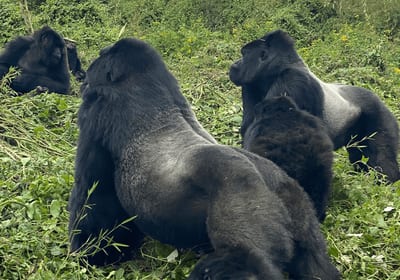
Gorilla trekking is the signature experience for many travelers choosing Uganda. Treks take place in Bwindi Impenetrable National Park or Mgahinga Gorilla National Park, both in the southwest. Bwindi has multiple trekking sectors, including Buhoma, Ruhija, Rushaga, and Nkuringo. Each sector affects driving times, lodge choice, permit availability, and the overall feel of the itinerary.
Plan Your Uganda Safari with Local Experts
 WhatsApp Us
A gorilla trek normally starts early with a briefing, followed by a guided hike through forest terrain. The walk may be relatively short or physically demanding depending on where the assigned gorilla family is located that day. Once the group is found, visitors typically spend a strictly managed time with the gorillas, under the supervision of rangers and trackers.
This is where good planning protects value. A cheaper itinerary that places you far from your trekking sector can create unnecessary fatigue on the most important day of the trip. A stronger itinerary matches the lodge, permit sector, and onward route so the experience feels smooth rather than rushed.
Chimpanzee Tracking in Kibale Forest
Kibale Forest is widely regarded as Uganda’s premier chimpanzee tracking destination. The experience contrasts beautifully with gorilla trekking. Chimpanzees move faster, vocalize loudly, and often create a more energetic forest atmosphere. For many travelers, the combination of gorillas and chimpanzees is what makes Uganda one of the most complete primate destinations in Africa.
Kibale also pairs well with community and wetland experiences around Bigodi, plus scenic drives toward Queen Elizabeth National Park. This makes it highly efficient for travelers who want strong wildlife value without losing too much time between regions.
The key is to book chimpanzee permits early during busy travel months. Permit availability can shape the direction of your route, especially if you are also securing gorilla permits for specific dates.
Big Game Safaris, Boat Cruises, and the Big Five
Uganda’s savannah parks add the classic safari element. Murchison Falls National Park is known for the Nile, dramatic waterfall scenery, elephants, giraffes, buffalo, lions, and strong boat safari opportunities. Queen Elizabeth National Park offers the Kazinga Channel, crater landscapes, elephants, buffalo, hippos, crocodiles, and predators, with the Ishasha sector known for its tree-climbing lions. Kidepo Valley National Park delivers a more remote wilderness feel, while Lake Mburo National Park is excellent for shorter safaris, zebra sightings, and relaxed scenery.
For travelers interested in the Big Five, Uganda can deliver the full list when rhino tracking at Ziwa Rhino Sanctuary is combined with savannah parks where lion, leopard, elephant, and buffalo are found. This is important because Uganda is sometimes viewed only as a primate destination. In reality, a well-designed itinerary can include both primates and classic big game.
Boat safaris are another value multiplier. Viewing wildlife from the water changes the rhythm of the safari. Hippos, crocodiles, elephants, buffalo, waterbirds, and riverbank activity can often be observed at a comfortable pace, which is especially appreciated after early morning game drives or long road transfers.
Cultural Encounters That Add Depth
A high-value Uganda trip should not treat local communities as an afterthought. Cultural experiences can add meaning when they are planned respectfully and not reduced to staged stops. Options may include Batwa cultural encounters near Bwindi, community walks around Bigodi, visits to local markets, craft initiatives, coffee experiences, and time with expert local guides who can explain how conservation and community livelihoods intersect.
This is also where Uganda becomes more than a wildlife destination. Travelers begin to understand the human landscape around the parks: farming communities, language diversity, music, food, conservation challenges, and the everyday warmth that often shapes the memory of the journey.
What a High-Value Uganda Trip Can Cost in 2026
Uganda can suit a range of budgets, but travelers should be realistic. Gorilla and chimpanzee permits create unavoidable fixed costs. Quality guiding, safe 4×4 transport, fuel, park entries, and well-positioned lodges also affect the final price. A very low safari quote usually removes value somewhere, often through rushed routing, basic lodging far from park gates, overloaded vehicles, or limited professional support.
For 2026 planning, use the following figures as practical benchmarks for foreign non-resident travelers. Always confirm current permit and park tariff rates before paying a deposit, because official fees can change by tariff period and residency category.
Key Permit and Activity Costs to Plan Around
| Cost item | 2026 planning benchmark for foreign non-residents | Why it matters |
|---|---|---|
| Gorilla trekking permit in Uganda | About $800 per person | The core cost for Bwindi or Mgahinga gorilla trekking |
| Gorilla habituation experience | About $1,500 per person | A longer, more specialized gorilla experience with limited availability |
| Chimpanzee tracking in Kibale | About $250 per person | The strongest add-on for travelers building a primate-focused safari |
| Major national park entry | Often about $40 to $45 per adult per 24 hours | Applies in key savannah parks and affects multi-day routing |
| Scheduled boat safari | Commonly about $30 to $45+ per person | Adds strong wildlife viewing from the water |
| Rhino tracking at Ziwa | Often budgeted separately, about $50+ per adult | Helps complete a Big Five-focused Uganda itinerary |
These figures show why comparing safari quotes line by line matters. A 9-day trip with gorilla and chimpanzee permits already includes roughly $1,050 per person in primate permit costs before accommodation, transport, meals, fuel, guide services, park entries, and activities are added.
Sample Safari Budget Ranges
| Trip style | Typical duration | Approximate per person budget, sharing | Best suited for |
|---|---|---|---|
| Budget-conscious private safari | 6 to 7 days | $1,900 to $2,800 | Travelers prioritizing gorilla trekking with simpler lodges and longer road transfers |
| Comfortable mid-range safari | 8 to 10 days | $3,200 to $5,200 | Travelers combining gorillas, chimpanzees, Queen Elizabeth, and possibly Lake Mburo |
| Luxury Uganda safari | 8 to 12 days | $6,000 to $11,000+ | Travelers wanting premium lodges, private guiding, stronger pacing, and possible domestic flights |
| Highly customized premium journey | 10 to 14+ days | $12,000+ | Travelers adding remote parks, fly-in sectors, top lodges, and specialist experiences |
International flights, visas, travel insurance, premium alcoholic drinks, personal expenses, and gratuities are usually separate unless a quotation states otherwise. Domestic flights can raise the budget, but they may add real value for travelers with limited time or those who prefer to reduce long road transfers.
Where Paying More Usually Adds Real Value
The most worthwhile upgrades in Uganda usually improve access, comfort, and timing. Paying more for a lodge closer to your gorilla trekking sector can mean a calmer morning and less fatigue. Paying for a private, well-maintained 4×4 with an experienced guide can improve wildlife interpretation, road safety, and flexibility. Choosing a better-paced itinerary can turn a demanding trip into a memorable one.
Luxury spending is most valuable when it is tied to location, guiding quality, privacy, and logistical ease. Expensive decor alone does not improve a safari. Travelers comparing premium options can review what an Africa luxury safari in Uganda typically includes before deciding where to upgrade.

How to Build a Uganda Itinerary With Better Value
The best Uganda itinerary is not always the longest one. It is the itinerary that matches your travel style, fitness level, wildlife priorities, and comfort expectations. Good routing is especially important because Uganda’s top experiences are spread across forests, savannah parks, lakes, and river systems.
The 7-Day Essential Uganda Trip
A 7-day Uganda safari works best when it focuses on the southwest. The core combination is usually gorilla trekking in Bwindi or Mgahinga, chimpanzee tracking in Kibale, and game viewing in Queen Elizabeth National Park. This gives travelers primates, savannah wildlife, and a boat safari within a compact but active schedule.
The tradeoff is pace. A 7-day itinerary can feel full, especially if traveling entirely by road. It is a strong option for travelers with limited vacation time, but it should be designed carefully to avoid too many one-night stays. If comfort is a priority, consider trimming one activity or adding a domestic flight where appropriate.
The 10-Day Classic Uganda Safari
A 10-day safari is often the sweet spot for value. It gives enough time to combine Kibale, Queen Elizabeth, Bwindi or Mgahinga, and Lake Mburo, with better pacing and more breathing room. Depending on interests, Murchison Falls can also be included, though that creates a wider route and more time on the road.
This duration allows travelers to experience Uganda’s diversity without feeling as though every day is only a transfer. You can track chimpanzees, cruise the Kazinga Channel, search for lions in Ishasha, trek gorillas, and finish with a gentler park or lake setting before returning to Entebbe.
For travelers with specific comfort needs, photography goals, family considerations, or honeymoon expectations, tailored safari packages in Uganda can help align the route with the experience you actually want rather than forcing you into a fixed template.
The 12 to 14-Day Premium Uganda Journey
A 12 to 14-day itinerary creates space for a more complete Uganda journey. It can include Murchison Falls, Kibale, Queen Elizabeth, Bwindi or Mgahinga, Lake Bunyonyi, Lake Mburo, and possibly Jinja or Kidepo Valley depending on season, budget, and travel style.
This length is ideal for travelers who want premium pacing. Instead of arriving late and leaving early, you can spend more time in each ecosystem. You can add a second gorilla trek, schedule downtime after demanding activities, include cultural experiences, or use domestic flights to reduce road fatigue.
For many premium travelers, this is where Uganda’s value becomes most obvious. The trip feels complete, not compressed. You return home with a wider understanding of the country, not just a collection of wildlife sightings.
Best Time to Choose Uganda for Value
Uganda can be visited year-round, but the best time depends on your priorities. The country’s equatorial climate means rain is possible in many months, especially in forest and highland areas. Instead of thinking only in terms of dry season and rainy season, think in terms of trekking comfort, wildlife visibility, lodge demand, and permit availability.
Peak Season Benefits
June to September and December to February are popular months for Uganda safaris. These periods are often preferred for gorilla trekking, chimpanzee tracking, and savannah wildlife viewing because conditions can be more comfortable and travel demand is high.
The value of peak season is reliability. Roads may be easier, trekking conditions may be more manageable, and wildlife viewing in savannah parks can be productive. The tradeoff is availability. Gorilla permits, top lodges, and the best guides can sell out early. Prices may also be firmer, especially for premium properties.
If you want peak season, booking early is not just convenient. It is part of protecting the quality of the trip.
Shoulder Season Advantages
March to May and October to November can offer excellent value for flexible travelers. Rain is more likely, but landscapes are often lush, photography can be beautiful, and some lodges may offer better availability or seasonal value. Forest trekking can be muddier, so good footwear and realistic expectations are essential.
Shoulder season is especially attractive for travelers who prioritize atmosphere, fewer crowds, and stronger lodge value over the driest conditions. It can also work well for experienced travelers who understand that a brief rain shower does not ruin a safari day.
Practical Ways to Protect Your Safari Investment
Uganda rewards preparation. Because major experiences depend on permits, route timing, and local conditions, the choices you make before arrival have a direct effect on the quality of the safari.
Book Permits Early
Gorilla and chimpanzee permits are date-specific and limited. Once your travel window is clear, permits should be treated as the foundation of the itinerary. Lodges, routes, and transfer plans can then be arranged around confirmed availability.
This is especially important for travelers visiting during peak months, families needing multiple permits on the same date, or groups that require specific lodge standards. Waiting too long may force compromises in trekking sector, accommodation, or route efficiency.
Pack for Forest, Savannah, and Road Travel
A Uganda safari crosses different environments, so packing should be practical rather than excessive. Lightweight long-sleeved shirts, neutral colors, a waterproof layer, broken-in hiking boots, garden gloves for gorilla trekking, insect repellent, sun protection, and a small daypack are all useful. Soft-sided luggage is usually easier to manage in safari vehicles than hard oversized cases.
If you are traveling with specialist camera equipment, medical supplies, educational materials, or group expedition gear, protect those items well before departure. The same principle used in professional shipping applies to safari preparation: fragile or important items need durable containers and sensible organization. For travelers sending supplies ahead or preparing group kits, custom cardboard packaging can be useful for keeping items protected and clearly organized before they are transferred into travel bags or vehicles.
Choose Local Expertise Instead of Guesswork
Uganda is a destination where local knowledge makes a visible difference. A skilled local guide understands road conditions, park timing, animal behavior, community etiquette, and how to adjust when weather or wildlife movement changes the plan. This is not a small detail. It can determine whether a day feels seamless or stressful.
Local planning also helps avoid false economies. A cheaper lodge may be too far from the activity gate. A route that looks short on a map may be slow in real life. A rushed itinerary may technically include the right highlights but leave no time to enjoy them.
Uganda Value Compared With Common African Trip Expectations
Many travelers begin with a broad idea of African trips and then compare destinations based on famous images: open plains, lions, luxury camps, or gorillas. Uganda becomes more compelling when you compare what the destination actually delivers in one itinerary.
| Common expectation | Uganda’s value answer |
|---|---|
| I want a once-in-a-lifetime wildlife moment | Gorilla trekking provides a rare, highly regulated encounter with mountain gorillas |
| I want classic safari wildlife too | Queen Elizabeth, Murchison Falls, Kidepo, and Lake Mburo offer varied savannah experiences |
| I want more than game drives | Uganda adds chimpanzees, boat safaris, crater lakes, wetlands, culture, and mountain scenery |
| I want the Big Five | Uganda can offer the Big Five when rhino tracking is included with the right savannah parks |
| I want a meaningful trip, not only luxury | Community encounters and local guiding add context beyond wildlife sightings |
| I want premium comfort | Uganda has strong luxury lodge options, especially when booked early and routed carefully |
This is why Uganda should not be viewed as a secondary choice. It is a destination for travelers who want their safari investment to produce variety, intimacy, and a deeper sense of place.
Frequently Asked Questions
Are African trips to Uganda good value in 2026? Yes, Uganda offers strong value because one itinerary can combine gorilla trekking, chimpanzee tracking, savannah game drives, boat safaris, cultural experiences, and scenic landscapes. The best value comes from smart routing and high-quality local guiding, not simply from choosing the lowest quote.
How much should I budget for a Uganda safari with gorilla trekking? A private Uganda safari with gorilla trekking often starts around $1,900 to $2,800 per person for a shorter budget-conscious trip. A comfortable 8 to 10-day safari with gorillas and chimpanzees often ranges from $3,200 to $5,200 per person sharing, while luxury trips can reach $6,000 to $11,000+.
Is Uganda only for gorilla trekking? No. Gorilla trekking is a major highlight, but Uganda also offers chimpanzee tracking, Big Five-focused routes, Nile and Kazinga Channel boat safaris, savannah game drives, cultural tours, wetlands, crater lakes, and adventure activities.
How many days do I need for a high-value Uganda trip? Seven days can work for essential highlights, but 10 days is often better for combining primates and savannah wildlife at a comfortable pace. A 12 to 14-day trip allows premium routing, more rest, remote parks, and deeper cultural experiences.
When should I book gorilla permits for Uganda? Book as early as possible once your travel dates are known, especially for June to September and December to February. Permit availability can determine your trekking sector, lodge choice, and route direction.
Plan a Better-Value Uganda Safari With PawMac Safaris
The most valuable Uganda safari is not the one with the longest activity list. It is the one designed around your priorities, budget, comfort level, and travel dates, with the right permits and logistics secured at the right time.
PawMac Safaris helps travelers plan expert-guided Uganda safaris with local knowledge, professional routing, gorilla and chimpanzee trekking expertise, comfortable 4×4 vehicles, cultural experiences, and flexible options from budget-conscious to luxury travel. If you want your 2026 Uganda trip to deliver more than a standard safari, start with a plan built around value, not guesswork.


