


- 10 Views
- 22 Min Read
- (0) Comment
Game drives are a beautiful part of a Uganda safari. They bring you close to lions in Queen Elizabeth National Park, elephants in Murchison Falls National Park, buffalo herds in Kidepo Valley, and leopard country in Lake Mburo. But Uganda’s most unforgettable safari moments often happen when you step out of the vehicle, follow a forest trail, paddle across a crater lake, track rhinos on foot, or feel the spray of the Nile.
That is where adventure days in Uganda become powerful. They add movement, anticipation, and personal connection to the journey. Instead of watching the landscape pass by from a safari seat, you feel the altitude of Bwindi, the humidity of Kibale, the current of the Nile, and the quiet of a ranger-led walk. For travelers planning a 2026 Uganda safari with PawMac Safaris, these active days can turn a strong itinerary into a deeply memorable one.
Table of Contents
- Why Uganda adventure days feel different from game drives
- Quick planner for active safari days in Uganda
- Gorilla trekking in Bwindi and Mgahinga
- Chimpanzee tracking in Kibale Forest
- Nile adventure days in Murchison Falls and Jinja
- Walking safaris, rhino tracking, and ranger-led exploration
- Mountain, waterfall, and lake adventure days
- Cultural adventure days with real local context
- How to budget for adventure days in Uganda in 2026
- Sample Uganda itineraries that go beyond game drives
- Seasonality, fitness, safety, and packing notes
- How PawMac Safaris designs adventure days around you
- Frequently Asked Questions
- Plan your Uganda adventure days with PawMac Safaris
Why Uganda adventure days feel different from game drives
Uganda is not a one-note safari destination. Its strength is variety within a relatively compact country: equatorial rainforest, savannah plains, volcanic foothills, papyrus wetlands, crater lakes, highland farms, and the Nile. That diversity means your safari does not need to repeat the same rhythm every morning and evening.
A classic game drive is still valuable, especially if your dream includes elephants, lions, giraffes, buffalo, hyenas, and the possibility of leopards. If you are building your first safari foundation, PawMac Safaris’ guide to game drives in Uganda is a useful companion. The key is to treat game drives as one chapter, not the entire story.
Adventure days create a different kind of engagement. On a gorilla trek, your guide reads broken vegetation, fresh dung, calls, and ranger updates. On a chimpanzee track, the forest itself becomes part of the drama as vocalizations move through the canopy. On the Nile, water replaces tracks, and your timing depends on light, current, weather, and safety conditions.
For high-intent travelers, this matters because it changes how the itinerary should be designed. The best Uganda safari is not simply a chain of parks. It is a sequence of energy levels. A strenuous gorilla trekking day should not be placed carelessly after a very long road transfer. A rafting day in Jinja is better when you are rested. A walking safari should be scheduled when temperatures are comfortable and ranger availability is confirmed.
PawMac Safaris builds these details into personalized planning, combining local knowledge, professional guiding, comfortable 4×4 vehicles, and flexible safari styles from budget-conscious to luxury.
Quick planner for active safari days in Uganda
The best adventure days in Uganda are not all equally demanding. Some require permits and advance booking. Others are easier to add as half-day experiences. The table below gives a practical planning snapshot for 2026 safari design.
| Adventure day | Best Uganda areas | Typical duration | Fitness level | Planning cost range per adult |
|---|---|---|---|---|
| Gorilla trekking | Bwindi Impenetrable National Park, Mgahinga Gorilla National Park | Half day to full day | Moderate to strenuous | Gorilla permit around US$800 for many foreign non-residents, plus lodging and transport |
| Chimpanzee tracking | Kibale Forest, Kyambura Gorge, Budongo area | 3 to 5 hours | Easy to moderate | Often around US$100 to US$300+, depending on site and activity |
| Nile boat and waterfall hike | Murchison Falls National Park | Half day | Easy to moderate | Often US$30 to US$50+ for scheduled boat activities, plus park fees |
| Whitewater rafting | Jinja and the Nile | Half day to full day | Moderate | Commonly US$120 to US$180+, depending on operator and format |
| Rhino tracking | Ziwa Rhino Sanctuary area | 2 to 3 hours | Easy to moderate | Often around US$50 to US$60+, plus transport |
| Walking safari | Lake Mburo, Kidepo Valley, selected park areas | 2 to 4 hours | Easy to moderate | Often US$30 to US$50+, plus park entry where applicable |
| Sipi Falls hiking | Mount Elgon region | Half day to full day | Moderate | Often US$20 to US$60+, depending on route and local guide arrangements |
| Lake Bunyonyi canoeing | Kabale and Lake Bunyonyi | 1 to 3 hours | Easy | Often US$10 to US$40+, depending on boat type and duration |
| Golden monkey tracking | Mgahinga Gorilla National Park | Half day | Moderate | Often around US$100+, subject to current tariffs |
These ranges are planning estimates, not fixed PawMac Safaris package prices. Conservation tariffs, park fees, lodge rates, fuel costs, vehicle logistics, and seasonal demand can change. The value of working with an experienced local safari planner is that your final quotation reflects real availability, routing logic, and your preferred comfort level.
For a broader view of active travel styles, PawMac Safaris also covers adventure tours in Uganda for travelers who want more, including ways to combine wildlife, water, forest, and mountain experiences.
Gorilla trekking in Bwindi and Mgahinga
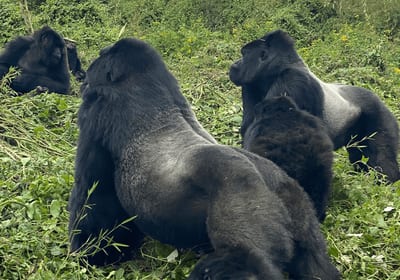
Gorilla trekking is Uganda’s flagship adventure day, and for many travelers it becomes the emotional center of the entire safari. It is not a game drive with a short walk added on. It is a full conservation experience shaped by terrain, weather, ranger guidance, and the movement of a habituated gorilla family.
Plan Your Uganda Safari with Local Experts
 WhatsApp Us
Most treks begin early with a briefing at the park office. Rangers explain rules, group allocation, expected conduct, distance limits, and how the day may unfold. Trekking groups are then assigned to gorilla families based on permit availability, terrain, and sometimes fitness considerations. The actual walk can take under two hours or most of the day. The forest decides.
Bwindi has several trekking sectors, including Buhoma, Ruhija, Rushaga, and Nkuringo. Each has its own routing implications. Buhoma works well for travelers connecting from Queen Elizabeth National Park through Ishasha. Rushaga and Nkuringo can be strong choices for travelers combining Bwindi with Lake Bunyonyi, Kisoro, or Mgahinga. Ruhija can work beautifully for birding-focused travelers and those who want a quieter highland atmosphere.
Mgahinga Gorilla National Park offers a different mood: volcanic scenery, bamboo zones, golden monkey tracking, and views toward the Virunga range. It is a superb option when permits and routing align, particularly for travelers who want a concentrated southwestern Uganda adventure.
The main cost factor is the gorilla permit. For 2026 planning, many foreign non-resident travelers should budget around US$800 per gorilla permit, although tariffs are periodically reviewed and must be confirmed at booking. Foreign resident, rest-of-Africa, and East African citizen rates may differ. This fee supports conservation, ranger operations, and controlled tourism access.
Luxury travelers should also factor in lodge location. A premium gorilla lodge close to the assigned sector can reduce morning stress and add comfort after a demanding trek. High-end gorilla region lodges may range from roughly US$600 to US$1,500+ per person per night in peak periods, depending on the property, room category, inclusions, and season. Midrange options may sit closer to US$180 to US$400+ per person per night, while simpler lodges and guesthouses can reduce the total trip cost.
The best advice is not to choose a gorilla sector on permit availability alone. Choose it according to the full route. A poorly placed permit can create unnecessary driving, early starts, or extra overnights. PawMac Safaris helps align permit sector, lodge, vehicle routing, and the rest of your Uganda safari so the adventure feels thrilling, not rushed.
Chimpanzee tracking in Kibale Forest
Chimpanzee tracking adds a very different kind of forest energy. Gorillas are powerful, grounded, and often observed in dense vegetation. Chimpanzees are vocal, fast-moving, social, and frequently above you in the canopy. A Kibale Forest adventure day can feel electric because sound reaches you before sight does.
Kibale National Park is widely known as one of Uganda’s strongest primate destinations. A standard chimpanzee tracking experience usually starts with a briefing, then a guided forest walk with trained rangers and trackers. Once chimpanzees are located, viewing time is controlled to protect the animals and manage visitor impact.
For travelers who want more depth, chimpanzee habituation experiences may offer longer time in the forest, subject to availability and current regulations. These are more immersive but also more demanding. They can involve earlier starts, longer walking, and less predictable viewing conditions.
For 2026 budgeting, standard chimpanzee tracking in premium sites such as Kibale may require a permit in the range of roughly US$250 for many foreign non-residents, while habituation-style activities can be higher. Other chimpanzee sites may cost less, but the experience, forest structure, accessibility, and success rates can vary.
A smart Kibale adventure day does not have to end when the tracking finishes. Bigodi Wetland Sanctuary, crater lake walks, community experiences, and birding extensions can turn the day into a richer forest-edge experience. This is where Uganda stands out: the safari day can move from primates to wetlands to local community context without needing a long-distance transfer.

Nile adventure days in Murchison Falls and Jinja
The Nile gives Uganda some of its most dramatic adventure days. In Murchison Falls National Park, the river is not just scenery. It is a wildlife corridor, a geological force, and one of the most rewarding ways to experience the park beyond a vehicle.
A boat safari toward the base of Murchison Falls can bring you close to hippos, crocodiles, elephants near the banks, waterbirds, and the thunder of the falls where the Nile forces itself through a narrow rock gap. Many itineraries pair the boat with a hike to the top of the falls. This combination gives you two perspectives: the river-level approach and the power of the falls from above.
A scheduled boat cruise is often more affordable, commonly around US$30 to US$50+ per person depending on arrangements and current tariffs, while private boat options or specialist activities can cost more. Park entry, vehicle fees, guide costs, and lodging are separate elements of the safari budget.
Jinja is a different Nile experience. It is Uganda’s classic adrenaline hub, especially for whitewater rafting. A Jinja adventure day works well at the beginning or end of a safari because it is accessible from Entebbe or Kampala, although traffic must be planned carefully. Full-day rafting, half-day rafting, kayaking, tubing, quad biking, and horseback-style adventure options may be available through specialist local providers coordinated into your safari plan.
Whitewater rafting costs commonly fall in the US$120 to US$180+ range per adult, depending on duration, inclusions, safety setup, transfers, and group size. Travelers should choose reputable operators with safety briefings, helmets, life jackets, rescue kayakers where appropriate, and clear age or fitness guidelines.
For premium travelers, Jinja can also be softened into a more relaxed Nile day: a riverside lodge, a gentle boat experience, sunset views, and a slower re-entry after trekking in the southwest. Uganda allows that range. Adventure does not always have to mean intensity.
Walking safaris, rhino tracking, and ranger-led exploration
Walking changes the scale of safari. From a vehicle, an elephant is a sighting. On foot, even tracks, dung, alarm calls, and wind direction become part of the experience. Uganda’s ranger-led walking activities are excellent for travelers who want to understand the bush rather than simply photograph it.
Ziwa Rhino Sanctuary is one of the best-known places for rhino tracking on foot in Uganda. It is especially valuable for travelers hoping to build a Big Five-style Uganda safari, since rhinos are not generally seen roaming in the main national parks in the way lions, elephants, buffalo, and leopards may be. Tracking is guided, controlled, and focused on safety and conservation awareness.
Lake Mburo National Park is another strong walking destination. Its open landscapes, zebras, impalas, elands, buffalo, warthogs, giraffes, and birdlife make it a rewarding park to explore at ground level with an armed ranger. It also fits well into routes between Entebbe and southwestern Uganda, making it a smart stop for travelers heading toward Bwindi or returning from gorilla trekking.
Kidepo Valley National Park, in Uganda’s remote northeast, can also offer deeply atmospheric ranger-guided experiences when conditions and park arrangements allow. Kidepo is best suited to travelers with more time, a higher budget, or a desire for wilderness that feels far removed from busier circuits.
Walking activities are usually less expensive than gorilla or chimpanzee permits, often around US$30 to US$50+ per person for ranger-guided walks where offered, not including park entrance fees or wider safari logistics. The deeper cost is time. A good walking safari should not be squeezed between long drives. It deserves a calm morning, proper briefing, and realistic expectations.
Mountain, waterfall, and lake adventure days
Uganda is often described through wildlife, but its mountain and lake landscapes deserve equal respect. These places are ideal for travelers who want active days without always chasing large animals.
Sipi Falls in the Mount Elgon region is one of Uganda’s most rewarding soft-adventure stops. A day here may include waterfall hikes, coffee experiences, viewpoints, village trails, and, for more adventurous travelers, abseiling where available and safely operated. Costs are generally moderate, but guide fees and local arrangements should be handled respectfully and transparently.
The Rwenzori Mountains offer a more serious mountain environment. Day hikes can introduce you to the foothills, vegetation zones, rivers, and views, while multi-day routes require greater preparation, appropriate gear, and careful planning. The Rwenzori are not a casual add-on if you are attempting higher routes. Weather, mud, altitude, and fitness matter.
Lake Bunyonyi is a gentler but deeply satisfying adventure stop after gorilla trekking. Canoeing, boat rides, island visits, swimming in selected safe areas, birding, and relaxed lodge time can help travelers recover after the physical effort of Bwindi. It is particularly useful for honeymooners, families, and travelers who want beauty without another high-pressure wildlife target.
Mgahinga also belongs in this category because it offers volcanic hiking, golden monkey tracking, and highland scenery in the far southwest. It is one of Uganda’s most visually distinctive parks and can be a superb addition when combined with Bwindi or Kisoro.
These adventure days are often more flexible than permit-heavy primate activities. They can also improve the emotional pacing of a safari. After intense gorilla trekking, a lake or waterfall day gives the body time to reset. Before a long transfer, a short guided walk or canoe outing can keep the day meaningful without exhausting the traveler.
Cultural adventure days with real local context
A Uganda safari should not treat culture as a quick performance between wildlife stops. The best cultural adventure days are built with respect, local participation, and realistic time. They help travelers understand how landscapes, livelihoods, conservation, and community life intersect.
In the southwest, Batwa cultural experiences can add important historical and human context around forest conservation, displacement, heritage, and identity. Around Sipi, coffee experiences can connect travelers to farming, processing, roasting, and local hospitality. In the northeast, Karamoja experiences can be powerful when arranged thoughtfully, with attention to dignity, consent, and genuine exchange.
Cultural days are also excellent for families because they balance movement, learning, and conversation. Families with younger children may not qualify for gorilla trekking due to age restrictions, but they can still enjoy canoeing, gentle walks, cultural visits, boat trips, and wildlife viewing. PawMac Safaris offers more guidance on family-friendly Uganda adventures for travelers who need pacing, comfort, and safety planned around different ages.
Budgeting for cultural experiences varies widely. Some community walks may involve modest local guide fees of US$20 to US$50+ per person, while more structured private activities, transfers, donations, meals, or specialist interpretation can cost more. The lowest price is not always the best choice. Ethical value matters.
A good cultural adventure day should answer three questions: who benefits locally, how much time is needed for the experience to feel meaningful, and how it fits naturally into the route rather than feeling like an obligation.

How to budget for adventure days in Uganda in 2026
Adventure days can raise the value of a Uganda safari, but they also affect the budget more than travelers sometimes expect. Permit-based activities, private guiding, remote lodges, domestic flights, and premium vehicle logistics all influence the final cost.
The most important principle is to separate fixed conservation costs from comfort choices. Gorilla and chimpanzee permits are relatively fixed once tariffs are confirmed. Accommodation, routing, vehicle type, domestic flights, and private experiences are more flexible. A traveler can choose a midrange lodge and still buy the same gorilla permit as a luxury traveler staying at a top-end property.
| Cost component | What it covers | 2026 planning insight |
|---|---|---|
| Gorilla permit | Controlled access to a habituated gorilla family | Use around US$800 per foreign non-resident adult as a working figure, then confirm current tariff |
| Chimpanzee permit | Guided primate tracking or habituation activity | Budget roughly US$100 to US$300+ depending on site and format |
| Park entry | National park access, usually charged per 24 hours | Many major parks are commonly in the US$40 to US$45+ range for foreign non-residents, subject to updates |
| Accommodation | Lodge, meals, location, service level | Budget lodges may start around US$80 to US$180 per person per night, midrange often US$180 to US$400+, luxury US$450 to US$1,200+ |
| Premium gorilla lodges | High-end stays near Bwindi or Mgahinga sectors | Top properties can reach US$800 to US$1,500+ per person per night in peak periods |
| Private safari vehicle and guide | 4×4 transport, driver-guide expertise, fuel, routing flexibility | Costs depend on distance, vehicle standard, group size, and number of days |
| Domestic flights | Time-saving links to airstrips near key regions | Useful for luxury or time-sensitive travelers, often several hundred dollars per sector |
| Specialist adventure activities | Rafting, abseiling, private boat trips, guided hikes | Can range from US$20 local walks to US$180+ rafting days and higher for private arrangements |
As a realistic 2026 planning range, a 7 to 9 day Uganda safari including gorilla trekking, chimpanzee tracking, private 4×4 guiding, comfortable midrange lodges, and selected adventure days may often land around US$3,500 to US$6,500+ per person sharing, excluding international flights. A more luxury-focused version with premium lodges, domestic flights, private experiences, and top locations can move into the US$7,000 to US$12,000+ per person range. A simpler budget-conscious version can cost less, especially if accommodation expectations are modest and the route is efficient.
For executives, founders, and high-end travelers, safari planning should be treated with the same discipline as any serious logistics decision. Just as a business relocating to Europe might compare verified options for office space for rent in Malta before committing, a Uganda traveler should compare route timing, permit sector, lodge location, and vehicle days before paying deposits.
The cheapest itinerary is not always the best value. A low quote may hide long drives, weak lodge locations, rushed rest days, or poor permit alignment. A well-planned itinerary protects your energy, improves sightings, and gives each adventure day the space it needs.
Sample Uganda itineraries that go beyond game drives
The right balance depends on your available time, fitness, comfort level, and budget. The following sample structures show how adventure days can be layered into a Uganda safari without making the trip feel chaotic.
| Trip length | Best for | Adventure day sequence | Notes |
|---|---|---|---|
| 7 days | Time-conscious travelers | Entebbe, Kibale chimpanzees, Queen Elizabeth boat or game drive, Bwindi gorillas, Lake Bunyonyi recovery | Efficient but active. Best with careful routing and limited backtracking. |
| 10 days | First-time Uganda travelers who want variety | Entebbe, Murchison Falls boat and falls hike, Kibale chimpanzees, Queen Elizabeth, Bwindi gorillas, Lake Bunyonyi or Lake Mburo walk | Strong balance of savannah, forest, water, and walking. |
| 12 days | Premium travelers wanting better pacing | Entebbe, Jinja Nile day, Murchison Falls, Kibale, Queen Elizabeth, Bwindi, Lake Bunyonyi, Lake Mburo | More comfortable energy flow with fewer rushed transitions. |
| 14+ days | Adventure-focused travelers | Jinja rafting, Murchison Falls, Ziwa rhinos, Kibale, Rwenzori or crater lakes, Queen Elizabeth, Bwindi, Mgahinga, Lake Bunyonyi | Best for travelers who want Uganda in depth rather than a highlights-only route. |
A common mistake is trying to include every famous activity in too few days. Uganda rewards depth. A 10 day itinerary with well-placed adventure days will often feel better than a 7 day itinerary overloaded with early starts and long transfers.
If you are comparing different safari styles, PawMac Safaris’ guide to wildlife experiences in Uganda beyond the standard game drive can help you decide which encounters deserve priority in your route.
Seasonality, fitness, safety, and packing notes
Uganda can be visited year-round, but adventure days are affected by weather. The generally drier periods, often from June to September and December to February, are popular for trekking and wildlife viewing. Trails may be less muddy, road conditions can be easier, and photography conditions are often favorable. These months also bring higher demand, so permits and prime lodges should be booked early.
The wetter periods, often around March to May and October to November, can bring lush landscapes, fewer crowds in some areas, and possible seasonal value at selected lodges. Forest trekking remains possible, but mud, slippery slopes, and rain gear become more important. The reward can be beautiful light, fresh vegetation, and a quieter atmosphere.
Fitness expectations vary. Gorilla trekking can be moderate or strenuous depending on the assigned family and terrain. Chimpanzee tracking is usually less steep but can involve quick movement through forest. Sipi Falls hikes and Rwenzori foothills walks require sure footing. Rafting requires comfort in water and respect for safety instructions.
For most active Uganda safari days, pack thoughtfully rather than heavily:
- Lightweight long-sleeved shirts and trousers for forest and bush protection
- Broken-in hiking shoes or boots with good grip
- Rain jacket or poncho, especially for Bwindi, Mgahinga, Kibale, and Rwenzori areas
- Garden gloves for gorilla trekking, useful when holding vegetation on steep trails
- Small daypack with water, snacks, camera protection, and personal medication
- Sun protection for boats, savannah walks, and Jinja activities
- Insect repellent and neutral-colored clothing for safari environments
Travelers should also carry proof of required health documentation, arrange comprehensive travel insurance, and consult a qualified medical professional about malaria prevention and vaccines before traveling. For high-value trips, insurance should cover medical evacuation, activity participation where applicable, cancellation, and missed connections.
Safety is not only about wildlife. It is also about fatigue, hydration, road timing, and honest self-assessment. A professional safari plan should avoid stacking too many strenuous experiences without recovery time.
How PawMac Safaris designs adventure days around you
The best adventure days in Uganda are personal. Two travelers can book the same gorilla permit and have very different needs. One may want a luxury lodge close to the trailhead, a porter, and a slower post-trek afternoon. Another may want to continue to Lake Bunyonyi after the trek to maximize time. A family may need age-appropriate alternatives while adults trek. A photographer may need better light, fewer rushed transfers, and private guiding where possible.
PawMac Safaris designs Uganda itineraries with these practical details in mind. The team specializes in expert-guided wildlife and gorilla trekking tours, chimpanzee tracking, Big Five-style safari routes, cultural tours, adventure activities, and custom safari packages. The goal is not to add activities for the sake of a longer itinerary. The goal is to build a sequence that fits your energy, budget, travel season, and expectations.
Comfortable 4×4 vehicles are especially important on Uganda routes because many of the best experiences are separated by highland roads, park tracks, and rural transfers. A knowledgeable local guide also adds value far beyond driving. Guides help interpret wildlife behavior, manage timing, coordinate with rangers, adjust for weather, and keep the journey calm when logistics change.
For premium travelers, the planning difference is often invisible until the trip begins. Better lodge placement means less fatigue. Better permit alignment means fewer wasted hours. Better pacing means you arrive at the adventure day ready to enjoy it.
Frequently Asked Questions
What are the best adventure days in Uganda beyond game drives? The strongest options include gorilla trekking in Bwindi or Mgahinga, chimpanzee tracking in Kibale, Nile boat safaris and waterfall hikes in Murchison Falls, whitewater rafting in Jinja, rhino tracking at Ziwa, ranger-led walking safaris, Sipi Falls hikes, Lake Bunyonyi canoeing, and cultural experiences arranged with local context.
How many adventure days should I include in a Uganda safari? For a 7 to 9 day safari, two or three major adventure days are usually enough, such as gorilla trekking, chimpanzee tracking, and a boat or walking activity. For a 10 to 14 day safari, you can comfortably add rafting, hiking, cultural visits, or lake time without rushing the route.
Are adventure days in Uganda suitable for luxury travelers? Yes. Luxury in Uganda is often about better pacing, premium lodges, private guiding, domestic flights where useful, and carefully selected activities. Gorilla trekking and chimpanzee tracking remain adventurous, but the surrounding experience can be highly comfortable.
What is the most physically demanding Uganda adventure day? Gorilla trekking can be the most demanding because terrain, altitude, mud, and the location of the gorilla family vary daily. Rwenzori hikes and long waterfall routes can also be strenuous. Travelers with mobility concerns should discuss fitness honestly during planning.
Can children join Uganda adventure days? Some activities are family-friendly, including boat safaris, gentle nature walks, cultural visits, Lake Bunyonyi canoeing, and selected wildlife viewing. Gorilla trekking has a minimum age of 15, and chimpanzee activities may have age limits that vary by site and activity. PawMac Safaris can design age-appropriate alternatives.
When should I book gorilla and chimpanzee permits for 2026? Book as early as possible, especially for June to September, December to February, holidays, and small-group luxury travel. Six to twelve months ahead is wise for premium lodge choices and preferred trekking sectors.
Do adventure days replace game drives? Not necessarily. The best Uganda itineraries often combine both. Game drives are excellent for savannah wildlife, while adventure days add forest, water, walking, mountain, and cultural depth. Together, they make the safari feel more complete.
Plan your Uganda adventure days with PawMac Safaris
Uganda is one of Africa’s most rewarding destinations for travelers who want more than a vehicle-based safari. The country gives you gorilla forests, chimpanzee calls, Nile power, savannah wildlife, crater lakes, waterfalls, mountain trails, and meaningful cultural encounters in one carefully planned journey.
PawMac Safaris can help you build a personalized Uganda safari for 2026, from budget-aware routing to premium lodge selection and expertly guided adventure days. If you want gorilla trekking, chimpanzee tracking, Big Five-style wildlife viewing, cultural tours, and active experiences arranged with local knowledge, start planning with PawMac Safaris and create a Uganda journey that goes far beyond the standard game drive.


