


- 5 Views
- 20 Min Read
- (0) Comment
Uganda rewards safari travelers with an unusually complete wildlife experience in one country: mountain gorillas in misty forests, chimpanzees in tropical canopies, lions on open plains, hippos in broad channels, rhinos tracked on foot, and rare birds in papyrus wetlands. If you are planning a Uganda safari in 2026, the smartest question is not only which animals you can see, but where each animal is most reliably spotted and what type of activity gives you the best chance.
This guide gives you a practical, park-by-park view of the most sought-after animals on the safari in Uganda, with realistic planning notes on routes, permits, seasons, budgets, and viewing expectations. It is designed for travelers who want a serious wildlife itinerary, not a generic checklist.
Table of Contents
- Quick Answer: Top Animals and Best Places to See Them
- Uganda Safari Animal Map by Park
- Bwindi Impenetrable National Park and Mgahinga Gorilla National Park
- Kibale National Park, Budongo Forest, and Kyambura Gorge
- Queen Elizabeth National Park
- Murchison Falls National Park and Ziwa Rhino Sanctuary
- Kidepo Valley National Park and Lake Mburo National Park
- Primates: Uganda's Signature Safari Encounters
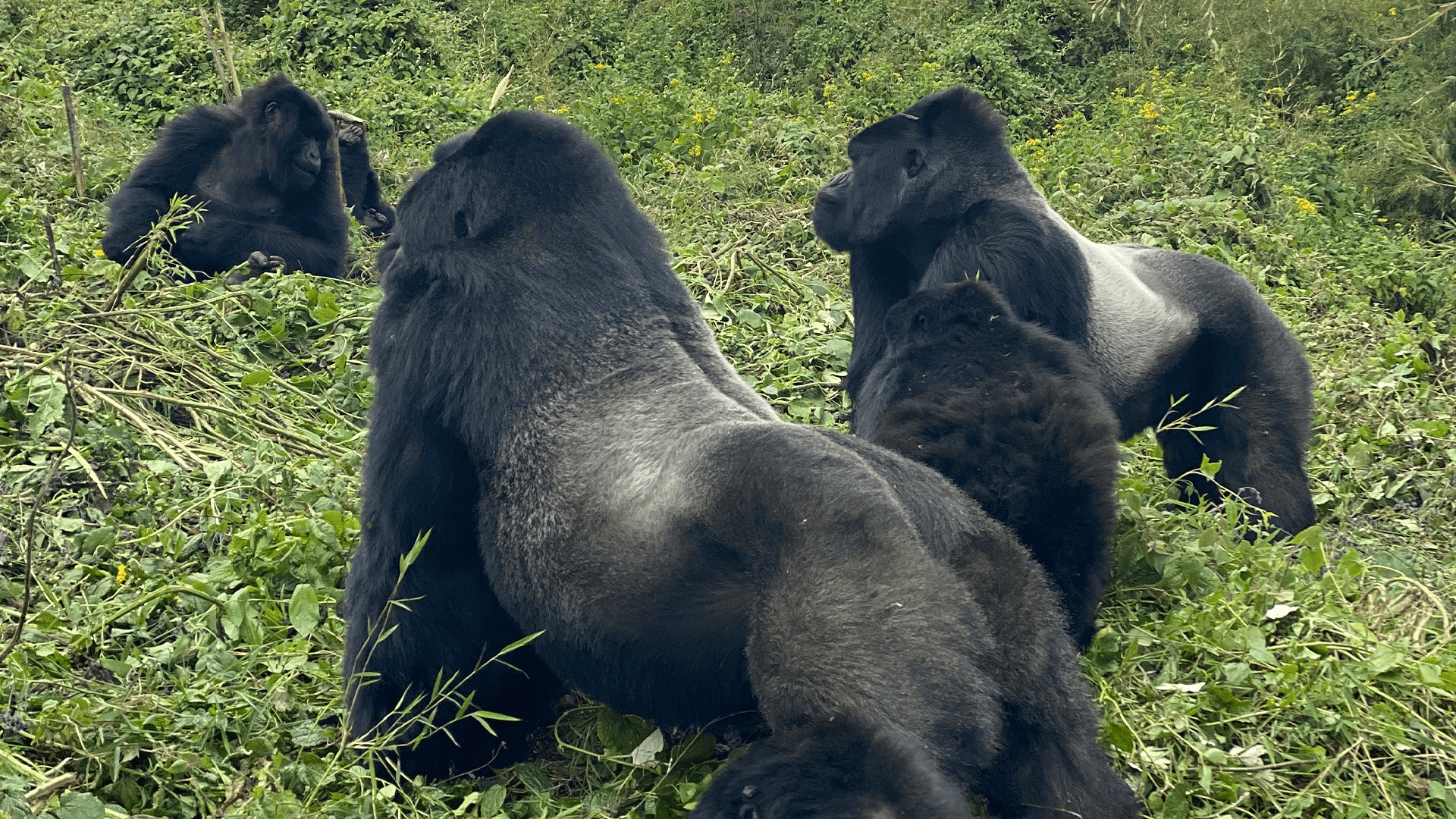
- Mountain Gorillas
- Chimpanzees
- Golden Monkeys and Other Forest Primates
- Big Game and Savannah Wildlife
- Lions, Leopards, Elephants, Buffalo, and Rhinos
- Giraffes, Zebras, Antelopes, and Warthogs
- Hippos, Crocodiles, and Boat Safari Wildlife
- Birds and Rare Species Worth Planning Around
- Best Uganda Safari Routes by Animal Interest
- Gorilla and Big Game Route
- Primates and Forest Wildlife Route
- Remote Wilderness Route
- Costs, Permits, and Booking Realities for 2026
- When to Travel for the Best Wildlife Sightings
- Practical Spotting Tips From Local Guides
- Frequently Asked Questions
- Plan Your Uganda Wildlife Safari With PawMac Safaris
Quick Answer: Top Animals and Best Places to See Them
For first-time visitors, the highest-value Uganda safari usually combines one forest primate experience with at least one savannah park and one boat safari. That gives you variety across habitat types, which is the real strength of Uganda.
| Animal or wildlife highlight | Best place to spot it in Uganda | Best activity | Planning note for 2026 |
|---|---|---|---|
| Mountain gorilla | Bwindi Impenetrable National Park, Mgahinga Gorilla National Park | Gorilla trekking | Gorilla permits are currently budgeted at about USD 800 for foreign non-residents, subject to official tariff updates |
| Chimpanzee | Kibale National Park, Budongo Forest, Kyambura Gorge | Chimpanzee tracking | Kibale is the most famous and generally most reliable option, with permits commonly budgeted around USD 250 for foreign non-residents |
| Tree-climbing lion | Ishasha sector, Queen Elizabeth National Park | Game drive | Sightings are never guaranteed, but Ishasha is Uganda's best-known location for this behavior |
| Elephant | Murchison Falls, Queen Elizabeth, Kidepo Valley | Game drive and boat safari | Boat safaris often provide relaxed viewing along water edges |
| Rhino | Ziwa Rhino Sanctuary | Guided on-foot tracking | Commonly added between Kampala or Entebbe and Murchison Falls |
| Nubian giraffe | Murchison Falls, Kidepo Valley, Lake Mburo | Game drive | Murchison Falls is usually the most convenient choice on a classic route |
| Zebra | Lake Mburo, Kidepo Valley | Game drive or guided nature activity | Lake Mburo is the easiest add-on for travelers heading to or from western Uganda |
| Hippo and Nile crocodile | Kazinga Channel, Nile at Murchison Falls, Lake Mburo | Boat safari | Excellent for photography, especially in the afternoon light |
| Shoebill | Mabamba Swamp, Murchison Delta | Canoe or wetland birding excursion | Best treated as a specialist birding add-on, not a casual drive-by sighting |
Uganda is not a single-park destination. The most successful itineraries use geography intelligently: gorillas in the southwest, chimpanzees in the west, big game in Queen Elizabeth or Murchison Falls, rhinos at Ziwa, and specialist species in Lake Mburo, Kidepo, or Mabamba depending on your interests.
Uganda Safari Animal Map by Park
Each Ugandan park has a different wildlife personality. Choosing correctly matters because it affects travel time, budget, photography opportunities, and the overall rhythm of your safari. A custom itinerary with PawMac Safaris can match your priority species to the right route, rather than forcing every traveler into the same circuit.
Bwindi Impenetrable National Park and Mgahinga Gorilla National Park
Bwindi is Uganda's flagship gorilla trekking destination and one of the most important mountain gorilla habitats in the world. Its sectors, including Buhoma, Ruhija, Rushaga, and Nkuringo, give travelers several access points, which can be matched with lodge preference, trekking difficulty, and onward travel plans.
Mgahinga Gorilla National Park is smaller but highly rewarding, especially for travelers who want to combine gorillas with golden monkey tracking and dramatic Virunga volcano scenery. It can also work well for those who prefer a quieter, highland feel.
Do not expect classic savannah game in Bwindi or Mgahinga. These are forest ecosystems, so the value lies in gorillas, forest monkeys, butterflies, specialist birds, and the atmosphere of trekking through dense mountain habitat. For a premium trip, many travelers spend two nights near one gorilla sector, allowing time to rest before or after the trek.
Kibale National Park, Budongo Forest, and Kyambura Gorge
Kibale National Park is the prime destination for chimpanzee tracking in Uganda. Its forest supports a remarkable concentration of primates, and sightings are often strong because habituated chimpanzee communities are visited under ranger supervision.
Budongo Forest, often paired with Murchison Falls National Park, can be an efficient option when your route focuses on northern Uganda. Kyambura Gorge, located near Queen Elizabeth National Park, offers a beautiful setting with steep forested walls, though chimp sightings can be less predictable than in Kibale.
Kibale is usually the best fit if chimpanzees are a top priority. Budongo and Kyambura can be excellent when the route or budget makes them more practical.
Plan Your Uganda Safari with Local Experts
 WhatsApp Us
Queen Elizabeth National Park
Queen Elizabeth National Park is one of Uganda's most diverse wildlife areas. The Kasenyi plains are a strong area for Uganda kob, buffalo, elephants, lions, warthogs, and occasional leopard sightings. The Ishasha sector in the south is famous for tree-climbing lions, especially when they are resting in fig trees during the heat of the day.
The Kazinga Channel is the park's standout activity for water-based wildlife. A boat safari can bring you close to hippos, Nile crocodiles, elephants, buffalo, waterbirds, and fish eagles. For photographers and families, it is one of the most relaxed yet productive safari experiences in Uganda.
Queen Elizabeth also works logistically because it sits between Kibale and Bwindi on many western circuits. This makes it ideal for travelers who want chimpanzees, savannah wildlife, boat safari viewing, and gorilla trekking in one continuous journey.
Murchison Falls National Park and Ziwa Rhino Sanctuary
Murchison Falls National Park is Uganda's largest national park and one of the strongest choices for classic big game. The northern bank of the Nile is especially productive for elephants, buffalo, giraffes, lions, hartebeest, Uganda kob, oribi, and sometimes leopards. The Nile boat safari toward the base of the falls adds hippos, crocodiles, and waterbirds, with powerful scenery as the river squeezes through a narrow rock gap.
Ziwa Rhino Sanctuary is not inside Murchison Falls, but it is the key rhino experience on the route from Entebbe or Kampala toward the park. A guided rhino tracking stop can complete a Uganda Big Five itinerary when combined with lions, leopards, elephants, and buffalo in the national parks. For more detailed planning around these iconic species, PawMac Safaris has a dedicated guide to a Big Five safari route in Uganda.
Murchison is often the best first major park for travelers who want big game before continuing to Kibale, Queen Elizabeth, or Bwindi. It also suits guests who prefer broad landscapes and a strong mix of game drives and river activities.
Kidepo Valley National Park and Lake Mburo National Park
Kidepo Valley National Park is Uganda's remote wilderness jewel. It requires more time and budget, but it rewards travelers with open landscapes, dramatic escarpments, buffalo herds, lions, elephants, giraffes, zebras, ostriches, and dry-country species that are difficult to find elsewhere in Uganda. It is an excellent choice for repeat visitors or photographers seeking a wilder, less crowded route.
Lake Mburo National Park is smaller and more accessible, commonly used as a final wildlife stop between Bwindi and Entebbe or Kampala. It is one of Uganda's best places for zebras, impalas, elands, topis, hippos, and relaxed nature activities. Lions are not a standard expectation here, which makes walking safaris possible in designated areas with professional guidance.
If giraffes are a special interest, Lake Mburo, Murchison Falls, and Kidepo all deserve attention. You can explore this species in more depth through PawMac Safaris' complete guide to seeing giraffes in Uganda.
Primates: Uganda's Signature Safari Encounters
Uganda's primate experiences are the reason many travelers choose the country over more conventional safari destinations. The combination of mountain gorillas, chimpanzees, golden monkeys, colobus monkeys, red-tailed monkeys, blue monkeys, L'Hoest's monkeys, and olive baboons gives Uganda a depth that is hard to match.
Mountain Gorillas
Mountain gorilla trekking is the defining wildlife experience in Uganda. Treks usually begin early in the morning with a ranger briefing, followed by assignment to a gorilla family based on permit allocation, trekking conditions, and sometimes traveler fitness. Once the gorillas are found, visitors typically spend a regulated period with them under strict ranger supervision.
For 2026 planning, foreign non-resident travelers should budget around USD 800 per gorilla permit, while luxury travelers should also account for high-end lodge costs near Bwindi or Mgahinga. Premium gorilla lodges can range from about USD 450 to more than USD 1,500 per person per night depending on location, season, exclusivity, and room category. Mid-range lodges often fall between about USD 180 and USD 400 per person per night, while simpler budget options may be lower.
The best gorilla sector depends on your itinerary. Buhoma is historically popular and works well with Queen Elizabeth's Ishasha sector. Rushaga and Nkuringo often combine well with Lake Bunyonyi and Mgahinga. Ruhija can suit travelers linking Bwindi with the central and northern parts of the park.
Chimpanzees
Chimpanzee tracking is more vocal, faster-paced, and energetic than gorilla trekking. You may hear pant-hoots echoing through the forest before you see the community. Chimps often move, feed, climb, and interact in ways that make the experience exciting but less predictable for photography.
Kibale is the top choice for travelers who want the best chance of a strong chimpanzee experience. For 2026, Kibale chimpanzee permits for foreign non-residents are commonly budgeted around USD 250, although official tariffs should always be confirmed before payment. Budongo may fit well with a Murchison Falls itinerary, while Kyambura Gorge works as a scenic add-on near Queen Elizabeth.
A common mistake is trying to rush from a late game drive into a chimp activity without enough rest. Forest tracking is more enjoyable when you arrive hydrated, with broken-in footwear, a light rain jacket, and a realistic expectation that wildlife sets the pace.
Golden Monkeys and Other Forest Primates
Golden monkey tracking in Mgahinga is an excellent addition for travelers already heading to the far southwest. The monkeys are active, colorful, and often found in bamboo zones. They are quicker than gorillas, so the experience feels more dynamic and playful.
Kibale and Bwindi also offer chances to see black-and-white colobus monkeys, red-tailed monkeys, blue monkeys, and olive baboons. These species may not carry the fame of gorillas, but they enrich the forest experience and reward travelers who slow down, listen, and look into the canopy.

Big Game and Savannah Wildlife
Uganda's savannah parks provide the classic safari rhythm: early morning game drives, golden light, tracks in the dust, raptors on branches, and careful scanning for predators. The experience is different from forest trekking because patience, vehicle positioning, and guide interpretation matter more than physical effort.
Lions, Leopards, Elephants, Buffalo, and Rhinos
Lions are best sought in Queen Elizabeth, Murchison Falls, and Kidepo Valley. Queen Elizabeth's Ishasha sector is famous for tree-climbing lions, while the Kasenyi plains are productive for lion activity linked to Uganda kob. Murchison Falls offers excellent lion potential in the northern sector, and Kidepo delivers a more remote predator-viewing atmosphere.
Leopards are present in several parks but remain elusive. Lake Mburo, Queen Elizabeth, Murchison Falls, and Kidepo all have leopard potential. The best sightings often happen early, late, or on permitted night drives where available through official arrangements. A skilled local guide makes a major difference by reading tracks, alarm calls, and prey behavior.
Elephants and buffalo are more regularly seen. Murchison Falls and Queen Elizabeth are strong for both, especially near water sources. Kidepo's buffalo herds can be impressive, and the park's open landscapes make large mammals stand out against the scenery.
Rhinos are tracked at Ziwa Rhino Sanctuary, where guided walks are managed for visitor safety and conservation. If seeing all Big Five mammals is important, Ziwa is the essential addition because rhinos are not free-ranging in Uganda's main savannah national parks.
Giraffes, Zebras, Antelopes, and Warthogs
Uganda's Nubian giraffes are graceful, photogenic, and most commonly included on routes through Murchison Falls, Kidepo, or Lake Mburo. Murchison is often the easiest for first-time visitors because it combines giraffes with elephants, lions, buffalo, and a Nile boat safari.
Zebras are especially associated with Lake Mburo and Kidepo. Lake Mburo is the convenient option for many western Uganda routes, while Kidepo offers the more remote wilderness version. Uganda does not have the same zebra distribution in every park, so itinerary design matters if zebras are a must-see.
Antelope diversity is one of the pleasures of a Ugandan safari. Uganda kob are common in Queen Elizabeth and Murchison Falls, often attracting predators. Waterbuck, bushbuck, oribi, Jackson's hartebeest, topi, eland, and impala may appear depending on the park. Warthogs are widespread and frequently seen near tracks, lawns, and open grassland.
Hippos, Crocodiles, and Boat Safari Wildlife
Boat safaris are one of Uganda's great advantages. They offer a slower pace and often bring guests close to animals without the vibration and dust of a game drive. The Kazinga Channel in Queen Elizabeth is one of the best places in Uganda for dense hippo pods, Nile crocodiles, buffalo at the waterline, elephants drinking, and abundant birds.
Murchison Falls boat trips provide a different drama, with the Nile, cliffs, spray, and the famous falls as a backdrop. The delta route can be excellent for birders and travelers interested in shoebill possibilities, though sightings require patience and luck.
Lake Mburo also offers boat-based viewing, especially for hippos, crocodiles, waterbirds, and lakeside mammals. For families or travelers who prefer gentler safari activities, boat trips are often among the most comfortable ways to see wildlife well.
Birds and Rare Species Worth Planning Around
Uganda is exceptional for birdlife, with forest, savannah, wetland, lake, and highland habitats packed into a compact country. Even travelers who do not consider themselves birders often become interested after seeing African fish eagles, grey crowned cranes, bee-eaters, kingfishers, saddle-billed storks, great blue turacos, and hornbills.
The shoebill is the most famous specialist bird for many visitors. Mabamba Swamp near Entebbe is a practical add-on at the beginning or end of a safari, while the Murchison Delta can also be rewarding. Because shoebills inhabit wetlands and can be affected by water levels and movement patterns, sightings should be planned with patience rather than treated as guaranteed.
Forest birding is especially strong in Bwindi, Kibale, and Mgahinga. Savannah birding is excellent in Queen Elizabeth, Murchison Falls, Kidepo, and Lake Mburo. A guide who understands both mammals and birds can transform downtime between major sightings into a richer safari experience.
Best Uganda Safari Routes by Animal Interest
The best route depends on what you most want to see. Uganda rewards thoughtful pacing because the country's experiences are spread across forests, wetlands, savannahs, and highlands. Overloading the itinerary can reduce enjoyment, especially when gorilla trekking and chimpanzee tracking are involved.
Gorilla and Big Game Route
A strong 8 to 10 day route can include Entebbe, Murchison Falls or Queen Elizabeth, Bwindi, and Lake Mburo. If rhinos are important, add Ziwa before Murchison. If tree-climbing lions are important, prioritize Queen Elizabeth's Ishasha sector before or after Bwindi.
This route suits travelers who want the headline wildlife of Uganda: gorillas, lions, elephants, buffalo, hippos, crocodiles, giraffes or zebras, and possibly rhinos. It can be built at mid-range or luxury level depending on lodge choice and whether domestic flights are used.
Primates and Forest Wildlife Route
A primate-focused itinerary usually combines Kibale for chimpanzees with Bwindi or Mgahinga for gorillas. Add Bigodi Wetland near Kibale for birds and monkeys, then consider Mgahinga for golden monkeys if time allows.
This route is ideal for travelers who value close, guided wildlife encounters over long game drives. It also works well for photographers who want forest atmosphere, portraits, and behavioral moments. To understand why Uganda stands out for primates and big game, it helps to compare how few destinations can combine gorillas, chimpanzees, and classic savannah wildlife in one well-paced itinerary.
Remote Wilderness Route
A remote Uganda route may focus on Kidepo Valley, Murchison Falls, and Ziwa, with optional extensions to the west. This style of safari requires more travel time and usually a higher budget, but it gives a powerful sense of space and fewer vehicles around sightings.
Kidepo is especially attractive for experienced safari travelers, photographers, and guests who want a premium wilderness feel. It is not the most efficient choice for a short first trip, but it can be one of Uganda's most memorable wildlife experiences when planned properly.
Costs, Permits, and Booking Realities for 2026
Uganda can serve both value-conscious and premium travelers, but the final price depends heavily on permits, vehicle days, lodge level, group size, and route distance. Gorilla permits are the single biggest fixed activity cost for most itineraries, followed by chimpanzee permits, domestic flights if used, and high-end lodges.
| Cost item for 2026 planning | Realistic budget range | Notes |
|---|---|---|
| Gorilla trekking permit | About USD 800 per foreign non-resident | Confirm current official tariffs before booking |
| Kibale chimpanzee permit | About USD 250 per foreign non-resident | Other chimp locations may differ |
| Rhino tracking at Ziwa | Often budget around USD 50 to USD 60 per person | Rates can change, and transport is separate |
| Major park entrance fees | Often around USD 40 to USD 45 per foreign non-resident adult per 24 hours | Varies by park and official tariff category |
| Scheduled boat safari | Often around USD 30 to USD 50 per person | Private boat options may cost more |
| Mid-range lodge | About USD 180 to USD 400 per person per night | Season and location affect rates |
| Luxury lodge | About USD 450 to USD 1,500 plus per person per night | Gorilla regions and exclusive lodges can be higher |
| Private 4×4 safari vehicle with guide | Commonly built into a package, often several hundred USD per day before shared economies | Solo travelers pay more because costs are not shared |
As a broad guide, a private 7 to 8 day Uganda safari combining gorilla trekking with Queen Elizabeth or Lake Mburo can often fall from roughly USD 2,500 to USD 5,500 per person at budget to mid-range levels, excluding international flights. A luxury version can rise from around USD 6,000 to more than USD 10,000 per person depending on lodges, routing, and flights. A longer 10 to 12 day itinerary including Murchison Falls, Kibale, Queen Elizabeth, Bwindi, and Lake Mburo can range widely, often from about USD 4,000 to USD 8,000 per person at comfortable mid-range level and significantly higher for premium lodges.
Permit availability is especially important for gorilla trekking. Peak-season permits can sell out months in advance, particularly for preferred Bwindi sectors. Booking early also improves lodge choice, reduces awkward routing, and allows PawMac Safaris to match your fitness level and wildlife priorities more carefully.
When to Travel for the Best Wildlife Sightings
Uganda is a year-round safari destination, but each season changes the experience. The drier months from June to September and December to February are popular because trails are often easier, vegetation can be more open, and animals may gather more predictably near water in savannah parks. These months also attract higher demand, so permits and premium lodges should be secured early.
The wetter months and shoulder periods can still be excellent. Forests look lush, birding can be outstanding, and some lodges may offer better value outside the busiest windows. The tradeoff is that trekking trails may be muddy, some roads can be slower, and afternoon showers are more likely.
For gorillas and chimpanzees, sightings are possible year-round because the animals are resident. For savannah wildlife, early morning and late afternoon remain the most productive times regardless of month. For birders, migratory patterns and breeding plumage can make certain periods especially rewarding.
Practical Spotting Tips From Local Guides
Good wildlife sightings are not only about being in the right park. They come from timing, patience, guide skill, and respectful behavior. Start game drives early, when predators may still be active and temperatures are cooler. Use late afternoon drives for softer light and renewed animal movement. Keep binoculars accessible, not buried in luggage.
Clothing should be neutral, breathable, and practical. Forest treks require sturdy footwear, long trousers, gaiters or long socks, rain protection, gloves for gripping vegetation, and enough water. Savannah drives are more comfortable with layered clothing because mornings can be cool and midday can be hot.
Photographers should bring extra batteries, memory cards, lens cloths, dust protection, and a beanbag or soft support for vehicle photography. Families, small groups, and photographers with similar-looking luggage may also want to personalize soft bags, camera straps, or clothing tags before departure; custom woven labels and patches can make shared safari gear easier to identify during lodge transfers and vehicle loading.
Most importantly, listen to your guide. PawMac Safaris works with expert local guides who understand animal behavior, park rules, road conditions, and the difference between chasing a sighting and positioning responsibly. The best safaris feel calm, not rushed.
Frequently Asked Questions
What animals can I see on a safari in Uganda? Uganda can offer mountain gorillas, chimpanzees, golden monkeys, lions, leopards, elephants, buffalo, rhinos, giraffes, zebras, hippos, crocodiles, many antelope species, warthogs, hyenas, and outstanding birds such as shoebills and grey crowned cranes. The exact list depends on your route.
Where is the best place to see gorillas in Uganda? Bwindi Impenetrable National Park is the main gorilla trekking destination, with several sectors that suit different routes and lodge styles. Mgahinga Gorilla National Park is another excellent option, especially if you want to add golden monkey tracking and Virunga scenery.
Can I see the Big Five in Uganda? Yes, with the right itinerary. Lions, leopards, elephants, and buffalo can be seen in Uganda's savannah parks, while rhinos are tracked at Ziwa Rhino Sanctuary. A well-planned route can include all five, though leopard sightings remain the least predictable.
Which Uganda park is best for first-time safari travelers? Queen Elizabeth and Murchison Falls are both strong first-time choices. Queen Elizabeth combines easily with Kibale and Bwindi, while Murchison Falls is excellent for big game, giraffes, Nile boat safaris, and a rhino stop at Ziwa en route.
Are animal sightings guaranteed in Uganda? Gorilla and chimpanzee treks have strong success rates in the right locations, but wildlife is never fully guaranteed. Savannah sightings depend on weather, season, animal movement, guide expertise, and time spent in the field.
How many days do I need for a good Uganda wildlife safari? A focused gorilla and savannah itinerary can work in 7 to 8 days, but 10 to 12 days is better for travelers who want gorillas, chimpanzees, Big Five potential, boat safaris, and a more relaxed pace.
Plan Your Uganda Wildlife Safari With PawMac Safaris
Seeing the best animals on the safari in Uganda is about more than adding famous parks to a map. It requires matching your priority species with the right season, permits, lodge locations, driving distances, and activity timing.
PawMac Safaris specializes in expert-guided Uganda wildlife and gorilla trekking tours, with custom safari packages, comfortable 4×4 vehicles, local guiding knowledge, and flexible planning for different budgets. Whether your dream is a premium gorilla trekking journey, a Big Five-focused route, a family-friendly wildlife safari, or a deeper primate and birding adventure, the right itinerary will help every day in the field count.
Start planning your Uganda Safari 2026 with PawMac Safaris and build a route around the animals you most want to see.


