


- 108 Views
- 20 Min Read
- (0) Comment
Safe travel in Uganda begins long before your first game drive. It begins with smart routing, private transfers, vetted lodges, realistic timing, and a guide who understands both the lively pace of Uganda’s transit hubs and the calm rhythm of its national parks.
For most visitors, the safari itself feels remarkably composed. Once you leave Entebbe or Kampala and enter the structured world of Uganda’s protected areas, your days are shaped by experienced driver-guides, park rangers, lodge teams, permits, vehicle schedules, and clear wildlife protocols. The key is not to overthink every possible scenario, but to invest in the logistics that create travel peace of mind from arrival to departure.
Table of Contents
- Travel Peace of Mind in Uganda: The Right Way to Think About Safari Safety
- Urban Transit vs. the Guided Safari Bubble
- Entebbe and Kampala: Plan Transit, Do Not Improvise
- National Parks: Calmer Days, Clearer Routines
- Before You Fly: Documents, Health and Insurance
- Passport, Visa and Entry Documents
- Health Preparation for Uganda
- Travel Insurance That Fits a Safari Itinerary
- Private Transport: The Foundation of a Worry-Free Safari
- Why a Dedicated Driver-Guide Matters
- Road Journeys, Domestic Flights and Realistic Drive Times
- Vetted Lodges and Camps: Comfort That Supports Peace of Mind
- Wildlife Activities: Practical Safety Tips in the Field
- Gorilla Trekking in Bwindi and Mgahinga
- Chimpanzee Tracking in Kibale and Other Forests
- Game Drives and Boat Safaris
- Money, Phones and Daily Logistics
- Packing for Practical Travel Peace of Mind
- Budgeting for Safety, Comfort and Professional Logistics
- A Smooth Uganda Safari Flow: From Airport Arrival to Remote Parks
- Quick Reference: Uganda Safari Travel Safety Tips
- Frequently Asked Questions
- Plan a Worry-Free Uganda Safari with PawMac Safaris
Travel Peace of Mind in Uganda: The Right Way to Think About Safari Safety
The most useful way to think about safe travel in Uganda is through preparation, not alarm. Uganda rewards travelers who arrive with the right documents, choose the right route, use private transport, respect wildlife rules, and avoid unnecessary improvisation in busy transit areas.
A professional safari replaces uncertainty with structure. Your airport arrival is timed. Your driver-guide is waiting. Your lodges are confirmed. Gorilla and chimpanzee permits are booked in advance. Park entry, fuel stops, lunch timing, road conditions, luggage handling, and early morning departures are managed by people who do this every season.
This is why guided safaris feel different from independent travel. You are not simply renting a vehicle and hoping the route works. You are moving through Uganda with a local expert who understands terrain, timing, park procedures, weather patterns, and lodge access. PawMac Safaris builds this structure into personalized Uganda safari itineraries, from gorilla trekking in Bwindi Impenetrable National Park to Big Five-focused routes that combine Murchison Falls National Park, Queen Elizabeth National Park, and Ziwa Rhino Sanctuary.
If you want a broader guided-tour perspective before planning, PawMac Safaris has a dedicated article explaining why Uganda safari experiences are safest when professionally guided.
Urban Transit vs. the Guided Safari Bubble
Uganda offers two very different travel environments. The first is the vibrant transit world of Entebbe, Kampala, and connecting roads. The second is the more serene safari environment of national parks, forest lodges, ranger-led activities, and private 4×4 movement.
Understanding this contrast is one of the most practical Uganda safari travel safety tips. You do not need to treat every part of the journey the same way. Urban arrival days call for simple, efficient planning. Safari days call for patience, good footwear, wildlife awareness, and trust in your guide.
Entebbe and Kampala: Plan Transit, Do Not Improvise
Most international travelers arrive through Entebbe International Airport. Entebbe is usually the easiest place to begin a safari because it is calmer than central Kampala and has a good selection of airport-area hotels. If your flight lands late in the evening, a pre-booked Entebbe hotel and private transfer are often the smartest choice.
Kampala can be energetic, colorful, and rewarding, but it is also busier. Traffic can affect timing, especially on weekdays and around peak movement hours. For premium travelers, the best approach is straightforward: avoid self-navigation on arrival day, keep your schedule relaxed, and let a dedicated driver handle transfers.
A sensible first night in Uganda might include airport meet-and-greet, luggage assistance, a short transfer to a vetted Entebbe hotel, and a morning briefing before driving to Murchison Falls, Kibale, Queen Elizabeth, Lake Mburo, or Bwindi. This is not just comfortable. It reduces decision fatigue at the exact moment when long-haul travelers are tired.
Plan Your Uganda Safari with Local Experts
 WhatsApp Us
National Parks: Calmer Days, Clearer Routines
Once you are on safari, the atmosphere changes. Uganda’s major safari destinations operate with established procedures. Park entries are recorded. Activities begin at set times. Ranger-guides manage gorilla trekking, chimpanzee tracking, and certain walks. Lodges understand early breakfasts, packed lunches, dietary needs, and wake-up calls.
In places like Bwindi, Mgahinga, Kibale, Queen Elizabeth, Murchison Falls, and Lake Mburo, your day has a rhythm: depart early, enjoy the activity, return for meals and rest, then continue with a guided afternoon experience if scheduled. This rhythm creates the sense many travelers describe as the safari bubble, a calmer world where logistics are handled and your attention can shift to wildlife, landscapes, and photography.
Before You Fly: Documents, Health and Insurance
A worry-free Uganda safari starts with administrative clarity. Documents and health preparation are not glamorous, but they are the foundation of a smooth journey.
Passport, Visa and Entry Documents
Travelers should ensure their passport has sufficient validity beyond the travel dates, with blank pages available for entry stamps. Uganda uses an online visa process for many visitors, and travelers should apply before departure rather than waiting until the last minute.
Keep digital and printed copies of your key documents. These include your passport photo page, visa approval, flight details, travel insurance certificate, safari itinerary, emergency contacts, and permit confirmations. A printed copy can be useful in areas where mobile data is weak or your phone battery is low.
For gorilla trekking and chimpanzee tracking, permits are tied to specific dates and locations. Your operator should clearly explain whether you are trekking in Bwindi’s Buhoma, Ruhija, Rushaga, or Nkuringo sector, or in Mgahinga. These sector details matter because the forest roads are mountainous and transfer times vary.
Health Preparation for Uganda
For 2026 travel planning, visitors should confirm current entry health requirements before departure. Uganda has historically required proof of yellow fever vaccination for eligible travelers, and many visitors also consult a travel clinic about malaria prevention, routine vaccinations, and personal medical considerations.
Practical health preparation is usually simple. Drink bottled or properly filtered water, use insect repellent, wear breathable long sleeves in the evenings, and pack any personal medication in your carry-on luggage. For forest trekking, fitness matters more than speed. Gorilla and chimpanzee activities can involve mud, slopes, humidity, and uneven ground, so comfortable preparation is part of safety.
If you are traveling with children, older parents, or guests with mobility considerations, share this information early with PawMac Safaris. The right lodge location and route design can make a meaningful difference, especially in gorilla trekking areas where drive times and terrain vary by sector.
Travel Insurance That Fits a Safari Itinerary
Choose insurance that matches the trip you are actually taking. A Uganda safari may include remote national parks, forest trekking, boat safaris, domestic flights, and valuable camera equipment. Your policy should account for medical assistance, trip interruption, baggage, and activity coverage.
Travel insurance is also a planning discipline. Carry your policy number, emergency assistance contact, and any pre-existing condition documentation. Share relevant details with your travel companion and keep a copy available offline. The aim is not to expect problems. It is to make sure that if something routine needs attention, the response is organized.
Private Transport: The Foundation of a Worry-Free Safari
Transport is one of the biggest differences between a stressful trip and a seamless Uganda safari. Public transport may be part of daily life for local commuters, but it is not the best fit for a premium wildlife itinerary with permits, luggage, long distances, and early departures.
A private safari vehicle creates control over timing, comfort, rest stops, photography stops, and route adjustments. PawMac Safaris uses comfortable 4×4 vehicles for safari travel, which is important because Uganda’s best routes include paved highways, rural roads, park tracks, and mountainous approaches to gorilla trekking sectors.
Why a Dedicated Driver-Guide Matters
A skilled driver-guide does far more than drive. The guide reads the day. They know when to leave to avoid unnecessary delays, which stops are comfortable, how to coordinate with lodge teams, and how to interpret wildlife behavior during game drives. They also help guests understand Uganda’s landscapes, cultures, and conservation rules.
This is the value of local expertise. A guide who knows the terrain can make the journey feel calm even when the route is long. They can explain why an early start matters from Kibale to Queen Elizabeth, why Bwindi sector choice affects driving time, or why a boat safari in Murchison Falls needs careful timing around your game drive schedule.
For a deeper look at this part of the experience, PawMac Safaris has explained the role safari guides play in logistics, wildlife encounters, and guest confidence.
Road Journeys, Domestic Flights and Realistic Drive Times
Uganda is compact compared with some safari destinations, but road journeys can still be long because the country’s most rewarding parks are spread across different regions. Entebbe to Murchison Falls often takes much of a day with stops. Kibale to Queen Elizabeth is manageable but should not be rushed. Bwindi access depends heavily on the trekking sector and lodge location.
Premium travelers sometimes use domestic flights to reduce road time, especially when connecting Entebbe with Bwindi, Kidepo Valley, or other remote areas. Flights can add several hundred dollars per person per sector depending on route, availability, and season, but they may be worthwhile when time is limited or comfort is a priority.
The best itinerary is not always the one with the most destinations. It is the one that protects your energy. A well-paced 8 to 12-day Uganda safari often feels better than an overpacked route that attempts to include every park with too little rest.
Vetted Lodges and Camps: Comfort That Supports Peace of Mind
Accommodation choice is part of safari safety because lodges shape your daily rhythm. A well-run lodge coordinates meals, wake-up calls, packed breakfasts, laundry, local transfers, activity timing, and communication with guides. In remote regions, that operational reliability matters as much as thread count or views.
For Uganda safaris, lodge location is especially important around Bwindi. Staying in the wrong sector can create unnecessary early drives on mountain roads before a physically demanding trek. In Queen Elizabeth, your lodge location affects access to Kasenyi plains, the Kazinga Channel, Ishasha, or transfer routes toward Bwindi. In Murchison Falls, north-bank or south-bank positioning influences ferry timing and game drive flow.
Premium travelers should also think about what kind of comfort supports their energy. Some guests prefer luxury lodges with extensive views, spa treatments, and private cottages. Others prefer high-quality midrange lodges that allow more budget for permits and extra activities. PawMac Safaris can design both luxury and budget-conscious safari packages, but the principle is the same: choose properties that match the route, not only the room photos.
This is similar to how discerning travelers approach any high-value lifestyle investment. Whether choosing a safari operator or evaluating a trusted provider for luxury home renovation services in Dubai, the comfort comes from professional planning, credible execution, and attention to detail rather than the lowest headline price.

Wildlife Activities: Practical Safety Tips in the Field
Uganda’s wildlife activities are carefully structured, but guests still play an important role. The most important field rule is simple: listen to your guide and ranger. They understand animal behavior, terrain, distance, and timing.
The best safari guests are relaxed, observant, and respectful. They do not rush toward sightings, crowd animals, step out of vehicles without permission, or ignore forest instructions. These habits protect both travelers and wildlife.
Gorilla Trekking in Bwindi and Mgahinga
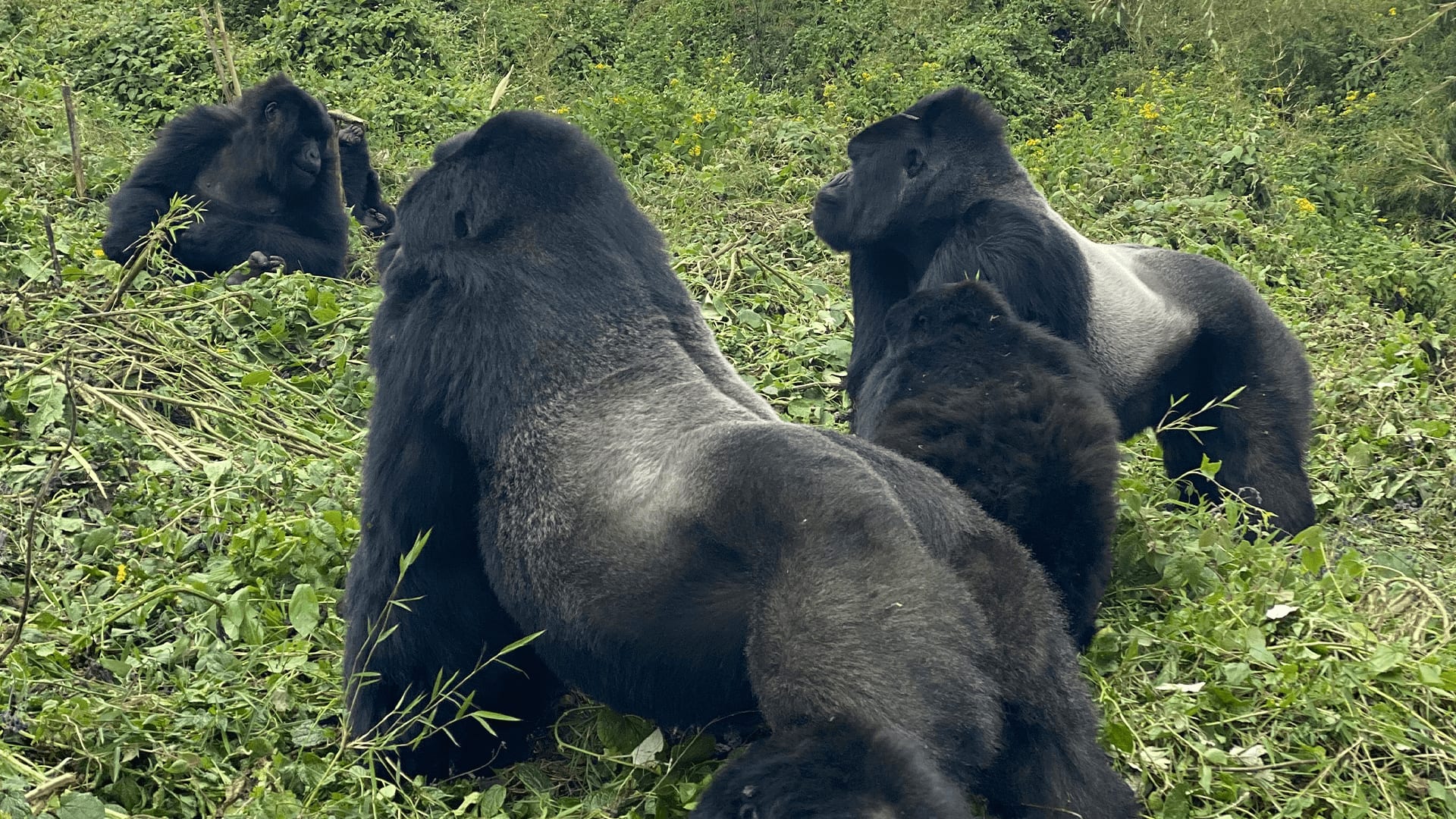
Gorilla trekking is one of Uganda’s most extraordinary experiences, and it is also one of the most regulated. For foreign non-residents, Uganda gorilla permits are generally budgeted at about USD 800 per person for 2026 planning, although travelers should confirm the latest tariff at booking.
Treks begin with a briefing from Uganda Wildlife Authority teams. Guests are assigned groups, rangers lead the experience, and time with the gorillas is limited to protect the animals. Standard practice includes keeping an appropriate distance, following ranger instructions, avoiding trekking when unwell, and maintaining calm body language around the gorilla family.
The practical preparation is just as important. Wear broken-in hiking boots, long trousers, a light rain jacket, and gardening-style gloves if you want hand protection from vegetation. Hire a porter if recommended. Porters do more than carry a daypack. They can assist with balance on steep or muddy sections, and hiring them supports local livelihoods around the forest.
Chimpanzee Tracking in Kibale and Other Forests
Chimpanzee tracking in Kibale is another highlight, with permits for foreign non-residents commonly budgeted around USD 250 per person in recent tariffs. Kyambura Gorge, Budongo, and Kalinzu may offer different chimpanzee-related experiences depending on your route and availability.
Chimpanzees move quickly, and forest conditions can change with rain. Good footwear, quiet observation, and ranger instructions are essential. Unlike a game drive, forest tracking is immersive. You hear calls, follow trails, and adjust your pace as the group moves. A private guide helps prepare you before the activity so you know what to carry and what to leave in the vehicle.
Game Drives and Boat Safaris
Game drives in Queen Elizabeth, Murchison Falls, Lake Mburo, and Kidepo Valley are among Uganda’s most rewarding activities. The vehicle is your viewing platform, and remaining inside unless instructed otherwise is part of responsible safari behavior.
Boat safaris add a different perspective. On the Kazinga Channel, the Nile in Murchison Falls, or Lake Mburo, you may see hippos, crocodiles, elephants, buffalo, waterbirds, and shoreline activity. Follow crew instructions, keep gear secure, and use a strap for cameras and phones. Water-based activities are calm when guests respect the boat team’s guidance.
If your trip includes photography, prepare your equipment before each activity rather than changing lenses in a rush. A simple beanbag, dust cover, spare batteries, and a dry bag can reduce frustration in the field.
Money, Phones and Daily Logistics
A smooth Uganda safari is easier when you plan your daily essentials. Cards are accepted at many higher-end lodges and hotels, but cash is still useful for tips, small purchases, community visits, and incidental expenses. Carry clean USD notes in good condition, preferably newer series bills, and ask your operator what denominations are most practical.
Do not carry every card and all cash in one place. Use a day wallet for small expenses and keep backup funds separately in your luggage. Most safari lodges are relaxed environments, but organized personal habits make travel easier.
Mobile coverage is good in many towns and along major routes, but it can weaken in forested or remote areas. Before leaving Entebbe, consider a local SIM or eSIM option if your phone is unlocked. Download key documents offline, including your itinerary, insurance details, permit confirmations, and lodge names.
Tipping is discretionary but appreciated. Many travelers budget roughly USD 10 to USD 20 per guest per day for a private driver-guide, with lodge staff tips handled separately through a tip box or direct gratuity depending on the property. For porters on gorilla treks, ask your guide for current local expectations, then carry small notes in an accessible pocket.
Packing for Practical Travel Peace of Mind
Packing for Uganda is about layers, comfort, and readiness for different habitats. A single itinerary can include Entebbe’s lakeside humidity, Kibale’s forest trails, Queen Elizabeth’s open savannah, Murchison Falls’ warm game drive conditions, and Bwindi’s cool mountain mornings.
Use soft-sided luggage where possible, especially if domestic flights are included. Hard suitcases can be awkward in safari vehicles and may not suit light aircraft luggage requirements. Keep essentials in your carry-on: medication, one change of clothing, travel documents, chargers, and any high-value camera items.
The most useful safari packing items include neutral clothing, a light rain jacket, a warm layer for early mornings, hiking boots for gorilla trekking, insect repellent, sunscreen, a wide-brim hat, binoculars, a small flashlight, and a refillable bottle if your lodge provides safe filtered water.
Avoid overpacking formal clothing. Even luxury lodges in Uganda tend to favor refined comfort over formality. Clean, practical safari wear is appropriate almost everywhere on the route.
Budgeting for Safety, Comfort and Professional Logistics
Professional logistics are an investment in both comfort and security. Private drivers, direct airport transfers, well-located lodges, carefully timed routes, and pre-booked permits cost more than improvising, but they remove many of the pressure points that can make travel tiring.
For 2026 Uganda safari planning, the following ranges provide useful context. Actual pricing varies by season, exchange rates, lodge availability, route design, and permit confirmation.
| Planning item | Typical 2026 budget context | Why it supports peace of mind |
|---|---|---|
| Gorilla trekking permit | About USD 800 per foreign non-resident | Confirms access to Uganda’s most sought-after wildlife experience on a specific date and sector. |
| Kibale chimpanzee permit | About USD 250 per foreign non-resident | Secures a regulated forest activity with ranger guidance and set timing. |
| Quality Entebbe hotel | Roughly USD 120 to USD 300+ per room per night | Helps late-arriving travelers rest before starting longer safari drives. |
| Midrange safari lodge | Often USD 180 to USD 350 per person per night | Balances comfort, meals, access, and route practicality. |
| Luxury safari lodge | Often USD 450 to USD 900+ per person per night | Adds premium locations, higher service levels, and stronger recovery time between activities. |
| Premium gorilla-area lodge | Often USD 700 to USD 1,200+ per person per night | Can reduce transfer strain and improve comfort before and after trekking. |
| Domestic safari flight | Often several hundred USD per person per sector | Reduces long road hours and can improve pacing on high-end itineraries. |
| Private guided 4×4 logistics | Usually built into custom safari pricing | Creates door-to-door timing, luggage control, route flexibility, and local support. |
The lowest quote is not always the best value. A cheaper itinerary may use less convenient lodge locations, longer transfers, or shared logistics that do not suit your travel style. A better question is: does this itinerary protect my energy, time, and access to the experiences I came for?
PawMac Safaris offers flexible pricing options across budget, midrange, and luxury safari styles, but the planning logic remains consistent. Spend where it affects comfort, route reliability, and wildlife access.
A Smooth Uganda Safari Flow: From Airport Arrival to Remote Parks
A well-designed Uganda safari should feel progressive, not chaotic. The journey often begins gently in Entebbe, then moves into wildlife country as your body adjusts to time zones, climate, and early mornings.
A balanced premium flow might start with one night in Entebbe after arrival. From there, travelers could continue to Murchison Falls for game drives and a Nile boat safari, then move toward Kibale for chimpanzee tracking, Queen Elizabeth for savannah and Kazinga Channel wildlife, and Bwindi or Mgahinga for gorilla trekking. Depending on available time, Lake Mburo can create a gentle final stop before returning to Entebbe.
This kind of routing works because each stage has a purpose. Entebbe helps you recover. Murchison introduces big landscapes and classic wildlife. Kibale brings forest primates. Queen Elizabeth adds varied ecosystems. Bwindi delivers the gorilla experience. Lake Mburo provides a softer return toward the airport.
Travelers with less time may choose a fly-in gorilla itinerary or a compact route focused on Bwindi and Queen Elizabeth. Travelers with more time may include Kidepo Valley for one of Uganda’s most remote and dramatic wilderness settings. The safest feeling itinerary is the one that matches your pace, not someone else’s checklist.
Quick Reference: Uganda Safari Travel Safety Tips
The following table summarizes the most practical advice for a worry-free safari experience in Uganda.
| Travel moment | Best practice | Why it helps |
|---|---|---|
| Arrival in Entebbe | Use a pre-arranged private airport transfer | Reduces confusion after a long flight and keeps the first night simple. |
| First night | Stay near Entebbe if arriving late | Avoids unnecessary night movement and supports proper rest. |
| City transit | Let your driver-guide manage timing and routing | Helps account for traffic, roadworks, and local conditions. |
| Safari transfers | Build in realistic drive times and rest stops | Protects energy for early wildlife activities. |
| Gorilla trekking | Use proper boots, hire a porter if useful, and follow ranger guidance | Improves comfort on steep, muddy, or uneven trails. |
| Chimpanzee tracking | Carry only essentials and keep hands free | Makes forest movement easier and more comfortable. |
| Game drives | Stay seated unless your guide says otherwise | Keeps wildlife viewing calm and respectful. |
| Boat safaris | Secure cameras, phones, hats, and loose items | Prevents avoidable inconvenience on the water. |
| Lodges | Choose properties that fit the route, not only the photos | Better locations reduce transfer strain and early morning pressure. |
| Money | Carry small USD notes and separate backup funds | Makes tipping and small purchases easier. |
| Communication | Save documents offline and consider local data | Keeps key information available in remote areas. |
| Itinerary design | Avoid overcrowding the route | A calmer pace creates a more enjoyable safari. |
Frequently Asked Questions
Is safe travel in Uganda possible for first-time safari travelers? Yes. Uganda is a rewarding destination for first-time safari travelers when the itinerary is professionally planned, transfers are private, lodges are vetted, and activities are guided by experienced local teams. Many first-time guests choose Uganda because it combines gorilla trekking, chimpanzee tracking, boat safaris, and classic game drives in one country.
Is the safari experience different from time spent in Entebbe or Kampala? Yes. Entebbe and Kampala are active transit hubs where planning and private transfers matter most. National parks and safari lodges operate with more structured routines, including guided drives, ranger-led activities, confirmed lodge stays, and planned meal times.
Should I use public transport during a Uganda safari? For a safari itinerary, private transport is strongly recommended. A dedicated 4×4 vehicle and driver-guide give you better timing, comfort, luggage control, route flexibility, and support in areas where activities depend on permits and early starts.
How much should I budget for gorilla and chimpanzee permits in Uganda? For 2026 planning, foreign non-residents should generally budget about USD 800 for a Uganda gorilla permit and about USD 250 for a Kibale chimpanzee tracking permit. Always confirm current permit tariffs at the time of booking.
What is the safest way to handle arrival day in Uganda? The smoothest approach is a pre-arranged airport meet-and-greet, private transfer, and a confirmed Entebbe hotel if you arrive late. This gives you time to rest before beginning longer safari drives the next morning.
Do I need special fitness for gorilla trekking? You do not need to be an athlete, but you should be comfortable walking on uneven, muddy, and sometimes steep forest terrain. Good boots, a porter, water, and honest communication about your fitness level help the rangers assign a suitable trekking group where possible.
Plan a Worry-Free Uganda Safari with PawMac Safaris
Safe travel in Uganda is not about worry. It is about choosing the right structure. With private transfers, experienced guides, comfortable 4×4 vehicles, well-selected lodges, and carefully timed wildlife activities, Uganda becomes a deeply rewarding and reassuring safari destination.
PawMac Safaris designs personalized Uganda safaris for travelers who want expert local planning, clear communication, and memorable wildlife experiences without unnecessary logistical stress. Whether your priority is gorilla trekking, chimpanzee tracking, Big Five wildlife, cultural encounters, or a premium custom route, the right planning turns Uganda’s variety into a smooth journey.
To begin shaping a safari that matches your comfort level, timing, and budget, connect with PawMac Safaris and start planning your Uganda adventure with calm, local expertise.


