


- 41 Views
- 19 Min Read
- (0) Comment
Uganda is one of the rare destinations where a single trekking vacation can move from misty rainforest to glacier-carved mountains, from a quiet hour with mountain gorillas to long alpine days in the Rwenzori. For travelers who want more than a vehicle-based safari, Uganda offers a deeply physical, immersive way to experience the Pearl of Africa.
The strongest trekking vacations in Uganda usually combine two themes: primates and mountains. The primate side brings you into Bwindi Impenetrable National Park, Mgahinga Gorilla National Park, Kibale National Park, Budongo Forest, Kyambura Gorge, or Kalinzu Forest. The mountain side can mean volcano slopes in the southwest, the legendary Rwenzori Mountains, Sipi Falls, Mount Elgon foothills, or forested ridge walks that reveal how dramatic Uganda’s landscapes really are.
This guide is designed for travelers planning a high-value, well-paced Uganda trip in 2026. It explains where to trek, how to combine regions efficiently, what permits cost, how fit you need to be, and what kind of budget to expect before speaking with PawMac Safaris about a personalized itinerary.
Why Uganda Is Exceptional for Trekking Vacations
Many safari destinations are built around game drives. Uganda certainly has excellent wildlife drives, especially in Queen Elizabeth National Park, Murchison Falls National Park, and Kidepo Valley National Park, but its most distinctive experiences often happen on foot.
That walking dimension changes the entire journey. In Uganda, you do not simply observe a forest from the edge. You enter it with expert trackers, follow fresh signs, cross tangled roots, listen for chimpanzee calls, and sometimes climb steep, muddy slopes before reaching a gorilla family. In the mountains, you move through ecosystems that can change dramatically within a few hours, from bamboo and montane forest to giant lobelias, heather zones, bogs, and high alpine terrain.
For travelers who value authenticity, Uganda’s trekking strengths are clear:
- Rare primate access: Uganda is one of the best places in the world to trek mountain gorillas, chimpanzees, and golden monkeys in one country.
- Diverse terrain: Rainforest, volcanoes, crater lakes, waterfalls, highlands, savannah edges, and snow-capped peaks can all fit into one itinerary.
- Strong conservation framework: Gorilla and chimpanzee trekking are tightly managed by permits, ranger teams, group limits, and visitor rules.
- Flexible trip design: You can build a moderate 8-day primate itinerary or a demanding 16-day expedition including the Rwenzori Mountains.
- Cultural depth: Treks can be paired with community walks, coffee experiences, Batwa heritage visits, and village-based encounters.
For travelers comparing Uganda trip styles, PawMac Safaris has also explored broader Uganda primate tracking routes for gorillas, chimps, and golden monkeys, which is a useful companion if primates are your main priority.
The Core Primate Treks in Uganda
Primate trekking is usually the anchor of a Uganda trekking vacation. The logistics are permit-driven, the best locations are spread across the western and southwestern regions, and the experience quality depends heavily on pacing, accommodation choice, and guide coordination.
Mountain Gorilla Trekking in Bwindi and Mgahinga
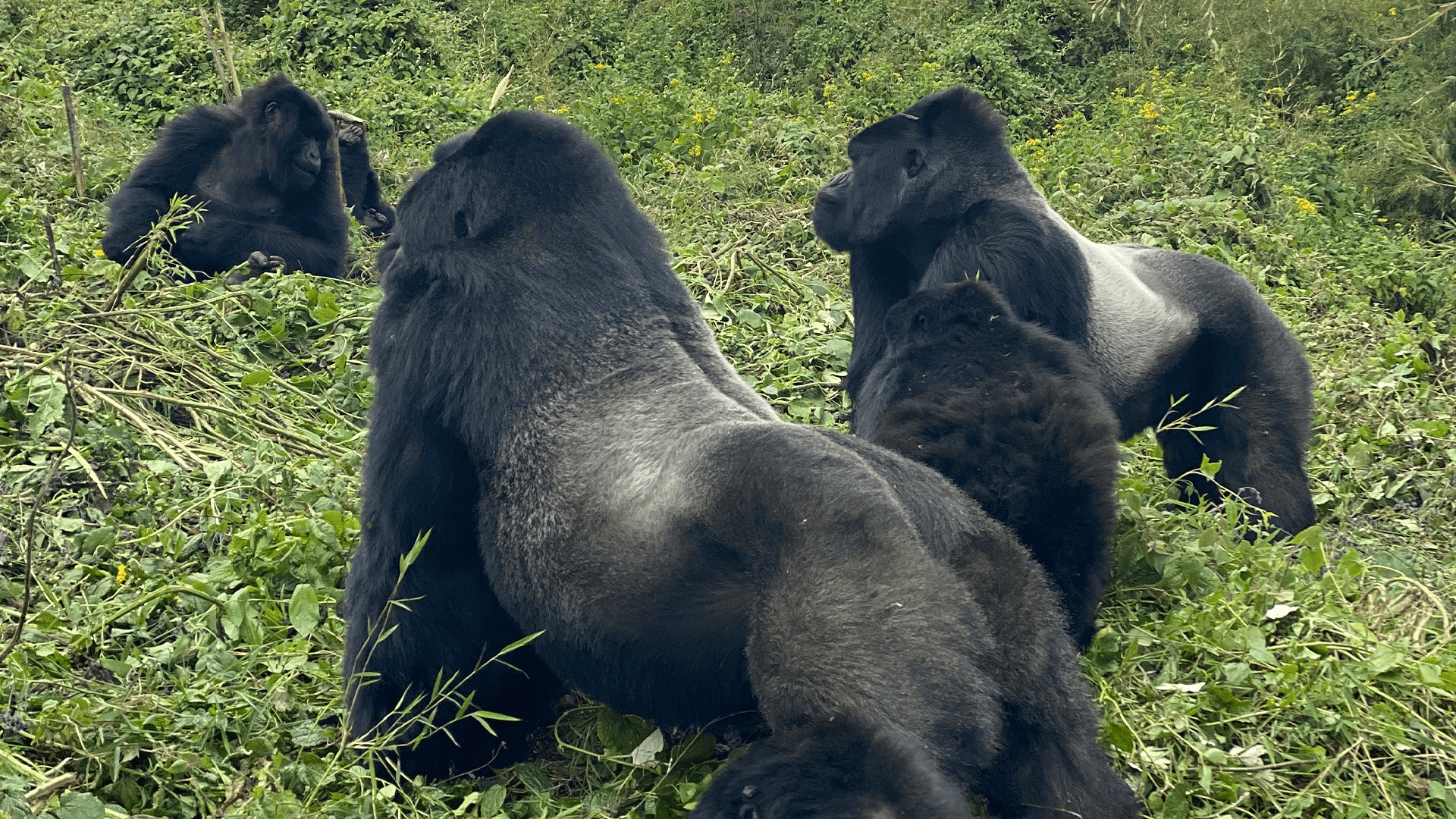
Mountain gorilla trekking is Uganda’s flagship wilderness experience. The country’s two main gorilla destinations are Bwindi Impenetrable National Park and Mgahinga Gorilla National Park.
Bwindi is the better-known destination, with multiple trekking sectors including Buhoma, Ruhija, Rushaga, and Nkuringo. Each sector has its own terrain character. Buhoma is often associated with classic forest access and established lodge options. Ruhija sits at higher elevation and can feel cooler and more remote. Rushaga offers a wide range of gorilla trekking departures and is often used for gorilla habituation experiences. Nkuringo is famous for steep terrain and big views, especially toward the Virunga Volcanoes.
Mgahinga is smaller and quieter, positioned at Uganda’s far southwestern corner. Its volcanic scenery is striking, and it works especially well for travelers who want to combine gorilla trekking with golden monkey tracking or a volcano hike.
Plan Your Uganda Safari with Local Experts
 WhatsApp Us
A standard gorilla trek can last anywhere from 2 to 7 hours, depending on the gorilla family’s location, the assigned sector, trail conditions, and your walking pace. Once your group reaches the gorillas, viewing time is normally limited to one hour. That hour is highly regulated, but it often becomes the emotional center of the entire journey.
As of the current Uganda Wildlife Authority tariff period commonly used for 2026 planning, foreign non-resident gorilla trekking permits are typically budgeted at USD 800 per person. Foreign resident and East African citizen rates differ, and permit fees should always be reconfirmed before booking because tariffs can change.
Chimpanzee Tracking in Kibale and Other Forests
Chimpanzee tracking brings a different kind of energy. Gorillas often feel calm, heavy, and contemplative. Chimpanzees can be vocal, fast-moving, social, and dramatic. You may hear them long before you see them, with calls echoing across the canopy.
Kibale National Park is Uganda’s premier chimpanzee tracking destination and the strongest choice for travelers who want a high-quality primate-focused itinerary. The forest has long-established tracking operations, excellent biodiversity, and access to nearby Bigodi Wetland Sanctuary for birding and community-based walks.
Other options include Kyambura Gorge in Queen Elizabeth National Park, Kalinzu Forest near the Queen Elizabeth region, and Budongo Forest near Murchison Falls. These can work well depending on routing, but Kibale remains the classic choice when chimpanzees are a top priority.
For 2026 budgeting, travelers commonly plan around USD 250 per foreign non-resident adult for a Kibale chimpanzee tracking permit, while some other chimpanzee locations may be lower. Chimpanzee habituation experiences generally cost more and require more time in the forest.
Golden Monkey Tracking in Mgahinga
Golden monkey tracking is often overlooked, yet it adds a beautiful contrast to a gorilla trek. Golden monkeys are smaller, faster, and usually encountered in bamboo zones around Mgahinga Gorilla National Park. The trek is typically less physically demanding than a hard gorilla day in Nkuringo or Rushaga, although weather and trail conditions can still make it slippery.
This experience pairs naturally with Mgahinga gorilla trekking, the Batwa Trail, or a volcano hike such as Mount Sabyinyo, Mount Gahinga, or Mount Muhabura for fit travelers.
For planning, golden monkey permits are often budgeted around USD 100 per foreign non-resident adult, but travelers should confirm the latest rate at booking.
Permit and Trekking Cost Snapshot for 2026 Planning
The table below gives realistic planning figures for travelers building trekking vacations in Uganda. These are not fixed package prices, because final costs depend on residency status, travel season, accommodation standard, routing, private versus shared arrangements, and permit availability.
| Experience | Typical 2026 planning cost for foreign non-residents | Best areas | Notes |
|---|---|---|---|
| Gorilla trekking permit | Around USD 800 per person | Bwindi, Mgahinga | One hour with a habituated gorilla family after contact is made |
| Gorilla habituation experience | Around USD 1,500 per person | Bwindi, mainly Rushaga area | Longer experience, limited availability, premium pricing |
| Kibale chimpanzee tracking permit | Around USD 250 per person | Kibale National Park | Morning and afternoon tracking options may be available |
| Golden monkey tracking permit | Around USD 100 per person | Mgahinga Gorilla National Park | Excellent add-on to gorilla or volcano trekking |
| Guided community or forest walks | Often USD 20 to USD 80+ per person | Bwindi, Kibale, Sipi, Bigodi | Varies by activity, community project, and duration |
| Multi-day Rwenzori trek | Often USD 1,200 to USD 3,500+ per person | Rwenzori Mountains | Cost depends heavily on route length, support crew, and logistics |
The most important planning advice is simple: secure gorilla and chimpanzee permits early, especially for peak travel months. Accommodation can often be adjusted, but a sold-out trekking sector can reshape your entire route.
Mountain Treks That Pair Well With Uganda’s Primates
Uganda’s mountain trekking ranges from short scenic hikes to technical, multi-day expeditions. The best choice depends on whether you want a balanced safari vacation or a serious mountain objective.
Bwindi Forest and Ridge Walks
Bwindi is known for gorillas, but it also offers excellent forest walking. Trails vary by sector and can include waterfall walks, birding routes, ridge paths, and community-linked walks between villages or lodge areas.
These hikes are ideal for travelers who want to stay active between gorilla trekking days without committing to high-altitude mountain travel. They also help you slow down and appreciate Bwindi as a living forest, not just a gorilla destination.
Mgahinga Volcano Hikes
Mgahinga is one of Uganda’s most rewarding trekking bases because it combines primates, volcanoes, and cultural history in a compact area. Fit travelers can consider volcano hikes such as Mount Sabyinyo, Mount Gahinga, or Mount Muhabura.
Mount Sabyinyo is especially memorable because of its rugged ridges and panoramic volcanic scenery. It is physically demanding, with ladders and steep sections, so it is best for confident hikers. Mount Gahinga is often considered more moderate, while Mount Muhabura is a longer and tougher high-elevation climb.
These hikes should not be squeezed casually between difficult gorilla treks. Your itinerary should include recovery time, especially if you are traveling with mixed fitness levels.
The Rwenzori Mountains
The Rwenzori Mountains, often called the Mountains of the Moon, are Uganda’s most serious trekking destination. This is not a casual add-on. The Rwenzori can involve long walking days, mud, bogs, cold nights, steep ascents, and high-altitude conditions. In return, they offer one of Africa’s most unusual mountain environments, with giant heather, moss-draped forest, alpine lakes, and dramatic peaks.
Shorter Rwenzori foothill hikes can be included in a classic western Uganda itinerary. Longer routes, including central circuit-style treks or summit-oriented expeditions, require careful preparation and more days. Travelers considering this region should read more about Rwenzori Mountains trekking in Uganda before deciding how ambitious their plan should be.
Sipi Falls and Mount Elgon Foothills
Sipi Falls, located on the slopes of Mount Elgon in eastern Uganda, is a superb option for travelers who want scenic walking, waterfalls, coffee culture, and cooler highland air. It is not usually combined with Bwindi unless you have a longer itinerary, because the routing across Uganda takes time. Still, for travelers with 12 to 16 days or repeat visitors who want a different trekking region, Sipi is a rewarding addition.

Choosing the Right Trekking Style
Not every traveler should plan the same Uganda trekking vacation. A well-designed itinerary should match your fitness, comfort expectations, wildlife priorities, and tolerance for long road transfers.
| Trekking style | Best for | Suggested duration | Physical level |
|---|---|---|---|
| Primate-focused comfort trip | Travelers prioritizing gorillas and chimpanzees with quality lodges | 8 to 10 days | Moderate |
| Active primates and volcanoes | Fit travelers who want gorillas, golden monkeys, and Mgahinga hikes | 10 to 12 days | Moderate to demanding |
| Primates plus Rwenzori foothills | Travelers wanting forest wildlife and mountain scenery without a full expedition | 11 to 14 days | Moderate |
| Full Rwenzori and primate expedition | Experienced hikers wanting a major mountain component | 14 to 18+ days | Demanding |
| Luxury trekking safari | Premium travelers wanting private guiding, top lodges, and slower pacing | 10 to 14 days | Flexible |
If you are still comparing routes, PawMac Safaris has a dedicated guide to the best hiking trips in Uganda for safari and scenic views that can help you decide whether your mountain time should be light, moderate, or expedition-level.
Sample Itinerary Ideas for Primates and Mountains
The best Uganda trekking vacations are not rushed. Road transfers can be long, forest treks are unpredictable, and weather can slow everything down. A premium itinerary should include breathing room rather than stacking major treks back-to-back without recovery.
8 to 10 Days: Classic Gorilla and Chimpanzee Trekking
This is the best choice for first-time visitors with limited time. A typical route can include Entebbe, Kibale National Park, Queen Elizabeth National Park, and Bwindi. You track chimpanzees in Kibale, enjoy a game drive or boat safari in Queen Elizabeth, then continue to Bwindi for gorilla trekking.
This itinerary is moderate rather than extreme. It is ideal for travelers who want unforgettable primate encounters while still enjoying comfortable lodges, scenic drives, and some traditional safari wildlife.
A realistic private trip budget for this style can range from USD 3,500 to USD 6,500+ per person, depending on accommodation level, group size, season, and whether gorilla and chimpanzee permits are included. Luxury versions can exceed this range, especially if using premium lodges and internal flights.
10 to 12 Days: Gorillas, Chimps, Golden Monkeys, and Volcano Scenery
This route adds Mgahinga to the classic primate circuit. It works well for travelers who want three primate experiences in one vacation: chimpanzees, gorillas, and golden monkeys. You can also add a volcano hike if fitness allows.
The challenge is pacing. A gorilla trek one day, golden monkey tracking the next, and a volcano climb immediately after can be too much for some travelers. A better plan is to include a rest night or a lighter cultural experience between demanding activities.
This style often suits active couples, photographers, and travelers who prefer varied walking days over long lodge downtime.
14 to 18 Days: Rwenzori Mountains and Uganda’s Great Apes
This is the premium adventure option. It combines chimpanzee tracking in Kibale, a serious Rwenzori trekking segment, Queen Elizabeth or another savannah area, and gorilla trekking in Bwindi or Mgahinga.
The Rwenzori portion determines the trip’s difficulty and cost. A shorter foothill experience may only add a couple of days. A full high-altitude trek can require a week or more, plus recovery time afterward.
For this kind of itinerary, travelers should budget carefully. Depending on the route, support requirements, permits, lodges, and private guiding, a well-run trip may range from USD 6,500 to USD 12,000+ per person. High-end versions with luxury lodges before and after the mountain segment can go higher.
Best Time for Trekking Vacations in Uganda
Uganda can be visited year-round, but trekking conditions change by season. The driest months are generally June to September and December to February. These periods are popular for gorilla trekking, chimpanzee tracking, and mountain activities because trails are often more manageable.
That said, Uganda’s forests are rainforests for a reason. Rain can fall even in drier months, especially in Bwindi, Kibale, Mgahinga, and the Rwenzori. Travelers should pack for mud and moisture regardless of season.
The wetter months, often March to May and October to November, can bring more challenging trails but also lush scenery, fewer visitors in some areas, and excellent photographic atmosphere. Lodges may offer more attractive rates outside peak periods, although primate permits remain a major fixed cost.
For Rwenzori trekking, seasonal planning becomes even more important. High rainfall can make boggy sections slower and more demanding. If the Rwenzori is the centerpiece of your trip, discuss route timing carefully before locking in international flights.
Fitness, Terrain, and Altitude Realities
A Uganda trekking vacation does not require every traveler to be an elite athlete, but it does reward preparation. Gorilla trekking can be moderate or strenuous depending on the gorilla family’s location. You may walk for less than two hours, or you may spend much of the day on steep forested slopes.
Chimpanzee tracking is often less physically demanding than gorilla trekking, but chimpanzees move quickly. You may need to walk at a brisk pace once they are located. Golden monkey tracking is usually moderate, with bamboo terrain and short bursts of movement.
Mountain trekking is different. Mgahinga volcano hikes can involve steep altitude gain. Rwenzori trekking can involve cold, wet conditions and high elevations, where stamina and mental resilience matter as much as speed.
A sensible preparation plan includes regular hill walking, stair climbing, lower-body strength work, and practice hikes in the boots you plan to use. If you are considering a high-altitude Rwenzori route, speak with your doctor before travel and be honest with your safari planner about previous altitude experience.
Porters are highly recommended for gorilla trekking and essential for many mountain routes. Hiring a porter supports local livelihoods and helps you conserve energy, especially on muddy or steep trails.

Budgeting for a Uganda Trekking Vacation
Uganda can be planned at several comfort levels, but trekking vacations are rarely ultra-cheap because permits, park logistics, expert guiding, and remote lodges carry real costs. Transparent budgeting helps prevent disappointment later.
For a private guided Uganda trekking safari in 2026, excluding international flights, many travelers should think in these broad ranges:
| Travel style | Planning budget per person | What usually drives the cost |
|---|---|---|
| Budget-conscious private safari | USD 2,800 to USD 4,500+ | Simpler lodges, longer road transfers, fewer premium activities |
| Comfortable mid-range safari | USD 4,500 to USD 7,500+ | Good lodges, private 4×4, gorilla and chimp permits, balanced routing |
| Luxury trekking safari | USD 7,500 to USD 12,000+ | Premium lodges, slower pacing, top locations, possible fly-in segments |
| Expedition-style Rwenzori plus primates | USD 6,500 to USD 12,000+ | Mountain crew, route length, specialist logistics, permits, recovery nights |
| Ultra-premium custom journey | USD 12,000+ | High-end lodges, charter or scheduled flights, exclusive experiences, extended duration |
Gorilla permits are one of the biggest fixed costs. A couple doing one gorilla trek each should budget around USD 1,600 total just for gorilla permits at the foreign non-resident rate. Add Kibale chimpanzee permits and golden monkey permits, and the primate permit portion alone can become a significant part of the trip.
Accommodation is the next major variable. In gorilla regions, simple guesthouses may cost far less than luxury forest lodges, while premium properties near prime trekking sectors can command high nightly rates, especially in peak season. Luxury lodge pricing near Bwindi and Mgahinga can vary widely, but travelers should not be surprised to see premium options reaching several hundred to well over USD 1,000 per room or per person per night, depending on the property, inclusions, and season.
Transport also matters. Uganda road journeys are scenic but long. A comfortable 4×4 vehicle, professional local guide, fuel, park access logistics, and driver-guide time all contribute to the final safari price. Internal flights can reduce driving time, but they increase the budget and still require ground transfers at both ends.
What to Pack for Primate and Mountain Trekking
Packing well can dramatically improve comfort. Uganda’s trekking environments are humid, muddy, cool at altitude, and sometimes wet even during dry months.
Bring the essentials rather than overpacking. The most useful items are broken-in waterproof hiking boots, gaiters, quick-dry trekking trousers, a lightweight rain jacket, moisture-wicking layers, warm layers for highlands, garden-style gloves for gripping vegetation, insect repellent, sunscreen, a refillable water bottle, and a small daypack with a rain cover.
For gorilla and chimpanzee trekking, neutral colors are preferable. Avoid bright whites and overly delicate fabrics. Long sleeves and long trousers help protect against nettles, scratches, and insects. If you plan to photograph primates, bring a weather-protected camera setup and enough memory cards, but avoid flash photography, which is not allowed during primate encounters.
For Rwenzori or volcano trekking, your packing list needs to become more technical. You may need warmer layers, waterproof over-trousers, a better backpack system, trekking poles, and cold-weather gear depending on route length and altitude.
Responsible Trekking Etiquette in Uganda
The best trekking vacations protect the wildlife, communities, and landscapes that make them possible. Uganda’s primate rules are not formalities. They are conservation tools.
During gorilla and chimpanzee encounters, follow ranger instructions at all times. Maintain the required distance as much as conditions allow, keep your voice low, do not eat near primates, never use flash, and do not trek if you are sick. Respiratory illness can pose a risk to great apes.
Tipping is also part of responsible travel when handled respectfully. Ranger teams, porters, lodge staff, and driver-guides all contribute to the quality and safety of your journey. Your PawMac Safaris planner can advise appropriate tipping ranges based on your itinerary style and group size.
Community experiences should be chosen carefully. The strongest visits are those that are locally led, fairly compensated, and not staged purely for tourist cameras. Around Bwindi, Mgahinga, Kibale, and Sipi, well-run community activities can add valuable context to the landscapes you are trekking through.
For couples planning a milestone trip such as an adventure honeymoon, vow renewal, or intimate destination celebration, the same principle applies to documentation: choose storytelling that respects the place and the people. If you are gathering inspiration for cinematic, personal travel memories, elopement storytelling for dreamers is a useful example of how meaningful journeys can be documented with care and intention.
How PawMac Safaris Builds Better Trekking Vacations
A successful trekking itinerary in Uganda is not just a list of parks. It is a sequence of permits, road transfers, lodge locations, altitude changes, rest days, and weather-aware decisions. Small planning errors can create major discomfort, such as sleeping in the wrong Bwindi sector, underestimating transfer times, or booking demanding treks on consecutive days without recovery.
PawMac Safaris helps travelers shape Uganda trekking vacations around realistic movement and strong local knowledge. That can mean choosing the right gorilla sector for your fitness and lodge style, deciding whether Kibale or another chimpanzee destination fits your route, adding Mgahinga only when it improves the trip, or building a Rwenzori extension that is ambitious but not reckless.
For travelers who already know gorillas are the centerpiece, the Top Gorilla Trekking Packages in Uganda 2026 Guide is a strong next step before requesting a custom plan.
Frequently Asked Questions
How many days do I need for a trekking vacation in Uganda? Most travelers need at least 8 to 10 days for a strong gorilla and chimpanzee trekking itinerary. If you want to add Mgahinga volcano hikes or the Rwenzori Mountains, plan for 12 to 18 days depending on difficulty and comfort level.
Is gorilla trekking in Uganda physically difficult? It can be moderate or strenuous. Some treks are relatively short, while others involve steep, muddy forest slopes and several hours of walking. Your assigned gorilla family, trekking sector, weather, and fitness all influence the difficulty.
Can I see gorillas, chimpanzees, and golden monkeys in one Uganda trip? Yes. A well-planned route can include chimpanzee tracking in Kibale, gorilla trekking in Bwindi or Mgahinga, and golden monkey tracking in Mgahinga. This usually works best with 10 to 12 days or more.
What is the best month for trekking vacations in Uganda? June to September and December to February are generally the most popular months because conditions are often drier. However, Uganda can receive rain at any time, especially in rainforest and mountain areas.
How much should I budget for gorilla and chimpanzee permits in 2026? Foreign non-resident travelers should commonly budget around USD 800 for a Uganda gorilla trekking permit and around USD 250 for a Kibale chimpanzee tracking permit. Rates can change, so confirm current fees before booking.
Are Uganda trekking vacations suitable for luxury travelers? Yes. Uganda has excellent premium lodge options near key trekking regions, and a luxury itinerary can include private guiding, carefully paced routing, comfortable 4×4 vehicles, selected internal flights, and high-quality forest or savannah lodges.
Plan Your Uganda Trekking Vacation With PawMac Safaris
Uganda rewards travelers who plan carefully. The difference between a tiring trip and an extraordinary one often comes down to sector choice, permit timing, lodge location, transfer pacing, and honest fitness matching.
PawMac Safaris designs personalized Uganda trekking vacations with expert local guides, comfortable 4×4 vehicles, flexible budget options, and practical knowledge of the country’s primate and mountain regions. Whether you want one unforgettable gorilla trek or a full primates-and-Rwenzori expedition, the right itinerary can turn Uganda’s wild terrain into a seamless, deeply memorable journey.


