


- 67 Views
- 20 Min Read
- (0) Comment
A first Uganda safari is exciting because it combines experiences that few destinations can offer in one journey: mountain gorilla trekking in ancient rainforest, chimpanzee tracking in Kibale, classic savanna game drives, Nile boat safaris, rhino tracking at Ziwa, and deeply rooted cultural encounters. It can also feel logistically complex if you are planning from abroad for the first time.
The good news is that Uganda rewards travelers who plan in the right order. For 2026, the most important decisions are not simply “Which lodge looks beautiful?” or “How many parks can I fit in?” The real priorities are permits, routing, season, vehicle quality, guide expertise, and pacing. Get those right, and your Uganda safari becomes smoother, safer, and far more rewarding.
This guide brings together practical Uganda safari tips for first-time visitors in 2026, with a focus on what actually matters on the ground.
Start with the right Uganda safari mindset
Uganda is not a one-style safari destination. A single trip can include rainforest hiking, open savanna drives, crater lakes, wetlands, river cruises, mountain scenery, and city or village culture. That diversity is exactly why Uganda is known as the Pearl of Africa, but it also means your itinerary needs more precision than a simple lodge-to-lodge route.
First-time visitors should understand three things before choosing dates or packages.
First, Uganda looks compact on a map, but road transfers take time. A drive from Entebbe to Bwindi can take 8 to 10 hours or more depending on the sector, weather, and road conditions. Moving too fast can leave you exhausted before your gorilla trek.
Second, the best wildlife experiences often depend on permits and activity timing. Gorilla trekking, chimpanzee tracking, and certain boat cruises need advance planning. Your lodges should match your permit locations, especially in Bwindi, where the wrong sector choice can create major logistical problems.
Third, Uganda is best experienced with local guidance. A professional guide does much more than drive. The guide reads animal behavior, manages timing, adjusts routes when conditions change, helps with park formalities, and keeps your trip aligned with Uganda Wildlife Authority rules.
Uganda safari planning snapshot for 2026
Use this table as a quick reference before you go deeper into planning.
| Planning decision | First-time recommendation for 2026 | Why it matters |
|---|---|---|
| Ideal trip length | 7 to 14 days | Gives enough time for gorillas, wildlife, and transfers without rushing |
| Arrival airport | Entebbe International Airport | Main gateway for Uganda safaris and the best starting point for most routes |
| Key permit | Gorilla trekking permit, USD 800 for foreign non-residents | Must be secured before confirming final lodge and route choices |
| Best seasons | June to September and December to February | Drier trails, easier game viewing, and strong conditions for first-timers |
| Best first parks | Bwindi, Kibale, Queen Elizabeth, Murchison Falls, Ziwa | Balanced mix of gorillas, chimpanzees, Big Five species, and boat safaris |
| Best vehicle type | Comfortable 4×4 safari vehicle | Essential for long drives, park tracks, and changing weather conditions |
| Biggest mistake | Booking lodges before permits | Can result in long transfers or missed activities |
For a wider overview of park choices, you can also explore PawMac Safaris’ guide to must-see national parks in Uganda for wildlife in 2026.
Tip 1: Choose the right safari length for your first visit
For a first Uganda safari, the number of days determines the quality of your experience more than many travelers realize. A short itinerary can work, but only if it is focused. A longer itinerary allows the journey to breathe, which is especially important because Uganda’s best regions are spread across different landscapes.
Plan Your Uganda Safari with Local Experts
 WhatsApp Us
A 3 to 5 day Uganda safari is best for travelers with limited time. It can focus on one major highlight, such as gorilla trekking in Bwindi or a Murchison Falls wildlife safari. It is not ideal if you want to combine gorillas, chimps, and classic savanna wildlife comfortably.
A 7 to 9 day safari is a strong first-time choice. This duration can combine gorilla trekking with Queen Elizabeth National Park, Kibale Forest, Lake Mburo, or Murchison Falls depending on your priorities. If you want a practical starting point, review this 7 day Uganda safari itinerary with gorillas and wildlife.
A 10 to 14 day Uganda safari is the best balance for travelers who want depth. You can include gorillas in Bwindi or Mgahinga, chimpanzees in Kibale, boat safaris, game drives, rhino tracking, and meaningful cultural visits without feeling like you are constantly packing and moving.
If your budget allows, avoid building an itinerary that changes lodges every single night. Two nights in a destination often produce better wildlife results than one rushed overnight, especially in parks like Queen Elizabeth, Murchison Falls, and Kibale.
Tip 2: Secure gorilla and chimpanzee permits early
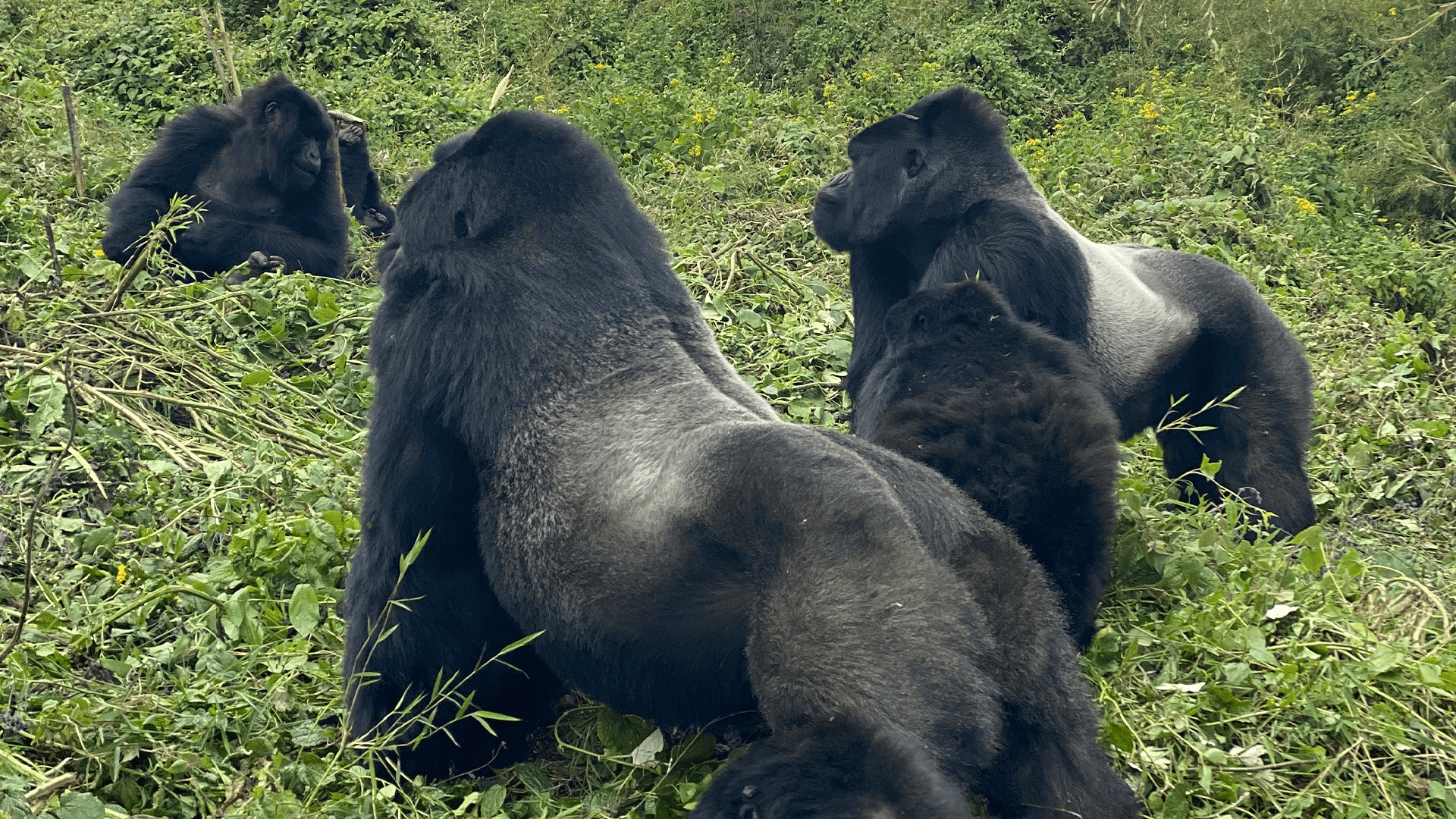
Gorilla trekking is the main reason many visitors choose Uganda, and permits should sit at the center of your planning. In 2026, the Uganda gorilla trekking permit for foreign non-residents is widely referenced at USD 800 per person. This permit allows one regulated trek and one hour with a habituated gorilla family once located.
Gorilla treks take place in Bwindi Impenetrable National Park and Mgahinga Gorilla National Park. Bwindi has multiple trekking sectors, including Buhoma, Ruhija, Rushaga, and Nkuringo. The sector matters because permits are tied to specific starting areas. If your permit is in Rushaga but your lodge is near Buhoma, the drive can be long and impractical on trek morning.
Chimpanzee tracking also requires planning, particularly in Kibale Forest, Uganda’s premier chimpanzee destination. Kibale is popular because of its strong sighting reputation, rich primate diversity, and convenient position between Queen Elizabeth National Park and western Uganda’s crater lake region.
For peak travel months, especially June to September and December to February, it is wise to start permit planning 6 to 12 months ahead if gorilla trekking is essential to your trip. For a detailed permit breakdown, see PawMac Safaris’ 2026 gorilla trekking permit and cost guide.
Tip 3: Build your route around geography, not wish lists
A common first-time mistake is choosing famous places first, then trying to connect them later. In Uganda, route order matters. A well-planned itinerary reduces backtracking, protects your energy, and increases your time in parks instead of on roads.
Most first-time Uganda safari routes begin in Entebbe. From there, common routing options include western circuits through Murchison Falls, Kibale, Queen Elizabeth, and Bwindi, or shorter routes focused on Bwindi and Lake Mburo. Kidepo Valley National Park is extraordinary, but because it is remote in northeastern Uganda, it usually works best as part of a longer safari or a fly-in arrangement.
Here is a practical routing comparison for first-time visitors.
| Route style | Best for | Typical highlights | Planning note |
|---|---|---|---|
| 7 day western route | First-timers with one week | Bwindi gorillas, Queen Elizabeth, Lake Mburo | Good balance of primates and savanna |
| 10 day classic route | Wildlife and primate lovers | Murchison Falls, Kibale, Queen Elizabeth, Bwindi | Strong first Uganda safari option |
| 12 to 14 day Pearl of Africa route | Travelers wanting depth | Ziwa, Murchison, Kibale, Queen Elizabeth, Bwindi, Lake Mburo | Best pacing for varied landscapes |
| Kidepo extension | Experienced safari travelers or photographers | Remote wilderness, low crowds, dramatic scenery | Needs extra days or flight planning |
If you are landing after a long-haul flight, plan at least one night in Entebbe before driving to a national park. This buffer helps with delayed luggage, visa processing, rest, and early departure the next morning. PawMac Safaris has a dedicated Entebbe airport transfer guide for 2026 that is useful for arrival planning.
Tip 4: Pick the season that matches your priorities
Uganda is a year-round safari destination, but each season changes the experience. First-time visitors often prefer the drier months because roads and forest trails are easier, wildlife can be more concentrated around water sources, and photography conditions are generally predictable.
The main dry seasons are June to September and December to February. These are excellent for gorilla trekking, game drives, and multi-park itineraries. They are also busier, so permits and lodges should be booked earlier.
The wetter months, especially March to May and October to November, can still be rewarding. Landscapes are lush, birding can be excellent, and some lodges may offer better value. The tradeoff is that forest trails can be muddy, some roads may be slower, and flexibility becomes more important.
| Travel period | Safari conditions | Best suited to |
|---|---|---|
| December to February | Generally drier, warm, good game viewing | First-timers, families, gorilla trekking |
| March to May | Wetter, greener, fewer crowds | Budget-conscious travelers, birders, flexible travelers |
| June to September | Popular dry season, strong all-round conditions | Gorilla trekking, Big Five routes, photography |
| October to November | Short rains, lush scenery, fewer visitors | Repeat visitors, birders, travelers seeking quieter parks |
For a fuller month-by-month breakdown, read PawMac Safaris’ guide to the best time to visit Uganda for safari and gorilla trekking.
Tip 5: Prioritize the right parks for a first Uganda safari
Uganda has a wide range of national parks and reserves, but first-time visitors should choose based on the experience they want most.
Bwindi Impenetrable National Park is the leading choice for mountain gorilla trekking. It is a UNESCO World Heritage Site and one of the most biodiverse forests in Africa. Treks can range from moderate to strenuous depending on gorilla movement, terrain, and weather.
Mgahinga Gorilla National Park offers gorilla trekking in a volcanic landscape and is also known for golden monkey tracking. It is smaller than Bwindi but extremely scenic.
Kibale National Park is the top choice for chimpanzee tracking and other primate experiences. It combines well with Queen Elizabeth National Park because the drive between them is manageable.
Queen Elizabeth National Park is excellent for first-time visitors because it offers varied safari activities: game drives on the Kasenyi plains, boat safaris on the Kazinga Channel, chimpanzee tracking in Kyambura Gorge, and tree-climbing lions in the Ishasha sector.
Murchison Falls National Park is ideal for travelers who want a classic wildlife safari with a dramatic Nile setting. Game drives, boat cruises to the falls, and the thunderous waterfall itself make it one of Uganda’s most complete safari destinations.
Ziwa Rhino Sanctuary is important for travelers who want a Big Five themed itinerary. Uganda’s rhino tracking experience takes place here, making it a logical stop between Entebbe or Kampala and Murchison Falls.
Lake Mburo National Park works well at the beginning or end of a western Uganda safari. It is smaller, scenic, and useful for walking safaris, boat rides, and sightings of zebra, impala, buffalo, hippos, and many birds.
Kidepo Valley National Park is Uganda’s wild frontier. It is remote, beautiful, and less crowded, but it is best for travelers with more time or a strong interest in wilderness photography and off-the-beaten-path wildlife.
Tip 6: Pack for three environments, not one
A Uganda safari often moves between very different environments. You may begin near Lake Victoria, drive across warm savanna, hike through cool rainforest, and sleep at higher elevations near Bwindi. Packing only for hot weather is a mistake.
For gorilla and chimpanzee trekking, bring lightweight long trousers, long-sleeved shirts, a waterproof jacket, broken-in hiking boots, gaiters or long socks, gardening-style gloves for grabbing vegetation, and a small daypack. Neutral colors are best. Avoid bright white, camouflage, and very dark blue or black clothing, especially in areas where tsetse flies may be present.
For game drives, pack breathable layers, a warm fleece for early mornings, sun protection, binoculars, a camera with extra batteries, and a scarf or buff for dust. Even luxury safaris involve dust, sun, uneven tracks, and early wake-up calls.
Skin and sun care also deserve attention. Equatorial UV, road dust, repeated hand sanitizer, and insect repellent can irritate sensitive skin. If you already follow a gentle routine, it is worth reviewing professional customized facials and skin care guidance before travel so you know which products are safe and practical to bring on safari.
For a detailed item-by-item list, PawMac Safaris has a complete Uganda safari packing guide for gorilla treks and Big Five trips.

Tip 7: Prepare your documents before you fly
Document preparation is not glamorous, but it can make or break a smooth arrival. Uganda safari travelers should check requirements well before departure, because regulations and airline checks can change.
Most international visitors need a valid passport with at least six months of validity, an approved Uganda e-visa or relevant entry authorization, a Yellow Fever Vaccination Certificate, travel insurance documents, and copies of safari confirmations. Keep printed and digital copies of key documents.
If you are gorilla trekking, your permit is linked to passport details. Make sure the name and passport number provided during booking match the passport you will use for travel. If your passport changes before your safari, tell your operator as early as possible.
You should also speak with a travel health professional about malaria prevention, routine vaccinations, personal prescriptions, and any altitude or fitness concerns related to trekking. Gorilla trekking has a minimum age of 15 years, and travelers who are visibly ill may be prevented from trekking to protect gorillas from human-transmitted disease.
For step-by-step entry guidance, read PawMac Safaris’ Uganda visa process guide for safari travelers.
Tip 8: Do not underestimate drive times
Uganda’s safari drives are scenic, but they are not always fast. Roads can be affected by rain, construction, livestock, market traffic, ferry timing, and park track conditions. This is why a good itinerary includes realistic transfer days and early departures.
Approximate drive times vary, but first-time travelers can use these broad planning ranges.
| Route | Approximate drive time | First-time planning advice |
|---|---|---|
| Entebbe to Murchison Falls | 5 to 7+ hours depending on stops | Add Ziwa Rhino Sanctuary if routing allows |
| Entebbe to Kibale | 5 to 6+ hours | Good first major stop on a western circuit |
| Kibale to Queen Elizabeth | 2 to 4 hours depending on lodge location | Easy and efficient safari connection |
| Queen Elizabeth to Bwindi | 4 to 7+ hours depending on sector | Confirm your gorilla sector before booking lodges |
| Entebbe to Bwindi | 8 to 10+ hours | Consider breaking the journey or using flights if budget allows |
| Entebbe to Kidepo | Often best split over two days by road | Fly-in options may be worth considering |
A comfortable 4×4 safari vehicle matters. It gives better ground clearance, luggage space, visibility, and reliability on rough or wet tracks. PawMac Safaris uses comfortable 4×4 vehicles and local route knowledge to help travelers avoid unrealistic transfer plans.
Tip 9: Follow wildlife etiquette from the first game drive
A Uganda safari is not a zoo experience. Animals are wild, and responsible behavior protects both visitors and wildlife. Your guide and Uganda Wildlife Authority rangers will explain specific rules, but first-time travelers should arrive with the right attitude.
During game drives, remain inside the vehicle unless your guide says it is safe to exit. Keep your voice low around wildlife, do not pressure guides to drive off-track where it is not allowed, and never feed animals. For photography, avoid blocking other travelers for long periods and do not use flash around sensitive wildlife.
During gorilla trekking, follow ranger instructions exactly. Keep the required distance, wear a mask if instructed, turn away if you need to cough or sneeze, avoid eating near gorillas, and do not touch vegetation in a way that disturbs the group. Your one hour with gorillas is strictly regulated for conservation and health reasons.
These rules are not just formalities. Mountain gorillas are vulnerable to human illness, and regulated tourism is one of the reasons Uganda’s gorilla conservation model is so important.
Tip 10: Budget beyond the headline safari price
When comparing Uganda safari prices, first-time visitors often focus only on the package total. A better approach is to understand what drives the cost and what may be excluded.
The biggest cost factors are permits, accommodation level, number of days, private versus shared transport, park fees, fuel, guide services, domestic flights if used, and special activities such as boat cruises or cultural visits. Gorilla trekking is usually the largest single activity cost because of the permit.
Also budget for personal expenses. These may include visas, travel insurance, vaccinations or medications, tips, drinks not included at lodges, laundry, souvenirs, porter fees, and camera or charging accessories.
| Cost category | Why it matters | First-time tip |
|---|---|---|
| Gorilla permit | Major fixed cost for gorilla trekking | Secure before confirming the final itinerary |
| Accommodation | Affects comfort, location, and transfer timing | Choose lodge location by activity access, not only photos |
| Transport | Long distances and park roads require reliability | Prioritize quality 4×4 vehicles and experienced drivers |
| Guide services | Impacts safety, sightings, and interpretation | Use expert local guides for a richer safari |
| Tips and cash | Some areas have limited card acceptance | Carry small USD notes and Uganda shillings where appropriate |
| Insurance | Protects against medical and trip risks | Choose coverage that fits remote safari travel |
PawMac Safaris offers custom safari packages with flexible pricing options, from budget-conscious routes to more premium comfort-focused journeys. The key is not simply finding the lowest quote. The key is understanding what is included, how logistics are handled, and whether the itinerary is realistic.
Tip 11: Choose lodges by location and purpose
Beautiful lodge photos are useful, but location is more important on safari. A lodge that looks excellent online may be inconvenient if it is far from your activity start point.
This is especially true in Bwindi. Because gorilla permits are sector-specific, your lodge should be in or near the correct trekking sector. In Queen Elizabeth, your lodge choice affects access to Kasenyi, Kazinga Channel, Kyambura Gorge, or Ishasha. In Murchison Falls, north bank versus south bank location can influence game drive timing.
Think about the purpose of each stay. Before a gorilla trek, choose convenience and rest. In a game-viewing park, choose access to wildlife zones. For a final night before flying home, choose comfort and reliable airport transfer timing.
Families should ask about room layouts, meal flexibility, swimming pools, child policies, and drive lengths. Photographers should ask about early departures, charging options, vehicle setup, and luggage space. Luxury travelers should look beyond room design and ask how well the lodge supports the safari schedule.
Tip 12: Add cultural experiences with respect and intention
A first Uganda safari should not be only about wildlife. Cultural experiences add context to the landscapes you are visiting and help travelers understand the communities living near national parks.
Meaningful options include Batwa cultural experiences near Bwindi and Mgahinga, Bigodi community walks near Kibale, Ankole cattle traditions near Lake Mburo, Karamojong cultural visits near Kidepo, Kampala heritage tours, and local market or craft experiences when timed well.
Choose cultural visits that are organized respectfully, with clear community benefit and a guide who can help interpret what you are seeing. Avoid treating people as photo subjects. Ask permission before taking portraits, buy directly from local artisans when appropriate, and listen more than you speak.
PawMac Safaris can integrate cultural tours into wildlife itineraries so they fit naturally rather than feeling like rushed add-ons.
Tip 13: Decide whether you want private, shared, budget, or luxury
Uganda safari styles vary widely. A private safari gives the most flexibility, especially for couples, families, photographers, and travelers who want a slower pace. Shared or group options can reduce costs and work well for social travelers, but they require more compromise on timing and route.
Budget safaris may use simpler lodges, shared transport, and efficient routing. Mid-range safaris balance comfort and value. Luxury safaris focus on premium lodges, smoother pacing, private guiding, and often domestic flights or more exclusive accommodation choices.
None of these styles is automatically better. The right choice depends on your goals. If gorilla trekking is your once-in-a-lifetime priority, invest in correct permit logistics, comfortable pre-trek accommodation, and a guide who understands the region. If your priority is photography, spend more time in fewer places. If you are traveling with children, prioritize pacing and lodge suitability.
Tip 14: Know what to expect on a typical safari day
Safari days often start early. Game drives may begin before sunrise, when predators are more active and light is best for photography. Boat safaris usually run at set times, and trekking activities begin with morning briefings.
A typical game-drive day may include tea or coffee before departure, a morning drive, breakfast or packed breakfast, midday rest, and an afternoon activity. A gorilla trekking day starts with an early transfer to the park office, registration, briefing, group allocation, and then the trek itself. The hike may take a few hours or most of the day, depending on gorilla location.
Flexibility is essential. Wildlife sightings cannot be guaranteed, rain can change plans, and a guide may adjust the schedule to improve your chances. The best safari travelers are prepared but patient.

Common first-time Uganda safari mistakes to avoid
| Mistake | Why it causes problems | Better approach |
|---|---|---|
| Trying to visit too many parks | Leads to fatigue and shallow experiences | Spend at least two nights in key safari areas when possible |
| Booking gorilla lodges before permits | Can create sector mismatch | Confirm permit sector first, then book accommodation |
| Ignoring arrival recovery time | Long-haul flights can affect energy and timing | Add a night in Entebbe at the start |
| Packing only summer clothes | Uganda includes cool forests and early mornings | Bring layers, rain gear, and trekking clothing |
| Choosing the cheapest quote blindly | May hide weak logistics or exclusions | Compare inclusions, vehicle quality, permits, and guide expertise |
| Expecting guaranteed sightings | Wildlife is unpredictable | Travel with patience and experienced local guides |
| Skipping travel insurance | Remote travel can involve costly disruptions | Buy suitable coverage before departure |
Why first-time visitors choose PawMac Safaris
For a first Uganda safari, the value of a local operator is not only convenience. It is coordination. PawMac Safaris specializes in expert-guided wildlife and gorilla trekking tours in Uganda, with personalized safari planning supported by local knowledge.
That matters because Uganda safari success depends on many moving parts: gorilla and chimpanzee permits, lodges matched to sectors, reliable 4×4 vehicles, realistic transfer times, park activity schedules, ranger briefings, cultural etiquette, and backup planning when weather or road conditions shift.
PawMac Safaris offers gorilla trekking tours, chimpanzee tracking, Big Five focused safaris, custom safari packages, cultural tours, adventure activities, and flexible options across budget and luxury travel styles. For first-time visitors, that combination helps turn a complicated plan into a well-supported journey.
You can also read more about the benefits of booking directly with a local expert in this guide to choosing a local Uganda safari tour operator.
Frequently Asked Questions
How many days do I need for a first Uganda safari in 2026? A 7 to 10 day itinerary is ideal for many first-time visitors because it can combine gorilla trekking, chimpanzee tracking, game drives, and a boat safari without excessive rushing. If you want a deeper Pearl of Africa experience, 12 to 14 days is even better.
Is Uganda good for first-time safari travelers? Yes. Uganda is excellent for first-time safari travelers because it offers rare primate encounters, classic savanna wildlife, boat safaris, birding, and cultural experiences in one country. The key is using a realistic route and expert local guidance.
When should I book gorilla permits for 2026? Book as early as possible, especially for June to September and December to February. A 6 to 12 month planning window is wise for peak periods, particularly if you have fixed travel dates or specific lodge preferences.
What is the best first Uganda safari route? A strong first route often includes Entebbe, Kibale, Queen Elizabeth, Bwindi, and Lake Mburo. If you have more time, add Ziwa Rhino Sanctuary and Murchison Falls for a fuller Big Five and Nile safari experience.
Is gorilla trekking very difficult? Gorilla trekking can be moderate or strenuous depending on the sector, weather, trail conditions, and where the gorillas are located that day. Basic fitness, proper boots, a porter, and a well-matched sector can make the experience more manageable.
Can I see the Big Five in Uganda? Yes, but rhinos are tracked at Ziwa Rhino Sanctuary rather than inside the main savanna national parks. Lions, elephants, buffalo, and leopards can be seen in parks such as Murchison Falls, Queen Elizabeth, and Kidepo, though sightings are never guaranteed.
Do I need a private safari vehicle in Uganda? A private vehicle is strongly recommended for comfort, flexibility, photography, and pacing, especially for first-time visitors. Shared options can work for budget travelers, but private guiding gives more control over timing and route decisions.
Plan your first Uganda safari with confidence
A first Uganda safari in 2026 should feel exciting, not overwhelming. Start with permits, choose a realistic route, respect drive times, pack for changing environments, and travel with guides who understand Uganda’s parks, people, and wildlife rhythms.
If you want expert help turning your ideas into a practical itinerary, PawMac Safaris can design a personalized Uganda safari around your travel dates, budget, comfort level, and must-see experiences, from gorilla trekking in Bwindi to Big Five safaris, chimpanzee tracking, cultural tours, and Nile adventures.


