


- 37 Views
- 16 Min Read
- (0) Comment
If you are comparing Uganda safari tours for 2026, the most valuable question is not simply where to go. It is which itinerary gives you the strongest return for your time, permit costs, lodge budget, and travel style.
Uganda rewards thoughtful planning. A well-built safari can combine mountain gorilla trekking in Bwindi Impenetrable National Park or Mgahinga Gorilla National Park, chimpanzee tracking in Kibale, lion and elephant sightings in Queen Elizabeth National Park, boat safaris on the Nile, rhino tracking at Ziwa Rhino Sanctuary, and cultural encounters that feel personal rather than staged.
The best tours worth booking in 2026 are the ones that balance iconic wildlife with sensible routing. They avoid rushed transfers, protect your permit dates, match lodge standards to your expectations, and give your guide enough flexibility to follow the best wildlife opportunities on the ground.
What makes a Uganda safari tour worth booking in 2026?
A strong Uganda safari tour should do more than tick off famous parks. It should solve the three planning challenges most travelers underestimate: permit availability, road logistics, and location-based lodge choice.
Gorilla and chimpanzee permits are date-specific, and popular trekking sectors can sell out months ahead for peak travel months. Lodges in the right location matter because being in the wrong sector of Bwindi can add unnecessary driving before a physically demanding trek. Uganda is also a country where road transfers are part of the experience, but an itinerary that ignores travel times can turn a dream safari into a fatigue-heavy trip.
For 2026, tours worth serious consideration usually have these qualities:
- They include at least 2 nights near Bwindi or Mgahinga for gorilla trekking.
- They place Kibale before or after Queen Elizabeth National Park for efficient chimpanzee and savannah routing.
- They use experienced local guides who understand wildlife behavior, park timing, and road conditions.
- They disclose permit costs clearly instead of burying them in vague package language.
- They allow upgrades for lodges, domestic flights, private vehicles, or special interests such as photography.
PawMac Safaris designs Uganda safari tours around these practical details, combining expert local guiding with personalized planning across budget, midrange, and luxury travel styles.
Quick comparison: Uganda safari tours worth booking
The table below gives a realistic overview of the most rewarding Uganda safari tour styles for 2026. Budgets are indicative per adult sharing, excluding international flights, travel insurance, visas, premium drinks, and optional gratuities. Final pricing depends on travel month, lodge category, vehicle type, group size, and permit availability.
| Tour style | Ideal duration | Best for | Typical 2026 budget per person |
|---|---|---|---|
| Classic primates and wildlife circuit | 10 to 12 days | First-time visitors who want gorillas, chimps, big game, and varied landscapes | $4,500 to $8,500 midrange, $8,500 to $15,000+ luxury |
| Gorilla and Queen Elizabeth safari | 6 to 8 days | Travelers with limited time who still want primates and savannah wildlife | $2,800 to $5,500 midrange, $6,000 to $11,000 luxury |
| Luxury fly-in gorilla safari | 4 to 6 days | Premium travelers prioritizing comfort and reduced road time | $5,500 to $12,000+ |
| Murchison Falls and Big Five route | 5 to 7 days | Wildlife lovers who want rhinos, lions, elephants, giraffes, and Nile scenery | $2,000 to $4,800 midrange, $5,000 to $9,000 luxury |
| Kidepo wilderness extension | 10 to 14 days | Return visitors or travelers seeking remote, low-crowd wilderness | $5,500 to $12,000 midrange, $10,000 to $20,000+ luxury |
| Uganda photo safari | 8 to 12 days | Photographers wanting golden-hour game drives, primates, birds, and boat safaris | $4,500 to $10,000+ |
| Family and culture safari | 7 to 10 days | Families, multi-generational groups, and travelers who want a softer pace | $3,000 to $7,500+ |
For a deeper park-by-park view before choosing your route, PawMac Safaris has also published a practical guide to the must-see national parks in Uganda for wildlife in 2026.
1. Classic 10 to 12 day primates and wildlife circuit
This is the Uganda safari tour most first-time visitors should consider if they want the full depth of the country rather than a single highlight. A well-paced circuit usually starts from Entebbe or Kampala, then links Murchison Falls National Park, Kibale National Park, Queen Elizabeth National Park, and Bwindi Impenetrable National Park.
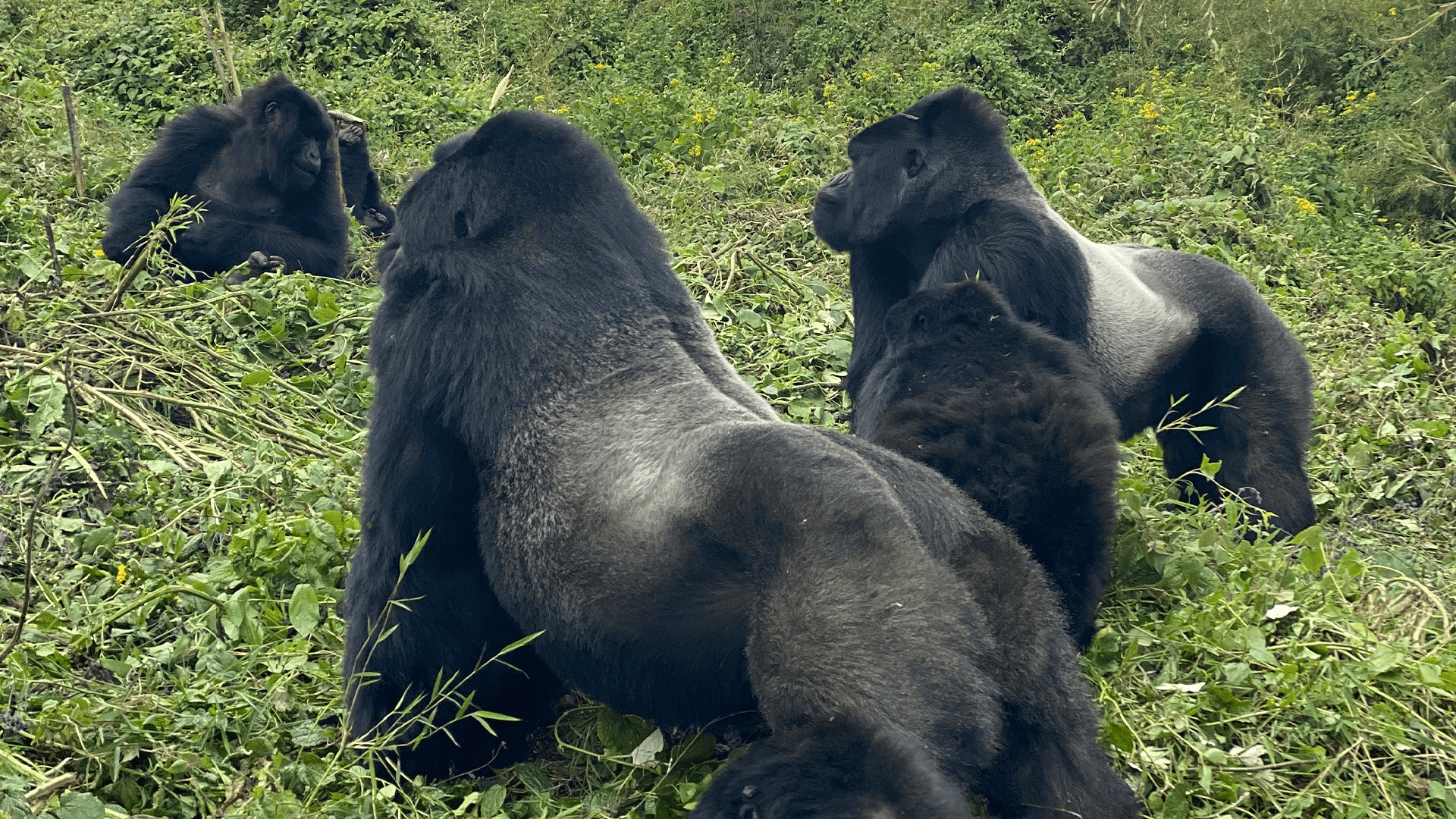
The appeal is variety. In one journey, you can experience the Nile at Murchison Falls, chimpanzees in the forest canopy of Kibale, tree-climbing lions or crater landscapes around Queen Elizabeth, and mountain gorillas in the ancient forests of Bwindi. The route also creates opportunities for boat safaris, community visits, birding, and scenic drives through western Uganda.
Plan Your Uganda Safari with Local Experts
 WhatsApp Us
A realistic 10 to 12 day itinerary may include:
- 2 nights in Murchison Falls National Park for game drives, the Nile boat safari, and the falls viewpoint.
- 2 nights in Kibale for chimpanzee tracking and Bigodi Wetland or community experiences.
- 2 nights in Queen Elizabeth National Park for game drives and the Kazinga Channel boat cruise.
- 2 or 3 nights in Bwindi for gorilla trekking and optional cultural activities.
- 1 night near Lake Bunyonyi, Lake Mburo, or Entebbe depending on flight timing.
This tour is worth booking because it justifies the long-haul journey to Uganda. Instead of spending most of your budget on a single gorilla trek, you build a complete safari around multiple ecosystems. For travelers investing in premium lodges, private guiding, and rare wildlife moments, this is often the strongest value.
2. Gorilla trekking and Queen Elizabeth safari
A 6 to 8 day gorilla and Queen Elizabeth safari is ideal if gorilla trekking is your priority but you still want classic savannah wildlife. This itinerary usually combines Bwindi or Mgahinga with Queen Elizabeth National Park, often adding the Ishasha sector for a chance of seeing tree-climbing lions.
The biggest strength of this tour is efficiency. It avoids trying to cover too much in too little time, while still giving you forest, crater scenery, savannah, and a boat safari on the Kazinga Channel. It also works well for travelers who are adding Uganda after business travel or a shorter holiday window.
Expect the gorilla permit to be one of the largest fixed costs. At the time of 2026 planning, foreign non-resident gorilla permits are commonly budgeted at $800 per person for standard trekking, while the gorilla habituation experience is typically budgeted at $1,500 per person. Permit rules and tariff periods should always be reconfirmed before booking, especially if you are planning around peak months.
The best version of this tour includes 2 nights in the gorilla region. A one-night stay before trekking can work on paper, but it leaves little room for road delays, altitude adjustment, or rest before an early start. If your budget allows, choose a lodge close to the trekking sector assigned on your permit.
3. Luxury fly-in gorilla safari
A luxury fly-in gorilla safari is one of the most compelling Uganda safari tours for 2026 if time is limited and comfort is a priority. Instead of spending a full day driving from Entebbe to southwestern Uganda, travelers can fly to airstrips such as Kihihi or Kisoro, then transfer by road to the appropriate lodge and trekking sector.
This style of tour is especially suitable for honeymooners, anniversary travelers, senior guests who prefer shorter drives, and premium travelers connecting from international flights. It can also be paired with a short stay in Queen Elizabeth National Park or Lake Bunyonyi, depending on time and flight schedules.
Luxury fly-in safaris cost more because of domestic flights, premium lodge rates, private transfers, and the need for precise logistics. High-end lodges in gorilla regions can range from about $700 to $1,500+ per person per night during popular seasons, with ultra-luxury options exceeding that depending on suite category and inclusions.
This tour is worth booking when the goal is not to see the most places, but to experience Uganda’s gorilla country at a refined pace. It is also a smart option when travelers want to reduce fatigue before trekking, especially after long-haul international travel.
4. Murchison Falls and Big Five route
For travelers who want big wildlife without committing to gorilla trekking costs, a Murchison Falls and Big Five route is a strong 2026 choice. This tour usually combines Ziwa Rhino Sanctuary with Murchison Falls National Park, giving travelers the chance to track rhinos on foot and then continue north for lions, elephants, buffalo, giraffes, hippos, crocodiles, and abundant birdlife.
Murchison Falls is one of Uganda’s most dramatic safari landscapes. The Nile squeezes through a narrow rock gap before dropping with immense force, while the surrounding park offers game drives across open savannah and boat safaris toward the base of the falls.
A 5 to 7 day route allows enough time for:
- Rhino tracking at Ziwa Rhino Sanctuary.
- Game drives on the northern bank of Murchison Falls.
- A Nile boat safari to the falls or toward the delta.
- A visit to the top of the falls.
- Optional birding, community experiences, or a slower lodge day.
This tour is worth booking for families, travelers on a moderate budget, and anyone who wants iconic wildlife sightings without the physical demands and permit cost of gorilla trekking. It also pairs well with a later extension to Kibale or Bwindi if you decide to expand your safari.
5. Kidepo wilderness extension
Kidepo Valley National Park is for travelers who want Uganda at its wildest and least crowded. Located in the far northeast, Kidepo requires more time and a higher logistics budget, but it offers a remote safari atmosphere that is very different from the more frequently visited western circuit.
A Kidepo extension works best over 10 to 14 days, either as a northern Uganda journey or as part of a carefully planned circuit that includes Murchison Falls. Road transfers are long, so some travelers choose fly-in options when available and suitable for their budget.
The reward is space. Kidepo’s sweeping valleys, rugged mountains, buffalo herds, lions, elephants, and distinctive semi-arid scenery make it one of Uganda’s most powerful wilderness experiences. It is not the right choice for travelers trying to minimize cost or move quickly, but it is absolutely worth booking for those who value exclusivity and remote landscapes.

6. Uganda photo safari
A Uganda photo safari is worth booking when the itinerary is designed around light, patience, and positioning rather than a checklist of stops. Photographers need more than wildlife access. They need private or low-occupancy vehicles, flexible game drive timing, guides who understand animal behavior, and enough nights in each location to improve the chances of strong sightings.
Top photographic moments in Uganda include gorillas in forest light, chimpanzees moving through Kibale, elephants and buffalo along the Kazinga Channel, giraffes in Murchison Falls, shoebill searches near wetlands, and dramatic landscape images around volcanic highlands or the Nile.
For serious photographers, a private vehicle is often worth the extra cost. It gives you more control over where to stop, how long to wait, and which angle to prioritize. Gorilla trekking photography also requires realistic expectations. Porters are highly recommended, low light is common, flash is not allowed, and the one-hour viewing window passes quickly.
If photography is a major focus, compare general wildlife routes with PawMac Safaris’ dedicated guide to Uganda photo safari planning for 2026.
7. Family, culture, and soft-adventure safari
Not every rewarding Uganda safari has to be built around intense trekking. Families and multi-generational groups often do better with a balanced itinerary that includes wildlife viewing, cultural activities, scenic lakes, short walks, boat safaris, and carefully chosen lodges with space to rest.
This is especially important because gorilla trekking has a minimum age requirement of 15 years. Chimpanzee tracking age rules vary by location and activity, so families with younger children should verify eligibility before making the safari plan. If some guests are too young for primate activities, PawMac Safaris can help build parallel experiences while eligible travelers trek.
Good family-friendly Uganda safari elements can include Lake Mburo National Park, boat safaris in Queen Elizabeth or Murchison Falls, Lake Bunyonyi, cultural visits, craft experiences, and shorter game drives. Adventure-minded families may also consider Jinja for Nile-based activities, depending on age, comfort level, and the overall route.
This tour is worth booking when the goal is connection rather than intensity. Uganda’s warmth, landscapes, and local hospitality make it especially rewarding for families who want a journey that feels educational, safe, and memorable.
2026 cost factors travelers should understand
Uganda safari pricing is shaped by a mix of fixed costs and flexible choices. Permits and park fees are relatively fixed, while lodging, vehicle style, season, and group size can change the final quote significantly.
| Cost item | Realistic 2026 planning range | Notes |
|---|---|---|
| Gorilla trekking permit | Around $800 per foreign non-resident | Date-specific and subject to official tariff confirmation |
| Gorilla habituation experience | Around $1,500 per foreign non-resident | Longer experience, limited availability, usually in select sectors |
| Kibale chimpanzee tracking permit | Around $250 per foreign non-resident | Popular activity, advance booking recommended |
| Other chimpanzee tracking locations | Often about $50 to $100+ | Costs vary by site and management authority |
| National park entry | Often about $40 to $45 per adult per day | Varies by park and residency category |
| Boat safaris | Often about $30 to $40+ per person | Private boat options cost more where available |
| Midrange lodges | About $180 to $450 per person per night | Strong comfort, good locations, varied inclusions |
| Luxury lodges | About $500 to $1,500+ per person per night | Higher in prime gorilla areas and peak seasons |
| Domestic flights | Often about $250 to $500+ per sector | Depends on routing, luggage, season, and availability |
Peak travel periods, especially June to September and December to February, often bring stronger demand for top lodges and gorilla permits. Green-season months can offer excellent scenery, fewer vehicles in some areas, and better lodge value, but road conditions and rain patterns should be considered. Low-season lodge promotions may be available, while official permit discounts should never be assumed unless confirmed at the time of booking.
For a deeper look at gorilla permit logistics, sector selection, and planning timelines, use this detailed Uganda safari guide to gorilla permits and logistics.
Best time to book Uganda safari tours for 2026
For high-demand safari dates in 2026, book as early as possible once your travel window is clear. Gorilla permits, top lodge rooms, and private guiding capacity can become tight during peak months. A 6 to 12 month lead time is sensible for June to September, December, January, and February.
Dry-season travel usually offers easier trekking conditions and stronger road reliability, although Uganda’s forests can receive rain at any time. Green-season travel in March to May and October to November can be excellent for photographers, birders, and travelers who prefer quieter lodges, but it requires flexible expectations around rain and road conditions.
If gorilla trekking is the centerpiece of your trip, secure your permit before finalizing lodge choices. If luxury lodges are the priority, check lodge availability and permit availability together. The best itinerary is the one where both align cleanly.
How to choose the right Uganda safari tour for your travel style
The right tour depends on your priorities, not on the longest list of parks. A short luxury gorilla safari may be more satisfying than an overpacked 10 day route if your main goal is comfort and primates. A 12 day circuit may be better if this is your first Uganda safari and you want a complete introduction. A northern extension to Kidepo may be the right investment if you have already seen the classic western parks and want something more remote.
Ask these questions before booking:
- Is gorilla trekking essential, or would a wildlife and Nile safari be enough?
- Do you prefer fewer lodges with more time in each place, or a broader circuit?
- Are you comfortable with long road transfers, or should domestic flights be included?
- Is your budget driven by lodge comfort, permit costs, photography needs, or privacy?
- Are any travelers under the minimum age for primate trekking?
- Do you want cultural visits, birding, adventure activities, or mostly wildlife viewing?
It is also wise to prepare your home logistics early so the final week before departure is not stressful. If you are leaving pets with family or a sitter, arrange food, treats, grooming items, or habitat essentials in advance from Talis Us so you can focus fully on your Uganda safari once travel begins.
Booking tips that separate a good safari from a great one
A strong Uganda safari is built in the details. The difference between a good and great trip often comes down to guide quality, routing discipline, and whether the itinerary has enough breathing room.
Choose private guiding if your budget allows. A private 4×4 gives you control over pace, photography stops, comfort breaks, and activity timing. This matters even more for couples, families, photographers, and premium travelers who do not want to compromise around a mixed group schedule.
Do not underbudget porter support for gorilla trekking. Hiring a porter is helpful for carrying your daypack, but it also supports local livelihoods around conservation areas. Even fit travelers often appreciate the assistance on steep, muddy, or high-altitude trails.
Match your lodge to your activity location. In Bwindi, the trekking sector matters. Staying far from your assigned sector can create a very early start and extra driving on mountain roads. In savannah parks, lodge location affects how quickly you can reach productive game drive areas.
Finally, protect your arrival and departure days. International flights can arrive late, luggage can be delayed, and road transfers can take longer than expected. A safari that starts with a little margin usually feels more premium from the beginning.
If lodge style is one of your biggest decisions, PawMac Safaris’ guide to the best Uganda safari lodges for 2026 can help you compare location, comfort, and value before selecting a package.
Frequently Asked Questions
What is the best Uganda safari tour to book in 2026? For most first-time visitors, a 10 to 12 day primates and wildlife circuit is the best overall choice because it can include gorilla trekking, chimpanzee tracking, Queen Elizabeth National Park, Murchison Falls, and scenic cultural stops. Travelers with less time should consider a 6 to 8 day gorilla and Queen Elizabeth safari.
How much should I budget for Uganda safari tours in 2026? A midrange Uganda safari with gorilla trekking often starts around $2,800 to $5,500 per person for shorter trips and $4,500 to $8,500 for longer circuits. Luxury safaris can range from about $6,000 to $15,000+ per person depending on lodges, flights, private guiding, and itinerary length.
Is gorilla trekking worth the $800 permit cost? Yes, for most travelers it is the defining Uganda safari experience. The permit protects a limited, regulated wildlife encounter and supports conservation. To get the best value from the cost, spend at least 2 nights in the gorilla region and choose lodging close to your assigned trekking sector.
When should I book gorilla permits for a 2026 Uganda safari? For peak travel months, it is wise to book 6 to 12 months in advance. Gorilla permits are date-specific and limited, so your preferred trekking date, sector, and lodge availability should be coordinated early.
Can I see the Big Five in Uganda? Yes, but rhinos are typically added through Ziwa Rhino Sanctuary, while lions, leopards, elephants, and buffalo are usually seen in national parks such as Murchison Falls, Queen Elizabeth, and Kidepo. A well-planned Big Five route should include enough time for both rhino tracking and savannah game drives.
Are Uganda safari tours suitable for families? Yes, with the right itinerary. Families should pay close attention to age limits for gorilla and chimpanzee tracking, driving distances, lodge style, and the pace of activities. Boat safaris, cultural visits, Lake Bunyonyi, Lake Mburo, and Murchison Falls can work especially well for family travel.
Plan your 2026 Uganda safari with PawMac Safaris
Uganda safari tours are most rewarding when they are planned around your exact priorities, not forced into a generic template. Whether you want gorilla trekking, chimpanzees, Big Five wildlife, luxury lodges, cultural encounters, photography, or a family-friendly pace, PawMac Safaris can help you build a route that fits your budget, travel dates, and comfort level.
For 2026, the smartest step is to begin with your ideal travel month, group size, lodge standard, and must-have wildlife experiences. PawMac Safaris can then match those priorities with realistic routing, permit availability, expert local guiding, and comfortable 4×4 safari logistics across Uganda.
Start planning early, protect your permit dates, and choose the Uganda safari tour that gives you the right balance of wildlife, comfort, time, and value.


