
- 22 Views
- 12 Min Read
- (0) Comment
Planning a safari to Uganda requires understanding the country's seasonal patterns to make the most of your wildlife adventure. The timing of your visit can significantly impact your experience, from the ease of gorilla trekking trails to the visibility of animals during game drives. Uganda's unique position on the equator creates a climate that supports year-round safari opportunities, but certain months offer distinct advantages depending on your priorities. Whether you're seeking mountain gorillas in misty forests or tracking lions across savannah plains, choosing the right season ensures your Uganda safari delivers unforgettable wildlife encounters.

Understanding Uganda's Climate and Safari Seasons
Uganda experiences two main seasons that shape safari conditions throughout the year. The dry seasons run from December to February and June to September, offering the most favorable conditions for wildlife viewing. During these periods, animals congregate around permanent water sources, making them easier to spot. Trails become more accessible, and clearer skies provide better photography opportunities.
The wet seasons occur from March to May and October to November, bringing lush green landscapes and fewer tourists. While rain showers are common, they typically arrive as brief afternoon downpours rather than continuous rain. These months create opportunities for more intimate safari experiences with reduced crowds at popular sites. The verdant scenery during wet months transforms Uganda's parks into vibrant ecosystems teeming with life. Many travelers find the shoulder months particularly appealing for balancing weather conditions with budget considerations. Each season offers unique advantages, and understanding these patterns helps you align your visit with your specific safari goals.
Best Months for Gorilla Trekking Adventures
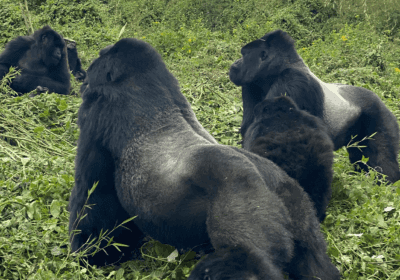
June to September represents the prime window for gorilla trekking in Bwindi Impenetrable Forest and Mgahinga Gorilla National Park. These months deliver drier conditions that make the physically demanding trek through dense forest vegetation more manageable. Trails are less muddy, reducing the risk of slips and making the journey to find mountain gorillas more comfortable.
December to February also offers excellent conditions for tracking these endangered primates. Minimal rainfall during this period combines with comfortable temperatures, creating ideal circumstances for spending hours in the forest. The drier ground conditions allow trekkers to focus on the incredible experience of observing gorillas rather than navigating challenging terrain. Gorilla trekking remains possible year-round in Uganda, and some visitors prefer the wet season for its lush forest scenery. However, permits are limited to eight visitors per gorilla family per day, making advance planning necessary regardless of season. The Uganda Wildlife Authority manages permits carefully to protect these vulnerable populations while allowing sustainable tourism.
What to Expect During Peak Gorilla Trekking Season
Peak season brings higher demand for gorilla permits and increased visitor numbers at trailheads. Book your permits at least three to six months in advance to secure your preferred dates, especially for June through September. Some experienced operators recommend booking up to a year ahead for high-season treks during popular months.
The drier conditions during peak months mean better photography opportunities when you encounter gorilla families. Clearer skies and reduced forest moisture help capture those once-in-a-lifetime moments with mountain gorillas. The more comfortable hiking conditions also allow you to fully appreciate the remarkable experience without excessive physical strain from muddy, slippery paths. Accommodations near gorilla trekking sites fill quickly during peak season, so early booking extends beyond permits to lodging arrangements. Despite the crowds, the reliable weather conditions make peak season a popular choice for first-time visitors to Uganda.
Optimal Time for Big Five Wildlife Viewing
March to May and October to November present unique advantages for spotting Uganda's Big Five despite being wet season months. These periods bring occasional showers but also deliver spectacular landscapes and significantly lower tourist crowds. Queen Elizabeth National Park and Murchison Falls National Park showcase abundant wildlife year-round, with animals remaining active even during wetter conditions.
The wet months create vibrant ecosystems where animals are well-fed and active. While predicting exact animal locations becomes slightly more challenging with dispersed water sources, the lush environment supports healthy wildlife populations. Photographers appreciate the dramatic skies and green landscapes that wet season brings to savannah settings. For budget-conscious travelers, wet season offers substantial savings on accommodations and safari packages without compromising wildlife quality. Many animals remain visible throughout these months, and experienced guides know where to find them regardless of conditions. The reduced visitor numbers mean more exclusive game drive experiences with less vehicle congestion at popular viewing spots.
Dry Season Benefits for Game Drives
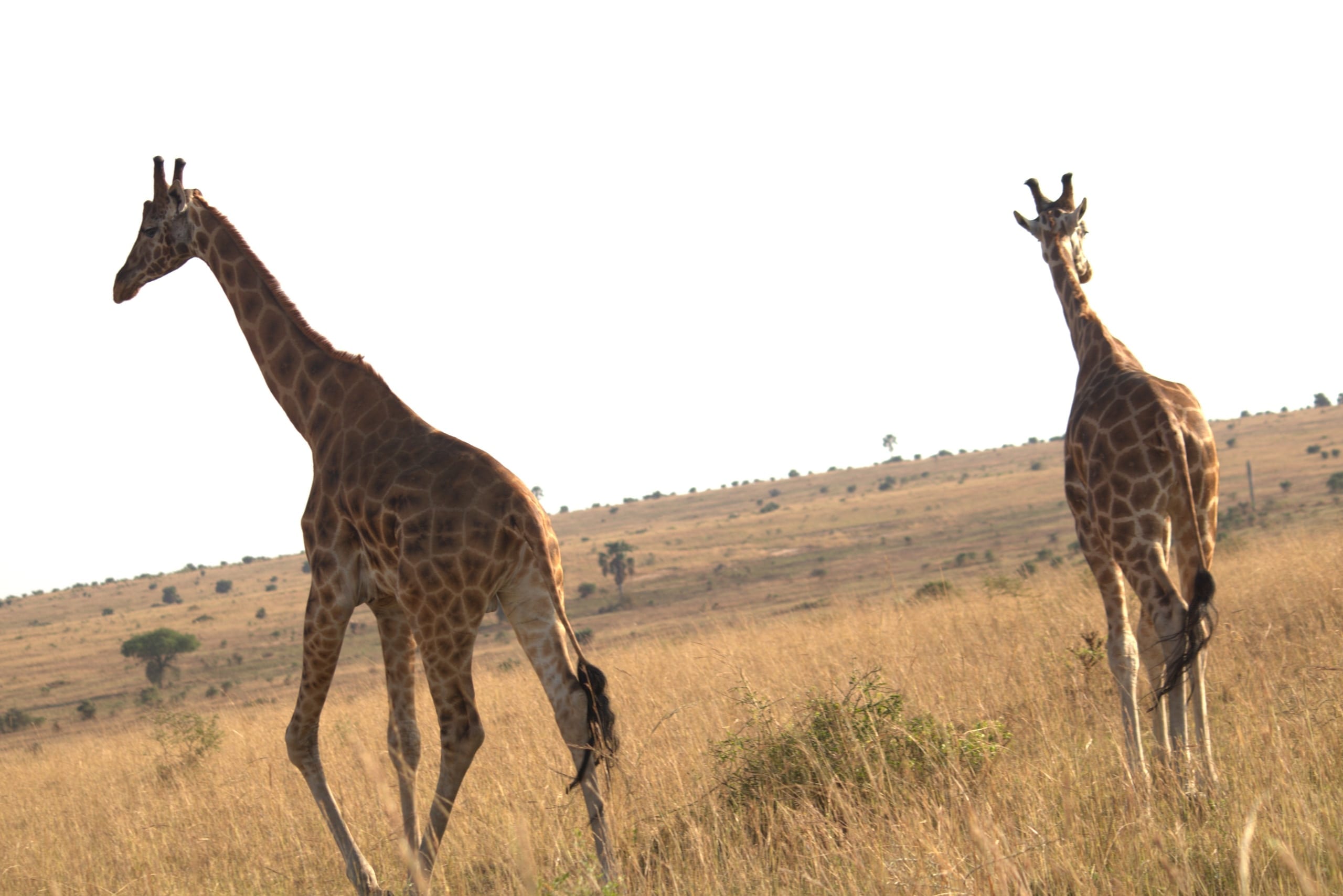
During dry months, animals gather predictably around permanent water sources, making wildlife spotting more reliable across Uganda's savannah parks. Elephants, buffaloes, lions, and leopards concentrate near rivers and waterholes as temporary water sources dry up. This predictable behavior allows guides to position vehicles strategically for optimal viewing.
Vegetation becomes less dense during dry periods, improving visibility across open landscapes. Spotting elusive species like leopards becomes easier when trees shed leaves and grass shortens. Early morning and late afternoon game drives yield the highest success rates for observing active wildlife behavior as animals move to and from water sources. The dry season also simplifies travel between different areas within large national parks. Roads remain in better condition, allowing access to remote sections that might be challenging during wet months. This accessibility expands your wildlife viewing opportunities beyond the main tourist circuits.
Plan Your Uganda Safari with Local Experts
 WhatsApp Us
Bird Watching Seasons in Uganda
November to April marks the peak birding season when migratory species from Europe and North Africa join Uganda's resident bird population of over 1,000 species. This influx creates extraordinary opportunities for bird enthusiasts to spot rare migrants alongside endemic species. The wet season transforms habitats into vibrant breeding grounds where birds display colorful plumage and engage in active nesting behaviors.
Uganda's diverse ecosystems support different bird communities throughout the year. Wetland areas become particularly active during wet months as waterbirds congregate. Forest habitats host spectacular displays of forest specialists, while savannah regions showcase raptors and ground-dwelling species. Serious birders often schedule visits to coincide with the arrival of Palearctic migrants in November and December. These months offer the best combination of resident and migratory species. Even outside peak migration periods, Uganda's remarkable avian diversity ensures rewarding birdwatching experiences across all seasons.
Weather Considerations for Safari Planning
Temperature remains relatively stable year-round across Uganda, ranging from 25 to 29 degrees Celsius in lowland areas. Mountainous regions like Bwindi experience cooler conditions, especially during early morning treks. This temperature consistency simplifies packing compared to destinations with extreme seasonal variations. Pack layers for early morning game drives when temperatures drop and evening activities when cooler air settles. Rain showers during wet seasons typically occur as brief afternoon downpours lasting one to two hours rather than all-day events. These predictable patterns minimally impact safari activities since most game drives happen during early morning and late afternoon. Humidity levels increase during wet months but remain comfortable for most visitors. The equatorial location means daylight hours stay consistent throughout the year, providing ample time for wildlife activities. Understanding these weather patterns helps set realistic expectations and ensures appropriate packing for your Uganda safari.
How Does Altitude Affect Your Safari Experience?
Uganda's varied topography creates distinct microclimates that affect comfort and clothing requirements. Lowland parks like Murchison Falls experience warmer temperatures and tropical conditions, while high-altitude destinations like Bwindi require warmer clothing even during the day. Temperature drops approximately six degrees Celsius for every 1,000 meters of elevation gain.
Consider altitude when planning multi-park itineraries to ensure comfortable transitions between different climate zones. Spending a night at mid-elevation before heading to high-altitude gorilla trekking areas helps some visitors adjust more comfortably. The altitude at Bwindi ranges from 1,160 to 2,607 meters, which can feel noticeably cooler than lowland safari destinations. Most visitors adapt quickly to altitude changes in Uganda, but those sensitive to elevation should allow extra time for acclimatization. The varied elevations across Uganda's parks contribute to the country's incredible biodiversity, creating opportunities to experience multiple ecosystems within a single trip.
Budget Considerations Across Different Seasons
Low season months from March to May and October to November offer significant cost savings on accommodations and safari packages. Lodge rates drop by 20 to 40 percent during these periods, and availability increases dramatically. These shoulder seasons provide excellent value without substantially compromising wildlife viewing quality.
Gorilla permit prices remain constant year-round at $800 per person, but the savings on accommodations and other services can make wet season travel considerably more affordable. Budget-conscious travelers can access premium lodges during low season that might be prohibitively expensive during peak months. The reduced crowds also mean more personalized service and attention from safari guides. Flexible travelers who can visit during shoulder seasons often discover that Uganda offers exceptional value. The occasional rain shower becomes a minor trade-off for the substantial financial savings and more intimate safari experiences. Many experienced Africa travelers deliberately choose these periods to maximize their safari budget.
Combining Multiple Safari Experiences
Year-round access to Uganda's diverse national parks enables combining gorilla trekking, savannah game drives, chimpanzee tracking, and boat safaris within a single itinerary. Strategic timing allows visitors to experience multiple ecosystems and wildlife encounters regardless of season. Expert guides adapt routes and activities to maximize seasonal advantages across different regions.
A comprehensive Uganda safari might include mountain gorillas in Bwindi, tree-climbing lions in Queen Elizabeth National Park, and dramatic Murchison Falls boat cruises. Each destination offers unique wildlife experiences that complement rather than duplicate each other. The variety of habitats within relatively compact distances makes Uganda ideal for multi-experience safaris. Chimpanzee tracking in Kibale Forest combines well with other primate encounters, creating a complete great ape safari experience. Adding cultural visits to local communities enriches your understanding of conservation efforts and traditional lifestyles. This diversity means every day of your Uganda safari delivers new and distinct wildlife adventures.
Planning Multi-Park Itineraries
Allow sufficient time between destinations to account for Uganda's varied terrain and travel distances. A well-planned 10 to 14 day safari can incorporate gorilla trekking, Big Five viewing, primate encounters, and cultural experiences without feeling rushed. Some transfers between parks take six to eight hours, making overnight stops strategic for comfort. Consider seasonal road conditions when scheduling transfers between parks during your planning phase. Wet season can make certain routes more time-consuming, though major park roads remain accessible year-round. Flying between distant parks offers time-saving alternatives for travelers with limited vacation days. Balancing active days with rest periods prevents safari fatigue and allows you to fully appreciate each experience. Building flexibility into your itinerary accommodates unexpected wildlife sightings or weather-related adjustments. Experienced tour operators help design logical routing that maximizes wildlife opportunities while minimizing unnecessary travel time.
Special Events and Cultural Festivals
Uganda's cultural calendar features traditional ceremonies and festivals that enrich safari experiences beyond wildlife viewing. Timing your visit to coincide with local celebrations adds cultural depth to your adventure. Events like the Imbalu circumcision ceremonies among the Bagisu people or traditional dance festivals provide authentic insights into Ugandan traditions. Community tourism initiatives near national parks offer opportunities to interact with local populations and learn about conservation partnerships. Village walks, traditional cooking demonstrations, and craft workshops create meaningful connections beyond typical safari activities. These cultural experiences help visitors understand the human context surrounding wildlife conservation efforts. Consult with experienced tour operators like PawMac Tour and Safaris to integrate authentic community interactions into your safari itinerary. Local expertise ensures respectful engagement that benefits communities while enriching your travel experience. Combining wildlife adventures with cultural encounters creates a more complete understanding of Uganda as a destination.
Frequently Asked Questions
- What is the driest month to visit Uganda for safaris?
January and February typically experience the lowest rainfall across most of Uganda, making these months ideal for travelers prioritizing dry conditions. July and August also offer consistently dry weather, particularly in western Uganda where gorilla trekking takes place. - Can you trek gorillas during Uganda's rainy season?
Yes, gorilla trekking operates year-round in Uganda regardless of season. Wet season treks involve muddier trails but offer advantages like fewer tourists, lush forest scenery, and sometimes lower accommodation costs. Proper rain gear and good hiking boots make wet season trekking manageable. - How far in advance should I book a gorilla trekking permit?
Book gorilla permits three to six months in advance for most months, and up to 12 months ahead for peak season dates between June and September. Permits are limited and sell out quickly, especially for popular travel periods and holiday seasons. - Is wildlife viewing good during Uganda's wet season?
Wildlife viewing remains excellent during wet months, though animals disperse more widely with abundant water sources. Experienced guides know where to find wildlife regardless of season, and the lush landscapes create beautiful photographic conditions. Fewer tourists mean more exclusive game viewing experiences. - What should I pack for a safari in different seasons?
Pack layers for all seasons, including light clothing for warm days and warmer items for cool mornings and high-altitude areas. Wet season requires quality rain gear and waterproof bags for camera equipment. Dry season needs sun protection including hats and sunscreen. Sturdy hiking boots are necessary year-round for gorilla trekking. - Are safari prices lower during the rainy season in Uganda?
Yes, accommodations and safari packages often cost 20 to 40 percent less during wet season months. Gorilla permit prices remain constant year-round, but overall trip costs decrease significantly with lower lodge rates and better availability during shoulder seasons. - Which national parks stay open year-round in Uganda?
All major Uganda national parks remain open throughout the year, including Bwindi Impenetrable Forest, Queen Elizabeth National Park, Murchison Falls National Park, and Kibale Forest. Road conditions may vary seasonally, but parks maintain accessibility and wildlife viewing opportunities across all months.
Planning Your Uganda Safari with PawMac Tour and Safaris
Choosing the best time to visit Uganda for wildlife safaris depends on your priorities, whether that's optimal gorilla trekking conditions, budget considerations, or specific wildlife interests. The dry seasons from June to September and December to February offer reliable weather and excellent wildlife viewing, while shoulder seasons provide great value and fewer crowds. Uganda's year-round safari opportunities mean there's never a truly bad time to visit this remarkable destination. PawMac Tour and Safaris brings local expertise and deep knowledge of seasonal patterns to help you plan the perfect Uganda safari, ensuring your wildlife adventure delivers unforgettable encounters regardless of when you choose to visit.