


- 69 Views
- 20 Min Read
- (0) Comment
Uganda has a rare ability to make African tours and safaris feel personal, varied, and deeply immersive. In one carefully designed journey, travelers can trek through misty rainforest for mountain gorillas, track chimpanzees in Kibale, search for lions and elephants on open savannah, cruise below Murchison Falls, and meet communities whose traditions give context to the landscapes around them.
For 2026 travelers, Uganda stands out because it delivers the emotional power of primate encounters with the classic rewards of a wildlife safari, often with fewer crowds and more flexible routing than better-known safari destinations. This guide explains what makes Uganda distinctive, what to budget, when to travel, and how PawMac Safaris helps turn a general safari dream into a well-planned Uganda itinerary.
Table of Contents
- Why Uganda Belongs at the Top of African Tours and Safaris
- Gorilla Trekking Changes the Safari Equation
- Uganda Combines Forest, Savannah, Wetland, and Mountain Habitats
- Uganda’s Signature Safari Experiences
- Gorilla Trekking in Bwindi and Mgahinga
- Chimpanzee Tracking in Kibale and Other Forests
- Big Five Style Game Drives and Boat Safaris
- Cultural and Adventure Add-Ons
- Where Uganda Stands Out by Park and Region
- Bwindi Impenetrable National Park
- Kibale National Park
- Queen Elizabeth National Park
- Murchison Falls National Park
- Kidepo Valley National Park
- How Much Do Uganda African Tours and Safaris Cost in 2026?
- Key Permit and Park Fee Estimates
- Sample Safari Budget Ranges
- Best Time to Visit Uganda for Safari
- Dry Season Advantages
- Green Season Advantages
- Choosing the Right Uganda Safari Style
- Luxury Safaris
- Mid-Range Safaris
- Budget and Value-Focused Safaris
- Practical Planning Tips Before You Book
- Trip Length and Routing
- Health, Fitness, and Packing
- Why Local Expertise Matters
- Frequently Asked Questions
- Plan Your Uganda Safari with PawMac Safaris
Why Uganda Belongs at the Top of African Tours and Safaris
Uganda is not simply another safari destination with game drives and lodges. Its strength is contrast. The country combines ancient equatorial forests, volcanic highlands, wide savannah, papyrus wetlands, crater lakes, and the Nile in a way that gives each travel day a different rhythm.
Many travelers arrive expecting gorillas to be the highlight, and they often are. Yet Uganda’s appeal becomes clearer as the itinerary unfolds. A morning may begin with chimpanzee calls echoing through Kibale Forest. The next day may include a boat safari along the Kazinga Channel, where hippos, buffalo, elephants, crocodiles, and waterbirds gather along the banks. Later in the journey, the landscape may shift again to the dramatic escarpments and river systems of Murchison Falls.
This variety is why Uganda works so well for travelers who want more than a single wildlife checklist. It rewards curiosity, patience, and thoughtful pacing.
Gorilla Trekking Changes the Safari Equation
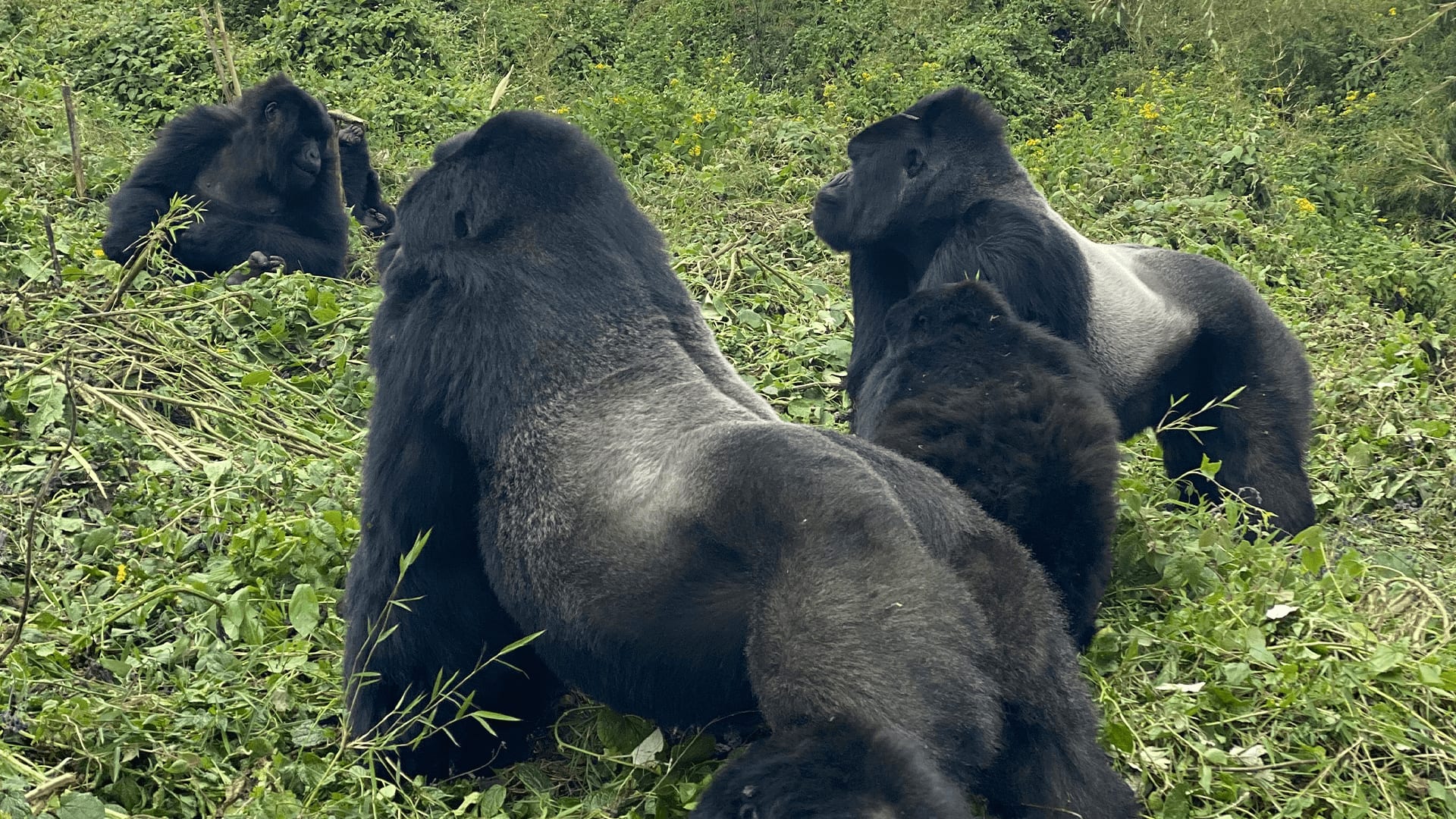
Mountain gorilla trekking is the experience that places Uganda in a category of its own. Unlike vehicle-based wildlife viewing, gorilla trekking is done on foot, led by trained ranger guides and trackers. The experience is physical, quiet, and intimate. You do not simply observe wildlife from a distance. You enter the forest ecosystem carefully, follow signs of movement, and spend a regulated hour with a habituated gorilla family once found.
Uganda’s main gorilla trekking areas are Bwindi Impenetrable National Park and Mgahinga Gorilla National Park. Bwindi has multiple trekking sectors, including Buhoma, Ruhija, Rushaga, and Nkuringo. The sector chosen affects driving logistics, lodge options, trekking difficulty, and how the route connects with other parks.
For 2026 planning, gorilla permits remain one of the most important cost and availability factors. Travelers should book early, especially for peak months, because permits are limited daily to protect the gorillas and preserve the quality of the encounter.
Uganda Combines Forest, Savannah, Wetland, and Mountain Habitats
The best Uganda safaris are not built around one habitat. They move intentionally between ecosystems. That matters because each habitat supports different wildlife, guiding styles, and photographic opportunities.
In forest areas such as Bwindi and Kibale, the focus is tracking, listening, and walking with ranger support. In savannah parks such as Queen Elizabeth, Murchison Falls, and Kidepo Valley, the experience shifts to game drives, scenic viewpoints, and predator searches. On waterways such as the Nile and Kazinga Channel, boat safaris create a slower, closer perspective on wildlife behavior.
This layered geography gives Uganda a strong advantage for travelers comparing African tours and safaris. Rather than choosing between primates and classic big game, Uganda allows you to combine both in one well-paced journey.
Plan Your Uganda Safari with Local Experts
 WhatsApp Us
Uganda’s Signature Safari Experiences
A strong Uganda itinerary should be designed around purpose, not just park names. The core question is what kind of wildlife moments you want most, then how to connect them without overloading the route.
Gorilla Trekking in Bwindi and Mgahinga
Bwindi is the primary choice for most gorilla trekking tours because it has several trekking sectors and a broad range of accommodation options. The forest is dense, steep, and atmospheric, which makes the trek feel genuinely wild. Trek times vary widely. Some groups find gorillas within two hours, while others may spend much of the day hiking, depending on the gorilla family’s movement and the assigned sector.
Mgahinga, in southwestern Uganda, offers a different setting with volcanic scenery and a more open sense of landscape. It can be especially rewarding when combined with golden monkey tracking or a route through the Kisoro region.
For comfort, travelers should plan at least two nights near the trekking sector. Arriving late the night before a trek after a long drive is not ideal. A better plan allows time to rest, check gear, attend the briefing early the next morning, and enjoy the area rather than treating it as a rushed permit stop.
Chimpanzee Tracking in Kibale and Other Forests
Chimpanzee tracking adds a very different primate dimension. Gorillas are powerful and grounded, while chimpanzees are vocal, agile, and socially dynamic. Kibale National Park is Uganda’s premier chimpanzee tracking destination and is often included before or after Queen Elizabeth National Park because the routing works well.
The standard chimpanzee tracking experience usually lasts several hours, including briefing, forest walking, and time with the chimpanzees once located. Travelers interested in deeper primate behavior may ask about longer habituation-style experiences where available, although these require more time, earlier starts, and different expectations.
Other chimpanzee tracking locations may fit specific routes, but Kibale remains the strongest choice for most first-time Uganda safari travelers due to its reputation, accessibility, and surrounding crater lake scenery.
Big Five Style Game Drives and Boat Safaris
Uganda can deliver a Big Five style safari experience, although it is important to plan correctly. Lions, leopards, elephants, buffalo, and rhinos can be included in a Uganda journey, but rhinos are typically seen at Ziwa Rhino Sanctuary rather than inside the main savannah national parks.
Murchison Falls National Park is excellent for combining game drives with a Nile boat safari. Queen Elizabeth National Park offers classic savannah viewing, the Kazinga Channel boat cruise, crater landscapes, and the Ishasha sector, known for its tree-climbing lions when sightings cooperate. Kidepo Valley National Park, more remote and less visited, offers a wilderness feel that appeals to travelers looking for space, scenery, and fewer vehicles.
Boat safaris deserve special attention in Uganda. They are not filler activities. They often produce some of the best sightings and photography of a trip, especially for elephants at the water’s edge, hippos in large pods, crocodiles, buffalo, fish eagles, kingfishers, and other waterbirds.
Cultural and Adventure Add-Ons
Uganda safaris become more meaningful when wildlife is paired with respectful cultural experiences. Community walks, craft visits, traditional storytelling, local food experiences, and heritage encounters can help travelers understand how people live alongside protected landscapes.
For travelers who want a deeper human connection, PawMac Safaris can help shape itineraries that include thoughtfully selected cultural visits rather than rushed stopovers. You can also explore how cultural tours in Uganda add meaning to your safari when planning the balance between wildlife and community experiences.
Adventure travelers can also add Nile rafting in Jinja, guided nature walks, Rwenzori foothill hikes, cycling in selected areas, or golden monkey tracking. The key is pacing. Uganda offers many possibilities, but a premium safari should not feel like a race across the map.
Where Uganda Stands Out by Park and Region
Each of Uganda’s major safari regions has its own purpose. Choosing the right combination depends on your available days, budget, travel style, and tolerance for long drives.
Bwindi Impenetrable National Park
Bwindi is best known for mountain gorilla trekking, but the destination is also rich in birdlife, forest walks, cultural encounters, and dramatic highland scenery. The main planning detail is sector selection. Buhoma, Ruhija, Rushaga, and Nkuringo are not interchangeable from a logistics perspective. A permit in one sector should match nearby accommodation and the onward route.
Rushaga and Nkuringo are often used for itineraries connecting through Kisoro or Mgahinga. Buhoma can work well with Queen Elizabeth National Park’s Ishasha sector. Ruhija may fit certain routes between central Bwindi and other southwestern highlights. A local planner can save hours of unnecessary driving by aligning permits, lodges, and route flow correctly.
Kibale National Park
Kibale is the leading destination for chimpanzee tracking and a natural bridge between western Uganda’s crater lakes and Queen Elizabeth National Park. Many travelers spend two nights here, allowing time for chimpanzee tracking and a nearby wetland or community walk.
The area around Kibale is also visually beautiful, with tea plantations, crater lakes, and rolling green hills. For photographers and slower-paced travelers, adding time here can make the itinerary feel less compressed.
Queen Elizabeth National Park
Queen Elizabeth National Park is one of Uganda’s most versatile safari areas. The northern sections offer game drives and crater scenery, while the Kazinga Channel is one of the country’s most reliable wildlife viewing experiences by boat. The Ishasha sector in the south is famous for tree-climbing lions, although sightings depend on conditions and wildlife movement.
Queen Elizabeth also works well logistically because it can connect Kibale with Bwindi. This makes it a strong middle section in a 7 to 10 day Uganda safari.
Murchison Falls National Park
Murchison Falls combines open savannah, the Nile, powerful scenery, and strong wildlife viewing. The boat journey toward the base of the falls is a major highlight, while game drives on the northern bank can produce elephants, giraffes, buffalo, lions, antelope, and many bird species.
Many itineraries include Ziwa Rhino Sanctuary on the route to or from Murchison Falls, creating a practical way to add rhino tracking to a Uganda wildlife safari.
Kidepo Valley National Park
Kidepo is remote, scenic, and rewarding for travelers who want a less conventional Uganda safari. It requires more time, more budget, or carefully planned flight logistics, but the payoff is a powerful wilderness atmosphere. The landscapes are open and dramatic, with mountain backdrops and a sense of space that feels different from Uganda’s western circuit.
Kidepo is best suited to travelers with at least 10 to 14 days in Uganda or those building a high-end itinerary with domestic flights.
| Uganda region or park | Best for | Typical stay | Planning note |
|---|---|---|---|
| Bwindi Impenetrable National Park | Gorilla trekking | 2 to 3 nights | Match permits with the correct trekking sector |
| Kibale National Park | Chimpanzee tracking | 2 nights | Book chimp permits early in peak months |
| Queen Elizabeth National Park | Game drives and boat safari | 2 to 3 nights | Include Kazinga Channel and consider Ishasha |
| Murchison Falls National Park | Nile safari and big game | 2 to 3 nights | Combine with Ziwa Rhino Sanctuary when routing allows |
| Kidepo Valley National Park | Remote wilderness safari | 3 nights | Best for longer or fly-in itineraries |

How Much Do Uganda African Tours and Safaris Cost in 2026?
Uganda offers a broad range of safari budgets, but it is not accurate to describe gorilla trekking as cheap. The permit alone is a major fixed cost, and responsible safari planning also includes professional guiding, safe 4×4 transport, park fees, accommodation, meals, fuel, and activity logistics.
The advantage is value. In Uganda, a well-designed safari can combine several high-impact experiences in one trip, which often makes the overall journey feel richer than a single-focus itinerary.
Key Permit and Park Fee Estimates
For 2026 planning, travelers should budget using current Uganda Wildlife Authority tariff expectations and confirm final rates at booking. As a practical guide, foreign non-resident gorilla permits are generally budgeted at about US$800 per person per trek. Chimpanzee tracking in Kibale is commonly budgeted at about US$250 per person for foreign non-residents.
Park entry fees vary by park, residency status, and tariff period, but foreign non-resident travelers commonly budget around US$40 to US$45 per person per day for major savannah parks. Boat cruises, nature walks, ranger-guided activities, and community visits are usually additional.
| Cost item for 2026 planning | Typical estimate for foreign non-residents | Why it matters |
|---|---|---|
| Gorilla trekking permit | About US$800 per person | Limited daily availability and essential for Bwindi or Mgahinga |
| Kibale chimpanzee tracking permit | About US$250 per person | Core activity for primate-focused itineraries |
| Major park entry fees | About US$40 to US$45 per person per day | Applies to many national park visits |
| Scheduled boat safari | Often US$30 to US$50+ per person | Pricing varies by park, operator, and boat type |
| Private 4×4 safari transport | Varies by route and vehicle | Fuel, driver-guide time, and road distances affect cost |
| Mid-range lodge stay | Often US$150 to US$350+ per person per night | Season, location, and room category affect pricing |
| Luxury lodge stay | Often US$500 to US$1,500+ per person per night | Premium gorilla areas can exceed this in peak periods |
These are planning estimates, not a fixed PawMac Safaris price list. Final costs depend on travel dates, group size, accommodation level, permit availability, vehicle type, domestic flights, and the number of private activities included.
Sample Safari Budget Ranges
A short Uganda gorilla safari is possible in 3 to 4 days, but travelers should understand that the gorilla permit makes even a brief trip relatively substantial in cost. A budget-conscious private or small-group gorilla-focused trip may start around US$1,200 to US$1,800+ per person, depending on transport, lodging, and group size.
A balanced 7 to 9 day Uganda safari combining gorillas, chimpanzees, Queen Elizabeth National Park, and a boat safari often falls around US$2,800 to US$6,500+ per person in mid-range to upper-mid-range comfort. Luxury versions with premium lodges, private guiding, and better pacing can rise significantly.
A high-end 10 to 14 day Uganda safari with gorilla trekking, chimpanzee tracking, Murchison Falls, Queen Elizabeth, domestic flights, and luxury lodges can range from US$7,000 to US$15,000+ per person, especially when using top-tier accommodation in gorilla regions.
For travelers comparing options, it helps to compare Uganda-focused Africa safari packages by what is actually included, not just by headline price. A lower quote may exclude permits, park fees, private transfers, or key activities.
Best Time to Visit Uganda for Safari
Uganda is a year-round safari destination, but seasonality affects trekking conditions, road conditions, photography, lodge availability, and price.
Dry Season Advantages
The main dry seasons are generally June to September and December to February. These months are popular because forest trails are often less muddy, savannah wildlife may be easier to spot around water sources, and road conditions are usually more predictable.
Peak demand also means higher lodge occupancy and tighter permit availability. If you are planning a premium gorilla trekking safari for July, August, December, or early January, it is wise to secure permits and preferred lodges many months ahead.
Green Season Advantages
The wetter months can still be excellent, especially for travelers who value lush scenery, birding, fewer vehicles in some areas, and potential seasonal value. Forest trekking can be muddier and some road sections may take longer, but the landscapes are beautiful and atmospheric.
Photographers often appreciate the green season because skies can be dramatic, vegetation is vibrant, and the light after rain can be exceptional. The key is to travel with realistic expectations, good footwear, and a route planned by people who understand local road conditions.
Choosing the Right Uganda Safari Style
The best safari style depends on your priorities. Some travelers want the most comfortable lodges and private pacing. Others want maximum wildlife time with efficient spending. Uganda can support both, but expectations should be clear from the start.
Luxury Safaris
Luxury Uganda safaris focus on comfort, location, guiding quality, and seamless logistics. This may include premium lodges near gorilla trekking sectors, private 4×4 vehicles, fly-in segments to reduce long drives, exclusive dining arrangements, and carefully paced stays.
In gorilla areas, luxury pricing can be driven by limited room supply and proximity to trekking briefings. High-end lodges may cost US$800 to US$2,500+ per person per night in the most premium categories during peak periods. Travelers paying this level should expect strong service, comfort, views, and efficient access, but they should still remember that gorilla trekking itself remains a wild forest activity.
Luxury also includes culinary and hospitality expectations. Uganda’s best lodges often provide fresh produce, private meals, bush breakfasts, and sundowner experiences. Travelers who appreciate premium food sourcing, similar to choosing restaurant-quality meat for home entertaining, should share dietary preferences early so the safari team can coordinate meals properly, especially in remote areas where supplies are planned in advance.
Mid-Range Safaris
Mid-range safaris are often the sweet spot for Uganda. They balance comfort, good guiding, private transport, and strong activity design without relying only on ultra-luxury lodges. Expect clean en-suite rooms or cottages, reliable meals, good locations, and professional service.
A mid-range Uganda safari can still include gorilla trekking, chimpanzee tracking, boat safaris, and excellent game drives. The difference is that accommodations may be smaller, simpler, or located slightly farther from premium viewpoints. For many travelers, this level delivers the best overall value.
Budget and Value-Focused Safaris
Budget Uganda safaris are possible, but the word “budget” should be used carefully. Gorilla and chimpanzee permits are fixed costs, and safe transport should not be compromised. Savings usually come from simpler lodging, group departures, fewer premium activities, and overland routing instead of domestic flights.
A value-focused itinerary should still protect the essentials: confirmed permits, roadworthy 4×4 transport, an experienced driver-guide, realistic drive times, and accommodations that are safe and clean. Cutting the wrong corners can reduce comfort and increase stress, especially on routes with early starts and long distances.
For travelers who want flexibility across comfort levels, tailored safari packages in Uganda can help align budget with the experiences that matter most.
Practical Planning Tips Before You Book
A Uganda safari is most rewarding when the logistics are handled with precision. The distances are real, the permits are date-specific, and the best routes depend on both geography and activity timing.
Trip Length and Routing
For a first Uganda safari, 7 to 10 days is a strong starting point. This allows time for gorilla trekking, chimpanzee tracking, Queen Elizabeth National Park, and perhaps Lake Mburo or another stop depending on arrival and departure times.
A 10 to 14 day itinerary allows a richer route with Murchison Falls, Ziwa Rhino Sanctuary, Kibale, Queen Elizabeth, Bwindi, and possibly Lake Bunyonyi or Mgahinga. Adding Kidepo usually requires more time or a higher budget because of distance and flight logistics.
Shorter trips can work if focused. A 3 to 4 day gorilla trek itinerary is possible from Entebbe or Kampala, but it involves long drives unless flights are used. A 5 to 6 day itinerary can add a second highlight, such as Lake Mburo, Queen Elizabeth, or golden monkey tracking, but choices must be disciplined.
Health, Fitness, and Packing
Gorilla and chimpanzee tracking do not require elite athletic ability, but they do require mobility, patience, and appropriate gear. Trails can be steep, slippery, and muddy. Porters are strongly recommended, not only for assistance but also because porter fees support local livelihoods around protected areas.
Pack lightweight long-sleeved shirts, long trousers, waterproof hiking boots, gaiters or high socks, a rain jacket, insect repellent, garden-style gloves for gripping vegetation, and a small daypack. Neutral colors are best for safari activities. Avoid bright whites on game drives because dust is common and the color can feel harsh in natural settings.
Travelers should consult a qualified travel health professional before departure about vaccinations, malaria prevention, and personal medication. Comprehensive travel insurance is strongly recommended, especially for itineraries involving trekking, remote parks, or domestic flights.
Why Local Expertise Matters
Uganda rewards local knowledge. A good itinerary is not just a sequence of parks. It is a timed plan that considers permit sectors, road conditions, borderless park movement, lodge access roads, ferry schedules where relevant, wildlife behavior, and the traveler’s comfort level.
This is where PawMac Safaris adds value through expert local guides, professional planning, comfortable 4×4 vehicles, and personalized safari design. Local knowledge helps avoid common mistakes such as booking a gorilla permit in the wrong sector, underestimating drive times, adding too many one-night stays, or choosing accommodations that look close on a map but are inconvenient in practice.
If your goal is a safari that feels personal rather than packaged, Uganda is especially well suited to custom planning. The country’s variety gives travelers choices, but those choices need careful coordination.
Frequently Asked Questions
What makes Uganda different from other African tours and safaris? Uganda stands out because it combines mountain gorilla trekking, chimpanzee tracking, classic savannah game drives, boat safaris, cultural experiences, and dramatic landscapes in one destination. The variety of habitats makes the journey feel diverse from day to day.
How much should I budget for a Uganda safari in 2026? A gorilla-focused short trip may start around US$1,200 to US$1,800+ per person, while a 7 to 9 day mid-range safari often ranges from about US$2,800 to US$6,500+ per person. Luxury itineraries with premium lodges and domestic flights can exceed US$7,000 to US$15,000+ per person.
How much is a Uganda gorilla trekking permit in 2026? For planning purposes, foreign non-resident travelers should budget about US$800 per person for a gorilla trekking permit. Final rates and availability should always be confirmed at the time of booking.
Is Uganda good for a first-time safari? Yes. Uganda is excellent for first-time safari travelers who want both iconic wildlife and rare primate encounters. A well-planned first trip often combines Bwindi, Kibale, Queen Elizabeth National Park, and a boat safari, with Murchison Falls added when time allows.
How many days do I need for a Uganda safari? A focused gorilla trek can be done in 3 to 4 days, but 7 to 10 days is better for a complete Uganda safari with gorillas, chimpanzees, game drives, and boat safaris. Travelers wanting Murchison Falls, Kidepo, or a slower luxury pace should consider 10 to 14 days.
When should I book a 2026 Uganda safari? For peak travel months such as June to September and December to February, booking several months ahead is recommended, especially if gorilla trekking is included. Permits and preferred lodges can sell out during high-demand periods.
Plan Your Uganda Safari with PawMac Safaris
Uganda stands out because it offers rare wildlife depth without losing the feeling of discovery. Gorilla trekking may be the headline experience, but the full journey is built from many moments: chimpanzee calls in the forest, elephants by the water, lions in fig trees, sunrise over crater lakes, and conversations with local communities who know the land intimately.
PawMac Safaris designs expert-guided Uganda safari experiences for travelers who want professional planning, local insight, and a journey matched to their budget, comfort level, and wildlife priorities. Whether you are planning a luxury gorilla trekking itinerary, a mid-range wildlife safari, a family adventure, or a custom 2026 Uganda route, the right plan starts with honest advice and precise logistics.
Begin your Uganda safari planning with PawMac Safaris and build an itinerary that shows why Uganda is one of Africa’s most distinctive safari destinations.


