


- 60 Views
- 18 Min Read
- (0) Comment
African tour packages are often compared by the number of countries visited, the name recognition of famous parks, or the promise of luxury lodges. But value is not just about covering more ground. In Uganda, value comes from the rare ability to combine mountain gorilla trekking, chimpanzee tracking, classic savannah wildlife, river safaris, crater landscapes, cultural encounters, and expert local guiding in one highly rewarding itinerary.
For travelers planning a 2026 safari, Uganda is especially compelling because it offers experiences that are difficult to replicate elsewhere. A well-designed Uganda tour can deliver primate encounters, Big Five possibilities, scenic variety, and intimate park experiences without forcing travelers into an overly rushed multi-country route.
This guide explains how to identify African tour packages with more value in Uganda, what realistic 2026 costs look like, where your budget goes, and how PawMac Safaris can help you shape a stronger itinerary around your priorities.
Table of Contents
- What More Value Means in Uganda Safari Planning
- The Uganda Value Advantage Rare Experiences in One Country
- Gorilla Trekking Is the Anchor Experience
- Chimpanzee Tracking Adds Primate Depth Without Overextending the Trip
- Savannah and Boat Safaris Complete the Package
- What African Tour Packages in Uganda Typically Include
- Estimated 2026 Uganda Safari Budgets by Travel Style
- Where the Money Goes Costs That Shape Safari Value
- Permits and Park Activities
- Accommodation and Routing
- Vehicle Guiding and Logistics
- High Value Uganda Itinerary Ideas
- How to Compare Uganda Tour Packages Before You Book
- When to Travel for Better Value
- Packing and Practical Details That Protect Your Investment
- Who Gets the Best Value From a Uganda Package
- Frequently Asked Questions
- Plan a Better Value Uganda Safari With PawMac Safaris
What More Value Means in Uganda Safari Planning
The best-value safari is not always the cheapest safari. In Uganda, value means every day of travel contributes something meaningful, whether that is a once-in-a-lifetime gorilla trek, a private game drive at sunrise, a boat safari below Murchison Falls, or a guided community visit that gives context to the landscapes you are exploring.
A lower-priced itinerary can be poor value if it hides permit costs, uses weak routing, schedules long transfers with little reward, or places you far from park gates to reduce lodge expenses. A premium itinerary can also be poor value if it overinvests in accommodation but underinvests in guiding, timing, and access to the right sectors of each park.
In practical terms, stronger Uganda safari value usually depends on five things: clear inclusions, smart routing, confirmed permits, experienced local guides, and accommodation that matches the purpose of each stop. For example, a simple lodge near a prime gorilla trekking sector may provide better overall value than a more expensive property that adds unnecessary driving on trek morning.
For travelers comparing Uganda with broader African safari options, it helps to understand how the country performs as a complete destination rather than as an add-on. PawMac Safaris has also explored this wider comparison in its guide to Africa safari packages through a Uganda lens, which is useful if you are deciding where your safari budget will work hardest.
The Uganda Value Advantage Rare Experiences in One Country
Uganda’s biggest value advantage is concentration. The country allows travelers to experience several major safari themes in one trip: endangered mountain gorillas, chimpanzees, savannah wildlife, river systems, crater lakes, forest birding, and culturally rich communities. That variety makes Uganda a strong choice for travelers who want their safari to feel layered rather than repetitive.
A classic Uganda route can move from Entebbe to Murchison Falls National Park, Kibale Forest National Park, Queen Elizabeth National Park, Bwindi Impenetrable National Park, and Lake Mburo National Park. A shorter route can focus on Bwindi and Queen Elizabeth. A premium fly-in route can reduce road time and increase time on the ground in high-value wildlife areas.
Gorilla Trekking Is the Anchor Experience
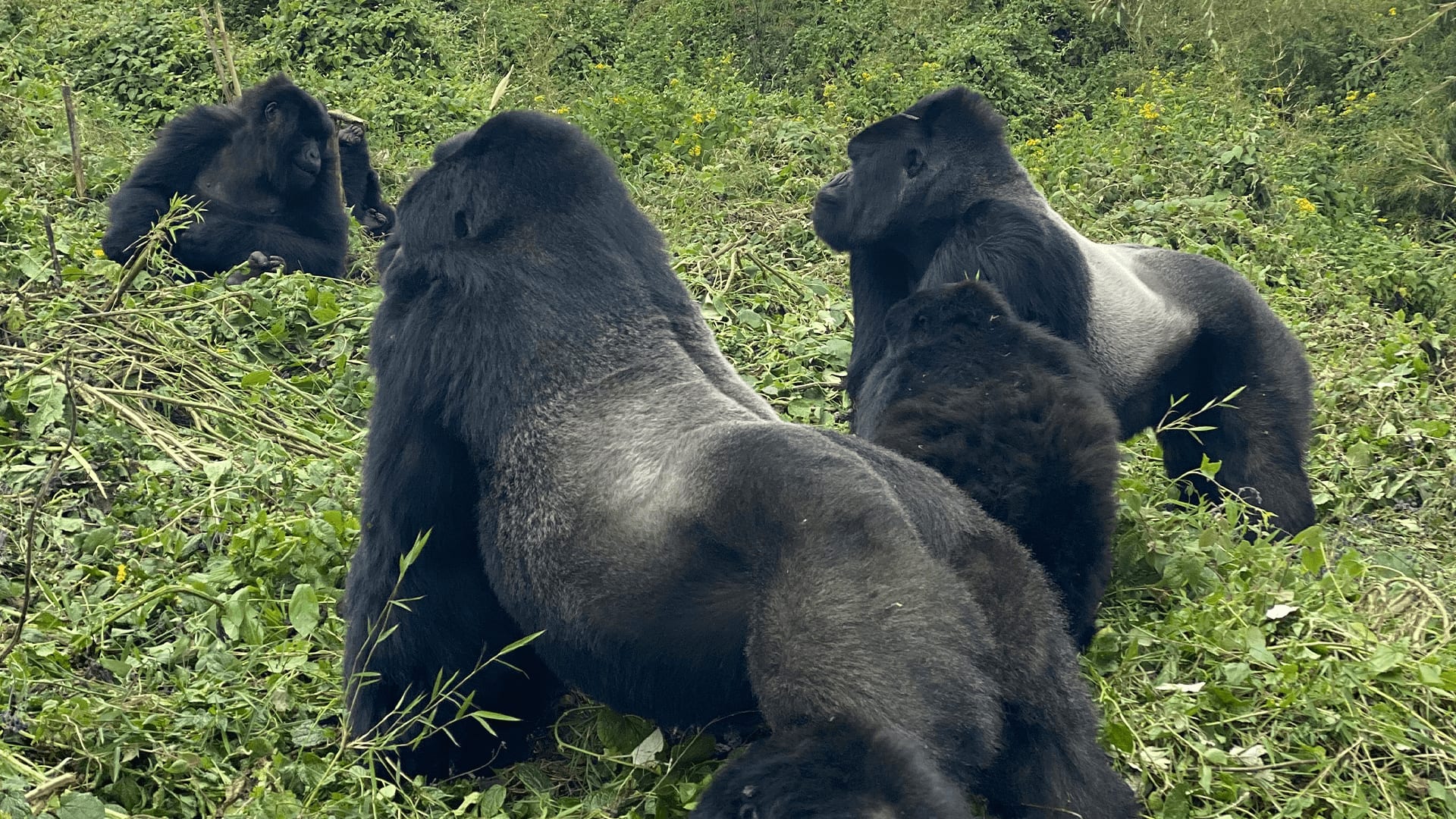
Mountain gorilla trekking is often the reason travelers choose Uganda. Bwindi Impenetrable National Park and Mgahinga Gorilla National Park offer access to habituated gorilla families under strict conservation rules. Trekking is guided by trained ranger teams, and the time with gorillas is limited to protect the animals and preserve the quality of the encounter.
For 2026 planning, travelers should budget around US$800 per gorilla trekking permit for foreign non-residents, based on recent Uganda Wildlife Authority tariff levels. Fees can change, so permit costs should always be reconfirmed at the time of booking. The permit is a major part of the safari cost, but it is also one of the clearest examples of value because it supports conservation, ranger operations, and controlled access to one of the world’s rarest wildlife encounters.
Plan Your Uganda Safari with Local Experts
 WhatsApp Us
Chimpanzee Tracking Adds Primate Depth Without Overextending the Trip
Uganda is one of the best destinations for combining gorillas and chimpanzees in a single itinerary. Kibale Forest National Park is the leading chimpanzee tracking destination, with a highly regarded forest experience and strong chances of sightings. Chimpanzee permits in Kibale have commonly been budgeted around US$250 for foreign non-residents in recent tariff periods, although travelers should confirm current rates before booking.
Adding Kibale to a Uganda safari creates a more complete primate journey. Gorillas offer a quiet, powerful forest experience, while chimpanzees bring speed, vocal energy, and social complexity. The two treks feel very different, which means the second primate activity does not simply repeat the first.
Savannah and Boat Safaris Complete the Package
Uganda’s national parks also deliver classic safari moments. Murchison Falls National Park offers game drives, Nile boat safaris, giraffes, elephants, buffalo, lions, and the dramatic force of the Nile squeezing through a narrow gorge. Queen Elizabeth National Park combines open plains, crater landscapes, the Kazinga Channel, and the Ishasha sector, where tree-climbing lions may be seen with patience and good timing.
Kidepo Valley National Park, in Uganda’s far northeast, is remote and exceptional for travelers who want big landscapes and a more isolated wilderness feel. Lake Mburo National Park is useful near the end of an itinerary because it can add zebra, impala, walking safaris, cycling experiences, and a shorter final transfer toward Entebbe.
| Uganda package element | Value delivered | Best fit |
|---|---|---|
| Gorilla trekking in Bwindi or Mgahinga | Rare, regulated, high-impact wildlife encounter | First-time Uganda travelers and primate enthusiasts |
| Chimpanzee tracking in Kibale | Adds a second major primate experience | Travelers with 8 or more days |
| Murchison Falls and the Nile | Game drives, boat safari, waterfall scenery | Travelers wanting savannah and river diversity |
| Queen Elizabeth and Kazinga Channel | Wildlife, birds, crater scenery, boat safari | Balanced mid-length itineraries |
| Lake Mburo | Walking safari, zebra, shorter return route | Travelers ending in Entebbe by road |
| Cultural and community visits | Human context and local connection | Travelers who want a deeper Uganda experience |
What African Tour Packages in Uganda Typically Include
A properly built Uganda safari package should be transparent. At minimum, the proposal should explain transport, guide arrangements, accommodation level, meal plan, permits, park entrance fees, scheduled activities, and what is excluded. This is where many travelers discover the real difference between a low quote and a good-value quote.
PawMac Safaris focuses on expert-guided Uganda wildlife and gorilla trekking tours, with personalized safari planning across luxury, mid-range, and budget-conscious options. That planning matters because Uganda’s best experiences are permit-based, sector-specific, and sensitive to driving times. Good coordination helps protect both your budget and your experience.
| Package component | Why it matters for value | What to check before booking |
|---|---|---|
| Gorilla and chimpanzee permits | These are high-cost, limited-availability items | Confirm whether permits are included and already secured |
| Private 4×4 safari vehicle | Uganda routes involve long drives and varied terrain | Check whether the vehicle is private or shared |
| Professional local guide | Guiding affects wildlife sightings, safety, timing, and interpretation | Ask about guide experience in specific parks |
| Accommodation | Location can save or waste hours of driving | Confirm lodge names and proximity to park gates or trekking sectors |
| Meals and drinking water | Daily costs add up quickly if unclear | Check meal plan and any excluded drinks |
| Park fees and activities | Hidden fees can change the final cost significantly | Confirm game drives, boat cruises, walks, and entrance fees |
| Airport transfers | Smooth arrival and departure reduce stress | Confirm pickup location, timing, and final drop-off |
The most valuable packages are usually not overloaded. They allow enough time in each place to enjoy the destination, recover from long drives, and adjust if weather or wildlife movement changes the day’s rhythm.
Estimated 2026 Uganda Safari Budgets by Travel Style
Safari costs vary by season, group size, lodge choice, routing, permits, vehicle type, and whether domestic flights are used. The following estimates are realistic planning ranges for private or semi-private Uganda safari packages in 2026, quoted per person sharing and excluding international flights. They are not fixed offers, but they help travelers understand what to expect before requesting a tailored quote.
| Travel style | Typical duration | Estimated 2026 budget per person sharing | Strongest value point |
|---|---|---|---|
| Essential gorilla and wildlife safari | 5 to 7 days | US$1,900 to US$3,000 | Focuses budget on gorilla trekking and one savannah park |
| Mid-range primate and wildlife safari | 8 to 10 days | US$3,300 to US$5,800 | Balances gorillas, chimps, game drives, and boat safaris |
| Premium private safari | 8 to 12 days | US$6,000 to US$10,000 | Better lodges, private guiding, stronger pacing, fewer compromises |
| Luxury fly-in safari | 9 to 12 days | US$9,000 to US$16,000 or more | Reduces driving time and prioritizes premium access and comfort |
| Extended complete Uganda journey | 12 to 15 days | US$5,500 to US$12,000 or more | Adds Murchison, Kibale, Queen Elizabeth, Bwindi, and optional Kidepo |
The biggest pricing mistake is comparing two itineraries only by the final number. A US$4,500 Uganda package that includes gorilla permits, chimpanzee tracking, park fees, named lodges, private transport, and an experienced guide may be better value than a US$3,600 quote that excludes key activities or uses inconvenient lodge locations.
Luxury travelers should also look closely at how comfort is distributed. A high-end lodge in Bwindi can be worth the extra cost because it improves rest before and after trekking. In contrast, overspending on a transit night may not improve the safari in any meaningful way.
Where the Money Goes Costs That Shape Safari Value
Understanding cost structure helps you judge whether a package is fairly priced. Uganda safari pricing is not arbitrary. Permits, park fees, fuel, professional guiding, vehicle maintenance, lodge contracts, and activity fees all shape the final quotation.
Permits and Park Activities
Permits are central to Uganda safari planning. Gorilla permits are limited, sector-specific, and date-specific. Chimpanzee permits also require planning, especially in high-demand periods. If your dates are fixed, permits should be handled early.
| Activity or fee | Common planning estimate for foreign non-residents | Value note |
|---|---|---|
| Gorilla trekking permit | Around US$800 per person | Essential for Bwindi or Mgahinga gorilla trekking |
| Gorilla habituation experience | Around US$1,500 per person | Longer, more specialized gorilla experience in selected areas |
| Kibale chimpanzee tracking permit | Around US$250 per person | Premier chimpanzee tracking experience in Uganda |
| Major national park entrance | Often around US$40 to US$45 per adult per day | Applies to parks such as Queen Elizabeth, Murchison Falls, and Bwindi, subject to tariff updates |
| Boat safari activities | Often around US$30 to US$40 per person | Strong value for wildlife viewing and photography |
| Rhino tracking at Ziwa | Often around US$50 per person | Useful for travelers building a Big Five focused Uganda route |
These figures should be confirmed when booking because tariff periods and conservation fees can change. A trustworthy operator will explain which fees are included, which are excluded, and when permit payments become non-refundable.
Accommodation and Routing
Accommodation can be one of the largest variables in African tour packages. In Uganda, lodge prices may range from simple guesthouses to premium forest lodges and luxury safari camps. Budget properties may cost under US$150 per person per night, while mid-range lodges often sit around US$180 to US$350 per person per night, depending on location and board basis. Upper mid-range and luxury lodges can range from US$400 to more than US$1,500 per person per night in prime areas and peak periods.
Routing can be just as important as the room category. Uganda is beautiful by road, but distances can be long. A package that saves money by placing you far from the right trekking sector can create early wake-ups, extra fatigue, and more road time. Similarly, adding too many parks to a short itinerary can reduce the quality of each stop.
Vehicle Guiding and Logistics
A safari vehicle is not just transport. It is your viewing platform, luggage space, photography base, and comfort zone between parks. A well-maintained 4×4 with an experienced driver-guide is a core value feature in Uganda, especially on routes connecting forests, savannah parks, and rural communities.
Fuel costs, vehicle maintenance, guide wages, insurance, road conditions, and backup planning all influence safari pricing. When a quote is dramatically cheaper than others, it is worth asking what has been reduced. Sometimes the difference is a simpler lodge. Other times it may be less experienced guiding, unclear park fees, or weaker support if plans change.
High Value Uganda Itinerary Ideas
The best itinerary depends on your time, budget, fitness, and wildlife priorities. These examples show how Uganda can deliver strong value at different trip lengths without trying to do everything at once.
| Itinerary idea | Ideal duration | Core route | Why it offers strong value |
|---|---|---|---|
| Gorilla trek and Queen Elizabeth safari | 5 to 6 days | Entebbe, Bwindi, Queen Elizabeth, Entebbe | Combines Uganda’s top primate experience with savannah and Kazinga Channel wildlife |
| Primate focused Uganda safari | 7 to 8 days | Entebbe, Kibale, Bwindi, Lake Mburo | Prioritizes chimpanzees and gorillas, with a gentle wildlife stop before returning |
| Classic Uganda wildlife and primates | 9 to 10 days | Murchison Falls, Kibale, Queen Elizabeth, Bwindi | Excellent balance of Nile scenery, chimps, big game, boat safaris, and gorillas |
| Premium fly-in gorilla and wildlife safari | 7 to 9 days | Entebbe, Bwindi, Queen Elizabeth or Murchison by air | Higher cost but better time efficiency and comfort |
| Complete Uganda safari | 12 to 15 days | Murchison, Kibale, Queen Elizabeth, Bwindi, Lake Mburo, optional Kidepo | Best for travelers who want depth and a fuller sense of Uganda |
A 9 to 10 day itinerary often provides the strongest overall value for first-time Uganda travelers. It is long enough to include gorillas, chimpanzees, savannah wildlife, and at least one boat safari without becoming rushed. A 5 to 6 day itinerary can still be excellent if the plan is focused and the traveler understands that some regions will be left for a future visit.

How to Compare Uganda Tour Packages Before You Book
When comparing African tour packages in Uganda, ask for detail rather than decoration. Beautiful wording is not enough. You need to know where you will sleep, how long you will drive, which permits are included, which activities are confirmed, and how the operator handles timing.
| Comparison point | Weak package signal | Strong package signal |
|---|---|---|
| Permits | Mentions gorillas but does not specify permit status | Shows permit cost, trekking date, and sector planning |
| Lodges | Uses vague terms such as comfortable lodge | Names properties or gives clear equivalents |
| Routing | Adds many destinations with limited time | Matches trip length to realistic travel distances |
| Vehicle | Does not clarify private or shared transport | Confirms 4×4 setup and guide arrangement |
| Activities | Lists optional activities without pricing | Separates included activities from optional extras |
| Flexibility | Forces a fixed route regardless of interest | Adjusts the plan around wildlife, comfort, budget, and pace |
This is where customization can add real value. A honeymoon couple, a photography-focused traveler, a family with teenagers, and a retired couple may all want Uganda, but they should not necessarily follow the same route. PawMac Safaris explains the advantages of this approach in its guide to tailored safari packages in Uganda, especially for travelers who want flexibility without losing logistical discipline.
A useful rule is to compare the experience per day, not only the cost per day. One itinerary may cost slightly more because it includes a better-positioned lodge, a private guide, and confirmed permits. That can be better value than a lower daily rate with more uncertainty.
When to Travel for Better Value
Uganda is a year-round safari destination, but season affects comfort, availability, photography conditions, and lodge pricing. Gorilla trekking is possible throughout the year, although trail conditions vary with rainfall.
| Travel period | Value profile | What to expect |
|---|---|---|
| June to September | High demand, strong wildlife conditions | Book early for permits and preferred lodges |
| December to February | Popular dry-season window | Good trekking conditions and strong holiday demand |
| March to May | Potentially better lodge value | Wetter conditions, greener landscapes, fewer crowds |
| October to November | Shoulder-season opportunity | Some rain, good photography atmosphere, possible lodge offers |
The dry seasons are popular because trails are often more manageable and wildlife viewing can be more predictable around water sources. However, high demand can reduce availability and increase accommodation costs. Shoulder months may provide better value for flexible travelers who do not mind rain and want fewer vehicles in the parks.
For premium travelers, booking 6 to 12 months ahead is wise, especially when the trip includes specific gorilla trekking dates, high-demand lodges, or holiday travel. For budget-conscious travelers, flexibility with dates and lodge category can unlock better pricing.
Packing and Practical Details That Protect Your Investment
Good packing improves comfort and protects the money you have invested in the trip. Gorilla and chimpanzee trekking require practical clothing: lightweight long-sleeved shirts, neutral-colored trousers, waterproof hiking boots, a breathable rain jacket, garden-style gloves for gripping vegetation, insect repellent, and a small daypack. Avoid bright colors and heavy denim on trekking days.
Durability matters because Uganda safari days can move from cool forest mornings to warm savannah afternoons and sudden rain. Travelers preparing for rugged field conditions can take inspiration from professional clothing suppliers such as Bestex Fabricage b.v. workwear, where the emphasis on practical trousers, jackets, shirts, and outdoor-ready materials reflects the same principle: clothing should support the work of the day, not distract from it.
For domestic flights, soft-sided luggage is usually easier to manage than hard suitcases, and weight limits may be stricter than international allowances. Photographers should bring extra batteries, memory cards, lens protection, and waterproof covers. Many lodges have charging points, but a power bank is still useful during long drives.
Cash is useful for tips, small purchases, community visits, and porter support. Hiring a porter for gorilla trekking is strongly recommended, even for fit travelers, because it supports local livelihoods and makes the trek more comfortable. A porter can help with your daypack, muddy sections, and steep terrain.
Who Gets the Best Value From a Uganda Package
Uganda offers particularly strong value for travelers who want more than a single style of safari. If your dream trip includes both primates and classic wildlife, Uganda is hard to beat. It is also excellent for travelers who appreciate active days, varied landscapes, and a sense of authenticity.
First-time safari travelers can get outstanding value from Uganda because the country delivers a complete wildlife education: forests, savannahs, wetlands, river systems, and conservation areas. Repeat Africa travelers often value Uganda even more because the gorilla and chimpanzee experiences feel distinct from vehicle-based safari destinations.
Luxury travelers can also find strong value when their budget is used intelligently. The best premium Uganda trips invest in lodge location, private guiding, pacing, and access rather than unnecessary excess. A luxury safari should feel seamless, but it should still feel deeply connected to Uganda.
Uganda may not be the best fit for travelers who want only beach time, ultra-short transfers, or a safari focused entirely on large predator density. But for travelers seeking depth, rarity, and variety in one country, Uganda offers exceptional value.
Frequently Asked Questions
How much should I budget for African tour packages in Uganda? For 2026 planning, many Uganda safari packages range from about US$1,900 to US$3,000 per person for a shorter essential gorilla and wildlife trip, US$3,300 to US$5,800 for a strong mid-range 8 to 10 day itinerary, and US$6,000 to US$16,000 or more for premium or luxury arrangements. International flights are usually excluded.
Are Uganda safari packages cheaper than other African tour packages? Uganda is not always the cheapest option once gorilla permits are included, but it can offer stronger overall value because one itinerary can combine gorillas, chimpanzees, savannah wildlife, boat safaris, and cultural experiences. The value is in the diversity and rarity of the experiences.
Is gorilla trekking worth the permit cost? For most travelers, yes. Gorilla trekking is highly regulated, limited in availability, and directly connected to conservation funding. The permit cost is significant, but the experience is one of the main reasons Uganda stands out globally.
How many days do I need for a good Uganda safari? A focused gorilla and wildlife trip can work in 5 to 6 days, but 8 to 10 days usually offers better value because you can add chimpanzee tracking, savannah game drives, and a boat safari without rushing. A 12 to 15 day itinerary is ideal for deeper exploration.
What should be included in a good Uganda safari quote? A strong quote should clarify accommodation, meals, private or shared transport, guide services, permits, park entrance fees, boat safaris, game drives, airport transfers, and exclusions. It should also specify lodge names or clear lodge categories.
Can PawMac Safaris customize a Uganda safari package? Yes. PawMac Safaris offers custom safari packages in Uganda, including gorilla trekking, chimpanzee tracking, Big Five routes, cultural tours, adventure activities, and flexible options across different comfort levels and budgets.
Plan a Better Value Uganda Safari With PawMac Safaris
The best African tour packages in Uganda are not built by adding as many stops as possible. They are built by understanding your priorities, securing the right permits, choosing efficient routes, matching lodges to the purpose of each destination, and placing you with guides who know how Uganda works on the ground.
PawMac Safaris brings local expertise, professional planning, comfortable 4×4 safari travel, and personalized itinerary design to help travelers get more value from every day in Uganda. Whether you want a focused gorilla trekking journey, a balanced primate and wildlife safari, or a premium private itinerary across Uganda’s national parks, the right plan can turn your budget into a richer and more memorable experience.
Start shaping your Uganda safari with PawMac Safaris and build a package that gives you more than a checklist, a journey with purpose, comfort, and genuine connection to the Pearl of Africa.


