


- 3 Views
- 18 Min Read
- (0) Comment
Booking safari in Uganda is easier, safer, and more rewarding when you understand the order of decisions. A Uganda safari is not just a hotel reservation. It usually combines date-specific gorilla or chimpanzee permits, private 4×4 transport, expert guiding, lodge availability, park fees, and sometimes domestic flights, all of which must line up correctly.
For high-demand experiences such as gorilla trekking in Bwindi Impenetrable National Park or Mgahinga Gorilla National Park, timing is the difference between getting your preferred route and redesigning the whole trip around what is still available. Deposits matter because they turn an itinerary from an idea into confirmed permits, rooms, vehicles, and guide schedules.
This guide explains the practical steps, realistic deposit expectations, and best booking windows for a Uganda safari with PawMac Safaris, whether you are planning a luxury fly-in journey, a midrange wildlife route, or a custom gorilla trekking and Big Five safari.
Table of Contents
- Why booking timing matters in Uganda
- Permit availability sets the pace
- Lodge and vehicle logistics can change the route
- Step 1 Define your main safari priority
- Booking for gorilla trekking
- Booking for wildlife and Big Five routes
- Step 2 Choose your route and trip length
- Step 3 Confirm permit strategy before lodges
- Gorilla permits
- Chimpanzee permits
- Step 4 Review the quote and understand deposits
- What your safari quote should clarify
- Typical deposit patterns
- Step 5 Make payment and secure confirmations
- Documents and details to prepare
- Digital records and confirmation trails
- Step 6 Time your booking by season
- Dry season bookings
- Green season bookings
- Realistic Uganda safari budget ranges
- Common booking mistakes to avoid
- Frequently Asked Questions
- Plan your Uganda safari with PawMac Safaris
Why booking timing matters in Uganda
Uganda rewards travelers who plan with precision. The country’s premier safari experiences are spread across distinct landscapes: gorilla forests in Bwindi and Mgahinga, chimpanzee habitats in Kibale Forest, savannah wildlife in Queen Elizabeth and Murchison Falls, rhino tracking at Ziwa Rhino Sanctuary, remote wilderness in Kidepo Valley, and relaxed final-night routes through Lake Mburo.
The challenge is not whether Uganda has enough to offer. It has more than enough. The real challenge is sequencing your trip properly so that permits, driving distances, lodge locations, and park activities support each other rather than compete for time.
Permit availability sets the pace
Gorilla and chimpanzee tracking are capacity-controlled experiences. That is part of what keeps them special. Only a limited number of visitors can track a specific gorilla group or enter certain primate tracking experiences on a given day. Once permits for your preferred date and area are gone, the rest of your itinerary may need to shift.
This is why a serious Uganda safari booking often starts with permit availability, not with lodge photos. If you want a specific travel month, comfort level, and gorilla trekking sector, the permit calendar should be checked before finalizing accommodation.
Lodge and vehicle logistics can change the route
Uganda’s best safari routes are highly logical when planned well, but inefficient when planned casually. A lodge in the wrong gorilla sector can add hours of driving on mountain roads. A poorly timed transfer between Kibale and Queen Elizabeth can reduce your game drive time. A late arrival in Entebbe can force an extra night before the safari begins.
This is where local planning makes a meaningful difference. PawMac Safaris builds routes around real road conditions, permit timing, lodge access, park entry schedules, and the comfort level of each traveler. If you are still comparing route options, it helps to understand why you should book a safari in Uganda with the right route first before focusing only on price.
Step 1 Define your main safari priority
The first step in booking safari in Uganda is deciding what the trip must absolutely include. This priority becomes the anchor of the itinerary. Everything else, including route, accommodation, pace, and budget, should support it.
For many travelers, the anchor is gorilla trekking. For others, it is a full wildlife circuit with Murchison Falls, Queen Elizabeth, and perhaps Kidepo Valley. Some want a premium honeymoon with luxury lodges and minimal long drives. Families may need shorter transfer days, private guiding, and lodges with flexible meal times.
Plan Your Uganda Safari with Local Experts
 WhatsApp Us
Booking for gorilla trekking
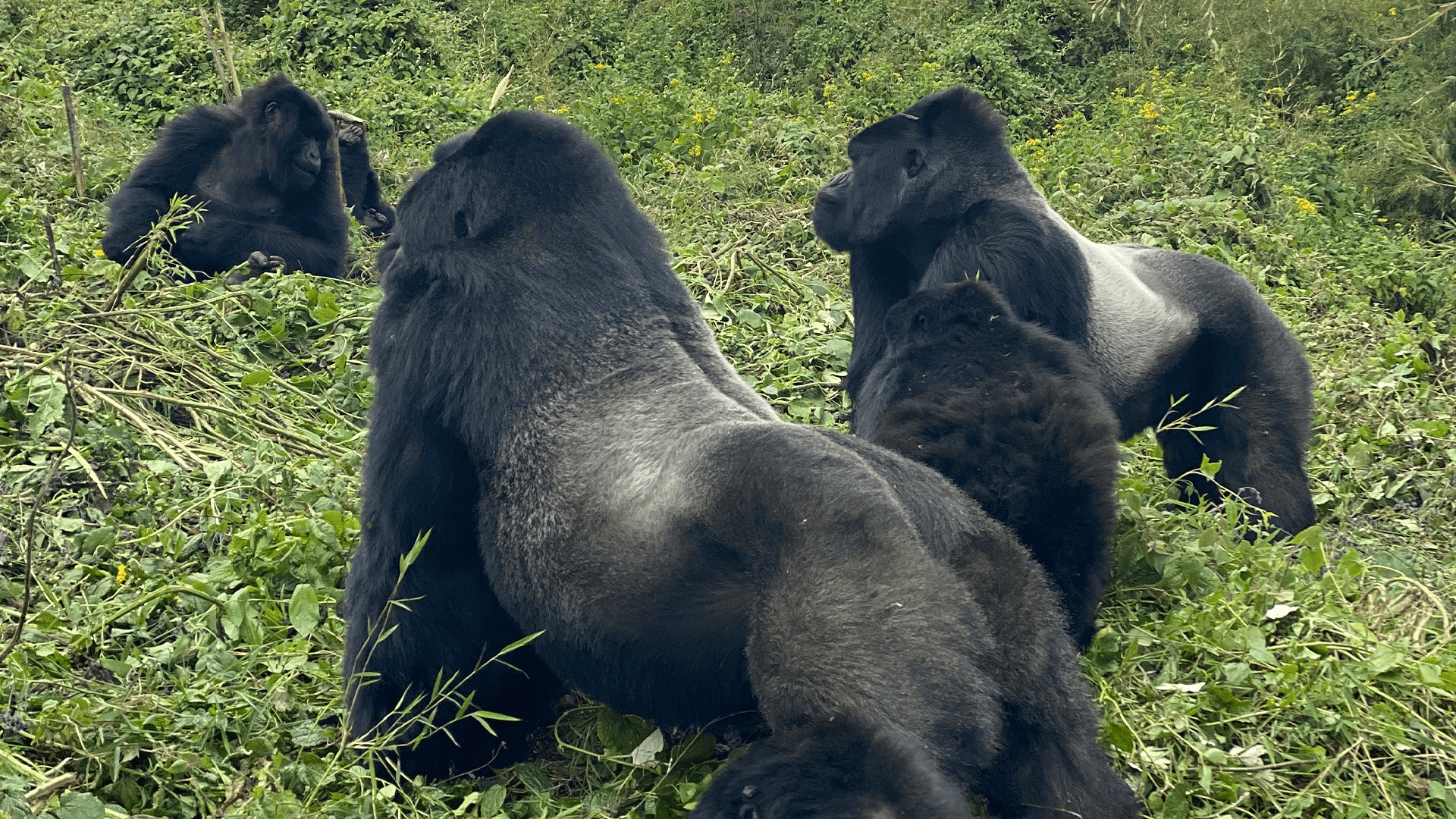
If gorilla trekking is your main reason for visiting Uganda, the booking sequence is straightforward: choose a realistic travel window, check permit availability, match the permit location to the right lodge area, then build the rest of the safari around that date.
Bwindi has several trekking sectors, commonly including Buhoma, Ruhija, Rushaga, and Nkuringo. Mgahinga offers a different gorilla trekking setting near the Virunga volcanoes. These locations are not interchangeable from a logistics perspective. If your permit is in one sector and your lodge is far away, your trek morning can become unnecessarily stressful.
For a deeper permit-specific process, PawMac Safaris has a dedicated guide on how to book gorilla trekking in Uganda, including destination choices, permit planning, and travel preparation.
Booking for wildlife and Big Five routes
If your priority is classic wildlife viewing, the route depends on how much time you have. Murchison Falls National Park is excellent for boat safaris, giraffes, elephants, buffalo, lions, and dramatic Nile scenery. Queen Elizabeth National Park offers varied landscapes, the Kazinga Channel, elephants, hippos, buffalo, lions, and access toward the Ishasha sector, known for tree-climbing lions when sightings cooperate. Ziwa Rhino Sanctuary is often included to add rhino tracking and complete a Big Five-focused route in Uganda.
A Big Five safari in Uganda usually needs more than a quick weekend. You need enough time to reach the right parks without turning the trip into a series of long drives. For premium travelers, domestic flights can reduce road time, especially when combining northern and southwestern Uganda.
Step 2 Choose your route and trip length
Once your main priority is clear, match it to a realistic trip length. Uganda looks compact on a map, but safari travel is shaped by road conditions, mountain terrain, park entry gates, ferry timings in some areas, and the need to arrive before key activities.
A well-designed safari should balance activity intensity with recovery time. Gorilla trekking can be physically demanding. Chimpanzee tracking starts early. Game drives and boat safaris are most productive when timed well. Long transfers should not be scheduled immediately before a major activity if avoidable.
| Trip length | Best suited for | Practical Uganda safari structure |
|---|---|---|
| 4 to 5 days | Travelers focused mainly on gorilla trekking | Entebbe or Kampala to Bwindi or Mgahinga, one gorilla trek, scenic return or domestic flight option |
| 6 to 7 days | Gorilla trekking plus one wildlife area | Bwindi with Queen Elizabeth, Lake Bunyonyi, or Lake Mburo depending on pace and interests |
| 8 to 10 days | Balanced primate and wildlife safari | Kibale chimpanzees, Queen Elizabeth, Bwindi gorillas, and a soft landing at Lake Bunyonyi or Lake Mburo |
| 10 to 14 days | Comprehensive Uganda safari | Murchison Falls, Kibale, Queen Elizabeth, Bwindi, and optional Ziwa Rhino Sanctuary or Lake Mburo |
| 14 days or more | Slow luxury travel or remote wilderness | Add Kidepo Valley, more private experiences, cultural visits, or extra rest nights between major activities |
For most first-time visitors, 8 to 10 days is the sweet spot for a rich Uganda safari without rushing. It allows time for chimpanzees, gorillas, savannah wildlife, and scenic variety while keeping the route comfortable.
Step 3 Confirm permit strategy before lodges
Permits are often the most time-sensitive part of the safari. They are also a major cost component, so they should be discussed early and clearly.
Permit fees can change when authorities update tariffs, so final costs should always be confirmed at the time of booking. For planning purposes, recent international visitor pricing has commonly placed Uganda gorilla permits around US$800 per person and Kibale chimpanzee permits around US$250 per person. These figures are useful for budgeting, but your final quotation from PawMac Safaris should reflect the confirmed rate applicable to your travel dates and residency category.
Gorilla permits
A gorilla permit is date-specific and linked to a trekking area. It gives one person access to a guided gorilla trekking experience on a confirmed date, subject to the rules of the conservation authority and park operations.
When booking, be ready to provide accurate traveler details, usually including full names as they appear on passports, nationality, and passport information where required. If you are booking for several people, the whole group should be confirmed before permits are secured because last-minute additions may not find availability on the same date.
The key rule is simple: do not book international flights and luxury lodges around a gorilla trek until permit availability has been checked.
Chimpanzee permits
Chimpanzee tracking is another high-demand Uganda experience, especially in Kibale Forest. Morning tracking slots can be preferred because they often fit better with safari routing, although final availability depends on the date.
If chimpanzee tracking is important to you, it should be handled with the same seriousness as gorilla trekking. Waiting until the final weeks can work in quieter periods, but it is risky during peak travel months, festive holidays, and popular honeymoon seasons.
Step 4 Review the quote and understand deposits
A professional Uganda safari quote should make the inclusions and exclusions easy to understand. The lowest headline price is not always the best value if it leaves out permits, park fees, long-distance fuel, airport transfers, or the right accommodation category.
PawMac Safaris offers personalized safari planning, which means your quotation should be shaped by your preferred route, group size, travel dates, lodge category, activity list, and transport style. A private 4×4 safari for two people will not price the same as a group departure or a larger family safari sharing one vehicle.
What your safari quote should clarify
Before paying a deposit, review the quote carefully. It should state the travel dates, number of travelers, destinations, accommodation level, room basis, included meals, activities, permits, transport arrangements, guide services, park fees, and major exclusions.
Pay close attention to these cost items because they can materially affect the final budget:
- Gorilla and chimpanzee permits
- Park entry and activity fees
- Private 4×4 vehicle, fuel, and professional driver-guide
- Accommodation category and meal plan
- Domestic flights, if included
- Airport transfers and pre-safari hotel nights
- Drinks, laundry, gratuities, visa fees, travel insurance, and optional activities
If you are comparing multiple quotes, compare line by line. A quote excluding an US$800 gorilla permit will look much cheaper at first glance but may not be cheaper once the permit is added.
Typical deposit patterns
Deposit rules vary by operator, itinerary, lodge supplier, season, and how close you are to arrival. You should always follow the specific payment terms shown on your PawMac Safaris invoice rather than assuming a universal percentage.
That said, many Uganda safari bookings follow a staged structure. A first payment secures high-priority services, especially permits and limited lodge space. A balance payment is then due before arrival, often far enough in advance for all supplier payments to be completed.
| Booking component | Why a deposit may be needed early | Flexibility level |
|---|---|---|
| Gorilla permits | Limited daily availability and date-specific access | Usually strict once issued |
| Chimpanzee permits | Popular tracking slots can sell out | Date changes depend on availability and authority rules |
| Premium lodges | Small properties may have few rooms | Cancellation terms vary by lodge and season |
| Domestic flights | Seat availability and fare classes can change | Changes may involve fees or fare differences |
| Private 4×4 and guide | Vehicle and expert guide scheduling must be reserved | More flexible when booked early |
A realistic expectation is that your deposit may need to cover non-flexible items first, especially primate permits. In premium travel months, some lodges may also require meaningful upfront commitment to hold rooms.

Step 5 Make payment and secure confirmations
Once you approve the itinerary and quote, the next step is payment. This is the point where a safari changes from proposed to reserved.
Use only the payment instructions provided through official PawMac Safaris communication. Confirm that names, dates, traveler numbers, and itinerary details are correct before sending funds. If bank details change unexpectedly, pause and verify directly with the company through a trusted contact channel.
Documents and details to prepare
The booking process moves faster when your information is ready. Before paying the deposit, prepare passport copies or passport details if requested for permit processing, your international flight schedule if already booked, dietary requirements, mobility considerations, rooming preferences, and emergency contact details.
You should also prepare travel insurance information once purchased. A good policy should cover medical emergencies, evacuation, trip interruption, delayed baggage, and cancellation scenarios relevant to permit-heavy travel. Gorilla and chimpanzee permits can have strict change rules, so insurance is not a formality. It is part of responsible safari planning.
Uganda visa planning should also be handled early, especially if your arrival date is close or your itinerary starts immediately after landing. PawMac Safaris has a practical Uganda visa process guide for safari travelers that explains the online application steps and document preparation.
Digital records and confirmation trails
Good safari booking depends on clear records. Keep copies of your invoice, payment receipt, final itinerary, permit confirmations, accommodation list, emergency contact numbers, insurance policy, and passport identification page. Store them both online and offline so they are available even if internet access is limited during the safari.
As African organizations continue improving digital infrastructure, the same principles used in sectors such as data governance and secure record management, supported by specialists like African digital transformation and data governance experts, are increasingly relevant to travel operations too: accurate information, protected traveler data, and traceable confirmation trails.
After payment is received and suppliers are confirmed, request a written confirmation summary. It should show what has been secured, what remains pending if anything, and when the next payment is due.
Step 6 Time your booking by season
Uganda is a year-round safari destination, but booking windows change by season. The best time to book depends on whether you want peak dry-season conditions, green-season value, premium lodges, or maximum permit choice.
For the remainder of 2026, travelers targeting late-year holiday dates should treat availability as urgent. For 2027 travel, especially June to September or December to February, early planning will provide better control over lodge category, gorilla sector, and pacing.
Dry season bookings
Uganda’s commonly favored dry periods are roughly June to September and December to February. These months are popular because trekking trails may be less muddy, wildlife can be easier to view around water sources, and many international travelers plan holidays during these windows.
For dry-season gorilla trekking and premium lodges, booking 9 to 12 months ahead is wise. For midrange trips, 6 to 9 months can still work, but the best-value lodges may sell out earlier. For last-minute dry-season requests, flexibility becomes essential. You may need to adjust dates, accept a different gorilla sector, or upgrade accommodation to what is still available.
Green season bookings
The wetter periods, often around March to May and October to November, can offer excellent value and beautiful landscapes. Forests are lush, birding can be rewarding, and some lodges may have better availability. Gorilla trekking still operates year-round, although trails can be muddier and travelers should bring suitable footwear and rain protection.
Green-season bookings may be possible 3 to 6 months ahead, sometimes even closer for flexible travelers. However, do not assume that all permits will be open. Special dates, small group requirements, and premium lodge preferences still benefit from early booking.
| Travel period | Suggested booking window | Best for | Watch-outs |
|---|---|---|---|
| June to September | 9 to 12 months ahead for best choice | Gorilla trekking, wildlife viewing, family holidays | High demand for permits and lodges |
| December to February | 9 to 12 months ahead, especially festive dates | Dry trails, premium travel, honeymoons | Holiday pricing and limited rooms |
| March to May | 3 to 6 months ahead for flexible travelers | Value, photography, lush scenery | Muddy roads and heavier rain possible |
| October to November | 4 to 8 months ahead | Softer demand, birding, greener landscapes | Rain can affect transfer times |
| Last-minute travel | 2 to 8 weeks only if flexible | Opportunistic trips and smaller groups | Permit and lodge choice may be limited |
Realistic Uganda safari budget ranges
Uganda safari pricing depends on travel season, group size, accommodation level, route length, permit mix, and whether you use road transfers or domestic flights. The figures below are planning ranges, not fixed PawMac Safaris prices. Your custom quote should confirm exact inclusions.
| Cost item | Planning range for international travelers | Notes |
|---|---|---|
| Gorilla permit | Around US$800 per person in recent tariff planning | Confirm current rate when booking |
| Kibale chimpanzee permit | Around US$250 per person in recent tariff planning | Other chimpanzee locations may differ |
| Budget accommodation | About US$80 to US$180 per person per night | Comfort varies widely by location |
| Midrange accommodation | About US$180 to US$350 per person per night | Often the best balance for many travelers |
| Premium or luxury lodges | About US$450 to US$1,200+ per person per night | High-end gorilla lodges can exceed this |
| Private 4×4 safari transport | Usually built into the package quote | Longer routes, fuel, and guide days increase cost |
| Domestic flights | Often several hundred dollars per sector | Useful for reducing long drives on premium trips |
| Tips and personal spending | Commonly budgeted separately | Depends on travel style and group size |
As a broad guide, a private midrange Uganda safari with gorilla trekking often costs significantly more than a standard wildlife-only safari because permits are a major fixed cost. A luxury gorilla and wildlife itinerary can rise quickly when premium forest lodges, domestic flights, private activities, and exclusive rooms are included.
The best way to control cost is not to remove the experiences that brought you to Uganda. It is to design a smarter route. Avoid unnecessary backtracking, choose lodge locations that match permits, and travel with an efficient number of nights in each region.
Common booking mistakes to avoid
The most expensive Uganda safari mistakes usually happen before arrival. They are planning errors, not travel errors.
| Mistake | Why it causes problems | Better approach |
|---|---|---|
| Booking flights before checking gorilla permits | Your preferred trekking date may be unavailable | Check permits and route logic first |
| Choosing a lodge before confirming the gorilla sector | You may stay too far from the trek briefing point | Match lodge location to permit sector |
| Comparing quotes by total price only | Key costs such as permits may be excluded | Compare inclusions line by line |
| Underestimating driving times | Uganda’s scenic routes still require time | Build a realistic pace with expert local guidance |
| Waiting too long for peak season | Best lodges and permits can sell out | Start 9 to 12 months ahead for high-demand dates |
| Ignoring visa and insurance preparation | Documentation delays can create stress | Prepare documents soon after booking |
Another common mistake is trying to fit too much into too few days. Uganda deserves more than a rushed checklist. A better safari gives each major experience enough time: a proper arrival night, a well-paced transfer, a focused activity day, and enough rest to enjoy the next destination.
Frequently Asked Questions
How far in advance should I book a safari in Uganda? For peak dry-season travel, luxury lodges, or gorilla trekking, 9 to 12 months ahead gives the best choice. For green-season travel, 3 to 6 months may work if you are flexible. Last-minute bookings are possible, but permit and lodge options may be limited.
How much deposit is required for a Uganda safari? Deposit amounts vary by itinerary, season, supplier terms, and permit requirements. Many bookings require enough upfront payment to secure non-flexible items such as gorilla permits and limited lodge rooms. Always follow the specific payment schedule on your PawMac Safaris invoice.
Are gorilla permits refundable if I cancel? Gorilla permit rules are strict and depend on the conservation authority’s terms at the time of booking. Date changes, cancellations, or refunds may be limited. This is one reason travel insurance is strongly recommended.
Should I book permits or flights first? Check permit availability before locking in international flights, especially if gorilla trekking is the main purpose of your trip. Once permit dates are viable and the route is confirmed, flights can be matched to the itinerary.
Can PawMac Safaris customize the route after I request a quote? Yes. PawMac Safaris specializes in personalized Uganda safari planning, so the route can be refined based on your dates, budget, comfort level, activity priorities, and preferred pace before you confirm and pay the deposit.
What is the best month for booking safari in Uganda? Uganda can be visited throughout the year. June to September and December to February are popular for drier conditions, while March to May and October to November can offer greener scenery and better availability. The best month depends on your priorities and how early you book.
Plan your Uganda safari with PawMac Safaris
A successful Uganda safari is built in the right order: define your priority, confirm permit availability, choose a route that makes logistical sense, review the quote carefully, pay deposits according to clear terms, and keep written confirmations for every major component.
PawMac Safaris brings expert local knowledge, professional planning, comfortable 4×4 safari vehicles, experienced guides, and flexible package options to help you secure the right Uganda safari for your travel style. Whether your dream is gorilla trekking in Bwindi, chimpanzee tracking in Kibale, Big Five wildlife viewing, cultural encounters, or a fully custom luxury journey, the best time to start is before availability becomes limited.
Share your preferred travel month, number of travelers, comfort level, must-see experiences, and approximate budget with PawMac Safaris. From there, the team can help you turn a safari idea into a confirmed Uganda itinerary with the right timing, deposits, and route from the beginning.


