


- 4 Views
- 18 Min Read
- (0) Comment
Uganda tourism in 2026 rewards travelers who plan with precision. The country is not a mass-market safari destination where every route feels the same. It is a compact but extraordinarily varied destination where mountain gorillas, chimpanzees, tree-climbing lions, Nile river safaris, crater lakes, wetlands, and cultural encounters can fit into one carefully designed journey.
For smart safari travelers, the real advantage is knowing what to secure first, where to spend more, where to save, and how to build an itinerary that respects Uganda’s geography. Distances can be longer than they look on a map, permits are limited, and the best lodges near gorilla trekking sectors can sell out months ahead.
This guide explains the essential decisions behind a successful 2026 Uganda safari, from realistic costs and permit planning to seasonal strategy, park selection, packing, and the value of expert local guidance.
Table of Contents
- Why Uganda Tourism Looks Different in 2026
- A Premium Safari Destination With Limited Space
- Travelers Are Planning Around Permits First
- Uganda Safari Costs and 2026 Budget Planning
- Core Costs to Understand Before You Book
- Budget Midrange and Luxury Price Ranges
- Best Places to Visit in Uganda for Safari Travelers
- Bwindi and Mgahinga for Gorilla Trekking
- Kibale Queen Elizabeth and Big Game Corridors
- Murchison Falls Kidepo and Remote Wilderness
- Best Time to Visit Uganda in 2026
- Dry Season Advantages
- Green Season Value
- How to Build a Smart Uganda Safari Itinerary
- Recommended Trip Lengths
- Road Safari or Fly In Safari
- Permits Park Rules and Booking Timelines
- Gorilla and Chimpanzee Permits
- Health Safety and Responsible Travel
- What to Pack for a Uganda Safari in 2026
- Why Guided Planning Matters in Uganda Tourism
- Frequently Asked Questions
- Plan Your 2026 Uganda Safari With PawMac Safaris
Why Uganda Tourism Looks Different in 2026
Uganda’s strongest appeal in 2026 is its depth. A traveler can trek mountain gorillas in Bwindi Impenetrable National Park, track chimpanzees in Kibale Forest, watch elephants and giraffes along the Nile in Murchison Falls National Park, cruise the Kazinga Channel in Queen Elizabeth National Park, and still add cultural experiences with communities near the parks.
That variety makes Uganda exceptional, but it also makes planning more technical. A rushed itinerary can leave guests exhausted, while a well-paced route can feel seamless, personal, and highly rewarding.
A Premium Safari Destination With Limited Space
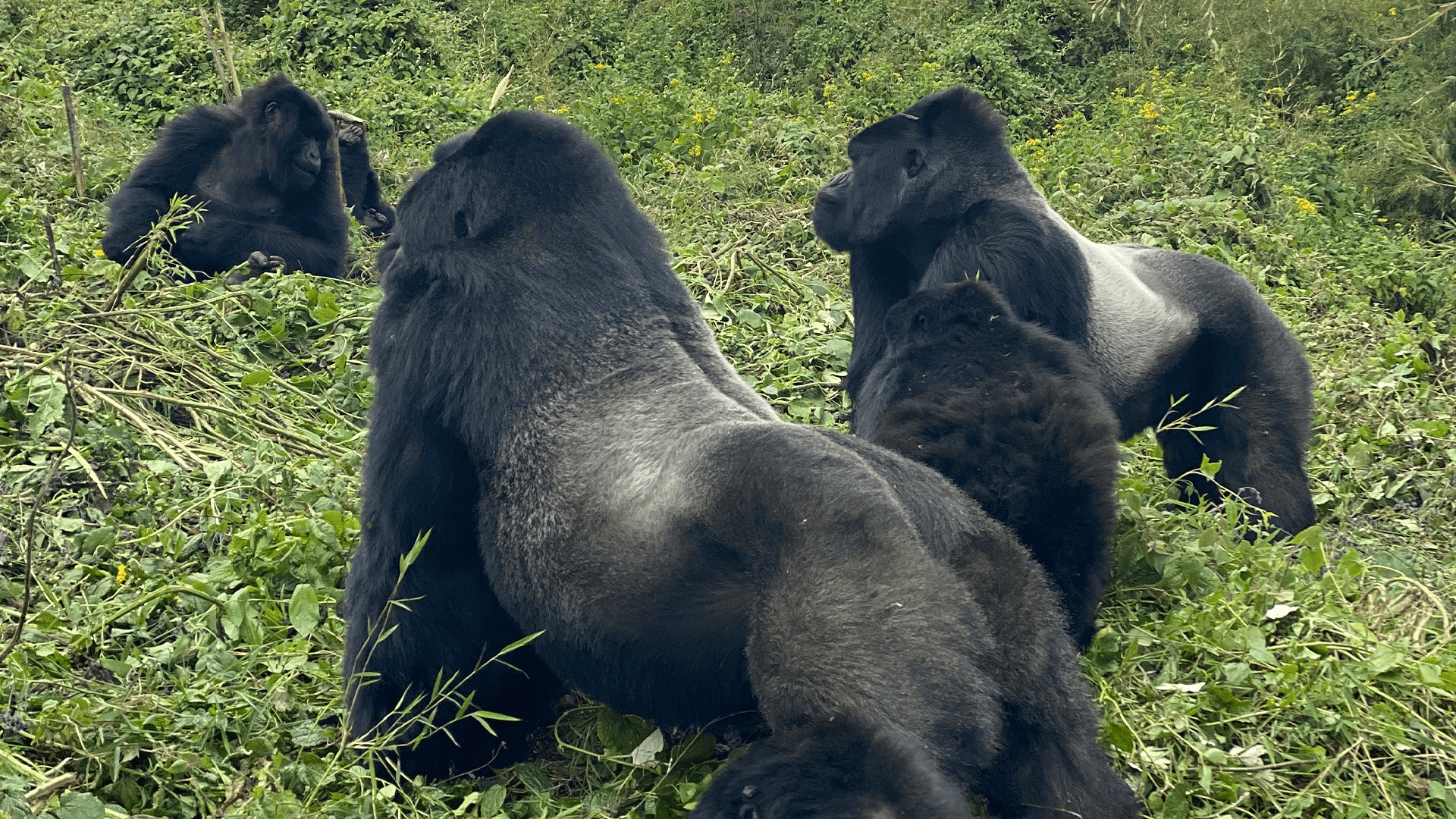
The most iconic Uganda tourism experiences are deliberately limited to protect wildlife and habitats. Gorilla trekking is the clearest example. Only a small number of visitors are allowed to visit each habituated gorilla family per day, and the time spent with gorillas is limited to one hour after the group is located.
This creates a very different planning environment from destinations where travelers mainly book game drives and lodge nights. In Uganda, the permit is often the anchor of the trip. Your trekking date determines where you sleep, how you route the vehicle, whether you need a domestic flight, and how many nights you should spend in the southwest.
The same principle applies to chimpanzee tracking in Kibale, golden monkey tracking in Mgahinga, and boat safaris in high-demand seasons. Smart travelers treat Uganda as a limited-access destination, not a last-minute add-on.
Travelers Are Planning Around Permits First
For 2026, the smartest booking sequence is simple: secure permits first, then build the rest of the safari around them. This is especially important for June to September, December, and early January, when demand is strongest.
A traveler who books flights before checking gorilla permit availability may discover that the preferred trekking sector is sold out or that the remaining permits require a different lodge area. Bwindi has multiple trekking sectors, including Buhoma, Ruhija, Rushaga, and Nkuringo. These sectors are not interchangeable at the last minute because road transfers between them can take several hours.
This is why expert local planning matters. A good Uganda safari is not just about choosing famous parks. It is about matching trekking sectors, lodge locations, road conditions, guest fitness, budget, and timing into one route that actually works on the ground.
Plan Your Uganda Safari with Local Experts
 WhatsApp Us
Uganda Safari Costs and 2026 Budget Planning
Uganda offers excellent value compared with many premium wildlife destinations, but it is not a low-cost trip if gorilla trekking, private guiding, and high-quality lodges are included. The most expensive parts of a safari are usually permits, accommodation, private transport, fuel, and time in remote locations.
The estimates below are intended for planning only. Actual pricing depends on travel dates, lodge availability, group size, route design, exchange rates, and any official changes to conservation fees.
Core Costs to Understand Before You Book
Gorilla and chimpanzee permits are among the most important fixed costs. Under recent Uganda Wildlife Authority tariff structures, a gorilla trekking permit for a foreign nonresident is commonly budgeted at US$800 per person. Kibale chimpanzee tracking is commonly budgeted around US$250 per foreign nonresident. These fees can change, so they should always be reconfirmed before deposit and ticketing.
Accommodation has the widest range. A clean budget lodge may be suitable for adventurous travelers who prioritize the wildlife experience over amenities. A strong midrange lodge often offers better comfort, food, views, and location. Luxury lodges near Bwindi, Queen Elizabeth, Murchison Falls, or Kibale can significantly increase the total budget, but they also reduce fatigue and improve the overall safari rhythm.
| Cost item | Realistic 2026 planning range | Notes for smart travelers |
|---|---|---|
| Gorilla trekking permit | Around US$800 per foreign nonresident | Book early for preferred dates and sectors |
| Kibale chimpanzee tracking permit | Around US$250 per foreign nonresident | Morning tracking slots are often preferred |
| Uganda single-entry visa | Often around US$50 | Confirm current official requirements before travel |
| Major park entrance fees | Often US$40 to US$45 per adult per 24 hours | Varies by park and residency category |
| Private 4×4 vehicle and guide | Often US$180 to US$300+ per day before full route costs | Fuel, distance, and vehicle type affect pricing |
| Domestic scheduled flights | Often US$280 to US$450+ one way | Useful for Bwindi, Murchison, and Kidepo routes |
| Midrange lodge | Often US$180 to US$350 per person per night | Seasonal rates and room type matter |
| Luxury lodge | Often US$450 to US$1,200+ per person per night | Premium gorilla lodges can exceed this |
The biggest pricing mistake is comparing safaris only by total cost without checking inclusions. A cheaper quote may exclude permits, park fees, boat cruises, airport transfers, drinking water, or meals on transfer days. A stronger quote should clearly show what is included, what is optional, and what must be paid directly.
Budget Midrange and Luxury Price Ranges
For most international visitors, a serious Uganda safari in 2026 should be planned around a realistic per-person range, excluding international flights. The table below assumes two travelers sharing a private safari vehicle unless noted otherwise.
| Safari style | Typical per-person estimate | Best suited for |
|---|---|---|
| Short gorilla-focused safari, 3 to 5 days | US$1,700 to US$3,500 | Travelers with limited time who mainly want gorilla trekking |
| Budget to simple midrange, 7 to 9 days | US$2,800 to US$4,800 | Practical travelers comfortable with simpler lodges and road transfers |
| Comfortable midrange, 8 to 12 days | US$4,800 to US$7,500 | Most first-time safari travelers seeking good value and comfort |
| Luxury road safari, 8 to 12 days | US$7,500 to US$12,000+ | Guests who want premium lodges, strong pacing, and private guiding |
| Luxury fly-in safari, 8 to 12 days | US$10,000 to US$18,000+ | Travelers prioritizing time efficiency and high-end accommodation |
Solo travelers should budget more because the cost of the private vehicle, guide, and some lodge supplements is not shared. Families should also consider age limits, especially for gorilla trekking, where participants must be at least 15 years old.
Best Places to Visit in Uganda for Safari Travelers
Uganda’s parks are not duplicates of each other. Each region has a different purpose, and smart safari travelers choose parks according to the experience they want most.
Bwindi and Mgahinga for Gorilla Trekking
Bwindi Impenetrable National Park is the centerpiece of Uganda gorilla trekking. It is a UNESCO-listed forest landscape with steep trails, thick vegetation, high biodiversity, and several trekking sectors. The right sector matters. Buhoma is well known and logistically convenient for some routes. Rushaga and Nkuringo can work well for travelers connecting through Kisoro or combining with Lake Bunyonyi. Ruhija can be useful for certain Queen Elizabeth and Bwindi combinations.
Mgahinga Gorilla National Park is smaller but special. It sits in the Virunga volcanic landscape and can combine gorilla trekking, golden monkey tracking, and dramatic mountain scenery. It is often a strong choice for travelers who want a more compact but visually striking primate experience.
For gorilla trekking, the practical details matter. Expect an early briefing, allocation to a gorilla family based partly on fitness and location, and a trek that can last from under two hours to most of the day. Porters are highly recommended, even for fit travelers, because they support local livelihoods and make steep or muddy sections easier.
Kibale Queen Elizabeth and Big Game Corridors
Kibale National Park is Uganda’s leading chimpanzee tracking destination. It is also a major primate habitat, with forest walks, birding, and nearby crater lake scenery. Many travelers combine Kibale with Queen Elizabeth National Park because the road connection is practical and the contrast is rewarding.
Queen Elizabeth National Park delivers classic savannah and water-based safari experiences. The Kazinga Channel boat cruise is one of Uganda’s most reliable wildlife viewing activities, with hippos, crocodiles, elephants, buffalo, and abundant birdlife often seen along the banks. The Ishasha sector in the south is famous for tree-climbing lions, although sightings are never guaranteed.
This region works especially well for travelers who want both primates and traditional safari wildlife without flying between every stop. It can also connect onward to Bwindi, creating one of Uganda’s most complete safari circuits.
Murchison Falls Kidepo and Remote Wilderness
Murchison Falls National Park is one of Uganda’s most powerful safari landscapes. The Nile squeezes through a narrow rock gap at the falls, and the wider park offers game drives, boat safaris, giraffes, elephants, lions, buffalo, and rich birdlife. It is a strong choice for first-time safari travelers who want dramatic scenery and reliable wildlife variety.
Kidepo Valley National Park is for travelers who want remoteness and space. Located in northeastern Uganda, it requires more time and budget, especially if accessed by air, but the reward is a wilder atmosphere and sweeping savannah scenery. It is ideal for return visitors, photographers, and guests who prefer fewer vehicles in the landscape.
| Destination | Best for | Smart planning note |
|---|---|---|
| Bwindi Impenetrable National Park | Gorilla trekking and forest biodiversity | Choose the trekking sector before booking lodges |
| Mgahinga Gorilla National Park | Gorillas, golden monkeys, volcanic scenery | Excellent for travelers using Kisoro logistics |
| Kibale National Park | Chimpanzee tracking and primates | Book chimp permits early in peak months |
| Queen Elizabeth National Park | Boat safaris, lions, elephants, varied habitats | Combine with Kibale and Bwindi for efficient routing |
| Murchison Falls National Park | Nile scenery, game drives, boat safaris | Works well for 3 to 5 day wildlife extensions |
| Kidepo Valley National Park | Remote wilderness and dramatic landscapes | Best with more time or a fly-in budget |

Best Time to Visit Uganda in 2026
Uganda can be visited year-round, but the best time depends on your priorities. The most popular safari months are generally June to September and December to February because trails are often drier and wildlife viewing can be easier. These months are also more competitive for permits and premium lodges.
Dry Season Advantages
Dry-season travel is attractive because gorilla and chimpanzee trekking trails may be less muddy, road conditions are often more predictable, and savannah wildlife is easier to observe around water sources. Photographers also tend to like the clearer mornings and more reliable game drive conditions.
The tradeoff is demand. In peak periods, smart travelers should secure gorilla permits 6 to 12 months ahead when possible, especially for luxury lodge combinations in Bwindi. December holiday travel should be treated as premium inventory because lodge rooms, guides, and permits can tighten quickly.
Green Season Value
The wetter months, often March to May and October to November, should not be dismissed. Uganda’s landscapes are lush, birding can be exceptional, and some lodges may offer better value outside peak demand windows. The experience can feel quieter and more intimate.
The tradeoff is flexibility. Rain can affect road conditions, trekking trails can be slippery, and some remote routes may take longer. A well-built green-season itinerary adds breathing room rather than stacking long drives and major activities back to back.
For 2026, smart travelers should not ask only, “What is the best month?” A better question is, “Which month gives me the right balance of permit availability, lodge quality, price, and comfort?”
How to Build a Smart Uganda Safari Itinerary
The best Uganda itineraries are built around flow. A strong route avoids unnecessary backtracking and gives guests enough time to enjoy each park rather than constantly packing and transferring.
Recommended Trip Lengths
A three or four-day safari can work for gorilla trekking if the traveler has limited time and accepts longer road transfers or pays for flights. However, it does not show the full strength of Uganda tourism. For a richer safari, seven to twelve days is usually more rewarding.
| Trip length | What it can realistically include | Best traveler fit |
|---|---|---|
| 3 to 4 days | Gorilla trekking in Bwindi or Mgahinga | Time-limited travelers focused on one highlight |
| 5 to 6 days | Gorillas plus Lake Bunyonyi or Queen Elizabeth | Travelers wanting a short but more balanced trip |
| 7 to 9 days | Kibale, Queen Elizabeth, and Bwindi | First-time visitors seeking primates and wildlife |
| 10 to 12 days | Murchison, Kibale, Queen Elizabeth, and Bwindi | Travelers wanting Uganda’s classic safari circuit |
| 12 to 14+ days | Classic circuit plus Kidepo, culture, or slower luxury pacing | Premium travelers and photographers |
For travelers comparing tour styles, this detailed overview of Uganda safari tours worth booking in 2026 can help clarify whether a gorilla-focused itinerary, classic primate-and-wildlife circuit, or luxury fly-in safari is the right fit.
Road Safari or Fly In Safari
A private road safari is the most common way to experience Uganda because it offers flexibility, access to scenic countryside, and better value. It also allows cultural stops, photography breaks, and gradual transitions between ecosystems. The key is to respect driving times. Entebbe to Kibale can take roughly 5 to 6 hours. Kibale to Queen Elizabeth is often 2 to 3 hours. Queen Elizabeth to Bwindi can take 4 to 6 hours depending on sector and road conditions. Bwindi back to Entebbe can take a full day by road.
A fly-in safari is more expensive but valuable for travelers with limited time or a strong preference for comfort. Domestic flights can reduce fatigue, especially for Bwindi, Murchison Falls, and Kidepo. However, flights still require road transfers at both ends, luggage limits can be stricter, and schedules must match the overall route.
The smartest choice is not always the most expensive one. Many premium travelers use a hybrid approach, driving through scenic sections and flying out after gorilla trekking to avoid a long return transfer.
Permits Park Rules and Booking Timelines
Permits and park rules are not minor details in Uganda. They shape the quality, legality, and timing of the safari.
Gorilla and Chimpanzee Permits
Gorilla permits should be secured as soon as dates are firm. In peak months, 6 to 12 months ahead is wise. For shoulder or green-season months, 3 to 6 months may still work, but availability should never be assumed.
Chimpanzee permits for Kibale should also be booked early, especially for travelers who want a specific day and a smooth route into Queen Elizabeth. Morning chimp tracking is popular because it often fits well with transfer timing and afternoon activities.
Permit names and passport details must match official booking requirements. Travelers should also understand that permit fees are conservation-linked and subject to official rules on changes, cancellations, and refunds. A professional planner helps reduce avoidable mistakes, such as booking a lodge in the wrong gorilla sector or underestimating transfer time to the briefing point.
Health Safety and Responsible Travel
Uganda’s safari areas are generally well managed, but travelers should prepare properly. Yellow fever vaccination requirements, malaria prevention, travel insurance, and personal medication planning should be handled before departure. Visitors should also carry copies of key documents and keep passport details accessible for permit verification.
Because safari travel involves remote parks, forest trekking, boat activities, and high-value permits, insurance should cover medical evacuation, trip interruption, lost baggage, and activity-specific situations where applicable. PawMac Safaris has a dedicated safari travel insurance guide for Uganda adventures for travelers who want to understand coverage before committing to a high-value itinerary.
Responsible travel is equally important. During gorilla and chimpanzee encounters, guests should follow ranger instructions, keep the required distance, avoid trekking when sick, minimize noise, and never attempt to touch wildlife. These rules protect both visitors and the animals that make Uganda tourism so extraordinary.
What to Pack for a Uganda Safari in 2026
Packing for Uganda requires a balance between forest trekking and classic safari comfort. The same trip may include cool mountain mornings in Bwindi, warm boat cruises on the Kazinga Channel, dusty game drives in Murchison Falls, and damp forest paths in Kibale.
The most common packing mistake is bringing clothing that works for a vehicle safari but not for gorilla trekking. Forest trails can be muddy, steep, and covered with vegetation. Long sleeves, long trousers, and proper footwear are not optional luxuries. They make the experience safer and more comfortable.
| Item | Why it matters in Uganda |
|---|---|
| Lightweight long-sleeved shirts | Helps protect against sun, insects, and forest vegetation |
| Long trekking trousers | Useful for gorilla and chimpanzee forest trails |
| Waterproof hiking boots | Important for muddy slopes and uneven terrain |
| Rain jacket or poncho | Rain is possible even in drier months |
| Garden gloves or trekking gloves | Helpful when holding branches during gorilla treks |
| Soft-sided luggage | Easier for safari vehicles and light aircraft limits |
| Binoculars | Valuable for birds, primates, lions, and distant wildlife |
| Camera with extra batteries | Charging may be limited in remote areas |
| Neutral-colored clothing | Better for safari conditions than bright colors |
| Small daypack | Needed for water, snacks, rain gear, and camera items |
For gorilla trekking, consider hiring a porter at the briefing point. It is one of the most practical and responsible choices a visitor can make. Porters help carry your bag, assist on slippery sections, and earn income directly connected to conservation tourism.
Why Guided Planning Matters in Uganda Tourism
Uganda is a destination where local expertise changes the trip. A knowledgeable guide does more than drive between parks. The guide understands wildlife behavior, road conditions, park timing, community etiquette, border-area logistics within Uganda, and how to adjust when weather or wildlife movement changes the day’s plan.
This is especially important for premium travelers. Comfort in Uganda is not only about the lodge category. It is also about the sequence of the route, the reliability of transfers, the quality of briefings, the accuracy of permit handling, and the ability to make each day feel calm rather than improvised.
PawMac Safaris specializes in expert-guided Uganda safaris, including gorilla trekking tours, chimpanzee tracking, Big Five-focused routes, cultural tours, and custom safari packages. Travelers who want to understand the value of professional support can also review the advantages of guided safaris in Uganda before deciding how much planning help they need.
The smartest travelers do not simply ask, “How much is the safari?” They ask, “What is included, how is the route paced, who is guiding me, where are the permits booked, and what happens if conditions change?” Those questions separate a basic trip from a well-run Uganda safari.
Frequently Asked Questions
Is Uganda a good safari destination in 2026? Yes. Uganda is one of Africa’s strongest primate and wildlife destinations, especially for travelers who want gorilla trekking, chimpanzee tracking, Nile boat safaris, savannah game drives, birding, and cultural experiences in one country.
How much should I budget for a Uganda safari in 2026? A short gorilla-focused safari may start around US$1,700 to US$3,500 per person, while a comfortable 8 to 12 day midrange safari often ranges from US$4,800 to US$7,500 per person. Luxury and fly-in safaris can exceed US$10,000 per person, depending on lodges and routing.
When should I book gorilla permits for Uganda? For peak travel months such as June to September and December, booking 6 to 12 months ahead is recommended when possible. Permit availability determines trekking dates, lodge choice, and route design.
What is the best first-time Uganda safari route? A strong first-time route usually combines Kibale National Park, Queen Elizabeth National Park, and Bwindi Impenetrable National Park over 7 to 10 days. Travelers with more time can add Murchison Falls National Park.
Is a road safari or fly-in safari better in Uganda? A road safari offers better value, flexibility, and scenic variety. A fly-in safari saves time and reduces fatigue, especially for luxury travelers or those visiting remote parks. Many premium itineraries combine both.
Do I need a guide for Uganda tourism experiences? For safari travel, a professional guide is strongly recommended. Uganda’s best experiences involve permits, remote roads, wildlife tracking, park rules, and timing-sensitive logistics that are much easier with expert local support.
Plan Your 2026 Uganda Safari With PawMac Safaris
Uganda tourism in 2026 is full of opportunity, but the best journeys are built early and carefully. Gorilla permits, chimpanzee permits, lodge locations, seasonal demand, route pacing, and transport style all influence the final experience.
If you want a safari that is thoughtfully designed around your dates, comfort level, budget, and wildlife priorities, PawMac Safaris can help you plan with confidence. From gorilla trekking and chimpanzee tracking to Big Five safaris, cultural encounters, and custom private routes, PawMac Safaris brings local knowledge and professional planning to every stage of your Uganda adventure.
Start with your preferred travel month, trip length, and budget range. From there, the right Uganda safari can be shaped around what matters most: exceptional wildlife, smooth logistics, responsible travel, and a journey through the Pearl of Africa that feels personal from beginning to end.


