

- 202 Views
- 13 Min Read
- (0) Comment
Planning a Uganda safari means evaluating safety protocols, wildlife tracking expertise, permit logistics, and ground transport reliability. Independent travelers face challenges navigating Bwindi’s dense forests, securing $800 gorilla permits through correct sector channels, and interpreting animal behavior without trained guidance. Guided safaris eliminate these obstacles through professional logistics management, certified naturalist knowledge, and direct permit procurement systems that ensure sector-lodge alignment and maximize encounter success rates.
Table of Contents
- 1. Enhanced Safety And Expert Navigation In Uganda’s Challenging Terrain
- 2. Access To Expert Wildlife Knowledge And Higher Sighting Success Rates
- 3. Simplified Logistics And Stress-Free Planning With Professional Support
- 4. Understanding The Cost Structure Of Guided Safaris Including Gorilla Trekking Permits
- 5. Why Guided Safaris Are The Best Choice For Tailored, Responsible Adventure Experiences
Key takeaways
| Point | Details |
|---|---|
| Enhanced safety | Expert guides reduce accident risks and wildlife encounter dangers through skilled navigation in challenging terrain. |
| Higher sighting success | Professional tracking and animal behavior knowledge increase chances of spotting elusive species like gorillas and leopards. |
| Simplified logistics | Operators handle permits, transport, and accommodations, eliminating planning stress and booking complexity. |
| Transparent costs | Safari expenses depend on duration, accommodation level, and permit fees, with gorilla trekking representing the largest single cost. |
| Responsible tourism | Partnerships with eco-lodges and community projects support conservation while enriching cultural experiences. |
1. Enhanced safety and expert navigation in Uganda’s challenging terrain
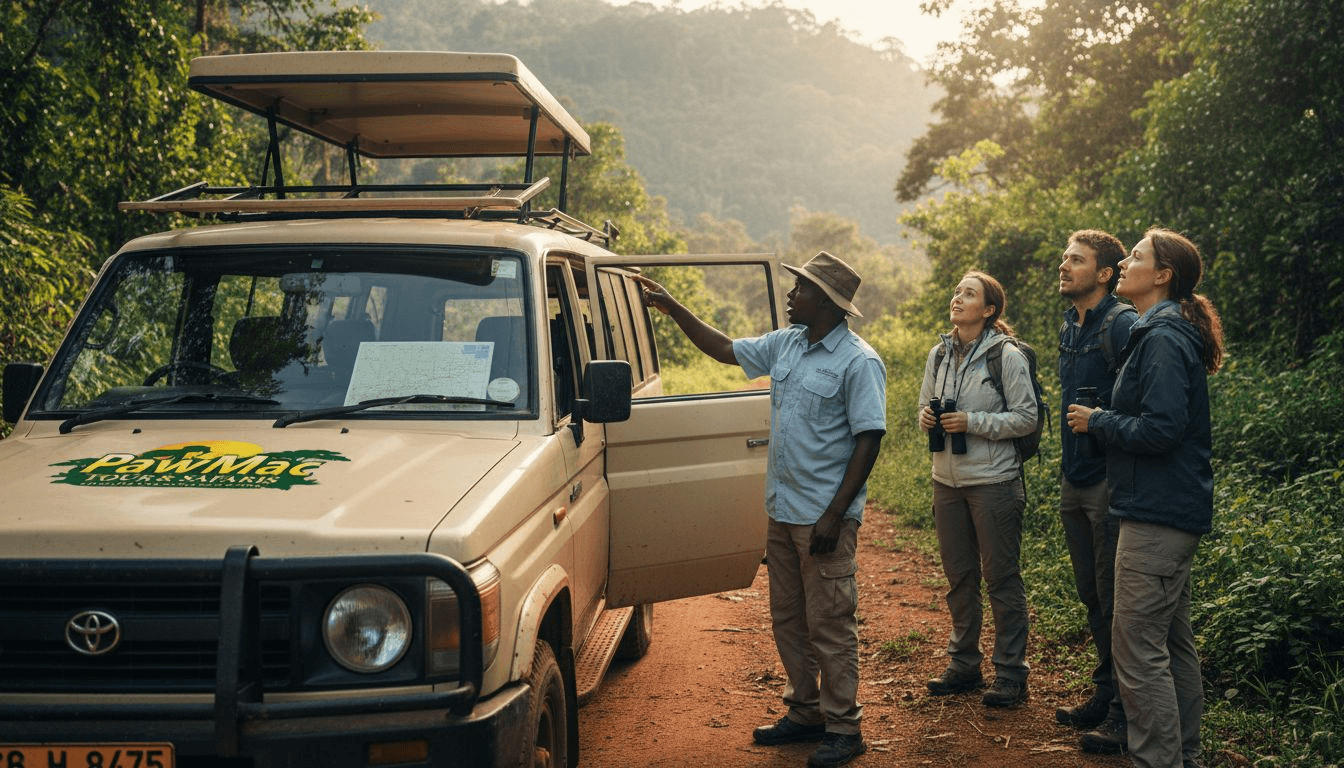
PawMac Safaris operates customized 4×4 Safari Vans with professional suspension systems specifically engineered for Bwindi’s mountain roads, where guided safaris reduce risks of getting lost or encountering dangerous wildlife through expert route selection. Certified guides trained in wildlife behavior protocols navigate dense forest sectors where visibility drops below 10 meters, preventing potentially dangerous encounters with buffalo or forest elephants. This professional navigation becomes critical during gorilla trekking, where guides coordinate with UWA trackers via radio to locate habituated families while maintaining the mandatory 7-meter distance protocol.
The terrain challenges in Bwindi Impenetrable Forest demand specialized route-finding skills that only experienced local guides possess. Steep slopes with loose volcanic soil, tangled vegetation, and unpredictable weather conditions create navigation complexity that GPS devices cannot resolve. PawMac Professional Ground Logistics includes pre-trek briefings on hand signals, emergency procedures, and physical fitness requirements to ensure every participant understands safety protocols before entering the forest.
Pro Tip: Always verify your guide holds current Uganda Wildlife Authority certification and has completed at least 50 documented gorilla treks before booking your safari.
First-time safari travelers and solo adventurers gain confidence knowing their guide’s role extends beyond wildlife knowledge to include medical emergency response training and satellite communication access. The PawMac 4×4 Standard ensures every vehicle carries first aid equipment, emergency oxygen, and direct communication links to Kampala medical facilities. This safety infrastructure transforms potentially risky wilderness experiences into controlled adventures where professional oversight minimizes danger without diminishing the authentic encounter quality.
“Expert navigation in Bwindi’s challenging terrain isn’t optional, it’s the difference between a successful trek and a dangerous situation requiring emergency evacuation.”
2. Access to expert wildlife knowledge and higher sighting success rates
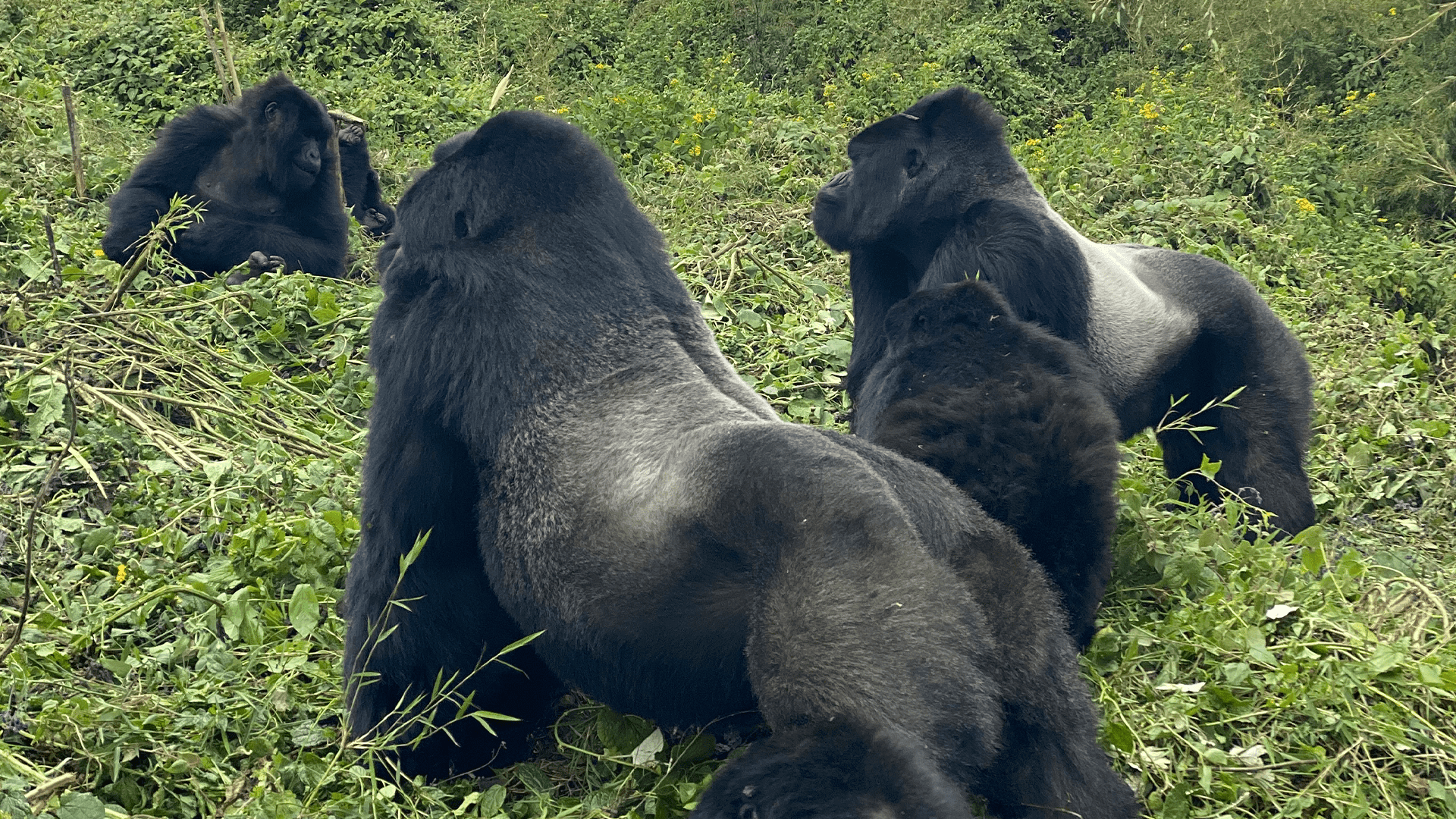
Certified naturalist guides identify subtle animal signs that untrained observers miss: fresh dung composition indicating elephant proximity, bark scratching patterns revealing leopard territory, or specific bird alarm calls signaling predator movement. This tracking expertise directly increases encounter success rates, with experienced guides boosting chances of spotting elusive animals like leopards and tree-climbing lions through systematic habitat knowledge and behavioral pattern recognition. PawMac Safaris guides undergo continuous training in primate ethology, ensuring they interpret gorilla family dynamics, silverback dominance displays, and juvenile play behavior with scientific accuracy.
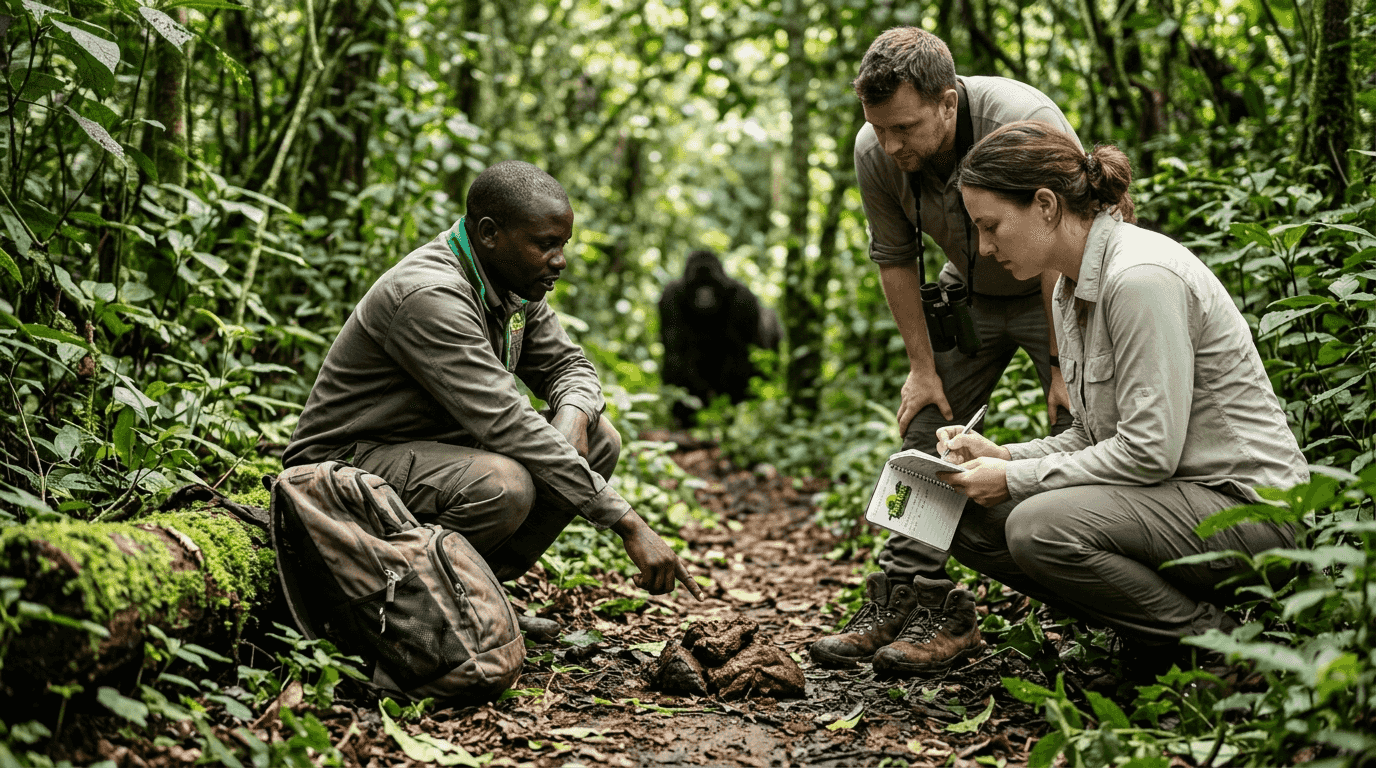
The knowledge depth extends beyond species identification to ecological context that enriches every sighting. Guides explain how fig tree fruiting cycles attract chimpanzee groups, why certain acacia species host specific bird communities, or how termite mound distribution influences elephant migration patterns. This educational layer transforms simple animal viewing into comprehensive ecosystem understanding, making each encounter a learning opportunity rather than just a photo moment.
Guided gorilla treks deliver enhanced wildlife encounter success rates because trackers begin locating habituated families at dawn, radioing precise GPS coordinates to guides who then calculate optimal approach routes based on wind direction and terrain accessibility. This coordination system, which PawMac Safaris integrates into every Bwindi trek, means groups typically reach their assigned gorilla family within 2-4 hours rather than wandering randomly through dense forest. The success rate for confirmed gorilla encounters through guided treks exceeds 98%, compared to the logistical impossibility of independent trekking, which UWA regulations prohibit entirely.
“Professional tracking doesn’t just increase sighting probability, it ensures you understand what you’re witnessing and why that behavior matters for conservation.”
Beyond gorillas, guides maximize sightings of Uganda’s 18 primate species, 1,061 bird species, and diverse antelope populations through systematic habitat checking and optimal timing strategies. Morning game drives focus on predator activity periods, afternoon boat cruises target hippo congregation points, and evening walks position groups near fruiting trees that attract nocturnal species. This strategic approach to wildlife viewing delivers exponentially higher encounter rates than self-directed exploration.
Plan Your Uganda Safari with Local Experts
 WhatsApp Us
3. Simplified logistics and stress-free planning with professional support
PawMac Safaris handles the complex permit acquisition process that confuses independent travelers: securing $800 gorilla trekking permits through correct sector channels, coordinating lodge bookings that match permit sectors, and managing UWA payment protocols that require advance bank transfers. This logistical coordination eliminates the common mistake of booking Buhoma sector permits while staying in Rushaga lodges, creating 3-hour unnecessary drives that waste valuable safari time. The PawMac Sector-Alignment Protocol ensures your accommodation location matches your assigned trekking sector, minimizing pre-dawn travel and maximizing rest time.
Transportation arrangements extend beyond simple vehicle rental to comprehensive ground logistics management. PawMac Professional Ground Logistics includes airport pickup coordination, inter-park transfers via customized 4×4 Safari Vans with pop-up roofs for optimal game viewing, and backup vehicle protocols for mechanical contingencies. Unlike aggregate platforms, PawMac Safaris maintains direct fleet ownership, ensuring every vehicle meets suspension standards for Bwindi’s mountain roads and carries satellite communication equipment for remote area safety.
Pro Tip: Book gorilla trekking permits at least 4-6 months in advance for 2026 peak season (June through September and December through February) to secure your preferred sector and dates.
Custom itinerary development considers individual fitness levels, photography priorities, and pacing preferences that standardized tour packages ignore. Operators coordinate all logistics including permits, accommodations, and transportation through systematic planning frameworks that account for Uganda’s variable road conditions and seasonal weather impacts. The process follows this sequence:
- Initial consultation establishes safari goals, physical fitness assessment, and budget parameters
- Sector selection matches gorilla family characteristics to trekking difficulty preferences
- Lodge booking confirms availability that aligns with permit dates and sector locations
- Transport scheduling accounts for road conditions and optimal game drive timing
- Activity coordination integrates chimpanzee tracking, boat cruises, and cultural visits
- Final briefing covers packing lists, health requirements, and daily schedule details
This comprehensive planning eliminates the stress of coordinating multiple vendors, navigating UWA bureaucracy, and troubleshooting logistics failures in remote locations without reliable communication infrastructure. PawMac Safaris’ local expertise means understanding which Bwindi sectors offer easier trekking terrain, which lodges maintain generator backup during power outages, and which permit booking windows offer the best availability for specific travel dates.
4. Understanding the cost structure of guided safaris including gorilla trekking permits
The $800 UWA gorilla permit represents the single largest cost component in any Bwindi safari, and permit fees constitute a significant portion of overall expenses regardless of accommodation choices or safari duration. PawMac Safaris maintains direct procurement channels for these permits, eliminating third-party markup fees while ensuring sector-lodge alignment that prevents logistical complications. Total safari costs scale with duration, accommodation standards, and additional activities like chimpanzee tracking or boat cruises, but the permit fee remains constant across all package levels.
Accommodation choices create the widest cost variation: budget lodges near Bwindi range from $80-150 per night, mid-range options cost $200-350, and luxury properties command $500-800 nightly rates. These price tiers reflect amenities like hot water reliability, meal quality, and proximity to sector trailheads rather than just room size. Safari duration impacts total expenses proportionally, with 3-day gorilla-focused trips starting around $2,200 per person, while comprehensive 10-day itineraries incorporating multiple parks range from $5,500-8,000 depending on accommodation levels.
| Safari Type | Duration | PawMac Safaris 2026 Cost Range | Primary Components |
|---|---|---|---|
| Gorilla Trek Focus | 3 days | $2,200-3,500 | $800 permit, transport, 2 nights accommodation |
| Gorilla + Chimpanzee | 5 days | $3,800-5,200 | 2 permits, extended transport, 4 nights lodging |
| Comprehensive Wildlife | 7 days | $4,500-6,800 | Permits, multiple parks, 6 nights varied lodging |
| Premium Extended | 10 days | $6,500-9,500 | All permits, luxury lodges, comprehensive activities |
Beyond permits and lodging, travelers should budget for these additional cost factors:
- Ground transport in customized 4×4 Safari Vans with professional drivers ($150-250 per day)
- Park entrance fees for Queen Elizabeth, Murchison Falls, or other protected areas ($40-50 per park)
- Activity fees including boat cruises ($30), nature walks ($20), and cultural visits ($15-25)
- Meals not included in lodge rates, typically $20-40 per day for mid-range dining
- Gratuities for guides and lodge staff, generally 10-15% of service costs
- Optional travel insurance covering medical evacuation and trip cancellation
The cost structure transparency that PawMac Safaris provides allows travelers to make informed decisions about where to allocate budget, whether prioritizing permit-intensive activities or extending safari duration with more affordable wildlife viewing in savanna parks. Understanding that the $800 permit fee is non-negotiable helps frame realistic budget expectations, while recognizing that accommodation flexibility offers the primary cost control lever.
5. Why guided safaris are the best choice for tailored, responsible adventure experiences
PawMac Safaris customizes itineraries based on specific interests whether you prioritize bird photography requiring early morning positioning, primate behavior observation needing extended forest time, or cultural immersion through village visits and craft cooperative tours. This personalization extends to physical fitness matching, where guides adjust trekking pace and select appropriate gorilla families: Buhoma sector families typically require moderate 2-3 hour treks, while Rushaga’s groups may demand strenuous 5-6 hour climbs through steep terrain. The flexibility ensures every traveler experiences Uganda’s wildlife at a challenge level matching their capabilities.
Responsible tourism partnerships distinguish professional operators from basic transport services. Guided safaris support conservation through eco-lodge partnerships and community projects, with lodges near Bwindi directing revenue portions toward gorilla protection programs and local school funding. PawMac Safaris exclusively partners with accommodations maintaining solar power systems, water conservation protocols, and waste management practices that minimize environmental impact in sensitive forest ecosystems.
The conservation benefits of guided safaris include:
- Direct funding for UWA ranger patrols and anti-poaching operations through permit fees
- Employment generation for local communities reducing pressure on forest resources
- Educational programs teaching sustainable agriculture as alternatives to forest encroachment
- Revenue sharing with villages bordering protected areas, creating economic incentives for wildlife protection
- Support for veterinary care programs monitoring gorilla health and treating injuries
Cultural enrichment opportunities embedded in tailored safari experiences connect travelers with Batwa communities displaced by forest conservation, Ankole cattle herding traditions, and traditional craft cooperatives producing bark cloth and basket weaving. These interactions, facilitated through respectful protocols that guides enforce, provide income to communities while offering travelers authentic cultural context that deepens their Uganda experience beyond wildlife viewing.
“Choosing eco-conscious safari operators creates a direct link between your travel spending and tangible conservation outcomes, making every permit fee an investment in Uganda’s wildlife future.”
The environmental responsibility framework that guides implement includes strict waste management, where all non-biodegradable materials leave the forest, respect for wildlife space maintaining required distances, and education about ecosystem fragility that influences traveler behavior long after the safari ends. This approach ensures tourism supports rather than degrades the natural resources that make Uganda’s wildlife experiences possible.
Plan your unforgettable guided Uganda safari with PawMac Safaris
Experience Uganda’s wildlife through expert-led safaris that integrate professional logistics, certified naturalist guides, and comprehensive permit management into seamless adventures. PawMac Safaris eliminates planning stress through the PawMac Sector-Alignment Protocol, ensuring your gorilla trekking permits match lodge locations while customized 4×4 Safari Vans deliver comfortable transport across challenging terrain.

Our 3-day gorilla trekking packages include $800 UWA permits, professional guide services, and sector-matched accommodations starting at $2,200 per person. Extended itineraries combine Bwindi gorillas with Queen Elizabeth wildlife viewing, Murchison Falls boat cruises, and chimpanzee tracking in Kibale Forest. Every package includes the PawMac 4×4 Standard transport, pre-trek safety briefings, and emergency communication protocols.
Explore complete pricing breakdowns and package options showing exactly how permit fees, accommodation levels, and activity inclusions affect total costs. Our transparent pricing eliminates hidden fees while allowing you to customize experiences matching your budget and adventure priorities. Contact our Uganda logistics team for personalized itinerary development, sector availability updates, and 2026 permit booking assistance.
Frequently asked questions
What is the main safety benefit of choosing a guided safari in Uganda?
PawMac Safaris guides provide expert navigation through Bwindi’s challenging terrain, reducing accident risks and preventing dangerous wildlife encounters through professional route selection and UWA coordination. Certified guides carry emergency communication equipment and medical training, ensuring rapid response to any health or safety situations. This professional oversight transforms potentially risky wilderness experiences into controlled adventures where expert supervision minimizes danger without compromising authentic encounter quality.
How do guided safaris improve chances of seeing elusive wildlife?
Professional tracking skills and animal behavior knowledge help guides locate elusive species like gorillas and leopards through systematic habitat checking and behavioral pattern recognition. PawMac Safaris guides coordinate with UWA trackers via radio to receive real-time location updates on habituated gorilla families, calculating optimal approach routes based on wind direction and terrain accessibility. This coordination system delivers gorilla encounter success rates exceeding 98%, while systematic habitat knowledge increases sightings of leopards, forest elephants, and rare bird species that independent travelers typically miss.
What costs should travelers consider when booking a guided Uganda safari?
The $800 UWA gorilla permit represents the largest single expense, with total safari costs scaling based on accommodation choices ranging from $80-800 per night and safari duration from 3-10 days. Additional expenses include ground transport in customized 4×4 Safari Vans, park entrance fees, activity costs for boat cruises and nature walks, and meals not included in lodge rates. PawMac Safaris provides transparent pricing breakdowns showing exactly how each component affects total costs, allowing travelers to make informed decisions about budget allocation and package customization.
Why is booking through a tour operator recommended for Uganda safaris?
Operators handle complex permit acquisition through correct UWA sector channels, coordinate lodge bookings that match permit locations, and manage ground transport logistics eliminating planning stress and booking errors. PawMac Safaris’ direct fleet ownership ensures every vehicle meets suspension standards for mountain roads while maintaining backup protocols for mechanical contingencies. This comprehensive logistics management prevents common mistakes like sector-lodge mismatches that create unnecessary 3-hour drives, while professional coordination ensures smooth transitions between activities and accommodations throughout your safari.
How do guided safaris support conservation and local communities?
PawMac Safaris partners exclusively with eco-lodges directing revenue portions toward gorilla protection programs, local school funding, and community development projects. The $800 gorilla permit fee directly funds UWA ranger patrols, anti-poaching operations, and veterinary care programs monitoring gorilla health. Revenue sharing with villages bordering protected areas creates economic incentives for wildlife protection, while employment generation reduces pressure on forest resources by providing sustainable income alternatives to agricultural encroachment.
Recommended
- Role of safari guides in Uganda: 50% safer wildlife encounters
- Is Uganda Safe for Safari in 2026? 0 Incidents & $800 Permits
- Why Uganda is the best gorilla trekking destination 2026
- Uganda Safari Guide 2026: Gorilla Permits & Logistics


