


- 24 Views
- 19 Min Read
- (0) Comment
Choosing the right Uganda tour and travels team is one of the most important decisions you will make before stepping into Bwindi Impenetrable National Park, tracking chimpanzees in Kibale, cruising the Nile in Murchison Falls, or searching for lions in Queen Elizabeth National Park. In Uganda, the quality of your safari is shaped not only by the places you visit, but by the people who design the route, secure the permits, drive the roads, interpret wildlife behavior, and solve problems before they affect your trip.
A reliable safari team should do more than sell a package. It should protect your time, match your budget with the right level of comfort, explain permit and park fees clearly, and build an itinerary around Uganda’s real geography, seasons, road conditions, and wildlife rhythms. This guide explains how to evaluate a Uganda tour and travels team with confidence before you book.
Table of Contents
- What a Strong Uganda Tour and Travels Team Actually Does
- The Planner Who Shapes the Route
- The Guide Who Makes the Safari Work in Real Time
- Start With Uganda Specialization
- Match Permits Lodges and Trekking Sectors
- Know the Realistic Road Times
- Check Credentials Safety and Guest Support
- Ask About Licensing and Park Compliance
- Review Vehicle Standards and Guide Backup
- Compare Itineraries Before You Compare Prices
- A Good Route Protects Your Time
- A Rushed Route Creates Hidden Costs
- Understand the True Cost of a Uganda Safari
- Key Uganda Safari Costs to Confirm
- What You Should Expect by Budget Tier
- Evaluate Communication and Transparency
- What a Professional Quote Should Include
- Red Flags to Avoid
- Choose a Team That Fits Your Travel Style
- Luxury Travelers
- Families and Multigenerational Groups
- Photographers Birders and Adventure Travelers
- Questions to Ask Before You Book
- Frequently Asked Questions
- Plan Your Uganda Safari with PawMac Safaris
What a Strong Uganda Tour and Travels Team Actually Does
A safari company is not just a booking desk. The best Uganda tour and travels teams operate like a coordinated field unit, combining destination planning, permit management, lodge selection, transport logistics, guest care, and guiding expertise.
In Uganda, this matters because the country’s premier experiences are highly location-specific. Gorilla trekking permits are tied to particular national parks and sectors. Chimpanzee tracking times must align with road transfers. Boat safaris on the Kazinga Channel or the Nile have fixed departure windows. Long drives between parks require sensible pacing, especially for families, older travelers, honeymooners, and guests flying in from long-haul destinations.
| Safari team role | Why it matters in Uganda | What to look for |
|---|---|---|
| Safari planner | Designs the route around parks, permits, seasons, and comfort level | Clear itinerary logic, realistic timing, responsive communication |
| Permit coordinator | Secures gorilla, chimpanzee, and other activity permits | Written confirmation of permit status and correct trekking sector |
| Driver-guide | Handles road travel, wildlife interpretation, safety, and timing | Uganda-specific guiding experience and strong guest reviews |
| Operations support | Manages changes, emergencies, lodge coordination, and vehicle backup | Reliable contact process before and during the safari |
| Lodge and activity partners | Influence comfort, food quality, location, and overall value | Vetted properties near the right park gates and activity points |
A low quote may look attractive at first, but if the team behind it lacks local depth, your safari can lose value quickly through unnecessary road hours, poor lodge placement, missed activity windows, or unclear inclusions.
The Planner Who Shapes the Route
The planner’s job is to turn your priorities into a workable Uganda itinerary. For example, a traveler who wants gorillas, chimpanzees, classic savannah wildlife, and a relaxed pace may need 9 to 12 days. Trying to compress the same wish list into 6 days can create long transfer days and very little rest between major activities.
A capable planner will ask about your arrival time, departure time, fitness level, preferred accommodation style, wildlife priorities, tolerance for road travel, dietary needs, and whether you prefer private guiding or shared activities. They should also explain why a route flows in a particular direction instead of simply presenting a day-by-day schedule.
If you are still deciding which parks should be included, PawMac Safaris has a useful guide to choosing the right Uganda safari route before comparing lodges or final prices.
The Guide Who Makes the Safari Work in Real Time
Once you are on the road, your driver-guide becomes the most important person in your safari experience. A strong guide understands animal behavior, road conditions, park rules, photography positioning, guest comfort, and the rhythm of each destination.
In Uganda, a guide’s local knowledge can change the quality of your day. In Queen Elizabeth National Park, timing affects wildlife sightings around Kasenyi plains and the Kazinga Channel. In Murchison Falls National Park, the guide must coordinate game drives, ferry or bridge logistics where applicable, and boat safari schedules. Around Bwindi, the guide must ensure you reach the correct briefing point for your gorilla trekking sector on time.
The right guide is not just a driver. They are a host, interpreter, safety manager, and problem solver.
Plan Your Uganda Safari with Local Experts
 WhatsApp Us
Start With Uganda Specialization
Many travelers compare safari companies by price first. A better starting point is specialization. Uganda is not a destination where generic safari knowledge is enough. The country’s top experiences require detailed awareness of permits, forest trekking, primate rules, weather patterns, road upgrades, park gates, and lodge locations.
A strong Uganda tour and travels team should be able to discuss the difference between Bwindi’s main gorilla trekking sectors, why Kibale is often prioritized for chimpanzee tracking, when Murchison Falls fits better than Kidepo Valley, and how Lake Mburo can break up the long road journey back to Entebbe.
Match Permits Lodges and Trekking Sectors
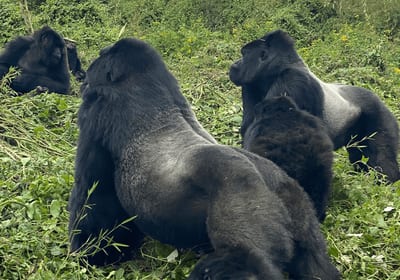
Gorilla trekking is one of Uganda’s greatest privileges, but it is also one of the easiest experiences to misplan. Bwindi Impenetrable National Park has different trekking sectors, including Buhoma, Ruhija, Rushaga, and Nkuringo. Your permit is linked to a sector, and your lodge should be chosen accordingly.
A poor match can mean waking extremely early for a long transfer on mountain roads before a physically demanding trek. A professional safari team will first confirm permit availability, then recommend lodges within a sensible distance of the assigned briefing point.
For travelers whose main priority is seeing mountain gorillas, it is worth going deeper into the process of vetting a gorilla trekking operator in Uganda so that the permit, sector, guide, and lodge all work together.
Know the Realistic Road Times
Uganda is beautiful to explore by road, but distances can feel longer than they look on a map. Road conditions, park access routes, city traffic, rainfall, and stops for lunch or viewpoints all affect timing.
As a general planning guide, Entebbe to Murchison Falls often takes around 5 to 7 hours depending on routing and stops. Murchison Falls to Kibale can take 6 to 8 hours. Kibale to Queen Elizabeth is commonly 3 to 4 hours. Queen Elizabeth to Bwindi can range from 4 to 7 hours depending on the sector. Bwindi back to Entebbe is a long travel day, often 8 to 10 hours, which is why many itineraries include Lake Mburo or a domestic flight option.
A trustworthy team will not hide these realities. Instead, they will help you decide where road travel adds scenic value and where flying or adding a night creates a better safari.
Check Credentials Safety and Guest Support
Uganda is a welcoming safari destination, but remote travel still requires professional planning. You may be driving through national parks, forested mountain regions, rural roads, and wildlife areas where preparation matters. The right team will have clear safety procedures, properly maintained vehicles, trained guides, and reliable communication.
Do not evaluate safety only by whether a company sounds friendly online. Ask practical questions. How are vehicles maintained? What happens if a vehicle has a mechanical issue? Is there an operations contact available during the safari? Are park rules explained before activities? Are guests advised on trekking fitness, clothing, and medical considerations?
Ask About Licensing and Park Compliance
A serious Uganda safari company should operate in line with national park regulations, permit procedures, and conservation rules. Gorilla and chimpanzee activities are especially strict because they protect endangered primates and their habitat.
Your team should clearly explain age restrictions, trekking etiquette, illness precautions, viewing time limits, and what happens if you are unable to trek. For gorilla trekking, guests should understand that permits are limited, non-casual documents rather than simple entry tickets. They should be secured through the correct channels and treated as a central part of the itinerary.
Review Vehicle Standards and Guide Backup
The vehicle is a major part of the safari experience. In Uganda, a comfortable 4×4 matters because many routes include long drives, unpaved park tracks, hilly roads near Bwindi, and early morning game drives.
A professional vehicle setup should offer good visibility, seat comfort, functional seat belts, adequate luggage space, and maintenance appropriate for safari conditions. Pop-up roof vehicles are common for game viewing, while some routes and group sizes may require different configurations. Air conditioning, charging access, and cooler boxes vary by vehicle and package level, so ask what is included instead of assuming.
Backup planning is equally important. Even excellent vehicles can experience punctures or mechanical issues on safari roads. What separates a professional team from a weak one is how quickly and calmly they respond.
Compare Itineraries Before You Compare Prices
Two Uganda safari quotes can include the same number of days and still deliver very different experiences. One may use better routing, closer lodges, confirmed permits, and a more experienced guide. Another may appear cheaper but involve excessive driving, unclear activities, or accommodation far from the places you came to see.
Before asking which quote is cheaper, ask which itinerary is smarter.
A Good Route Protects Your Time
Uganda rewards thoughtful pacing. A well-built itinerary reduces backtracking and places major activities at the right point in the trip. For example, many travelers prefer not to trek gorillas the morning after a very late arrival or immediately after multiple exhausting travel days. Likewise, chimpanzee tracking in Kibale works best when your previous night is close enough to the briefing area.
A good route also balances forest and savannah. Gorilla trekking and chimpanzee tracking are immersive but physically active forest experiences. Murchison Falls, Queen Elizabeth, Lake Mburo, and Kidepo Valley offer more open landscapes, game drives, and boat safaris. The right blend keeps the journey varied and comfortable.
A Rushed Route Creates Hidden Costs
A rushed itinerary may save money on paper, but it can cost you in fatigue, missed sightings, and reduced enjoyment. If a package includes too many parks in too few days, you may spend more time in transit than in the wild.
Hidden costs can also appear when a quote excludes park entries, activity fees, boat safaris, airport transfers, meals, or fuel surcharges. In some cases, a cheaper quote may use lodges far from park gates, meaning earlier starts, longer drives, and less time on safari.
This is where a carefully tailored itinerary becomes valuable. If you want a private route built around your pace, interests, and comfort expectations, explore why tailored safari packages in Uganda often deliver stronger value than generic group schedules.
Understand the True Cost of a Uganda Safari
Transparent pricing is a sign of a trustworthy Uganda tour and travels team. Uganda offers budget, mid-range, and luxury safari styles, but certain core costs are unavoidable. Gorilla permits, chimpanzee permits, national park fees, vehicle operations, guide services, fuel, accommodation, and meals all shape the final price.
For 2026 planning, travelers should confirm current permit and park fees before booking, as official tariffs can change. The figures below are realistic planning ranges commonly used for Uganda safari budgeting, but final costs depend on citizenship or residency category, season, lodge choice, route, group size, and availability.
Key Uganda Safari Costs to Confirm
| Cost item | Realistic planning range or reference point | Why it matters |
|---|---|---|
| Gorilla trekking permit | Around USD 800 per foreign non-resident adult in Bwindi or Mgahinga | Often the largest single activity cost and must be secured early |
| Gorilla habituation experience | Often around USD 1,500 per foreign non-resident adult when available | Higher-cost, longer primate experience with limited availability |
| Chimpanzee tracking in Kibale | Around USD 250 per foreign non-resident adult | Key cost for Uganda primate itineraries |
| National park entry | Often around USD 40 to 45 per foreign non-resident adult per 24 hours in major parks | Adds up across multi-park itineraries |
| Boat safari | Commonly around USD 30 to 40 per person for scheduled options, more for private arrangements | Important in Murchison Falls and Queen Elizabeth itineraries |
| Private 4×4 safari vehicle with guide and fuel | Frequently USD 250 to 400 or more per day depending on route and vehicle type | A major cost driver, especially for private safaris |
| Domestic flight sector | Often several hundred dollars per person per sector | Can reduce long road transfers, especially for luxury travelers |
| Mid-range safari lodge | Often USD 180 to 350 per person sharing per night | Strong comfort without top-tier luxury pricing |
| Luxury lodge | Often USD 450 to 900 plus per person sharing per night, with elite properties exceeding this | Major influence on total safari budget and experience style |
The most important question is not simply, “How much is the safari?” A better question is, “What exactly is included, what is excluded, and how does each cost improve or limit the experience?”
What You Should Expect by Budget Tier
The table below gives a practical planning overview for private Uganda safaris that include major highlights such as gorilla trekking, chimpanzee tracking, savannah game drives, and boat safaris. These are estimates, not fixed prices.
| Safari style | Typical comfort level | Approximate 7 to 9 day budget per person sharing | Best for |
|---|---|---|---|
| Budget private or small-group style | Simple lodges, practical routing, fewer premium extras | USD 2,200 to 3,500 | Travelers prioritizing wildlife and permits over luxury |
| Mid-range private safari | Comfortable lodges, private guide, balanced routing | USD 3,500 to 5,800 | Couples, friends, and families wanting comfort and value |
| Luxury safari | High-end lodges, excellent locations, refined service | USD 6,000 to 10,000 plus | Honeymoons, milestone trips, premium travelers |
| Fly-in or ultra-luxury safari | Domestic flights, elite lodges, highly customized pacing | USD 9,000 to 15,000 plus | Travelers minimizing road time and maximizing comfort |
Season also influences cost. June to September and December to February are popular for drier trekking conditions and holiday travel, so lodge availability tightens and premium rooms can sell out early. March to May and parts of October to November may offer better lodge value, greener landscapes, and fewer crowds, but trekking trails can be muddier and some drives may take longer after rain.

Evaluate Communication and Transparency
The way a company communicates before you book is often a preview of how it will support you during the safari. A professional Uganda tour and travels team should respond clearly, answer specific questions, and explain trade-offs rather than pushing you toward a generic package.
You should feel informed, not rushed. If you ask whether to include Murchison Falls or Kidepo Valley, the answer should consider your trip length, budget, wildlife goals, and tolerance for long drives. If you ask about gorilla trekking, the response should mention permit availability, trekking sectors, fitness, and lodge location.
What a Professional Quote Should Include
A clear quote should show the route, number of nights, accommodation names or categories, meal plan, transport type, included activities, excluded expenses, permit costs, park fees, payment terms, and cancellation conditions. It should also specify whether the safari is private or shared.
Look for clarity on these details before making a deposit:
- Exact arrival and departure assumptions used to build the itinerary
- Gorilla and chimpanzee permit status, including whether permits are included in the quoted price
- Accommodation level, room type, and whether prices are per person sharing or based on single occupancy
- Park entries, boat safaris, cultural visits, and optional activity costs
- Vehicle type, guide arrangement, fuel inclusion, and airport transfers
- Payment schedule, refund rules, and what happens if permits or lodges are unavailable
A vague quote is not always dishonest, but it is risky. The more premium the safari, the more detailed the proposal should be.
Red Flags to Avoid
Some warning signs are easy to spot. Be cautious if a company avoids written details, promises unrealistic discounts on fixed permits, cannot explain road times, or suggests that gorilla permits can always be arranged at the last minute during peak season.
| Red flag | Why it is a problem | Better standard |
|---|---|---|
| Very low price with limited detail | Key costs may be excluded or downgraded | Itemized inclusions and exclusions |
| No clear permit explanation | Gorilla and chimpanzee activities require proper advance planning | Written permit status and sector clarity |
| Unrealistic itinerary pace | Too much driving reduces safari quality | Route designed around actual road times |
| Poor communication before payment | Service may not improve after booking | Timely, specific, professional responses |
| No vehicle or guide details | Transport and guiding shape the entire safari | Clear guide and 4×4 standards |
Reviews can help, but read them carefully. Look for patterns that mention guide quality, punctuality, honesty, vehicle condition, lodge choices, and how the team handled unexpected changes. PawMac Safaris is known for expert local guiding, personalized planning, comfortable 4×4 safari travel, flexible options from budget to luxury, and strong guest feedback across Uganda safari experiences.
Choose a Team That Fits Your Travel Style
The “right” team is not identical for every traveler. A honeymoon couple, a family with teenagers, a birder, and a group of friends on a budget may all need different itinerary pacing, lodge styles, and guide strengths.
A strong Uganda tour and travels team should adapt recommendations without losing sight of safety, conservation rules, and realistic logistics.
Luxury Travelers
Luxury travelers should look beyond expensive lodges. True safari luxury in Uganda is about location, timing, privacy, guiding quality, and seamless transitions. A premium itinerary may include fewer lodge changes, upgraded rooms, scenic domestic flights, private vehicle use, carefully timed activities, and lodges close to key park gates or trekking points.
Ask whether the proposed luxury choices reduce road fatigue, improve access, or create a more meaningful experience. A beautiful lodge in the wrong location is not a luxury if it adds unnecessary hours before an early trek.
Families and Multigenerational Groups
Families need careful pacing, room configurations, age-appropriate activities, and guides who are patient and engaging. Gorilla and chimpanzee tracking have age restrictions, so a family itinerary must be built around who can participate and what others will do during those activities.
For multigenerational groups, consider shorter transfer days, private vehicles, lodges with comfortable common areas, and a balance of game drives, boat safaris, cultural encounters, and rest time. Uganda works very well for families when the trip is designed thoughtfully from the beginning.
Photographers Birders and Adventure Travelers
Photographers should ask about vehicle seating, private guiding, flexible game drive timing, and whether the route allows enough time in each park. Birders should choose a team that understands Uganda’s habitats, from Mabamba Swamp and Kibale Forest to Queen Elizabeth, Bwindi, and Murchison Falls.
Adventure travelers may want to combine gorilla trekking with chimpanzee tracking, Nile activities in Jinja, hiking, or more remote park experiences. In these cases, the team must understand not only wildlife logistics, but also fitness demands, road timing, and weather effects.
Questions to Ask Before You Book
Before paying a deposit, ask direct questions and expect clear answers. A trustworthy team will welcome informed travelers because clarity makes the safari smoother for everyone.
Use these questions to evaluate your options:
- How many years of Uganda safari planning and guiding experience does your team have?
- Which parks and routes do you recommend for my trip length, and why?
- Are gorilla and chimpanzee permits included, and when will they be secured?
- Which Bwindi trekking sector are you planning around, and where is the lodge located?
- What type of 4×4 vehicle will be used, and is the safari private or shared?
- What happens if a vehicle issue, flight delay, illness, or permit availability problem occurs?
- Are park fees, boat safaris, cultural visits, meals, and airport transfers included?
- What costs should I expect to pay locally in cash, such as tips, drinks, visas, or optional activities?
- What is the cancellation policy for the safari, permits, and lodges?
- Can the itinerary be adjusted for comfort, photography, family needs, or luxury upgrades?
The goal is not to interrogate the company. The goal is to confirm that the team understands Uganda deeply and can deliver what it promises.
Frequently Asked Questions
How far in advance should I book a Uganda safari team? For gorilla trekking itineraries, booking 6 to 12 months ahead is wise for peak travel months such as June to September and December to February. Shorter-notice trips can still work, but permit and lodge choice may be more limited.
What is the biggest mistake travelers make when choosing a Uganda tour and travels company? The biggest mistake is comparing only the final price without checking the route, permit status, lodge locations, vehicle quality, and inclusions. A cheaper quote can become poor value if it creates long transfers or excludes key costs.
Should I choose a local Uganda-based safari team? A Uganda-focused local team can offer stronger ground knowledge, faster logistical coordination, and more accurate advice on routes, road conditions, parks, permits, and lodge locations. This is especially valuable for gorilla trekking, chimpanzee tracking, and multi-park safaris.
Is Uganda suitable for luxury safaris? Yes. Uganda offers excellent high-end safari experiences, especially when premium lodges, private guiding, domestic flights, and carefully paced itineraries are combined. Luxury planning should focus on both comfort and location, not just lodge price.
Can a Uganda safari be customized around my budget? Yes. A good team can adjust accommodation level, trip length, routing, domestic flights, and activity selection to match your budget. Fixed costs such as gorilla permits are less flexible, so savings usually come from routing and lodge choices.
Plan Your Uganda Safari with PawMac Safaris
The right Uganda tour and travels team gives you more than a booking confirmation. It gives you confidence that your permits, route, guide, vehicle, lodges, activities, and budget have been planned with care.
PawMac Safaris specializes in expert-guided Uganda safaris, including gorilla trekking, chimpanzee tracking, Big Five safari routes, cultural tours, adventure activities, and custom itineraries from budget-conscious journeys to luxury wildlife experiences. With local knowledge, professional planning, comfortable 4×4 vehicles, and a focus on personalized service, PawMac Safaris helps travelers experience Uganda with clarity, comfort, and purpose.
If you are comparing safari options for 2026, start with the team behind the itinerary. A well-planned Uganda safari is not just about where you go. It is about who guides you there.


