


- 20 Views
- 19 Min Read
- (0) Comment
A Uganda safari excursion in 2026 is not simply a drive through a national park. When planned well, it is a coordinated travel experience that may include gorilla trekking permits, chimpanzee tracking, private 4×4 transport, expert local guiding, park entrance fees, lodge stays, meals, boat safaris, cultural encounters, and carefully timed transfers between Uganda’s most rewarding landscapes.
The difference between a basic trip and a high-value Uganda safari excursion usually comes down to what is included, what is only quoted as an optional extra, and how professionally the logistics are handled. This guide breaks down the real inclusions to expect in 2026 so you can compare safari proposals with confidence and avoid costly surprises.
Table of Contents
- What a safari excursion means in Uganda in 2026
- Core inclusions in a professionally planned Uganda safari excursion
- Expert local guiding and itinerary design
- Private 4×4 transport, fuel, and transfers
- Accommodation, meals, and daily comfort
- Park fees, activity reservations, and permits
- Signature activities usually included in Uganda
- Gorilla trekking in Bwindi or Mgahinga
- Chimpanzee tracking in Kibale and other forests
- Savannah game drives and Big Five viewing
- Boat safaris and water-based wildlife encounters
- What is not always included in the quoted price
- International flights, visas, insurance, and tips
- Premium extras and personal expenses
- Uganda safari excursion cost ranges for 2026
- Sample inclusions by safari length
- Quality markers of a well-built Uganda excursion
- How PawMac Safaris structures a Uganda excursion
- Frequently Asked Questions
- Plan your Uganda safari excursion with PawMac Safaris
What a safari excursion means in Uganda in 2026
In Uganda, the word “excursion” can describe anything from a one-day wildlife outing to a multi-day private safari across several national parks. For serious travelers, however, a Uganda safari excursion usually means a guided journey with a defined route, confirmed activities, pre-booked accommodations, and professional support from arrival to departure.
Uganda is especially distinctive because the country combines forest primates, savannah wildlife, crater landscapes, lakes, rivers, wetlands, and cultural experiences within one destination. A single itinerary can take you from gorilla trekking in Bwindi Impenetrable National Park to tree-climbing lion country in Queen Elizabeth National Park, then onward to chimpanzee tracking in Kibale Forest or big-game viewing along the Nile in Murchison Falls National Park.
That variety makes inclusions more important than they might be in a simpler beach or city holiday. A strong Uganda itinerary must account for permit availability, road transfer times, trailhead locations, weather patterns, lodge quality, activity timing, park regulations, and your preferred travel pace. The goal is not to fit in as many stops as possible. The goal is to build an excursion that feels seamless, safe, and rewarding on the ground.
Core inclusions in a professionally planned Uganda safari excursion
A complete Uganda safari quote should do more than list destinations. It should clearly explain what you are paying for each day, which services are private, which activities are confirmed, and which costs remain your responsibility. The best proposals are transparent because they help you understand both the travel experience and the budget behind it.
| Inclusion | What it usually covers | Why it matters in Uganda |
|---|---|---|
| Professional guide | Licensed local guiding, wildlife interpretation, daily coordination | Uganda’s routes and parks reward local knowledge, especially for primates and seasonal wildlife movement |
| 4×4 safari vehicle | Private or shared vehicle, fuel, driver-guide, park transfers | Many routes involve long drives, rural roads, and park tracks that require reliable vehicles |
| Accommodation | Lodges, camps, guesthouses, or luxury properties based on your budget | Location affects comfort, early starts, and access to trailheads or game-drive areas |
| Meals | Often breakfast, lunch, and dinner while on safari | Remote park areas have limited restaurant options, so meals are usually lodge-based |
| Park fees | National park entrance, vehicle fees, ranger arrangements where applicable | These are mandatory costs and should be shown clearly |
| Activity permits | Gorilla trekking, chimpanzee tracking, boat cruises, rhino tracking, or cultural activities | High-demand activities must be reserved early, especially for 2026 travel dates |
| Airport transfers | Pick-up and drop-off at Entebbe International Airport or agreed locations | Smooth arrival logistics reduce stress after international flights |
Expert local guiding and itinerary design
Your guide is one of the most valuable inclusions in a Uganda safari excursion. A good guide does more than drive. They interpret animal behavior, communicate with ranger teams, adjust timing when road conditions change, help you prepare for trekking days, and manage the daily rhythm of the trip.
In Uganda, this is particularly important because the country’s experiences are highly varied. Gorilla trekking requires a different pace from a game drive. Chimpanzee tracking requires an understanding of forest conditions and briefing procedures. Boat safaris have scheduled departures. Long transfers between parks need realistic timing, not optimistic estimates.
This is one reason many travelers choose guided safaris in Uganda rather than trying to assemble the route independently. A guided structure reduces logistical friction and gives you access to local knowledge that is difficult to replicate from a map.
Private 4×4 transport, fuel, and transfers
Most high-quality Uganda excursions include a safari-ready 4×4 vehicle with a professional driver-guide. Depending on the itinerary and package level, the vehicle may be private for your party or shared with a small group. Private transport is especially valuable for families, photographers, honeymooners, and premium travelers who want flexibility in daily timing.
A complete transport inclusion should clarify whether fuel is included, whether airport transfers are covered, whether all park-to-park drives are included, and whether the vehicle is available during the full safari or only on selected days. Uganda’s major safari routes can involve substantial driving, such as Entebbe to Murchison Falls, Queen Elizabeth to Bwindi, or Bwindi to Lake Bunyonyi. Fuel and vehicle maintenance are real cost factors, so vague transport wording should be questioned.
Plan Your Uganda Safari with Local Experts
 WhatsApp Us
Domestic flights may be included in some premium or fly-in itineraries, but they are not standard in every safari excursion. If you prefer to reduce road time, ask whether scheduled or charter flights can be added and how that affects luggage limits, transfers, and lodge selection.
Accommodation, meals, and daily comfort
Accommodation is one of the biggest differences between budget, mid-range, and luxury safari pricing. A Uganda excursion may include simple guesthouses, comfortable mid-range lodges, intimate eco-lodges, or high-end properties near prime wildlife areas. The right choice depends on your expectations, not just your budget.
In Bwindi, for example, lodge location can affect your trekking morning. Staying close to the correct gorilla sector can prevent unnecessary early transfers. In Queen Elizabeth National Park, location affects how easily you access Kasenyi plains, the Kazinga Channel, or Ishasha. In Murchison Falls, your lodge location can influence ferry timing and the ease of reaching northern bank game-drive tracks.
Meals are commonly included on a full-board basis during safari days, especially in remote areas. That usually means breakfast, lunch, and dinner, though exact meal plans can vary. Packed lunches are often arranged for trekking days or long transfers. Premium lodges may include higher dining standards, private meal setups, or more flexible service, but beverages, imported wines, premium spirits, and special dietary requests should be confirmed before travel.
Park fees, activity reservations, and permits
A serious Uganda safari quote should clearly state which permits and park fees are included. This is crucial because Uganda’s most sought-after experiences, especially gorilla trekking and chimpanzee tracking, are controlled by permit availability.
For 2026 planning, foreign non-resident gorilla trekking permits are commonly budgeted at US$800 per person. Chimpanzee tracking in Kibale Forest is commonly budgeted at US$250 per foreign non-resident adult. These rates are based on Uganda Wildlife Authority tariff guidance used for current safari planning and may be adjusted by the relevant authorities, so final confirmation should always be made at booking.
| Permit or fee type | 2026 planning estimate for foreign non-residents | Notes to confirm |
|---|---|---|
| Gorilla trekking permit | About US$800 per person | Required for Bwindi or Mgahinga gorilla trekking |
| Chimpanzee tracking in Kibale | About US$250 per person | Highly recommended for primate-focused itineraries |
| Major savannah park entrance | Often around US$40 to US$45 per adult per 24 hours | Applies to parks such as Murchison Falls, Queen Elizabeth, and others, depending on tariff category |
| Boat safari | Often quoted separately or bundled into the itinerary | Common on the Kazinga Channel and the Nile in Murchison Falls |
| Rhino tracking | Usually added when visiting Ziwa Rhino Sanctuary | Important for Big Five-focused routes |
Permit handling is more than a payment step. Your operator needs to secure the correct date, the correct park, and in the case of Bwindi, the correct sector. A low quote that excludes major permits may look attractive at first, but it can become more expensive once mandatory activity costs are added.

Signature activities usually included in Uganda
A Uganda safari excursion can be designed around different priorities. Some travelers come primarily for gorilla trekking. Others want a balanced wildlife route with primates, big game, boat safaris, and cultural experiences. The strongest itineraries combine signature activities in a way that respects travel time and avoids exhausting back-to-back long days.
Gorilla trekking in Bwindi or Mgahinga
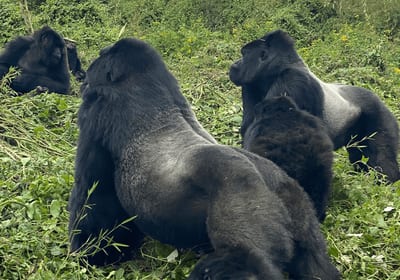
Gorilla trekking is Uganda’s flagship safari experience and often the emotional centerpiece of the trip. In 2026, most gorilla-focused excursions will include a confirmed trekking permit, road or air transfers to southwestern Uganda, lodge accommodation near the correct trekking sector, and guidance on what to carry.
A typical gorilla trekking day starts early with breakfast at the lodge, followed by transfer to the park briefing point. After registration and briefing, ranger teams assign visitors to gorilla groups based on several factors, which may include fitness level, group location, and operational considerations. Trekking can take a few hours or most of the day, depending on where the gorillas are moving.
The permit generally allows one hour with a habituated gorilla family once found. The cost of the permit does not automatically include porter fees, tips, trekking gear, or premium lodge services. Many experienced travelers choose to hire a porter, not only for assistance on steep or muddy trails, but also because porter work supports local communities around the forest.
Chimpanzee tracking in Kibale and other forests
Chimpanzee tracking adds a different energy to a Uganda safari. While gorilla trekking is often quiet and deeply intimate, chimpanzee tracking can be fast-moving, vocal, and dynamic. Kibale Forest is Uganda’s best-known chimpanzee tracking destination and is frequently included in 7 to 10 day safari routes.
A professionally planned excursion should include your chimpanzee permit if the activity is part of the main itinerary. It should also account for the timing of morning or afternoon tracking, the drive between your lodge and the briefing point, and whether you want standard tracking or a longer habituation-style experience where available.
Travelers who are building a primate-focused safari should avoid treating chimpanzee tracking as a small add-on. It deserves proper planning, especially when combined with gorilla trekking, because both activities involve early starts, walking in forest terrain, and regulated permit systems.
Savannah game drives and Big Five viewing
Uganda’s savannah parks offer classic wildlife viewing with their own character. Queen Elizabeth National Park is known for the Kasenyi plains, the Kazinga Channel, crater scenery, elephants, buffalo, antelope, lions, and the Ishasha sector, where tree-climbing lions are sometimes seen. Murchison Falls National Park combines open wildlife country with the Nile, giving travelers a strong mix of game drives and river experiences. Kidepo Valley National Park offers a more remote and dramatic safari environment for travelers with more time or a higher budget.
For Big Five ambitions, Uganda itineraries usually combine national park game drives with rhino tracking at Ziwa Rhino Sanctuary. Rhinos are not roaming in the same way across the major savannah parks, so a true Big Five-style Uganda route must be designed intentionally.
A good game drive inclusion should specify whether drives are private, which park areas are prioritized, and whether early morning or late afternoon drives are planned. Midday drives are sometimes necessary for routing, but wildlife viewing is usually more productive during cooler hours.
Boat safaris and water-based wildlife encounters
Boat safaris are among Uganda’s most rewarding inclusions because they offer close wildlife viewing from a different perspective. The Kazinga Channel in Queen Elizabeth National Park is famous for hippos, crocodiles, elephants, buffalo, waterbirds, and shoreline activity. In Murchison Falls National Park, a Nile boat safari toward the base of the falls is often a major highlight, especially when combined with game drives on the northern bank.
Some itineraries include boat safari fees automatically. Others list them as optional extras. This distinction matters because boat experiences can be among the most memorable parts of the journey. When comparing safari proposals, check whether the cruise is shared, scheduled, private, or subject to availability.
What is not always included in the quoted price
Not every cost belongs inside the main safari quote. However, a trustworthy operator should still tell you what is excluded so your total budget is realistic. The clearest proposals separate included services from optional extras and personal costs.
International flights, visas, insurance, and tips
International flights to and from Uganda are usually not included in a safari excursion price. Most travelers arrive through Entebbe International Airport, where the safari begins with a transfer to a hotel or directly onward depending on arrival time.
Uganda visa fees are also typically separate. Travelers should check the latest entry requirements before departure, including passport validity, health documentation, and any transit requirements connected to their airline route.
Travel insurance is another major exclusion, but it should not be treated as optional for a serious safari. Gorilla trekking, remote lodges, long road transfers, and high-value permits make proper coverage important. Before final payment, review cancellation terms and consider safari travel insurance for Uganda adventures that covers medical evacuation, trip interruption, luggage issues, and non-refundable permit costs where applicable.
Tips are generally not included unless clearly stated. Common tipping recipients may include driver-guides, lodge staff, rangers, trackers, and porters. Tipping is discretionary, but it is wise to budget for it in cash, preferably in clean US dollar bills or Uganda shillings depending on the situation.
Premium extras and personal expenses
Personal expenses can vary widely. Laundry, souvenirs, alcoholic drinks, premium coffees, spa treatments, room upgrades, special celebrations, and private activities may be charged separately. Luxury lodges sometimes include more amenities, but inclusions vary by property.
Photography travelers should ask about luggage space, charging access, bean bags, private vehicle flexibility, and extra baggage limits if domestic flights are involved. Families should confirm room configurations, child permit eligibility, walking difficulty, and driving distances. Honeymooners should confirm privacy expectations and any special arrangements in advance rather than assuming they are included.
Uganda safari excursion cost ranges for 2026
Uganda safari pricing in 2026 depends on duration, season, lodge category, permit count, group size, domestic flights, and whether the trip is private or shared. Gorilla and chimpanzee permits can represent a significant part of the total price, which is why very cheap safari quotes often exclude the most important activities.
The estimates below are realistic planning ranges per person, excluding international flights. Final prices depend on travel dates, availability, accommodation choice, and itinerary design.
| Safari style and length | Typical 2026 budget range per person | What it may include |
|---|---|---|
| 3 to 4 day gorilla-focused excursion | About US$1,400 to US$2,800 | Gorilla permit, basic to mid-range lodge, 4×4 transport, meals, guide, park transfers |
| 5 to 7 day primate and wildlife safari | About US$2,300 to US$4,800 | Gorilla trekking, chimp tracking or savannah park, multiple lodges, game drives, selected park fees |
| 8 to 10 day classic Uganda circuit | About US$3,800 to US$7,500 | Bwindi, Queen Elizabeth, Kibale, Murchison Falls or Lake Bunyonyi combinations, more complete activity mix |
| 10 to 14 day premium private safari | About US$6,500 to US$12,000+ | Luxury lodges, private guiding, richer pacing, premium locations, possible fly-in segments |
| High-end fly-in or luxury gorilla safari | Often US$8,000 to US$15,000+ | Top lodges, reduced road time, private transfers, curated activities, high-touch service |
Season also affects cost and availability. Uganda can be visited year-round, but demand is often higher during drier travel periods, especially June to September and December to February. These windows may offer more comfortable trekking conditions, but they also require earlier booking. Wetter months can still be excellent for photography, birding, and value-focused travel, though road and trail conditions may be more challenging.
Premium travelers should pay special attention to lodge category and location. A luxury itinerary is not only about thread count or fine dining. It is about reducing friction: better rooms, stronger service, shorter transfers to key activities, well-trained staff, and carefully paced days. If you are comparing top-tier options, it is worth reviewing what premium Uganda safari trips include so you can distinguish true value from inflated pricing.

Sample inclusions by safari length
The right safari length depends on your priorities. A short trip can work if gorilla trekking is the main goal, but a fuller Uganda excursion needs enough days to connect the forests and savannahs without feeling rushed.
| Safari length | Best suited for | Common inclusions | Main compromise |
|---|---|---|---|
| 2 to 3 days | Travelers already in Uganda or short-stay visitors | Single-park outing, rhino tracking, Lake Mburo, Jinja adventure activity, or a compact wildlife experience | Limited time for major western or southwestern parks |
| 3 to 4 days | Gorilla trekking priority | Bwindi or Mgahinga, gorilla permit, road transfers, lodge meals, guide | Long drives if starting and ending in Entebbe or Kampala |
| 5 to 6 days | Gorilla trekking plus one extra highlight | Bwindi with Lake Bunyonyi, Queen Elizabeth, or Kibale depending on route | Some activities may need to be excluded to protect pacing |
| 7 to 8 days | Balanced primate and savannah safari | Gorilla trekking, chimpanzee tracking, Queen Elizabeth game drives, Kazinga Channel boat safari | Murchison Falls may require extra days unless routing is tight |
| 10 to 12 days | Complete Uganda wildlife route | Bwindi, Kibale, Queen Elizabeth, Murchison Falls, Ziwa rhinos, cultural stops | Higher cost, more lodge changes, more planning complexity |
| 12+ days | Slow-paced premium or specialist safari | More time for photography, birding, Kidepo, cultural immersion, extra rest nights | Requires a larger budget and earlier lodge planning |
For most first-time visitors seeking a meaningful Uganda safari excursion, 7 to 10 days is often the sweet spot. It allows time for gorillas, chimpanzees, savannah wildlife, and at least one boat safari without compressing every day into a transfer.
Quality markers of a well-built Uganda excursion
A safari proposal can look polished but still fail on the details. Before you commit, look beyond the headline price and examine how the trip will actually operate.
Strong Uganda safari planning usually includes the following quality markers:
- Clear confirmation of gorilla and chimpanzee permits, including date and destination.
- Realistic drive times with room for rest stops, road conditions, and park procedures.
- Lodges located near the correct activity areas, especially for Bwindi trekking sectors.
- A named structure for meals, such as bed and breakfast, half board, or full board.
- Transparent exclusions, including tips, visas, insurance, drinks, and optional activities.
- Proper 4×4 safari transport with fuel and driver-guide services included.
- Practical advice on packing, fitness, cash, photography, and trekking conditions.
Route logic is one of the easiest ways to identify quality. For example, a proposal that schedules a long transfer and a major activity on the same day may look efficient, but it could feel exhausting in practice. Similarly, a gorilla itinerary that does not mention the trekking sector may create problems if the lodge is far from the assigned briefing point.
Good planning also protects the emotional quality of the trip. Gorilla trekking deserves a calm evening before and after. Chimpanzee tracking is more enjoyable when you are not arriving late the previous night. Boat safaris and game drives work best when timed around wildlife behavior, not squeezed into gaps.
How PawMac Safaris structures a Uganda excursion
PawMac Safaris focuses on Uganda safari experiences shaped by local knowledge, professional guiding, and practical planning. The company offers wildlife and gorilla trekking tours across Uganda, with options that can be tailored for different comfort levels, from budget-conscious routes to premium private journeys.
A well-structured PawMac Safaris itinerary may combine gorilla trekking, chimpanzee tracking, Big Five-style wildlife viewing, cultural visits, adventure activities, and comfortable 4×4 travel depending on your interests and available time. The value is not only in booking the individual components, but in sequencing them correctly so the journey feels coherent from arrival to departure.
For travelers comparing Uganda options, the most important conversation is not simply “What is the price?” It is “What exactly is included, what level of comfort is being quoted, and how will the trip operate each day?” Once those questions are answered clearly, it becomes much easier to choose the right safari excursion.
Frequently Asked Questions
What does a Uganda safari excursion include in 2026? A typical Uganda safari excursion includes professional guiding, 4×4 transport, fuel, accommodation, meals during safari days, park entrance fees, selected activities, and airport transfers. If gorilla trekking or chimpanzee tracking is part of the itinerary, the quote should clearly state whether those permits are included.
Are gorilla trekking permits included in every Uganda safari quote? No. Some quotes include gorilla permits, while others list them separately. For 2026 planning, foreign non-resident gorilla permits are commonly budgeted at about US$800 per person, so this is one of the first inclusions to confirm.
How much should I budget for a Uganda safari excursion in 2026? A short gorilla-focused safari may start around US$1,400 to US$2,800 per person, while a 7 to 10 day private safari with primates and wildlife often ranges from about US$3,800 to US$7,500 per person. Luxury and fly-in safaris can exceed US$10,000 per person depending on lodges and routing.
Is Uganda a good destination for a first safari? Yes, especially for travelers who want more than classic savannah game drives. Uganda offers gorilla trekking, chimpanzee tracking, boat safaris, rhino tracking, elephants, lions, buffalo, leopards, rich birdlife, and varied landscapes in one country.
How many days do I need for a good Uganda safari excursion? Three to four days can work for a gorilla-focused trip, but 7 to 10 days is better for a balanced Uganda experience that includes gorillas, chimpanzees, savannah wildlife, and a boat safari.
What should I check before paying a safari deposit? Confirm the itinerary dates, permit inclusions, lodge category, room type, meal plan, transport type, park fees, cancellation terms, exclusions, and payment schedule. You should also confirm whether the safari is private or shared.
Can a Uganda safari excursion be customized? Yes. A Uganda itinerary can be adjusted around your budget, travel dates, preferred lodge standard, fitness level, photography interests, family needs, or honeymoon style. Permit availability and realistic routing will guide what is possible.
Plan your Uganda safari excursion with PawMac Safaris
A memorable Uganda safari excursion in 2026 begins with clarity. You should know which permits are secured, which parks are included, how long the drives are, where you will stay, what meals are covered, and which costs remain outside the quote.
If you want a Uganda journey built around expert local guiding, gorilla trekking, wildlife viewing, comfortable 4×4 travel, and transparent planning, PawMac Safaris can help you shape the right route for your time, budget, and travel style. Start with the experiences that matter most to you, then build a safari that lets Uganda reveal its full depth without unnecessary rush.


