


- 14 Views
- 19 Min Read
- (0) Comment
Planning for true trips travels fans means building more than a holiday. In Uganda, the strongest itineraries feel like a carefully paced story: misty gorilla forests in the southwest, chimpanzee calls in Kibale, elephants along the Nile, lions in savannah grasslands, and warm cultural encounters that make the journey feel personal.
Uganda rewards travelers who plan with precision. Distances are real, permits are limited, lodge locations matter, and the best days often begin before sunrise. This guide shows how to shape a Uganda trip your group will genuinely love, whether you are planning for couples, families, friends, wildlife enthusiasts, or premium travelers looking for a polished private safari in 2026 and beyond.
Table of Contents
- Start With the Travel Personality of Your Group
- Wildlife lovers
- Adventure first travelers
- Comfort focused travelers
- Choose the Right Uganda Safari Route
- Seven to eight days gorillas chimps and savannah
- Ten to twelve days Uganda classic circuit
- Fourteen days or more slower deeper and more exclusive
- Build the Trip Around Signature Uganda Experiences
- Gorilla trekking in Bwindi or Mgahinga
- Chimpanzee tracking in Kibale
- Game drives and boat safaris
- Budget Realistically Before You Confirm Dates
- Estimated Uganda safari budget by travel style
- Permit and activity costs to plan for
- Pick the Best Season for Your Uganda Trip
- Prepare Guests for Trekking Health and Packing
- Fitness and trekking expectations
- Health insurance and documents
- Packing essentials
- Design a Daily Flow That Feels Effortless
- Common Planning Mistakes to Avoid
- Why Plan With PawMac Safaris
- Frequently Asked Questions
- Plan a Uganda Trip Your Travelers Will Still Talk About Years Later
Start With the Travel Personality of Your Group
The best Uganda itineraries begin with a simple question: what will make this trip feel unforgettable to the people traveling? Uganda can satisfy very different types of travelers, but the route should not treat everyone the same. A photographer may want slow mornings in the savannah. A family may need shorter drives and lodges with relaxed meal times. A couple on a milestone trip may care deeply about lodge atmosphere, privacy, and seamless transfers.
Before choosing dates or lodges, define the main motivation for the journey. Is the non-negotiable experience gorilla trekking? Is the group dreaming of classic wildlife and big landscapes? Are they active travelers who want hiking, rafting, forest walks, and cultural depth? This first decision prevents the most common planning problem: trying to squeeze every famous Uganda highlight into too few days.
Wildlife lovers
For travelers who want the strongest wildlife range, build the trip around three habitats: rainforest, savannah, and wetlands. Bwindi Impenetrable National Park or Mgahinga Gorilla National Park delivers the gorilla experience. Kibale National Park is Uganda’s premier chimpanzee tracking destination. Queen Elizabeth National Park, Murchison Falls National Park, Lake Mburo National Park, and Kidepo Valley National Park add game drives, boat safaris, and open landscapes.
If your guests are new to safari travel, it is worth setting expectations early. Uganda is not only about watching animals from a vehicle. Some of its most meaningful encounters happen on foot, especially in the forests. For a beginner-friendly overview, PawMac Safaris has also prepared a guide to safari adventures in Uganda for first-time travelers.
Adventure first travelers
Adventure-focused travelers often love Uganda because the country offers active experiences without losing its wildlife depth. Gorilla trekking can involve steep, muddy trails. Chimpanzee tracking brings travelers into a living forest with changing sounds, shadows, and movement. Jinja adds Nile-based adventure for those who want rafting or water activities, while the Rwenzori Mountains suit serious hikers who want a more demanding extension.
The key is not to make every day physically intense. A great adventure itinerary alternates exertion with recovery. For example, a challenging gorilla trek should be followed by a relaxed lodge evening or a scenic transfer day rather than another pre-dawn high-energy activity.
Comfort focused travelers
Premium travelers often care less about seeing the maximum number of parks and more about how the journey feels. For them, the planning emphasis should be on private guiding, strong lodge locations, comfortable 4×4 vehicles, carefully timed transfers, and enough breathing room between major experiences.
In Uganda, comfort also means reducing unnecessary road fatigue. Domestic scheduled or charter flights can make sense for travelers with limited time, especially when connecting Entebbe with remote safari regions. Luxury does not always mean the most expensive lodge. It means choosing the right lodge for the route, the correct gorilla trekking sector, and the pace that keeps the trip enjoyable.
Choose the Right Uganda Safari Route
Uganda looks compact on a map, but safari planning must respect road times. Many of the country’s finest parks sit across the west and southwest, and road transfers can range from three to eight hours depending on the route, season, road conditions, and stops. A well-designed itinerary turns these transfers into part of the experience with scenic views, lunch breaks, equator stops, crater landscapes, and village life along the way.
Plan Your Uganda Safari with Local Experts
 WhatsApp Us
Most international travelers arrive through Entebbe. From there, the classic Uganda safari circuit moves toward Murchison Falls, Kibale, Queen Elizabeth, Bwindi or Mgahinga, Lake Mburo, and back to Entebbe. Shorter trips should not attempt the entire circuit. Longer trips can slow down, add less crowded regions, or include more cultural and adventure experiences.
| Trip length | Best fit | Sample Uganda route | Planning note |
|---|---|---|---|
| 7-8 days | Travelers focused on gorillas, chimps, and one savannah park | Entebbe, Kibale, Queen Elizabeth, Bwindi, Entebbe | Efficient, but every overnight must be placed carefully |
| 10-12 days | First-time private safari travelers who want the classic Uganda mix | Entebbe, Murchison Falls, Kibale, Queen Elizabeth, Bwindi, Lake Mburo, Entebbe | Strong balance of wildlife, scenery, and pacing |
| 14+ days | Premium travelers, photographers, repeat safari guests, and slow travel groups | Classic circuit plus Kidepo, Mgahinga, Lake Bunyonyi, Jinja, or cultural extensions | Best for deeper travel and reduced road pressure |
Seven to eight days gorillas chimps and savannah
A seven to eight day Uganda trip should be disciplined. A strong route may include Kibale for chimpanzees, Queen Elizabeth for game drives and the Kazinga Channel boat safari, and Bwindi for gorilla trekking. This gives travelers three distinct ecosystems without overloading the schedule.
The tradeoff is that you may need to skip Murchison Falls or Lake Mburo. That is not a failure. A shorter trip that flows well is far better than a rushed itinerary where guests spend most of their time recovering from transfers.
Ten to twelve days Uganda classic circuit
Ten to twelve days is the sweet spot for many travelers. This length allows a classic Uganda journey that includes Murchison Falls National Park, Kibale National Park, Queen Elizabeth National Park, Bwindi Impenetrable National Park, and often Lake Mburo National Park as a soft final safari stop before returning to Entebbe.
This route creates variety. Travelers can experience the Nile at Murchison Falls, track chimpanzees in Kibale, cruise the Kazinga Channel, search for lions and elephants, then close the journey with gorilla trekking in the southwest. It feels complete without becoming uncomfortably rushed.
Fourteen days or more slower deeper and more exclusive
With two weeks or more, Uganda becomes even more rewarding. You can add Kidepo Valley National Park for remote wilderness, spend more time around Mgahinga for golden monkeys and volcano scenery, enjoy Lake Bunyonyi after trekking, or include Jinja for Nile-based adventure.
Longer trips also benefit photographers and premium travelers. Extra nights reduce pressure from weather, allow better light for wildlife viewing, and create space for meaningful local encounters. If the budget allows, fly-in segments can make a longer itinerary feel smoother while preserving energy for the best experiences.
Build the Trip Around Signature Uganda Experiences
Uganda’s appeal is not based on one experience alone. The country is exceptional because travelers can combine primate encounters, classic safari wildlife, water-based game viewing, forest walks, cultural visits, and scenic highlands in one carefully planned journey.
Gorilla trekking in Bwindi or Mgahinga
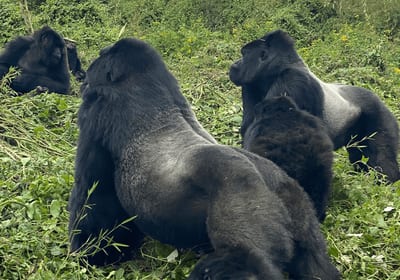
For many visitors, gorilla trekking is the emotional center of the trip. Uganda offers gorilla trekking in Bwindi Impenetrable National Park and Mgahinga Gorilla National Park. Bwindi has multiple trekking sectors, including Buhoma, Ruhija, Rushaga, and Nkuringo. This detail matters because your permit sector should match your lodge location. Booking a lodge in the wrong sector can create long, unnecessary pre-trek drives on mountain roads.
Gorilla trekking permits are limited, and each trekking group spends a regulated amount of time with a habituated gorilla family once located. Treks can be short or physically demanding depending on gorilla movement, terrain, and weather. Travelers should be ready for mud, slopes, humidity, and changing forest conditions.
The minimum age for gorilla trekking is 15 years. For families with younger children, the itinerary should include alternative activities for non-trekking guests, such as cultural visits, nature walks where permitted, or relaxed lodge time.
Chimpanzee tracking in Kibale
Kibale National Park is the leading chimpanzee tracking choice for many Uganda itineraries. The experience is different from gorilla trekking: faster, louder, and more dynamic. Chimpanzees may move through the canopy, feed, vocalize, or travel quickly through the forest.
Morning and afternoon tracking options are commonly available, depending on permit availability and operational schedules. Travelers with a deeper interest in primates may consider a longer chimpanzee habituation-style experience where available, but this should be planned carefully because it changes the pace of the day.
Game drives and boat safaris
Uganda’s savannah parks add the classic safari rhythm many travelers expect: early morning drives, open plains, elephants, buffalo, antelope, giraffes in selected parks, and predators where conditions allow. Murchison Falls National Park is excellent for combining game drives with the Nile and the dramatic falls. Queen Elizabeth National Park offers the Kazinga Channel, crater scenery, and the Ishasha sector, known for its tree-climbing lion sightings when conditions are favorable.
Boat safaris are especially valuable in Uganda because they reduce the pressure to view everything from a vehicle. On the Nile or Kazinga Channel, travelers may see hippos, crocodiles, elephants, buffalo, and rich birdlife from a different angle. For a deeper look at combining primates and classic wildlife, see PawMac Safaris’ guide to Uganda tours and safaris for gorilla and wildlife lovers.
Budget Realistically Before You Confirm Dates
Uganda can be planned as a comfortable mid-range safari, a high-end private journey, or a premium luxury itinerary with top lodges and selected flights. The biggest mistake is budgeting only for accommodation and forgetting permits, park fees, fuel, long-distance logistics, tipping, and seasonal price differences.
As a planning rule, prices rise when the itinerary includes high-demand lodges near gorilla trekking sectors, private vehicles, domestic flights, peak-season travel, and premium rooms with views or exclusive settings. Solo travelers should expect higher per-person costs because vehicle, guide, and some transfer expenses are not shared.
Estimated Uganda safari budget by travel style
The figures below are planning ranges, not fixed package prices. They are typically land-only estimates per person based on two travelers sharing, before international flights. Gorilla and chimpanzee permits may be included or listed separately depending on the proposal, so always confirm what is covered.
| Travel style | Typical planning range per person per day | What it usually means | Best fit |
|---|---|---|---|
| Budget comfort | USD 250-400 | Simpler lodges, careful routing, private or modest safari setup, fewer premium extras | Travelers prioritizing experiences over luxury |
| Mid-range private | USD 400-750 | Comfortable lodges, private 4×4, good guiding, balanced meals and locations | Couples, friends, and families wanting value with comfort |
| Luxury | USD 800-1,500 | High-end lodges, stronger locations, refined service, private guiding, smoother pacing | Honeymoons, milestone trips, premium wildlife travelers |
| Fly-in or ultra-premium | USD 1,500-2,500+ | Selected flights, top lodge categories, private arrangements, reduced road time | Time-sensitive travelers and high-comfort private groups |
For a realistic 10 day mid-range Uganda itinerary that includes gorilla trekking and chimpanzee tracking, many couples should expect a broad planning range of about USD 5,000-8,500 per person before international flights, depending on lodge level, route design, and what is included. Luxury versions of a similar trip can rise to USD 9,000-15,000+ per person, especially with premium lodges and flights.
Permit and activity costs to plan for
Uganda’s primate permits are a major part of the budget. Government tariffs can change by season or tariff period, so use the figures below as practical planning baselines and confirm the latest official fees before paying deposits.
| Cost item | Recent planning figure for foreign non-residents | Budget note |
|---|---|---|
| Gorilla trekking permit | About USD 800 per person | Essential to book early for peak months and preferred sectors |
| Gorilla habituation experience | About USD 1,500 per person where available | Longer and more specialized than standard trekking |
| Kibale chimpanzee tracking permit | About USD 250 per person | Often paired with a two-night Kibale stay |
| National park entrance fees | Often budget around USD 40-45 per adult per day in major parks | Varies by park, residency, vehicle, and tariff period |
| Boat safaris and guided walks | Often budget USD 30-50+ per activity | Private boats or special activities cost more |
| Porter for gorilla trekking | Commonly around USD 15-20+ plus tip | Highly recommended for support and local income |
Also budget for tipping. A common range is USD 10-20 per traveler per day for a professional safari guide, adjusted for service level and group size. Lodge staff tips are often handled through a communal tip box. These are discretionary, but they should be discussed before departure so guests are not surprised.

Pick the Best Season for Your Uganda Trip
Uganda is a year-round safari destination, but the season affects comfort, trekking conditions, availability, and price. The drier periods from roughly June to September and December to February are popular because forest trails are often more manageable and wildlife viewing can be easier in savannah parks. These months are also more competitive for gorilla permits and premium lodges.
The wetter months, often March to May and November, can still be excellent for the right traveler. Landscapes are lush, photography can be beautiful, and some lodges may offer better value outside the busiest windows. The tradeoff is that forest trails may be muddier and some road sections can take longer.
For 2026 and 2027 travel, premium guests should start planning six to twelve months ahead if gorilla trekking is essential. Last-minute trips are possible at times, but they require flexibility on trekking sector, lodge choice, and route direction.
Prepare Guests for Trekking Health and Packing
A Uganda safari is comfortable when planned well, but it is still an active journey. Guests should be prepared for early mornings, variable weather, bumpy roads, forest humidity, and time outdoors. Good preparation makes the difference between a traveler who merely completes the itinerary and one who enjoys every day.
Fitness and trekking expectations
Gorilla trekking is not a mountaineering expedition, but it can be physically demanding. Some treks are relatively moderate, while others involve steep slopes, thick vegetation, and several hours of walking before the gorillas are found. Chimpanzee tracking can also involve quick movement through forest trails.
Travelers should begin light conditioning before departure: walking on uneven ground, using stairs, improving stamina, and breaking in hiking boots. If improving stamina or managing weight is part of a traveler’s preparation, it is better to avoid crash dieting and seek safe support; those who need supervised help can explore personal medical coaching and lifestyle advice and discuss travel plans, medication, and exertion with their own clinician before departure.
Hiring a porter for gorilla trekking is strongly recommended, even for fit travelers. Porters help carry daypacks, assist on slippery sections, and support local livelihoods around the parks.
Health insurance and documents
Travelers should check passport validity, visa requirements, vaccination guidance, and travel insurance well before departure. Uganda has specific entry and health requirements that can change, so guests should verify current rules before travel. A yellow fever vaccination certificate is commonly required, and many travelers speak with a travel clinic about malaria prevention and routine travel vaccines.
Comprehensive travel insurance should include medical care, emergency evacuation, trip interruption, and coverage for safari activities. Premium travelers should not treat insurance as optional. Remote parks are part of Uganda’s beauty, but remoteness also makes proper coverage important.
Packing essentials
Packing for Uganda should focus on comfort, layers, and practicality rather than fashion. Soft-sided luggage is helpful, especially if domestic flights are included. For forest activities, waterproofing matters more than brand names.
- Lightweight long-sleeved shirts and trousers in neutral colors
- Waterproof hiking boots that are already broken in
- Rain jacket or poncho for forest trekking
- Daypack with water, snacks, camera gear, and personal medication
- Gardening-style gloves for gripping vegetation during gorilla trekking
- Insect repellent, sunscreen, sunglasses, and a wide-brim hat
- Binoculars for birds, primates, and distant wildlife
- Camera with extra batteries and memory cards, noting that flash is not used with gorillas
- Small USD notes for tips, porter support, and personal purchases where appropriate
- Reusable water bottle and basic personal first-aid items
Design a Daily Flow That Feels Effortless
A Uganda trip that travelers love is not simply a list of famous places. It is a sequence of days that feels natural. Early mornings should be used for wildlife activity, not avoidable administrative delays. Long transfers should be balanced with scenic breaks. Major trekking days should not be placed immediately after exhausting travel whenever avoidable.
For private groups, daily flow is one of the greatest advantages of expert planning. A good guide knows when to leave, where to stop, how to read weather and road conditions, and when guests need a quiet evening rather than another optional activity.
| Part of the day | Best use in Uganda | Planning insight |
|---|---|---|
| Early morning | Game drives, trekking starts, birding, photography | Wildlife is often more active and light is softer |
| Late morning | Transfers, lodge checkout, scenic stops | Avoid overpacking this window after intense activities |
| Afternoon | Boat safaris, relaxed game drives, cultural visits | Excellent for water-based wildlife viewing in several parks |
| Evening | Sundowners where available, dinner, briefing for next day | Guests appreciate knowing departure times and clothing needs early |
The best itineraries also include small luxuries of time: a second coffee before departure, a short stop at a viewpoint, a relaxed lunch after a forest trek, or an unhurried evening at a lodge overlooking the landscape. These details do not always appear dramatic on paper, but they shape how travelers remember the trip.
Common Planning Mistakes to Avoid
Even experienced travelers can misjudge Uganda if they plan only from a map. The country is incredibly rewarding, but it is not a destination where every highlight should be squeezed into the shortest possible route.
- Booking gorilla permits before confirming the correct lodge sector, which can create unnecessary mountain transfers
- Trying to include Murchison Falls, Kibale, Queen Elizabeth, Bwindi, Kidepo, and Jinja in one short trip
- Underestimating road times and planning major activities after long transfers
- Waiting too long to secure gorilla permits for peak travel months
- Choosing the cheapest vehicle option without considering comfort, reliability, and guide quality
- Forgetting age limits for gorilla and chimpanzee tracking when planning family travel
- Ignoring porter support, trekking gear, and fitness preparation for forest days
- Treating the final day as flexible when international flight timing may require careful planning around Entebbe
The solution is to prioritize. Decide what matters most, protect time for those experiences, and allow the rest of the itinerary to support them.
Why Plan With PawMac Safaris
Uganda is a destination where local expertise has real value. A well-planned safari requires more than booking accommodation. It requires understanding permit availability, trekking sectors, road conditions, realistic drive times, lodge standards, park logistics, guest comfort, and the small adjustments that keep a private journey running smoothly.
PawMac Safaris focuses on expert-guided Uganda wildlife and gorilla trekking tours, with custom safari packages shaped around traveler interests, comfort level, timing, and budget. The team can help combine gorilla trekking, chimpanzee tracking, Big Five safari interests, cultural tours, adventure activities, and comfortable 4×4 travel into one coherent Uganda itinerary.
For travelers comparing providers, it is useful to understand what a strong local planning team should handle. PawMac Safaris has a dedicated guide on how to choose the right Uganda tour and travels team so you can evaluate expertise, communication, safety, and route design before committing.
Frequently Asked Questions
How many days do you need for a Uganda safari? Seven to eight days can work for gorillas, chimpanzees, and one savannah park. Ten to twelve days is better for a classic Uganda circuit including Murchison Falls, Kibale, Queen Elizabeth, Bwindi, and Lake Mburo. Fourteen days or more allows a slower, more exclusive trip with remote extensions.
Is Uganda good for both gorilla trekking and classic wildlife? Yes. Uganda is one of the best destinations for combining mountain gorillas with chimpanzees, elephants, buffalo, lions, hippos, crocodiles, giraffes in selected parks, and excellent birdlife. The key is choosing a route that connects rainforest and savannah habitats efficiently.
How much should I budget for a Uganda trip with gorilla trekking? As a broad planning range, mid-range private safaris often fall around USD 400-750 per person per day before international flights, with gorilla permits around USD 800 per person as a major additional or included cost item. Luxury itineraries can be significantly higher depending on lodges, flights, and exclusivity.
When should I book gorilla permits in Uganda? For peak travel months, it is wise to begin planning six to twelve months in advance, especially if you want specific dates, premium lodges, or a particular trekking sector. Short-notice permits may be possible, but flexibility is essential.
Can Uganda be planned as a luxury safari? Absolutely. Uganda offers high-end lodges, private guiding, comfortable 4×4 vehicles, selected domestic flights, and carefully paced itineraries. Luxury planning should focus on lodge location, route efficiency, and seamless daily flow, not just the room category.
Is gorilla trekking difficult? It varies. Some treks are moderate, while others involve steep, muddy, humid forest conditions and several hours of walking. Travelers should prepare with regular walking, good boots, a rain layer, and a willingness to hire a porter for support.
Plan a Uganda Trip Your Travelers Will Still Talk About Years Later
A Uganda journey becomes exceptional when every decision supports the experience: the right season, the right route, the correct gorilla sector, realistic budgeting, comfortable pacing, and expert local guiding. The result is a safari that feels personal rather than packaged.
If you are planning a private Uganda safari for travelers who care about wildlife, comfort, and authentic local expertise, PawMac Safaris can help you shape the route from first idea to final itinerary. Share your dates, group size, preferred comfort level, and must-have experiences with PawMac Safaris, and start building a Uganda trip your guests will love from the first game drive to the final forest trail.


