


- 16 Views
- 22 Min Read
- (0) Comment
Uganda is one of the few safari countries where a single journey can take you from misty gorilla forests to Nile riverbanks, chimpanzee territories, open savannah, crater lakes, rhino country, and shoebill wetlands. For 2026 travelers, the challenge is not deciding whether Uganda is worth visiting. It is choosing the right safari destinations in Uganda for your time, budget, comfort level, and wildlife priorities.
The best routes are rarely built by simply adding famous parks together. Gorilla permits, chimpanzee permits, road distances, seasonal rainfall, lodge availability, and flight options all influence the final experience. This guide ranks Uganda’s top safari destinations for 2026 with practical planning insight, realistic cost context, and route-building advice for travelers who want a well-paced, expertly guided journey.
Table of Contents
- How to Choose Uganda Safari Destinations in 2026
- Quick Comparison of the Top Safari Destinations in Uganda
- Bwindi Impenetrable National Park
- Mgahinga Gorilla National Park
- Kibale National Park
- Queen Elizabeth National Park
- Murchison Falls National Park
- Kidepo Valley National Park
- Lake Mburo National Park
- Ziwa Rhino Sanctuary
- Mabamba Wetland and Lake Victoria
- Best Uganda Safari Destination Combinations for 2026
- Budget Planning for Uganda Safari Destinations
- Best Time to Visit Uganda Safari Destinations in 2026
- Practical Planning Tips Before You Book
- Frequently Asked Questions
- Plan Your 2026 Uganda Safari with PawMac Safaris
How to Choose Uganda Safari Destinations in 2026
The strongest Uganda safari itineraries balance three things: rare wildlife, travel efficiency, and the right pace. Uganda’s landscape is compact compared with some safari countries, but its roads, mountain terrain, and protected forest locations mean that timing matters. A route that looks short on a map may still require a full travel day, especially when connecting Bwindi, Kidepo, Murchison Falls, or the southwestern crater highlands.
For most first-time visitors in 2026, the highest-value combination is gorilla trekking, chimpanzee tracking, and classic savannah wildlife. That usually means Bwindi or Mgahinga for mountain gorillas, Kibale for chimpanzees, and Queen Elizabeth or Murchison Falls for big-game viewing and boat safaris. Travelers with more time can add Ziwa Rhino Sanctuary for rhinos, Kidepo Valley for remote wilderness, Lake Mburo for a gentle walking or horseback safari, and Mabamba Wetland for shoebill sightings.
Permit planning is critical. Uganda’s gorilla trekking permit for foreign non-residents is commonly listed at USD 800 per person, while Kibale chimpanzee tracking is commonly listed at USD 250 per person under recent Uganda Wildlife Authority tariff periods. These fees can change, and availability is limited, so smart 2026 planning should treat permits as the first confirmed items, not last-minute extras.
If you are still deciding which route style fits your travel goals, PawMac Safaris has a useful overview of Uganda safari tours worth booking in 2026 that compares primate-focused trips, classic wildlife circuits, and luxury fly-in options.
Quick Comparison of the Top Safari Destinations in Uganda
| Destination | Best for | Ideal stay | Key 2026 cost considerations | Best traveler fit |
|---|---|---|---|---|
| Bwindi Impenetrable National Park | Gorilla trekking | 2 to 3 nights | Gorilla permit around USD 800 for foreign non-residents, lodge prices vary widely by sector | First-time Uganda safari travelers and primate enthusiasts |
| Mgahinga Gorilla National Park | Gorillas, golden monkeys, volcano scenery | 2 nights | Gorilla permit if trekking, golden monkey permit commonly lower than gorilla trekking | Travelers wanting a quieter mountain experience |
| Kibale National Park | Chimpanzee tracking | 2 nights | Chimpanzee permit around USD 250 for foreign non-residents | Primate lovers and birders |
| Queen Elizabeth National Park | Boat safari, lions, elephants, varied landscapes | 2 to 3 nights | Park entry, boat cruise fees, longer stay if including Ishasha | Travelers wanting variety without extreme remoteness |
| Murchison Falls National Park | Nile wildlife, falls, giraffes, elephants | 2 to 3 nights | Park entry, boat cruise, optional rhino stop en route | Big-game safari travelers and photographers |
| Kidepo Valley National Park | Remote wilderness, buffalo herds, lions, dramatic landscapes | 3 nights | Higher transport costs due to distance or flights, limited lodge inventory | Repeat safari travelers and luxury wilderness seekers |
| Lake Mburo National Park | Short safari, zebras, walking safari, relaxed pacing | 1 to 2 nights | Lower overall cost than remote parks, optional activities vary by operator | Families, short-stay travelers, and route breakers |
| Ziwa Rhino Sanctuary | Rhino tracking | Half day to 1 night | Rhino tracking fees and conservation charges | Travelers building a Uganda Big Five route |
| Mabamba Wetland | Shoebill birding | Half day | Canoe and local guiding fees | Birders and travelers with time near Entebbe |
Bwindi Impenetrable National Park
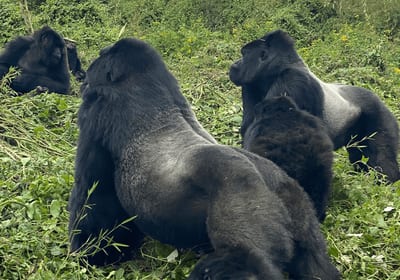
Bwindi Impenetrable National Park is Uganda’s most iconic safari destination and one of the most important mountain gorilla habitats on Earth. For many travelers, it is the emotional center of a Uganda safari. The forest is dense, ancient, and steep, with trekking routes that can range from relatively manageable to physically demanding depending on where the gorilla family is located that day.
Bwindi has four main trekking sectors: Buhoma, Ruhija, Rushaga, and Nkuringo. This matters because your permit is tied to a sector, and each sector affects where you should sleep, how long transfers take, and what activities fit before or after trekking. Buhoma is often valued for its long-established lodge network and access from Queen Elizabeth’s Ishasha area. Ruhija works well for birders and travelers connecting across the forest. Rushaga and Nkuringo in the south are excellent for travelers combining Bwindi with Lake Mutanda, Mgahinga, or scenic highland stays.
For 2026, gorilla permits should be booked as early as possible, especially for June to September, December, January, and February. A realistic planning window is 6 to 12 months ahead for preferred dates and sectors. Last-minute permits can sometimes appear, but premium travelers should not build an entire itinerary around chance availability.
Budgeting for Bwindi requires more than looking at the permit cost. The gorilla permit is a major fixed expense, but lodge choice can change the total trip cost significantly. Comfortable mid-range lodges may sit roughly in the USD 180 to USD 450 per person per night range depending on meal plan, season, and location. High-end gorilla lodges can exceed USD 700 to USD 1,500 plus per person per night, particularly in prime sectors or peak travel months. Budget accommodations may be available at lower rates, but travelers should weigh price against location, hot water reliability, service standards, and transfer time to the briefing point.
Bwindi is best for travelers who want the defining Uganda wildlife experience. It combines well with Kibale and Queen Elizabeth on a 7 to 10 day itinerary, or with Mgahinga and Lake Mburo on a shorter southwestern route.
Plan Your Uganda Safari with Local Experts
 WhatsApp Us
Mgahinga Gorilla National Park
Mgahinga Gorilla National Park is smaller than Bwindi but exceptionally rewarding. Located in Uganda’s far southwest near the Virunga volcanoes, it offers a different atmosphere: open bamboo zones, volcanic slopes, and sweeping views across the highlands. It is one of the best safari destinations in Uganda for travelers who want gorillas with a quieter, more mountainous feel.
Gorilla trekking in Mgahinga depends on permit availability and current gorilla family access, so advance planning remains essential. The park is also known for golden monkey tracking, an excellent activity for travelers who want a lighter primate experience after a gorilla trek. Golden monkeys move quickly through bamboo forest, making the experience lively, photogenic, and very different from the slower intensity of gorilla trekking.
Mgahinga works particularly well for travelers staying near Kisoro or Lake Mutanda. It can be paired with southern Bwindi sectors such as Rushaga and Nkuringo, allowing ambitious primate travelers to consider two gorilla treks in different landscapes. It is also a strong choice for active guests who may want to add volcano hikes, although those climbs require proper fitness, early starts, and careful weather planning.
From a cost perspective, Mgahinga can be efficient when combined with southwestern Uganda rather than treated as a stand-alone destination. The main expenses are transport to the far southwest, permits, guiding, and lodge choice. For travelers flying from Entebbe to Kisoro, domestic flight costs can increase the budget but save a long road transfer.
Kibale National Park
Kibale National Park is Uganda’s leading chimpanzee tracking destination and one of the best primate forests in Africa. The forest is accessible, lush, and rich in biodiversity, with chimpanzee tracking offered in organized time slots. For travelers who want to understand Uganda beyond gorillas, Kibale is almost essential.
Chimpanzee tracking is more vocal and fast-moving than gorilla trekking. You may hear pant-hoots echoing through the forest before you see the troop. Once located, chimpanzees may be feeding in fig trees, grooming, calling, or moving along the forest floor. The experience is energetic and often more unpredictable than a gorilla encounter.
For 2026, Kibale chimpanzee permits for foreign non-residents are commonly budgeted at around USD 250 per person. Travelers interested in deeper primate behavior may ask about chimpanzee habituation experiences, where available, which usually cost more and require greater time commitment. Permit rules, availability, and prices should always be confirmed before deposit.
Kibale’s location near Fort Portal makes it a smooth link between Murchison Falls and Queen Elizabeth, or between Kampala or Entebbe and western Uganda. Many itineraries allow two nights here: arrival, chimpanzee tracking the next morning, then an afternoon wetland or community walk near Bigodi. Birders may want more time because the forest and surrounding wetlands are highly productive.
Kibale is not only about chimpanzees. The surrounding crater lakes, tea landscapes, and local communities add texture to the safari. For travelers who value both wildlife and scenery, this area often becomes one of the most memorable parts of the route.
Queen Elizabeth National Park
Queen Elizabeth National Park is one of Uganda’s most versatile safari destinations. It delivers savannah game drives, boat safaris on the Kazinga Channel, crater scenery, elephants, buffalo, hippos, crocodiles, and excellent birdlife. It also offers access to the Ishasha sector, widely associated with tree-climbing lions, although sightings are never guaranteed.
The Kazinga Channel boat safari is the park’s signature experience. It is especially valuable because wildlife concentrates along the water, giving travelers close views of hippos, buffalo, elephants, crocodiles, and waterbirds from a stable viewing platform. For photographers, afternoon light can be excellent, while morning cruises may feel quieter depending on season and wildlife movement.
Queen Elizabeth is often the most logical bridge between Kibale and Bwindi. This makes it highly efficient for 7 to 10 day Uganda safaris. A common route runs from Entebbe or Kampala to Kibale, then Queen Elizabeth, then Bwindi, before returning by road or domestic flight. If Ishasha is included, it is best to avoid rushing. The northern Kasenyi plains and the southern Ishasha sector are far enough apart that a one-night stay can feel too compressed.
Typical costs include park entry, vehicle entry, game drives, boat cruise fees, accommodation, and guiding. Foreign non-resident park entry in Uganda’s major savannah parks has commonly been in the USD 40 to USD 45 per adult per 24-hour range under recent tariff structures, although exact 2026 costs should be reconfirmed. Boat cruise fees are usually separate and vary by operator, cruise type, and booking channel.
Queen Elizabeth suits travelers who want variety. It may not feel as remote as Kidepo or as dramatic as Murchison Falls, but its range of habitats and convenient position make it one of Uganda’s most practical and rewarding safari stops.
Murchison Falls National Park
Murchison Falls National Park is Uganda’s largest national park and one of the strongest choices for travelers who want a classic wildlife safari with a powerful landscape centerpiece. The Nile squeezes through a narrow rocky gap at Murchison Falls, creating one of the country’s most dramatic natural scenes. Downstream, the river supports hippos, crocodiles, elephants, buffalo, giraffes, and abundant birdlife.
Game drives in the northern sector can produce sightings of giraffes, elephants, buffalo, lions, hartebeest, oribi, and other plains wildlife. The boat safari toward the base of the falls is a highlight, while some itineraries include a hike to the top of the falls for a closer look at the force of the Nile. Travelers with a photography focus may also consider specialized timing around morning game drives and late-afternoon river light.
Murchison is also the most practical major park to combine with Ziwa Rhino Sanctuary, which helps travelers create a Uganda Big Five themed route. Uganda’s rhinos are not found inside the main national parks in the same way lions, elephants, leopards, buffalo, and other wildlife are, so Ziwa is the key rhino stop for most itineraries.
A strong Murchison Falls stay is usually two or three nights. One night is too short for most travelers because you need time for game drives, the falls experience, and a boat safari. Driving from Entebbe or Kampala can take much of the day, particularly with stops, road conditions, and ferry timing inside or near the park.
Murchison fits well into longer routes that continue to Kibale, Queen Elizabeth, and Bwindi. It is also a strong choice for shorter travelers who cannot reach the far southwest but still want big wildlife, river scenery, and a memorable Uganda safari experience.

Kidepo Valley National Park
Kidepo Valley National Park is Uganda’s great wilderness destination. Remote, open, and visually striking, it offers a safari atmosphere that feels far removed from busier travel circuits. The landscapes are expansive, with rugged mountains, broad valleys, and golden plains that create a powerful sense of space.
Wildlife viewing in Kidepo can include buffalo herds, elephants, giraffes, zebras, lions, hyenas, and a range of dry-country species less commonly seen elsewhere in Uganda. Birdlife is excellent, and the park is especially appealing to travelers who have already experienced more established safari circuits and now want something wilder.
The main planning challenge is access. Driving to Kidepo from central Uganda is long and usually requires a carefully staged route, often with overnight stops. Fly-in options save time and improve comfort, but they raise the total budget. Lodge availability is also more limited than in Queen Elizabeth or Bwindi, so early booking is important for 2026, especially for premium rooms.
Kidepo is best treated as a three-night destination if budget and time allow. That gives you enough time to settle in, explore different valleys, enjoy unhurried game drives, and absorb the atmosphere. A rushed Kidepo visit can feel expensive for the amount of time actually spent in the park.
For premium travelers, Kidepo’s value lies in exclusivity, space, and authenticity. It is not the cheapest Uganda safari destination, but for the right traveler it can be the most memorable.
Lake Mburo National Park
Lake Mburo National Park is compact, accessible, and refreshingly different from Uganda’s larger parks. It is a useful stop between Entebbe or Kampala and the southwestern gorilla regions, particularly for travelers who want to break up a long drive. It is also a strong short-safari option for guests with limited time.
The park is known for zebras, impalas, eland, topi, buffalo, warthogs, hippos, and rich birdlife. It does not offer the same predator drama as Murchison or Kidepo, and it is not a gorilla or chimpanzee destination. Its appeal is gentler: open landscapes, lakeshore views, shorter transfers, and the possibility of activities such as guided walking safaris, boat trips, cycling, or horseback experiences where available and properly arranged.
Lake Mburo can lower the pressure of a Uganda itinerary. Instead of driving all the way from Bwindi to Entebbe in one long day, travelers can overnight near the park and enjoy a relaxed activity before continuing. This is especially useful for families, older travelers, or anyone who values comfort and pacing.
Costs are generally more manageable than in remote premium destinations. Accommodation ranges from simple lodges to more comfortable properties, and the shorter access time can reduce fuel and vehicle costs. However, optional activities add to the budget, so it is best to decide in advance whether Lake Mburo is simply a transit break or a meaningful safari stop.
Ziwa Rhino Sanctuary
Ziwa Rhino Sanctuary is not a national park, but it is one of the most important safari destinations in Uganda for travelers who want a Big Five-focused journey. Rhino tracking here is done on foot with trained guides and conservation protocols, making the experience very different from a vehicle-based game drive.
Ziwa is most commonly included en route to or from Murchison Falls National Park. This makes logistical sense because it avoids a major detour and adds a rare wildlife encounter to the route. For many travelers, seeing rhinos on foot becomes one of the most surprising highlights of the safari.
Budget for separate rhino tracking and conservation fees, plus any meal or overnight costs if staying nearby. Exact pricing can change, so it should be confirmed during itinerary planning. As with all wildlife activities, sightings depend on conditions and guide instructions must be followed carefully.
Ziwa is especially valuable for families and first-time safari travelers because it adds educational depth. It also helps explain Uganda’s conservation story and the careful work required to protect vulnerable species.
Mabamba Wetland and Lake Victoria
Mabamba Wetland, near Entebbe, is one of Uganda’s best-known shoebill birding locations. It is a strategic addition for travelers arriving early, departing late, or spending a night near Lake Victoria before flying home. Unlike Uganda’s longer national park journeys, Mabamba can often be visited as a half-day excursion depending on flight schedules and local conditions.
The shoebill is the star attraction, but the wetland experience itself is also rewarding. Travelers explore by canoe with local guides, moving through papyrus channels and open water areas in search of birdlife. For serious birders, Mabamba can be the beginning or final flourish of a much longer Uganda birding safari.
Costs usually include canoe fees, local guiding, transport from Entebbe or Kampala, and any site-related charges. It is not usually a high-cost add-on compared with gorilla or chimpanzee activities, but it should still be planned carefully around weather, water levels, and flight timing.
Mabamba is ideal for travelers who want a soft landing into Uganda’s natural world before the larger safari begins. It is also one of the best ways to use spare time near Entebbe productively rather than spending it only in transit.
Best Uganda Safari Destination Combinations for 2026
The right combination depends on how many days you have. Uganda rewards travelers who avoid overpacking the itinerary. A safari should include time to watch, listen, and settle into each ecosystem, not just move from lodge to lodge.
| Trip length | Recommended destination combination | Best for | Planning note |
|---|---|---|---|
| 4 to 5 days | Bwindi or Mgahinga only, with possible Lake Mburo stop | Gorilla trekking with limited time | Best if permits and domestic flights align |
| 6 to 7 days | Kibale, Queen Elizabeth, Bwindi | Chimpanzees, savannah wildlife, and gorillas | One of the best first-time Uganda routes |
| 8 to 10 days | Murchison Falls, Kibale, Queen Elizabeth, Bwindi | Full western Uganda safari | Strong balance of Nile, primates, and big game |
| 11 to 14 days | Ziwa, Murchison Falls, Kibale, Queen Elizabeth, Bwindi, Lake Mburo | Big Five-style route plus primates | Requires good pacing and early permit booking |
| 12 to 15 days | Kidepo, Murchison Falls, Kibale, Queen Elizabeth, Bwindi | Premium wilderness and complete variety | Best with fly-in segments or staged road travel |
For travelers who want more detail on why professional guiding improves the flow, safety, and wildlife quality of these routes, PawMac Safaris explains the top advantages of guided safaris in Uganda for 2026 in a dedicated planning guide.
Budget Planning for Uganda Safari Destinations
Uganda can support budget-conscious, mid-range, and luxury travelers, but the final cost depends heavily on permits, accommodation level, vehicle type, route distance, and group size. A private safari for two people costs more per person than a small group sharing vehicle costs, because guide, fuel, and vehicle expenses are divided among fewer travelers.
For 2026, travelers should think in terms of land cost before international flights. A shorter gorilla-focused private safari may start around USD 2,000 to USD 3,500 per person sharing when using simpler to mid-range accommodation, depending on routing and permit inclusion. A 7 to 10 day primate and wildlife circuit can commonly range from USD 3,500 to USD 7,500 plus per person sharing. Luxury itineraries with premium lodges, domestic flights, private guiding, and top room categories can move beyond USD 8,000 to USD 15,000 plus per person, especially when including gorilla trekking, chimpanzee tracking, and remote parks.
The most important fixed costs are usually permits. Gorilla trekking is the largest single activity fee for most travelers. Chimpanzee tracking is also significant, particularly for families or groups. Park entry fees, boat safaris, cultural visits, domestic flights, and premium lodge supplements then build on top of those costs.
| Cost item | Typical planning range for 2026 | Notes |
|---|---|---|
| Gorilla trekking permit | Around USD 800 per foreign non-resident | Subject to official tariff confirmation and availability |
| Kibale chimpanzee tracking permit | Around USD 250 per foreign non-resident | Book early for peak dates |
| Major park entry | Often around USD 40 to USD 45 per foreign non-resident adult per 24 hours | Varies by park and tariff period |
| Mid-range lodge night | Roughly USD 180 to USD 450 per person | Depends on location, season, and meal plan |
| Luxury lodge night | Roughly USD 700 to USD 1,500 plus per person | Highest in gorilla areas and remote premium locations |
| Domestic flight segment | Often several hundred dollars per person | Depends on route, schedule, baggage limits, and operator |
Seasonality also affects cost. Peak months can bring higher lodge demand and less flexibility. Green season travel may offer better lodge value, fewer vehicles in some areas, and lush photography conditions, but road conditions and trekking trails can be more challenging.
Transparent budgeting is not about choosing the cheapest safari. It is about knowing where your money changes the quality of the experience. In Uganda, spending more on a well-located gorilla lodge, an experienced guide, or a better-paced route can have a much greater impact than adding another rushed destination.
Best Time to Visit Uganda Safari Destinations in 2026
Uganda is a year-round safari destination, but the best time depends on the specific experience you want. The drier periods from June to September and December to February are popular for gorilla trekking, chimpanzee tracking, and game drives because trails and roads are generally more manageable. These months also attract higher demand, so permits and premium lodges should be secured early.
The wetter periods, often around March to May and October to November, can still be excellent for travelers who accept more variable conditions. Forests are lush, birding can be superb, and photography can be beautiful. However, gorilla and chimpanzee trails may be muddy, and some road transfers can take longer. A flexible mindset and a strong 4×4 vehicle become even more important.
For savannah wildlife, dry conditions can make animals easier to locate around water sources, especially in Murchison Falls, Queen Elizabeth, Kidepo, and Lake Mburo. For birding, seasonal movements, breeding plumage, and wetland conditions can influence what you see. For gorillas and chimpanzees, sightings are possible throughout the year, but physical trail conditions change with rainfall.
If 2026 is your once-in-a-lifetime Uganda safari year, the best approach is to choose dates based on both wildlife goals and comfort expectations. Premium travelers should not wait for last-minute discounts if they need specific gorilla sectors, top lodges, or holiday season travel.
Practical Planning Tips Before You Book
Start with your non-negotiable experience. If gorilla trekking is the core reason for travel, secure Bwindi or Mgahinga permits first. If chimpanzees are equally important, align Kibale availability before finalizing the route. If remote wilderness is your priority, check Kidepo access and lodge space early.
Do not underestimate road time. Uganda’s scenery is beautiful, and road travel reveals the country in a way flights cannot, but long transfers can fatigue travelers. A private 4×4 with an experienced local guide makes a major difference, especially when navigating park roads, weather changes, and early morning wildlife schedules.
Pack for altitude and variation. Bwindi, Mgahinga, and Kibale can feel cool and damp, while Murchison Falls, Queen Elizabeth, and Kidepo can be hot and exposed. Good hiking shoes, light rain protection, neutral safari clothing, insect repellent, sun protection, and soft-sided luggage are all practical choices.
Match lodge level to destination importance. If gorilla trekking is the highlight, choose a lodge close to your assigned trekking sector. If photography is your priority in Murchison or Queen Elizabeth, consider locations that reduce morning drive time. If you are adding Lake Mburo mainly as a route break, a comfortable and convenient lodge may matter more than maximum luxury.
Finally, build in breathing room. A Uganda safari should not feel like an airport connection repeated across national parks. The best itineraries allow time for weather, wildlife unpredictability, cultural encounters, and quiet moments that become part of the memory. For a deeper destination overview, PawMac Safaris also offers a broader wildlife Uganda safari adventure guide for 2026.
Frequently Asked Questions
What is the best safari destination in Uganda for 2026? Bwindi Impenetrable National Park is the top choice for many travelers because gorilla trekking is Uganda’s signature wildlife experience. However, the best complete safari usually combines Bwindi with Kibale, Queen Elizabeth, or Murchison Falls.
How many days do I need for the top safari destinations in Uganda? A strong first-time Uganda safari usually needs 7 to 10 days. This allows time for chimpanzee tracking in Kibale, wildlife viewing in Queen Elizabeth or Murchison Falls, and gorilla trekking in Bwindi or Mgahinga without rushing every transfer.
How much should I budget for a Uganda safari in 2026? A private mid-range Uganda safari with gorilla trekking often starts around USD 3,500 to USD 7,500 plus per person sharing for a 7 to 10 day circuit, depending on lodges, route, group size, and permits. Luxury trips with fly-in segments and premium lodges can cost significantly more.
Are gorilla permits included in Uganda safari packages? They can be included, but this depends on the package terms. Always confirm whether the quoted price includes gorilla permits, chimpanzee permits, park entry, boat safaris, domestic flights, and accommodation taxes before comparing safari offers.
Is Kidepo Valley National Park worth the extra travel time? Yes, for travelers who want remote wilderness, dramatic landscapes, and fewer crowds. Kidepo is best for travelers with at least 12 days in Uganda or those using fly-in logistics, because the overland journey is long.
Can I see the Big Five in Uganda? Uganda can support a Big Five-style route when Ziwa Rhino Sanctuary is included for rhinos, alongside parks such as Murchison Falls or Queen Elizabeth for lions, elephants, buffalo, and leopards. Sightings are never guaranteed, so expert guiding and good routing matter.
Plan Your 2026 Uganda Safari with PawMac Safaris
Choosing the top safari destinations in Uganda is only the beginning. The real value comes from connecting them in the right order, securing permits early, selecting lodges that fit your comfort expectations, and traveling with guides who understand local conditions day by day.
PawMac Safaris specializes in expert-guided Uganda wildlife and gorilla trekking tours, with custom safari packages for different budgets and travel styles. Whether you want a premium gorilla and chimpanzee journey, a Big Five-inspired route with Ziwa and Murchison Falls, a family-friendly safari, or a remote Kidepo extension, the planning should begin with your priorities and your preferred 2026 travel window.
Start planning your Uganda Safari 2026 with PawMac Safaris and build a route that gives every destination the time, comfort, and expert local guidance it deserves.


