

- 174 Views
- 9 Min Read
- (0) Comment
Planning a chimpanzee tracking experience in Uganda can feel overwhelming. Permit booking is complex and must happen months in advance. Selecting the right sector directly impacts your success rate. Poor transport choices and wrong gear can derail your entire trip. This guide solves these challenges with practical logistics, sector comparisons, and booking procedures that ensure you get close to our closest relatives in the wild with confidence.
Table of Contents
- Permit Costs And Booking Procedures
- Top Tracking Sectors In Uganda
- Ground Transport Logistics
- Timing Your Trip
- Gear And Preparation
- Common Logistical Mistakes And Fixes
- Plan Your Chimpanzee Tracking Adventure With Pawmac Safaris
- Frequently Asked Questions
Key Takeaways
| Point | Details |
|---|---|
| Book Permits Early | Secure chimpanzee permits 3-6 months ahead to avoid disappointment and ensure availability in peak seasons. |
| Kibale Offers Best Success | Kibale Forest hosts 1,500+ chimps with tracking success rates exceeding 95%, making it Uganda’s premier tracking destination. |
| Use Proper Transport | Custom 4×4 Safari Vans with pop-up roofs navigate forest roads effectively while providing optimal wildlife viewing angles. |
| Time Your Visit Right | Dry seasons from June to September and December to February deliver best tracking conditions and higher chimp activity. |
| Pack Essential Gear | Gaiters, insect repellent, layered clothing, and rain protection improve comfort and safety during forest treks. |
Permit Costs and Booking Procedures
Chimpanzee permits in Uganda vary by sector and nationality. Foreign non-residents pay $250 for Kibale Forest permits in 2026. Budongo Forest offers permits at similar rates, though pricing can fluctuate based on specific tracking activities like habituation experiences.
Booking must happen 3-6 months before your intended travel date. Peak season slots fill fast, especially June through September. Chimpanzee permit booking requires coordination with the Uganda Wildlife Authority through licensed operators who handle procurement logistics.
Late booking creates serious problems. Permits sell out months ahead during high season. Without confirmed permits, your entire itinerary collapses. Tour operators simplify this process by securing permits, confirming dates, and providing backup options if your first choice is unavailable.
Custom 4×4 Safari Vans with pop-up roofs are the preferred ground transport for chimpanzee trekking, providing cost-effective wildlife viewing and driver expertise in navigating rough roads. Licensed operators also bundle permits with transport, reducing coordination headaches.
Permit Booking Checklist:
- Contact operators 4-6 months before travel
- Provide passport details for permit registration
- Pay deposit to secure booking
- Confirm permit numbers two weeks before departure
- Keep copies of permit confirmations accessible
Pro Tip: Book during low season (April-May, November) for potential discounts, but understand that rescheduling policies become stricter. Common chimp trekking mistakes include underestimating booking timelines and choosing unreliable operators.
Top Tracking Sectors in Uganda
Kibale Forest National Park dominates chimpanzee tracking in Uganda. Kibale Forest hosts over 1,500 chimpanzees with tracking success rates exceeding 95%. The park contains 13 primate species and well-maintained trails suitable for varying fitness levels. Morning and afternoon tracking sessions run daily, with groups limited to six visitors per trek.
Budongo Forest in Murchison Falls Conservation Area offers quieter trails and moderate success rates around 70-80%. Fewer visitors mean more intimate experiences. The Kaniyo Pabidi sector provides easier terrain compared to Kibale, making it suitable for travelers with limited trekking experience.
Kyambura Gorge in Queen Elizabeth National Park presents a unique underground forest experience. This sector has lower chimp populations but offers dramatic scenery. Success rates hover around 50-60%, making it a secondary option for travelers visiting Queen Elizabeth primarily for other wildlife.
| Sector | Chimp Population | Success Rate | Terrain Difficulty | Visitor Density |
|---|---|---|---|---|
| Kibale Forest | 1,500+ | 95%+ | Moderate | High |
| Budongo Forest | 800+ | 70-80% | Easy to Moderate | Low |
| Kyambura Gorge | 30-40 | 50-60% | Moderate to Hard | Very Low |
Sector Selection Factors:

Plan Your Uganda Safari with Local Experts
 WhatsApp Us
- Kibale suits first-time trackers seeking guaranteed sightings
- Budongo works for travelers wanting solitude
- Kyambura appeals to adventurers combining chimp tracking with classic safari activities
- Habituation experiences in Kibale allow full-day tracking
Pro Tip: Chimpanzee tracking tours in Kibale include the Kanyanchu sector, which offers the highest density of habituated groups and shortest search times.
Ground Transport Logistics
Forest access requires specialized vehicles. Custom 4×4 Safari Vans with pop-up roofs outperform other options for chimpanzee tracking. These vans handle bumpy murram roads leading to trailheads while providing elevated viewing positions through retractable roofs.
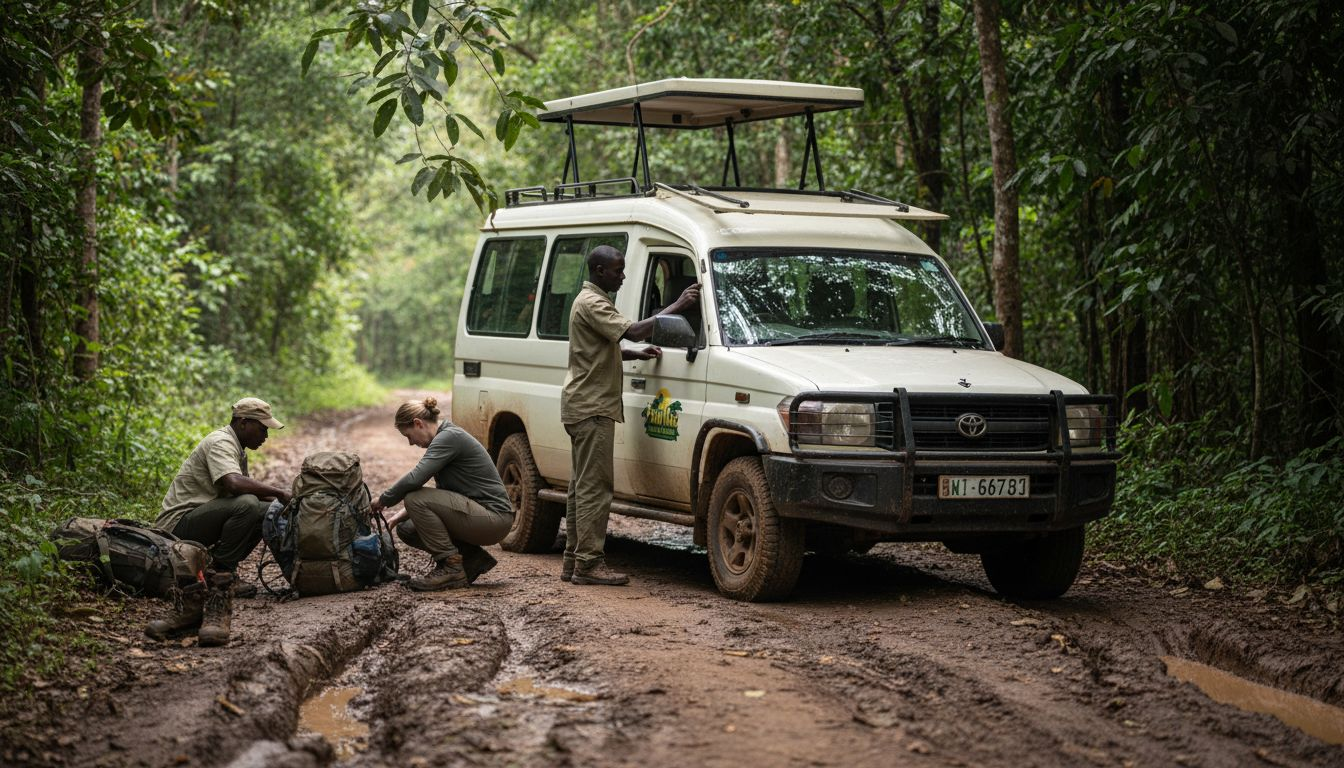
Driver expertise matters enormously. PawMac drivers know forest roads, anticipate weather-related challenges, and time departures to reach trailheads before tracking groups depart. Roads from major towns to tracking sectors can take 5-6 hours, with sections featuring potholes and narrow passes.
Uganda safari transport options demonstrate why safari vans beat alternatives. Vans seat 6-7 passengers comfortably, allow standing through pop-up roofs, and cost less than luxury Land Cruisers without sacrificing reliability. Group travelers split costs effectively.
“The African massage on forest roads tests every vehicle. Safari vans with reinforced suspension absorb punishment while keeping passengers comfortable during long transfers.”
Transport Advantages:
- Pop-up roofs enable 360-degree viewing during wildlife encounters
- High ground clearance navigates flooded sections during rainy periods
- Drivers carry tools and spares for roadside repairs
- Fuel capacity supports remote sector access without refueling stops
- Radio communication connects drivers with park rangers
Pro Tip: Morning departures from Kampala or Fort Portal reach Kibale trailheads by 7:30 AM, allowing time for briefings before 8 AM tracking starts. Late arrivals miss slots.
Timing Your Trip
Dry seasons deliver optimal chimpanzee tracking conditions. Dry seasons June-Sept and Dec-Feb offer best chimpanzee activity and trekking conditions. Trails remain passable, chimps forage actively, and visibility improves in thinner vegetation.
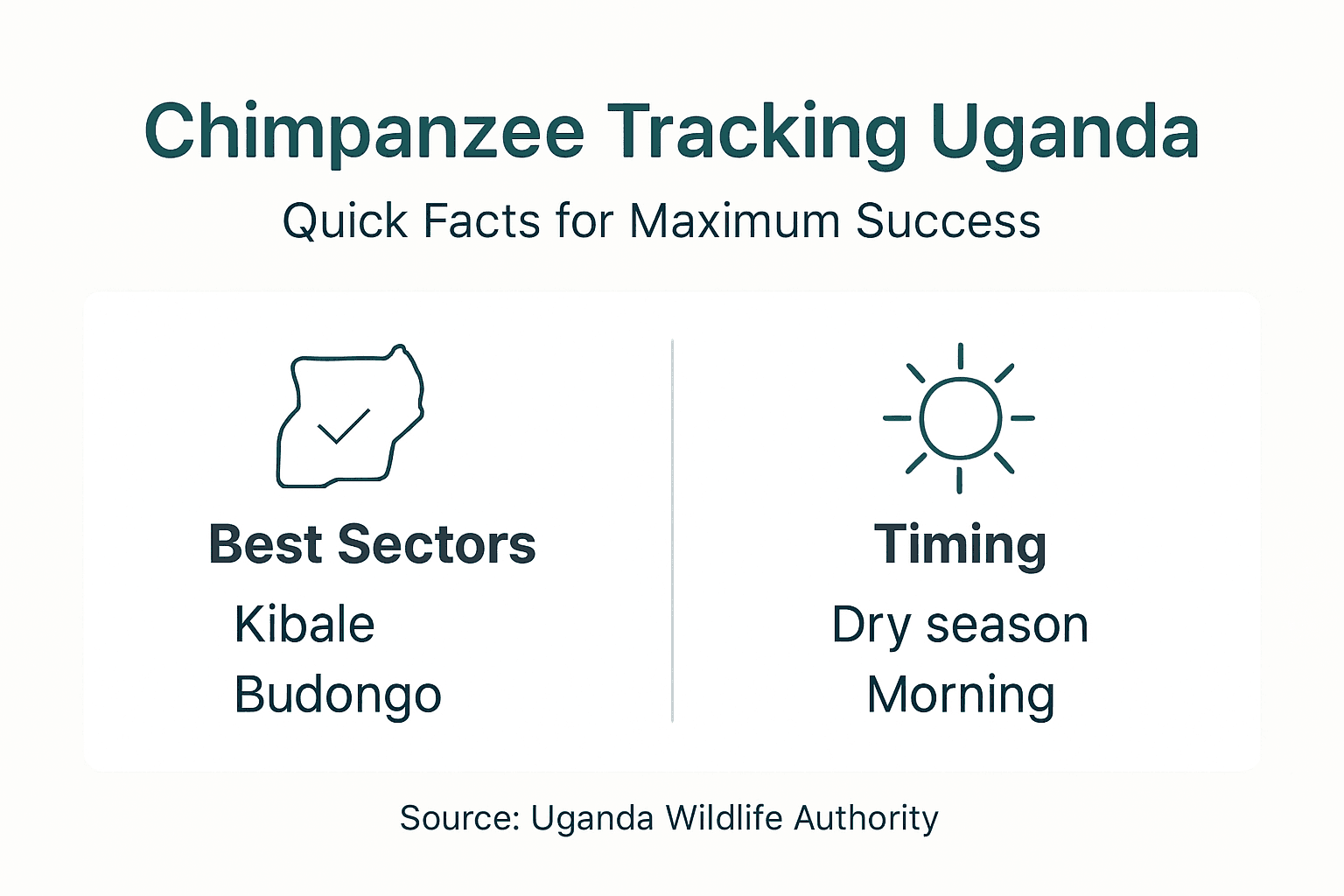
June through September represents peak season. Weather stays predictable, and chimp groups move along established routes. December to February offers similar conditions with slightly fewer tourists. Both periods require advance permit booking due to high demand.
Low season months (April, May, November) bring afternoon rains and muddier trails. Uganda Wildlife Authority occasionally offers permit discounts during these months, reducing foreign non-resident rates by 10-15%. However, rescheduling flexibility decreases, and weather cancellations can occur.
Monthly Planning Guide:
- January-February: Excellent conditions, moderate crowds
- March-May: Heavy rains, discounted permits, flexible if you accept weather risks
- June-September: Peak season, guaranteed dry weather, book early
- October: Transition month, unpredictable weather
- November: Short rains, lowest visitor numbers
- December: Holiday season, dry conditions, premium pricing
Morning tracking sessions starting at 8 AM coincide with chimp feeding activity. Afternoon sessions at 2 PM work for travelers combining tracking with other activities. Early morning offers cooler temperatures and more active primates.
Gear and Preparation
Forest trekking demands specific equipment. Gaiters protect legs from thorny undergrowth common in Kibale and Budongo. Lightweight long pants and long-sleeved shirts prevent scratches and insect bites. Avoid bright colors that disturb wildlife.
Footwear must provide ankle support and waterproof protection. Hiking boots with deep treads grip muddy trails. Break in new boots before your trip to prevent blisters during multi-hour treks. Thick socks add cushioning on uneven terrain.
Essential Gear List:
- Gaiters for leg protection
- Waterproof hiking boots with ankle support
- Lightweight trekking pants and long-sleeved shirt
- Rain jacket and poncho
- Wide-brimmed hat and sunglasses
- Insect repellent with 30%+ DEET
- 2-liter water bottle or hydration pack
- Energy snacks like nuts and dried fruit
- Small backpack under 20 liters
- Camera with telephoto lens and extra batteries
Layering handles temperature shifts between shaded forest and open clearings. Mornings start cool at 15-18°C, warming to 25-28°C by midday. Rain can arrive suddenly even in dry season, making packable rain gear mandatory.
Pro Tip: Chimpanzee tracking gear recommendations emphasize neutral colors like khaki, olive, and brown. Rangers may refuse entry to visitors wearing bright red, yellow, or white clothing that chimps find threatening.
Common Logistical Mistakes and Fixes
Late permit booking tops the failure list. Common failure points include late permit booking causing no availability, underestimating trekking difficulty, and unsuitable transport choices, all leading to unsuccessful tracking experiences. Travelers who wait until 4-6 weeks before departure find no permits available, especially June through September.
Underestimating trek difficulty creates problems. Some visitors assume chimpanzee tracking resembles zoo visits. Reality involves 2-4 hours of hiking through dense vegetation, crossing streams, and navigating steep slopes. Poor fitness levels result in exhaustion and inability to keep pace with ranger-led groups.
Wrong transport choices cause discomfort and delays. Travelers booking budget operators end up in poorly maintained vehicles that break down en route. Missing tracking slots due to vehicle problems wastes permit fees and ruins itineraries.
“Every tracking season, we extract tourists from situations created by poor planning. The pattern repeats: last-minute bookings, wrong gear, unsuitable vehicles. Professional operators eliminate these risks through proper logistics.”
Mistake Prevention Strategy:
- Book permits through licensed operators 4-6 months ahead
- Train with 2-3 hour hikes on uneven terrain before travel
- Verify operator vehicle quality and maintenance records
- Pack complete gear list two weeks before departure
- Purchase travel insurance covering medical evacuation
- Follow planning mistakes and fixes insight for avoiding common errors
Weather preparation failures leave travelers soaked and cold. Dry season does not mean zero rain. Afternoon showers occur even in peak months. Lacking waterproof gear transforms tracking into misery.
Plan Your Chimpanzee Tracking Adventure with PawMac Safaris
Our team handles permit procurement, sector selection, and transport logistics so you focus on the experience. We operate custom chimpanzee tracking tours designed around your schedule and fitness level, with backup plans for weather disruptions.
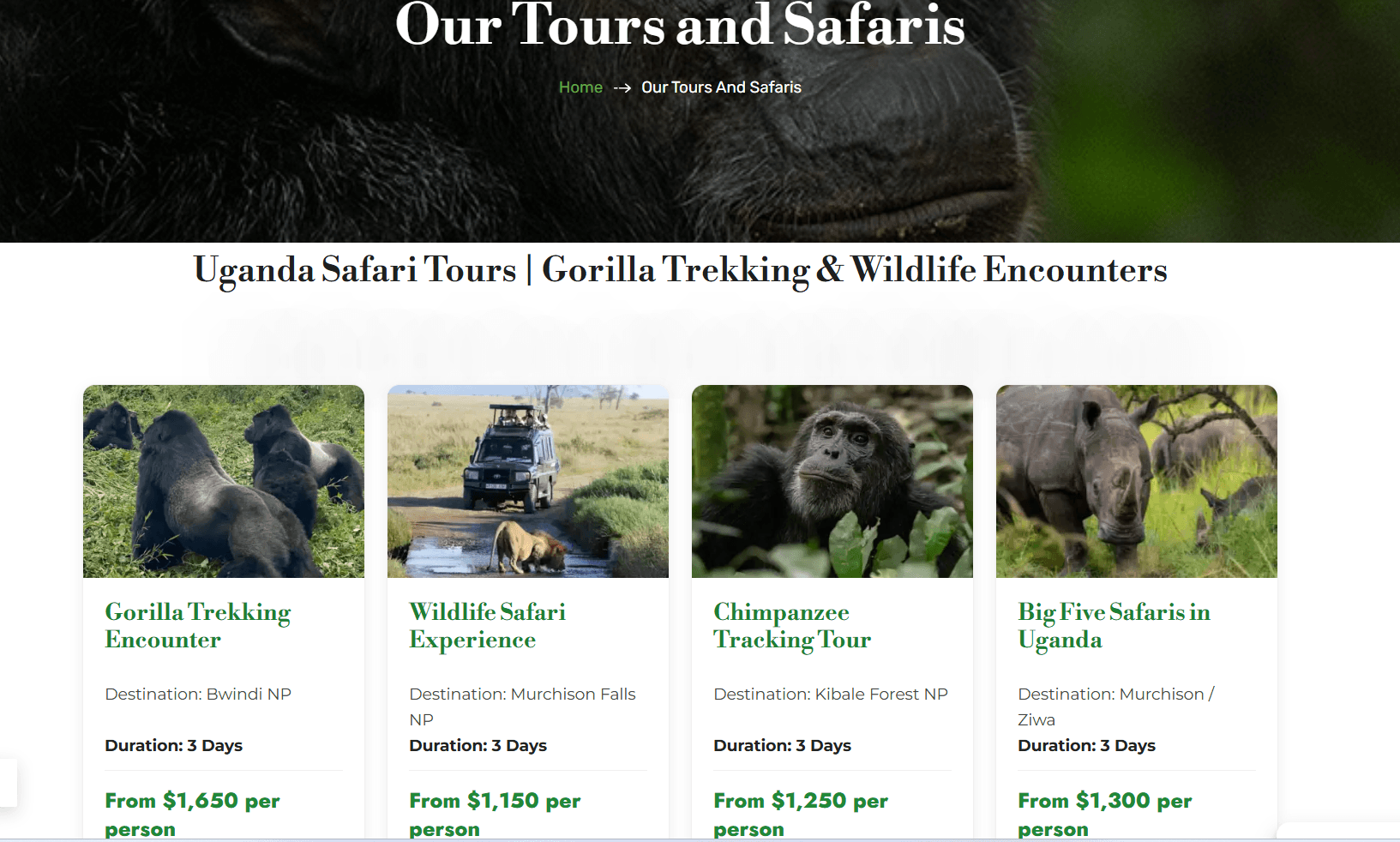
PawMac drivers know every murram road to Kibale, Budongo, and Kyambura. Our safari vans maintain schedules despite challenging conditions. We provide permit booking assistance that secures your slots months ahead, eliminating uncertainty.
Gear preparation improves with our comprehensive safari packing guide covering everything from gaiters to camera settings. We answer questions about sector differences, best travel months, and realistic success rates based on current conditions.
Frequently Asked Questions
How far in advance should I book chimpanzee permits?
Book 3-6 months before your travel date, especially for June through September. Peak season permits sell out early. Licensed operators like PawMac secure permits faster than individual travelers navigating Uganda Wildlife Authority procedures.
Which sector has the highest chimpanzee sighting success?
Kibale Forest delivers 95%+ success rates with over 1,500 habituated chimps. Budongo Forest offers 70-80% success with fewer visitors. Kyambura Gorge provides 50-60% success but unique underground forest scenery.
What type of vehicle is best for chimpanzee tracking?
Custom 4×4 Safari Vans with pop-up roofs handle forest roads effectively while providing wildlife viewing angles. These vans balance comfort, cost, and capability better than alternatives. Driver expertise navigating rough roads matters as much as vehicle type.
What are essential gear items for tracking?
Gaiters, waterproof hiking boots, long pants, long sleeves, rain jacket, insect repellent, water, snacks, and small backpack. Neutral-colored clothing prevents disturbing chimps. Camera gear needs telephoto capability for forest conditions.
Can I get discounts during low season and what are restrictions?
Uganda Wildlife Authority occasionally offers 10-15% permit discounts during April, May, and November. Restrictions include stricter rescheduling policies and no refunds for weather cancellations. Low season suits flexible travelers accepting weather risks for cost savings.
Recommended
- Chimpanzee Tracking Uganda | PawMac Safaris
- Unforgettable 3-Day Chimpanzee Tracking Safari in Kibale NP
- 5-Day Uganda Primate Safari | PawMac Safaris
- Combining Gorillas and Chimpanzees | PawMac Safaris