
- 6 Views
- 10 Min Read
- (0) Comment
TL;DR:
- Family safaris in Uganda are designed with kid-friendly activities, accommodations, and safety measures.
- Wildlife encounters include educational ranger programs, hands-on tracking, and safe boat cruises.
- Cultural exchanges with local communities enrich the experience, fostering empathy and global awareness.
Many parents assume safaris are strictly for adventure-seeking adults willing to rough it in the wilderness. That assumption is wrong, and the numbers back it up. Families consistently rate Ugandan safari trips as transformative, deeply satisfying experiences, with children returning home with stories, skills, and a genuine love for wildlife. Uganda, the Pearl of Africa, offers something most family vacations simply cannot: real wildlife, genuine cultural exchange, and hands-on learning woven together into a single, unforgettable journey. This guide breaks down exactly why a family safari in Uganda works, what to expect, and how to plan it well.
Table of Contents
- Why Uganda’s safaris welcome families
- Wildlife encounters: safe, exciting, and educational
- Cultural engagement and authentic learning
- Addressing practical concerns: Health, age limits, and safety
- The truth: What most guides won’t tell you about family safaris
- Ready for an unforgettable family adventure?
- Frequently asked questions
Key Takeaways
| Point | Details |
|---|---|
| Family-first safari design | Uganda’s top safari parks and guides tailor experiences so kids and parents both enjoy and learn. |
| Wildlife and culture learning | Children experience animals up-close and meet local communities, sparking curiosity and empathy. |
| Safety and comfort | Clear policies and expert operators help families travel with health and security in mind. |
| Read the fine print | Check lodge age policies and prepare for malaria prevention before booking your safari. |
Why Uganda’s safaris welcome families
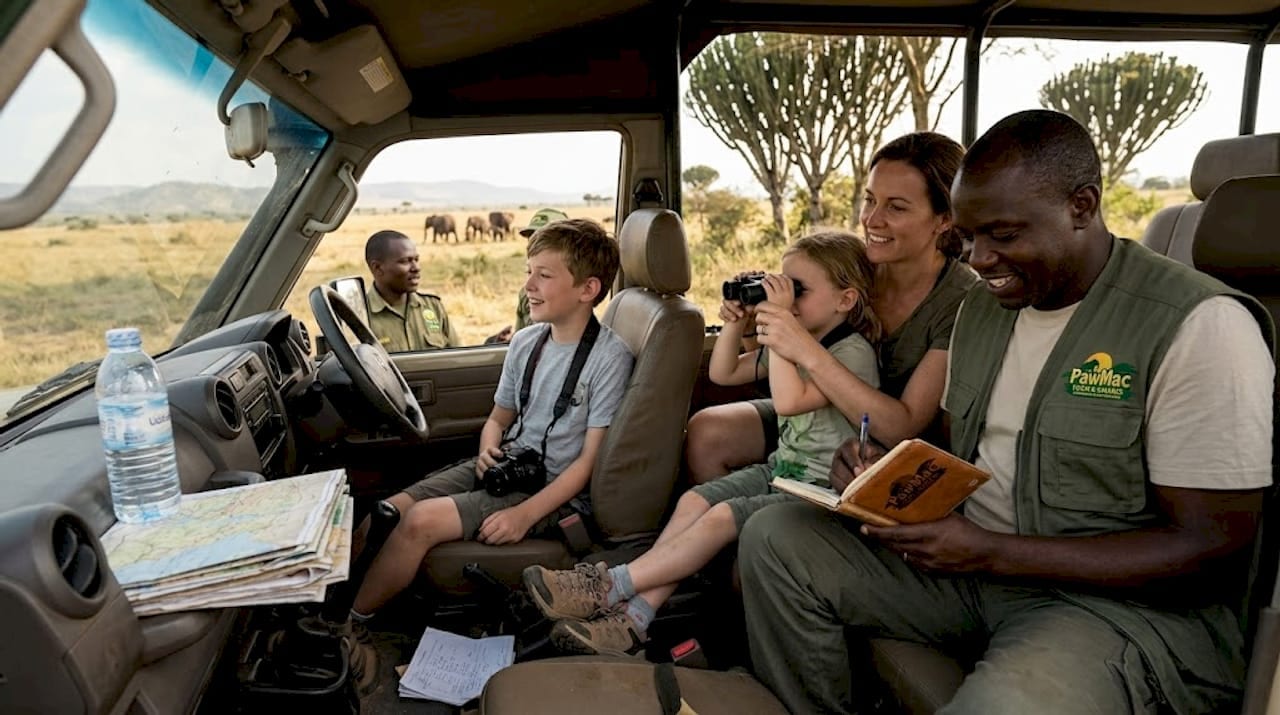
The idea that children are unwelcome on safari is one of the most persistent myths in travel. In reality, most reputable operators in Uganda have built their programs with families firmly in mind. Age-appropriate game drives, shorter itineraries for younger children, and lodges with dedicated family suites are now standard features across Queen Elizabeth and Murchison Falls National Parks.
What truly sets Ugandan family safaris apart is the quality of the guides. Trained rangers and naturalists know how to speak to kids, sharing fun, memorable facts about elephant behavior, hippo territories, and bird calls that children actually retain. A guide who kneels down to show a 7-year-old a track in the mud is worth more than any classroom lesson.
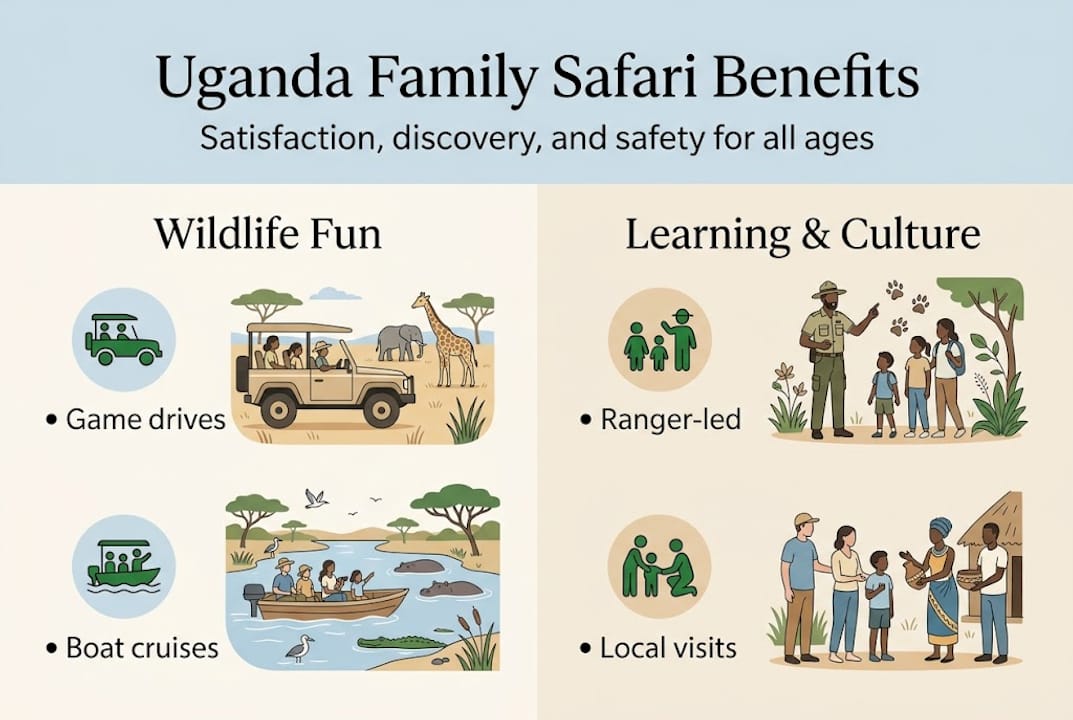
Here are some of the core features that make these tours genuinely family-friendly:
- Kid-paced itineraries: Morning game drives that finish before midday, leaving afternoons for rest and play
- Family accommodation: Lodges with interconnecting rooms, childproofed areas, and babysitting services
- Safety protocols: Guides trained in first aid and experienced in managing groups with young children
- Educational storytelling: Rangers use real-life animal stories to explain ecology, food chains, and conservation
- Flexible meals: Most properties can accommodate early dining and simple child-friendly menus
Stat to know: 94% of families recommend Uganda safaris, describing their experiences as satisfying and transformative. That is not a coincidence. It reflects deliberate design by operators who understand what families need.
If you want a deeper look at what to bring and how to prepare, the family safari tips guide on PawMac Safaris covers logistics in detail. You can also explore ready-made family safari packages built specifically for groups traveling with children.
Wildlife encounters: safe, exciting, and educational
With family-focused tours and guides in place, the real highlight for most kids and adults is direct wildlife encounters. Uganda delivers on this front in ways that genuinely surprise first-time visitors.
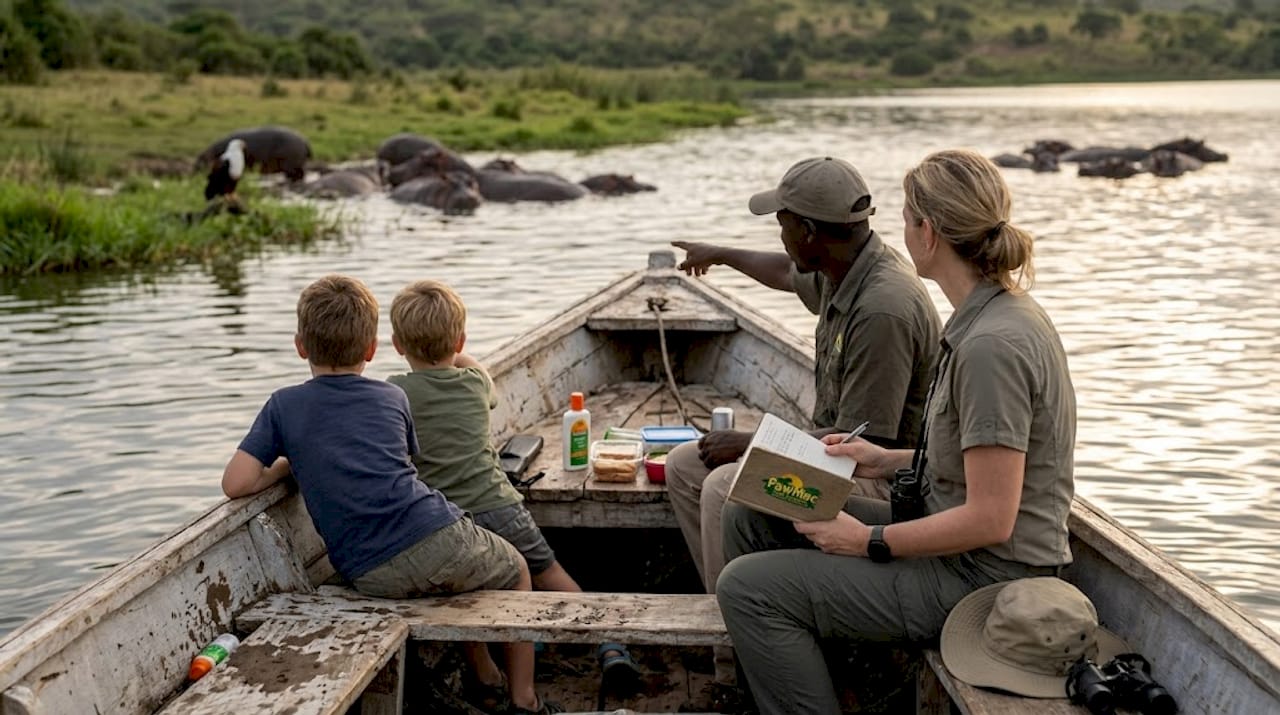
Guided boat cruises along the Kazinga Channel bring families face-to-face with hundreds of hippos, Nile crocodiles, African fish eagles, and massive elephant herds drinking at the water’s edge, all from a safe and stable vessel. Game drives through Queen Elizabeth’s savanna corridors offer sightings of lions, Uganda kob, giant forest hogs, and the famous tree-climbing lions of Ishasha. These are not zoo encounters. They are wild, unpredictable, and thrilling.
Plan Your Uganda Safari with Local Experts
 WhatsApp Us
Ranger-led programs are where the educational value really shines. Rangers explain animal behavior using language children understand. Why does the elephant flap its ears? How does a lion communicate with its pride? What does that bird’s call actually mean? These are the kinds of questions kids love asking, and good rangers love answering.
| Learning approach | Safari experience | Traditional classroom |
|---|---|---|
| Animal behavior | Observed live in natural habitat | Read from a textbook |
| Conservation concepts | Explained with real examples | Abstract and theoretical |
| Cultural context | Shared by local community hosts | Rarely included |
| Engagement level | High (hands-on, sensory) | Variable |
| Retention | Strong (tied to emotion and memory) | Moderate |
Children also participate in tracking exercises, bird identification challenges, and simple nature journaling activities. These transformative family experiences build curiosity, patience, and observation skills that carry over long after the trip ends.
Pro Tip: Pack a kid-sized pair of binoculars and a simple field notebook. Children who document their sightings stay more engaged throughout the day and feel a real sense of ownership over their experience. Check the safari packing checklist for a full gear list, and don’t overlook the wildlife photography tips for capturing those incredible moments.
Cultural engagement and authentic learning
Wildlife isn’t the only educational highlight. Ugandan safaris go far beyond the animals, and many families say the cultural component is what their children talk about most when they get home.
Visits to local communities near the national parks are often arranged as part of multi-day itineraries. Children get to meet age-mates from Ugandan villages, try their hand at traditional crafts like basket weaving and pottery, and taste locally prepared foods. These interactions build empathy and global awareness in a way that no screen or curriculum can replicate.
Music is another entry point. Traditional drumming sessions and dance performances are interactive, not just performative. Kids are invited to try the instruments, follow the rhythms, and laugh alongside their hosts. It removes the distance between visitor and community in a natural, joyful way.
Here are the most common cultural activities families enjoy on Ugandan safari tours:
- Community village walks with local guides explaining daily life and traditions
- School visits where children can interact, draw together, and exchange small gifts
- Traditional cooking experiences using local produce and open-fire methods
- Craft workshops in weaving, beading, and wood carving
- Storytelling sessions around the campfire with elders or rangers
“The ranger-led cultural program changed how my daughter sees the world. She came home asking questions I had never thought to ask myself.” — Family visitor, Queen Elizabeth National Park
Family reviews consistently highlight these cultural exchanges and ranger-led programs as standout moments for children. For families wanting to explore Uganda’s most iconic regions, the top safari destinations page offers a clear overview of where to go and what each area offers.
Addressing practical concerns: Health, age limits, and safety
While safaris are friendly and fun for families, knowing about health and safety in advance ensures a smooth journey. This is the area where good preparation makes all the difference.
One critical fact that many parents discover too late: not all lodges allow children under 5 or 6, and malaria risk is higher for young children, requiring strict and consistent prevention measures. Always confirm the age policy with your lodge before booking.
Here is a checklist of questions to ask any safari operator before you commit:
- What is the minimum age allowed at the lodge and on game drives?
- Are malaria prophylactics recommended for this specific region and season?
- Is the lodge equipped with a medical kit and emergency contact protocols?
- What child-friendly meals are available, and can you accommodate allergies?
- Are car seats or booster seats provided for road transfers?
- How long are the daily drives, and are there rest stops?
| Safety feature | What to ask | Why it matters |
|---|---|---|
| Age policy | Minimum age for lodge and activities | Some lodges restrict under-5s |
| Malaria prevention | Nets, repellents, medication guidance | Kids face higher risk |
| Medical support | Nearest clinic, first-aid training | Remote locations require prep |
| Food accommodations | Allergy and dietary options | Avoids distress on-site |
| Vehicle safety | Seat belts, speed limits on drives | Comfort and protection |
For malaria prevention, use insecticide-treated bed nets every night, apply DEET-based repellent at dawn and dusk, dress children in light, long-sleeved clothing for evening activities, and consult your doctor about appropriate prophylactics well before travel.
Pro Tip: Book a pre-travel health consultation at least 6 weeks before departure. Some medications require time to build effectiveness, and your doctor can tailor recommendations based on your children’s ages and health history. The safety tips for families page and the safari travel logistics guide are both excellent resources for this stage of planning.
The truth: What most guides won’t tell you about family safaris
Here is what the polished brochures rarely say: family safaris are not automatically seamless. The best ones require deliberate planning, honest conversations with operators, and realistic expectations from parents.
Not every lodge is genuinely child-ready, even if the website implies otherwise. Age restrictions and malaria risks are real considerations that require advance research, not assumptions. Choosing a lodge that claims to be family-friendly without verifying details is where most problems begin.
But here is the contrarian truth most guides skip: the small discomforts, a bumpy road, an early wake-up, a rainstorm during a game drive, often become the best stories. Children are more adaptable than parents expect. When kids are included in the planning process, choosing which park to visit or which animal they most want to see, their investment in the trip multiplies dramatically.
For destinations, comparing options like Uganda vs. Kenya safari reveals why Uganda’s lower tourist density and richer primate encounters make it particularly rewarding for families seeking genuine immersion rather than a crowded game drive.
Choose your operator carefully. Ask detailed questions. Involve your kids. The families who do this consistently describe their Uganda safari not as a vacation but as a turning point.
Ready for an unforgettable family adventure?
If everything you’ve read here has you picturing your family watching elephants at sunset or your child laughing through a drumming workshop, that vision is absolutely within reach. PawMac Safaris specializes in crafting Ugandan experiences that match your family’s pace, interests, and budget.
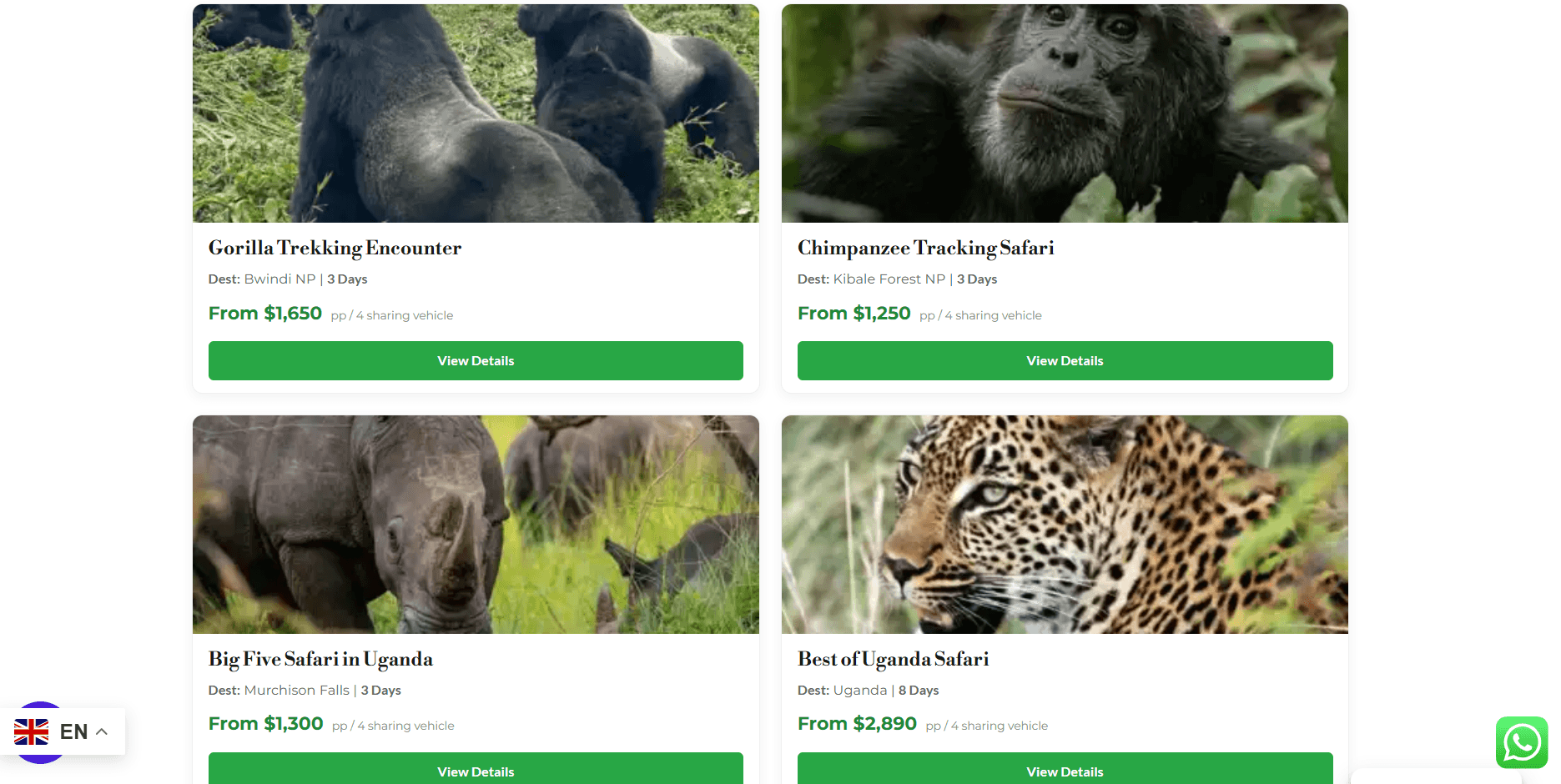
From expertly guided game drives in Queen Elizabeth National Park to cultural immersions near Murchison Falls, every detail is handled by local experts who know Uganda intimately. Explore the full range of Uganda safari tours or browse Uganda family safari trips designed with children in mind. For something truly personalized, build your own tailor-made Uganda safari and let PawMac’s team take care of every detail.
Frequently asked questions
What is the best age for kids on a safari in Uganda?
Ages 6 and up are generally ideal, as some lodges restrict children under 5 or 6 and older children engage far more actively with wildlife activities and ranger programs.
How can I keep my family safe from malaria while on safari?
Use insecticide-treated mosquito nets every night, apply DEET repellent at dawn and dusk, and follow your doctor’s guidance on malaria prevention medication starting well before your departure date.
Are family-friendly safaris in Uganda truly educational?
Absolutely. Children engage with animal behavior, ecosystems, and local cultures through live experiences, and ranger-led programs are specifically designed to make learning hands-on and memorable for young visitors.
Is it possible to accommodate food allergies or picky eaters?
Most safari lodges in Uganda can accommodate dietary needs and food allergies when notified in advance, so always communicate your family’s requirements at the time of booking.
What’s the main benefit of choosing a family safari over a typical holiday?
Family safaris offer shared adventure, real-world learning, and lifelong memories that no resort stay can match, and families routinely describe their Ugandan safari as the single best trip they have ever taken together.
Recommended
- Top tips for a safe and fun family safari in Uganda
- Family Safari Packages in Uganda | Best Family Tours
- Explore Adventure Stories and Tips on the PawMac Safaris Blog
- Essential wildlife photography tips for safaris in Uganda