


- 64 Views
- 17 Min Read
- (0) Comment
Choosing between guided safari tours and self-drive in Uganda is not simply a matter of independence versus comfort. It is a decision about road conditions, permit timing, wildlife expertise, safety margins, and how much of your holiday you want to spend solving logistics on the ground.
Uganda rewards travelers who plan well. A single itinerary can include mountain gorillas in Bwindi, chimpanzees in Kibale, lions and elephants in Queen Elizabeth, rhinos at Ziwa, the Nile at Murchison Falls, and remote wilderness in Kidepo Valley. But the same variety that makes Uganda exceptional also makes logistics more demanding than many first-time visitors expect.
A self-drive safari can work for confident, flexible travelers with enough time and a realistic budget for vehicle hire, fuel, insurance, and delays. A guided safari, especially with a local operator such as PawMac Safaris, is usually the stronger choice for travelers who want higher wildlife success, smoother gorilla trekking logistics, better safety support, and less uncertainty.
Quick verdict: guided safari or self-drive?
For most international travelers visiting Uganda for the first time, a guided safari is the better value once you factor in time, permits, park navigation, road risk, and wildlife interpretation. Self-drive becomes more attractive if you have previous Africa driving experience, a flexible itinerary, strong route-planning skills, and no pressure to maximize sightings every day.
| Traveler priority | Better option | Why it matters in Uganda |
|---|---|---|
| First-time Uganda safari | Guided safari | Local route knowledge, permit coordination, and park timing reduce costly mistakes. |
| Gorilla trekking in Bwindi | Guided safari | Sector, lodge, road, and permit alignment are critical. |
| Short trip of 5 to 8 days | Guided safari | You cannot afford delays, missed briefings, or wrong routing. |
| Budget flexibility and slow travel | Self-drive | Works if you accept slower days and possible logistical surprises. |
| Family safari | Guided safari | Safer transfers, better pacing, and easier lodge coordination. |
| Photography-focused safari | Guided safari | Guides position vehicles better and understand animal behavior. |
| Remote parks such as Kidepo | Guided safari | Distance, road conditions, and limited rescue options make local support valuable. |
| Repeat visitor with 10+ days | Self-drive or guided | Self-drive can work if the route is simple and well researched. |
The key point is this: Uganda is not a destination where self-drive automatically saves money. It can save on driver-guide fees, but it can also create extra costs through wrong turns, fuel miscalculations, vehicle recovery, missed activities, and poorly matched lodge locations.

What “guided safari” and “self-drive” really mean in Uganda
A guided safari in Uganda normally means you travel in a private or small-group 4×4 safari vehicle with a professional driver-guide. Your operator coordinates accommodation, park entries, activity permits, route timing, airport transfers, and daily safari planning. With PawMac Safaris, the emphasis is on personalized Uganda itineraries, local guides, comfortable 4×4 vehicles, gorilla and chimpanzee tracking logistics, Big Five routes, cultural visits, and flexible budget to luxury options.
Self-drive means you rent a vehicle, usually a 4×4, and manage the route yourself. You book your own lodges, permits, fuel stops, meals, park entries, activity times, and navigation. In Uganda, self-drive does not mean you trek gorillas alone or walk freely through protected forests. Gorilla trekking, chimpanzee tracking, rhino tracking, and many park activities still require official ranger guidance.
This distinction is important. A self-drive traveler can drive to Bwindi or Kibale, but the actual wildlife encounter is still regulated. The difference is that a guided operator handles the entire chain of decisions before and after that activity.
The Uganda logistics that make this decision different
Uganda’s safari routes are spectacular, but they are not always simple. Distances may look short on a map, yet transfer times can be long because of traffic, roadworks, gravel stretches, mountain roads, rain, ferry timing, and park gate procedures.
A drive from Entebbe or Kampala to Murchison Falls can take about 5 to 7 hours depending on stops and traffic. Kampala to Kibale is often 5 to 6 hours. Kampala to Bwindi can take 8 to 10 hours or more by road, depending on the sector. Queen Elizabeth to Bwindi may take 4 to 6 hours, but the exact time depends heavily on whether your gorilla permit is in Buhoma, Ruhija, Rushaga, or Nkuringo.
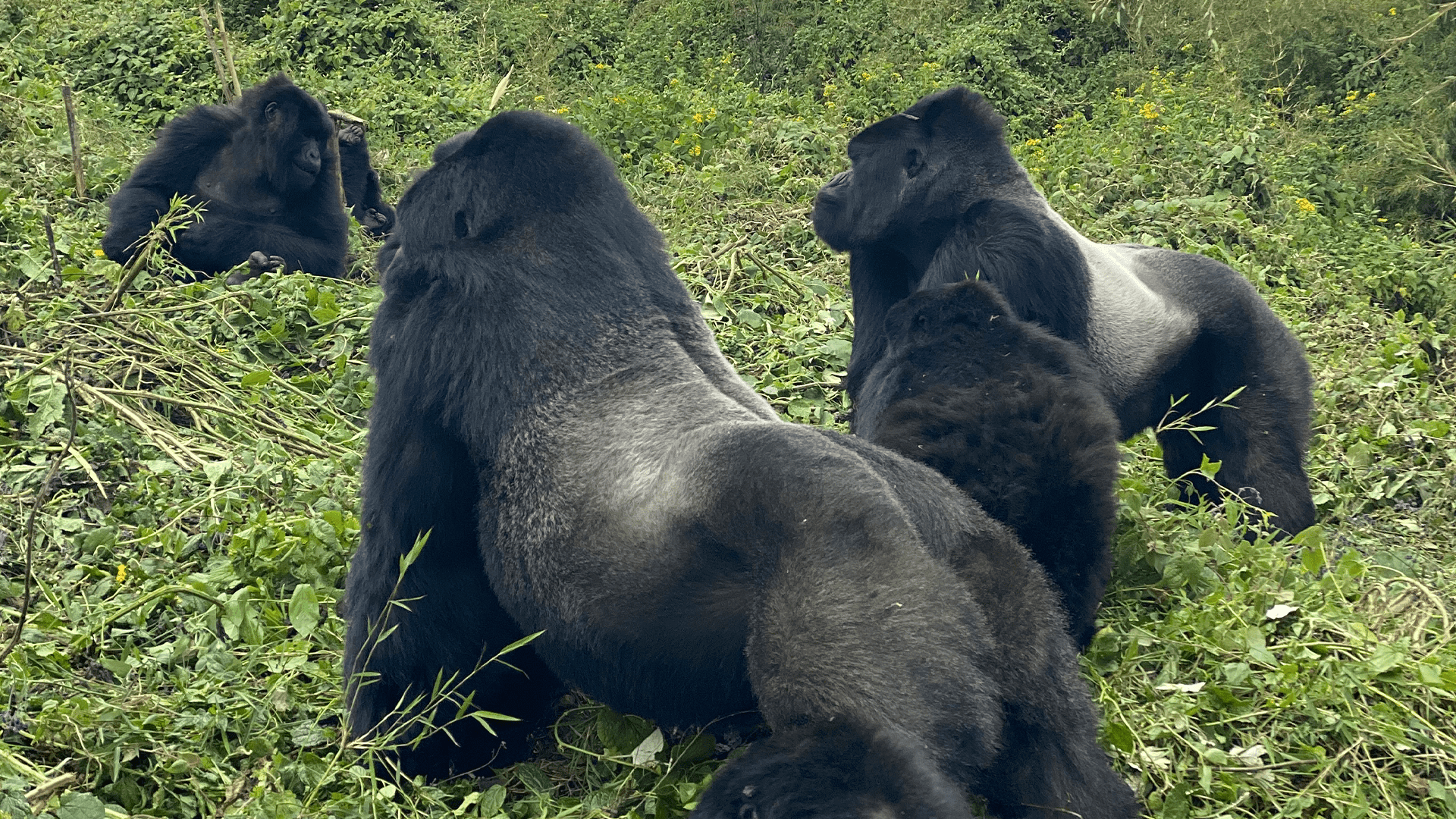
Plan Your Uganda Safari with Local Experts
 WhatsApp Us
That last detail is where many self-drive plans fail. Bwindi is not one single trailhead. It is a large, mountainous forest with multiple trekking sectors, and your permit is tied to a specific sector. Booking a lodge in the wrong area can mean hours of extra driving before a 7:00 am briefing, or in the worst case, missing the trek entirely. For a permit costing USD 800 for foreign non-residents in 2026, that is not a small mistake.
If gorillas are central to your trip, read PawMac Safaris’ detailed guide to gorilla trekking permit costs and logistics in Uganda before choosing your route.
Permits: the hidden reason guided safaris often win
Permits are one of the biggest differences between casual travel and serious Uganda safari planning. The most important 2026 cost to understand is the gorilla trekking permit, which is USD 800 for foreign non-residents. Chimpanzee tracking in Kibale is commonly budgeted at around USD 250 for foreign non-residents. Gorilla habituation, where available, costs more than standard trekking and requires even earlier planning.
These fees are paid for specific dates and locations. They are not flexible sightseeing tickets you can use whenever you arrive. If your vehicle has a mechanical issue, if you misjudge the drive time, or if you stay in the wrong sector, your permit value is at risk.
A guided operator helps by aligning four pieces of the puzzle:
- The correct permit date and trekking sector.
- A lodge within realistic reach of the briefing point.
- A transfer plan that avoids impossible travel days.
- A backup communication chain if conditions change.
For travelers spending several thousand dollars on a once-in-a-lifetime Uganda safari, this coordination is often worth more than the apparent saving of driving independently.
Safety and comfort: it is not only about road confidence
Self-driving in Uganda requires more than knowing how to operate a 4×4. You need to be comfortable with left-side driving, variable road surfaces, boda-bodas in towns, pedestrians, livestock, speed bumps, police checkpoints, and long rural stretches with limited services. Night driving should generally be avoided, especially outside major towns.
Inside national parks, self-drive travelers must also understand wildlife behavior. Elephants can become defensive, buffalo are unpredictable, and predators should never be approached too closely. A professional guide reads body language, chooses safer viewing angles, and knows when to move away.
Long safari days also affect the body. Transfers can involve 5 to 10 hours on uneven roads, and gorilla trekking may include steep, muddy forest trails. Travelers with recurring back, knee, hip, or neck pain should prepare before departure and consider professional advice on pain relief and musculoskeletal care so that long drives and trekking days are more manageable.
Guided safaris add another layer of comfort because the driver-guide handles navigation, timing, gate procedures, parking, local communication, and route adjustments. That lets you focus on wildlife, photography, landscapes, and rest between destinations.
Wildlife sightings: why local guiding changes the experience
A self-drive traveler can see wildlife in Uganda, especially in open areas such as Lake Mburo, Queen Elizabeth, and Murchison Falls. But seeing animals is not the same as understanding where to be, when to arrive, and how to interpret movement.
Local guides know which tracks are productive after rain, where lions were active recently, which fig trees attract birds and primates, how to read fresh dung or tracks, and when a quiet area is worth patience. In Queen Elizabeth, for example, a guide may adjust your game drive around Kasenyi plains, the Kazinga Channel schedule, and Ishasha’s tree-climbing lion areas. In Murchison Falls, timing the north bank tracks, Nile boat cruise, ferry crossings, and top-of-the-falls visit makes a major difference.
For photographers, a good guide is even more valuable. Vehicle positioning, light direction, patience at sightings, and ethical distance can determine whether you return with rushed snapshots or strong images. If photography is a key goal, PawMac Safaris’ guide on wildlife photography safaris in Uganda is a helpful next step.
Cost comparison: guided safari tours vs self-drive in Uganda
Self-drive often looks cheaper at first because you remove the daily driver-guide cost. But the full comparison needs to include vehicle category, insurance excess, fuel, park vehicle fees, navigation mistakes, spare nights, activities, permits, and your own time.
The estimates below are realistic planning ranges for a 7 to 8 day Uganda itinerary combining savanna wildlife, chimpanzee tracking, and gorilla trekking. Costs vary by season, accommodation level, group size, vehicle type, and exchange rates. International flights, visas, travel insurance, premium drinks, laundry, souvenirs, and tips are usually separate.
| Cost item | Self-drive estimate | Guided safari estimate | Important note |
|---|---|---|---|
| 4×4 vehicle and basic insurance | USD 90 to USD 250 per day | Usually included in package | Pop-up roof Land Cruisers cost more than basic 4x4s. |
| Fuel and vehicle-related costs | USD 300 to USD 700+ per trip | Usually included if packaged | Long Uganda routes consume more fuel than many travelers expect. |
| Driver-guide | USD 0 if fully self-drive | Often embedded in package | A professional guide may be itemized at roughly USD 50 to USD 100 per day. |
| Gorilla trekking permit | USD 800 per person | USD 800 per person | Same permit cost whether guided or self-drive. |
| Kibale chimpanzee tracking | About USD 250 per person | About USD 250 per person | Subject to official tariff confirmation at booking. |
| Park entries and activities | USD 200 to USD 600+ per person | Often included if listed | Boat cruises, ranger fees, and extra drives add up. |
| Accommodation and meals | USD 600 to USD 3,500+ per person | Included by chosen tier | Luxury lodges near prime parks can be USD 400 to USD 1,200+ per night. |
| Typical 7 to 8 day total | USD 2,000 to USD 4,500+ per person | USD 2,400 to USD 5,500+ per person | Luxury guided safaris can exceed USD 6,000 per person. |
For budget travelers, self-drive can reduce costs if there are two to four people sharing the vehicle and if the itinerary avoids unnecessary backtracking. For mid-range and luxury travelers, guided safaris often deliver better value because logistics, time, comfort, and wildlife success matter more than saving a few hundred dollars.
For a wider view of Uganda safari budgets, see PawMac Safaris’ guide to Uganda safari prices, permits, and package costs.
When self-drive in Uganda can make sense
Self-drive is not a bad option for everyone. It can be rewarding if you are realistic about the demands and choose an itinerary that matches your experience.
Self-drive is most suitable if you have previous experience driving in African countries, you are comfortable changing tires or handling minor vehicle issues, you have at least 10 to 14 days, and your route is not overloaded with fixed-time permits. It is also better for travelers who enjoy slow travel, independent decision-making, and the possibility that some days may not go exactly as planned.
The easiest Uganda self-drive routes are usually shorter or less remote. Lake Mburo is relatively accessible and works well for travelers looking for a gentle introduction. Jinja and the Source of the Nile are also manageable with good planning. Murchison Falls can be self-driven by experienced travelers, but ferry timing, park roads, and long distances still require care.
If you self-drive, build in extra time. Avoid planning a major transfer on the same day as a permit-based activity. Do not drive at night. Carry a local SIM card, offline maps, water, snacks, a first-aid kit, a torch, a power bank, and emergency contacts. Confirm whether your rental agreement allows national park driving, border crossings if relevant, and travel on rough roads.
Most importantly, do not choose self-drive purely because the daily vehicle price looks low. A cheaper vehicle that struggles on wet roads, lacks a pop-up roof, or has weak recovery support can make the whole trip harder.
When guided safari tours are worth it
Guided safari tours are worth it when your itinerary includes high-value, high-complexity experiences. In Uganda, that usually means gorilla trekking, chimpanzee tracking, multiple national parks, remote routes, photography goals, family travel, senior travel, or luxury lodging.
A guided safari is especially valuable when you have limited time. A 7-day itinerary might include Entebbe, Murchison Falls, Kibale, Queen Elizabeth, and Bwindi, but only if the routing is disciplined. A self-drive traveler may underestimate transfer fatigue and lose the best wildlife hours to road delays. A driver-guide helps keep the trip realistic.
Guided travel also improves cultural interpretation. Uganda’s safari experience is not only wildlife. It includes communities around Bwindi, the Batwa heritage experience, Bigodi Wetland near Kibale, Ankole cattle culture, Kampala history, and local food traditions. A guide helps travelers engage respectfully and avoid treating cultural visits as quick photo stops.
For families, guided safaris reduce stress. Parents do not have to navigate, solve lodge check-ins, manage park entry paperwork, and keep children comfortable at the same time. For older travelers, a guide can pace transfers, coordinate porters for gorilla trekking, and help communicate with lodges about mobility needs.
Park-by-park comparison for Uganda
Different Uganda destinations have different levels of self-drive suitability. The right answer depends on the park, season, activity, and your experience level.
| Uganda destination | Self-drive suitability | Guided safari advantage |
|---|---|---|
| Bwindi Impenetrable National Park | Low to moderate | Sector matching, steep roads, early briefing logistics, porter coordination. |
| Mgahinga Gorilla National Park | Moderate | Mountain roads, gorilla or golden monkey permit timing, border-region route knowledge. |
| Kibale National Park | Moderate | Chimp permit timing, Kanyanchu logistics, Bigodi add-ons, efficient routing to Queen Elizabeth. |
| Queen Elizabeth National Park | Moderate | Better game-drive timing in Kasenyi, Ishasha lion knowledge, Kazinga Channel scheduling. |
| Murchison Falls National Park | Moderate | Ferry timing, north bank routes, boat cruise coordination, Ziwa Rhino Sanctuary integration. |
| Kidepo Valley National Park | Low | Remote access, long transfers, fewer services, high value of local support. |
| Lake Mburo National Park | Higher | Still useful for night drives, walking safaris, and wildlife interpretation. |
| Jinja and the Nile | Higher | Guided planning helps vet activities and combine Jinja with wider safari routes. |
Bwindi deserves special attention. Even confident drivers should think carefully before self-driving there in wet seasons. Roads near the forest can be steep, narrow, muddy, and slow. If your gorilla permit is in Rushaga or Nkuringo, do not assume that a lodge in Buhoma is close enough. Sector mistakes are among the most expensive errors in Uganda safari planning.
For a deeper route-based approach, PawMac Safaris’ 7 day Uganda safari itinerary shows how gorillas and wildlife can be combined without overloading the schedule.
Seasonal factors: dry season, wet season, and price differences
Uganda can be visited year-round, but season affects both guided and self-drive travel. The drier months from roughly December to February and June to September are generally easier for road conditions, gorilla trekking trails, and savanna game viewing. These months also bring higher demand for lodges and permits, so booking earlier matters.
The wetter months, commonly March to May and October to November, can be beautiful. Landscapes are green, birding is excellent, and some lodges may offer better value. However, wet conditions increase the importance of 4×4 reliability and route flexibility. Muddy roads near Bwindi, Ishasha, and remote park tracks can challenge self-drive travelers.
For guided safaris, wet season travel is more manageable because the driver-guide can adapt timing, choose safer routes, and coordinate with lodges or rangers if conditions change. For self-drive travelers, the wet season requires more buffer days and a stronger vehicle budget.
If you are balancing weather, pricing, and permit availability, PawMac Safaris’ guide to the best time to visit Uganda for safari and gorilla trekking is worth reading before locking your dates.
Practical checklist if you choose self-drive
If you still prefer self-drive, treat it as an expedition-style holiday rather than a simple road trip. Uganda is welcoming, but preparation matters.
- Choose a proper 4×4 with good tires, high clearance, and clear recovery support.
- Confirm insurance terms, excess amounts, and exclusions for park roads or off-road damage.
- Book gorilla and chimpanzee permits before finalizing lodges.
- Match Bwindi accommodation to your exact trekking sector.
- Avoid driving after dark, especially on rural roads.
- Build at least one buffer day before expensive permit-based activities.
- Carry cash in small denominations for tips, local payments, and unexpected stops.
- Download offline maps, but do not rely on maps alone in remote areas.
- Keep daily distances realistic and prioritize fewer parks done well.
- Verify park gate times, ferry schedules, and activity reporting times in advance.
Self-drive works best when the itinerary is simple. A rushed self-drive route that tries to include Murchison Falls, Kibale, Queen Elizabeth, Bwindi, Lake Mburo, and Kidepo in one short trip is likely to feel exhausting rather than adventurous.
How PawMac Safaris keeps guided travel flexible
Some travelers hesitate to book guided safari tours because they imagine a rigid schedule with no freedom. A well-designed private Uganda safari should not feel that way. The best guided itineraries combine structure where it matters, such as permits, park entries, and transfer timing, with flexibility where it improves the experience.
PawMac Safaris builds Uganda itineraries around the traveler’s priorities. That might mean a luxury gorilla trekking journey with premium lodges, a mid-range Big Five and primate safari, a budget-conscious shared route, a family-friendly itinerary with shorter drives, or a photography-focused trip with slower mornings and better light.
The value is not just having someone drive. It is having a local team plan the sequence correctly, choose lodges that fit the route, allocate enough time in each park, and help you understand what you are seeing. Uganda is rich in detail, from the calls of colobus monkeys in Kibale to the behavior of elephants along the Nile. A guide turns those details into a deeper safari.
Final recommendation: choose based on risk, not ego
Self-drive in Uganda can be satisfying for the right traveler. It offers independence, privacy, and the pleasure of solving the route yourself. But it is not automatically cheaper, easier, or more authentic.
Guided safaris are the stronger choice for most visitors because Uganda’s best experiences are time-sensitive, permit-based, and logistically connected. Gorilla trekking, chimpanzee tracking, Big Five routes, boat safaris, and cultural visits all become smoother when planned by people who know the ground conditions, park systems, and realistic drive times.
If your Uganda trip is a once-in-a-lifetime journey, the guiding question should be simple: do you want to spend your energy managing logistics, or do you want to spend it fully present in the Pearl of Africa?
Frequently Asked Questions
Is self-drive allowed in Uganda national parks? Yes, self-drive is possible in several Uganda national parks if you have a suitable vehicle and follow park rules. However, certain activities such as gorilla trekking, chimpanzee tracking, rhino tracking, walking safaris, and some night drives require official ranger or guide involvement.
Is a guided safari more expensive than self-drive in Uganda? A guided safari can cost more upfront, but it may offer better overall value when permits, routing, fuel, vehicle quality, park timing, safety, and wildlife success are considered. Self-drive savings are most realistic for experienced travelers sharing a vehicle over a longer itinerary.
Can I self-drive to Bwindi for gorilla trekking? Yes, you can drive yourself to Bwindi, but you must trek with official ranger guides. The main challenge is matching your permit sector with the right lodge and road route. Because gorilla permits cost USD 800 for foreign non-residents in 2026, mistakes can be expensive.
What is the biggest risk of self-driving in Uganda? The biggest risk is underestimating logistics. Long transfer times, wet-season roads, vehicle problems, wrong lodge placement, and missed reporting times can disrupt a safari. Remote routes such as Kidepo and mountain routes near Bwindi require extra caution.
Which Uganda parks are easiest for self-drive travelers? Lake Mburo is one of the easier parks for self-drive travelers. Jinja is also relatively straightforward for independent road travel. Murchison Falls and Queen Elizabeth are possible for experienced drivers, while Bwindi, Kidepo, and multi-park gorilla routes are better with professional guidance.
Do guided safari tours still feel private and flexible? Yes, if you book a private or tailor-made safari. PawMac Safaris designs customized Uganda trips, so travelers can choose their preferred pace, accommodation level, activity mix, and special interests while still benefiting from expert local logistics.
Plan your Uganda safari with local experts
If you are comparing guided safari tours and self-drive because you want the best balance of value, safety, and freedom, PawMac Safaris can help you design the right Uganda itinerary. Whether your priority is gorilla trekking in Bwindi, chimpanzees in Kibale, Big Five wildlife in Murchison Falls and Queen Elizabeth, cultural experiences, or a luxury lodge journey, the right plan starts with honest logistics.
Contact PawMac Safaris to discuss your travel dates, budget range, preferred comfort level, and must-see Uganda experiences. A well-planned guided safari can give you the freedom to enjoy the journey without carrying the full weight of the planning yourself.


