


- 1 Views
- 19 Min Read
- (0) Comment
Uganda rewards careful planning. A well-designed trip can take you from rhino tracking and powerful Nile scenery in Murchison Falls National Park to chimpanzee tracking in Kibale, boat safaris in Queen Elizabeth National Park, and gorilla trekking in Bwindi Impenetrable National Park. The challenge is that two safari operators can quote the same number of days and still deliver very different experiences.
Comparing safari operators for a Uganda trip is not just about finding the lowest price. It is about checking whether the route is realistic, whether permits are handled correctly, whether the vehicle is suited to Uganda's roads, whether the guide adds real local value, and whether the quote includes the costs that matter most.
Table of Contents
- Why comparing safari operators matters in Uganda
- Start with the experience you actually want
- Gorilla trekking and primate time
- Big Five routes and classic game drives
- Comfort level, pace, and privacy
- Compare route design before comparing price
- What a strong Uganda itinerary should show
- Common route mistakes that increase cost
- Check permits, availability, and payment timing
- 2026 gorilla and chimpanzee permit costs
- Questions to ask about permit handling
- Evaluate guides, vehicles, and field operations
- Guide quality and local expertise
- Vehicle standards for Uganda roads
- Understand safari pricing and what is included
- Typical 2026 Uganda safari budget ranges
- How to compare quotes fairly
- Assess accommodation choices by location, not just star rating
- Look for transparency, safety, and communication
- Red flags when comparing safari operators
- Questions to send before you book
- Frequently Asked Questions
- Plan your Uganda safari with PawMac Safaris
Why comparing safari operators matters in Uganda
Uganda is compact on a map, but safari logistics are highly specific. Road transfers can be long, gorilla permits are date-specific, chimpanzee tracking slots may sell out in peak periods, and the best lodge location often depends on the exact park gate or trekking sector assigned to you.
A good operator does more than book hotels. In Uganda, strong safari planning requires permit coordination, route sequencing, vehicle reliability, park timing, local guide knowledge, and honest advice about what is realistic in your number of days. This is why a quote that looks cheaper at first can become more expensive if it leaves out permits, park fees, fuel, boat cruises, or accommodation taxes.
When comparing safari operators, think in terms of risk reduction. The right company should reduce uncertainty before you pay. It should explain why a route works, what is included, what is excluded, what can change seasonally, and how the team will respond if weather, road works, park timing, or flight delays affect the plan. For a deeper look at the moving parts behind a successful trip, PawMac Safaris has also explained the role of safari operators in Uganda travel logistics.
Start with the experience you actually want
Before you compare prices, compare priorities. Uganda is not a one-note safari destination. The country can be built around primates, classic savannah wildlife, photography, birding, luxury lodges, family pacing, cultural visits, or a compact adventure from Entebbe or Kampala.
If you ask three companies for a “10-day Uganda safari” without defining your goal, you may receive three itineraries that are impossible to compare fairly. One may include one gorilla trek, another may include gorilla trekking plus chimpanzee tracking, and another may use lower-cost lodges far from the activity starting points.
Gorilla trekking and primate time
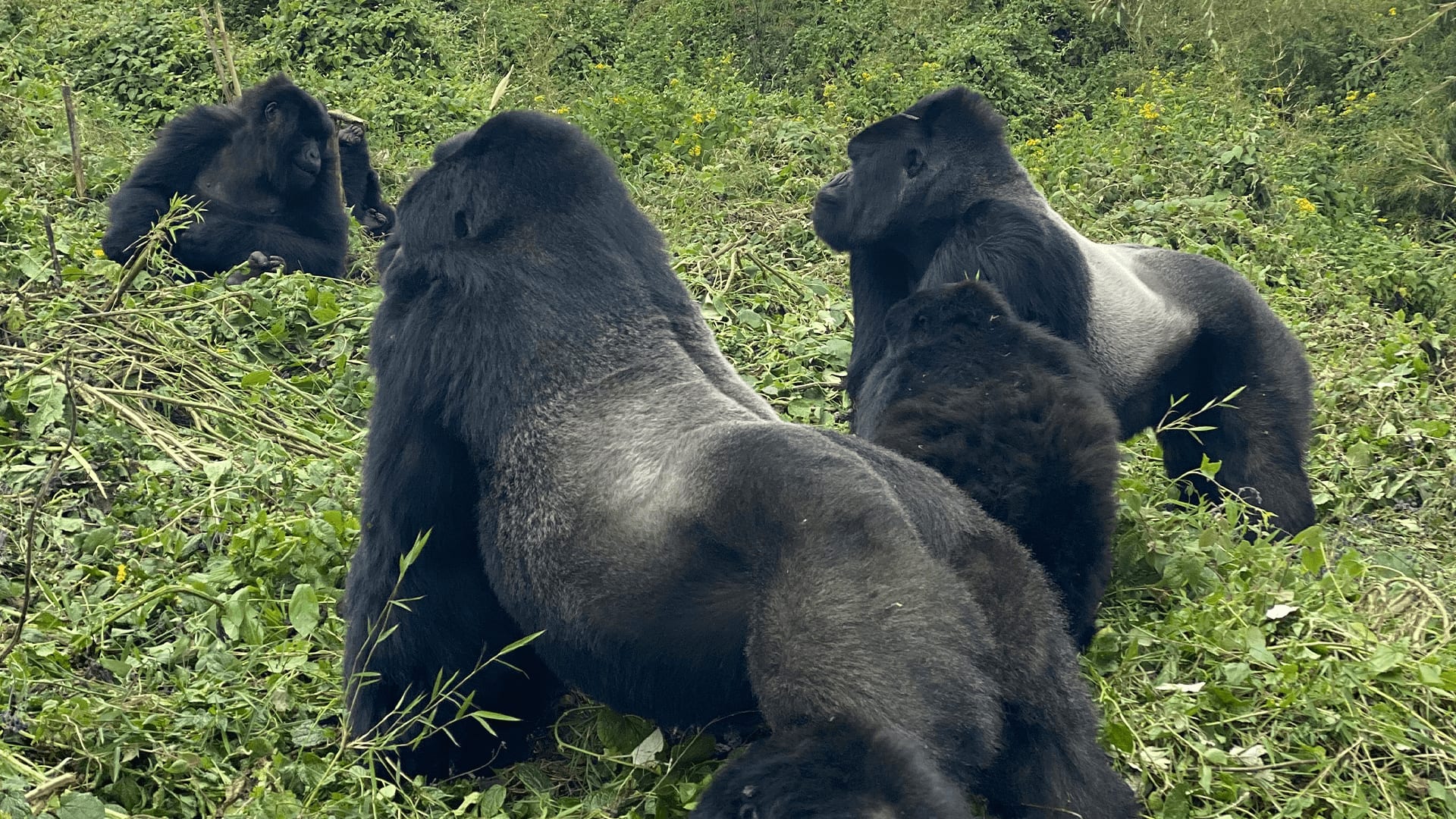
For many travelers, gorilla trekking is the main reason to choose Uganda. The key comparison point is not only whether a gorilla trek is included, but where the operator places you.
Bwindi Impenetrable National Park has multiple trekking sectors, including Buhoma, Ruhija, Rushaga, and Nkuringo. Mgahinga Gorilla National Park is another outstanding option, especially for travelers interested in the Virunga landscape and a more compact southwestern route. Your lodge should match your permit sector whenever possible. A cheaper lodge in the wrong area can add difficult early-morning travel before one of the most important days of your trip.
Chimpanzee tracking is another major Uganda highlight. Kibale National Park is the best-known chimpanzee tracking destination, while other locations can fit certain routes. Ask whether your operator has built the itinerary around primate timing rather than simply adding primate activities into a crowded schedule.
Big Five routes and classic game drives
Uganda offers strong Big Five potential when a route includes rhino tracking at Ziwa Rhino Sanctuary and wildlife areas such as Murchison Falls National Park, Queen Elizabeth National Park, and sometimes Kidepo Valley National Park for travelers with more time.
Plan Your Uganda Safari with Local Experts
 WhatsApp Us
A strong operator should explain the wildlife logic of each park. Murchison Falls is excellent for a Nile boat safari, giraffes, elephants, buffalo, lions, and the thunderous falls. Queen Elizabeth combines game drives, boat safaris on the Kazinga Channel, crater landscapes, and access to southern routes toward Bwindi. Kidepo is remote, wild, and exceptional for travelers who want a less-traveled Uganda safari, but it requires more time or a higher budget.
Comfort level, pace, and privacy
Do not compare a private luxury itinerary with a budget group itinerary as if they are the same product. In Uganda, privacy and pacing have a major impact on cost. A private 4×4 vehicle with an experienced driver-guide costs more than a group departure, but it gives you more control over departure times, photography stops, lodge standards, and how much time you spend in each park.
Luxury travelers should ask about lodge location, room category, meal plan, views, air-conditioning where relevant, spa access, laundry, and whether long road transfers can be replaced by scheduled or charter flights. Midrange travelers should focus on clean, well-located lodges, reliable food, comfortable beds, and sensible travel distances. Budget travelers should check whether lower prices come from simple accommodation or from missing inclusions.
Compare route design before comparing price
A Uganda safari quote should make geographic sense. If the route is poorly designed, even beautiful lodges and exciting activities can feel exhausting. Good route design protects your time, your budget, and your energy.
For example, a western Uganda circuit often links Entebbe, Murchison Falls, Kibale, Queen Elizabeth, Bwindi or Mgahinga, and sometimes Lake Mburo before returning to Entebbe. This can be excellent over 9 to 12 days, but it becomes rushed if compressed too aggressively.
If you are unsure where to begin, review how to choose the right Uganda safari route before judging quotes. Route quality is often the clearest difference between average and excellent safari operators.
What a strong Uganda itinerary should show
A professional itinerary should be specific enough for you to understand the daily rhythm. It should not hide behind vague phrases like “morning drive” or “transfer to lodge” when the transfer may take most of the day.
Look for these route details in every proposal:
- Clear daily start and end points, such as Entebbe to Murchison Falls or Queen Elizabeth to Bwindi
- Estimated road transfer times, with realistic allowances for stops and road conditions
- Named national parks, activity locations, and lodge areas
- Gorilla trekking sector or a note that the sector will depend on permit availability
- Included activities, such as boat safaris, game drives, chimpanzee tracking, or cultural visits
- Optional upgrades, such as domestic flights, private boat experiences, or higher lodge categories
The itinerary should also explain why each overnight stop is chosen. A night in the right location can save hours on the road, especially around Bwindi, Kibale, and Queen Elizabeth.
Common route mistakes that increase cost
Some route mistakes are easy to miss when you only look at price. A very cheap Uganda safari may place you far from park gates, require backtracking, or squeeze in too many parks with too little time in each one.
Be cautious if an itinerary includes repeated one-night stays, extremely long transfers before major activities, or a gorilla trekking day followed immediately by a full-day road transfer without considering fatigue. Gorilla trekking can be physically demanding, and a premium trip should allow time to enjoy the experience rather than rush away from it.
Also check whether the operator proposes domestic flights intelligently. Flying from Entebbe to airstrips near Bwindi, Queen Elizabeth, or Murchison Falls can save time, but flights add cost and require careful luggage planning. For some travelers, the road journey is part of the adventure. For others, especially on a high-end 7 to 9-day trip, a flight may be the best use of the budget.
Check permits, availability, and payment timing
Uganda's most important activities often depend on permits. This is especially true for gorilla trekking and chimpanzee tracking. A safari operator should never treat permits as an afterthought.
Permits are tied to availability, dates, and sometimes locations. In peak travel months, especially June to September and December to February, preferred dates can sell out early. If your international flights are fixed, permit timing becomes one of the first planning decisions.
2026 gorilla and chimpanzee permit costs
The following figures are realistic 2026 planning references based on Uganda Wildlife Authority tariff levels available at the time of writing. Always ask your operator to reconfirm current rates before payment, because permit fees and park tariffs can be updated.
| Permit or fee item | 2026 planning estimate | Why it matters when comparing operators |
|---|---|---|
| Gorilla trekking permit, foreign non-resident | USD 800 per trek | This is often the largest single activity cost in a Uganda safari package. |
| Gorilla trekking permit, foreign resident | USD 700 per trek | Resident status must be supported by the correct documentation. |
| Gorilla trekking permit, East African citizen | UGX 300,000 per trek | Citizen rates are different and should not be used in quotes for overseas visitors. |
| Kibale chimpanzee tracking permit, foreign non-resident | USD 250 per trek | Kibale is highly sought after, so timing and slot availability matter. |
| Kibale chimpanzee tracking permit, foreign resident | USD 200 per trek | Quotes should state the correct traveler category. |
| Kibale chimpanzee tracking permit, East African citizen | UGX 180,000 per trek | Local and regional rates differ from international visitor rates. |
| Park entry fees | Often around USD 40 to USD 45 per adult foreign non-resident per 24 hours in major parks | Ask whether park entries are included or listed separately. |
A quote that includes gorilla permits may look much higher than one that excludes them. That does not mean it is overpriced. It may simply be more transparent.
Questions to ask about permit handling
Ask when permits will be purchased, what information is required, and whether you will receive written confirmation. For gorilla trekking, the operator may need passport names, nationality, preferred dates, and flexibility around sectors if your first choice is unavailable.
You should also ask what happens if you change dates. Permit policies can be strict, and last-minute changes may not be possible. A professional operator will explain the risk clearly instead of promising flexibility that may not exist.
Evaluate guides, vehicles, and field operations
In Uganda, the quality of your guide and vehicle can shape the entire trip. Safari operators may use similar lodges and parks, but the field experience can differ dramatically.
A good driver-guide does far more than drive. They read road conditions, manage timing, coordinate with park staff, identify wildlife, explain ecosystems, assist with lodge check-ins, help with borderless cultural context inside Uganda, and adapt the day when conditions change.
Guide quality and local expertise
Inside protected areas, Uganda Wildlife Authority rangers lead certain activities such as gorilla trekking. Still, your safari guide remains essential. They prepare you for the day, get you to the briefing point on time, help interpret the wider landscape, and ensure that each transfer connects smoothly with the next activity.
When comparing operators, ask about guide experience in your chosen parks. A guide who knows Murchison Falls well may understand the best timing for ferry crossings and game drive routes. A guide familiar with Bwindi sectors can help you prepare for terrain, weather, and early start times. For birders, this expertise becomes even more important because Uganda's birdlife is exceptional and highly location-specific.
Vehicle standards for Uganda roads
Uganda roads vary from paved highways to rough park tracks and steep southwestern routes. A comfortable 4×4 vehicle is not a luxury detail, it is part of trip reliability.
Ask whether the safari vehicle is private or shared, whether it has a pop-up roof or large viewing windows, how luggage is handled, whether there is charging access, and what contingency plan exists if mechanical problems occur. A lower-cost quote may use an older vehicle, exclude fuel for detours, or depend on group timing. That may be acceptable for some travelers, but it should be clear before booking.
Understand safari pricing and what is included
A Uganda safari price is built from several components: permits, accommodation, transport, fuel, guide services, park fees, activities, meals, domestic flights if used, and administrative coordination. The most useful quote is not always the shortest quote. It is the one that shows the cost structure clearly.
Season also matters. Gorilla and chimpanzee permits are generally fixed by tariff, but lodges and flights can become more expensive or less available during peak months. Green season travel, often March to May and parts of October to November, can offer better lodge value, although road conditions and rain patterns should be considered.
For a broader planning view, compare your quote against current guidance on Uganda safari costs, timing, and smart routes.
Typical 2026 Uganda safari budget ranges
The ranges below are planning estimates, not fixed PawMac Safaris prices. Your final cost depends on travel month, group size, lodge category, vehicle type, permits, and whether you use domestic flights.
| Uganda safari style | Typical length | 2026 planning range per person sharing, excluding international flights | Cost notes |
|---|---|---|---|
| Short wildlife safari from Kampala or Entebbe | 3 to 4 days | USD 700 to USD 1,500 | Usually lower if no gorilla permit is included. |
| Gorilla-focused budget to midrange trip | 3 to 5 days | USD 1,300 to USD 2,800 | One gorilla permit can represent a large share of the total cost. |
| Midrange primates and wildlife circuit | 7 to 10 days | USD 3,000 to USD 6,500 | Often includes gorillas, chimpanzees, Queen Elizabeth, and possibly Murchison Falls. |
| Luxury Uganda safari | 8 to 12 days | USD 6,500 to USD 12,000 or more | High-end lodges, private guiding, and flights can raise the total significantly. |
| Ultra-luxury custom safari | 10 days or more | USD 12,000 and above | Best for premium lodges, private charters, special interests, and slower pacing. |
Accommodation is one of the biggest variables. Budget lodges may range from about USD 80 to USD 180 per person per night. Midrange lodges often sit around USD 180 to USD 400 per person per night. Luxury properties can range from USD 500 to USD 1,500 or more per person per night, especially in prime gorilla trekking areas or remote wilderness locations.
How to compare quotes fairly
The best way to compare safari operators is to normalize the quote. Put each proposal into the same categories and check what is missing.
| Quote category | What to check | Why it changes the final value |
|---|---|---|
| Permits | Gorilla, chimpanzee, and special activity permits | Missing permits can make a quote appear much cheaper than it is. |
| Accommodation | Lodge names, room category, meal plan, and location | A beautiful lodge far from the correct gate may reduce comfort and increase transfer time. |
| Transport | Private or shared 4×4, fuel, driver-guide, airport transfers | Transport quality affects safety, timing, and comfort every day. |
| Park fees and activities | Game drives, boat safaris, ranger fees, community visits | Exclusions can create unexpected cash payments during the trip. |
| Flights | Domestic flights, baggage limits, airport transfers | Flights save time but must be coordinated carefully. |
| Payment terms | Deposit, balance deadline, cancellation rules, permit conditions | Clear terms protect both the traveler and the operator. |
If one operator is 20 percent cheaper, ask why. It may be a valid saving from simpler lodges or group travel. It may also mean no permits, limited activities, shared transport, or unrealistic routing.

Assess accommodation choices by location, not just star rating
In Uganda, lodge location is often more important than a generic star rating. This is especially true for gorilla trekking, chimpanzee tracking, and early morning game drives.
For Bwindi, your lodge should be in or near the sector where your permit is booked. Staying in the wrong area can mean very early departures on rough roads before a physically demanding trek. For Kibale, proximity to the briefing point can make the morning smoother. For Queen Elizabeth, lodge location affects access to the Kazinga Channel, Kasenyi plains, Kyambura Gorge, Ishasha, or onward travel to Bwindi.
Luxury lodges can elevate a Uganda safari with exceptional views, privacy, refined dining, and attentive service. However, the operator should still explain the practical reason for each property. A premium lodge should not only look impressive in photos. It should improve the route, reduce friction, and match your expectations for comfort.
Ask whether the quoted lodge is confirmed or simply a sample. If it is a sample, ask what alternatives are in the same category. This prevents disappointment if the original lodge is unavailable after you pay a deposit.
Look for transparency, safety, and communication
Trustworthy safari operators communicate clearly before money changes hands. You should receive a written itinerary, written inclusions and exclusions, payment terms, cancellation terms, and a clear explanation of permit booking procedures.
Safety communication should also be practical. Uganda safari travel is generally well-established in major tourism circuits, but travelers still need sensible preparation. Ask about emergency contacts, guide communication, vehicle support, road timing, and travel insurance recommendations. If trekking is included, ask what fitness level is expected and whether porters can be arranged.
Pre-trip health planning matters because Uganda safaris can include remote areas, forest trekking, long drives, and early starts. Travelers should consult qualified medical professionals about vaccinations, malaria prevention, personal medication, and dental or medical concerns before departure. If you are organizing wellness appointments before travel, a health-centered provider such as Origin Dental Wellness is a useful example of handling preventive care before a major international trip.
Communication speed is another signal. A serious operator does not need to reply instantly at all hours, but responses should be professional, specific, and consistent. If answers become vague when you ask about permits, lodge location, or exclusions, slow down before paying.
Red flags when comparing safari operators
The cheapest quote is not automatically a red flag, but unexplained cheapness is. Uganda has real fixed costs, especially permits and fuel. If a package including gorilla trekking is dramatically cheaper than every other quote, check whether the gorilla permit is actually included.
Be cautious with operators who avoid naming lodges, refuse to explain route timing, pressure you to pay immediately without written terms, or promise guaranteed wildlife sightings. No ethical Uganda safari operator can guarantee sightings of wild animals, including lions, leopards, shoebill, chimpanzees, or mountain gorillas. Good operators can maximize your chances through timing, routing, and local knowledge, but wildlife remains wild.
Another warning sign is a route that looks impressive but ignores distances. Uganda is best enjoyed with enough time in each region. A rushed itinerary can turn a premium destination into a checklist.
Also avoid comparing only social media photos. Beautiful images do not prove operational strength. Reviews, references, detailed itineraries, transparent quotes, and thoughtful answers are more reliable than a gallery alone.
Questions to send before you book
Use the same questions with each operator so you can compare answers fairly. The goal is not to interrogate the company, but to see whether they understand Uganda deeply and communicate with precision.
| Question | What a strong answer should include |
|---|---|
| Which gorilla trekking sector is planned, and is it confirmed? | A clear sector name if confirmed, or an explanation of availability and alternatives. |
| Are gorilla and chimpanzee permits included in the quoted price? | A yes or no answer, with permit values shown separately where possible. |
| What are the longest driving days? | Realistic transfer estimates and optional flight upgrades if appropriate. |
| Is the safari private or shared? | Clear explanation of vehicle use, guide assignment, and group size. |
| Which lodges are confirmed or proposed? | Lodge names, room category, meal plan, and backup options. |
| What is excluded? | Visa, insurance, tips, drinks, laundry, optional activities, and any excluded meals. |
| What happens if a permit date is unavailable? | Alternative dates, sectors, or itinerary adjustments. |
| What payment schedule applies? | Deposit amount, balance date, accepted payment methods, and cancellation terms. |
After receiving answers, compare the quality of thinking. The best safari operators do not simply say yes to every request. They advise, refine, and sometimes explain why a different route or pace would serve you better.
Frequently Asked Questions
How many safari operators should I compare for a Uganda trip? Comparing two to four serious operators is usually enough. More than that can become confusing unless you use the same dates, route priorities, lodge level, and inclusion checklist for every quote.
Is it better to book with a Uganda-based safari operator? For many travelers, yes. A Uganda-focused operator brings local route knowledge, current permit understanding, guide networks, and practical awareness of road conditions, park timing, and lodge locations.
How far in advance should I book gorilla trekking in Uganda? For peak months, booking 6 to 12 months ahead is wise, especially if your dates are fixed or you want a specific Bwindi sector. Last-minute permits can sometimes be available, but flexibility becomes essential.
Why do Uganda safari quotes vary so much? Quotes vary because of permits, lodge category, private versus shared vehicles, domestic flights, number of park days, included activities, guide standards, and seasonal lodge rates. Always compare inclusions before comparing totals.
Should I choose the cheapest Uganda safari operator? Not necessarily. Choose the best value, not simply the lowest number. A cheaper quote can be excellent if it is transparent and matches your comfort level, but risky if it omits permits, park fees, or realistic transport costs.
What should a premium Uganda safari quote include? A premium quote should include a logical route, well-located lodges, private 4×4 transport, experienced guiding, permits where requested, park fees, key activities, clear exclusions, and written payment terms.
Plan your Uganda safari with PawMac Safaris
Comparing safari operators becomes easier when you know what to look for: realistic routing, transparent pricing, correct permit handling, strong vehicles, experienced local guides, and accommodation that fits the actual geography of your trip.
PawMac Safaris specializes in personalized Uganda safaris, including gorilla trekking tours, chimpanzee tracking, Big Five routes, cultural experiences, adventure activities, and custom itineraries for different budgets and comfort levels. If you want a Uganda safari designed around your travel dates, interests, pace, and budget, contact PawMac Safaris to start building a clear, practical, and memorable itinerary in the Pearl of Africa.


