


- 160 Views
- 10 Min Read
- (0) Comment
Most travelers book a safari thinking it’s a single, fixed itinerary. You fly in, see the wildlife, fly out. But that assumption leaves a lot of magic on the table. A safari extension lets you layer additional experiences onto your core trip, whether that’s tracking mountain gorillas through mist-shrouded rainforests, watching the Great Migration thunder across the Serengeti, or unwinding beside a glassy lake after days of trekking. This guide breaks down exactly what safari extensions are, how they work, what they cost, and when adding one makes your East African adventure genuinely unforgettable.
Table of Contents
- What is a safari extension?
- How safari extensions work: Logistics, booking, and planning
- Top types of safari extensions in East Africa
- Cost, value, and how to budget for a safari extension
- Who needs a safari extension? When are they most valuable?
- Tips for customizing and booking your ideal safari extension
- Ready to enhance your East Africa safari?
- Frequently asked questions
Key Takeaways
| Point | Details |
|---|---|
| Not just an add-on | A safari extension can transform your trip with unique wildlife and cultural experiences. |
| Diverse options | You can add gorilla trekking, migration safaris, or relaxation extensions tailored to your interests. |
| Expert help matters | Booking through experienced operators ensures smooth logistics and added value. |
| Flexible budget choices | Extensions range from $900 to $5000+, so you can match your style and budget. |
| Plan and customize early | Reserving ahead and personalizing your extension unlocks the best experiences and availability. |
What is a safari extension?
A safari extension is an additional travel experience added to your main safari or trekking itinerary. It can come before your primary adventure, after it, or even stand alone as a focused wildlife or cultural experience. The purpose is simple: to maximize what you see, do, and feel during your time in East Africa.
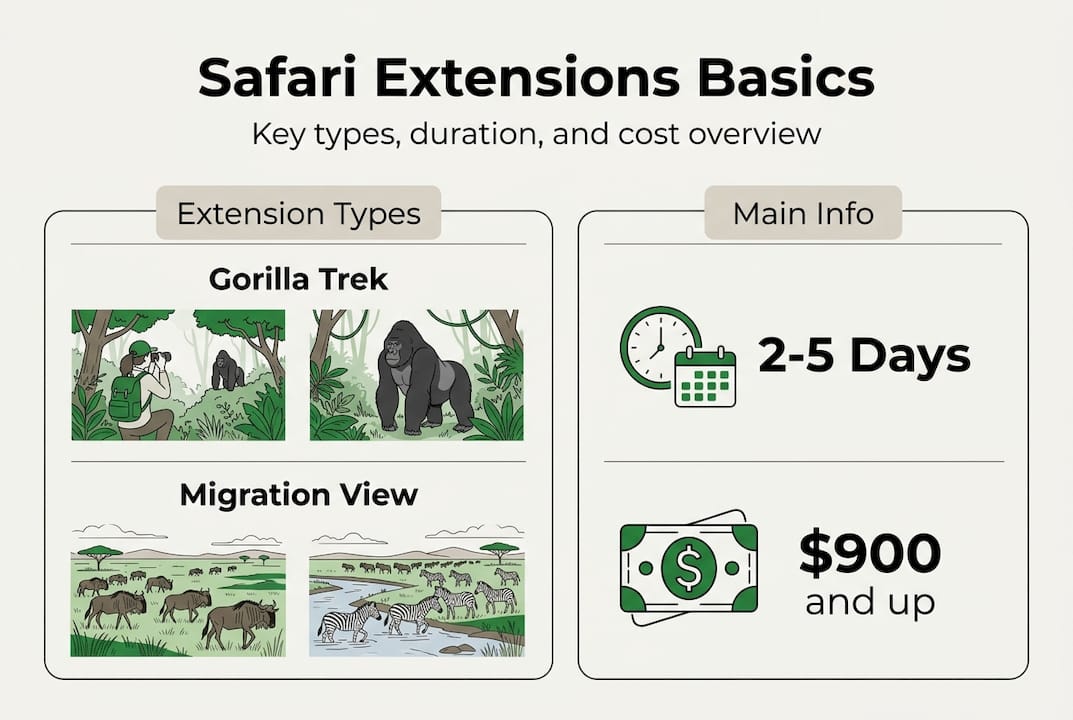
Extensions are not rigid add-ons pulled from a fixed menu. They are flexible, customizable segments that tour operators design around your interests, travel dates, and budget. According to booking options and typical durations, extensions generally run two to five days and can range from budget-friendly to luxury, depending on the activities and accommodations you choose.
Here are the most common reasons travelers add an extension:
- Post-trek reward: After a demanding gorilla trek or mountain climb, a relaxing lake or beach extension offers well-earned recovery.
- Wildlife variety: A single park rarely covers every species. Extensions let you visit multiple ecosystems.
- Cultural immersion: Spending time with local communities adds depth that a standard game drive simply cannot provide.
- First-timer coverage: New visitors often want to see as much as possible in one trip, making extensions a smart strategy.
“A safari extension is not just an add-on. It’s the difference between a good trip and a trip you’ll talk about for the rest of your life.”
How safari extensions work: Logistics, booking, and planning
Understanding what a safari extension is makes it easier to grasp how to arrange one for your own travels. The process is more straightforward than most people expect, especially when you work with an experienced operator.
Here’s how the planning typically unfolds:
- Choose your activity. Decide what experience you want to add: wildlife drives, gorilla trekking, cultural visits, or lake relaxation.
- Set your duration. Most extensions fit neatly into two to five days without disrupting your main itinerary.
- Consult your operator. Share your interests, fitness level, and budget. A good operator will match you with the right experience.
- Finalize your itinerary. Your operator builds a seamless schedule that connects your main safari with the extension.
- Confirm permits and accommodations. Gorilla permits and top lodges book out fast, so early confirmation is critical.
The mechanics of booking rely heavily on tour operators who manage flights, park permits, lodge reservations, and ground transfers on your behalf. This is where local expertise pays off enormously. Operators who know East Africa’s parks and permit systems save you hours of research and prevent costly mistakes.
Pro Tip: When booking your safari extension, ask your operator to build buffer days into your schedule. Flight delays and weather can affect trekking windows, and a buffer day protects your experience without adding stress.
The role of safari operators goes beyond simple booking. They coordinate across multiple parks, borders, and service providers to create a trip that flows naturally from one experience to the next.
Top types of safari extensions in East Africa
With the process explained, let’s explore the exciting experiences you can add with a safari extension. East Africa offers remarkable variety, and the right extension depends entirely on what moves you.
| Extension type | Highlight experience | Ideal for |
|---|---|---|
| Migration viewing | Wildebeest crossing, Serengeti plains | Wildlife photographers, first-timers |
| Primate trekking | Gorilla or chimpanzee tracking | Adventure seekers, conservation supporters |
| Cultural visits | Maasai community stays, village tours | Culture lovers, repeat visitors |
| Lake or beach relaxation | Lake Victoria, Zanzibar, Lake Bunyonyi | Post-trek recovery, families |
| Ngorongoro Crater | Big Five in a volcanic caldera | Wildlife enthusiasts, luxury travelers |
Examples from leading operators include Serengeti game drives, Ngorongoro Crater visits, Maasai community experiences, gorilla trekking, and lake relaxation stays. Each targets a different traveler profile and delivers a distinct kind of wonder.
Plan Your Uganda Safari with Local Experts
 WhatsApp Us
Before choosing, ask yourself:
- Do I want more wildlife, or do I need rest after my main trek?
- Am I traveling with children or elderly family members who need gentler activities?
- Is this my first East Africa trip, or am I a repeat visitor seeking something new?
- How much time can I realistically add without exhausting my budget or energy?
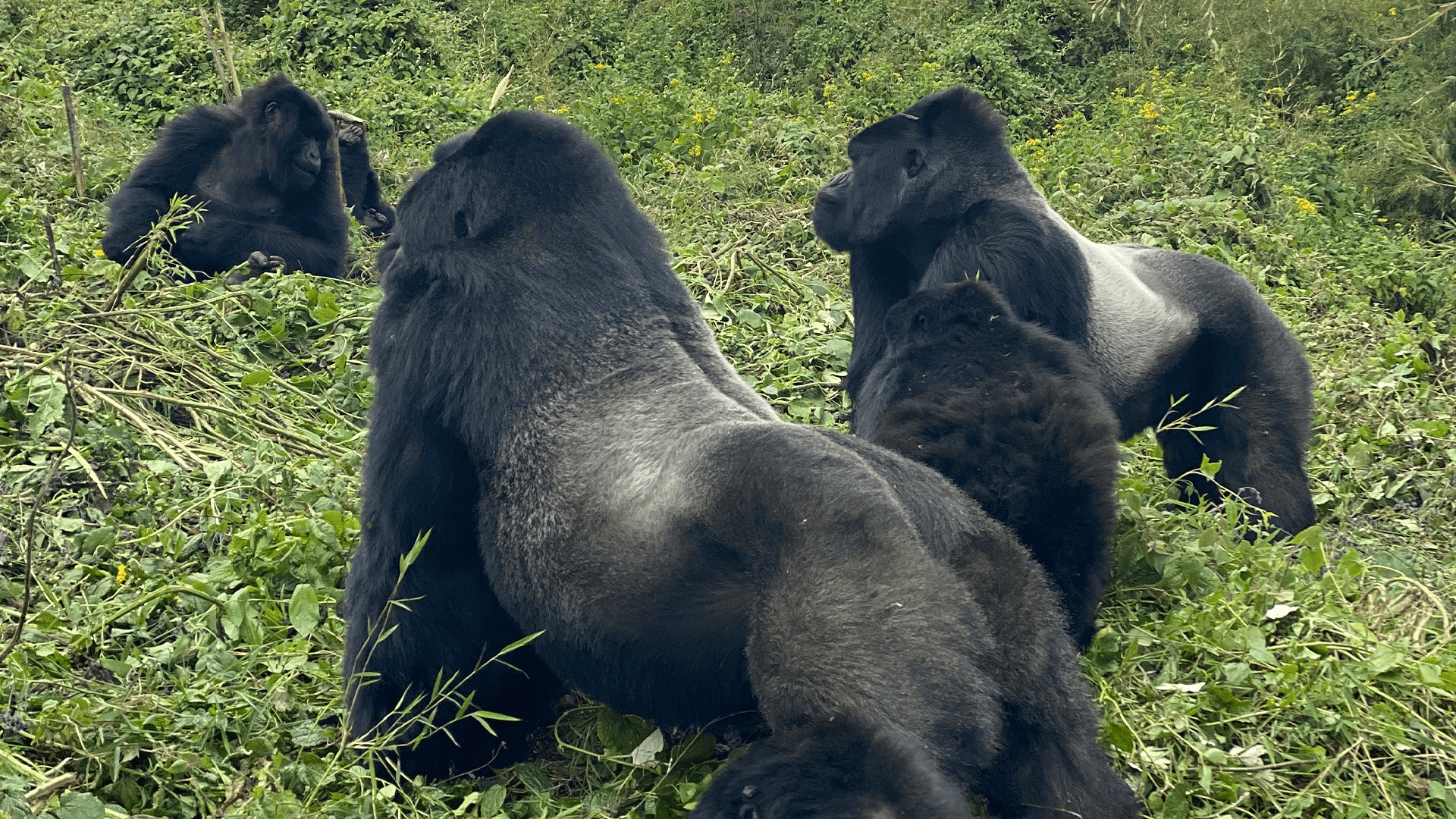
If gorillas are on your bucket list, adding a gorilla trekking experience to your itinerary is one of the most powerful decisions you can make. For those who want to decompress after an intense trek, a lake relaxation extension beside Uganda’s serene waterways offers genuine peace. You can also browse the full range of African safari destinations to find what resonates with your travel style.
Cost, value, and how to budget for a safari extension
Having seen what you can experience, let’s demystify what it truly costs and what value you can expect. Safari extensions vary widely in price, and understanding the factors at play helps you spend wisely.
Typical durations range from two to five days, with costs starting around $900 for basic options and climbing above $5,000 for luxury experiences. The biggest price drivers are accommodation tier, activity type, internal flights, and permit fees.
| Extension option | Duration | Estimated cost range |
|---|---|---|
| Budget wildlife drive | 2 days | $900 to $1,500 |
| Mid-range gorilla trekking | 3 days | $1,800 to $2,800 |
| Luxury Serengeti extension | 4 days | $3,000 to $5,000 |
| Lake relaxation (mid-range) | 3 days | $1,200 to $2,000 |
| Cultural village stay | 2 days | $700 to $1,400 |
For a detailed breakdown of what drives costs in Uganda specifically, the Uganda safari cost breakdown and Uganda safari prices guide are excellent starting points.
“The permit fee alone for gorilla trekking in Uganda is $800 per person in 2026. Factor this into your extension budget early, as it’s non-negotiable and non-refundable.”
Pro Tip: Choosing a mid-range lodge instead of a luxury camp can save $300 to $600 per night without sacrificing the core wildlife experience. Redirect those savings toward a gorilla permit or an extra game drive.
Who needs a safari extension? When are they most valuable?
Cost is one factor, but is a safari extension right for your trip? Here’s when it delivers the most value.
Operators consistently emphasize that extensions work best as post-trek recovery, wildlife rewards, or standalone experiences for travelers who want more than a single park can offer. The key is matching the extension to your specific situation.
These traveler profiles benefit most:
- Post-climb or post-trek travelers who want a wildlife reward after a physically demanding adventure like a Rwenzori mountain climb.
- First-time visitors who want to cover multiple iconic experiences, such as gorillas and the Serengeti, in one trip.
- Repeat visitors who have done the classic game drives and want something deeper, like a cultural immersion or a remote primate trek.
- Families looking for a mix of excitement and relaxation, where children can enjoy wildlife drives while parents recover from trekking.
- Conservation supporters who want to contribute meaningfully by visiting habituated gorilla families or community-run wildlife projects.
If you’ve already planned a gorilla trek, consider a gorilla trekking add-on that extends your time in the forest with a second trek or a gorilla habituation experience. For those who want full creative control, creating your perfect Uganda safari from scratch gives you the flexibility to build exactly the trip you’ve imagined.
Tips for customizing and booking your ideal safari extension
With the concept and value clear, here’s how you can confidently arrange the safari extension that’s right for you.
- Start with your must-have experience. Identify the one activity you absolutely cannot miss. Build everything else around it.
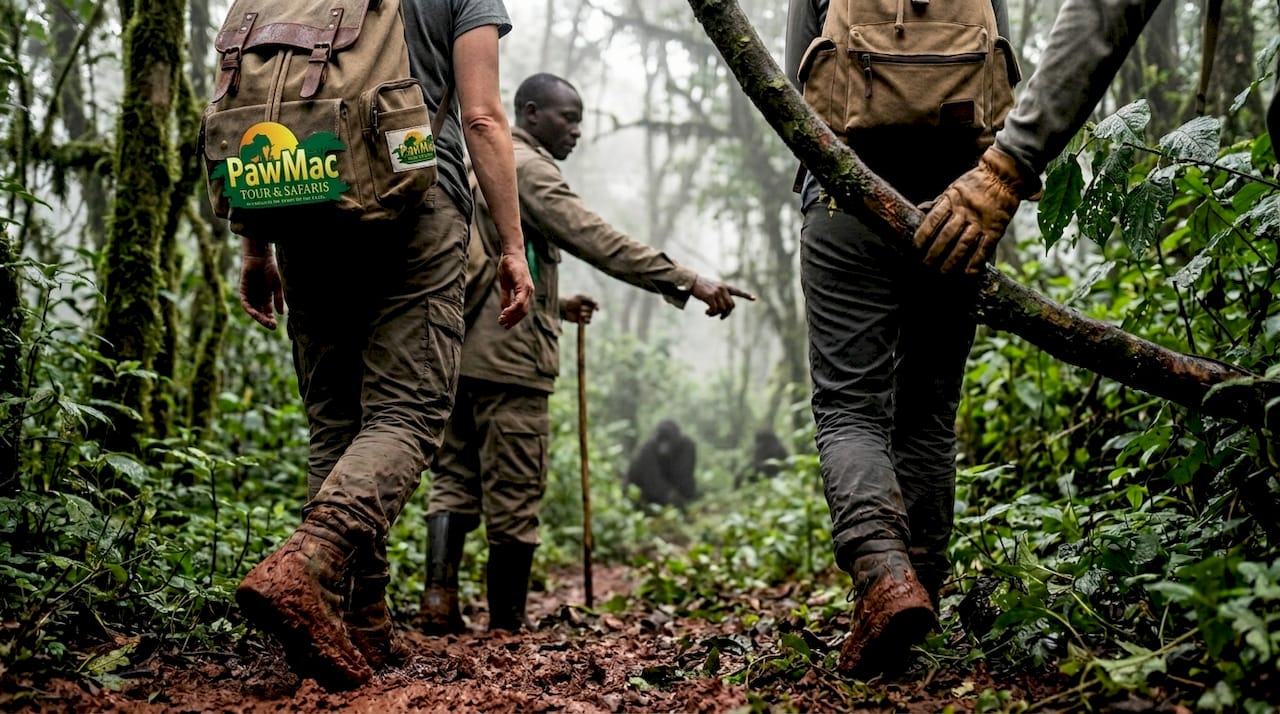
- Be honest about your fitness level. Gorilla trekking can involve steep, muddy terrain for several hours. Cultural visits and lake stays are far more relaxed.
- Ask your operator the right questions. How many travelers will be in my group? What is the cancellation policy for permits? Are meals and transfers included?
- Request off-the-beaten-path options. All experienced operators can suggest lesser-known parks, community experiences, or private conservancies that most travelers never discover.
- Confirm everything in writing. Permits, lodge bookings, and transfer schedules should all be documented before you pay.
When it comes to accommodation, selecting luxury safari camps that align with your extension’s location saves travel time and enhances the overall experience. If you want full flexibility, tailoring a Uganda safari with PawMac Safaris means every detail is shaped around your preferences.
Pro Tip: Book gorilla permits and high-demand lodge nights at least three to six months in advance. Popular extensions during peak season (June to September and December to February) sell out quickly, and waiting costs you more than just money.
Ready to enhance your East Africa safari?
Now that you understand how impactful a safari extension can be, the next step is finding the right experiences for your specific journey. PawMac Safaris specializes in building customized East Africa itineraries that blend wildlife, culture, and relaxation into one seamless adventure.

Whether you want to add gorilla trekking extensions to an existing itinerary, explore the full range of Uganda wildlife safari options, or wind down with a lake relaxation safari after an intense trek, our team is ready to help you design it. Reach out directly for personalized recommendations, and let’s build the East Africa adventure you’ve been picturing.
Frequently asked questions
How long is a typical safari extension in East Africa?
Most safari extensions last two to five days and are designed to slot neatly before or after your main adventure without disrupting your overall travel schedule.
Are safari extensions suitable for families?
Yes. Operators customize extensions for families of all sizes, including age-appropriate wildlife activities, gentle game drives, and cultural experiences that engage children and adults equally.
What activities can I add to a safari extension?
You can add wildlife drives, gorilla trekking, cultural village visits, chimpanzee tracking, lake relaxation, and Maasai community experiences, among many others.
Do I need to book my extension with the same operator?
Booking with the same operator ensures seamless logistics coordination across permits, transfers, and lodges, though some travelers use specialist operators for highly specific activities.
How far in advance should I book a safari extension?
Book at least three to six months ahead, particularly for gorilla permits and peak-season lodges, which fill up fast and cannot be secured last minute.
Recommended
- African Safari Destinations | PawMac Safaris
- Role of Safari Operators in Travel Logistics Success
- Why Choose Tailored Safari Packages in Uganda
- 6 Days Uganda Safari & Lake Relax Experience | PawMac Safaris


