

- 79 Views
- 10 Min Read
- (0) Comment
The term “safari lodge” sounds straightforward until you start browsing options and realize it covers everything from canvas tents on the Serengeti to stone-walled villas overlooking the Nile. Safari lodge structures and terminology vary widely across countries and seasons in East Africa, leaving many travelers unsure whether they’ve booked a rustic bush camp or a five-star retreat. Getting this right matters more than most people expect. Your lodge choice shapes your wildlife access, your comfort level, and even how many other vehicles you’ll share a game drive with. This guide breaks it all down clearly.
Table of Contents
- What is a safari lodge? Decoding industry terminology
- Types of safari lodges in East Africa
- Unique features and amenities of East African safari lodges
- Seasonal trends, occupancy, and booking tips
- How to choose the right safari lodge for your East Africa trip
- Explore top East African safaris and custom lodge experiences
- Frequently asked questions
Key Takeaways
| Point | Details |
|---|---|
| Safari lodge types explained | Permanent, semi-permanent, and mobile lodges offer different experiences depending on season and location. |
| Amenities vary widely | East African lodges range from basic eco-camps to luxury resorts, with options for every comfort level. |
| Booking timing matters | High occupancy during migration peaks means booking early; flexible dates help secure value options. |
| Conservancy access boosts wildlife viewing | Private lodges in conservancies ensure fewer vehicles and more intimate animal encounters. |
| Personalized service enhances experience | Many lodges offer tailored hospitality, special amenities, and private excursions for memorable safaris. |
What is a safari lodge? Decoding industry terminology
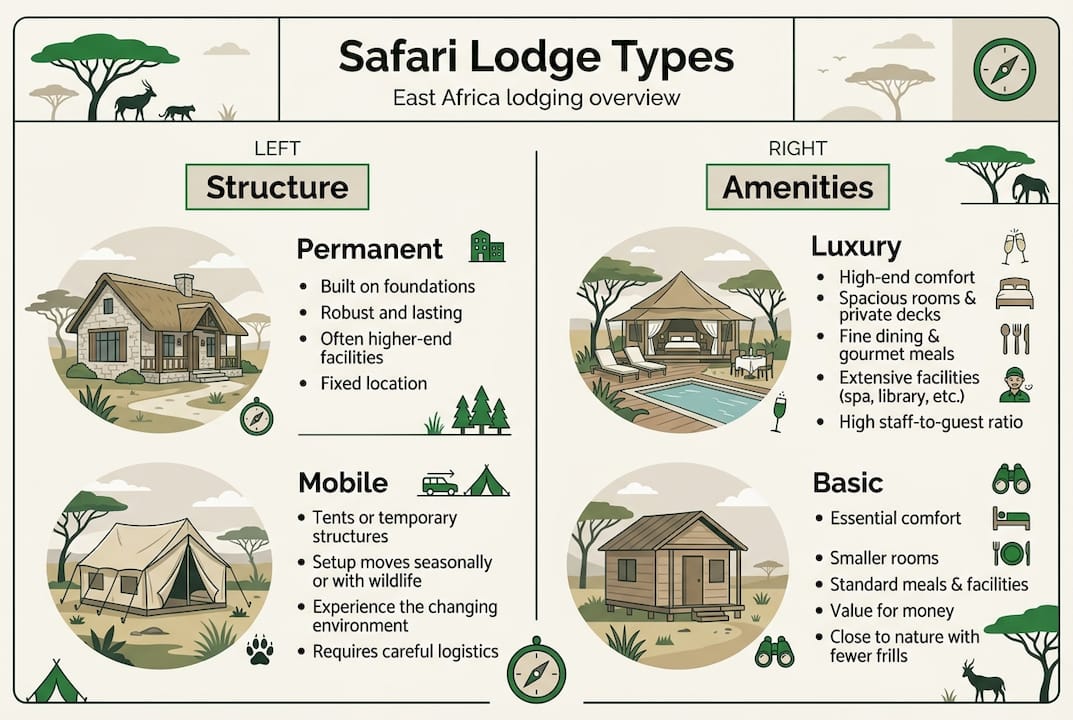
A safari lodge, at its core, is any accommodation built within or adjacent to a wildlife area. But that definition stretches to cover an enormous range of structures, price points, and experiences. The industry uses terms like “lodge,” “camp,” “tented camp,” and “hotel” almost interchangeably in some contexts, which creates real confusion for first-time safari travelers.
Here’s how the main terms generally break down:
- Safari lodge: A permanent or semi-permanent structure, often built from stone, timber, or brick, designed to blend into the landscape. Lodges typically offer en-suite bathrooms, electricity, and dining facilities.
- Safari camp: Usually a collection of tents or temporary structures. The word “camp” does not mean basic. Many camps are extraordinarily luxurious, with four-poster beds and private plunge pools inside canvas walls.
- Tented camp: A hybrid. The frame is permanent, but the walls and roof are canvas. This gives guests the bush atmosphere without sacrificing comfort.
- Safari hotel: A full-service hotel located near a park or reserve. Less immersive than a lodge or camp, but often more affordable and accessible.
“Permanent safari lodges support year-round stays, while mobile camps cater to seasonal peaks.” This distinction is one of the most important factors when planning your trip timing.
When you browse safari destinations in Africa, you’ll notice operators using these terms loosely. Always read the property description carefully rather than relying on the label alone.
Types of safari lodges in East Africa
East Africa offers three broad lodge categories, each suited to different travel styles and seasons. Understanding them helps you match your expectations to reality before you book.
1. Permanent lodges
These are fixed structures open throughout the year. They offer consistent amenities, reliable staffing, and predictable quality. Permanent lodges are ideal for travelers who want stability, especially families or those visiting during the shoulder season when mobile options may not be operating.
2. Semi-permanent lodges
These structures are built to last several years but can be dismantled and relocated. They offer a more intimate bush feel than permanent lodges while still providing solid comfort. Many semi-permanent lodges operate in private conservancies, giving guests access to areas outside the main national parks.
3. Mobile camps
Mobile camps follow the wildlife. They are set up and broken down seasonally, often tracking the Great Migration across the Masai Mara and Serengeti. Permanent structures enable year-round stays while mobile lodges are designed for seasonal peak experiences, making them the top choice for migration-focused travelers.
| Lodge type | Permanence | Best season | Typical setting | Price range |
|---|---|---|---|---|
| Permanent lodge | Year-round | Any | National parks | $150–$800/night |
| Semi-permanent | Multi-year | Dry season | Conservancies | $300–$1,200/night |
| Mobile camp | Seasonal | Peak migration | Open plains | $500–$2,000/night |
Conservancies play a major role here. These are privately managed wildlife areas adjacent to national parks. Lodges inside conservancies often limit the number of vehicles per sighting, which means quieter, more personal game drives. If you’re planning the best time for a Uganda safari or a safari in Tanzania, knowing whether your lodge sits inside a conservancy can dramatically change your experience.
Plan Your Uganda Safari with Local Experts
 WhatsApp Us
Pro Tip: Always ask your operator whether your lodge has exclusive conservancy access. This single factor often separates a good safari from an unforgettable one.
Unique features and amenities of East African safari lodges
Amenities across East African lodges range from solar-powered bucket showers to infinity pools overlooking the savanna. What you get depends heavily on the lodge category and price tier.
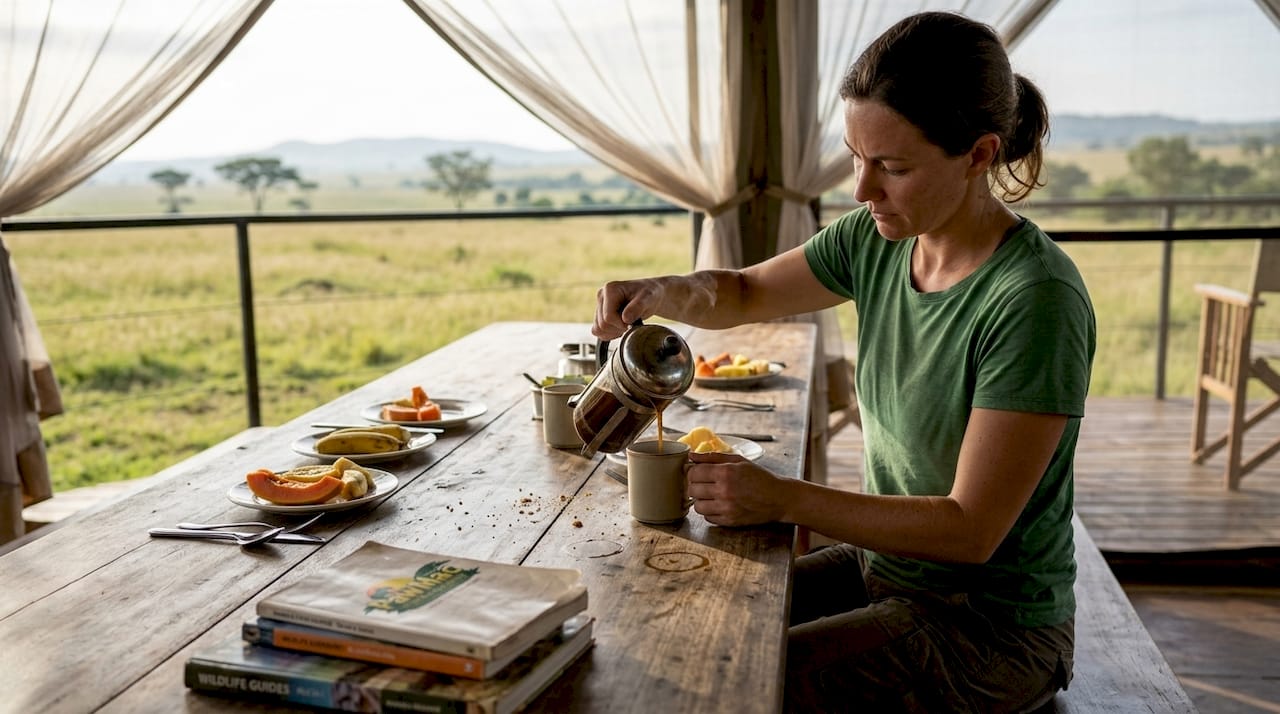
At the basic end, expect clean rooms, communal dining, and guided game drives. At the luxury end, expect private butlers, gourmet meals prepared by trained chefs, spa facilities, and premium hospitality amenities like specialty coffee service at dawn before your morning drive.
Key features to compare when evaluating lodges:
- Wildlife access: Private lodges in conservancies offer off-road driving and night game drives, which are often prohibited in national parks.
- Guide quality: The best lodges employ resident naturalists with deep local knowledge. Ask about guide credentials before booking.
- Sustainability practices: Many top lodges run solar power, rainwater harvesting, and community employment programs. These are not just marketing points. They directly affect the health of the ecosystems you’re visiting.
- Personalized services: High-end properties offer custom excursions, private dining in the bush, and tailored itineraries. Explore personalized safari camp selection to understand what this looks like in practice.
Conservancies reduce vehicle density for superior experiences, a key feature in private and luxury lodges. This is why many experienced safari travelers prioritize conservancy access over lodge star ratings.
For travelers interested in luxury safari experiences, the difference between a standard park lodge and a private conservancy property is striking. Fewer vehicles, longer sightings, and guides who can stop the car anywhere create a fundamentally different experience.
Kenya safari trips illustrate this well. The Masai Mara’s national reserve is open to all operators, but the surrounding conservancies like Olare Motorogi and Naboisho limit daily visitor numbers, keeping wildlife encounters intimate.
Seasonal trends, occupancy, and booking tips
Lodge availability and pricing shift significantly between high and low seasons. Understanding these patterns helps you get better value and a better experience.
Permanent lodges help manage year-round demand, while mobile camps adapt to migration and peak seasons. This means mobile camp spots during the Great Migration (July to October) sell out months in advance, sometimes over a year ahead.
| Season | Months | Occupancy level | Booking lead time |
|---|---|---|---|
| Peak (dry) | June–October | Very high | 6–12 months ahead |
| Shoulder | November, March–May | Moderate | 3–6 months ahead |
| Low (wet) | November–February | Lower | 1–3 months ahead |
Practical booking tips:
- Book peak season early. Top mobile camps and luxury lodges in the Masai Mara and Serengeti fill up fast. If migration is your goal, lock in your dates by January for a July departure.
- Consider the low season for value. Rates drop significantly, crowds thin out, and the landscape turns lush and green. Baby animals are abundant in the wet season.
- Check what’s included. Some lodges quote per-person rates that include all meals, game drives, and park fees. Others charge separately. Always compare on a fully inclusive basis.
- Use a local operator. A Uganda or East Africa-based operator has direct relationships with lodge managers and can often secure better rates or room upgrades.
For Uganda-specific timing, the best time for a Uganda safari differs from Kenya and Tanzania because Uganda’s two dry seasons (December to February and June to August) align with different wildlife highlights. Uganda safari tours can be planned around gorilla trekking, chimpanzee tracking, or savanna game drives depending on your season.
Pro Tip: If your travel dates are flexible, aim for the shoulder season. You’ll find lower rates, fewer crowds, and lodges that are more attentive because they’re less stretched.
For a broader view of East Africa lodge occupancy data and seasonal patterns, reviewing regional tourism reports before booking helps you set realistic expectations.
How to choose the right safari lodge for your East Africa trip
Choosing a lodge is not just about budget. It’s about aligning the property’s strengths with your specific safari goals. Here’s a practical framework:
- Define your wildlife priority. Are you chasing the Great Migration, tracking mountain gorillas, or hoping for Big Five sightings? Your target species and location narrow your lodge options significantly.
- Decide on your comfort threshold. Some travelers love the raw immersion of a simple tented camp. Others need air conditioning and a proper shower. Be honest about what you need to enjoy the experience.
- Check conservancy access. Conservancies and private lodges directly impact your vehicle density and wildlife viewing quality. Ask specifically whether the lodge has exclusive or shared conservancy rights.
- Read recent reviews. Focus on reviews from the past 12 months. Lodge quality can shift with management changes. Look for comments about guide quality, food, and maintenance.
- Verify sustainability credentials. Ask whether the lodge holds any recognized eco-certification and whether it employs staff from local communities.
- Compare on a fully inclusive basis. A lodge that looks expensive may include all meals, game drives, and transfers, making it better value than a cheaper option with add-on costs.
A common pitfall is over-prioritizing luxury ratings while ignoring location. A five-star lodge on the edge of a busy national park may deliver far fewer wildlife encounters than a modest camp inside a private conservancy. For a balance of comfort and immersion, luxury lodge experiences in conservancy settings offer the best of both worlds.
If you want to combine wildlife with relaxation, options like a Uganda safari and relaxation itinerary blend game drives with lakeside downtime, giving you variety without sacrificing wildlife access.
Explore top East African safaris and custom lodge experiences
Knowing the difference between a permanent lodge, a semi-permanent camp, and a mobile tented property puts you in a much stronger position when planning your trip. You can ask the right questions, compare options accurately, and avoid the common mistake of booking based on photos alone.
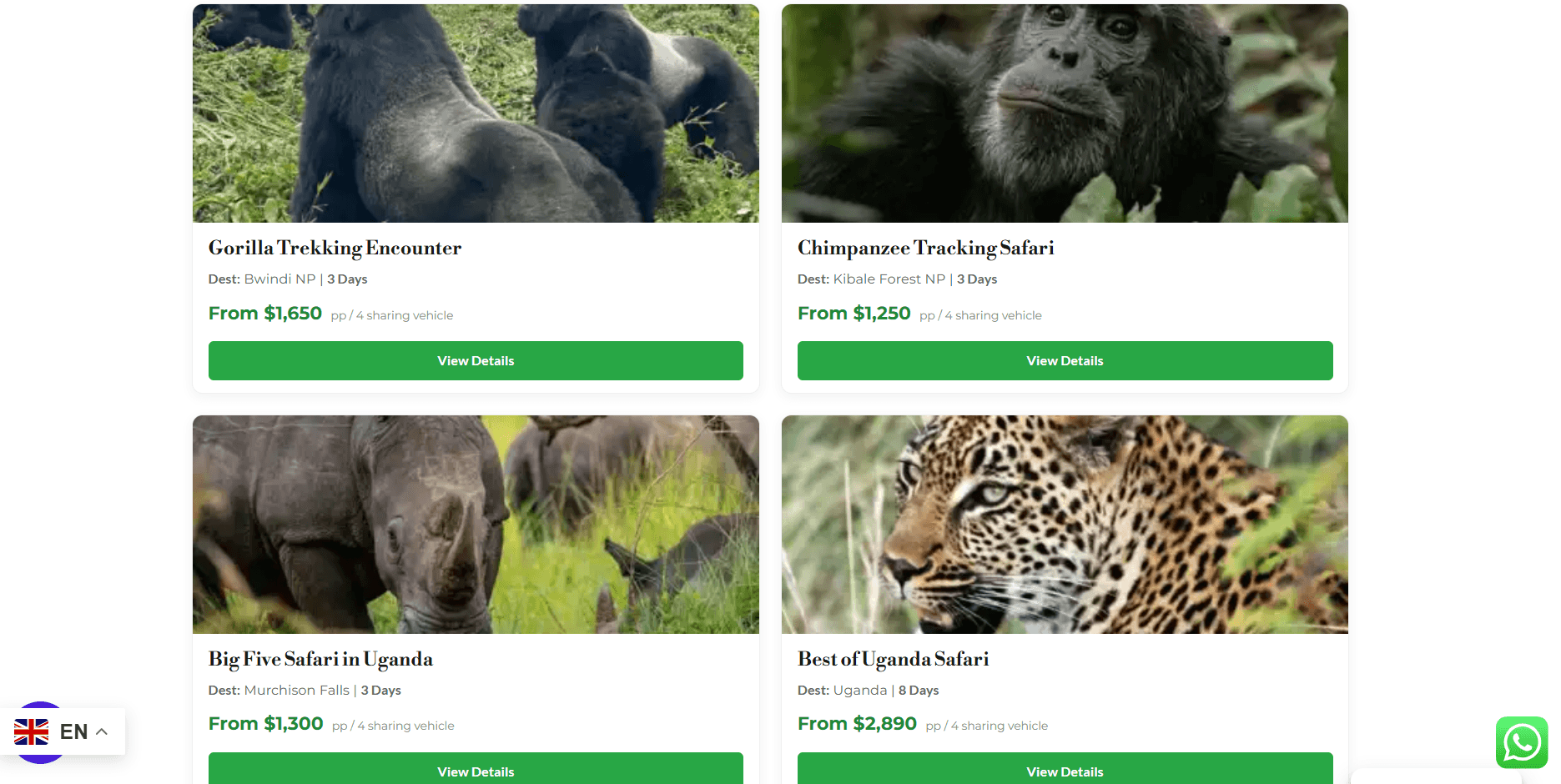
At PawMac Safaris, we specialize in matching travelers to the right lodge for their goals, budget, and travel dates across East Africa. Whether you’re drawn to gorilla trekking experiences in Uganda’s mist-covered forests, Big Five game drives in Kenya or Tanzania, or a multi-country adventure, our team builds itineraries around the lodges and camps that will genuinely elevate your experience. Browse our Uganda wildlife tours and African safari destinations to start planning your personalized East African safari today.
Frequently asked questions
What is the difference between a safari lodge and a safari camp?
A safari lodge is a permanent structure offering regular amenities like en-suite bathrooms and dining facilities, while a safari camp is typically temporary or mobile, often set up for seasonal wildlife events. The word “camp” does not imply basic conditions. Many camps are as luxurious as top lodges.
When is the best season to book a safari lodge in East Africa?
The best season depends on your wildlife priorities, but peak dry season months from June to October offer superior game viewing and higher occupancy. Mobile camps adapt to migration patterns during this period, so book at least six to twelve months ahead for the best properties.
Do luxury safari lodges offer private wildlife viewing?
Many luxury and private lodges in conservancies provide exclusive access and reduced vehicle density, improving your wildlife viewing experience significantly. Off-road driving and night game drives are also commonly available in these settings.
How can I make sure my lodge is eco-friendly?
Check for sustainability certifications, ask about conservation initiatives, and look for lodges operating in partnership with local communities and conservancies. Reputable operators like PawMac Safaris can verify eco-friendly lodge credentials on your behalf before you book.
Recommended
- Role of Safari Operators in Travel Logistics Success
- Safari Travel Insurance: What You Must Know | PawMac Safaris
- Luxury Safari Experiences in Uganda – Private Gorilla & Wildlife Safaris
- How to select luxury safari camps for a personalized Uganda experience