


- 140 Views
- 13 Min Read
- (0) Comment
TL;DR:
- Choosing an African safari involves balancing wildlife interests, ethical values, and immersive experiences in diverse destinations. Uganda offers prime primate encounters with responsible travel practices, while Kenya’s Maasai Mara showcases iconic migration spectacles and reliable Big Five sightings. Tanzania’s Serengeti provides vast landscapes and predator action, with multi-park options for a comprehensive East Africa adventure.
Choosing an African safari should feel exciting, not overwhelming. Yet with dozens of countries, hundreds of parks, and endless operator options, many travelers find themselves paralyzed by choice before they even book a flight. The real challenge isn’t finding a safari. It’s finding one that delivers genuine wildlife encounters, aligns with your ethical values, and offers the kind of immersive experience you’ll still be talking about decades later. Whether you’re drawn to the thundering herds of the Serengeti, the iconic savannahs of Kenya’s Maasai Mara, or the mist-shrouded rainforests of Uganda, this guide breaks down the top destinations so you can travel with both your heart and your conscience fully engaged.
Table of Contents
- What to consider when choosing your African safari destination
- Uganda: Gorilla trekking and beyond
- Kenya’s Maasai Mara: The thrill of the Great Migration
- Tanzania’s Serengeti: Wide open plains and endless adventure
- Comparing top safari destinations: What fits your adventure?
- Our expert take: Why travel purpose matters more than the destination
- Ready for an ethical adventure? Start planning your African safari
- Frequently asked questions
Key Takeaways
| Point | Details |
|---|---|
| Uganda’s unique appeal | Uganda offers world-class gorilla trekking plus diverse, ethical safari options. |
| Maasai Mara highlights | Kenya’s Maasai Mara delivers the Great Migration and abundant game viewing. |
| Serengeti adventure | Tanzania’s Serengeti is legendary for vast landscapes, big game, and flexibility. |
| Compare for fit | Prioritize wildlife, ethics, and experiences to find your perfect destination. |
| Plan purposeful safaris | Meaningful travel comes from matching your values and interests to safari choices. |
What to consider when choosing your African safari destination
Before you start comparing lodges and flight routes, it helps to get clear on what you actually want from a safari. The best destination for a wildlife photographer chasing dramatic predator action looks very different from the ideal trip for a conservation-minded traveler who wants to sit quietly in the presence of a habituated gorilla family.
Here are the core factors worth weighing carefully:
- Wildlife variety and density: Some parks offer the Big Five in a single morning drive. Others specialize in rare primates or extraordinary birdlife with over 1,000 recorded species.
- Ethical and eco-friendly tourism practices: Look for destinations where permit fees fund conservation directly and where tourism limits protect wildlife from overcrowding.
- Immersive activities beyond game drives: Gorilla trekking, chimpanzee tracking, cultural village visits, and guided forest walks add depth that a standard vehicle safari simply cannot replicate.
- Customization and hospitality: A rigid group tour rarely satisfies the thoughtful traveler. Seek operators who tailor itineraries around your pace, interests, and budget.
- Proximity to cultural and natural highlights: The best safaris often weave in local communities, historical sites, and dramatic landscapes like the Rwenzori Mountains or the source of the Nile.
- Budget range and seasonality: Costs vary enormously by destination and time of year. Knowing your budget upfront helps narrow choices fast.
Pro Tip: Before locking in a destination, think about what kind of memory you want to bring home. A dramatic migration crossing and a quiet moment with a mountain gorilla are both extraordinary, but they’re entirely different experiences. Read about selecting luxury safari camps to understand how accommodation choices shape the overall quality of your trip.
Uganda: Gorilla trekking and beyond
With these criteria in mind, Uganda stands out as a destination that combines unforgettable wildlife with responsible travel. Often called the “Pearl of Africa,” Uganda offers something genuinely rare: the chance to move from open savannah game drives in the morning to dense jungle primate tracking in the afternoon, all within a single country.
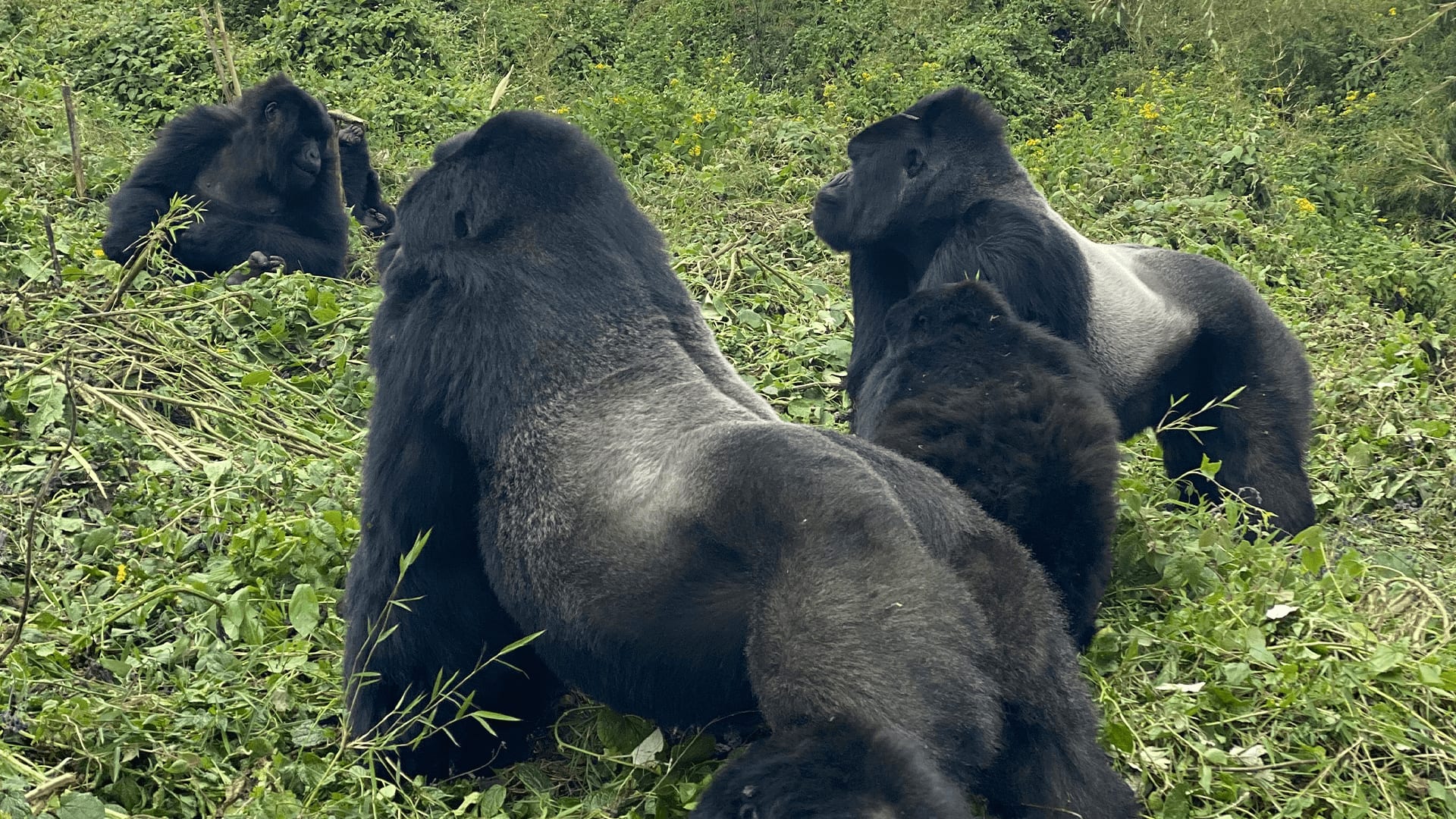
The crown jewel of any Uganda safari is gorilla trekking in Uganda, specifically in Bwindi Impenetrable Forest and Mgahinga Gorilla National Park. These two parks protect roughly half of the world’s remaining mountain gorillas, a species so critically endangered that every encounter carries profound weight. Trekking permits cost $800 USD per person, and while that figure gives some travelers pause, it is widely regarded as one of the most worthwhile investments in wildlife travel. The permit fee goes directly toward gorilla conservation and supports surrounding communities, making your visit an act of genuine contribution.
The trek itself is physically demanding. You’ll push through thick vegetation, navigate steep valley slopes, and follow the guidance of expert trackers who have spent years learning gorilla movement patterns. Then, suddenly, you’re there. A habituated gorilla family, going about their morning with complete calm. Silverbacks lounging. Juveniles tumbling over each other. It is, without exaggeration, one of the most moving wildlife encounters on the planet.
But Uganda’s appeal extends well beyond gorillas:
- Queen Elizabeth National Park is famous for its tree-climbing lions, a rare behavior seen in very few places worldwide, as well as large herds of elephants and hippos along the Kazinga Channel.
- Murchison Falls National Park offers dramatic Nile River boat safaris beneath the world’s most powerful waterfall, alongside lions, giraffes, and enormous Nile crocodiles.
- Kibale Forest National Park hosts one of Africa’s highest densities of chimpanzees, making it the top destination for chimpanzee tracking on the continent.
- Birdlife is extraordinary throughout the country, with over 1,060 recorded species, including the prehistoric-looking shoebill stork.
“Uganda’s combination of primate encounters, savannah game drives, and cultural richness creates a safari experience that is genuinely unlike anywhere else in Africa.” — PawMac Safaris
Accommodations range from rustic tented camps deep in the forest to elegant best Uganda safari lodges that blend conservation values with genuine comfort. For travelers who want to elevate their experience, luxury Uganda safari experiences are increasingly available, with private guides, exclusive camp access, and bespoke itineraries. Explore the full range of Uganda safari packages to find the format that fits your travel style and timeline.
Pro Tip: Book your gorilla trekking permit as early as possible, ideally six to twelve months in advance. Permits sell out quickly, especially during peak season from June through September and December through February.
Plan Your Uganda Safari with Local Experts
 WhatsApp Us
Kenya’s Maasai Mara: The thrill of the Great Migration
While Uganda excels in intimate wildlife encounters, Kenya’s Maasai Mara remains an iconic choice for epic game drives and migration spectacles. Few places on Earth deliver the sheer volume and drama of wildlife that the Mara provides on a consistent basis.
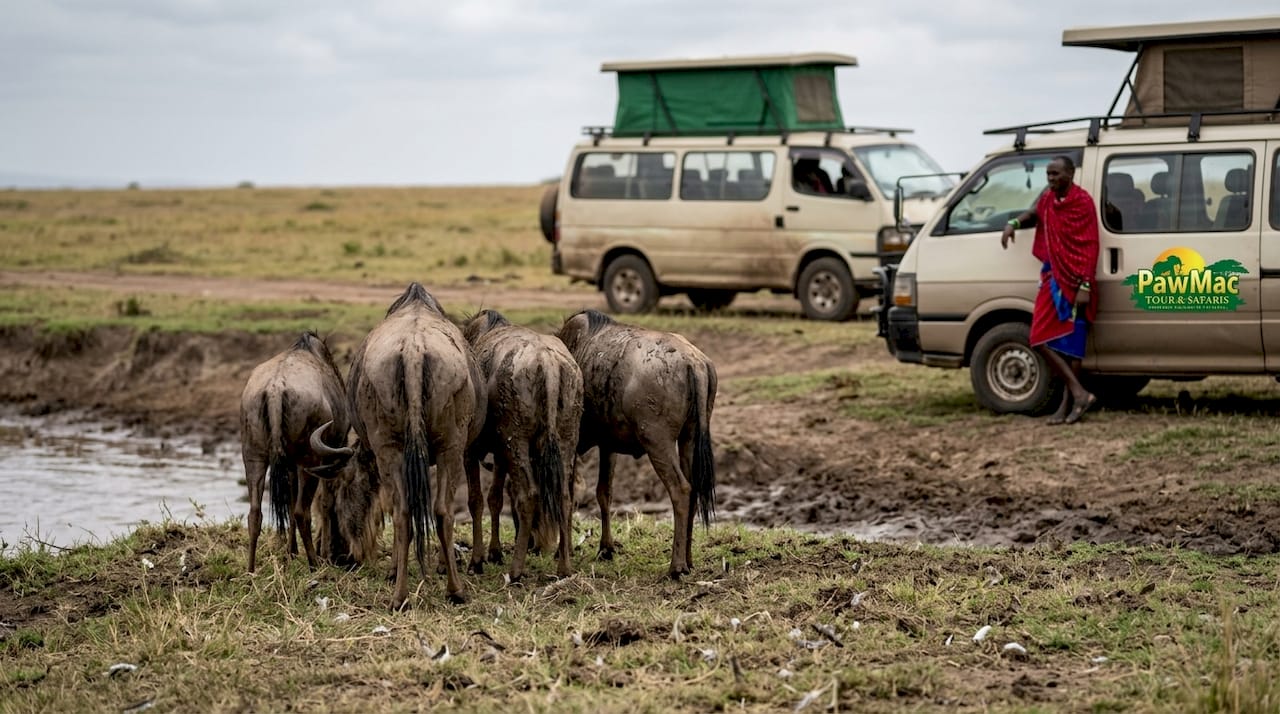
The Maasai Mara is part of the greater Mara-Serengeti ecosystem, and it sits at the northern end of one of nature’s most extraordinary annual events. Between July and October, over 1.5 million wildebeest, accompanied by hundreds of thousands of zebras and gazelles, push northward across the Mara River in search of fresh grass. The river crossings are chaotic, dangerous, and utterly spectacular. Crocodiles wait in the shallows. Lions patrol the banks. It is raw nature at its most cinematic.
Key highlights of a Maasai Mara safari include:
- Year-round Big Five sightings: Lions, leopards, elephants, buffalo, and rhinos are all present throughout the year, making the Mara one of Africa’s most reliable game-viewing destinations.
- Cultural exchanges with Maasai communities: Visits to traditional Maasai villages offer genuine insight into one of East Africa’s most iconic cultures, with opportunities to learn about traditional practices, beadwork, and pastoralist life.
- Photography opportunities: The open grasslands, golden light, and sheer density of wildlife make the Mara a paradise for photographers at every skill level.
- Accommodation variety: From classic canvas tented camps that place you directly in the bush to premium lodges with infinity pools overlooking the plains, the Mara caters to every budget and preference.
"Kenya’s Maasai Mara is a widely recognized safari destination centered on high wildlife density and the Great Migration ecosystem."
The Mara is also an excellent starting point for travelers who want to combine Kenya with Uganda for a multi-country East Africa adventure, experiencing both the open savannah drama and the intimate jungle encounters that make this region so compelling.
Tanzania’s Serengeti: Wide open plains and endless adventure
Just across the border, Tanzania’s Serengeti offers a different but equally breathtaking safari experience. Where the Maasai Mara delivers concentrated drama, the Serengeti offers scale. Nearly 15,000 square kilometers of open plains, acacia woodland, and granite outcroppings create a landscape that feels genuinely boundless.
The Serengeti is the southern anchor of the Great Migration, meaning the wildebeest calving season from January through March happens here, drawing cheetahs, hyenas, and lions in extraordinary numbers. Serengeti safari highlights include some of Africa’s highest predator densities, with lion prides regularly spotted on kopjes (rocky outcrops) and leopards draped over acacia branches.
What sets the Serengeti apart for the thoughtful traveler:
- Mobile camp options: Some operators move their camps seasonally to follow the migration, keeping guests in the heart of the action year-round.
- Private guided tours: Exclusive vehicle access and expert naturalist guides create a more personalized experience than crowded shared game drives.
- Cultural add-ons: Visits to Maasai and Hadzabe communities add meaningful human context to the wildlife experience.
- Combination itineraries: The Serengeti pairs naturally with Ngorongoro Crater, Tarangire, and Zanzibar for a diverse Tanzania circuit.
For travelers considering a broader East Africa adventure, it’s worth exploring how to extend Tanzania safari options and what safari extensions in East Africa can add to your overall experience. You can also browse Tanzania safari options to understand the full range of itineraries available.
Pro Tip: If you’re visiting the Serengeti between January and March, position yourself in the southern Ndutu region for the calving season. The concentration of predator activity during this period rivals anything the migration river crossings deliver later in the year.
Comparing top safari destinations: What fits your adventure?
With these three destinations laid out, let’s look at how they stack up to help you find your ideal African safari.
| Feature | Uganda | Maasai Mara (Kenya) | Serengeti (Tanzania) |
|---|---|---|---|
| Signature experience | Gorilla trekking, chimpanzee tracking | Great Migration river crossings | Calving season, vast predator action |
| Wildlife density | High (primates, savannah species) | Very high (Big Five, year-round) | Very high (Big Five, migration herds) |
| Ethical tourism focus | Strong (permit fees fund conservation) | Moderate (community conservancies) | Moderate (private conservancies) |
| Best for | Ethical travelers, primate enthusiasts | Photography, families, first-timers | Adventure seekers, luxury travelers |
| Permit/entry cost | $800 USD gorilla permit | Moderate park fees | Moderate park fees |
| Accommodation range | Rustic to luxury | Budget to ultra-luxury | Budget to ultra-luxury |
| Unique edge | Tree-climbing lions, shoebill stork | Maasai cultural access | Mobile camps, calving season |
Here’s a simple framework for making your decision:
- Choose Uganda if you want a once-in-a-lifetime primate encounter, a strong ethical conservation story, and a destination that combines jungle and savannah in a single trip.
- Choose Maasai Mara if witnessing the Great Migration ecosystem is your primary goal and you want reliable Big Five sightings throughout the year.
- Choose Serengeti if you want vast open landscapes, dramatic predator action, and the flexibility to build a longer Tanzania circuit with multiple parks.
- Combine all three if time and budget allow. A multi-country East Africa itinerary covering Uganda, Kenya, and Tanzania delivers the full spectrum of what this extraordinary region offers.
Our expert take: Why travel purpose matters more than the destination
After years of helping travelers plan safaris across East Africa, we’ve noticed a pattern. The clients who return home most fulfilled aren’t always the ones who visited the most famous parks. They’re the ones who were clearest about why they wanted a safari in the first place.
A traveler who books a Maasai Mara safari because it’s the most well-known option, but who actually cares deeply about primate conservation and intimate wildlife encounters, often comes home feeling like something was missing. The scenery was stunning. The game drives were thrilling. But it didn’t quite connect. Conversely, a traveler who chooses Uganda specifically because they want to contribute to gorilla conservation and experience something genuinely off the beaten path almost always returns with a sense of purpose fulfilled.
This is why we push back gently when clients ask us to simply recommend “the best” safari destination. There is no universal answer. The right safari is the one that aligns with your values, your curiosity, and the kind of story you want to tell. For many of our clients, that means Uganda, where the $800 gorilla permit isn’t just an entry fee but a direct investment in the survival of a species. For others, it means combining Uganda’s jungle experiences with the open-air spectacle of the Serengeti.
We also believe strongly that rethinking luxury safaris is worth doing before you book. Luxury in the safari world doesn’t always mean the most expensive lodge. Sometimes it means the most exclusive access, the most knowledgeable guide, or the most meaningful community connection. The most fulfilling client trips we’ve ever planned started not with a map but with a conversation about what the traveler genuinely cared about. Start there, and the destination becomes obvious.
Ready for an ethical adventure? Start planning your African safari
If this guide has sparked your imagination, the next step is a conversation, not a booking form. At PawMac Safaris, we specialize in building customized, ethical safari itineraries that match your specific interests, timeline, and budget. Whether you’re focused on gorilla trekking in Bwindi, a classic savannah circuit, or a multi-country East Africa adventure, our team brings deep local knowledge and genuine passion for Uganda’s wildlife.

Explore our Uganda wildlife tours to see the range of experiences we offer, from immersive gorilla trekking experiences to full multi-week itineraries across the region. You can also browse our complete Uganda safari tours page to start building your ideal trip. Contact us today to discuss your trip duration, preferred parks, and any special interests. We’ll handle the logistics so you can focus entirely on the experience.
Frequently asked questions
What is the best time of year to visit the Maasai Mara for the Great Migration?
The best time to witness the Great Migration in the Maasai Mara is from July to October, when massive wildebeest herds cross the Mara River, as confirmed by wildlife tourism research on the Mara-Serengeti ecosystem.
Is gorilla trekking in Uganda ethical and safe?
Yes, gorilla trekking in Uganda is strictly regulated by the Uganda Wildlife Authority, with group sizes limited to eight visitors per habituated gorilla family per day, ensuring both conservation integrity and visitor safety.
What is included in a typical Uganda safari package?
A typical Uganda safari package includes guided wildlife tours, park entry fees, accommodations, ground transportation, and some meals, with options to customize for gorilla trekking permits, cultural visits, and extended park circuits.
Can I combine multiple African safari destinations in one trip?
Absolutely. Many travelers combine Uganda, Kenya, and Tanzania in a single East Africa itinerary, and experienced operators like PawMac Safaris can design seamless multi-country routes that maximize both wildlife variety and travel efficiency.
Recommended
- African Safari Destinations | PawMac Safaris
- Essential tips for responsible safaris in Uganda: ethical wildlife
- Top 5 Cheap African Safari Options 2026
- Discover Uganda’s chimpanzee safaris: top parks & ethical trekking


