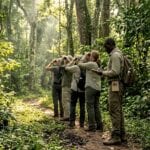
Most travelers planning their first East African safari assume Kenya and Uganda are interchangeable. Both have savanna, both have wildlife, both have the word “safari” attached to every brochure. But the two countries offer genuinely different experiences, and the gap between them is wider than most guides let on. Kenya delivers the classic open-grassland, Big Five spectacle that defined the word safari for generations. Uganda offers something rarer: face-to-face encounters with mountain gorillas in mist-shrouded rainforests, alongside remarkable primate diversity found nowhere else on the continent. Understanding those differences is what turns a good trip into an unforgettable one.
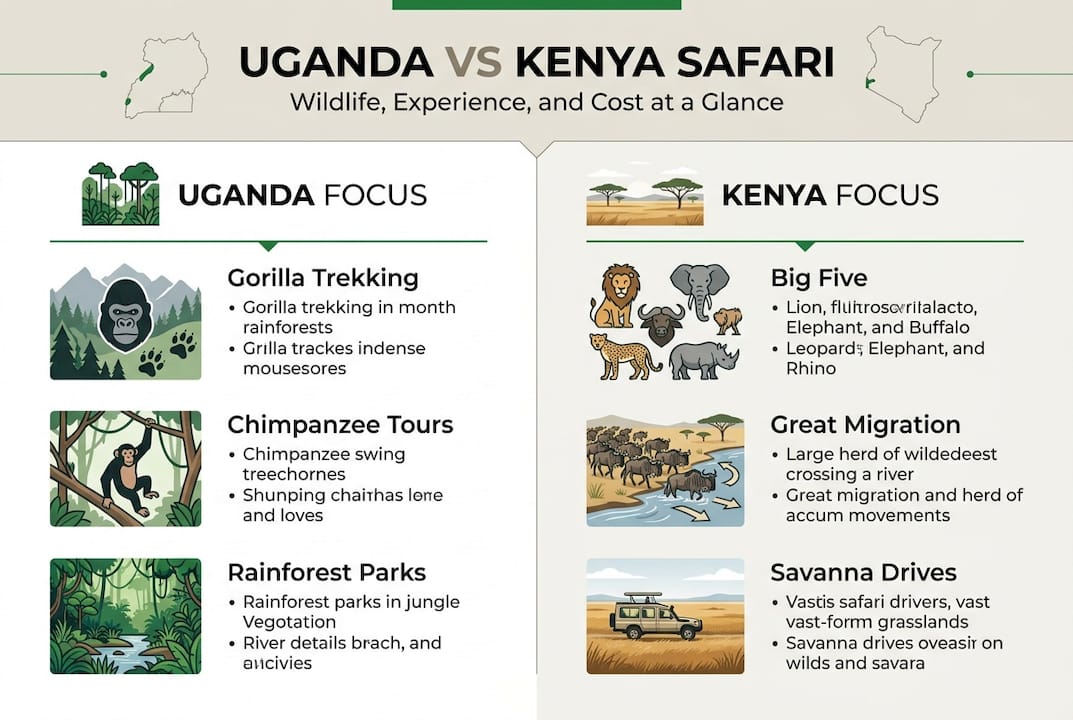
Kenya excels with Big Five game and huge migrations, while Uganda shines with primates and rainforest biodiversity.
Safari styles vary
Kenya features classic open-vehicle drives; Uganda offers unique trekking and water safaris.
Practicalities matter
Logistics, cost, and permits differ, so match your priorities to each destination’s strengths.
Combining is best
A combined itinerary lets you experience the most diverse wildlife highlights East Africa offers.
Wildlife diversity: The Big Five and beyond
Let’s dig into the actual wildlife you’ll encounter on safari in each country.
Kenya is the gold standard for Big Five game viewing. The phrase “Big Five” refers to lion, leopard, elephant, buffalo, and rhino, originally coined by hunters to describe the most dangerous animals to track on foot. Today it defines what most first-time safari travelers want to see. Kenya’s numbers back up its reputation. Kenya’s 2025 census recorded 41,952 elephants (a 4% increase), 2,512 lions, and 2,102 rhinos, with the Maasai Mara alone hosting roughly 2,700 elephants. Those are significant, accessible populations across well-established parks.
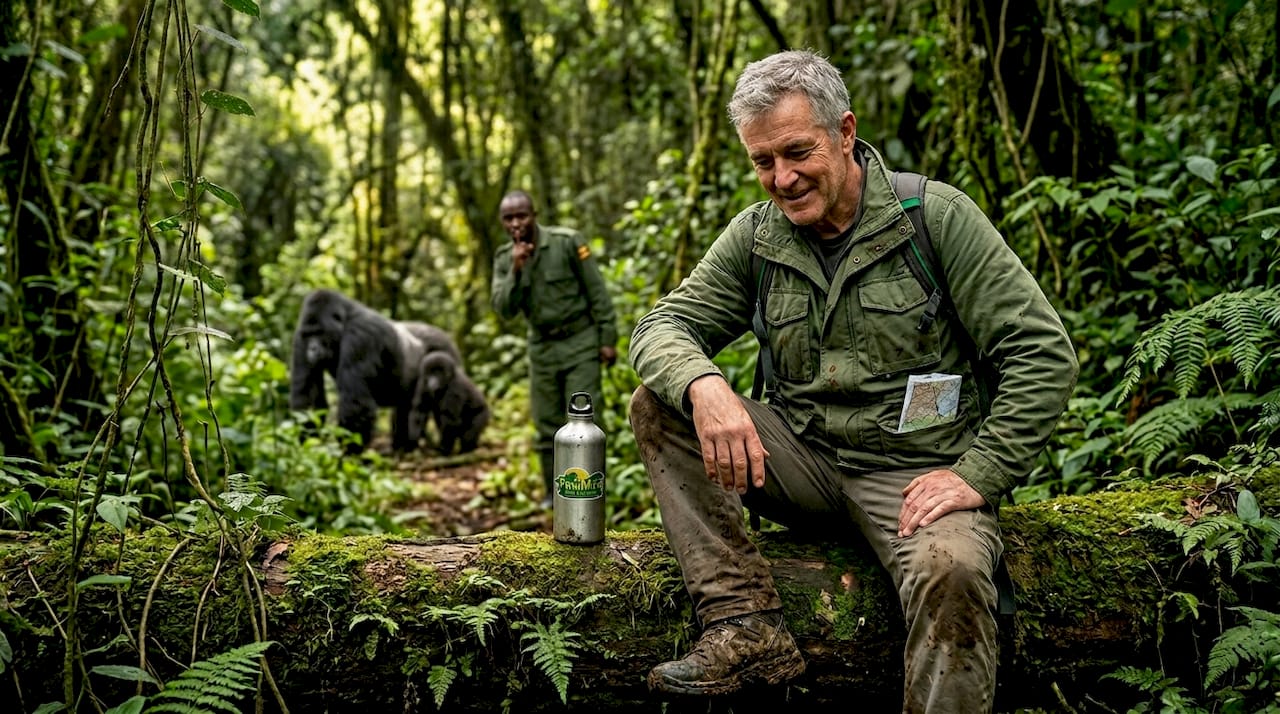
Uganda plays a completely different game. Its headline wildlife is not found on Kenya’s plains. Uganda is home to roughly half the world’s remaining mountain gorillas, concentrated in Bwindi Impenetrable National Park and Mgahinga Gorilla National Park. Chimpanzee tracking in Kibale Forest, golden monkey encounters in Mgahinga, and over 1,000 recorded bird species round out a biodiversity profile that is genuinely world-class. Uganda’s safari destinations overview reflects just how layered this offering is.
Feature
Kenya
Uganda
Big Five availability
High
Moderate (no rhino in wild)
Mountain gorillas
Not present
World’s largest population
Chimpanzees
Limited
Kibale Forest, world-class
Bird species
~1,100
~1,070
Great Migration
Yes (Maasai Mara)
No
Forest primates
Rare
Extensive
Notable wildlife highlights by country:
Kenya: Wildebeest Great Migration (July to October), cheetah sightings in Amboseli, flamingos at Lake Nakuru, large lion prides in the Mara
Uganda: Habituated gorilla families in Bwindi, olive baboons and red-tailed monkeys in Kibale, hippos and crocodiles along the Kazinga Channel, shoebill storks in Mabamba Swamp
Empirical data confirms Kenya leads on classic savanna species density, while Uganda’s great apes represent a unique wildlife category not replicated anywhere else in East Africa. The choice between them is not about which is “better.” It is about what kind of wildlife moment you want to carry home.
Safari experiences: Landscapes, parks, and tour styles
Understanding the wildlife is just one part. You will also want to know how the overall safari adventure unfolds on the ground.
Kenya’s most famous parks, the Maasai Mara and Amboseli, are built around open-vehicle game drives across wide grasslands. Visibility is exceptional. You can spot a lion from 500 meters in open savanna, and the scale of the landscape creates that cinematic safari feeling most travelers picture. Hot air balloon rides over the Mara at sunrise are a popular add-on. The infrastructure is polished, with well-maintained lodges and reliable road access to most major parks.
Uganda’s safari experience is more varied and, in many ways, more physically engaging. Rainforest trekking to reach habituated gorilla families involves hiking through dense forest, sometimes for one to four hours each way. Boat safaris along the Kazinga Channel in Queen Elizabeth National Park offer close-up hippo and elephant sightings from the water. The Kidepo Valley in the northeast provides a remote, crowd-free savanna experience that rivals Kenya’s best parks for raw atmosphere.
Activity
Kenya
Uganda
Open-vehicle game drive
Very common
Available (Queen Elizabeth, Murchison)
Gorilla trekking
Not available
Signature experience
Boat safari
Available
Kazinga Channel, Nile
Bush walk
Available
Available
Hot air balloon
Maasai Mara
Limited
Chimpanzee tracking
Rare
Kibale Forest
Steps to prepare for safari in both regions:
Book gorilla or chimpanzee permits well in advance (Uganda permits sell out months ahead)
Decide your travel window based on goals: July to October for Kenya’s Great Migration, year-round for Uganda gorillas
Arrange flights into Nairobi (Jomo Kenyatta) for Kenya or Entebbe (Entebbe International) for Uganda
Pack layered clothing for Uganda’s cooler forest altitudes and light, neutral-colored clothing for Kenya’s open plains
Confirm your tour operator handles park entry fees, transfers, and accommodation in a single itinerary
For a deeper look at Uganda’s forest encounters, Uganda primate tracking covers the full range of options. If you want a structured experience, tailored safari packages can help shape the right itinerary.
Pro Tip: Kenya’s peak season aligns with the Great Migration (July to October), while Uganda’s gorilla trekking is excellent year-round. If you want both, consider visiting Uganda first in the drier months (June or December to February) and combining it with a Kenya leg.
Cost, logistics, and accessibility
After the adventure and the wildlife, practical realities play a big role in which destination is right for you.
Kenya tends to have higher daily accommodation rates in its top parks, particularly in the Maasai Mara during peak season. Luxury tented camps can run $500 to $1,500 per person per night. Mid-range options are available but fill quickly. Park entry fees for the Mara are $200 per person per day for non-residents. Flights into Nairobi are frequent and well-served from Europe, North America, and Asia, making logistics relatively straightforward.
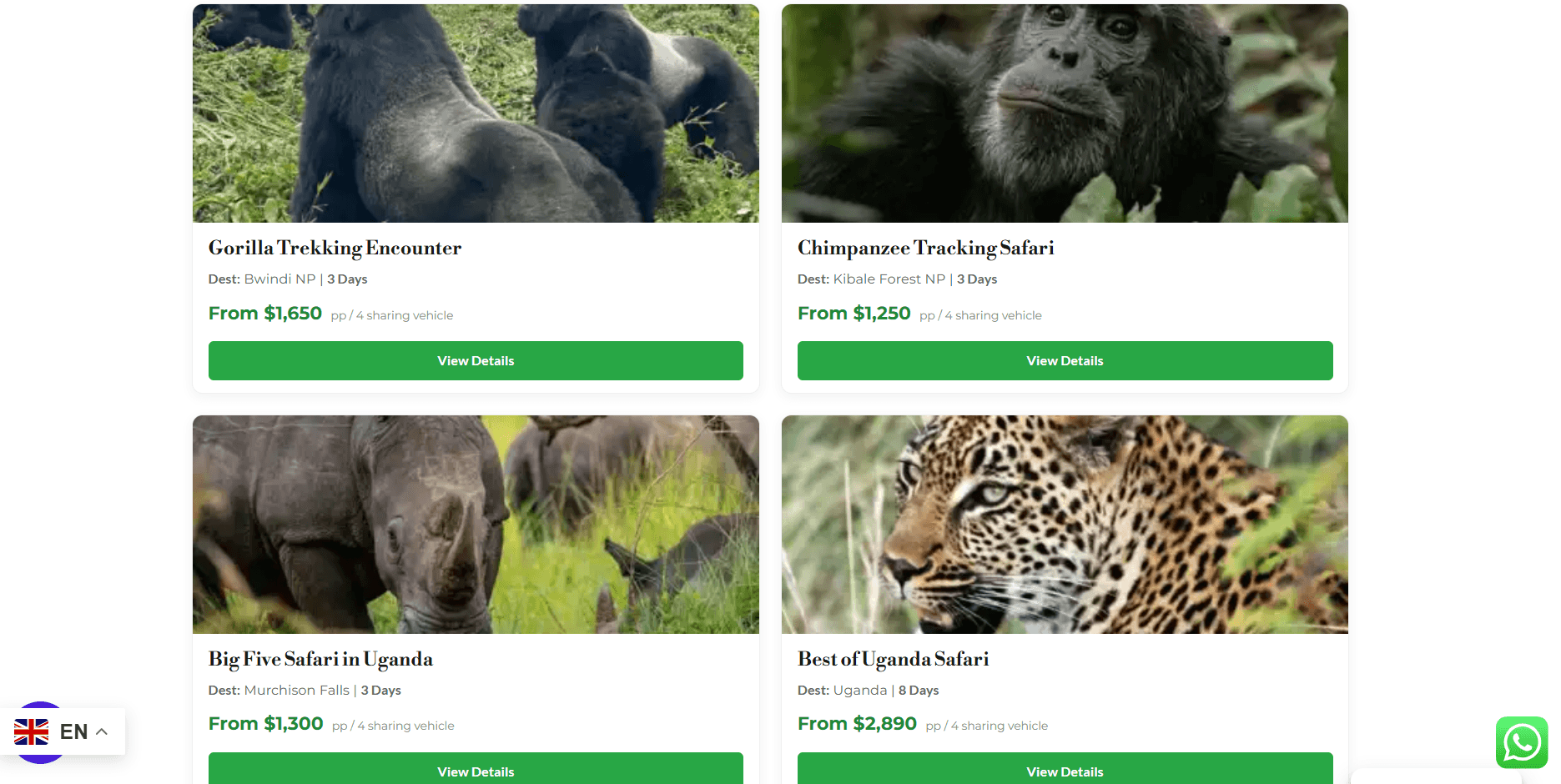
Uganda’s biggest cost is the gorilla trekking permit, currently priced at $800 per person. That is a significant line item, but it covers a one-hour encounter with a habituated gorilla family, an experience with no equivalent anywhere in Kenya. For a full breakdown, gorilla trekking costs and Uganda safari pricing provide current figures and package options. Daily accommodation rates in Uganda are generally lower than Kenya’s top-tier parks, which can offset the permit cost.
Logistical pros and cons:
Kenya pros: Excellent flight connections, well-paved roads to major parks, strong tourism infrastructure, wide range of accommodation tiers
Kenya cons: Crowded parks during peak season, higher daily rates at premium lodges, permit-free parks still have high entry fees
Uganda pros: Fewer crowds in most parks, unique primate experiences unavailable in Kenya, lower accommodation costs outside Bwindi
Uganda cons: Some roads in remote areas require 4WD vehicles, internal flights to Bwindi add cost, permit availability requires early planning
Pro Tip: Combining Uganda and Kenya in one trip can actually reduce per-day costs. A 10-day itinerary splitting five days in Uganda and five in Kenya often delivers more wildlife variety per dollar than a 10-day single-country trip at peak rates.
Who should choose which? Matching your dreams to the right destination
You have seen the differences. Now, here is how to decide which safari is your perfect match.
Different travelers want different things, and both countries have a clear target audience. Kenya’s Big Five densities and Uganda’s primate opportunities are the defining factors in most decisions.
Choose Kenya if you:
Are a first-time safari traveler wanting the classic African wildlife experience
Want to witness the Great Wildebeest Migration
Travel with young children who need accessible, vehicle-based game viewing
Are a wildlife photographer focused on open-savanna light and large mammal subjects
Prefer well-developed tourism infrastructure and a wide range of lodge styles
Choose Uganda if you:
Have already done a classic savanna safari and want something genuinely different
Are passionate about primates, forest ecosystems, or birdwatching
Want smaller crowds and a more intimate, off-the-beaten-path experience
Are drawn to the physical challenge and emotional depth of gorilla trekking
Value conservation-focused tourism and want your permit fee to support wildlife protection
“The travelers who get the most from East Africa are those who resist the urge to compare Uganda and Kenya as if one cancels the other out. They are not competing. They are complementary. A week in Uganda’s forests followed by a week on Kenya’s plains is one of the most complete wildlife journeys on the planet.” — PawMac Safaris planning team
For travelers leaning toward Uganda, the Uganda primate safari is a strong starting point for a focused, high-impact itinerary.
Hybrid itineraries are increasingly popular and genuinely worth considering. Flying from Entebbe to Nairobi takes under two hours, making a dual-country trip logistically simple with the right operator.
What most guides miss when choosing between Uganda and Kenya safaris
Most comparison articles stop at species counts and permit prices. That misses the deeper truth about what makes a safari memorable.
At PawMac Safaris, we have planned hundreds of East African trips. The travelers who report the most powerful experiences are rarely those who saw the most animals. They are the ones who sat quietly in a forest clearing while a silverback gorilla moved within three meters of them, or who watched a leopard drag its kill into a tree at dusk in Kidepo with no other vehicle in sight.
The conventional focus on the Big Five as a checklist can actually work against you. It narrows your expectations and makes you overlook Uganda’s quieter parks, unexpected sightings, and the profound stillness of a rainforest morning. Kenya’s less-visited parks like Samburu or Tsavo offer a rawness that the Mara’s crowds sometimes dilute.
Our honest take: the best East African safari is one that blends both countries. Explore gorilla trekking tour options and pair them with a Kenya leg. You will return home with two completely different sets of memories, and that contrast is exactly what makes East Africa extraordinary.
Plan your ultimate East African safari with expert guidance
Ready to turn ideas into action? Here is how to access planning expertise for your dream safari.
PawMac Safaris specializes in building itineraries that combine the best of both worlds. Whether you are drawn to gorilla trekking experiences in Bwindi’s ancient forests or the sweeping plains of Kenya safari trips, the team handles every detail. Permits, transport, accommodation, and park logistics are all managed under one roof. Browse the full range of Uganda wildlife tours or request a custom quote for a multi-country itinerary built around your travel dates, budget, and wildlife priorities. Expert, local knowledge makes the difference between a good trip and one you talk about for years.
Frequently asked questions
Which country is better for seeing the Big Five: Uganda or Kenya?
Kenya offers greater chances to see the Big Five in a single trip, with 41,952 elephants and 2,512 lions recorded in its 2025 wildlife census and more accessible open-savanna parks.
What makes Uganda unique for wildlife safaris?
Uganda is the world’s leading destination for mountain gorilla and chimpanzee trekking, offering primate experiences that simply do not exist in Kenya or anywhere else at this scale.
Are safari costs higher in Kenya or Uganda?
Kenya’s premium game parks, especially the Maasai Mara during peak season, generally carry higher daily accommodation rates, while Uganda offers more budget flexibility outside of the gorilla permit fee.
Can I visit both Kenya and Uganda on one safari trip?
Yes, many travelers combine both countries on a single itinerary, flying between Entebbe and Nairobi in under two hours to enjoy Big Five game viewing in Kenya and primate trekking in Uganda.
To provide the best experiences, we use technologies like cookies to store and/or access device information. Consenting to these technologies will allow us to process data such as browsing behavior or unique IDs on this site. Not consenting or withdrawing consent, may adversely affect certain features and functions.
Functional
Always active
The technical storage or access is strictly necessary for the legitimate purpose of enabling the use of a specific service explicitly requested by the subscriber or user, or for the sole purpose of carrying out the transmission of a communication over an electronic communications network.
Preferences
The technical storage or access is necessary for the legitimate purpose of storing preferences that are not requested by the subscriber or user.
Statistics
The technical storage or access that is used exclusively for statistical purposes.The technical storage or access that is used exclusively for anonymous statistical purposes. Without a subpoena, voluntary compliance on the part of your Internet Service Provider, or additional records from a third party, information stored or retrieved for this purpose alone cannot usually be used to identify you.
Marketing
The technical storage or access is required to create user profiles to send advertising, or to track the user on a website or across several websites for similar marketing purposes.