

- 138 Views
- 12 Min Read
- (0) Comment
Many travelers assume expensive permits equal superior gorilla encounters, yet Uganda delivers exceptional trekking at $800 compared to Rwanda’s $1,500 fee. This guide reveals how Uganda combines cost efficiency, diverse trekking sectors, conservation excellence, and practical ground logistics to provide unmatched value for 2026 gorilla safaris.
Table of Contents
- Cost Breakdown: Uganda Gorilla Trekking Permits And Fees
- Timing And Seasonal Considerations For Gorilla Trekking In Uganda
- Location Specificity: Detailed Sector Guide For Bwindi Gorilla Trekking
- Ground Logistics: Transport And Road Conditions In Uganda’s Gorilla Trekking Regions
- Conservation And Community Impact Of Gorilla Trekking Permits
- Decision Filters: Choosing The Best Uganda Gorilla Trekking Sector For You
- Insider Tips And Booking Recommendations For 2026 Gorilla Trekking In Uganda
- Plan Your Uganda Gorilla Trekking Safari With PawMac Safaris
- Frequently Asked Questions
Key takeaways
| Point | Details |
|---|---|
| Competitive pricing | Uganda’s $800 permit fee saves $700 per person versus Rwanda while funding robust conservation. |
| Sector variety | Four distinct Bwindi sectors from beginner Buhoma trails to challenging Nkuringo hikes suit all fitness levels. |
| Booking timeline | Peak season permits sell out 6 to 8 months early, requiring advance planning. |
| Ground transport | Specialized 4×4 Safari Vans with professional suspension handle rugged park roads safely. |
| Conservation impact | 75% of permit revenue directly supports anti-poaching operations and community development programs. |
Cost breakdown: Uganda gorilla trekking permits and fees
Uganda’s official $800 permit price for foreign non-residents in 2026 positions the country as Africa’s most affordable mountain gorilla destination. This fee grants one hour with a habituated gorilla family, park access, and experienced ranger guides.
Additional costs enhance your experience without breaking budgets:
- Porter hire: $15 to $20 per trek to carry gear and assist on steep sections
- Ranger guide tips: $10 to $15 per group as customary appreciation
- Community craft purchases: Optional souvenirs supporting local artisans
- Sector-specific accommodation: Ranges from $50 budget lodges to $400 luxury properties
Your permit fee covers critical services managed by Uganda Wildlife Authority. Park rangers conduct daily health monitoring of gorilla families, maintain trail systems, and enforce strict visitor protocols limiting groups to eight people for one hour. This structured approach balances tourism revenue with habitat protection.
Uganda shifted from family-based permits to sector-based allocation in recent years. This change improved distribution across Buhoma, Ruhija, Rushaga, and Nkuringo sectors while preventing overcrowding at popular sites. Travelers now book specific sectors rather than individual gorilla families, streamlining logistics and permit availability.
Compared to neighboring destinations, Uganda delivers exceptional value. Rwanda charges $1,500 per permit for identical mountain gorilla encounters, making Uganda $700 cheaper per person. Groups of four save $2,800 total, funds better spent on extended safaris or quality accommodations.
Timing and seasonal considerations for gorilla trekking in Uganda
Uganda’s peak trekking seasons occur June through September and December through February when dry weather creates optimal hiking conditions. Reduced rainfall means firmer trails, clearer forest views, and more comfortable temperature ranges between 15°C and 25°C.
Permits typically sell out 6 to 8 months before peak season departure dates. Popular trekking days like weekends and holidays fill first, especially in accessible Buhoma sector. Booking eight months ahead secures preferred dates and sectors, preventing last-minute scrambling or settling for less desirable options.
Off-peak months from March to May and October to November offer distinct advantages:
- Discounted permit pricing at $600 saves $200 per person
- Fewer trekking groups mean quieter forest experiences
- Lush vegetation creates stunning photography backdrops
- Increased rainfall requires quality waterproof gear and flexible schedules
- Gorilla families remain visible year-round regardless of season
Advance booking timelines prove critical for successful trips. Submit permit applications through licensed operators who coordinate with Uganda Wildlife Authority. Direct bookings require full payment upfront, while tour operators often accept deposits with final payment 90 days before travel.

Plan Your Uganda Safari with Local Experts
 WhatsApp Us
Seasonal weather impacts extend beyond trekking day conditions. Heavy rains make remote Nkuringo and Rushaga sectors more challenging to access via rough forest roads. Budget extra travel time during wet months when even 4×4 Safari Vans navigate slowly through muddy stretches.
Pro Tip: Book your permit for mid-week dates rather than weekends. Tuesday through Thursday departures encounter fewer trekking groups on trails and at ranger briefing points, creating more intimate forest experiences.
Location specificity: detailed sector guide for Bwindi gorilla trekking
Bwindi Impenetrable National Park divides into four distinct trekking sectors, each offering unique terrain, gorilla family dynamics, and difficulty levels. Choosing the right sector matches your fitness and travel goals.
| Sector | Altitude | Terrain Difficulty | Best For | Habituated Families |
|---|---|---|---|---|
| Buhoma | 1,160m to 2,607m | Easy to Moderate | First-timers, families, limited mobility | 4 families |
| Ruhija | 2,345m (highest) | Steep, Challenging | Experienced hikers, birding enthusiasts | 4 families |
| Rushaga | 2,227m | Rugged, Moderate to Hard | Habituation experience seekers | 8 families (most) |
| Nkuringo | 2,161m | Very Steep, Strenuous | Advanced trekkers wanting exclusivity | 3 families |
Buhoma sector serves as the original trekking base with developed infrastructure since 1993. Gentle slopes and well-maintained paths accommodate travelers with average fitness. Wide accommodation selection ranges from budget guesthouses to luxury lodges within walking distance of park headquarters. This sector suits families with teenagers and first-time trekkers prioritizing comfort over challenge.
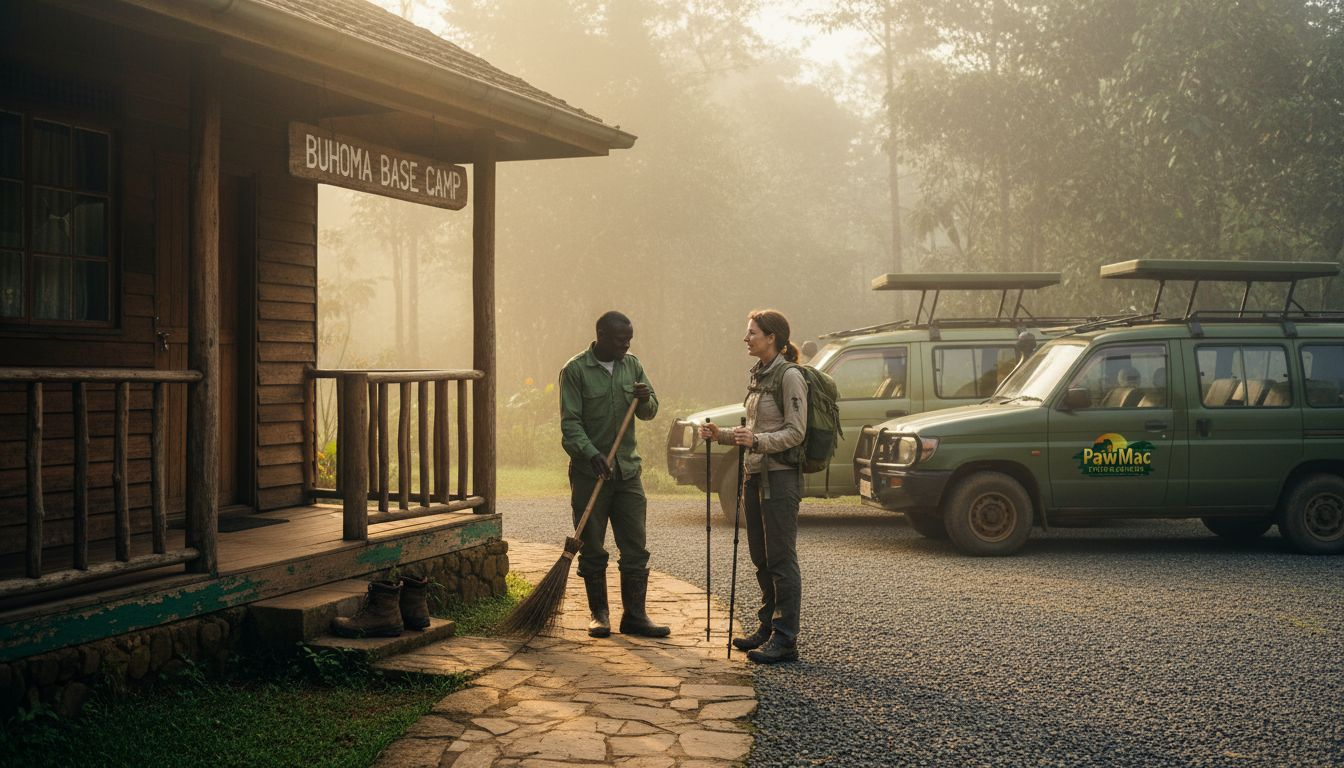
Ruhija sector sits at Bwindi’s highest elevation, creating steep ascents and descents through dense montane forest. Cool temperatures and frequent mist require warm layered clothing even during dry months. Experienced hikers appreciate the physical challenge and exceptional bird watching opportunities with over 350 recorded species. Limited accommodation options mean booking lodges well in advance.
Rushaga sector hosts eight habituated gorilla families, the most of any Bwindi location. This diversity increases permit availability and offers the exclusive gorilla habituation experience where visitors spend four hours observing researcher interactions. Rugged terrain demands good fitness but rewards trekkers with varied gorilla group dynamics and fewer crowds than Buhoma.
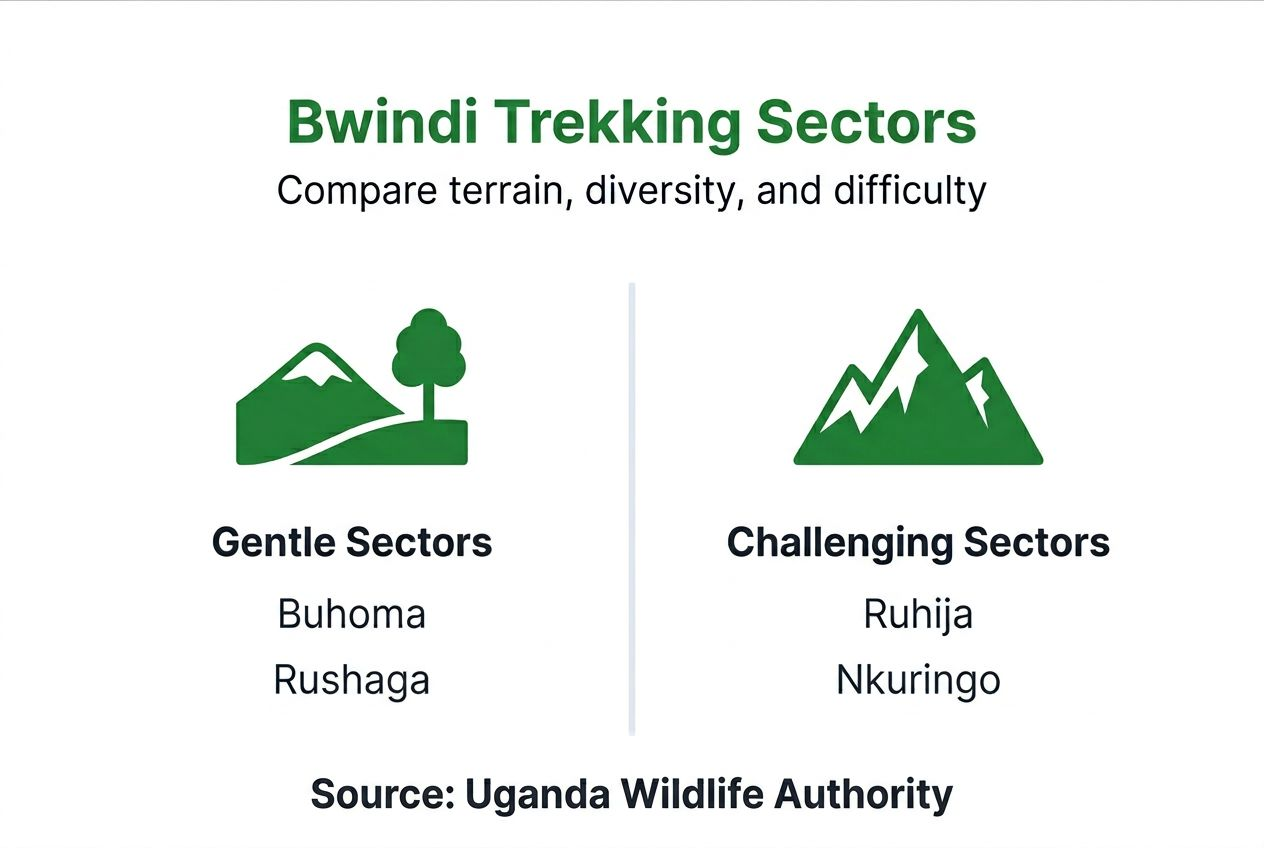
Nkuringo sector challenges visitors with extremely steep trails requiring ropes and walking sticks in sections. Dramatic elevation changes provide stunning views across the Virunga volcanoes but exhaust unprepared trekkers. This remote location attracts adventure seekers wanting less frequented paths and intimate wildlife encounters.
Pro Tip: Match sector difficulty to your honest fitness assessment, not optimistic expectations. Overestimating ability leads to exhausting struggles that diminish enjoyment of your gorilla hour.
Ground logistics: transport and road conditions in Uganda’s gorilla trekking regions
Reaching Bwindi’s trekking sectors requires customized 4×4 Safari Vans built specifically for Uganda’s challenging road network. These vehicles feature reinforced suspension systems, high ground clearance, and pop-up roofs for wildlife viewing during transfers.
Road conditions vary dramatically between paved highways and rutted forest tracks. The journey from Entebbe International Airport to Buhoma sector spans approximately 540 kilometers requiring 8 to 9 hours including rest stops. Paved sections cover 70% of the route, with the final 80 kilometers navigating rough murram roads prone to washouts during rainy seasons.
Transfer logistics demand careful planning:
- No cross-sector morning travel on trekking day due to early 7:30 AM briefings
- Stay within your assigned sector the night before your trek
- Budget 2 to 3 hours between sectors for midday transfers
- Armed park ranger escorts accompany vehicles through wildlife corridors
- Professional drivers trained in defensive techniques handle steep grades safely
Vehicle specifications matter significantly for comfort and safety. Safari Vans accommodate 6 to 7 passengers with individual window seats, allowing unobstructed photography during game drives. Roof hatches provide standing room for optimal wildlife spotting without exiting vehicles in restricted areas.
Booking transport through experienced operators eliminates common pitfalls. Local companies maintain vehicles to rigorous standards, employ drivers familiar with seasonal road challenges, and coordinate ranger escorts automatically. Independent travelers renting standard vehicles often underestimate terrain difficulty and lack proper insurance coverage.
Pro Tip: Request a vehicle inspection before departure, checking tire tread depth and suspension condition. Quality operators welcome transparency and maintain detailed service records.
Conservation and community impact of gorilla trekking permits
Uganda’s permit fee structure directs 75% of revenue toward conservation and anti-poaching operations managed by Uganda Wildlife Authority. This funding supports 600 rangers conducting daily patrols, veterinary interventions, and habitat restoration across Bwindi’s 331 square kilometers.
Permit revenue finances critical conservation activities:
- 24-hour armed ranger patrols preventing poaching and human-wildlife conflict
- Veterinary teams monitoring gorilla health and treating injuries or illness
- Snare removal programs eliminating traps set for bushmeat hunting
- Habitat corridor maintenance connecting fragmented forest patches
- Scientific research tracking population dynamics and genetic diversity
Community benefit programs receive designated permit portions, creating local support for conservation. Villages surrounding Bwindi access funds for schools, health clinics, and water infrastructure. This revenue-sharing model reduces poaching by providing economic alternatives to illegal forest resource extraction.
Visitor limits protect gorilla welfare while maintaining tourism viability. Each habituated family receives maximum eight visitors daily for one hour, minimizing stress and disease transmission risk. Rangers enforce strict protocols including 7-meter distancing, mandatory mask wearing, and immediate removal of coughing or sick visitors.
“Gorilla tourism transformed our relationship with the forest. Before permits, locals saw gorillas as crop raiders. Now families earn porter wages and lodge employment, making conservation profitable for everyone.” – Conservation manager, Bwindi Community Hospital
Uganda Wildlife Authority ensures transparent fund allocation through public reporting and third-party audits. Annual conservation budgets detail spending across ranger salaries, equipment purchases, and community projects. This accountability builds stakeholder trust and demonstrates measurable conservation outcomes from tourism revenue.
Decision filters: choosing the best Uganda gorilla trekking sector for you
Selecting your ideal sector requires matching terrain difficulty, accommodation preferences, and personal interests with realistic self-assessment. This systematic approach prevents mismatched bookings that compromise experience quality.
Best for first-timers and families: Buhoma sector offers gentle trails, extensive lodge options, and reliable permit availability. Families with teenagers aged 15 and above benefit from shorter trek durations averaging 2 to 4 hours. Cultural village visits and nature walks provide alternative activities for non-trekking days.
Best for experienced hikers seeking challenge: Ruhija and Nkuringo sectors deliver steep elevation changes testing cardiovascular fitness and leg strength. These remote locations reward effort with spectacular views and exclusive encounters. Pack trekking poles and quality boots with aggressive tread for muddy descents.
Best for wildlife enthusiasts wanting habituation experience: Rushaga sector provides the unique 4-hour gorilla habituation trek observing researchers’ daily monitoring routines. This extended encounter reveals gorilla behavior patterns invisible during standard 1-hour visits. Limited daily permits require 10 to 12-month advance booking.
Accommodation logistics influence sector choice significantly. Buhoma supports 15+ lodges from $50 budget options to $400 luxury properties. Nkuringo offers 4 lodges total, with limited mid-range selection. Book accommodations simultaneously with permits to ensure availability matches your trekking date.
Transport connections also factor into decisions:
- Assess total drive time from arrival city to your sector
- Confirm road conditions during your planned travel month
- Verify whether operators include ranger escort coordination
- Budget extra days for vehicle breakdowns or weather delays
Terrain difficulty demands honest fitness evaluation. Can you hike continuously for 4 to 6 hours over steep, muddy trails at altitude? Previous mountain hiking experience in locations like Colorado or Switzerland provides good comparison points. Sedentary travelers should train 3 months before departure with weighted backpack hikes.
Insider tips and booking recommendations for 2026 gorilla trekking in Uganda
Securing permits during competitive peak seasons requires strategic timing and reliable booking partners. Submit applications 6 to 8 months before preferred departure dates, especially for June through September and December through February windows. Popular weekend dates fill within days of becoming available.
Stay within your assigned trekking sector the night before your scheduled trek. Cross-sector morning transfers make 7:30 AM ranger briefings impossible due to rough road speeds of 30 kilometers per hour. Budget lodges near park gates cost $50 to $80 per night, eliminating stressful pre-dawn drives.
Hiring porters benefits both trekkers and local communities:
- Porters carry daypacks, water, and camera equipment on steep sections
- $15 to $20 porter fee provides crucial income to village families
- Physical assistance helps maintain energy for quality gorilla viewing time
- Porters often double as informal guides sharing forest knowledge
Sector-appropriate gear prevents discomfort and safety issues. Buhoma’s lower altitude requires lightweight breathable layers, while Ruhija’s 2,345-meter elevation demands insulated jackets even during dry months. Waterproof hiking boots with ankle support prove essential across all sectors, as trails remain muddy year-round.
Use certified operators holding valid Uganda tour licenses verified through Uganda Wildlife Authority. Licensed companies maintain insurance coverage, employ trained guides, and follow strict safety protocols. Independent permit purchases through UWA require navigating bureaucratic processes and arranging separate transport logistics.
Pro Tip: Pack gardening gloves for gripping vegetation during steep climbs. The $3 investment provides better traction than bare hands on wet vines and protects against thorns.
Explore combined gorilla and chimpanzee tracking safaris maximizing your Uganda primate encounters. Kibale Forest offers excellent chimp trekking just 5 hours from Bwindi, creating logical multi-day itineraries. Browse our complete Uganda safari packages or contact us for custom quotes tailored to your schedule and budget.
Plan your Uganda gorilla trekking safari with PawMac Safaris
Ready to transform this planning knowledge into your 2026 Uganda gorilla adventure? PawMac Safaris handles every logistical detail from permit procurement to ground transport coordination.
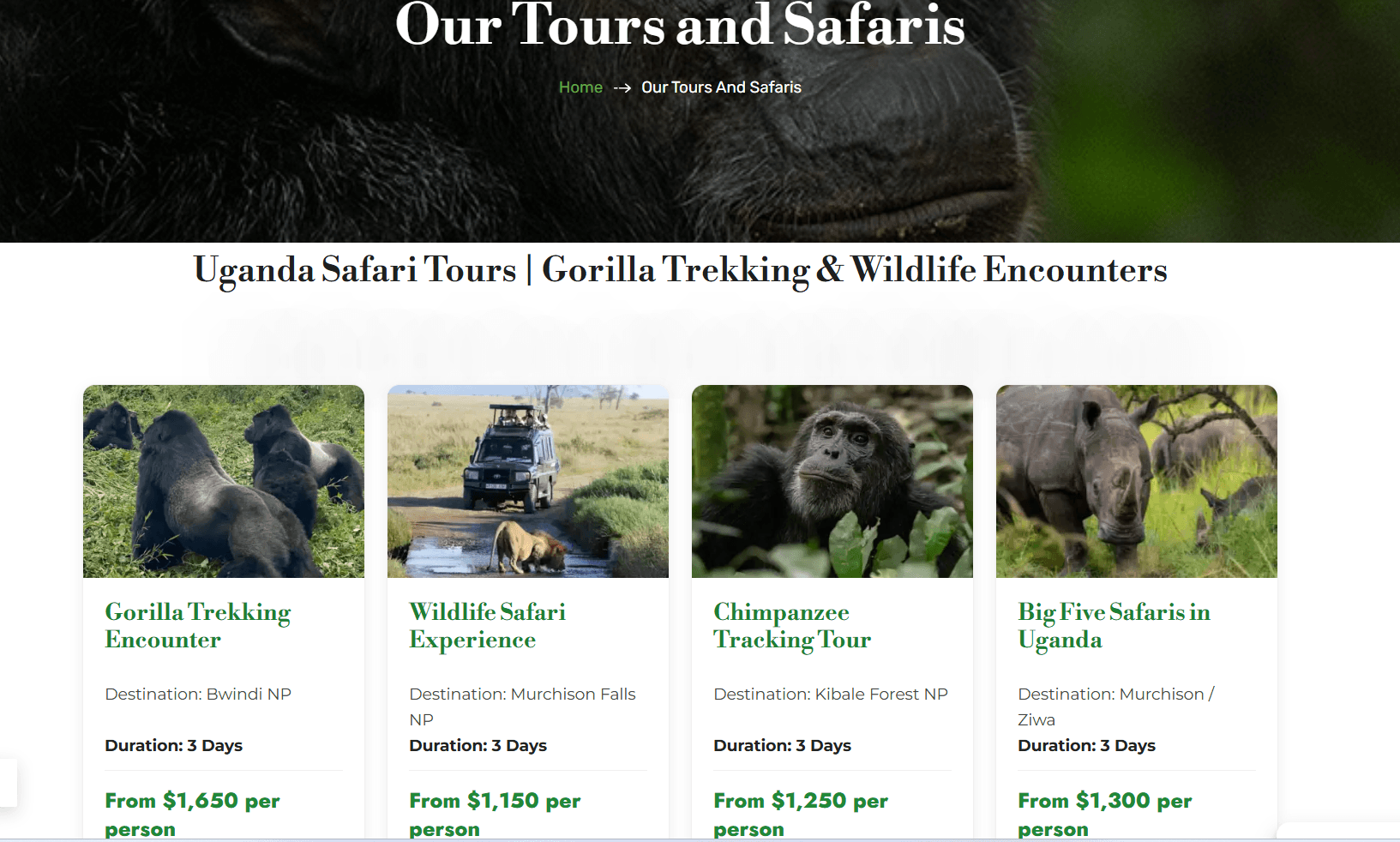
Our Uganda-based team navigates sector selection, secures accommodation matching your budget, and arranges 4×4 Safari Vans equipped for Bwindi’s challenging roads. We eliminate booking confusion by managing Uganda Wildlife Authority permit applications, confirming availability, and processing payments through secure channels.
Combine gorilla trekking with chimpanzee tracking in Kibale Forest or Queen Elizabeth National Park game drives for comprehensive Uganda wildlife experiences. Our safari packages range from 3-day express gorilla treks to 14-day grand tours covering all major national parks.
Contact PawMac Safaris today for personalized 2026 itinerary planning. Share your travel dates, fitness level, and budget parameters to receive detailed proposals within 24 hours.
Frequently asked questions
Is it possible to switch trekking sectors after booking a permit in Uganda?
Sector permits are fixed and cannot be changed after Uganda Wildlife Authority confirms your booking. Strict conservation management and daily visitor quotas prevent transfers between Buhoma, Ruhija, Rushaga, or Nkuringo. Research sector characteristics thoroughly before purchasing to avoid costly rebooking.
What is the best way to prepare physically for the Ruhija or Nkuringo trekking sectors?
Train with cardiovascular hill climbing and leg strength exercises 8 to 12 weeks before departure. Stair climbing with a weighted backpack, outdoor hiking on uneven terrain, and altitude acclimatization if possible prepare your body for steep grades. Quality hiking boots broken in over multiple training walks prevent blisters during your actual trek.
Are porter services mandatory during gorilla trekking in Uganda?
Porter hire remains optional but proves highly beneficial for most trekkers. Porters carry gear, provide physical assistance on difficult sections, and support local village economies through direct employment. The $15 to $20 fee represents excellent value for enhanced comfort and community contribution.
How early should I book my Uganda gorilla trekking permit for peak season?
Book permits 6 to 8 months ahead for peak season June through September and December through February departures. Popular dates and accessible sectors like Buhoma fill quickly, leaving only challenging options for late planners. Submit applications immediately after finalizing your travel dates to secure preferred choices.
Recommended
- Gorilla Trekking Uganda 2026 – Permits, Prices & Best Safaris
- Uganda Safari Guide 2026: Gorilla Permits & Logistics
- Gorilla Trekking in Uganda: Cost, Permits & Tours 2026
- Is Uganda Safe for Safari in 2026? 0 Incidents & $800 Permits