
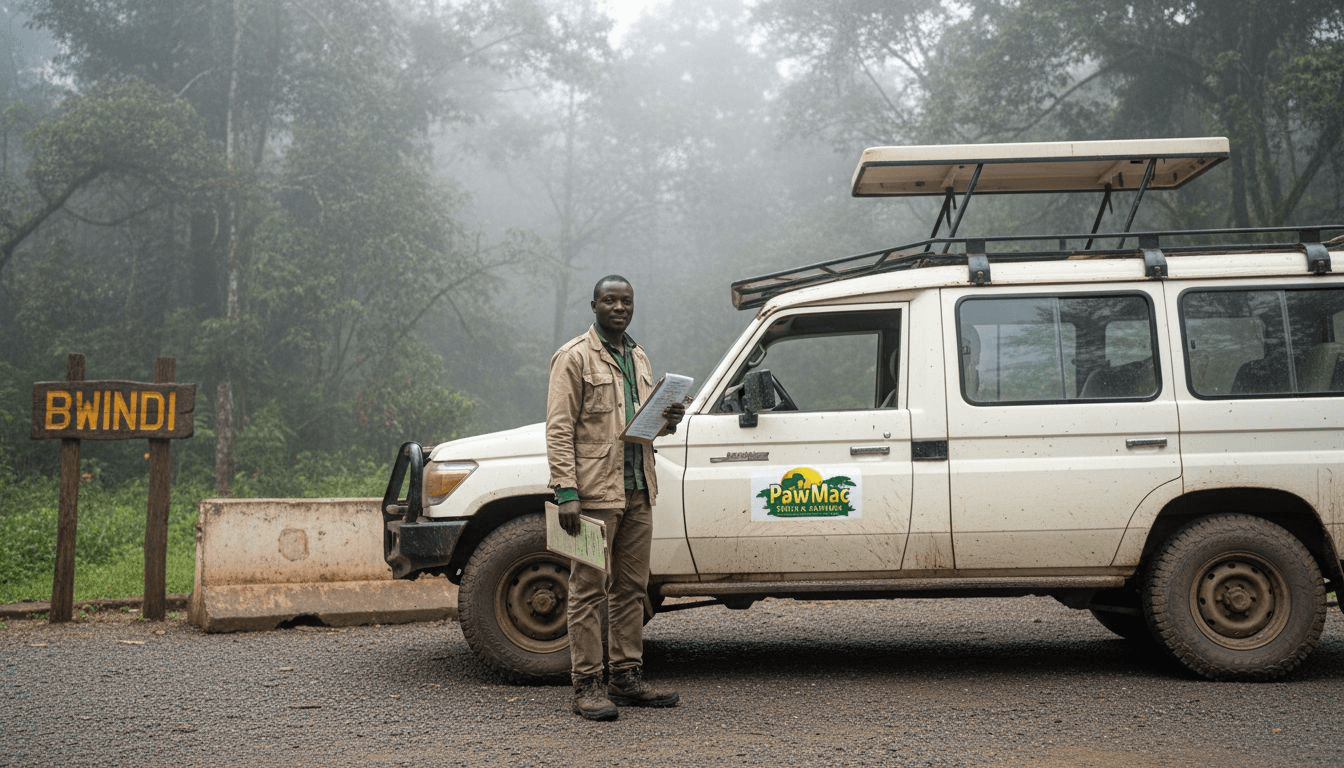

- 257 Views
- 10 Min Read
- (0) Comment
Planning a Uganda gorilla safari in 2026 means navigating sector-based permits, rugged terrain, and fixed costs months before departure. The official permit system requires advance booking, specialized transport, and sector-specific accommodations. This guide delivers the exact costs, timing windows, and logistics you need to plan a smooth, well-coordinated Uganda safari.
Table of Contents
- Cost Breakdown For 2026 Uganda Gorilla Trekking
- Timing And Season: Best Months And Booking Window
- Ground Logistics And Transport For Uganda Safaris In 2026
- Choosing Your Gorilla Trekking Sector In Bwindi Impenetrable National Park
- How To Book Gorilla Permits And Requirements For 2026
- Common Challenges And How To Choose Your Best Sector
- Plan Your Uganda Gorilla Safari With Pawmac Safaris
Key takeaways
| Point | Details |
|---|---|
| Permit cost | $800 for foreign non-residents in 2026, covering park entry, guides, and security. |
| Booking window | Reserve permits 6-8 months ahead during peak seasons to secure preferred sectors. |
| Transport requirements | Customized 4×4 Safari Vans with professional suspension handle Bwindi’s rugged roads. |
| Sector selection | Buhoma offers easiest terrain; Nkuringo presents steepest challenges for experienced trekkers. |
| Additional expenses | Porter fees ($20), tips, and sector-specific lodging add to total safari budget. |
Cost breakdown for 2026 Uganda gorilla trekking
The gorilla trekking permit costs $800 for foreign non-residents in 2026. This fee includes park entry, experienced guides, armed ranger security, and contributions to Uganda Wildlife Authority conservation programs. Your permit grants one hour with a habituated gorilla family on a specific date and sector.
Beyond the permit, budget for these additional expenses:
- Porter fees: Approximately $20 per trek, paid separately to assist with gear on steep, muddy trails
- Gorilla Habituation Experience: $1,500 for four hours with gorillas, primarily available in Rushaga sector
- Tips: $10-15 for guides and rangers after successful treks
- Sector-specific accommodations: Costs vary from budget lodges ($80/night) to luxury options ($400+/night)
Permit fees do NOT cover lodging, meals, or ground transport. The $800 permit specifically funds park operations, ranger salaries, and anti-poaching efforts managed by Uganda Wildlife Authority.
Pro Tip: Discount months (April, May, November) offer $600 permits during low season, saving $200 per person while providing excellent trekking with fewer crowds.
| Cost Component | Amount (USD) | Notes |
|---|---|---|
| Gorilla permit | $800 | Mandatory, sector-based |
| Porter service | $20 | Highly recommended |
| Habituation Experience | $1,500 | Rushaga sector only |
| Tips (guide/rangers) | $10-15 | Standard practice |
Timing and season: best months and booking window
Peak gorilla trekking seasons run June through September and December through February. These dry months provide firmer trails, clearer mountain views, and optimal wildlife visibility. However, permits sell out 6-8 months ahead during these windows due to the strict limit of 8 trekkers per gorilla family daily.
Low season (March-May, October-November) brings increased rainfall and muddier conditions but offers significant advantages:
- Greater permit availability with 2-3 month booking windows
- $600 discount permits in April, May, and November
- Fewer trekkers on trails and at lodges
- Lush vegetation and active birdlife
Weather impacts trekking difficulty substantially. Wet season trails become slippery, requiring proper boots and trekking poles. Dry season offers easier footing but dustier conditions. Regardless of season, Bwindi’s high altitude creates unpredictable weather patterns, so waterproof gear remains essential year-round.
Pro Tip: Book permits for early dry season (June, December) to secure availability while benefiting from trails that haven’t yet hardened from prolonged sun exposure.
Daily permit quotas create scarcity. With only 8 permits per habituated family and roughly 20 families across four sectors, total daily capacity maxes around 160 trekkers parkwide. Peak season demand far exceeds this supply, making advance booking non-negotiable for 2026 safaris.
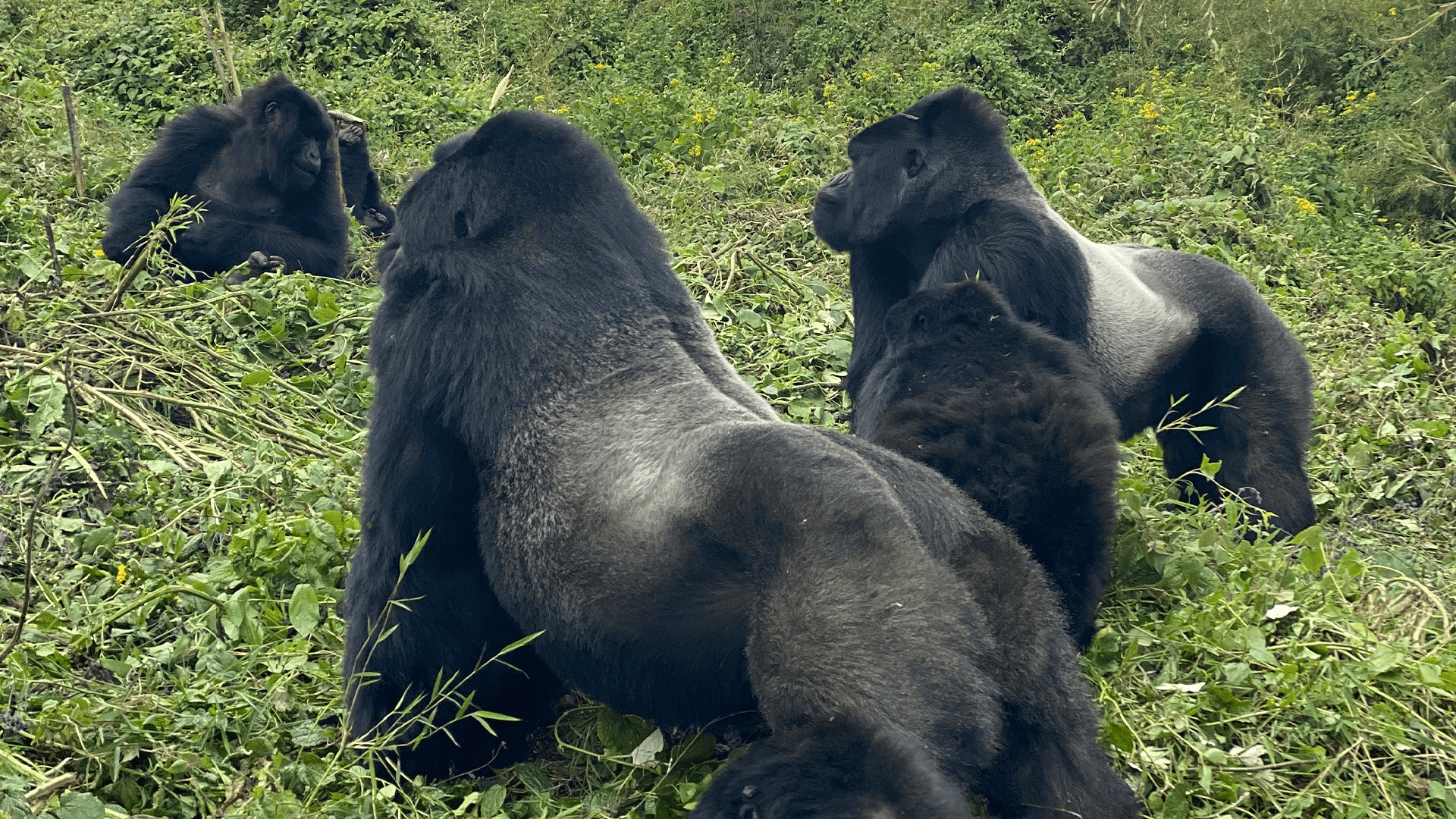
Plan Your Uganda Safari with Local Experts
 WhatsApp Us
Ground logistics and transport for Uganda safaris in 2026
Uganda safari transport relies exclusively on customized 4×4 Safari Vans equipped with professional suspension systems. These vehicles feature pop-up roofs for wildlife viewing and reinforced chassis to handle Bwindi’s steep, unpaved roads. Standard sedans and typical tour buses cannot navigate the terrain safely.
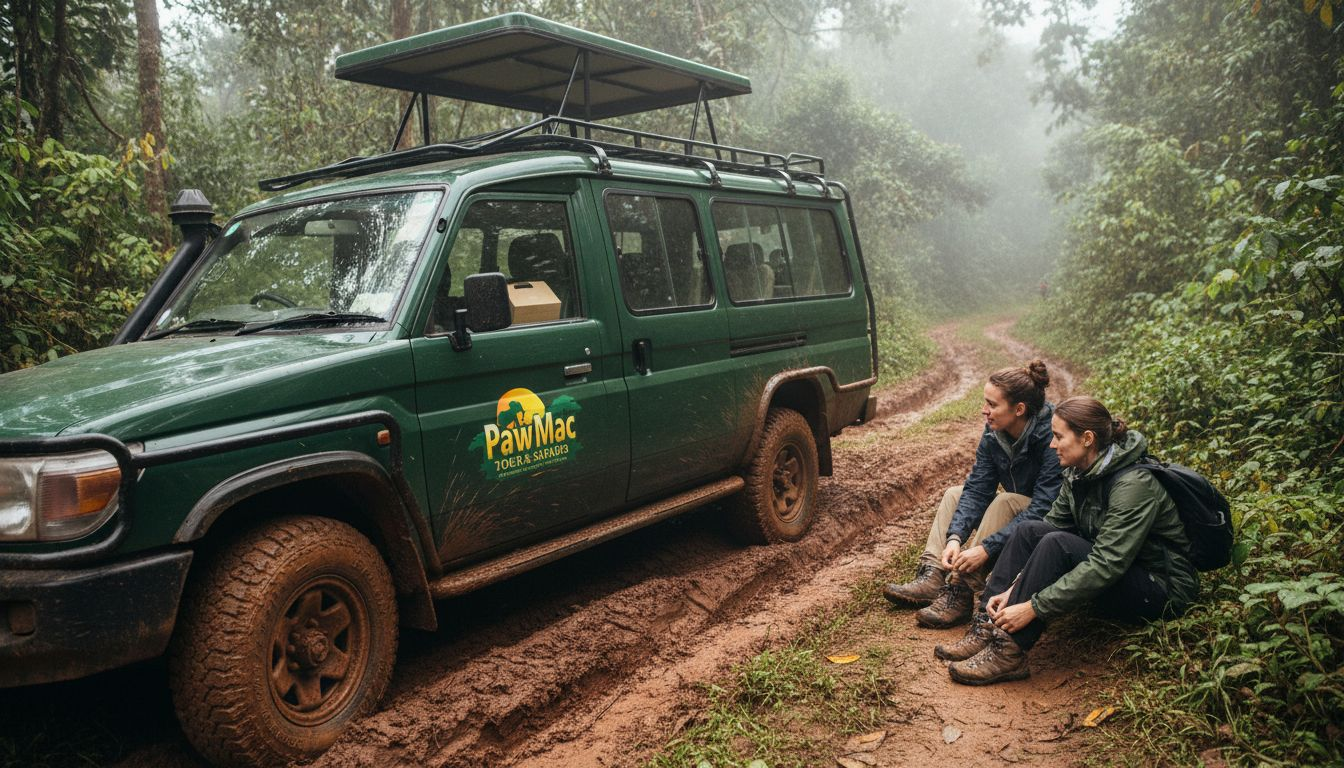
Road conditions between Kampala and Bwindi span 8-10 hours, covering paved highways transitioning to rough mountain tracks. Experienced drivers with local knowledge navigate switchbacks, erosion-damaged sections, and seasonal flooding zones. The final 30 kilometers to any Bwindi sector presents the most challenging driving, requiring 4×4 capability and skilled handling.
Accommodation must align precisely with your permit sector. Cross-sector drives on trekking mornings are impossible due to distance and road conditions. If your permit assigns Nkuringo sector, book lodging in Nkuringo. Attempting to trek from a different sector guarantees missed departures and forfeited permits.
Pro Tip: Porter services cost about $20 and provide crucial assistance on steep terrain. Porters carry daypacks, offer stability on slippery sections, and support local community employment directly.
Key transport considerations:
- Departures from lodges occur 6:30-7:30 AM for sector briefings
- Trailhead transfers take 15-45 minutes depending on lodge location
- Return times vary wildly (11 AM to 4 PM) based on gorilla locations that day
- Vehicle access to some luxury lodges requires additional 4×4 transfers
Early coordination of permits, accommodations, and 4×4 Safari Van bookings prevents logistical failures. Each element depends on the others, so piecemeal planning creates gaps that derail entire safaris.
Choosing your gorilla trekking sector in Bwindi Impenetrable National Park
Bwindi divides into four distinct sectors, each offering different terrain difficulty, habituated gorilla families, and trekking experiences. Your sector choice directly impacts physical demands, accommodation options, and daily logistics.
Buhoma (Northern Sector):
The easiest terrain in Bwindi, ideal for beginners, families, and trekkers with moderate fitness. Trails feature gentler slopes and shorter hiking distances. Buhoma hosts the most developed lodge infrastructure with options from budget to luxury. Best for first-time gorilla trekkers prioritizing accessibility over challenge.
Ruhija (Eastern Sector):
High-altitude location (2,350 meters) creates cooler temperatures and excellent birdwatching opportunities. Moderate trail difficulty suits average fitness levels. Fewer habituated families mean limited permit availability. Ruhija’s elevation provides stunning valley views but increases cold-weather gear requirements.
Rushaga (Southern Sector):
Hosts the largest number of habituated families and exclusive Gorilla Habituation Experience permits. Terrain varies from moderate to challenging depending on assigned family. Higher permit availability makes Rushaga easier to book during peak seasons. The habituation option allows four hours with gorillas versus the standard one hour.
Nkuringo (Southern Sector):
Steepest, most physically demanding sector requiring excellent fitness and prior hiking experience. Trails descend 600+ meters into valleys before climbing back. Dramatic scenery and fewer trekkers reward the effort. Not recommended for anyone with knee issues, limited mobility, or first-time trekkers.
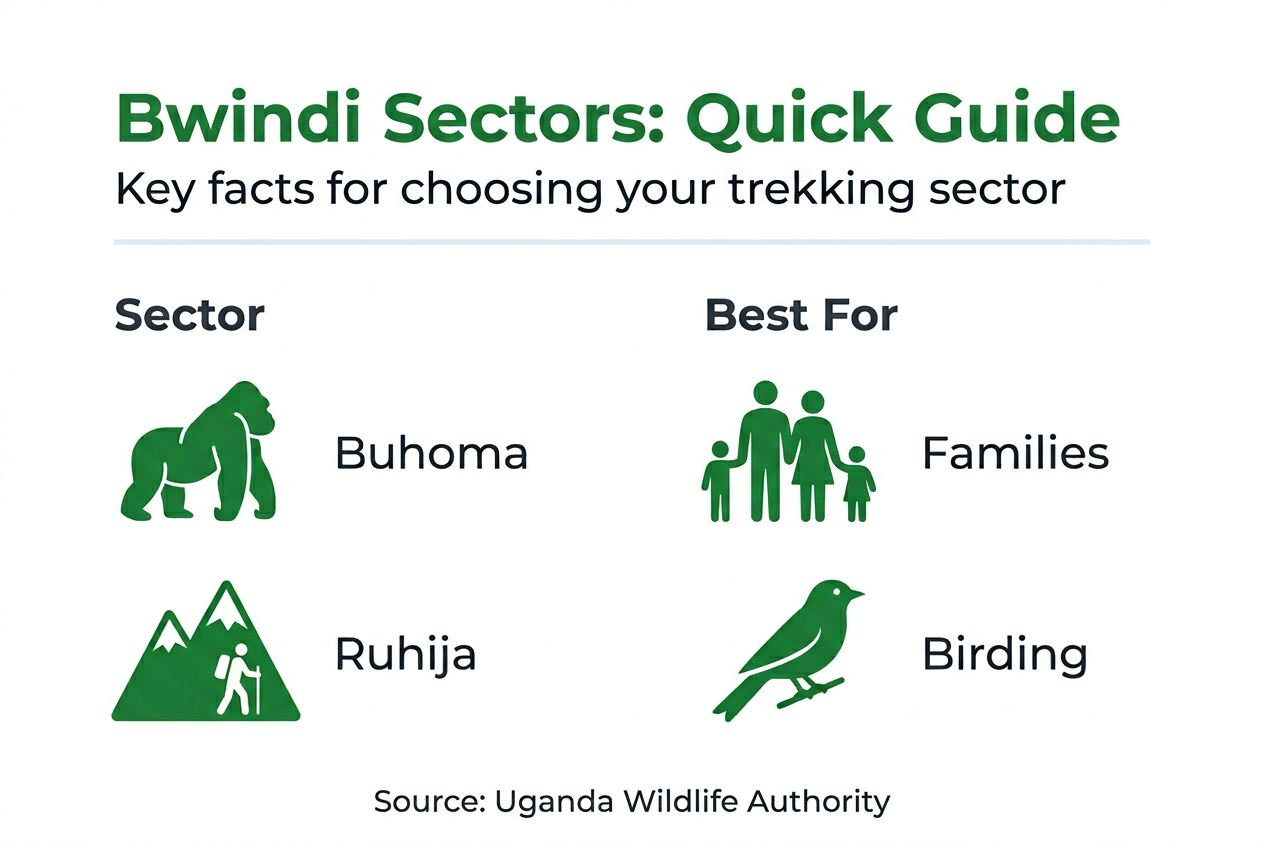
| Sector | Difficulty | Best For | Families | Notes |
|---|---|---|---|---|
| Buhoma | Easy | Beginners, families | 4 groups | Most developed infrastructure |
| Ruhija | Moderate | Birders, altitude lovers | 3 groups | High elevation, cooler temps |
| Rushaga | Moderate-Hard | Habituation seekers | 8 groups | Most permit availability |
| Nkuringo | Very Hard | Experienced hikers | 2 groups | Steepest terrain, dramatic views |
Pro Tip: Fitness matters more than age. A 60-year-old with regular hiking experience handles Nkuringo better than an inactive 30-year-old. Assess your conditioning honestly when selecting sectors.
Cross-sector travel during your safari proves impractical. Morning briefings start early, and road conditions prevent quick transfers. Lock your sector choice to your permit, accommodation, and fitness level simultaneously.
How to book gorilla permits and requirements for 2026
Gorilla permits operate on a sector-based system, not specific family assignments. You book Buhoma, Ruhija, Rushaga, or Nkuringo for a specific date. Uganda Wildlife Authority assigns you to a gorilla family within that sector on trekking morning based on fitness assessments and family locations.
Follow these steps to secure 2026 permits:
- Submit passport bio-data pages to your tour operator or directly to Uganda Wildlife Authority for permit processing authorization.
- Select your preferred sector based on fitness level and accommodation preferences outlined above.
- Choose backup dates in case primary dates sell out, especially during June-September and December-February.
- Confirm payment of $800 per person to lock the permit reservation.
- Receive permit confirmation with QR code, serving as legal trekking authorization.
- Coordinate accommodations within the same sector to avoid impossible morning transfers.
Licensed tour operators handle complex Uganda Wildlife Authority digital systems more efficiently than individual bookings. Operators maintain direct relationships with UWA, access real-time availability, and process group permits faster.
Critical permit requirements:
- Minimum age 15 years (no exceptions for health and safety)
- Valid passport required for booking and trekking day verification
- Permits non-transferable between individuals or dates without penalty fees
- Each permit covers one specific date and sector only
Once confirmed, your permit locks in sector, date, and logistical requirements. Accommodations must be booked immediately in the same sector. Transport arrangements must account for sector-specific departure times and trailhead locations. Permits purchased through licensed operators include these coordinations, while independent bookings require separate arrangements.
Pro Tip: Avoid booking permits for the first or last day of your Uganda trip. Flight delays, unexpected road conditions, or illness need buffer days to prevent forfeited $800 permits.
Common challenges and how to choose your best sector
Late permit bookings during peak seasons create the most frequent safari failures. Waiting until 3-4 months before travel leaves only limited sectors, forcing compromises on fitness-appropriate terrain or preferred accommodations. Early booking secures ideal sectors and lodges simultaneously.
Accommodation mismatches cause permit forfeitures. Booking lodging in Buhoma while holding Nkuringo permits creates impossible morning logistics. The 2-3 hour drive between sectors cannot be completed before 7 AM briefings. Match lodging to permit sector without exception.
Underestimating terrain difficulty leads to dangerous situations and incomplete treks. Nkuringo’s steep descents and climbs exceed many trekkers’ capabilities, resulting in exhaustion, injuries, or inability to reach gorillas. Honest fitness assessment prevents these scenarios.
Sector selection decision filters:
- Choose Buhoma if: First-time trekker, moderate fitness, prefer developed lodge options, traveling with family
- Choose Ruhija if: Interested in birdwatching, comfortable with altitude, seeking quieter trekking experience
- Choose Rushaga if: Want habituation experience option, need flexible permit availability, moderate to good fitness
- Choose Nkuringo if: Experienced hiker, excellent fitness, seeking challenge and dramatic scenery
Pro Tip: Beginners select Buhoma for the best balance of accessibility and authentic gorilla encounters without extreme physical demands.
Common pitfalls to avoid:
- Booking multiple sector permits for the same day (only one allowed)
- Scheduling treks immediately after long international flights
- Ignoring porter services to save $20, then struggling with gear on steep trails
- Selecting sectors based on lodge luxury rather than terrain match
“Cross-sector driving on trek day is impractical and often impossible, so plan accordingly.”
Last-minute logistics coordination fails regularly. Permits, transport, and accommodations must align weeks before departure. Attempting to arrange these elements separately or close to travel dates guarantees gaps, conflicts, and wasted permits.
Plan your Uganda gorilla safari with PawMac Safaris
Navigating sector permits, coordinating 4×4 Safari Van transport, and booking terrain-appropriate accommodations requires local expertise and direct operational control. PawMac Safaris specializes in seamless Uganda gorilla trekking logistics for 2026, managing every element from permit processing through post-trek transfers.

Our customized 4×4 Safari Vans handle Bwindi’s challenging roads safely, while experienced drivers navigate sector-specific routes daily. We coordinate permit bookings with matching accommodations, eliminating the cross-sector mismatches that derail independent safaris. Our guides provide sector briefings, fitness assessments, and gear recommendations tailored to your chosen terrain.
Whether you need Buhoma’s accessible trails or Rushaga’s habituation experiences, we match sectors to your abilities and interests precisely. Get a custom 2026 quote that bundles permits, transport, and lodging into coordinated packages built for Uganda’s ground realities.
FAQ
What is the exact cost of a Uganda gorilla trekking permit in 2026?
The official gorilla permit costs $800 for foreign non-residents in 2026. This fee covers park entry, experienced guides, armed ranger security, and conservation program funding managed by Uganda Wildlife Authority. Discount months (April, May, November) offer $600 permits during low season.
How far in advance should I book my gorilla permit?
Book permits at least 6 to 8 months before peak trekking seasons (June-September, December-February). Early booking maximizes chances of securing permits in your preferred sector, as daily quotas limit availability to 8 trekkers per gorilla family. Low season permits can be booked 2-3 months ahead.
What types of vehicles are used for ground transport during Uganda safaris?
Ground transport uses specially customized 4×4 Safari Vans equipped with professional suspension systems and pop-up roofs for wildlife viewing. Traditional Land Cruisers are not used due to terrain requirements and vehicle logistics in 2026 Uganda safaris. These reinforced vans handle Bwindi’s steep, unpaved roads safely.
Recommended
- How to book a discounted gorilla safari in Uganda 2026
- Gorilla Trekking Permit Uganda: Cost & Booking (2026)
- Gorilla Trekking in Uganda: Cost, Permits & Tours 2026
- Uganda Safari Guide: Gorilla Trekking, Wildlife & Planning


